Tai Chi Relaxation: Ancient Practice for Modern Calm
Aug 02, 2026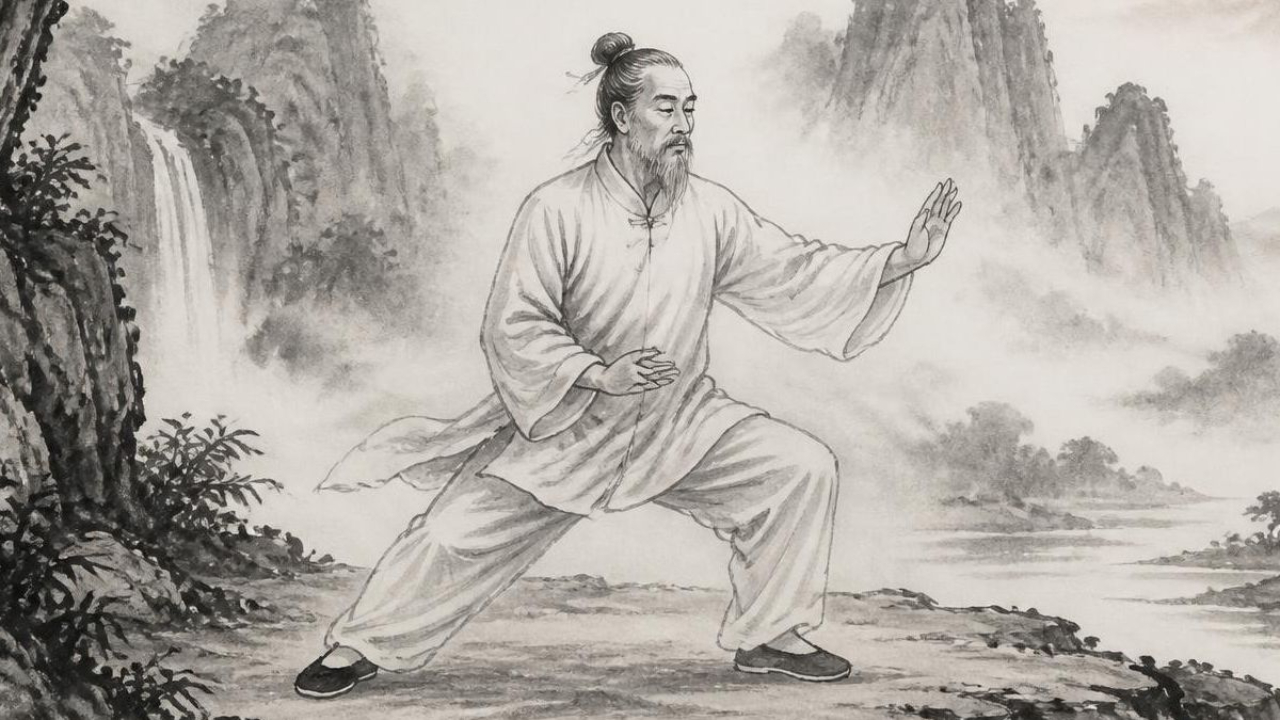
Tai chi relaxation offers a pathway to calm that feels increasingly rare in our fast-paced world. This ancient practice doesn't just teach you to move slowly; it trains your entire being to release tension, quiet mental chatter, and reconnect with your natural flow of energy. When you practise tai chi with intention, you're not simply exercising. You're learning to relax at the deepest levels, creating space for healing, clarity, and genuine peace.
Understanding Tai Chi Relaxation
Tai chi relaxation works differently than passive rest or conventional stretching. The practice asks you to stay actively engaged while simultaneously letting go. This dynamic quality creates a unique state where your body releases muscular tension even as you move, and your mind settles even as you maintain awareness.
The Wudang tradition emphasises sung, a Chinese concept that translates roughly to "relaxed" but carries much deeper meaning. Sung describes a quality of being loose, open, and heavy, as if your joints become spacious and your muscles drape naturally over your bones. This isn't collapse or weakness. It's a state of alert calmness where your structure supports you without strain.
The Body's Response to Tai Chi Practice
When you engage in tai chi relaxation, your nervous system gradually shifts from sympathetic activation (fight or flight) to parasympathetic dominance (rest and digest). This shift happens through several mechanisms:
- Slow, circular movements signal safety to your brain
- Deep, coordinated breathing activates the vagus nerve
- Gentle weight shifts release chronic holding patterns
- Mindful attention interrupts stress loops
Research shows that regular tai chi practice effectively reduces stress by lowering cortisol levels and promoting relaxation responses throughout the body. Your muscles literally learn to hold less tension as default.
The Three Pillars of Tai Chi Relaxation
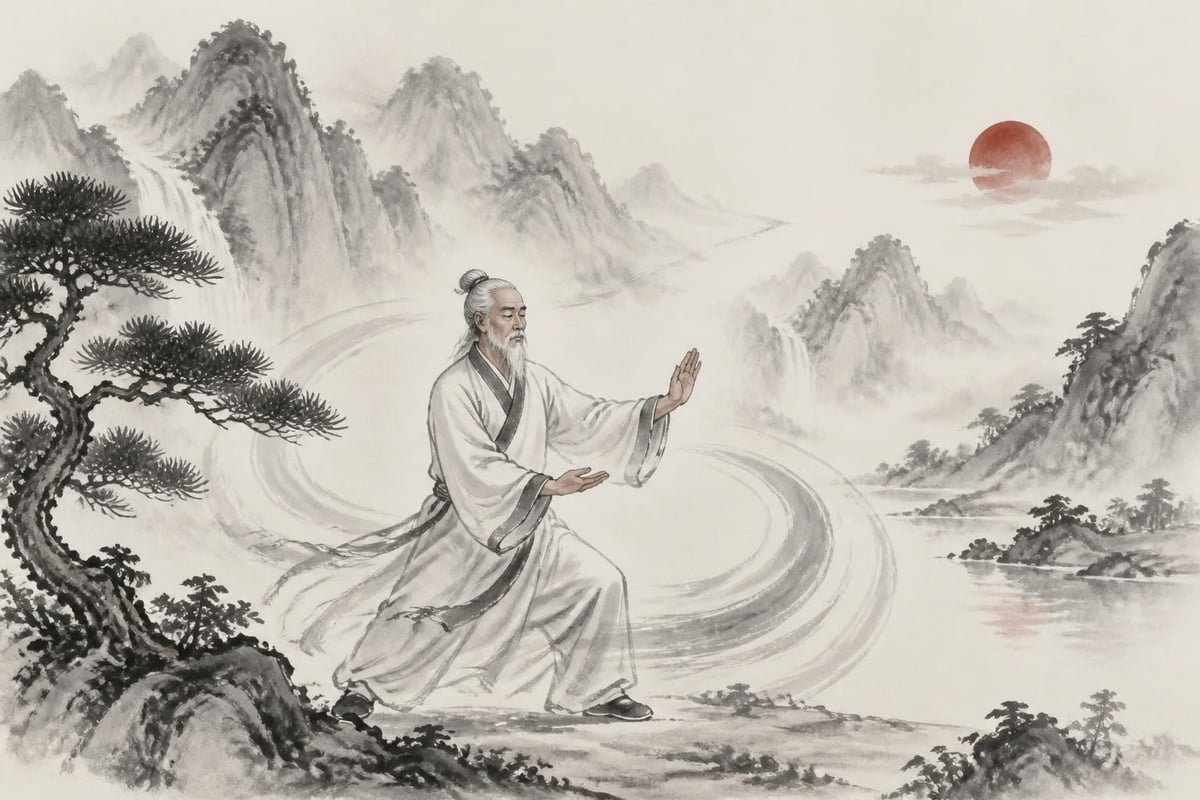
Effective tai chi relaxation rests on three interconnected foundations. Each pillar supports the others, creating a complete system for deep release.
Physical Relaxation Through Movement
Physical relaxation in tai chi begins with alignment and continues through flow. You learn to stack your joints naturally so bones bear weight rather than muscles working overtime. As you move through forms, you discover how to soften areas you've been clenching for years, sometimes without even knowing it.
Your shoulders drop away from your ears. Your jaw unclenches. Your belly releases its habitual grip. These changes happen gradually as you practise, guided by the principle that force blocks energy while softness allows flow.
Our Tai Chi course guides students through authentic Wudang forms that emphasise this quality of relaxed movement. Master Gu teaches students to move from their centre, allowing arms and legs to follow naturally rather than forcing positions.
Mental Relaxation Through Focus
Mental tai chi relaxation emerges when you give your thinking mind a simple task: follow the movement. Your attention rests on sensations - the feeling of weight shifting, the path your hand traces through space. This gentle focus quiets the constant narrative most of us carry.
You're not trying to empty your mind or fight thoughts. You're simply placing attention somewhere more useful. When thoughts arise, as they always do, you notice them and return to sensation. This process trains your nervous system to settle.
| Mental State | Before Practice | During Practice | After Practice |
|---|---|---|---|
| Thought Speed | Rapid, scattered | Slowed, focused | Calm, clear |
| Worry Level | High | Diminished | Significantly reduced |
| Presence | Future/past focus | Present moment | Sustained awareness |
Energetic Relaxation Through Breath
The third pillar connects physical and mental relaxation through conscious breathing. In tai chi, breath follows movement naturally. You're not forcing specific patterns but allowing your breathing to deepen and smooth as you practise.
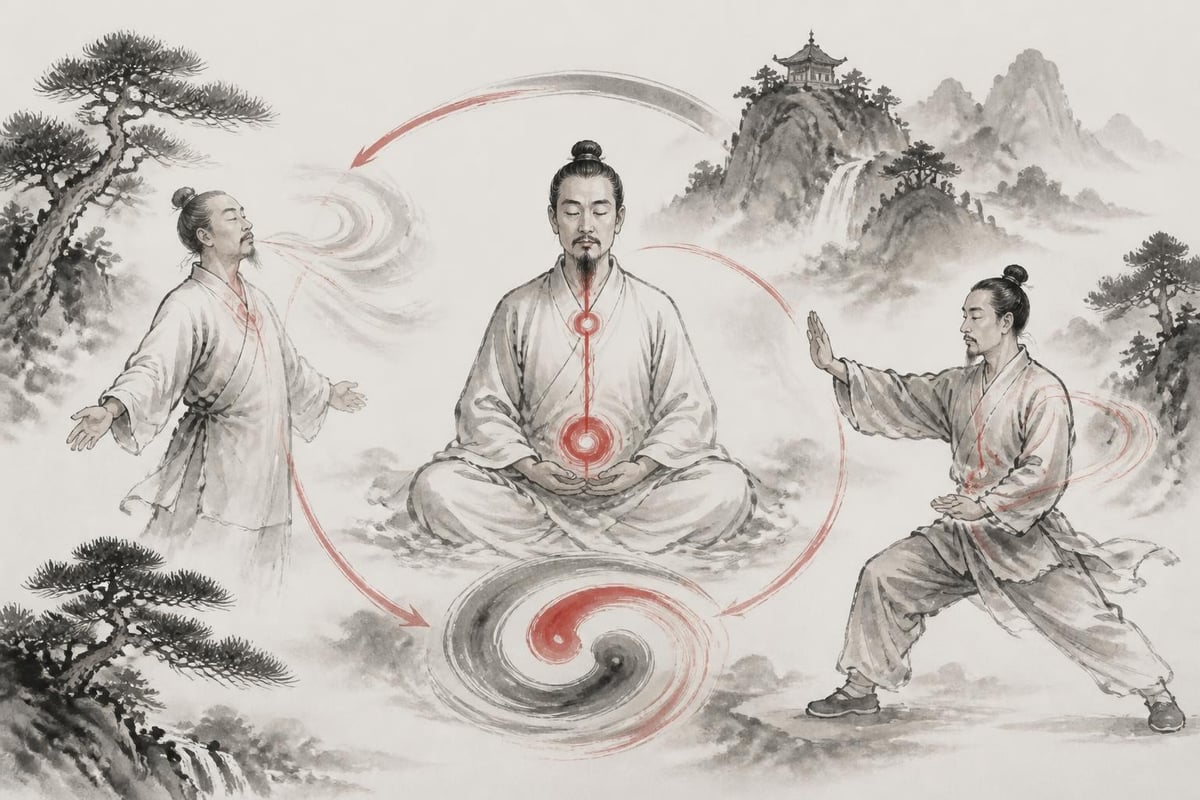
This natural coordination creates what Taoists call qi flow - the movement of vital energy through your body. When you relax deeply, when tension releases and breath flows freely, you begin to feel this subtle current. Some describe it as warmth, tingling, or a gentle pressure moving through their body.
Practical Techniques for Daily Relaxation
Tai chi relaxation doesn't require an hour-long practice session to be effective. You can access its benefits through short, focused practices woven throughout your day.
Standing Meditation for Instant Calm
Standing meditation, or Zhan Zhuang, offers powerful relaxation in a simple posture. Stand with feet shoulder-width apart, knees slightly bent, arms hanging naturally or held as if embracing a large ball at chest height.
The practice is straightforward:
- Settle your weight evenly through both feet
- Soften your knees and allow your spine to lengthen
- Release tension from your shoulders and jaw
- Breathe naturally, allowing your belly to expand
- Hold this posture for 5-20 minutes
Your body will initially protest. Muscles accustomed to working will complain about this new way of standing. But as you continue, something shifts. You discover pockets of tension you didn't know existed and learn to release them.
Wave Hands Like Clouds
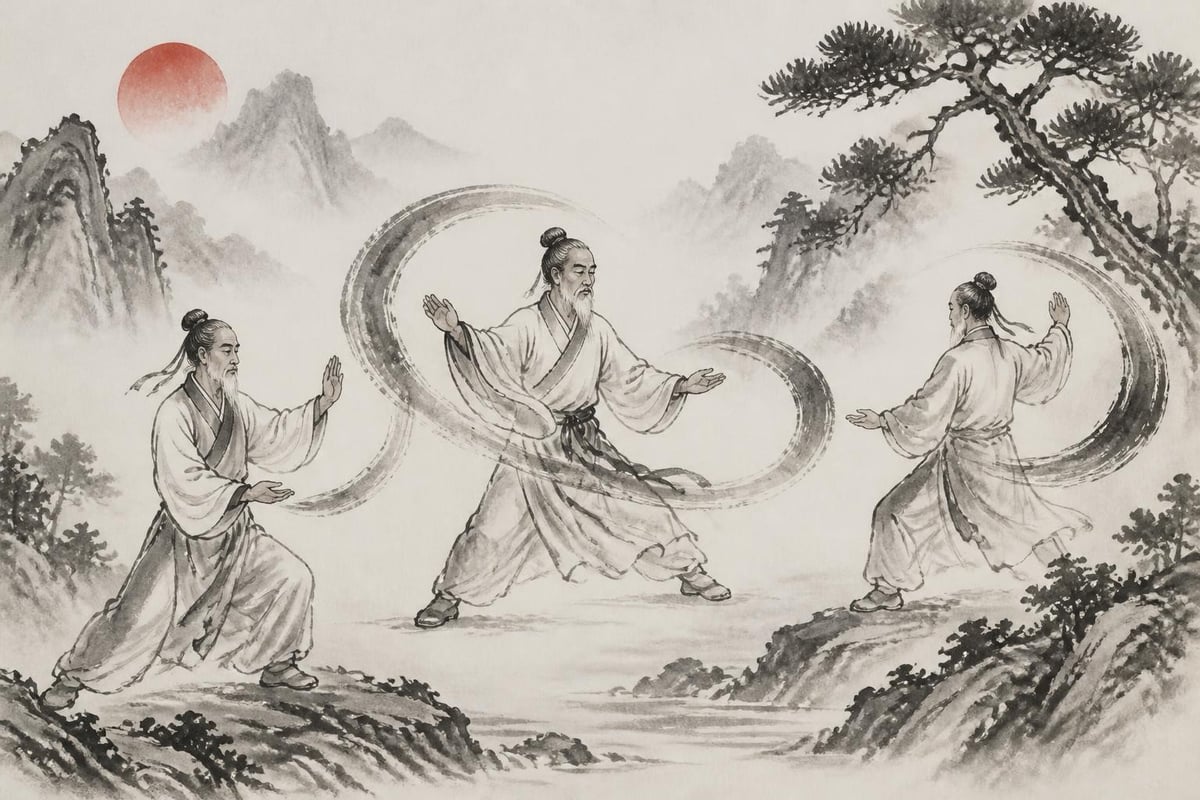
This classic movement creates profound tai chi relaxation through its rhythmic, meditative quality. You shift your weight side to side while your hands float in circular patterns before your body, like clouds drifting across the sky.
The movement teaches several relaxation principles simultaneously:
- Continuous flow prevents muscular bracing
- Weight shifts release tension in hips and legs
- Coordinated arms soften shoulders and chest
- Turning waist massages internal organs
Practise this movement for just five minutes and notice how your breathing deepens, your thoughts settle, and a gentle warmth builds in your centre.
Silk Reeling Exercises
Silk reeling movements train your body to move with spiralling, connected motion. Imagine drawing silk from a cocoon - the continuous, gentle pulling that never jerks or forces. Your movements carry this same quality.
These exercises teach profound relaxation because they require softness. Any tension in your shoulders, elbows, or wrists disrupts the spiral. Your body learns to release through practical necessity.
The Science Behind Relaxation Benefits
Modern research increasingly validates what Taoist practitioners have known for centuries. Tai chi relaxation creates measurable changes in your body and brain.
Studies demonstrate that tai chi's gentle movements reduce stress and improve overall health through multiple pathways. Your heart rate variability improves, indicating better stress resilience. Inflammatory markers decrease. Sleep quality enhances.
Neurological Changes
Brain imaging studies show that regular tai chi practice increases grey matter density in regions associated with emotional regulation and stress response. Your brain literally restructures itself to handle stress more effectively.
The meditative aspect of tai chi relaxation activates your prefrontal cortex, the area responsible for executive function and emotional regulation. Meanwhile, activity decreases in the amygdala, your brain's alarm system. You become less reactive, more responsive.
Hormonal Balance
Tai chi relaxation influences your endocrine system, the network of glands that regulate everything from stress response to sleep cycles. Cortisol, your primary stress hormone, decreases with regular practice. Meanwhile, serotonin and dopamine - neurotransmitters associated with well-being - increase.
For those experiencing sleep difficulties, tai chi offers particular benefits by addressing both the physical and emotional components of sleep disturbance. For a broader look at the documented health benefits of this practice, our post on Tai Chi benefits covers the evidence in accessible detail.
Building Your Personal Practice
Creating a sustainable tai chi relaxation practice doesn't require perfection. It requires consistency, patience, and a willingness to meet yourself where you are today.
Starting Small and Simple
Begin with just ten minutes daily. Choose one simple movement or posture and practise it with full attention. Quality matters far more than quantity. Five minutes of genuine, relaxed practice beats an hour of tense effort.
Many students discover that our free 4-week Taoist Wellness course provides an excellent foundation for building a daily practice. Master Gu guides you through simple, accessible practices designed for beginners while maintaining the authentic principles that make tai chi effective.
Creating Your Practice Space
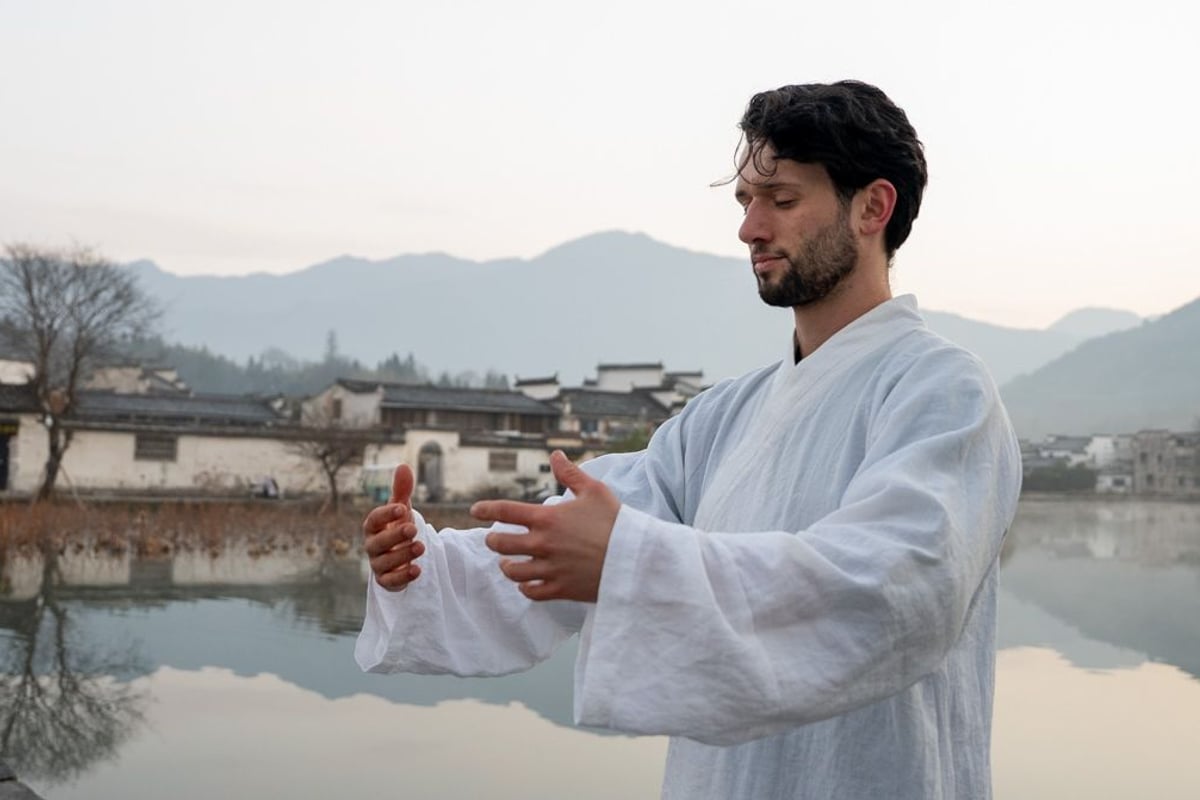
Your practice space doesn't need to be elaborate. A quiet corner where you won't be interrupted for a few minutes is sufficient. Some practitioners prefer practising outdoors, connecting with natural surroundings, while others create a simple indoor sanctuary.
Essential elements for your practice space:
- Enough room to extend your arms in all directions
- Comfortable temperature (slightly cool is ideal)
- Minimal visual distractions
- Good air quality for deep breathing
- Level flooring that's not too hard or too soft
Tracking Your Progress
Progress in tai chi relaxation isn't always linear or obvious. You're not chasing performance goals but deepening your capacity to relax and flow. Track your practice by noticing subtle shifts in how you feel, move, and respond to stress.
| Week | Physical Markers | Mental Markers | Energy Markers |
|---|---|---|---|
| 1-2 | Body awareness increasing | Moments of quiet | Occasional warmth |
| 3-4 | Less shoulder tension | Thoughts slow during practice | Energy sensations |
| 5-8 | Posture improving naturally | Calm extends beyond practice | Consistent qi flow |
| 9+ | Chronic tension releasing | Reactive patterns shifting | Vitality increasing |
Integrating Relaxation Into Daily Life
The true measure of tai chi relaxation isn't what happens during practice but how it transforms your daily experience. The skills you develop on your practice mat gradually infuse your entire life.
Mindful Transitions
Use transitions throughout your day as micro-practices. When you stand from your desk, move with the same quality you bring to tai chi. Feel your weight shift, notice how your body organises itself to rise, breathe with the movement.
These small moments accumulate. You're training your nervous system to default to relaxation rather than tension.
Breath Awareness
Your breath provides a constant anchor to the present moment and a reliable indicator of your stress level. Throughout your day, pause periodically to notice your breathing. Is it shallow and rapid or deep and smooth?
Simply bringing awareness to your breath often allows it to deepen naturally. You're not forcing change but creating conditions for your body to relax.
The Practice of Wu Wei
Wu Wei, often translated as "effortless action," represents the ultimate goal of tai chi relaxation. You learn to accomplish what's needed without unnecessary force or strain. You stop pushing the river and learn to move with its current.
This principle applies to every area of life. You can bring tai chi relaxation to difficult conversations, challenging work projects, or stressful situations by asking: where am I forcing? Where can I soften while remaining engaged?
Common Obstacles and Solutions
Every practitioner encounters challenges on the path to deep tai chi relaxation. Understanding common obstacles helps you navigate them skilfully.
"I Can't Relax My Mind"
This might be the most common concern students express. Your mind seems to race faster the moment you try to practise. This is normal and temporary.
Remember, you're not trying to stop thoughts. You're simply not following them. Each time you notice you've drifted into thinking, gently return attention to sensation. This returning is the practice. You're building a new mental habit through repetition.
Physical Discomfort
Some discomfort is normal when you begin practising. You're asking your body to hold positions and move in ways that might be unfamiliar. But sharp pain or strain indicates you're forcing something.
Solutions for common discomfort:
- Bend your knees less deeply
- Shorten your stance
- Practise for shorter periods
- Focus on relaxation rather than perfect form
- Consult with an experienced teacher
You'll find support and shared experience at the Taoist Wellness Online community - fellow practitioners are generous with encouragement when you encounter challenges.
Finding Consistent Time
Modern life makes consistent practice challenging. You might start enthusiastically, then miss a few days and struggle to return.
Build practice into existing routines rather than creating entirely new time blocks. Practise for five minutes right after waking, before your morning coffee, or during your lunch break. Link your practice to an existing habit and it becomes easier to maintain.
Deepening Your Understanding
Tai chi relaxation opens doorways to deeper exploration. As your practice matures, you might feel drawn to understand the philosophical and energetic principles underlying what you experience.
The Role of Qi Gong
Qi Gong complements tai chi relaxation beautifully. While tai chi emphasises flowing forms, why not explore our Qi Gong course? It focuses more explicitly on cultivating and circulating energy through specific exercises and meditations, and the two practices strengthen each other considerably.
Meditation and Philosophy
The mental relaxation you cultivate through tai chi naturally leads toward meditation. Many practitioners find that our Taoist Meditation course deepens their tai chi practice, while tai chi makes sitting meditation more accessible.
Understanding Taoist philosophy enriches your practice by revealing the wisdom traditions that shaped these arts. Concepts like yin and yang, the flow of natural cycles, and the power of softness take on new meaning when you experience them through your body.
Authentic Lineage Matters
Not all tai chi instruction emphasises relaxation equally. Some modern interpretations focus primarily on choreography or athletic performance. The Wudang tradition, passed down through generations of masters, maintains the essential focus on relaxation, internal development, and cultivating qi.
Learning from teachers connected to authentic lineages ensures you receive practices refined over centuries. Master Gu's teachings come directly from the Wudang mountains, where these arts originated and continue to be preserved in their traditional form. For further context on the forms that embody these principles, our post on forms of Tai Chi explains what distinguishes different Wudang sequences and what each one cultivates.
The Long-Term Journey
Tai chi relaxation isn't a quick fix or a technique you master and set aside. It's a lifetime practice that continues to reveal new depths the longer you engage with it.
What Changes Over Time
In your first months, you notice obvious physical benefits: better sleep, less tension, improved balance. These early rewards encourage continued practice.
As months become years, subtler transformations emerge. You handle stress differently, not just during practice but in daily life. Your emotional reactions become less intense, more spacious. You develop an inner steadiness that persists through challenging circumstances.
Evolution of practice over time:
- Months 1-6: Learning movements, building basic relaxation skills
- Months 6-12: Movements becoming natural, deeper body awareness
- Years 1-3: Internal energy becoming tangible, mental clarity increasing
- Years 3-5: Practice integrating fully into daily life, teaching others
- Years 5+: Subtle refinements, deepening wisdom, continuous discovery
Becoming Your Own Teacher
Eventually, you develop the sensitivity to guide your own practice. You notice what your body needs on any given day. Sometimes you need gentle, flowing movements. Other days call for standing meditation or specific exercises addressing areas of tension.
This inner authority doesn't mean you no longer need teachers. It means you've developed the foundation to practise independently while remaining open to guidance and new learning.
Sharing the Gift
Many long-term practitioners feel called to share tai chi relaxation with others. You don't need to become a formal teacher to offer this gift. Simply practising in public spaces, inviting friends to join you, or demonstrating simple techniques to family members plants seeds.
When people see someone moving with genuine relaxation, it touches something in them. Your practice becomes a quiet teaching - an invitation to possibility.
Tai chi relaxation offers a complete system for releasing tension, calming your mind, and reconnecting with your natural vitality through gentle, mindful movement. These ancient practices remain powerfully relevant for modern life, providing practical tools for navigating stress while cultivating deeper peace. Start with our free 4-week Taoist Wellness course and take your first steps with Master Gu - no equipment, no experience needed. When you're ready for more, Taoist Wellness Online provides authentic instruction in Wudang tai chi, qi gong, and Taoist meditation with Master Gu, a 15th-generation San Feng Pai Wudang Taoist Master with over 25 years of experience.