Wudang Mountains: Sacred Home of Tai Chi & Taoism
Oct 31, 2026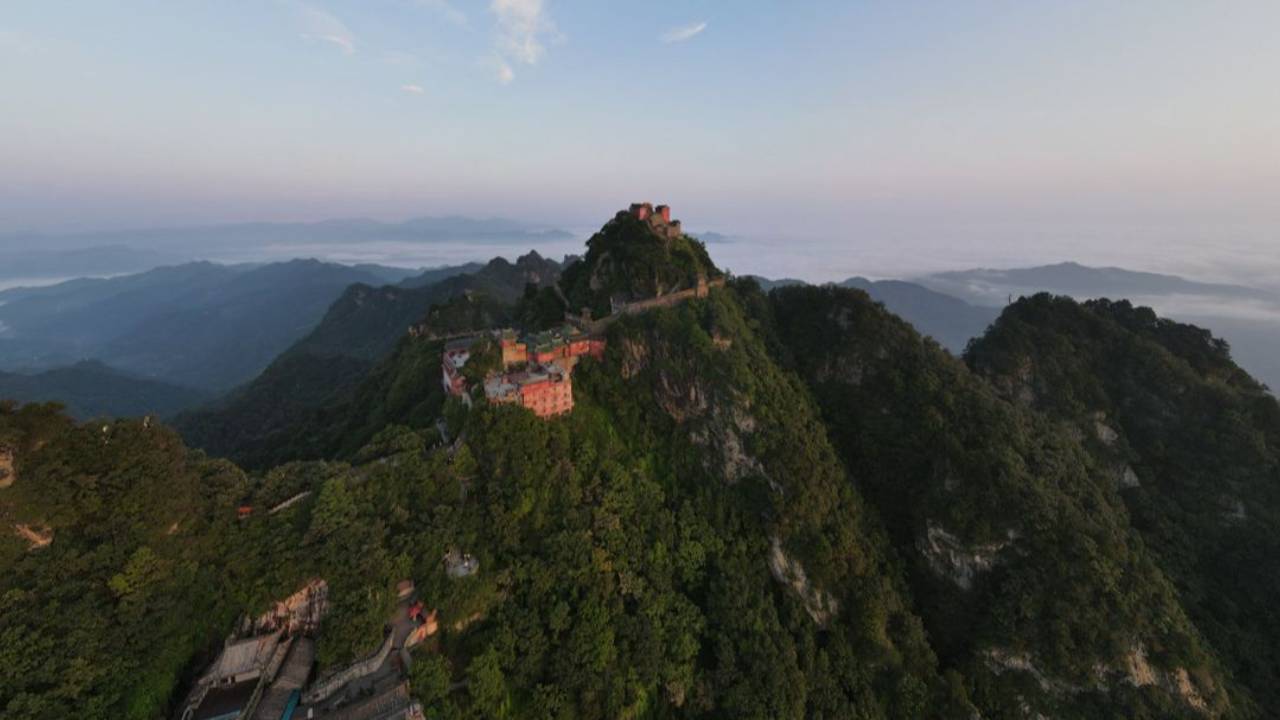
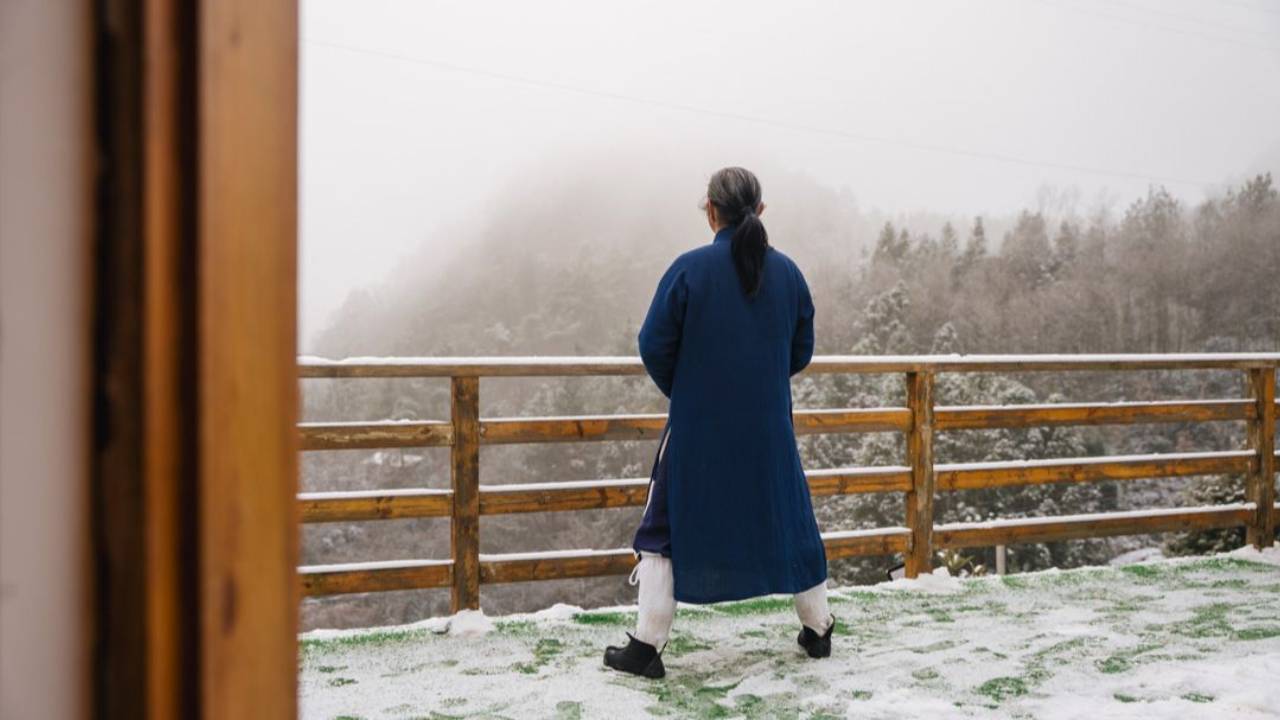
The Wudang Mountains rise from the mist-wrapped landscape of north-western Hubei Province, China, like something from a dream. These peaks have been a spiritual heart of Taoism for over a thousand years, home to practices that bring body, mind and spirit into balance. If you have ever wondered where Tai Chi and Qi Gong come from, this sacred range is a big part of the story. The Wudang Mountains are not just a place on a map - they are a living tradition where ancient wisdom continues through monasteries, martial arts schools and meditation halls. Understanding this place helps us appreciate the depth behind the practices we study today.
The Sacred Landscape and Its Spiritual Significance
The Wudang Mountains are traditionally described as having 72 peaks, with Tianzhu Peak (also called "Heavenly Pillar") rising to around 1,600 metres at the summit. The range stretches across the region like a natural temple where earth meets heaven.
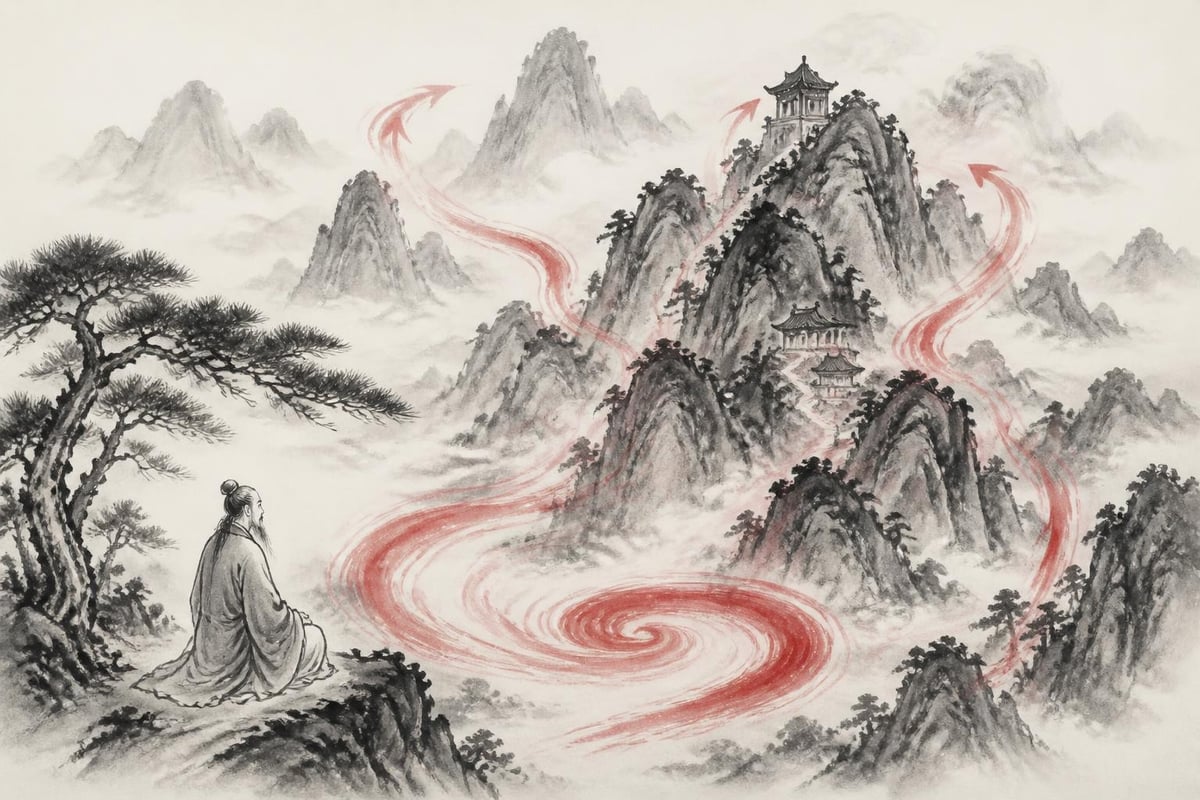
For centuries, Taoist practitioners have seen this landscape as ideal for quiet cultivation. In traditional belief, the interplay of mountains, forests, streams and clouds forms what Taoists call a "dragon vein", a line of natural energy or qi. Whatever you make of that idea, the clean air, natural beauty and quiet of the mountains clearly support reflective practice.
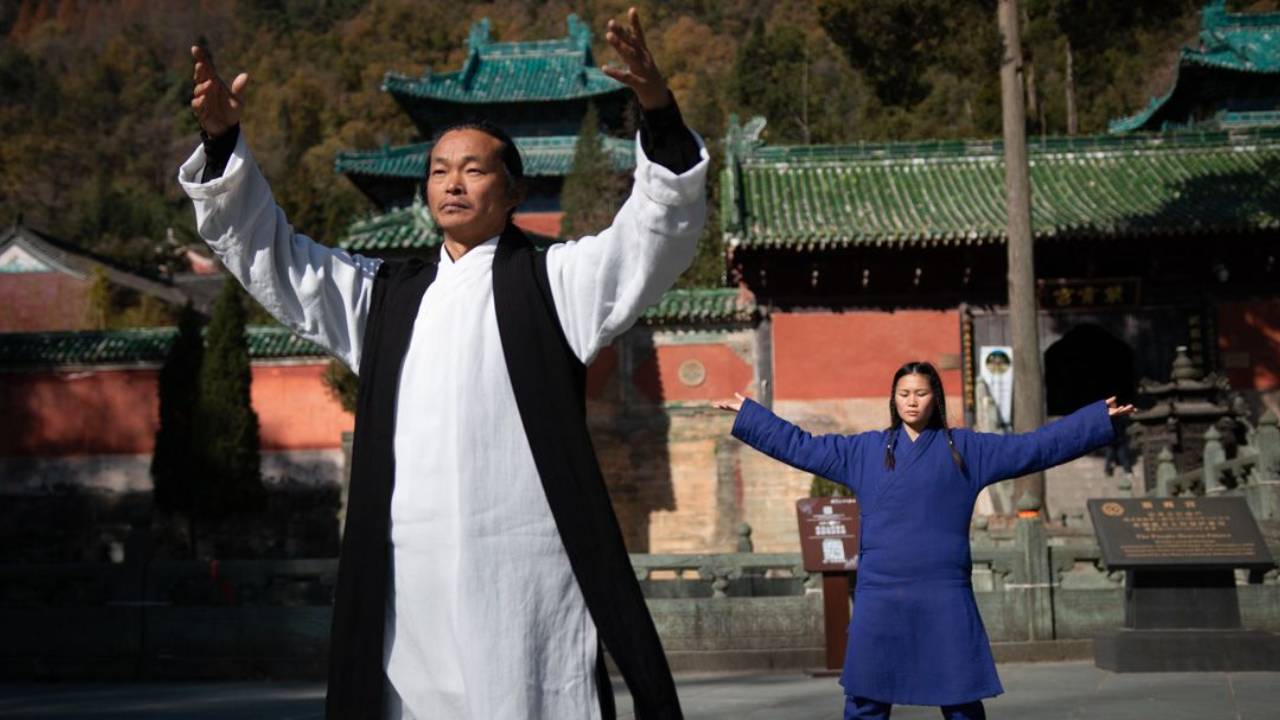
In the short video below, our teacher Master Gu shows a November day in the Wudang Mountains, with ancient Taoist buildings and Tai Chi.
Why Mountains Matter in Taoist Practice
Mountains hold special meaning in Taoist cosmology. They stand for stability, endurance and the bridge between earthly and heavenly realms. The Wudang Mountains became closely associated with Xuanwu (the Dark Warrior), a Taoist deity linked with water and fire.
This symbolism drew countless practitioners looking for:
- Remote places for uninterrupted meditation and reflection
- Natural surroundings of forests and flowing water
- Spiritual lineage passed down through generations of masters
- Community with other committed practitioners
The mountain itself becomes a teacher. The weather changes constantly, showing impermanence. Steep paths build patience and determination. The vastness encourages humility. You can read more about this relationship in our article on the role of nature in Taoism.
Ancient Temples and Architectural Wonders
The Wudang Mountains hold one of China's most impressive collections of Taoist architecture. The complex is described as including around 33 building groups with more than 200 individual structures, many dating back to the Ming Dynasty (1368 to 1644).
The most famous is the Golden Hall, perched at the summit of Tianzhu Peak. Built of gilded copper and bronze, this small but exquisite temple is said to have survived centuries of lightning strikes without damage, which locals attribute to spiritual protection and clever engineering.
| Temple Complex | Era | Key Features | Spiritual Focus |
|---|---|---|---|
| Golden Hall | Early 15th century | Gilded copper construction | Honouring Xuanwu |
| Purple Cloud Palace | Early 15th century | Main ceremonial centre | Taoist ritual and training |
| Nanyan Palace | Ming era | Cliff-hanging architecture | Meditation and retreat |
| Five Dragon Palace | Yuan era | One of the older surviving structures | Martial arts practice |
The Path Up: Physical Journey as Spiritual Metaphor
Reaching these temples means climbing thousands of stone steps carved into the mountainside. This is more than transport - it is a walking meditation, a physical practice that mirrors inner cultivation.
The ascent teaches useful lessons. You pace yourself, saving your strength for the long journey. You stay present with each step rather than fixing on the distant summit. You find a rhythm in your breathing. The same ideas apply whether you are practising Tai Chi in your living room or meeting life's challenges.
Birthplace of Wudang Martial Arts
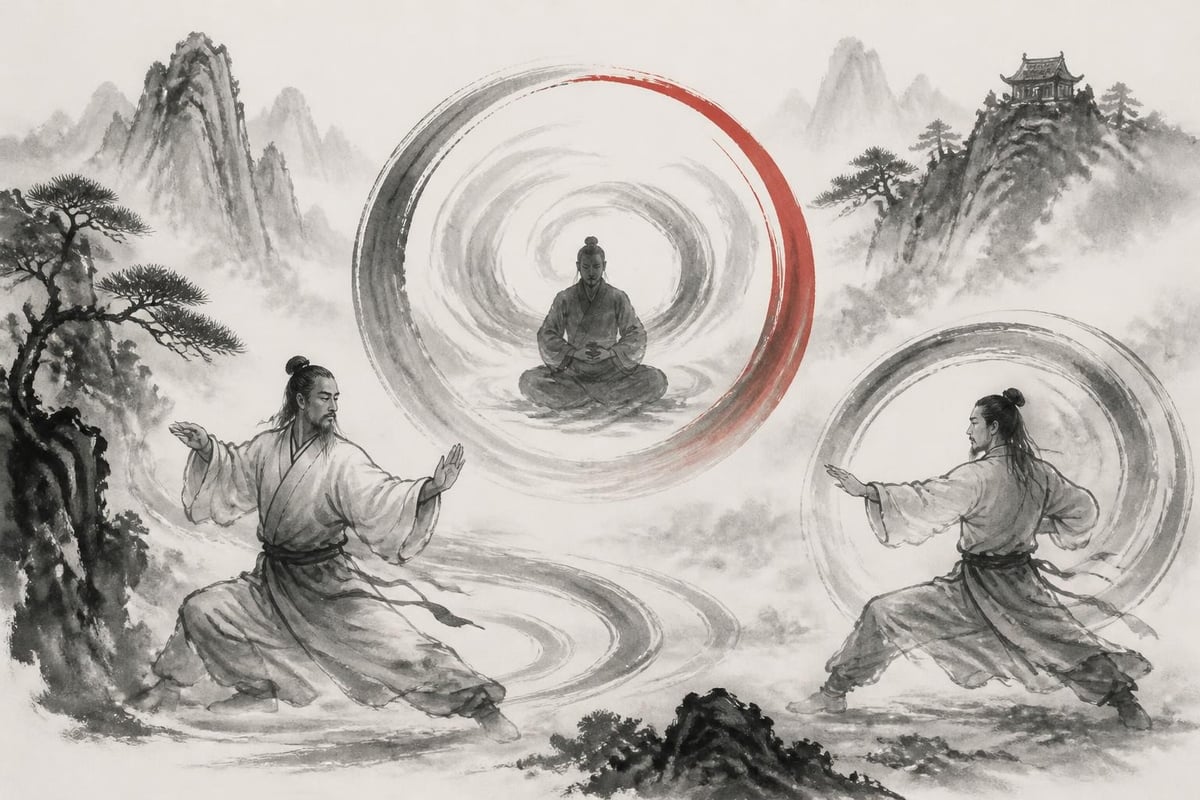
The Wudang Mountains gave rise to a system of martial arts distinct from the harder, external styles that developed at Shaolin and elsewhere. Wudang martial arts emphasise fluid movement, inner awareness and the principle of using softness to overcome hardness.
According to tradition, Zhang Sanfeng, a semi-legendary Taoist master, developed these arts after watching a fight between a snake and a crane. He noticed how the snake's yielding, circular movements deflected the crane's direct attacks. This story is often told as the foundation of Tai Chi as a martial art and related practices.
Core Principles of Wudang Arts
Softness over hardness: rather than meeting force with force, Wudang practitioners yield and redirect, using minimal effort.
Internal cultivation: physical movements serve as vehicles for developing awareness, balance and a relaxed, connected body.
Mind-body unity: every movement begins with mental intention, creating coordination between thought and action.
Natural movement: techniques echo patterns found in nature, like flowing water or swaying bamboo, rather than rigid geometry.
The Wudang Mountains still host active martial arts schools where students train rigorously. These schools preserve traditional practices while adapting them for contemporary students, keeping lineage transmission alive.
Taoist Philosophy and Daily Practice
Beyond martial arts, the Wudang Mountains are a centre for Taoist philosophy and spiritual practice. The monasteries and temples work as living classrooms where ancient wisdom is lived as well as studied. For more on how these ideas developed, see our article on the history and origins of Taoism.
Daily routines there are traditionally described as following natural rhythms:
- Pre-dawn meditation as the day begins
- Morning Qi Gong to loosen and prepare the body
- Study and contemplation during the brightest hours of the day
- Afternoon martial practice bringing together inner and outer work
- Evening meditation as the day winds down
- Rest with the darkness honouring natural cycles
This schedule is not arbitrary. It reflects a Taoist view that our energy naturally rises and falls through the day, and that living in step with these patterns supports health and spiritual growth.
Living Wisdom: Not Just Philosophy
Understanding Taoist philosophy becomes much easier when you see it practised in daily life - our Taoist philosophy course explores these ideas step by step. In the Wudang Mountains, concepts like wu wei (effortless action) are not abstract. They are practical approaches to everything from sweeping floors to settling disagreements.
A monk might spend hours in what looks like effortless meditation because the conditions that make stillness natural have been cultivated over years. This is wu wei in practice: working with your nature rather than forcing yourself to sit despite inner resistance.
Modern Pilgrimage and Cultural Tourism
Today, the Wudang Mountains welcome millions of visitors each year - tourists, martial arts students, spiritual seekers and cultural enthusiasts. The area was designated a UNESCO World Heritage Site in 1994, recognising both its architecture and its role in preserving Taoist traditions.
This attention brings both benefits and challenges:
Benefits:
- Funding to preserve ancient structures
- Global awareness of Taoist practices
- Economic support for local communities
- Cross-cultural exchange and learning
Challenges:
- Balancing tourism with a peaceful spiritual atmosphere
- Keeping practice authentic amid commercialisation
- Environmental impact from more visitors
- Making sure lineage transmission continues
The region works to share its heritage honestly while meeting present-day needs.
Learning the Wudang Tradition Online
Learning from a teacher in the Wudang tradition offers something different from generic martial arts instruction. Such teachers carry a lineage - they learned from masters who learned from masters, in a chain stretching back centuries.
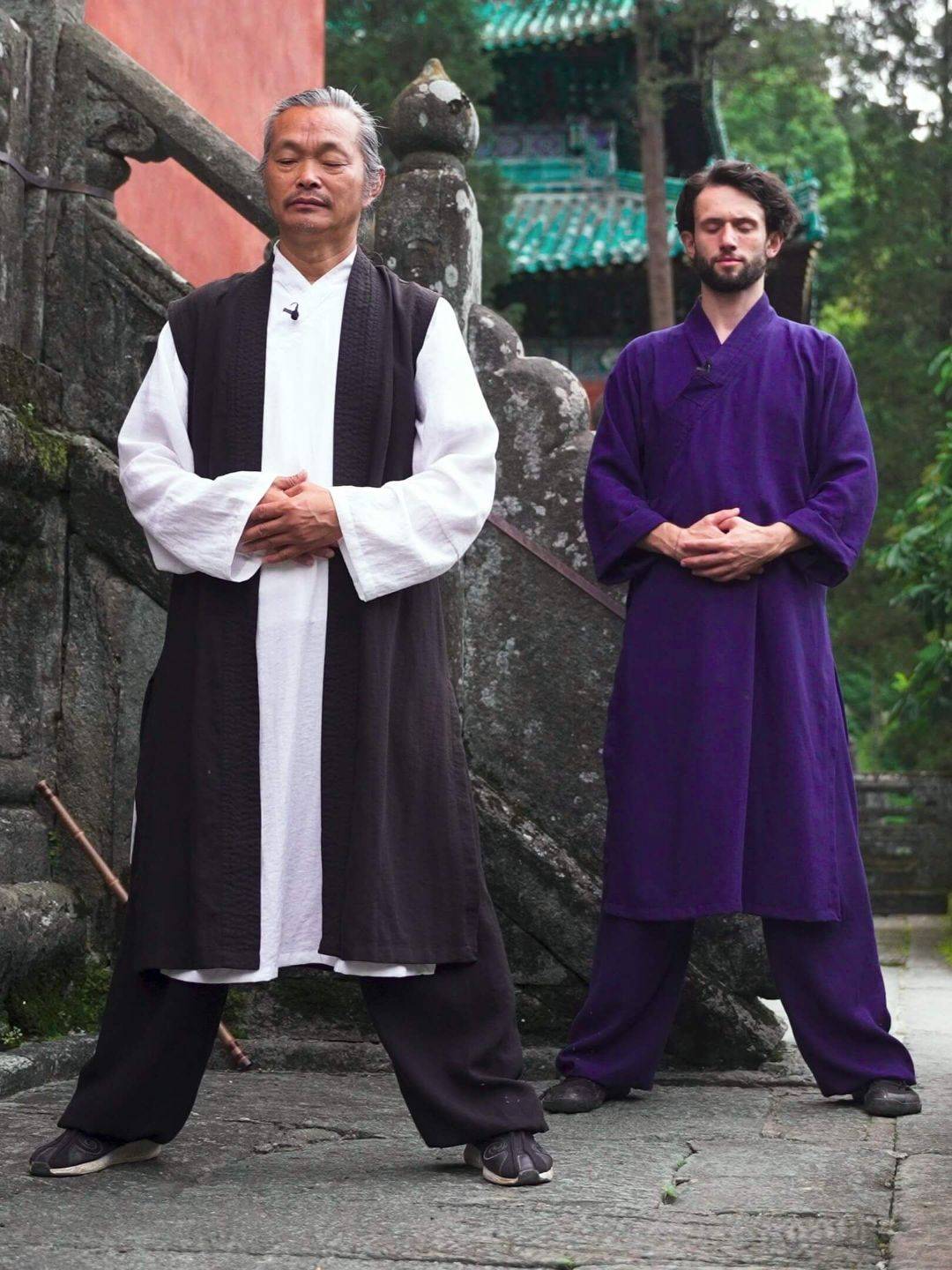
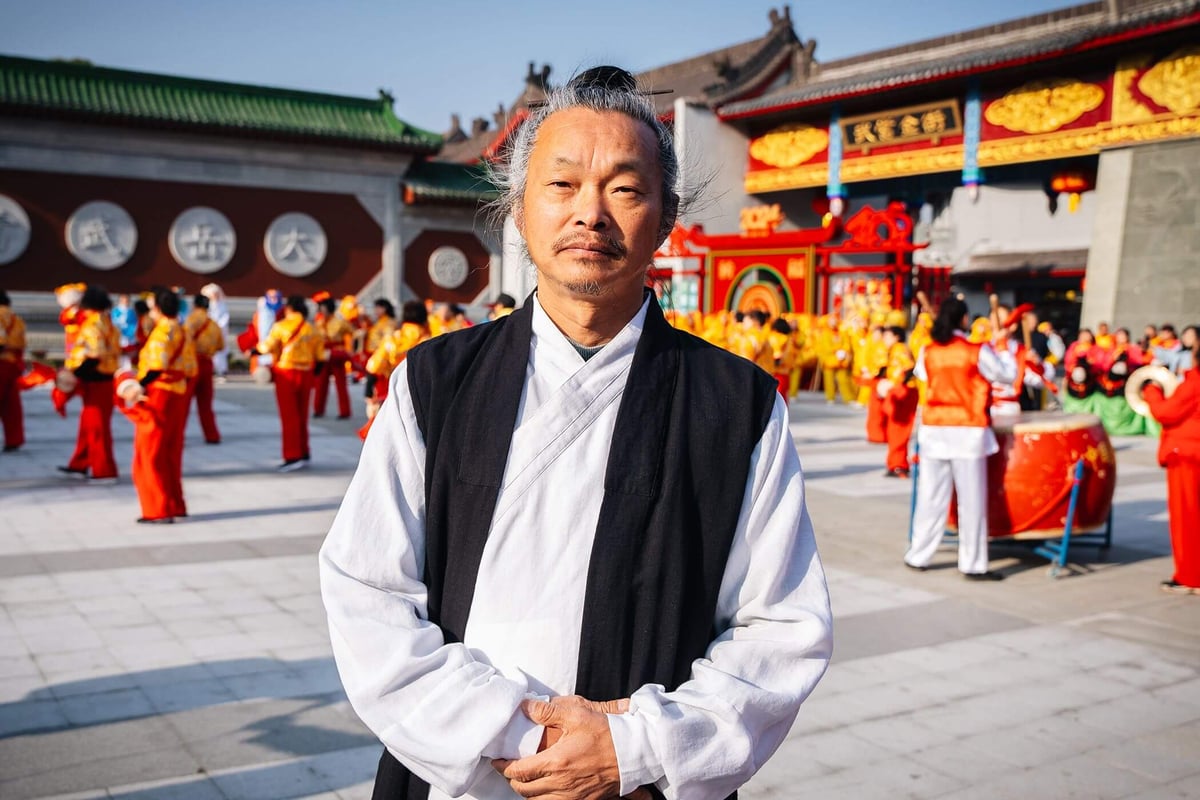
Our teacher Master Gu, a 15th-generation San Feng Pai Wudang Taoist Master with 25+ years of teaching experience, represents this lineage. He grew up in the Wudang Mountains, and understands these practices as complete systems rather than simple exercise routines.
For people around the world who cannot travel to the mountains, structured online lessons are one way to bring something of that tradition into everyday life. Online learning cannot physically correct your posture, so we encourage a slow, patient approach and listening closely to your own body. A gentle place to start is our free Taoist course, which introduces Tai Chi, Qi Gong, meditation and Taoist wisdom.
What Makes Wudang Training Distinctive
Traditional Wudang training differs from modern fitness approaches in several ways:
| Wudang Approach | Modern Fitness |
|---|---|
| Long-term practice over years | Quick results in weeks |
| Internal awareness as the foundation | External muscular strength |
| Mind development central | Body development primary |
| Spiritual growth integrated | Physical goals kept separate |
| Natural, sustainable movement | High-intensity intervals |
| Gentle and adaptable to your ability | Standardised programmes |
This does not mean Wudang methods are "better" in every context. They simply serve different purposes. If you are looking for sustainable, gentle practice with a spiritual dimension alongside the physical, the Wudang approach has a lot to offer.
The Wudang Mountains in Contemporary Practice
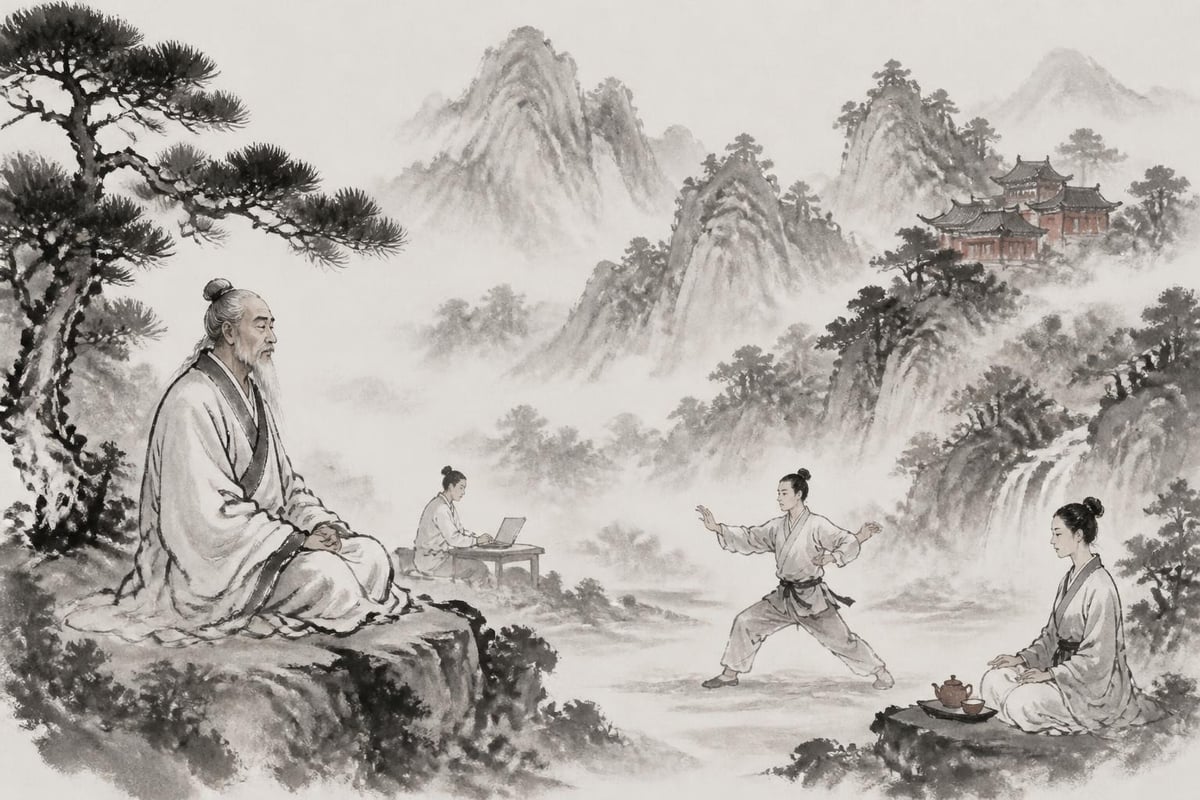
You do not need to climb misty peaks to benefit from the wisdom of the Wudang Mountains. The practices developed there translate well into modern life, which brings challenges our ancestors never faced, like chronic stress, sedentary work and digital overwhelm.
If you are new to Qi Gong, please check with your healthcare professional before starting any new exercise, move gently and stop if you feel dizzy or in pain. Gentle Qi Gong exercises from the Wudang tradition may help modern practitioners:
- Ease tension built up from desk work and screen time
- Return to natural, relaxed breathing
- Find a little mental clarity amid information overload
- Feel more settled and refreshed through the day
- Connect with something deeper than daily obligations
Practices like these can sit alongside, but should not replace, professional support. If stress or low mood is affecting you, please also speak to your GP or a qualified professional.
The principles stay constant even as their applications change. Whether you are a 15th-century monk or a 21st-century professional, you have the same human body and mind to work with, the same natural rhythms and the same potential for growth.
Connecting with the Living Tradition
The Wudang Mountains represent more than historical interest or a tourist destination. They embody a living tradition that keeps evolving while holding on to its character. Understanding this place deepens our appreciation for the practices we study and the lineages we follow.
When you practise Tai Chi or Qi Gong, you are taking part in something much larger than personal exercise. You are connecting with centuries of accumulated wisdom, refined by countless practitioners who dedicated their lives to understanding human potential.
This view can turn practice from routine into relationship. Each movement carries the experience of those who refined these forms in mountain monasteries. Each breath links you with the same natural world that inspired ancient Taoists. Each moment of stillness touches the same quiet they sought.
Resources for Deeper Study
If you would like to explore further, several approaches support authentic learning:
- Study with teachers who trained in genuine Wudang lineages
- Read scholarly sources alongside traditional texts to gain several perspectives
- Connect with fellow practitioners from around the world for support and shared learning
- Visit the mountains if you can, but do not let distance stop your practice
- Approach learning as cultivation, not collecting techniques
The Wudang Mountains shaped practices that now reach millions of people worldwide. Few of us can live in mountain monasteries, but we can bring something of that wisdom into our lives wherever we are.
The Path Forward: Honouring the Source
As interest in Tai Chi, Qi Gong and stillness practices such as Taoist meditation grows around the world, staying connected to authentic sources matters more. The Wudang Mountains remind us that these practices came from specific places, developed through particular methods and carry distinct intentions.
This does not mean being rigid or traditional for tradition's sake. Even in the Wudang Mountains, practices have always changed to meet new conditions. What matters is keeping the essence while adapting the form, staying rooted in principle yet flexible in application.
Understanding where these practices come from helps us honour what they offer. The mountains teach that lasting change takes time, commitment and good guidance. They remind us that shortcuts skip the very process that makes the change last, and that ancient wisdom stays relevant because it speaks to timeless parts of human experience.
Whether or not you ever visit the physical mountains, you can cultivate the qualities they represent: patience with natural timing, respect for lineage and tradition, commitment to steady practice and trust in gradual change.
The Wudang Mountains offer more than history or scenery. They provide a living model for bringing ancient wisdom into contemporary life. Understanding this sacred landscape deepens your appreciation for Taoist practices and the lineages that preserve them. Taoist Wellness Online shares this tradition through the teachings of our teacher Master Gu, with courses in Tai Chi, Qi Gong and Taoist meditation rooted in the traditions that have flourished in these mountains for centuries. Whenever you are ready, a gentle first step can be all you need.
Related reading