7 Essential Forms of Tai Chi to Explore in 2026
Jun 29, 2026
Tai Chi has taken the world by storm, drawing people of all ages to its gentle yet powerful movements. Many are discovering that the ancient forms of tai chi offer a path to improved balance, mindfulness, and lasting health.
In this article, you will meet seven essential forms of tai chi to explore in 2026. Each form reveals a unique approach to movement, rooted in centuries of culture and wisdom.
Curious about how these diverse styles can transform your well-being? Whether you seek relaxation, martial skill, or a deeper mind-body connection, understanding these forms of tai chi can open new doors. Let's uncover which style might inspire your next step.
The Evolution and Diversity of Tai Chi Forms
Tai Chi is a living art shaped by centuries of evolution, cultural exchange, and adaptation. The forms of tai chi practiced today carry the wisdom of ancient sages, yet remain open to modern influences. To truly appreciate the richness of this practice, it helps to understand where these forms of tai chi began and how they continue to thrive in the world today.
Historical Roots of Tai Chi
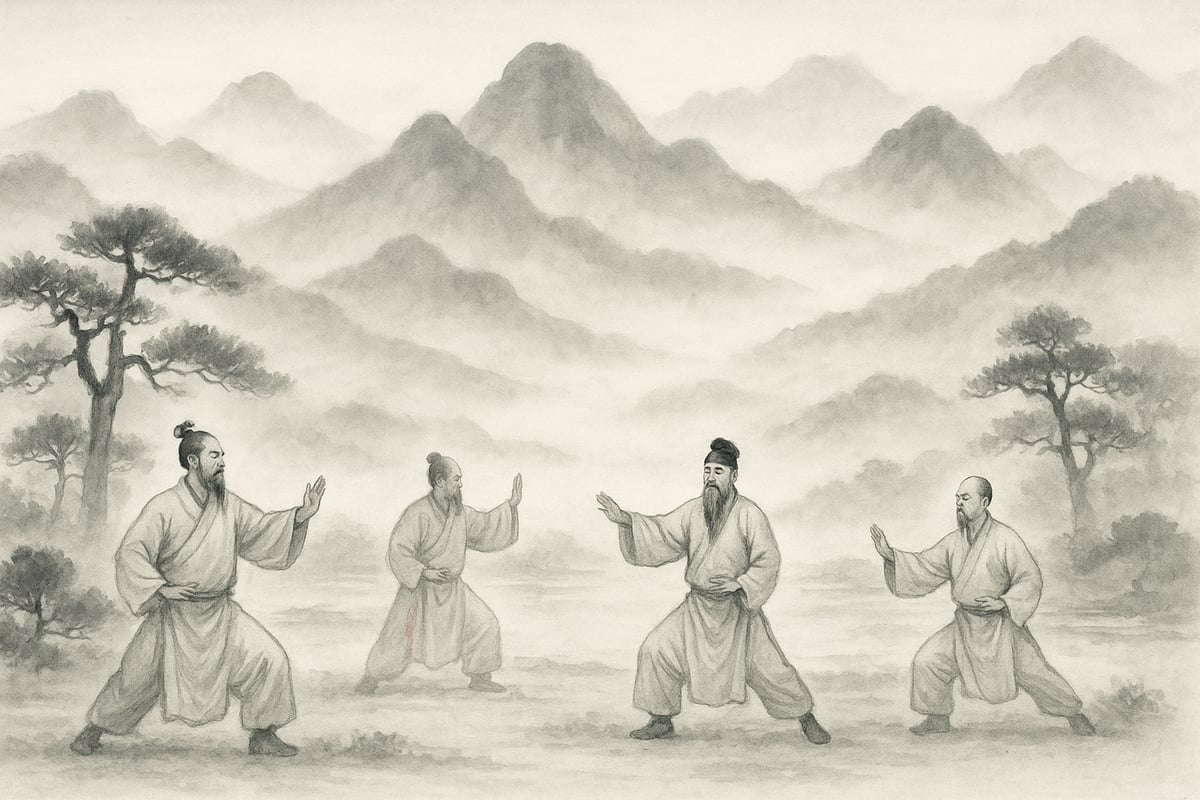
The earliest forms of tai chi emerged in ancient China, deeply connected to Taoist philosophy and the pursuit of harmony between mind, body, and nature. Many trace their origins to legendary figures like Zhang Sanfeng, said to have created tai chi at Wudang Mountain. Over time, several family lineages took root, including Chen, Yang, Wu, Sun, and Hao, each developing unique approaches.
Traditional Chinese medicine and the concept of qi-life energy-strongly influenced the principles behind forms of tai chi. Early practitioners used these forms for both health and self-defense, blending slow, meditative movements with martial applications. The distinctiveness of each family style contributed to a tapestry of forms of tai chi, each with its own rhythm and philosophy.
A quick comparison of major family styles:
| Family Lineage | Key Features | Signature Forms |
|---|---|---|
| Chen | Spiraling, powerful | Lao Jia, Xin Jia |
| Yang | Flowing, upright | Yang 108, Yang 24 |
| Wu | Compact, subtle | Wu 108, Wu 45 |
| Sun | Agile steps, open-close | Sun 73 |
| Hao | Small frame, meditative | Hao 96 |
Modern Adaptations and Global Spread
As the world changed, so did the forms of tai chi. These practices were adapted for greater accessibility, health promotion, and even international competition. In recent decades, tai chi has been integrated into rehabilitation programs, senior care, and wellness initiatives globally. Its gentle movements make it popular in hospitals, community centers, and fitness studios.
UNESCO recognized tai chi as an intangible cultural heritage, spotlighting its value across cultures. The digital age brought a fresh wave of growth, with online instruction and virtual communities connecting practitioners worldwide. Schools and medical institutions now include forms of tai chi in their offerings, making these ancient arts more available than ever.
For those interested in exploring the breadth of tai chi, our in-depth guide to Tai Chi history, philosophy and benefits offers a thorough introduction to the art and its many dimensions.
Key Differences Among Forms
Not all forms of tai chi are created equal. They differ in movement complexity, speed, philosophy, and the goals they serve. Some styles, known as "large frame," feature expansive gestures and wide stances, while "small frame" forms use compact, subtle motions. These distinctions influence the internal focus, softness, and martial potential of each style.
Certain forms of tai chi emphasise relaxation and mindfulness, while others prioritise energy development or martial skill. This diversity makes it possible to find a form suited for every age, fitness level, and intention. Many forms are chosen for international competitions based on their clarity and accessibility, allowing practitioners of all backgrounds to participate.
Choosing among the forms of tai chi can feel like selecting a path through a beautiful garden - each route offers its own scenery and rewards.
7 Essential Forms of Tai Chi to Explore in 2026
Tai Chi is more than a single practice - it is a living art with many branches, each offering a unique path to well-being. As you explore the essential forms of tai chi, you'll notice how each form weaves together history, philosophy, and movement. Let's dive into seven influential forms of tai chi, each with its own story, style, and special appeal.
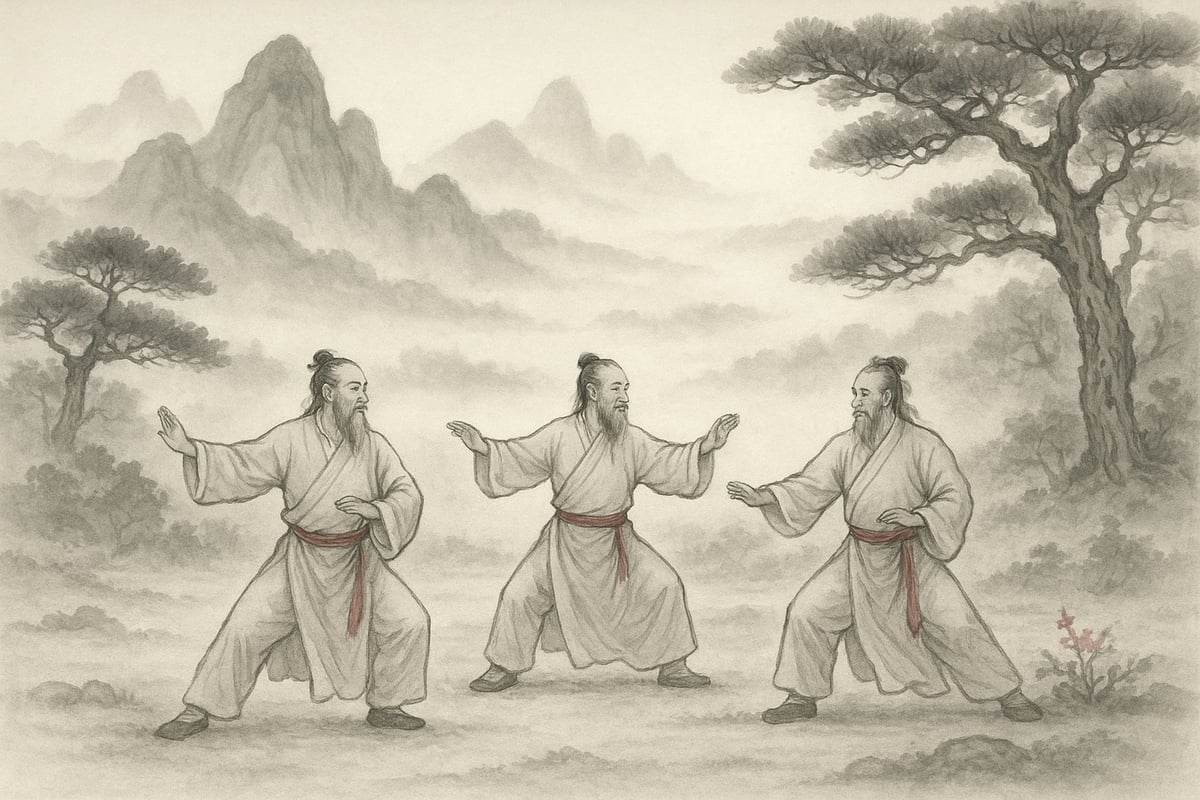
1. Chen-Style Tai Chi (Chen Shi Taijiquan)
Chen-style is the original among all forms of tai chi, tracing its roots to Chen Village in Henan Province. This style is renowned for its rich blend of slow, meditative movements and sudden, powerful bursts known as "fa jin." The spiraling, coiling motions - called silk-reeling - set Chen-style apart and give it a dynamic, almost dance-like quality.
Key features of Chen-style include:
- Spiraling, circular movements that engage the whole body
- Alternating slow and fast tempos for both meditation and martial training
- Explosive releases of energy, called "fa jin"
- Deep stances that challenge balance and strength
Signature forms of tai chi in the Chen tradition are the Lao Jia (Old Frame) and Xin Jia (New Frame), each offering a different take on tradition. The Chen 74-form is often seen in international tournaments and showcases the style's complexity and elegance.
Chen-style is ideal for those who want to connect with the roots of tai chi and experience its martial depth. Although it's often recommended for experienced practitioners, dedicated beginners can also learn with patience and the right guidance.
Why choose Chen-style?
- Emphasises both internal energy and external power
- Builds strength, flexibility, and coordination
- Appeals to those interested in martial applications and the original forms of tai chi
2. Yang-Style Tai Chi (Yang Shi Taijiquan)
Yang-style is the most widely practiced among all forms of tai chi. Its smooth, flowing movements and upright postures make it accessible to people of all ages and backgrounds. Developed by the Yang family, this style has become the foundation for many modern tai chi routines.
Yang-style features:
- Large, graceful, and gentle movements
- Upright, relaxed postures that support spinal health
- Even, continuous motion without abrupt stops
- Emphasis on relaxation and natural breathing
Signature forms of tai chi in this style include the traditional Yang 108-form and the simplified Yang 24-form, which was created for easier learning and mass practice. The Yang 24-form is especially popular in community classes, health clubs, and senior centres worldwide.
This style is an excellent entry point for beginners, older adults, and anyone seeking stress relief and improved balance. Yang-style's focus on softness and flow makes it a favourite for those who prefer gentle movement over martial intensity.
Benefits of Yang-style:
- Accessible for all fitness levels
- Encourages deep relaxation and mindfulness
- Forms of tai chi in this style are used in standardised health and fitness programmes globally
3. Sun-Style Tai Chi (Sun Shi Taijiquan)
Sun-style is a refreshing choice among the forms of tai chi, celebrated for its gentle yet dynamic approach. Developed by Sun Lutang, this style blends elements from other internal martial arts like Xingyi and Bagua, resulting in agile, flowing movements and high stances.
What sets Sun-style apart?
- Agile, light footwork with frequent "open-close" hand movements
- Upright, high stances suitable for people with limited mobility
- Smooth, continuous transitions between postures
- Gentle focus on internal energy and breath
The signature Sun 73-form stands out for its accessibility and health benefits. Health organisations often recommend Sun-style for arthritis and joint health, as its movements are easy on the knees and hips.
Sun-style forms of tai chi are especially popular in wellness programmes, rehabilitation settings, and among seniors. The style's emphasis on mobility and flexibility makes it a gentle, supportive choice for those managing chronic pain or recovering from injury.
Why practice Sun-style?
- Encourages gentle stretching and flexibility
- Supports joint health and ease of movement
- Forms of tai chi here are favoured for their therapeutic benefits
4. Wu-Style Tai Chi (Wu Jianquan)
Wu-style is the second most practiced among the forms of tai chi, famous for its subtle, compact movements and unique body mechanics. Originating from Wu Jianquan, this style emphasises softness and yielding, making it distinct from the more expansive Yang and Chen styles.
Highlights of Wu-style:
- Forward-leaning postures that differ from upright styles
- Small, precise, and controlled movements
- Focus on internal energy and deep relaxation
- Soft, yielding techniques for both health and self-defense
Signature Wu-style forms of tai chi include the Wu 108-form and the Wu 45-form. These routines are often practiced in advanced circles and by martial artists who appreciate the style's internal focus.
Wu-style is particularly well-suited for those interested in the subtle, meditative aspects of tai chi. Its compact frame and emphasis on relaxation make it an excellent choice for practitioners seeking to refine their internal energy and balance.
Benefits of Wu-style:
- Deepens awareness of internal movement and energy
- Forms of tai chi here promote relaxation and stress reduction
- Suitable for those exploring the art's martial and energy aspects
5. Hao-Style Tai Chi (Wu Yuxiang or Wu/Hao Style)
Hao-style, sometimes called Wu/Hao style, is one of the less common forms of tai chi but is highly respected for its refined, introspective approach. Developed by Wu Yuxiang, this style focuses on small, deliberate movements and subtle shifts in balance.
Key features:
- Small frame and slow, meditative pace
- Emphasis on internal control and precise alignment
- Subtle, nuanced weight shifts that challenge balance and awareness
- Deep focus on energy flow and alignment
The signature Hao 96-form is studied by advanced practitioners and scholars who appreciate the style's depth. Hao-style forms of tai chi are valued for their meditative quality, making them ideal for those seeking a quiet, contemplative practice.
Why consider Hao-style?
- Enhances mindfulness and internal awareness
- Forms of tai chi in this style are excellent for those seeking introspection
- Suitable for experienced practitioners and those who enjoy slow, precise movement
6. Wudang Tai Chi (Wudang Taijiquan)
Wudang Tai Chi has a legendary reputation among the forms of tai chi, rooted in the sacred Wudang Mountains. Often associated with the Taoist monk Zhang Sanfeng, this style blends martial arts, Taoist philosophy, and energy cultivation in a way that sets it apart from all other traditions.
Distinctive features:
- Circular, flowing movements echoing natural forces
- Integration of Taoist spiritual teachings and breathing techniques
- Emphasis on harmony with nature and internal energy work
- Movements designed to cultivate longevity and holistic well-being
Signature forms in this tradition include the Wudang 13-form and Wudang 28-form, along with the Wudang 8-form - an ideal starting point for beginners. These routines are taught by Taoist masters and reflect centuries of living tradition.
At Taoist Wellness Online, our Academy membership includes multiple Wudang Tai Chi forms taught directly by Master Gu — a 15th-generation San Feng Pai Wudang Taoist Master and the only one teaching in fluent English. You can explore the full range of Wudang forms through the Tai Chi course, available as part of your Academy membership.
Why choose Wudang Tai Chi?
- Deepens spiritual awareness and harmony
- Forms of tai chi here integrate philosophy and movement
- Appeals to those drawn to the art's authentic Taoist heritage
7. Competition and Simplified Forms (e.g., 24-Form, 42-Form)
To make the forms of tai chi more accessible and suitable for global practice, simplified and competition forms have been developed. These forms are designed for easy learning, group instruction, and standardised competition.
Key characteristics:
- Yang 24-form: The most popular simplified routine, accessible for beginners
- 42-form: Created for international competition, blending movements from major styles
- Clear structure and defined movements for group practice
- Focus on fitness, accessibility, and cross-style representation
These forms of tai chi are used in schools, hospitals, and fitness centres worldwide. They are perfect for those new to the art or looking for a well-rounded introduction. The standardised approach allows for consistency in teaching and competition.
Benefits of simplified and competition forms:
- Easy to learn and remember
- Forms of tai chi here are ideal for beginners and group classes
- Used in international tai chi competitions for their clarity and inclusivity
Comparison Table: 7 Essential Forms of Tai Chi
| Style/Name | Signature Form(s) | Key Features | Ideal For |
|---|---|---|---|
| Chen-Style | Lao Jia, Xin Jia, 74-form | Spiraling, explosive, traditional | Martial artists, tradition seekers |
| Yang-Style | 108-form, 24-form | Flowing, upright, gentle | Beginners, seniors, stress relief |
| Sun-Style | 73-form | Agile, high stances, soft | Joint health, mobility, gentle practice |
| Wu-Style | 108-form, 45-form | Compact, subtle, precise | Internal arts, relaxation |
| Hao-Style | 96-form | Small frame, meditative | Introspective, advanced study |
| Wudang Tai Chi | 8-form, 13-form, 28-form | Circular, Taoist, spiritual | Spiritual growth, authentic lineage |
| Simplified/Competition | 24-form, 42-form | Structured, accessible | Beginners, schools, group learning |
Each of these forms of tai chi offers a distinct journey. Whether you seek tradition, health, martial skill, or spiritual insight, there is a form that will support your path.
Choosing the Right Tai Chi Form for Your Needs
Finding the best forms of tai chi for your personal journey starts with self-reflection and curiosity. With so many styles available, it helps to pause and consider what you truly want from your practice. Whether you seek physical vitality, peace of mind, or a deeper connection to tradition, the right choice can make all the difference.
Assessing Your Goals and Abilities
Before diving into any forms of tai chi, it's essential to clarify your intentions. Are you hoping to boost your health, reduce stress, explore martial arts, or cultivate spiritual growth? Your goals will gently guide you toward the most suitable forms of tai chi.
Consider your age, current fitness level, and any physical limitations. Some forms of tai chi, like Yang style, are known for their gentle, flowing movements and are perfect for beginners or older adults. If you're managing joint pain or arthritis, Sun style's high stances and soft transitions might be a better fit. For those with martial arts experience or a desire for more dynamic practice, Chen style offers powerful, spiraling moves.
Here's a simple table to help you match your goals to recommended forms of tai chi:
| Personal Goal | Recommended Form(s) |
|---|---|
| Stress Relief | Yang, Sun |
| Joint Health | Sun, Wu/Hao |
| Martial Arts | Chen, Wu |
| Spiritual Growth | Wudang, Sun |
| Beginners | Yang, Sun, Wudang 8-form |
Talking with a qualified instructor or health professional is wise, especially if you have health concerns. Personalised advice ensures your journey through the forms of tai chi is both safe and rewarding.
Learning Environments and Resources
Once you know your goals, it's time to explore how and where to learn the forms of tai chi. You might join a local class at a community centre, study privately, or embrace the convenience of online lessons. Today, certified instructors offer guidance everywhere, making it easier than ever to start.
Quality instruction matters. Look for teachers with clear lineage and recognised certifications. They'll help you build a strong foundation, avoid injury, and stay motivated as you explore various forms of tai chi.
Online resources bring the world of tai chi to your doorstep. Video tutorials, live-streamed sessions, and structured courses are great for building a consistent practice. Many students find confidence and support by joining online communities, where you can share progress, ask questions, and find inspiration.
If you're just starting out, our free 4-week Taoist Wellness course is a gentle, no-cost introduction to Tai Chi, Qi Gong, and Taoist wellness with Master Gu — ideal for anyone taking their first steps. When you're ready to go deeper, the Tai Chi course within the Academy membership covers the full range of Wudang forms with step-by-step guidance.
You might also find it helpful to explore how Tai Chi supports seniors or read our overview of Tai Chi vs Qi Gong to understand how the practices complement each other.
The Health Benefits and Scientific Evidence Behind Tai Chi Forms
Exploring the many forms of tai chi can be transformative, not just for the body, but for the mind and spirit as well. Over the years, researchers have uncovered a wealth of evidence showing that these ancient practices deliver real, measurable benefits. Whether you are seeking better balance, less stress, or a deeper sense of well-being, the forms of tai chi offer a holistic path to health.
Physical Health Improvements
The forms of tai chi are celebrated for their powerful effects on physical health. Studies have shown that regular practice improves balance, flexibility, and lower-body strength, especially in older adults. Tai chi's gentle, flowing movements make it suitable for almost any age, reducing the risk of falls and supporting joint health.
| Benefit | Evidence Level | Notable Forms |
|---|---|---|
| Improved Balance | Strong | Yang, Sun, Wu |
| Flexibility | Strong | All styles |
| Fall Prevention | Strong | Sun, Yang |
| Joint Pain Relief | Moderate-Strong | Sun (arthritis studies) |
| Cardiovascular Health | Moderate | Yang, Chen |
Sun style is recommended by health organisations for arthritis due to its gentle, upright posture and mobility focus. Research consistently highlights that the forms of tai chi not only boost physical capability but also contribute to long-term joint and heart health.
Mental and Emotional Wellness
The mindful, meditative aspect of the forms of tai chi is just as significant as the physical. Practitioners often report a sense of calm and emotional resilience after even a short session. Scientific studies back this up, showing reductions in stress, anxiety, and depression across age groups.
The slow, rhythmic motions paired with deep breathing encourage mindfulness, helping to quiet racing thoughts and promote present-moment awareness. Some research indicates that tai chi may also support brain health and cognitive function, with evidence suggesting improved memory and attention. If you're interested in the meditation dimension of the practice, the Taoist Meditation course in the Academy explores this side of the tradition in depth.
Integrative and Preventive Medicine
Modern medicine increasingly recognises the value of integrating the forms of tai chi into preventive and rehabilitative care. Hospitals, wellness centres, and clinics now offer tai chi as part of programmes for chronic pain, heart disease, and recovery from injury.
Organisations like the World Health Organization and the Arthritis Foundation endorse certain forms of tai chi for managing chronic conditions. A comprehensive review published in JAMA Internal Medicine highlights how tai chi supports people with arthritis, heart disease, and other long-term health issues by improving function and reducing pain.
As more people seek holistic approaches to health, the forms of tai chi are increasingly included in preventive medicine. This gentle art is proving itself as a valuable tool for lifelong vitality and resilience.
Tips for Starting and Progressing in Tai Chi Practice
Beginning your journey with different forms of tai chi can feel both exciting and a little overwhelming. The key is to take small steps, focus on the present, and embrace the process. Whether you are new or returning after a break, the following guidance will help you build a strong foundation and enjoy lasting progress.
Establishing a Consistent Practice
To truly benefit from the forms of tai chi, consistency matters more than intensity. Start by setting realistic goals, such as practicing for 10–20 minutes daily or a few times a week. Choose a time and place that feels peaceful and distraction-free.
- Begin with simple warm-ups and breathing exercises.
- Focus on one form at a time before adding new movements.
- Record your progress in a journal to notice small improvements.
Patience and self-compassion are essential as you learn. Seeking regular feedback from a qualified instructor will help you refine your technique and avoid common mistakes. A structured membership like Taoist Wellness Online gives you access to guided progressions across multiple forms, so you always know what to practise next.
Overcoming Common Challenges
Many people believe that forms of tai chi are only for older adults or those with limited mobility, but this art welcomes everyone. If you struggle with memorising sequences or coordinating movements, break them into smaller sections and repeat each part slowly.
- Address frustration by accepting mistakes as part of growth.
- Use video tutorials or group classes for extra support.
- Connect with others to share tips and encouragement.
If you find your mind wandering or motivation dipping, remember that even short sessions can bring benefits. The Learn Tai Chi Online guide on our blog is a helpful resource for finding your rhythm and building a practice that sticks.
Enhancing Your Tai Chi Journey
Once you feel comfortable with the basics, consider expanding your experience with new forms of tai chi. Attend workshops, seminars, or retreats to deepen your understanding and connect with experienced practitioners.
- Join local or online communities for inspiration and camaraderie.
- Try different styles to discover what resonates most with your goals.
- Celebrate milestones, no matter how small, to stay motivated.
Exploring various forms of tai chi not only enriches your practice but also nurtures a sense of balance and well-being that extends well beyond your sessions. The journey is personal, so trust your pace and enjoy each step.
If you're ready to experience these forms firsthand with authentic guidance, Taoist Wellness Online offers a 7-day free trial of the full Academy membership - giving you immediate access to Wudang Tai Chi forms, Qi Gong, Taoist Meditation, and a warm global community. Not sure where to begin? Start with our free 4-week course and take your first steps with Master Gu at your own pace.