Tai Chi Chuan Benefits: Transform Your Health & Wellbeing
Oct 10, 2026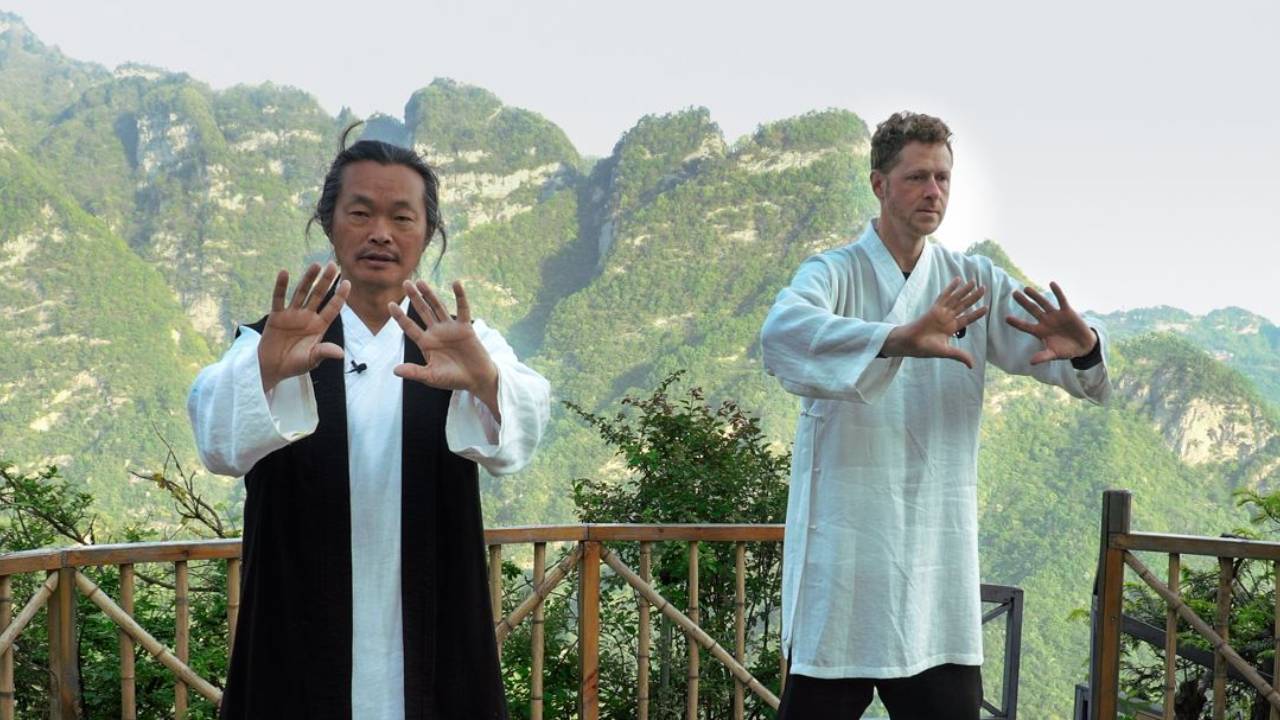
Tai chi chuan, often simply called tai chi, has been practised for centuries as a profound method of cultivating health, balance, and inner calm. This ancient Chinese martial art has evolved into one of the world's most accessible wellness practices, offering benefits that extend far beyond the physical movements. Whether you're seeking gentle support for aches and stiffness, better balance, less stress, or simply a sustainable way to stay active, the tai chi chuan benefits touch every aspect of wellbeing. What makes this practice particularly powerful is how it integrates body, breath, and mind into a single flowing experience, creating changes that accumulate over time and deepen with consistent practice.
Understanding Tai Chi Chuan's Holistic Approach
Tai chi chuan operates on principles that differ fundamentally from conventional Western exercise. Rather than isolating muscle groups or pushing toward exhaustion, this practice cultivates awareness, fluidity, and internal energy known as qi.
The Foundation of Movement and Energy
The slow, deliberate movements characteristic of tai chi chuan serve multiple purposes simultaneously. Each posture strengthens muscles, improves joint mobility, and trains balance while also directing attention inward. This dual focus on external movement and internal awareness creates a meditative quality that distinguishes tai chi from other forms of exercise.
Core principles include:
- Softness over force: movements flow without tension or strain
- Rootedness: establishing a stable connection with the ground
- Continuous motion: transitions are as important as postures
- Mind-body unity: mental focus guides physical expression
- Breath coordination: natural breathing supports each movement
The Wudang tradition, which traces back to the mountains of central China, emphasises these principles with particular attention to Taoist philosophy. This lineage views tai chi chuan as a moving meditation that cultivates both martial skill and spiritual development. Our Tai Chi course is built around exactly this approach.
Master Gu shares why tai chi chuan is about far more than physical exercise in the short video below.
How Tai Chi Differs From Conventional Exercise
Unlike high-impact activities that can stress joints and the cardiovascular system, tai chi chuan builds capacity gradually. The practice suits people of many fitness levels precisely because it meets you where you are. You don't need special equipment, extreme flexibility, or prior athletic experience.
| Conventional Exercise | Tai Chi Chuan |
|---|---|
| Often high-impact, with joint stress | Low-impact, joint-friendly |
| External focus on performance | Internal focus on awareness |
| Intense sessions can raise stress hormones | May help lower stress hormones |
| Muscle isolation | Whole-body integration |
| Achievement-oriented | Process-oriented |
As with any new movement practice, please check with your healthcare professional before you begin, particularly if you have an existing health condition, balance concerns, or an injury.
Physical Tai Chi Chuan Benefits
The physical improvements from regular practice tend to emerge naturally and sustainably. Research has explored a number of ways tai chi chuan is associated with better bodily function and fewer physical limitations.
Balance and Fall Prevention
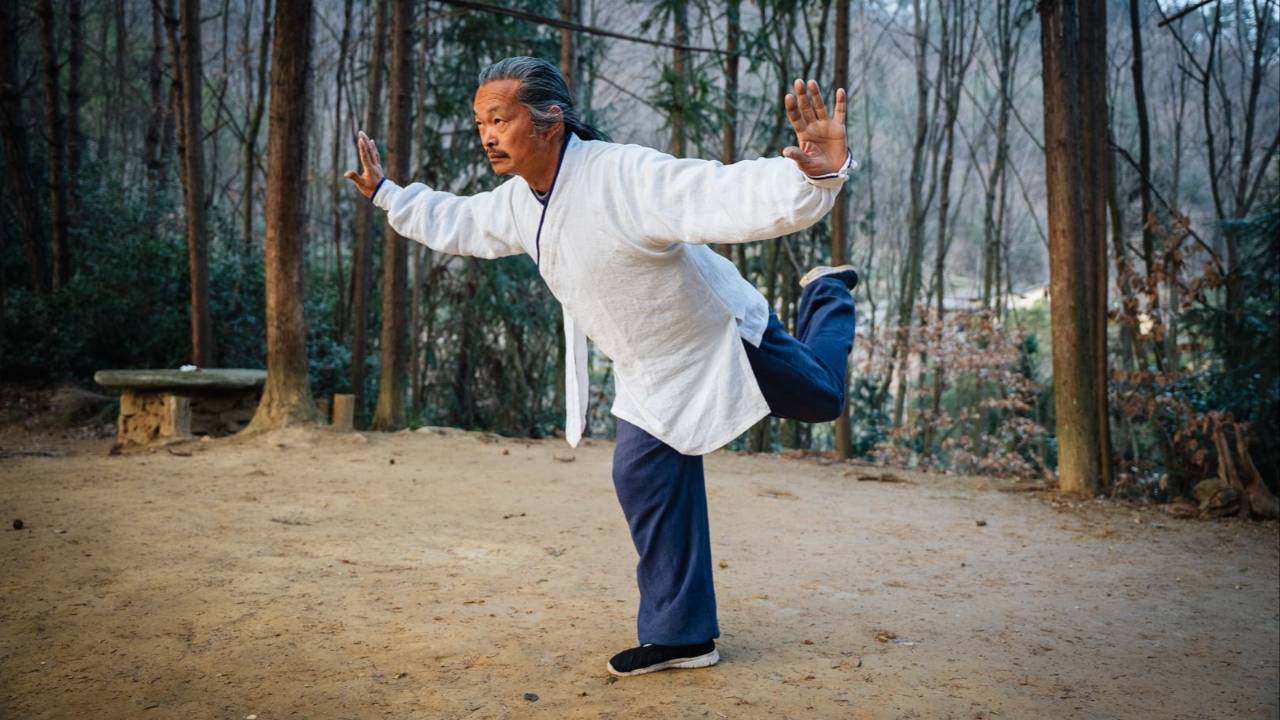
One of the most widely studied tai chi chuan benefits relates to balance. As we age, the risk of falls increases, often affecting confidence and independence. Tai chi addresses this concern through weight-shifting exercises and single-leg stances that challenge and rebuild the balance system.
Studies have associated regular practice with a reduced risk of falls, and health organisations have described tai chi as promising for improving balance in older adults. The practice trains both the vestibular system and proprioception, the body's sense of position in space.
Balance improvements come from:
- Strengthening ankles and lower legs
- Training weight transfer between feet
- Developing spatial awareness
- Building core stability
- Improving reaction time and coordination
Strength and Flexibility Without Strain
The gentle, flowing movements of tai chi chuan build functional strength that supports daily activities. While you won't develop bulging muscles, you will cultivate the kind of strength that matters most: stability, endurance, and coordinated power.
The practice also increases flexibility gradually. Unlike stretching routines that can strain cold muscles, tai chi warms the body through movement while gently extending range of motion. Hip flexibility, spinal mobility, and shoulder movement all tend to improve over time.
Joint Health and Comfort
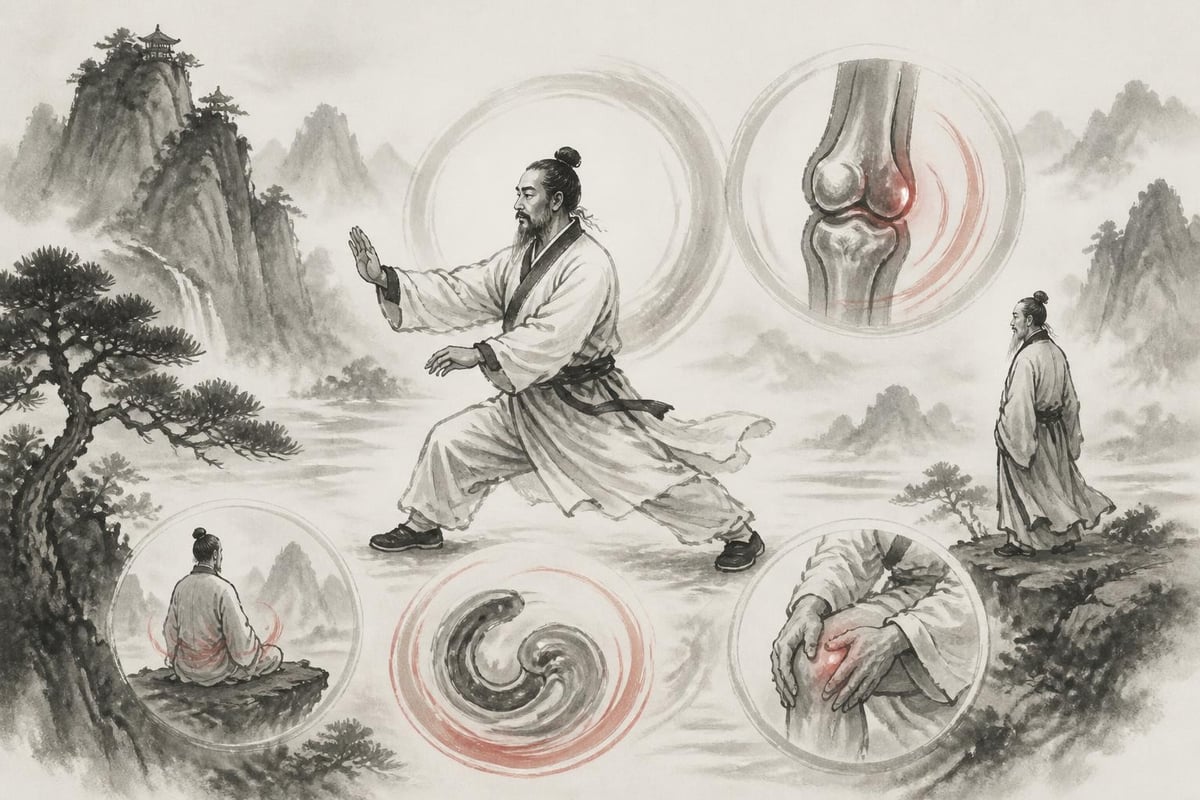
For people living with arthritis or joint stiffness, tai chi chuan can be a welcome, gentle option. The low-impact nature is kind to joints, and the circular movements encourage a comfortable range of motion. Its weight-bearing aspects are also associated with maintaining bone health, without the jarring impact of activities like running.
Many practitioners report less discomfort and easier movement in affected joints. The practice teaches you to move with greater efficiency, reducing unnecessary tension. It is not a treatment for arthritis, so please speak to your doctor or physiotherapist before starting if you have a joint condition.
Heart and Metabolic Health
While tai chi appears gentle, research suggests it offers cardiovascular benefits. Heart rate rises moderately during practice, and regular practitioners in some studies show healthier blood pressure and circulation.
The practice may also support metabolic health. Some studies have reported associations with better glucose control, which is of interest to people managing or hoping to prevent type 2 diabetes. If you have either condition, always follow your healthcare team's advice.
Mental and Emotional Tai Chi Chuan Benefits
The mental health advantages of tai chi chuan often surprise newcomers who expect only physical benefits. This practice offers a gentle counterbalance to the stress, worry, and mental fatigue that characterise modern life.
Stress Reduction and Nervous System Balance
Tai chi chuan is associated with a shift from the "fight or flight" state towards a calmer "rest and digest" state. The slow movements, coordinated breathing, and focused attention all signal safety to the brain, allowing tension to ease and relaxation to deepen.
Unlike temporary relaxation from passive activities, the calm cultivated through tai chi practice tends to carry into daily life. You develop an internal reference point for ease that can become accessible even in challenging situations.
Supporting Mood and Emotional Balance
Research increasingly reflects what practitioners have long experienced. Recent reviews comparing tai chi with other forms of exercise have found it to be associated with reduced anxiety and lower symptoms of low mood.
The practice offers several routes to improving how you feel:
- Mindfulness training: focused attention interrupts rumination
- Physical movement: gentle activity is associated with a lift in mood
- Social connection: group practice creates community and reduces isolation
- Self-efficacy: mastering new skills builds confidence
- Present-moment awareness: eases worry about the future or past
Tai chi can be a lovely support for everyday wellbeing, but it isn't a replacement for professional care. If you're living with anxiety, low mood or ongoing stress, please speak to your GP or a qualified mental health professional alongside your practice.
Focus and Mental Clarity
Beyond mood, tai chi chuan benefits extend to thinking skills. The practice asks you to remember sequences, coordinate complex movements, and keep a dual awareness of body and breath, all of which exercise memory and attention.
Regular practitioners often report better concentration and clearer thinking. The meditative quality of practice creates mental space, allowing thoughts to settle and priorities to emerge naturally.
Energetic and Spiritual Dimensions
The Wudang tradition recognises that tai chi chuan works on levels beyond the purely physical or psychological. The concept of qi, or life energy, provides a traditional framework for understanding how the practice creates deep change.
Cultivating Qi and Vital Energy
Through specific breathing patterns and intentional movement, tai chi chuan is said to build and circulate qi throughout the body. While this concept may seem abstract, practitioners often describe tangible sensations: warmth, tingling, fullness, or flowing sensations that correspond to traditional energy pathways.
Building qi is traditionally linked to increased vitality, resilience, and presence. Many students notice more energy, and a general sense of aliveness that carries into daily activities.
Connection to Taoist Philosophy
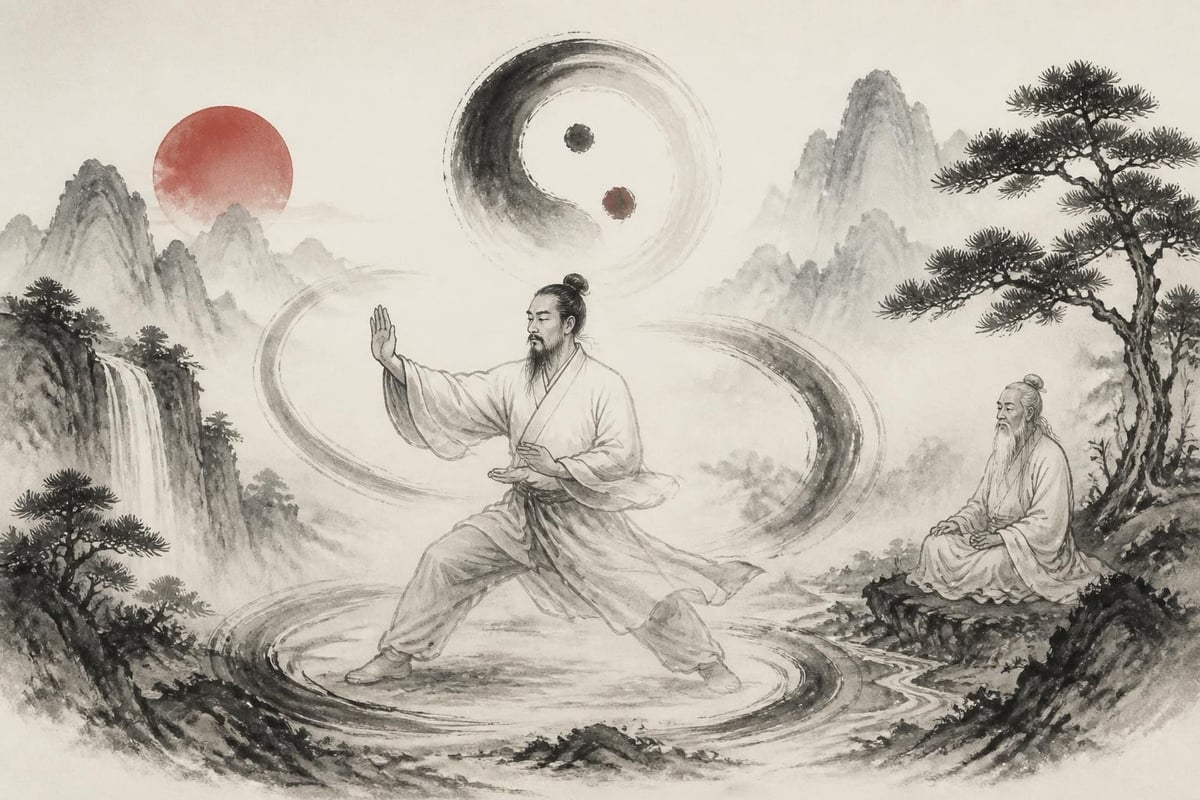
Wudang tai chi chuan emerges from Taoist principles that emphasise harmony with nature, balance between opposites, and effortless action (wu wei). These philosophical foundations inform every aspect of practice.
The movements themselves embody Taoist concepts:
- Yin and yang: alternating empty and full, soft and firm
- Natural cycles: circular patterns reflecting seasonal changes
- Non-resistance: yielding rather than forcing
- Simplicity: essential movements without excess
- Unity: dissolving the artificial separation between self and world
Exploring these deeper dimensions often leads practitioners to broaden their study. Many find that our Taoist Philosophy course naturally complements their tai chi practice, creating a comprehensive approach to wellbeing.
Starting Your Tai Chi Chuan Practice
Understanding the benefits is just the beginning. The real change comes through consistent, patient practice guided by authentic teaching.
Finding Quality Instruction
The depth of tai chi chuan benefits you experience depends significantly on the quality of instruction. While any movement is better than none, learning from an experienced teacher who understands traditional principles makes an enormous difference.
Look for instructors who:
- Have trained in authentic lineages (such as Wudang)
- Emphasise internal principles, not just external form
- Teach at a pace that allows genuine learning
- Explain the purpose behind movements
- Create a supportive, non-competitive environment
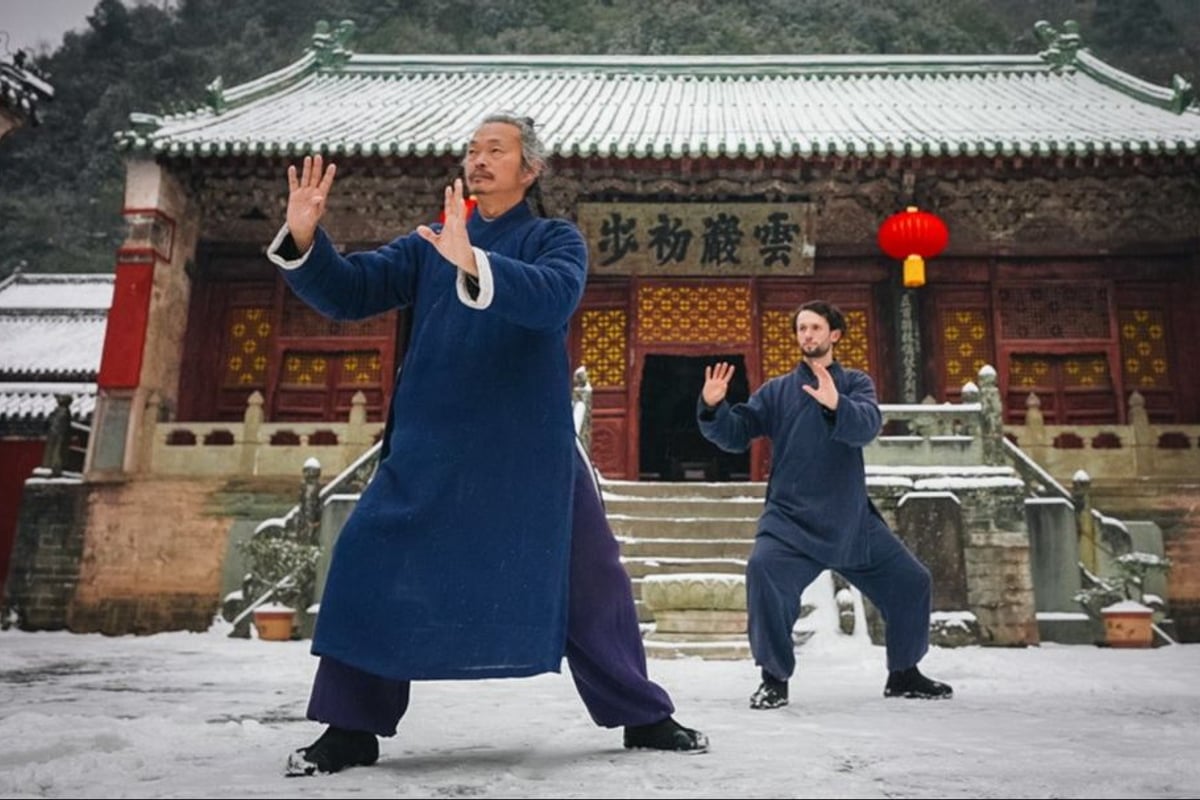
For many people seeking authentic guidance, online learning has opened new possibilities. Our free Taoist course offers an accessible introduction to Wudang Tai Chi, Qi Gong, Meditation and Taoist Wisdom under the guidance of Master Gu, a 15th-generation San Feng Pai Wudang Taoist Master with 25+ years of teaching experience.
Building a Sustainable Practice
The tai chi chuan benefits accumulate over time, making consistency more important than intensity. Even 10-15 minutes of daily practice tends to serve you better than occasional longer sessions.
Tips for establishing your practice:
- Choose a regular time that fits your schedule
- Start with basic movements rather than complex forms
- Practise in a quiet, comfortable space
- Wear loose, comfortable clothing
- Be patient with yourself as skills develop
- Notice subtle changes rather than expecting dramatic shifts
What to Expect in Your First Months
New practitioners often experience a mixture of challenge and discovery. The movements may feel awkward initially, and remembering sequences takes concentration. This is completely normal and part of the learning process. Everyone's timeline is different, so treat the table below as a rough guide only.
| Timeline | Common Experiences | What You May Begin to Notice |
|---|---|---|
| Week 1-2 | Learning basic stances, feeling uncoordinated | Better awareness of posture and breathing |
| Month 1 | Remembering short sequences, building stamina | Less tension, a little stress relief |
| Months 2-3 | Movements becoming familiar, noticing details | Steadier balance, possibly better sleep |
| Months 4-6 | Flowing transitions, deeper understanding | Growing strength, mental clarity |
| 6+ months | Internal work emerging, personal style developing | Benefits across body, mind and energy |
Adapting Tai Chi Chuan for Different Needs
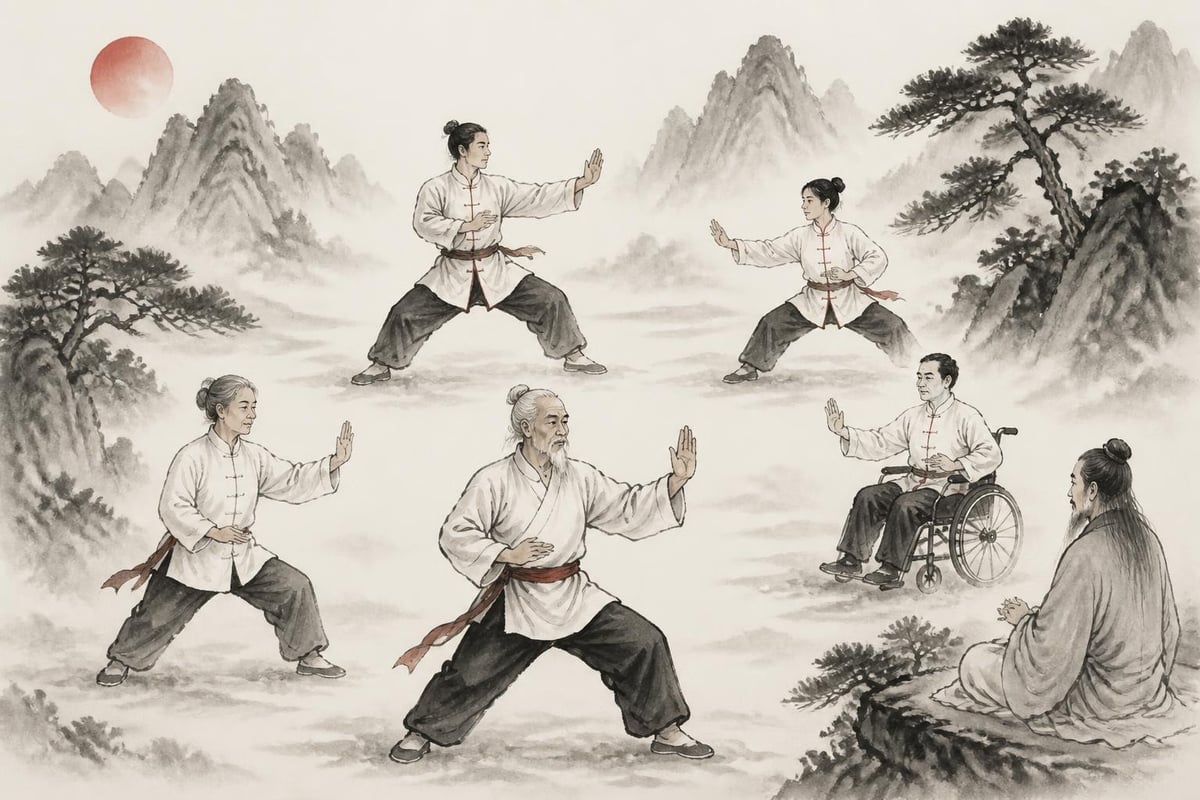
One of the great strengths of this practice is its adaptability. Tai chi chuan can suit people across a wide spectrum of age, ability, and health status.
For Older Adults
Seniors often discover tai chi chuan as an ideal form of exercise that works on what ageing tends to diminish: balance, strength, flexibility, and confidence in movement. The low-impact nature is kind to ageing joints, while the mental engagement supports cognitive health. Our article on Tai Chi for Elderly: A Gentle Path to Strength & Balance looks at this in more depth.
Research focused on older populations has associated tai chi with a reduced risk of falls, better physical function, and improved quality of life. The social side of group practice also helps to combat isolation, a significant wellbeing concern for many older adults.
For People With Ongoing Health Conditions
Those managing chronic pain, fibromyalgia, arthritis, or other ongoing health challenges often find tai chi chuan a gentle option that they can adapt to their own needs. The practice doesn't cure these conditions, but studies suggest it may help with comfort, physical function, and overall wellbeing.
The key is starting gently, working with knowledgeable instructors who understand appropriate modifications, and checking with your healthcare professional first.
For Active Adults Seeking Balance
Even people who already exercise regularly can discover unique tai chi chuan benefits. Athletes use it for cross-training and mental preparation. Busy professionals appreciate how it combines gentle physical activity with stress relief in a single practice.
The internal focus balances external fitness pursuits, creating a more complete approach to health. Many active individuals find that tai chi improves body awareness and movement quality in their other activities.
Deepening Your Understanding
As your practice develops, exploring the broader context enriches both skill and benefit. Tai chi chuan exists within a comprehensive wellness system that includes related practices and philosophical teachings.
The Relationship Between Tai Chi and Qi Gong
While tai chi chuan and qi gong share common roots, they emphasise different aspects of energy cultivation. Qi gong typically involves simpler, more repetitive movements designed to build and circulate qi. Tai chi incorporates these energy principles into longer, flowing forms with martial applications. Our article on Tai Chi Qigong Versus Other Practices: Key Differences 2026 explains how they compare.
Many practitioners study both, finding they complement each other beautifully. Qi gong can deepen your understanding of energy work, which then informs your tai chi practice. Our Qi Gong course offers systematic training in these foundational practices.
Meditation and Internal Development
Tai chi chuan is itself a form of moving meditation, but adding a seated practice can deepen your internal development. Meditation trains the mind to settle, creating the mental clarity that allows tai chi's subtler aspects to emerge. If that appeals, the Taoist Meditation course is a natural next step.
The combination of movement and stillness practices builds a rounded approach. You develop capacity for both dynamic action and peaceful rest, able to respond thoughtfully to life's changing demands.
Learning From Authentic Lineages
The depth of tai chi chuan benefits available to you connects directly to the authenticity of the teaching lineage. Forms passed down through generations carry refined understanding that can't be recreated from books or videos alone.
The Wudang tradition, preserved through careful transmission from master to student, is one of the most authentic sources of tai chi and Taoist practices. Learning from teachers who embody these living traditions helps ensure you receive the complete practice, not a simplified approximation.
Integrating Tai Chi Into Modern Life
The ultimate measure of tai chi chuan benefits isn't what happens during practice but how it shapes your daily experience. The skills you develop can translate into every aspect of life.
From Practice to Daily Application
The centred awareness cultivated through tai chi naturally extends into routine activities. You might notice yourself moving more efficiently, standing with better posture, or breathing more deeply during stressful moments. These small shifts add up to real improvements in quality of life.
Practical applications include:
- Steadier balance can help prevent stumbles
- Better posture is associated with less back and neck tension
- Stress management skills help defuse tense situations
- Greater body awareness guides healthier choices
- Mental clarity supports better decisions
Building Community and Connection
While tai chi can be practised alone, joining a community amplifies many benefits. Sharing the journey with others provides motivation, support, and the joy of collective practice. The Taoist Wellness community connects practitioners worldwide, creating opportunities for learning and friendship that transcend geographical boundaries. Members also enjoy a monthly live session with Master Gu and George.
Group practice generates a particular quality of energy that individuals rarely achieve alone. There's something powerful about moving together in silence, aligned in purpose even while each person follows their unique path.
The Journey of Continuous Discovery
Unlike activities you can master and move beyond, tai chi chuan reveals new dimensions indefinitely. Beginners focus on external form. Intermediate students refine internal principles. Advanced practitioners explore increasingly subtle energetic and spiritual dimensions.
This depth means the practice never becomes boring or limited. Even after decades, dedicated students continue discovering new layers of meaning and benefit. The tai chi chuan benefits you experience in your first year represent just the beginning of what's possible.
The tai chi chuan benefits span physical health, mental clarity, emotional resilience, and spiritual development, offering a complete path to wellbeing that honours ancient wisdom while meeting modern needs. If you're ready to begin experiencing these for yourself, Taoist Wellness Online provides authentic instruction in Wudang Tai Chi, Qi Gong, and Taoist practices under the guidance of Master Gu. With comprehensive courses, a monthly live session, and a supportive global community, you'll have everything you need to establish a sustainable practice that enriches your life for years to come.