4-7-8 Breathing: Ancient Calm for Modern Life
Oct 30, 2026
When the world speeds up, your breath can help you slow down. The 4-7-8 breathing technique is a simple way to pause and settle, often in just a minute or two. Often linked to yogic pranayama, this pattern of slow, controlled breathing may help quieten racing thoughts and bring you back to centre. For anyone looking for practical tools to handle daily pressures, this breathwork practice offers a calm moment that fits into almost any schedule or setting.
What Is 4-7-8 Breathing?
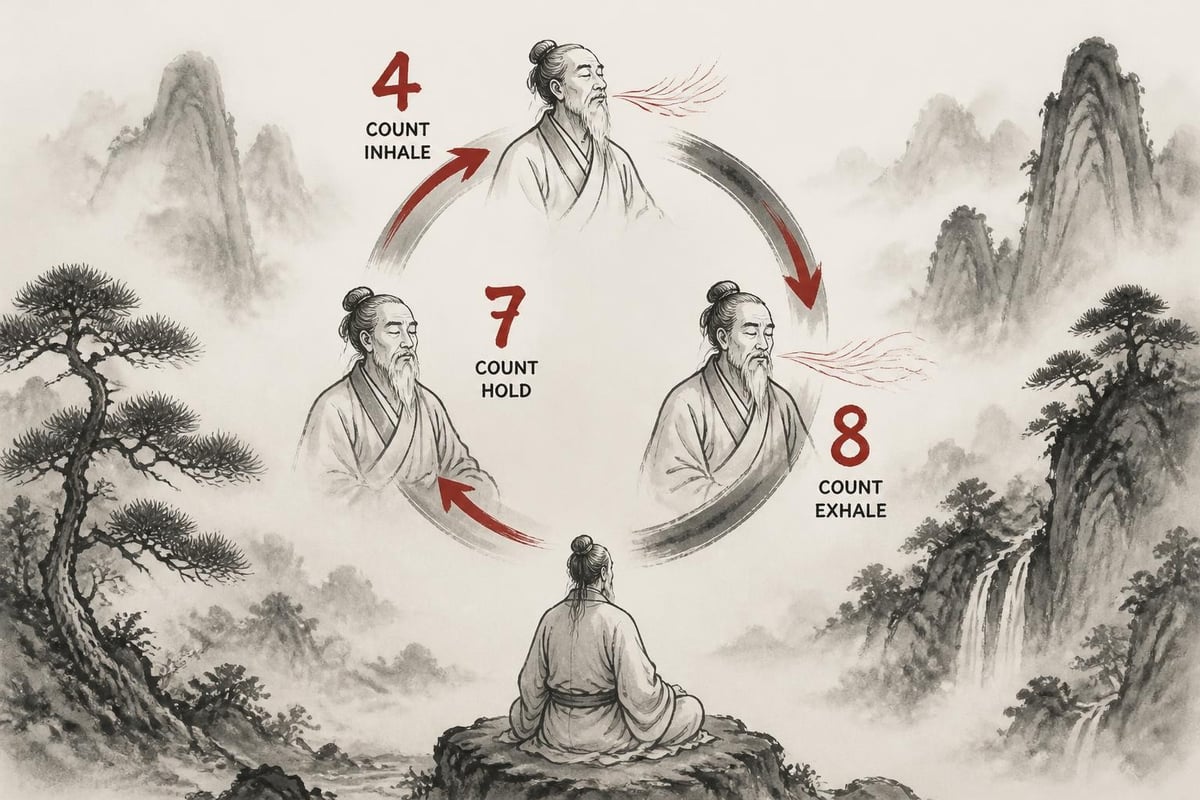
The 4-7-8 breathing technique is a structured breath pattern designed to encourage relaxation. You breathe in quietly through your nose for four counts, pause gently for seven counts, then breathe out slowly through your mouth for eight counts. This rhythm may help your body move away from a tense, hurried state towards one of rest. 4-7-8 breathing is taught in our Breathwork course.
The Basic Pattern
Each round of 4-7-8 breathing follows the same sequence:
- Breathe in through your nose for 4 counts
- Pause gently for 7 counts
- Breathe out slowly through your mouth for 8 counts
Please note: please check with your healthcare professional before starting any new breathing practice, especially if you are pregnant, have a heart or breathing condition, or have high blood pressure. Keep the pause gentle and comfortable, and stop if you feel dizzy or uncomfortable.
The longer out-breath is key. Making your out-breath almost twice as long as your in-breath is thought to support the body's relaxation response, and many people notice their heart rate and breathing feel slower and calmer.
How It Works in Your Body
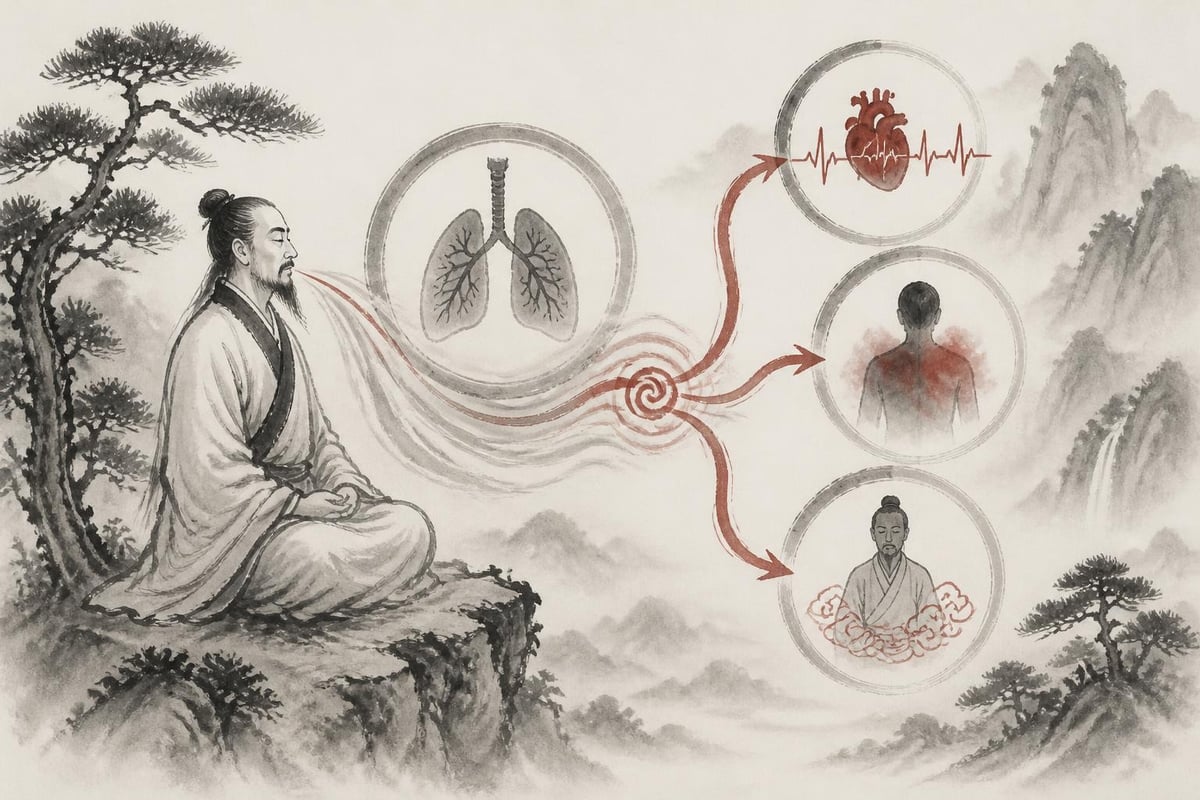
When you practise 4-7-8 breathing, you are doing more than moving air in and out. Breath, heart and brain are closely linked, and slowing your breathing is one way people try to calm the body when it feels wound up. The deliberate pacing also gives your mind something simple to follow, which can interrupt the quick, shallow breathing that often goes with stress.
Research on slow breathing suggests it may influence heart rate variability, a marker of how flexibly your nervous system responds. A longer out-breath is often linked to a calmer state, which is one reason many people find 4-7-8 breathing soothing, even as beginners. Studies are often small and results vary.
Benefits of 4-7-8 Breathing
The technique is simple, but regular practice may touch both mind and body. Many people report benefits that reach beyond the minutes they spend breathing.
Stress Reduction and Emotional Balance
Stress lives in your breath. When you feel anxious, breathing often becomes quick and shallow, which can reinforce the tension you are trying to escape. The 4-7-8 pattern offers your nervous system clear, steady instructions to follow instead.
- May help you feel calmer through a longer, slower out-breath
- Gives your attention somewhere to rest by following the count
- May ease the feeling of tension in the chest and shoulders
- May build calm over time with consistent daily practice
In Taoist tradition, breath is seen as a bridge between body and spirit. Quiet, natural breathing is valued as a way to settle the heart-mind (Xin). If you would like to read more about calming practices, see our article on meditation for stress.
Breathwork can sit alongside, but should not replace, professional support. If stress, anxiety or low mood is affecting you, please also speak to your GP or a qualified professional.
Improved Sleep Quality
Falling asleep can feel impossible when your mind will not quieten. The 4-7-8 technique can work as a gentle wind-down ritual, giving your body a signal that it is time to rest. By slowing your pace and moving attention away from worries, you may make it easier for sleep to arrive naturally.
Many practitioners report feeling drowsy before they finish four full cycles. People often use the technique for:
- Racing thoughts at bedtime
- Waking in the middle of the night
- Difficulty unwinding after a stimulating day
If sleep difficulties continue, please speak to your GP. Alongside breathwork, calming practices can help you unwind, and the approach taught in our Taoist meditation course pairs naturally with breathing techniques.
Physical Health
Slow breathing has been studied for its effects on the body. It is not a replacement for medical treatment, and results vary from person to person.
| Area | What Some Studies Report | Notes |
|---|---|---|
| Blood pressure | Modest changes in some studies | Not a replacement for medical care |
| Heart rate variability | Changes seen in some studies of slow breathing | Studies are often small |
| Relaxation | Many people report feeling calmer | Experiences vary |
Any benefits tend to build gradually. Consistency matters more than intensity, and even a couple of minutes a day can become a steady habit over weeks and months.
How to Practise 4-7-8 Breathing Correctly
Technique matters. Small adjustments in posture and breath quality make the difference between a mechanical exercise and a relaxed, enjoyable practice.
Starting Position and Setup
Find a comfortable seated position with your spine naturally upright. You can sit in a chair with your feet flat on the floor or cross-legged on a cushion. The key is to feel steady and relaxed, not rigid.
Tongue placement: many breathing practices rest the tip of the tongue lightly against the ridge of tissue behind the upper front teeth. If it feels comfortable, keep it there throughout.
Hand position: let your hands rest gently on your knees or in your lap. Some practitioners place one hand on the belly to feel the breath move, which can help keep awareness gentle and steady.
Step-by-Step Technique
Before your first cycle, breathe out completely through your mouth to empty your lungs. This sets a clean starting point.
- Close your mouth and breathe in quietly through your nose while counting to four
- Pause gently for a count of seven, with no tension
- Breathe out through your mouth, with a soft whooshing sound, for eight counts
- Repeat for three to four cycles at first, building to eight cycles as you grow comfortable
The counting pace should feel natural, not rushed. If seven counts feels too long, reduce all the numbers in proportion (3-5-6, for example), keeping the same shape, and build up gradually to the full 4-7-8 pattern.
Common Mistakes to Avoid
Even simple techniques can go astray. Watch for these:
- Forcing the breath: the in-breath should be gentle, not gasping. The out-breath should be complete but not strained.
- Counting too fast: slower is better. If you feel lightheaded, you may be rushing.
- Practising too many rounds: more is not better when starting. Four cycles is plenty.
- Irregular rhythm: keep your counting pace the same across all three phases.
Your body will guide you. If you feel dizzy or uncomfortable, pause and return to natural breathing. 4-7-8 breathing should feel calming, never stressful.
Integrating 4-7-8 Breathing with Taoist Practices
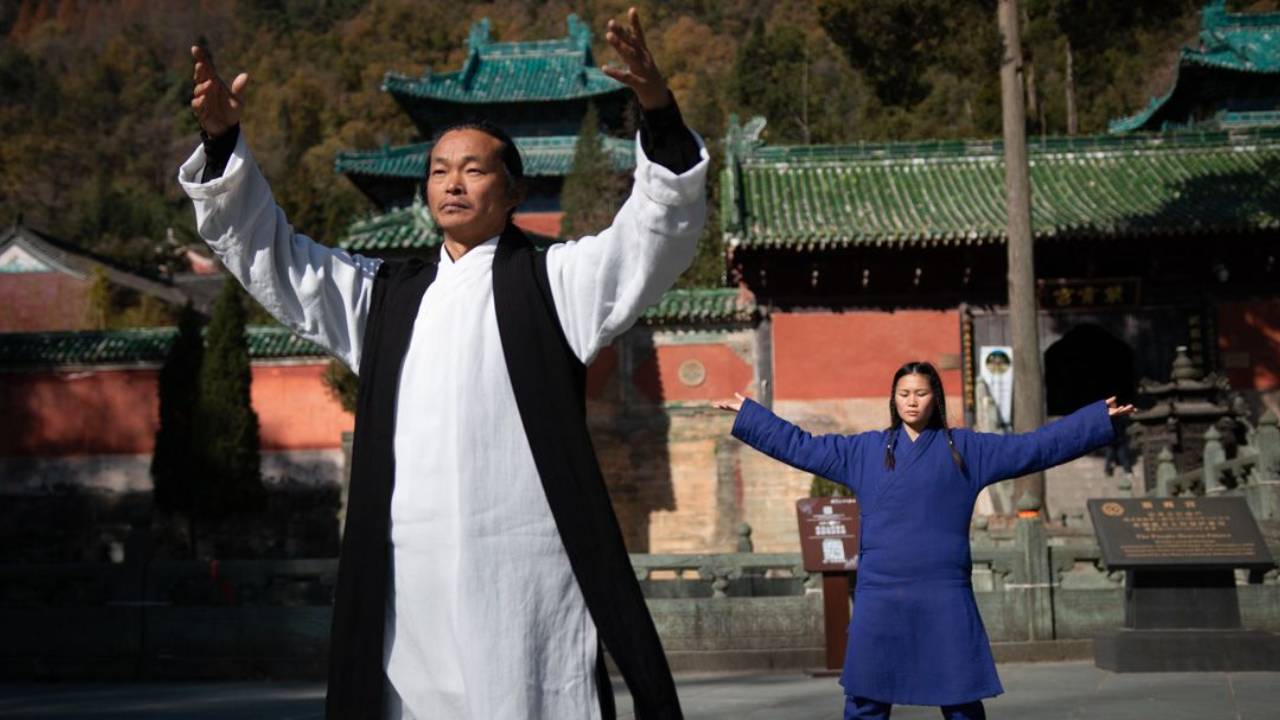
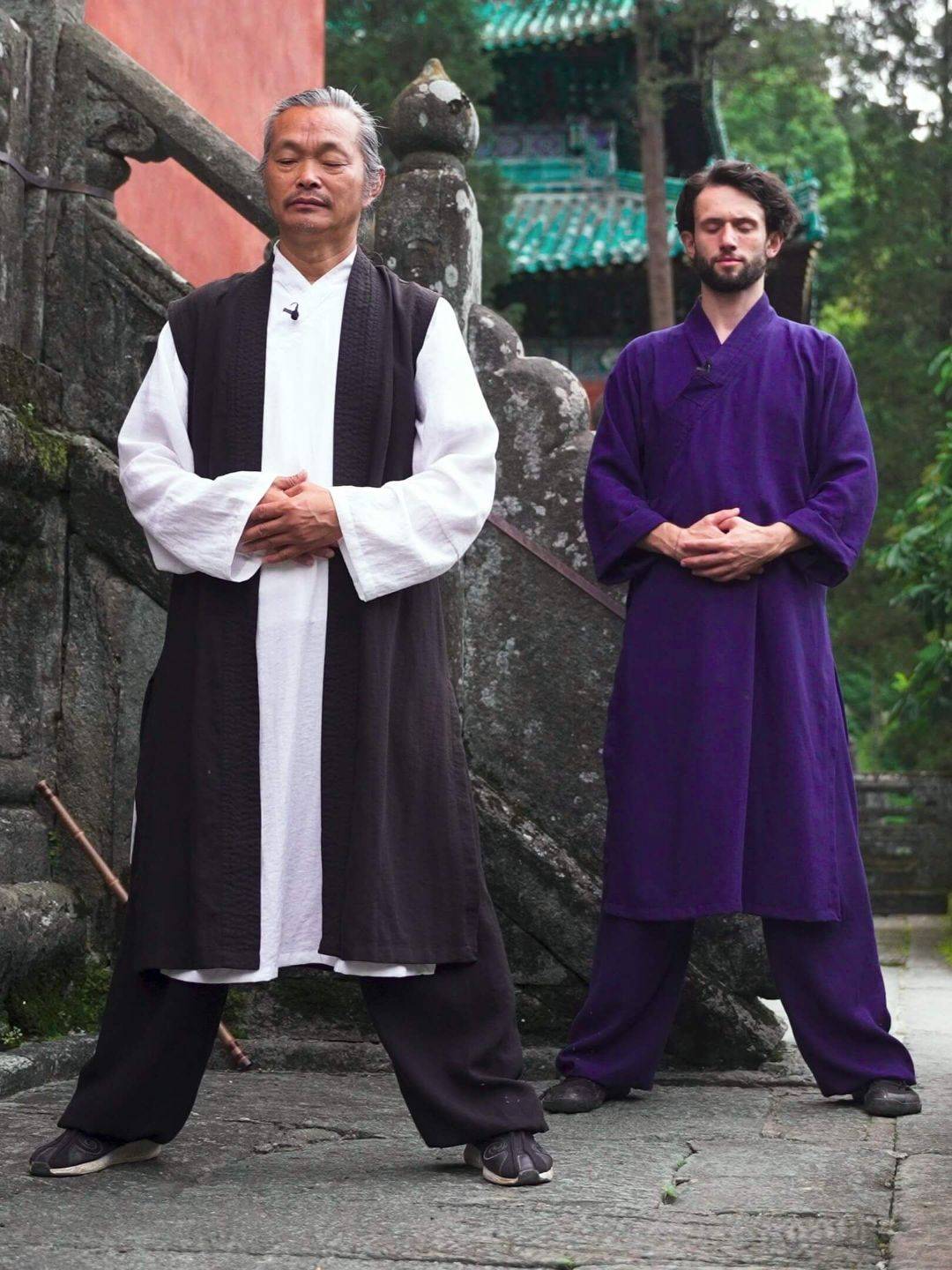
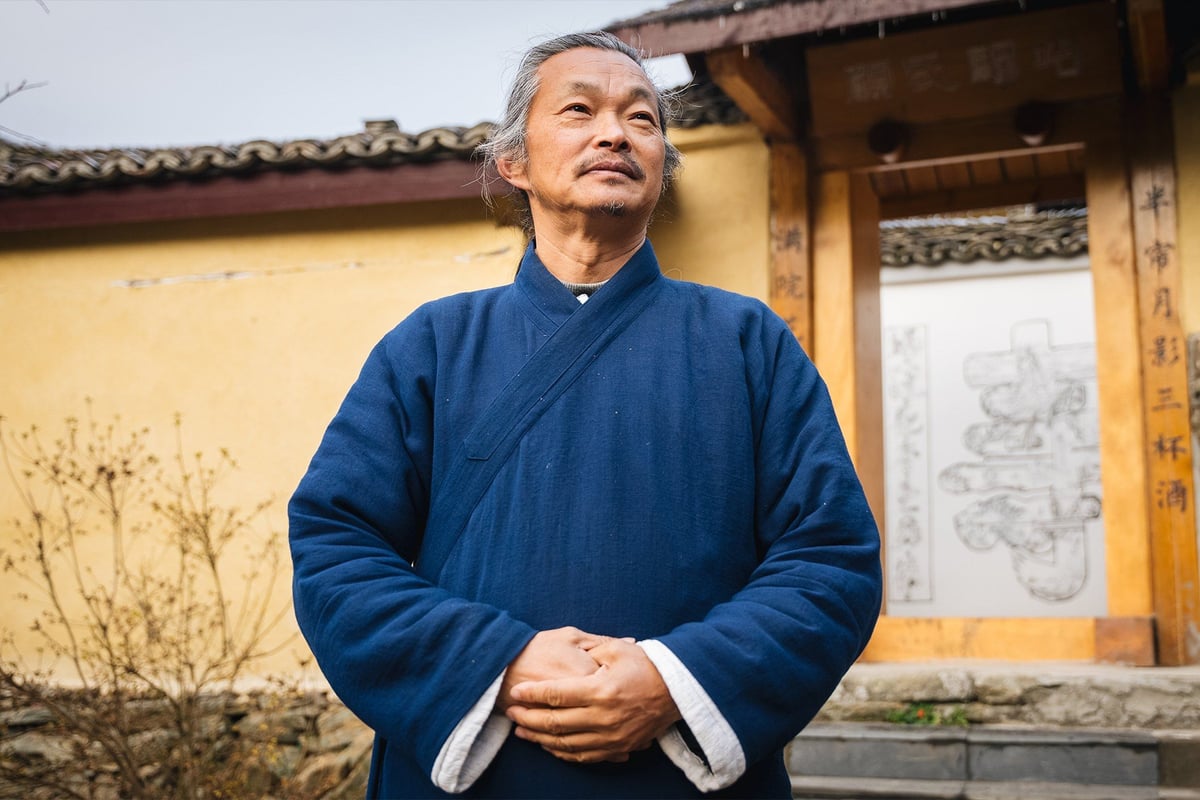
4-7-8 breathing is often linked to yogic tradition, yet it fits well alongside Taoist ideas about working with natural rhythms rather than against them. Breath sits at the heart of many internal practices. Master Gu shares a short look at Taoist breathing in the video below.
Breath and Presence
In Taoist tradition, breath and qi are closely linked, and quiet, natural breathing is valued as a way to bring the mind back to the present. To explore more breathing ideas from the Taoist tradition, see our article on Qi breathing techniques.
Slow breathing and gentle Qi Gong practice can sit well together as separate exercises. Qi Gong's slow movements give you a way to practise relaxed, natural breathing while you move, and 4-7-8 breathing gives you a way to practise it seated.
Preparing for Meditation
Many meditation traditions emphasise awareness of the breath. You can use 4-7-8 breathing as a bridge into stillness. Try three to four cycles before you sit, and notice how much easier it feels to settle into the present.
Many people find that when they have spent time with simple Tai Chi movements, where breath stays natural, seated breathing practice feels more intuitive. The principles are the same: work with what is natural, refine gradually and trust the process.
If you are new to these practices, our free Taoist course is a gentle introduction to Tai Chi, Qi Gong, meditation and Taoist wisdom with our teacher Master Gu, a 15th-generation San Feng Pai Wudang Taoist Master with 25+ years of teaching experience.
When and How Often to Practise
The beauty of 4-7-8 breathing lies in its flexibility. You can practise it almost anywhere you need a moment to reset.
Best Times for Practice
Different moments call for different uses:
Morning routine: two to three cycles on waking can help set a calm, centred tone for the day. Try it before checking your phone or launching into tasks.
Afternoon dip: when focus fades and stress builds, a short breathing session can be a gentle way to refresh your attention.
Pre-sleep ritual: four to eight cycles while lying in bed tells your body that rest is coming. This is perhaps the most popular use.
Stressful moments: whenever you notice tension rising, whether before a difficult conversation or during a challenging situation, step away for ninety seconds of quiet breathing.
Building a Sustainable Practice
Consistency matters. Rather than marathon sessions, you might aim for:
- Twice a day: morning and evening, four cycles each
- Stress moments: three cycles whenever you notice tension
- Before meditation: three to four cycles before sitting practice
- Before sleep: four to eight cycles while lying down
Keep a few notes for the first month. You may notice patterns - perhaps you sleep better on days you practise before bed, or handle afternoon stress more gracefully after morning rounds. These insights help you shape the technique around your needs.
Scientific Evidence and Research
Breathing exercises have been practised for thousands of years, and modern research is beginning to look at how they work.
What Studies Show
4-7-8 breathing has been studied less than general slow-paced breathing, but the wider research is promising. Studies of controlled breathing patterns suggest:
- Quick nervous system effects: changes in heart rate variability within minutes in some studies
- Possible blood pressure effects: some studies report modest changes with regular practice
- Mental wellbeing: some studies report feeling calmer and less anxious
One important point: while breathwork shows promise, the research quality varies. Many studies are small, and individual responses differ. What works remarkably well for one person may feel less dramatic for another.
Realistic Expectations
Breathing techniques are tools, not magic. They work best as part of a wider approach to wellbeing that includes movement, rest, community and purpose. Think of 4-7-8 breathing as one valuable practice in your toolkit, alongside other healthy habits.
You might feel relaxed after your first session, but deeper changes in how you handle stress or sleep usually take weeks of regular practice, and results vary. Patience and persistence pay off.
Safety Considerations
For most people, 4-7-8 breathing is gentle. A few precautions help you practise wisely.
Who Should Modify or Avoid
- Respiratory conditions: if you have asthma, COPD or another breathing condition, please speak to your healthcare provider before starting any breathwork practice
- Heart and blood pressure concerns: if you have a heart condition or high blood pressure, please seek medical guidance first, as breath pauses can affect some people
- Pregnancy: gentle breathing is generally considered fine, but avoid strong breath retention and speak to your healthcare provider
- Panic or high anxiety: if breath-focused exercises increase anxiety rather than easing it, stop and speak to your GP or a therapist trained in this area
Signs to Slow Down
Your body tells you clearly when you are overdoing it:
- Dizziness or lightheadedness suggests you are breathing too quickly or doing too many rounds
- Increased anxiety during practice suggests the technique may not suit you at this time
- Chest tightness or discomfort means stopping and returning to natural breathing
- Headaches after practice may mean you are forcing the pause
Listen carefully. The right practice feels calming, even if slightly challenging at first. It should never feel distressing.
Beyond Breathing: A Path to Balance
4-7-8 breathing is more than a quick stress tool. It is a way into a wider conversation about how you live in your body and move through your inner world. Practised with awareness and consistency, it becomes a thread that connects you to deeper wellbeing.
Breathing as a Foundation
In Taoist teaching, small practices open big doors. The breath you are already taking becomes your teacher when you bring gentle attention to it. This idea runs through the internal arts, whether you are exploring balanced living through Taoist philosophy or finding how simple Tai Chi movements can change the feel of your day.
The breath teaches patience. You cannot rush a four-count in-breath without losing the calm. You cannot force a seven-count pause without creating tension. These limits are not obstacles - they are the practice itself, training you to work with your nature rather than against it.
Expanding Your Practice
As 4-7-8 breathing becomes familiar, you may feel curious about what else is possible. That curiosity is worth following. The same principles that make this breathwork helpful - focused attention, natural rhythm and gentle persistence - run through Tai Chi, Qi Gong and Taoist meditation.
Many students find that breathing practice leads them towards movement such as Tai Chi and Qi Gong, where breath and motion flow together. Others find that breath awareness deepens their meditation and their reflection on Taoist philosophy. There is no single right path, only the one that suits you.
The 4-7-8 breathing technique offers a practical, portable way to find a little calm amid daily demands. When you are ready to see how breathwork fits into a wider approach to wellbeing, Taoist Wellness Online offers courses in Tai Chi, Qi Gong and Taoist meditation with our teacher Master Gu, helping you build a steady practice that brings more balance to body and mind.
Related reading