Tai Chi Masters: Wisdom, Lineage, and Modern Practice
Aug 03, 2026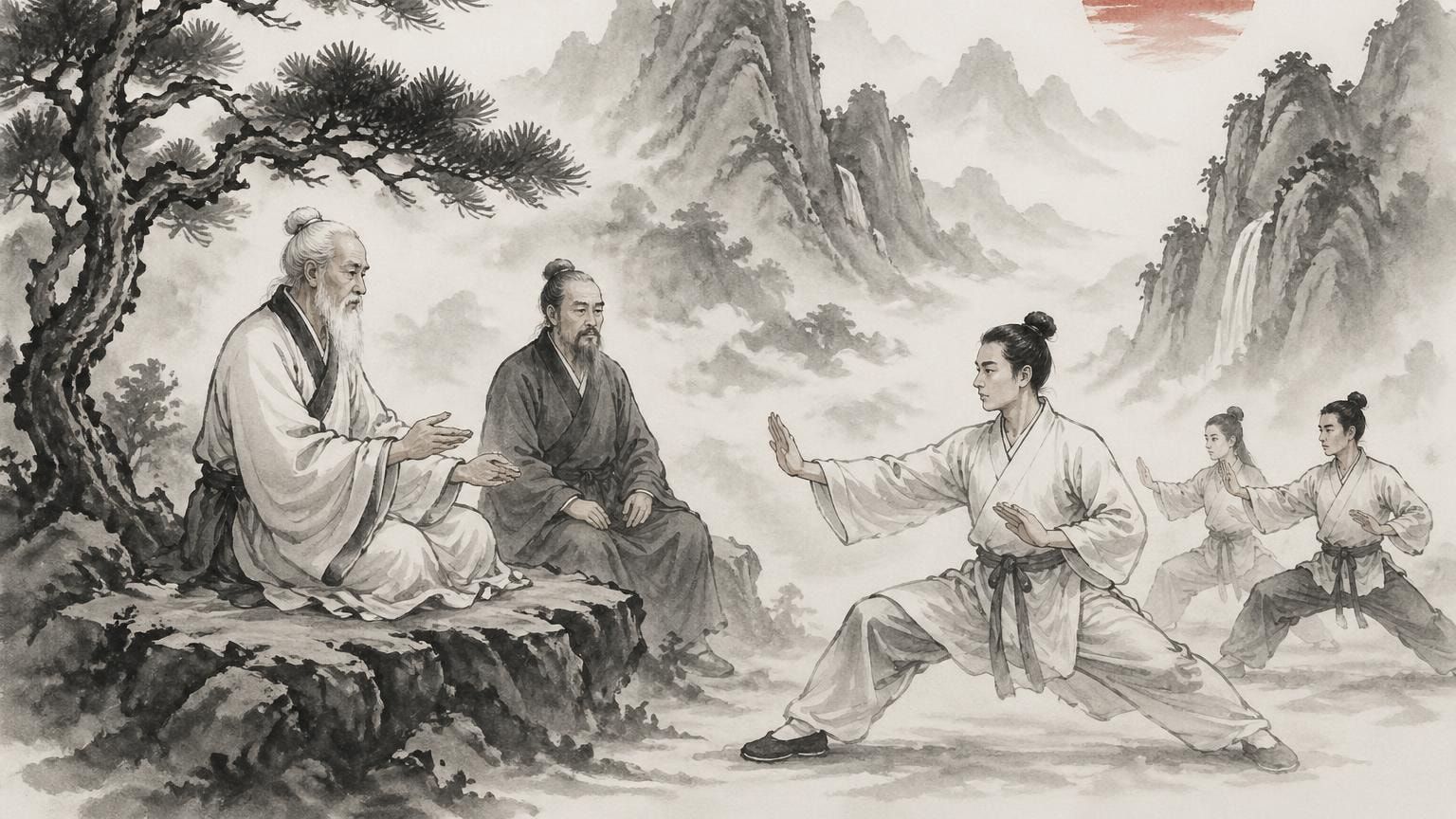
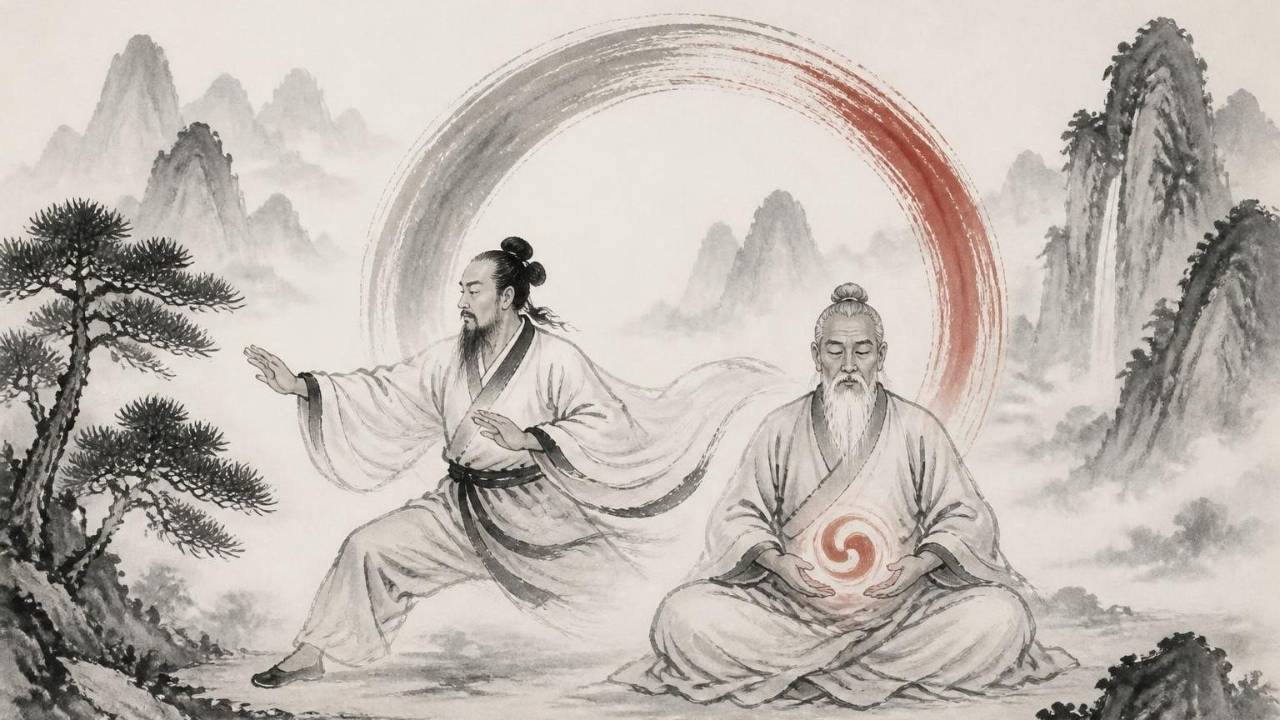
The journey into tai chi often begins with curiosity about movement and balance, but it deepens through connection with those who've dedicated their lives to this ancient art. Tai chi masters represent far more than skilled practitioners. They embody lineages stretching back centuries, carrying forward wisdom refined through countless hours of practice, teaching, and inner cultivation. Understanding what defines authentic mastery helps you find genuine guidance in a world where tai chi has become both wonderfully accessible and sometimes diluted. Whether you're just beginning or deepening your practice, knowing what to look for in authentic instruction transforms your experience from exercise into genuine transformation.
What Defines Authentic Tai Chi Masters
Authentic tai chi masters share characteristics that go beyond physical skill. Their mastery emerges from decades of dedicated practice under qualified teachers, typically within a recognised lineage.
Lineage matters profoundly. Traditional tai chi transmits through direct teacher-student relationships, where subtle principles pass through hands-on correction, personal demonstration, and shared practice.
Core Qualities of Mastery
True masters demonstrate these fundamental qualities:
- Deep internal development that manifests as relaxed power and effortless movement
- Teaching ability that meets students where they are and guides gradual progress
- Embodied philosophy connecting movement with Taoist principles
- Humility and continuous learning despite decades of experience
- Authentic certification within recognised tai chi lineages
The difference between someone who knows the form and someone who embodies the art becomes clear through their presence, teaching approach, and the transformation they facilitate in students.
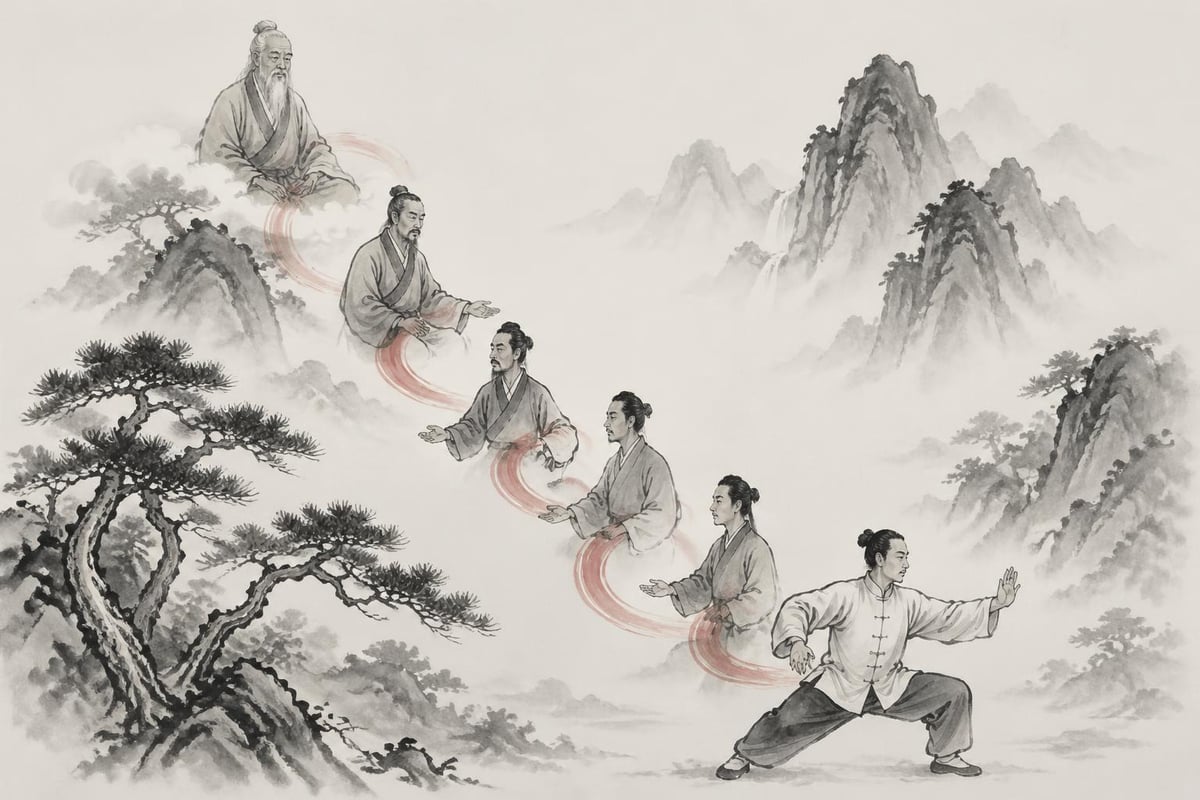
Many practitioners wonder how long it takes to reach mastery. Most tai chi masters have practised for 20-40 years, though the journey never truly ends. The first decade builds foundation. The second deepens understanding. Beyond that, layers continue revealing themselves.
Major Lineages and Their Masters
Tai chi encompasses several major family styles, each with distinct characteristics and lineage holders. Understanding these traditions helps you recognise authentic instruction and find the approach that resonates with your path.
| Style | Key Characteristics | Notable Masters | Primary Focus |
|---|---|---|---|
| Chen | Original style, explosive power | Chen Xiaowang, Chen Zhenglei | Martial application, silk reeling |
| Yang | Most widely practised, smooth movements | Yang Cheng-fu, Yang Jwing-Ming | Health, accessible practice |
| Wu (Hao) | Small frame, internal focus | Wu Yu-hsiang descendants | Refined internal development |
| Wu | Medium frame, gentle flow | Wu Jianquan lineage | Graceful, meditative quality |
| Sun | Agile, incorporates other arts | Sun Lutang lineage | Integration with xingyiquan |
Each of these lineage holders brought unique innovations while maintaining core principles, and their contributions shaped how millions practise today.
Understanding Master Yang Cheng-Fu's Influence
Yang Cheng-fu standardised Yang-style tai chi in the early 20th century, making it accessible beyond martial circles. His guidance emphasises relaxation, continuity, and proper body alignment, forming the foundation many modern practitioners still follow.
His ten essential principles include:
- Suspend the head from above
- Sink the chest and raise the back
- Relax the waist
- Distinguish substantial and insubstantial
- Sink the shoulders and elbows
These aren't mere technical details but doorways into deeper practice. Each principle takes years to truly embody, revealing why guidance from experienced teachers matters so much.
The Role of Wudang Masters in Tai Chi
Wudang Mountain holds special significance in tai chi history and Taoist cultivation. While historians debate tai chi's exact origins, Wudang represents the spiritual heart of internal martial arts.
Wudang masters emphasise the inseparable connection between martial practice and spiritual development. Their approach integrates movement, meditation, philosophy, and energy cultivation into a complete system for transformation.
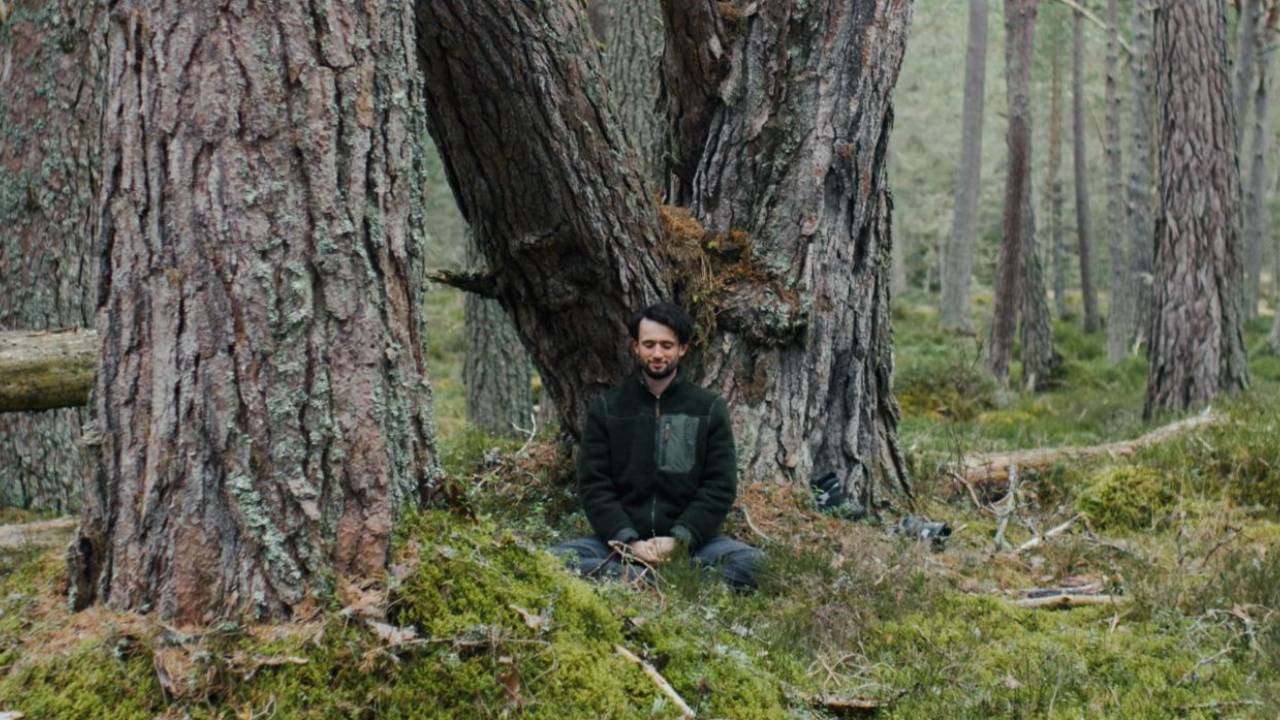
Master Gu, a 15th-generation San Feng Pai Wudang Taoist Master with over 25 years of teaching experience, guides students at Taoist Wellness Online. This authentic lineage connection ensures students receive genuine teachings rather than diluted interpretations. The short film below captures something of what this tradition looks and feels like in practice.
What Wudang Training Encompasses
Wudang masters teach a comprehensive curriculum:
- Tai chi forms emphasising internal energy development
- Qi gong practices for cultivating and circulating life force
- Taoist meditation connecting practice to philosophical roots
- Daoist philosophy providing context and depth to physical practice
- Traditional health principles supporting overall wellbeing
This holistic approach distinguishes authentic Wudang instruction from purely physical tai chi practice. The forms become vehicles for deeper transformation rather than ends in themselves.
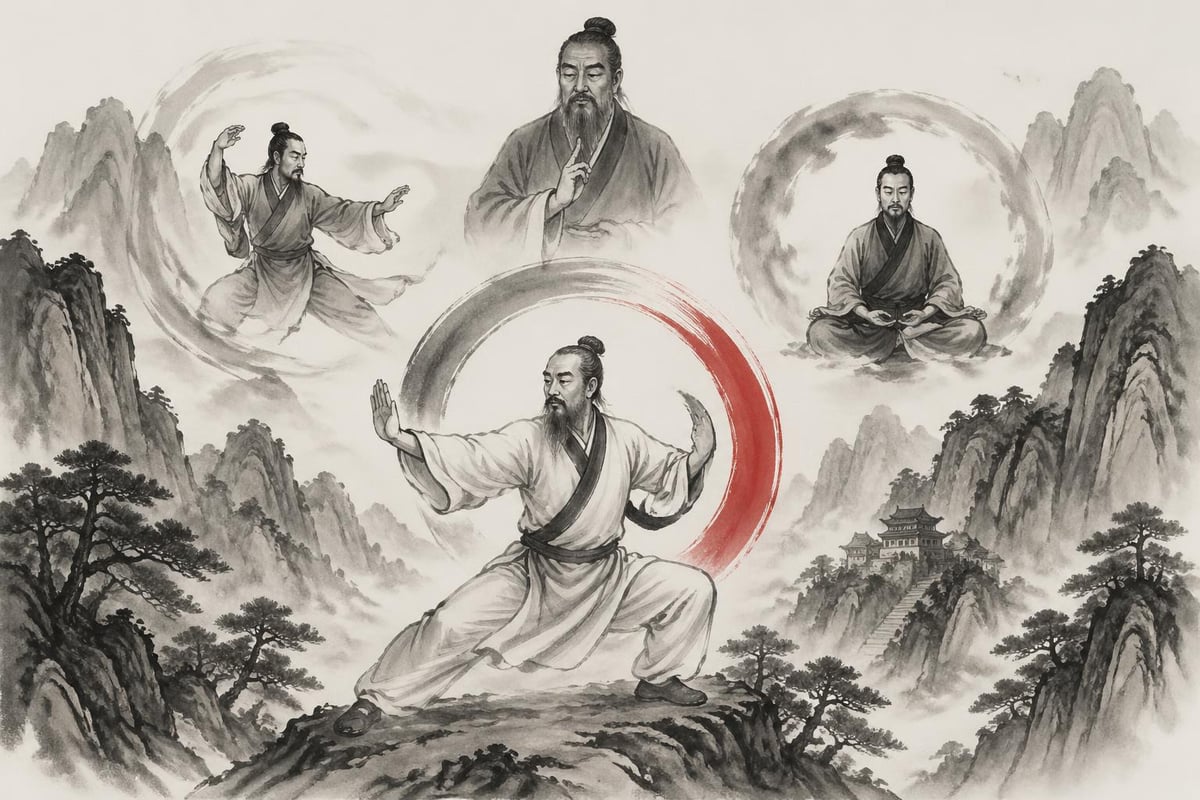
Students often notice that masters from traditional backgrounds approach teaching differently. They balance patience with precision, meeting beginners with encouragement while maintaining high standards for development.
Learning From Masters in Modern Times
The digital age has transformed access to tai chi masters. In 2026, you can study with authentic lineage holders without travelling to China, though this accessibility requires discernment.
Online learning offers unprecedented opportunities when guided by qualified masters. Quality platforms provide structured curricula, live interaction, and community support that rivals in-person training in many respects.
Evaluating Online Instruction
When seeking online instruction from tai chi masters, consider these factors:
| Factor | What to Look For | Red Flags |
|---|---|---|
| Credentials | Verifiable lineage, decades of practice | Vague background, recent certification |
| Teaching Style | Clear explanation, individual attention | One-size-fits-all, minimal interaction |
| Curriculum | Progressive structure, multiple practices | Random videos, no clear path |
| Community | Active student interaction, support | Isolated learning, no connection |
| Philosophy | Integration of principles and movement | Purely physical focus |
Our Tai Chi course at Taoist Wellness Online exemplifies quality online instruction, combining Master Gu's expertise with comprehensive resources and live sessions.
Benefits of Digital Access to Masters
Modern technology enables:
- Repeated review of subtle details that might be missed in live classes
- Global community connecting with practitioners worldwide
- Flexible practice fitting ancient wisdom into contemporary schedules
- Affordable access to masters who previously required expensive travel
- Comprehensive resources supplementing live instruction with detailed materials
Many students find that online learning with authentic masters produces deeper understanding than sporadic workshops with various teachers. Consistency and relationship matter more than physical proximity.
The Classical Writings of Tai Chi Masters
Historical tai chi masters left written guidance that continues illuminating practice today. The tai chi classics comprise essential texts by master practitioners, offering authoritative principles that transcend specific styles.
These writings include works by Wang Zongyue, Wu Yuxiang, Li Yiyu, and others who codified core concepts. Their insights remain remarkably relevant, addressing universal principles of balance, energy, and movement.
Key Concepts From Classical Masters
The classics emphasise several recurring themes:
- Invest in loss: Accept apparent disadvantage to develop genuine skill
- Four ounces deflect a thousand pounds: Use minimal force with maximum efficiency
- The whole body must be threaded together: Movement originates from centre, expressed through limbs
- Seek stillness within movement: Cultivate inner calm while body flows
- Use intention, not force: Direct energy through focused awareness
These poetic instructions require years to truly understand. Reading them at different stages of practice reveals new layers of meaning.
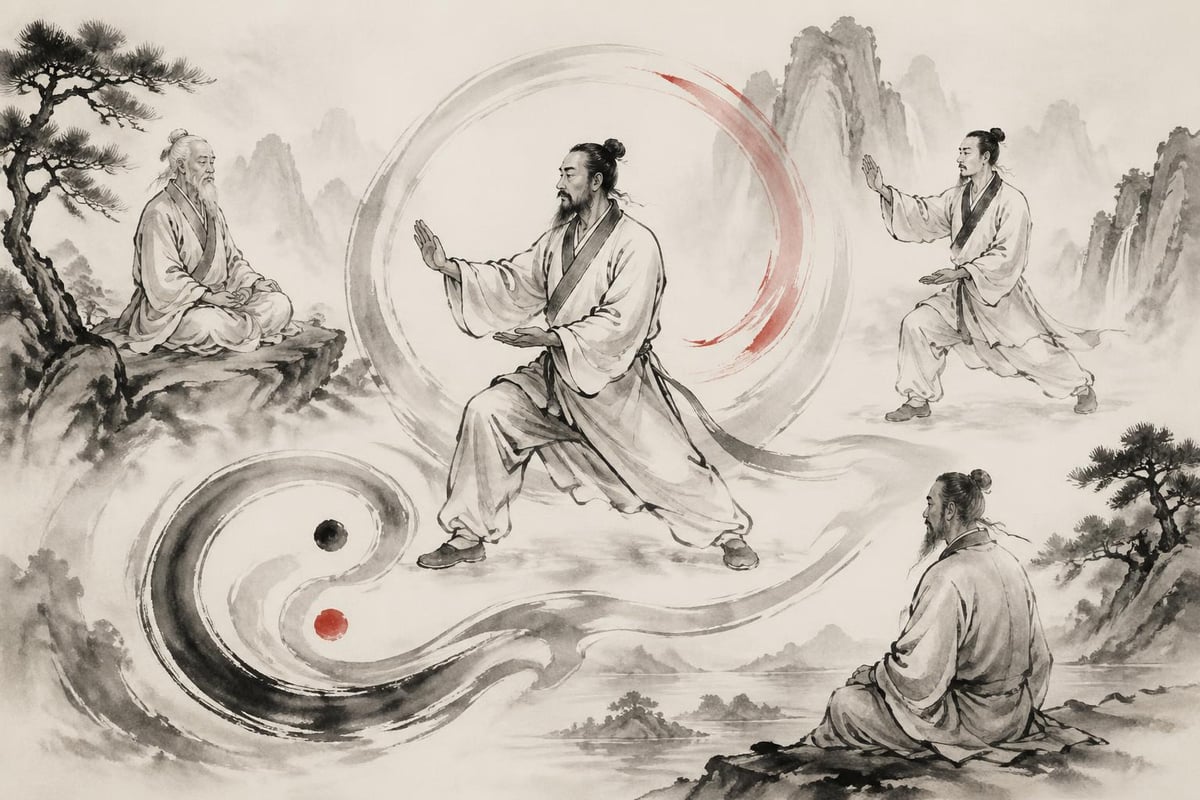
Modern tai chi masters help decode these classical teachings, translating ancient language into accessible guidance while preserving essential meaning. This interpretive role forms a crucial part of their value.
Finding Your Path With Authentic Guidance
Choosing a teacher represents one of your most important decisions in tai chi practice. The relationship between student and master shapes not just your technique but your entire approach to the art.
Start by clarifying your intentions. Are you seeking health benefits, martial skill, spiritual development, or stress relief? Different masters emphasise different aspects, though authentic instruction addresses all dimensions.
Questions to Ask Potential Teachers
When evaluating tai chi masters or their programmes:
- What is your lineage and training background?
- How long have you practised and taught?
- What does your curriculum include beyond forms?
- How do you support individual student development?
- Can I speak with current or former students?
Don't hesitate to try our free 4-week Taoist Wellness course before committing. Authentic masters welcome questions and understand that finding the right match benefits everyone.
The Importance of Lineage Verification
Genuine masters can trace their instruction through recognised lineages, often providing certificates or documentation. This matters because tai chi contains subtle internal aspects that only transmit through direct instruction. Someone learning from books or videos alone, regardless of talent, misses essential elements that make the difference between knowing movements and embodying principles.
The Living Tradition of Tai Chi Masters
Tai chi masters serve as living bridges between ancient wisdom and contemporary life. Their role extends beyond teaching movements to transmitting an entire worldview rooted in Taoist philosophy.
In 2026, as life accelerates and stress intensifies, the calm presence and grounded wisdom of authentic masters offers something increasingly rare. They model what sustained practice creates: vitality, clarity, balance, and peace that doesn't depend on external circumstances.
How Masters Adapt Ancient Practice
Skilled teachers honour tradition while meeting modern students' needs. They understand that someone working a demanding job needs different pacing than a full-time monastery student, yet the essential principles remain unchanged.
This adaptive wisdom allows tai chi to remain relevant across cultures and contexts. The best masters create supportive environments where students feel both challenged and encouraged. They celebrate small progress while maintaining the vision of long-term development. This patient approach mirrors nature's rhythms, something deeply embedded in Taoist thinking.
Community and Collective Practice
Learning from tai chi masters happens not just through individual instruction but within community. Being part of a group of practitioners creates accountability, inspiration, and shared exploration that deepens everyone's practice.
Masters often emphasise that teaching fellow students reinforces your own understanding. Explaining a principle to someone earlier in their journey clarifies it in your own mind and body.
The Value of Peer Learning
Within authentic tai chi communities, you'll find:
- Practice partners for push hands and partner exercises
- Diverse perspectives on applying principles to different life situations
- Mutual encouragement during plateaus and challenges
- Shared resources including articles, videos, and workshops
- Friendship with people who understand your commitment
These connections often extend beyond practice into genuine relationships. Our global community of students creates this supportive environment, connecting people from different countries and backgrounds.
Deepening Your Practice Through Multiple Disciplines
Tai chi masters typically teach within a broader context of Taoist arts. Understanding how tai chi relates to qi gong, meditation, and philosophy enriches your practice immeasurably.
Qi gong and tai chi complement each other beautifully. While tai chi emphasises flowing forms, why not try our Qi Gong course, which often focuses on stillness, breathing, and energy cultivation. Together, they provide a complete system for health and vitality.
Integrating Complementary Practices
Consider exploring:
| Practice | Primary Benefits | How It Supports Tai Chi |
|---|---|---|
| Qi Gong | Energy cultivation, healing | Builds internal power for forms |
| Meditation | Mental clarity, presence | Develops intention and awareness |
| Philosophy | Context, meaning, wisdom | Deepens understanding of principles |
| Retreats | Immersion, intensive practice | Accelerates progress, creates breakthroughs |
If that resonates, our Daoist Philosophy course goes deeper into the worldview underlying tai chi, making movements meaningful rather than mechanical.
Some students eventually pursue retreats in China, experiencing the mountains and temples where these practices originated. While not necessary, such immersion offers profound inspiration and connection to tradition.
The Personal Transformation Masters Facilitate
Beyond teaching technique, tai chi masters guide personal transformation. Their influence extends into how you handle stress, relate to challenges, and navigate life's constant changes.
Students often report that regular practice under qualified guidance creates shifts they never expected. Physical health improves, certainly, but so does emotional regulation, mental clarity, and sense of purpose.
This transformation happens gradually, almost imperceptibly. You don't notice daily changes, but looking back over months or years, you see how differently you respond to situations that once triggered stress or reactivity.
What Changes With Sustained Practice
Common experiences include:
- Greater ease and comfort in your body
- Improved balance, coordination, and body awareness
- Enhanced ability to relax under pressure
- Clearer thinking and better decision-making
- Deeper connection to yourself and others
- Increased energy and vitality
- More consistent emotional equilibrium
These benefits don't require believing anything or adopting new identities. They emerge naturally from sustained practice with proper guidance. The forms themselves, practised correctly over time, create these shifts.
Masters understand this process intimately because they've lived it. Their teaching draws from direct experience of transformation, not theoretical knowledge. This experiential wisdom makes their guidance invaluable.
Continuing Your Journey
Finding authentic instruction represents the beginning, not the end, of your tai chi journey. The relationship with practice deepens over years, revealing new dimensions as you develop.
Stay curious and patient with yourself. Tai chi rewards consistency more than intensity. Regular practice, even brief sessions, builds foundation that occasional marathon training cannot match.
Track your progress through journaling or video recording. Many students find that reviewing their practice from six months or a year earlier reveals progress they hadn't noticed day-to-day. This recognition provides encouragement during inevitable plateaus.
Remember that even tai chi masters continue learning. The art contains enough depth for lifelong exploration. Your commitment isn't to perfection but to ongoing practice and gradual refinement.
Students often find that our Tai Chi Principles: Ancient Wisdom for Modern Practice article makes a natural next step for understanding these foundational ideas in more depth, and our piece on Tai Chi and Energy: Ancient Wisdom for Modern Vitality explores how these principles connect to internal energy cultivation.
Tai chi masters preserve and transmit wisdom that has supported wellbeing for generations, offering guidance that remains profoundly relevant in our modern world. Whether you're just beginning or deepening established practice, authentic instruction from qualified teachers transforms tai chi from exercise into a path of genuine transformation. At Taoist Wellness Online, Master Gu brings over 25 years of Wudang training to students worldwide, offering comprehensive courses in Tai Chi, Qi Gong, and Taoist philosophy that honour tradition while meeting contemporary needs. Begin your journey with authentic guidance that connects you to this living tradition.