Tai Chi and Energy: Ancient Wisdom for Modern Vitality
Jul 25, 2026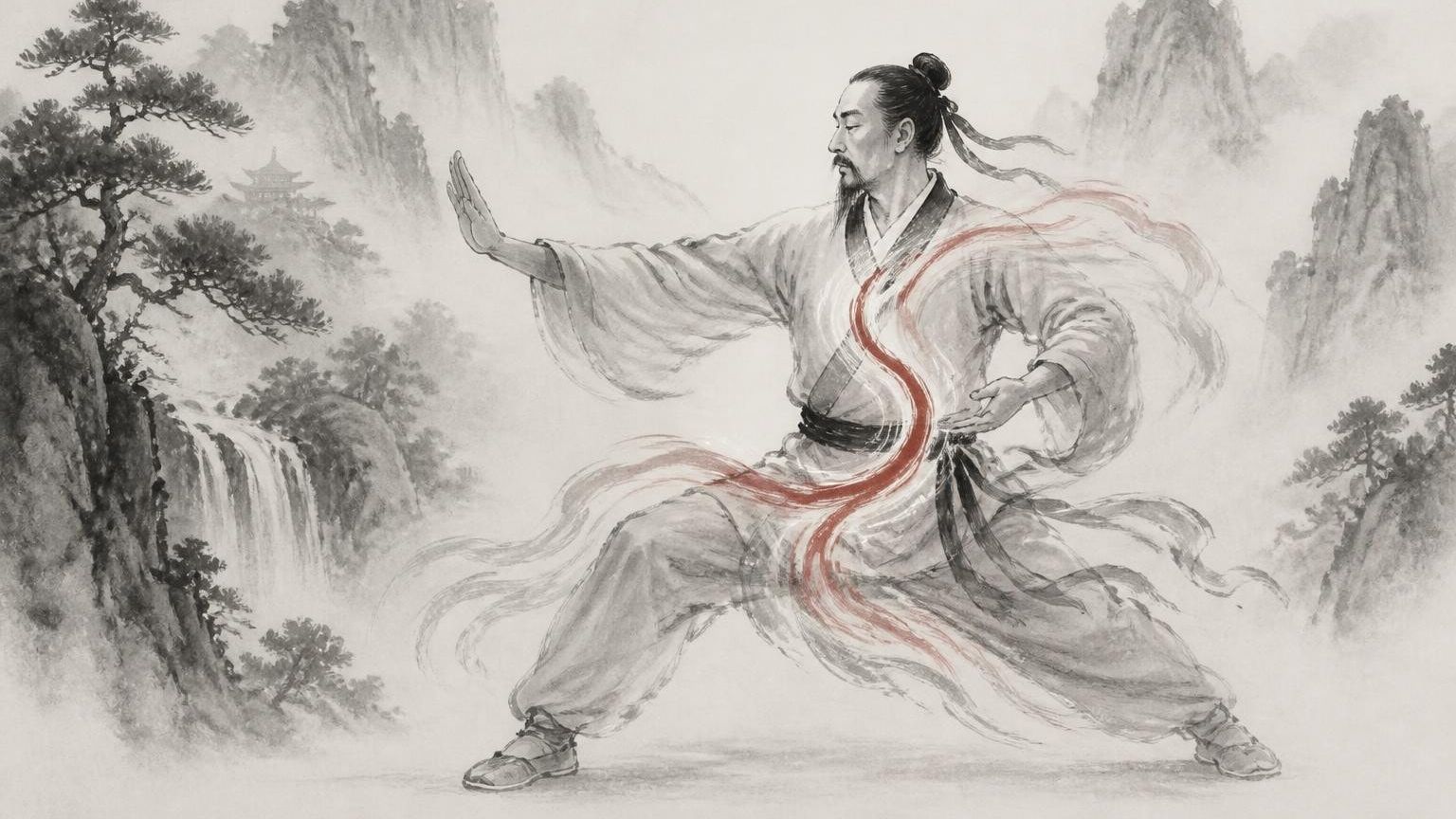
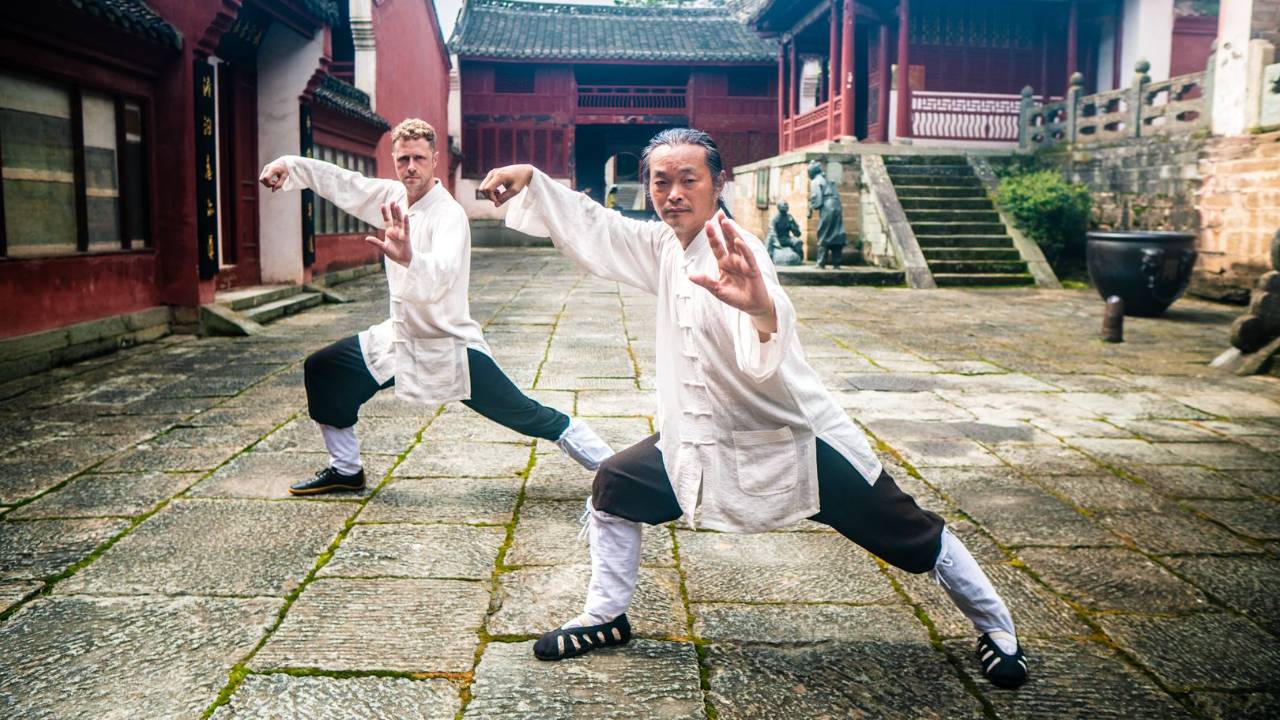
The relationship between tai chi and energy lies at the heart of one of the world's most profound wellness practices. For centuries, Taoist masters have understood what modern science is only beginning to confirm: that our vitality, clarity, and resilience depend on the smooth flow of life force energy through our bodies. When you practise authentic Wudang Tai Chi, you're not just moving your body through graceful forms. You're actively cultivating, balancing, and directing your internal energy in ways that transform how you feel, think, and live.
Understanding Qi: The Foundation of Tai Chi and Energy
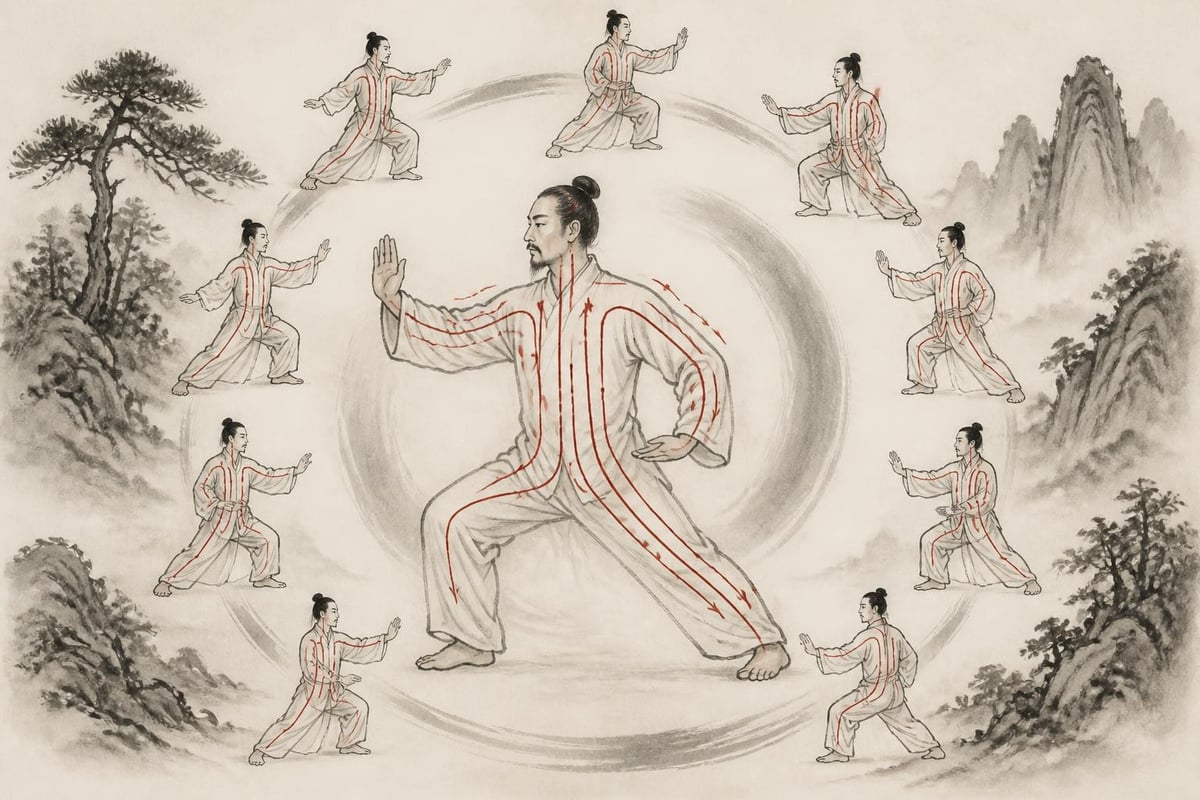
The Chinese concept of qi (pronounced "chee") represents the vital life force that animates all living things. In Taoist philosophy, this energy flows through specific pathways in your body called meridians, nourishing your organs, tissues, and cells. When qi flows freely, you experience vitality, mental clarity, and emotional balance. When it becomes blocked or depleted, you might feel fatigue, tension, or discomfort.
Tai chi and energy work together through three primary mechanisms:
- Breath coordination that oxygenates your blood and stimulates energy flow
- Intentional movement that opens meridian pathways and releases blockages
- Mindful awareness that directs qi to specific areas needing healing or strengthening
Unlike exercise that simply burns calories or builds muscle, Wudang Tai Chi cultivates your internal energy reserves. The slow, flowing movements aren't about external power. They're designed to gather, refine, and circulate qi throughout your entire system.
The Science Behind Energy Cultivation
Modern research increasingly validates what Taoist masters have taught for generations. Studies show that regular tai chi practice improves cardiovascular function, reduces inflammation, and enhances immune response. These physical benefits directly relate to improved energy circulation. When your meridians are open and your qi flows smoothly, your body functions more efficiently at every level.
Research demonstrates measurable changes in practitioners' nervous systems, hormone levels, and cellular health. The gentle, rhythmic movements activate your parasympathetic nervous system, which governs rest, recovery, and energy restoration. This creates the perfect internal environment for qi cultivation.
How Tai Chi Movements Generate and Direct Energy
Every Wudang Tai Chi form follows precise principles designed to maximise energy cultivation. The movements aren't arbitrary or decorative. Each gesture, turn, and stance serves a specific purpose in gathering, refining, and directing qi through your body's energy network.
The Three Treasures of Energy Cultivation
Traditional Taoist practice recognises three fundamental aspects of your energy system, called the Three Treasures:
| Treasure | Name | Function | How Tai Chi Cultivates It |
|---|---|---|---|
| First | Jing (Essence) | Physical vitality and reproductive energy | Root stances and grounding movements strengthen kidney energy |
| Second | Qi (Energy) | Life force and daily vitality | Coordinated breathing and flowing forms circulate vital energy |
| Third | Shen (Spirit) | Mental clarity and consciousness | Focused intention and meditation refine spiritual awareness |
Understanding this framework helps you appreciate why tai chi and energy cultivation go far beyond simple stretching or relaxation. You're working with the fundamental building blocks of human vitality.
When you practise Wudang forms correctly, you're not just moving your arms and legs. You're engaging your entire energy system. The rooting in your feet connects you to earth energy. The opening and closing of your joints creates pumping actions that move qi through meridians. The spiralling motions generate what Taoists call internal power - a quality of energy that feels both substantial and effortless.
Breathing Techniques That Amplify Energy Flow
Breath serves as the bridge between your physical body and your energetic system. In authentic Wudang Tai Chi, breathing follows natural principles that maximise oxygen intake while simultaneously directing qi to specific areas. This isn't forced or hyperventilated breathing. It's calm, deep, and coordinated with your movements in ways that feel increasingly natural over time.
Core breathing principles in tai chi and energy work include:
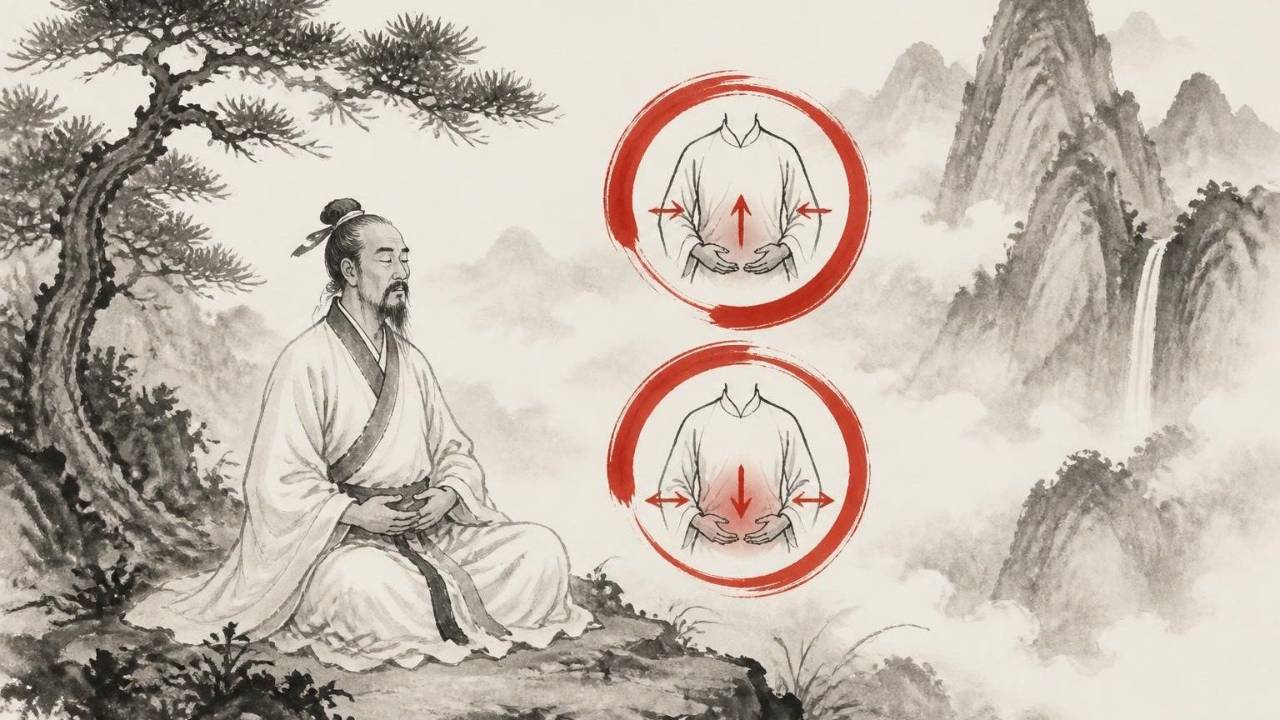
- Abdominal breathing that massages internal organs and stimulates the lower dantian (energy centre)
- Reverse breathing that builds internal pressure and power for martial applications
- Natural breathing that allows spontaneous coordination between breath and movement
- Qi circulation breathing that consciously guides energy through the microcosmic orbit
The lower dantian, located about three finger-widths below your navel, serves as your primary energy battery. When you breathe deeply into your abdomen, you're charging this reservoir. As you practise, you'll develop the ability to feel qi gathering in this centre and then circulate it throughout your body.
Coordinating Breath and Movement
Beginning students often wonder when to inhale and when to exhale during forms. The general principle is simple: expanding movements correspond with inhalation, gathering movements with exhalation. But this rule serves as a starting point, not an absolute. As you progress in understanding tai chi and energy dynamics, your breathing becomes more intuitive and responsive to the specific energy work each movement requires.
The Role of Intention in Energy Cultivation
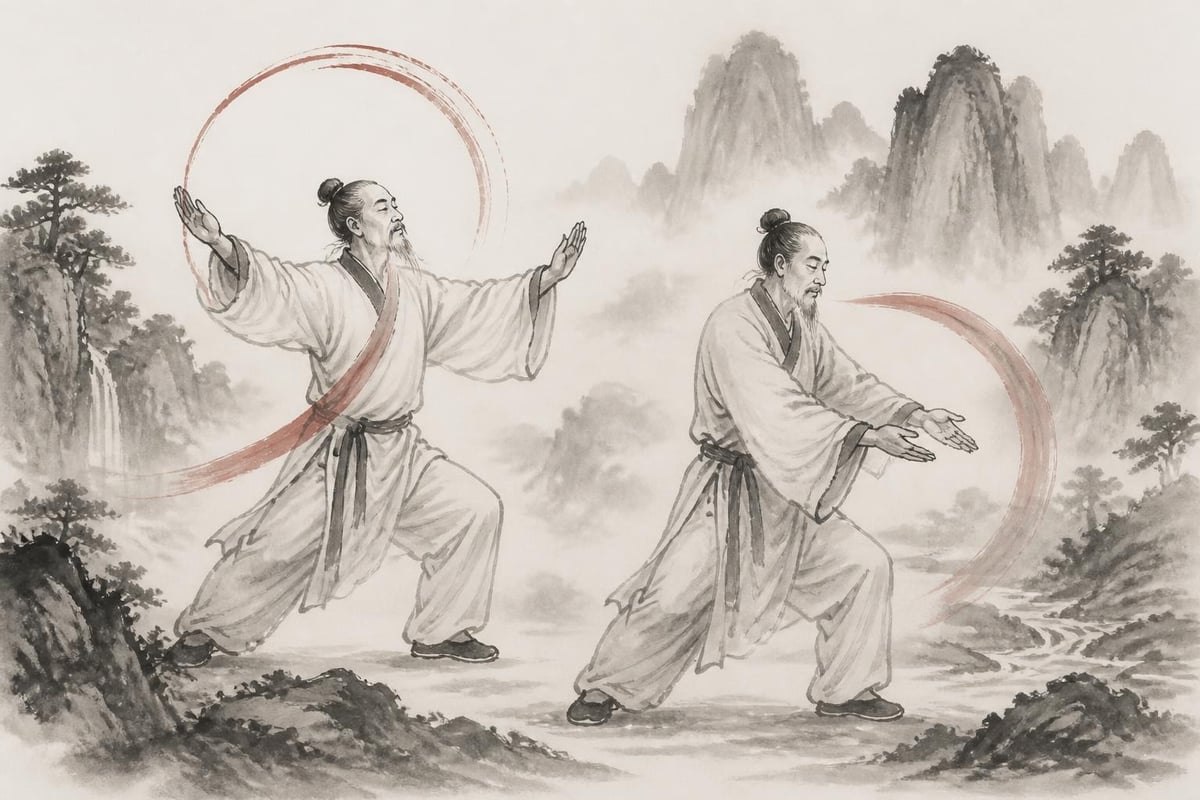
Yi, or focused intention, represents perhaps the most crucial yet least understood element of tai chi and energy practice. The ancient saying goes: "Yi leads the qi." Where your mind goes, your energy follows. This isn't metaphysical speculation. It's practical instruction for directing your internal energy with precision and purpose.
When you perform a movement while simultaneously visualising energy flowing through specific pathways, you create measurable physiological changes. Your nervous system responds to mental imagery by adjusting blood flow, muscle tension, and hormonal signals. This mind-body coordination amplifies the energy-building effects of your practice exponentially.
Our Tai Chi course here at Taoist Wellness Online emphasises this integration of movement, breath, and intention from the very beginning. Master Gu teaches students to cultivate awareness of their energy body alongside learning physical forms, creating a complete practice that transforms both body and mind.
Developing Energy Sensitivity
At first, sensing qi might feel elusive or abstract. Most people begin by noticing warmth in their palms, tingling in their fingertips, or a feeling of fullness in their abdomen. These sensations indicate awakening energy awareness. With consistent practice, your sensitivity deepens significantly.
You might notice:
- Heat or coolness moving through your arms during certain movements
- A magnetic-like sensation between your hands when you practise holding the ball position
- Pressure or expansion in your lower abdomen after breathing exercises
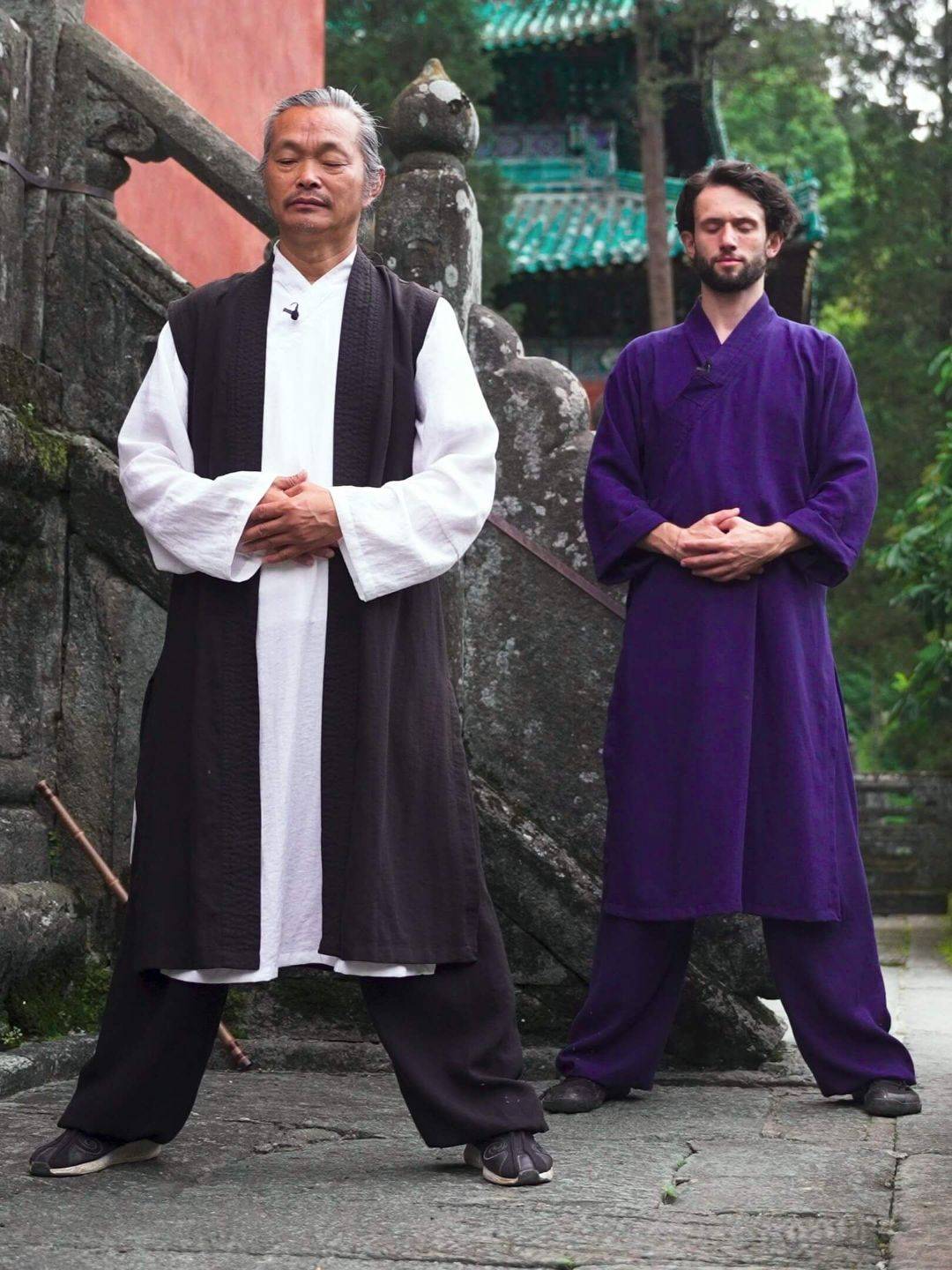
- Waves of relaxation flowing down your body during standing meditation
These aren't imaginary. They're real sensory experiences of your energy system activating and responding to your practice. Trust what you feel, and let your practice deepen organically without forcing results.
Energy Blockages and How Tai Chi Resolves Them
Understanding blockages helps explain why tai chi and energy work proves so effective for various health concerns. Blockages occur when qi cannot flow freely through certain meridians or areas of your body. These restrictions might result from injury, chronic tension, emotional stress, or simple neglect of your energy system's needs.
Common signs of energy blockage include:
- Persistent stiffness or pain in specific areas
- Chronic fatigue despite adequate sleep
- Emotional reactivity or mood swings
- Digestive issues or irregular elimination
- Poor circulation or cold extremities
- Mental fog or difficulty concentrating
How Movement Opens Blocked Channels
The genius of Wudang Tai Chi forms lies in their comprehensive approach to clearing blockages. Each sequence takes your joints through complete ranges of motion, stretches connective tissue, and applies gentle internal pressure that flushes stagnant energy. The spiralling, circular movements characteristic of Wudang style create particularly effective clearing actions.
Think of your meridians as rivers. When water flows freely, the river stays clean and nourishing. When flow becomes restricted, stagnation occurs. Tai chi movements restore flow by removing debris, widening narrow passages, and sometimes creating entirely new channels for energy to travel.
| Type of Blockage | Common Locations | Tai Chi Solutions |
|---|---|---|
| Physical tension | Shoulders, neck, lower back | Gentle opening and closing movements, joint rotations |
| Emotional holding | Chest, diaphragm, throat | Deep breathing combined with expansive postures |
| Mental stress | Head, upper back, jaw | Rooting practices and downward energy flow |
| Chronic weakness | Legs, kidneys, lower abdomen | Standing meditation and strengthening stances |
Building Your Daily Energy Practice
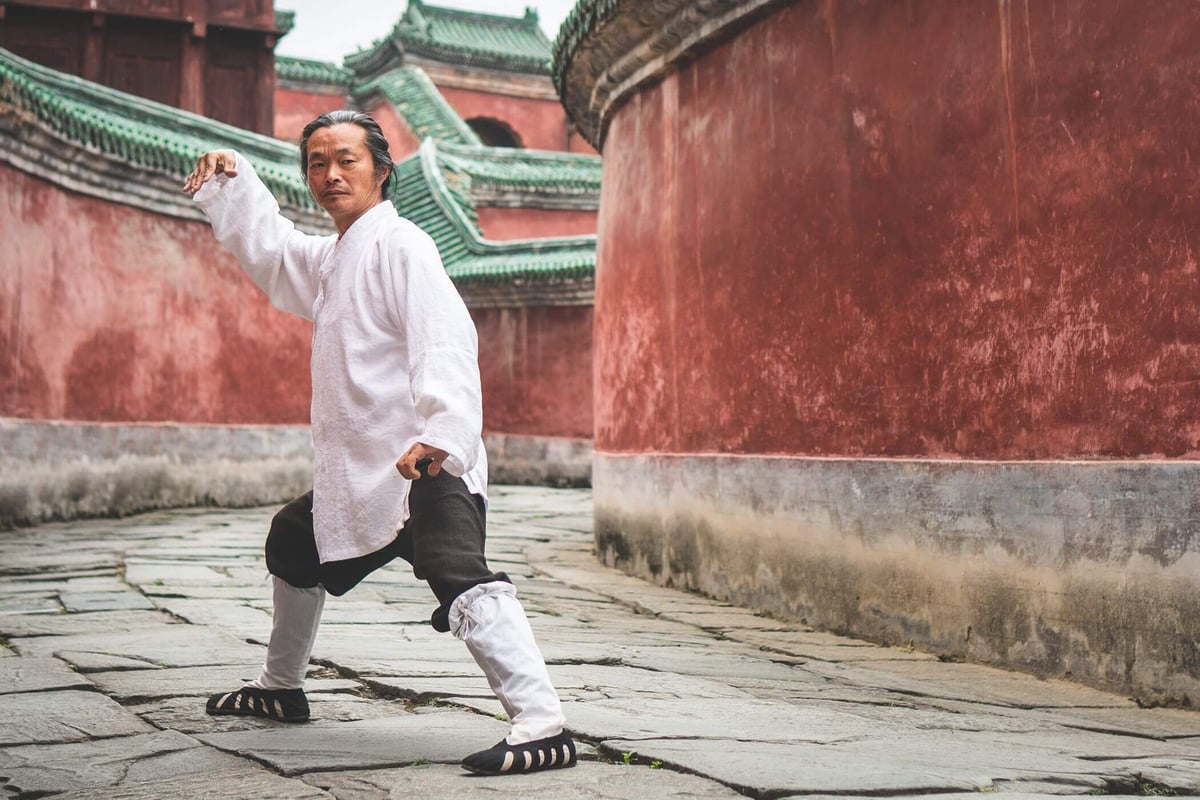
The relationship between tai chi and energy becomes most powerful through consistent, daily practice. Even fifteen minutes each morning can create noticeable shifts in your vitality, clarity, and resilience. The key isn't intensity or duration. It's regularity and quality of attention.
A practical daily routine might include:
- Five minutes of standing meditation to settle your mind and gather qi in your lower dantian
- Ten minutes of Wudang Tai Chi forms focusing on smooth, continuous movement
- Five minutes of qi circulation using breath and intention to move energy through the microcosmic orbit
- Five minutes of closing practices to seal and store the energy you've cultivated
This simple structure builds substantial energy reserves over time. You're not depleting your vitality through vigorous exercise. You're actively generating and storing life force that sustains you throughout your day.
Adapting Practice to Your Energy Levels
Some mornings you'll wake feeling energised and ready for longer practice. Other days, you might feel depleted or stressed. Authentic tai chi and energy work adapts to your current state rather than demanding the same output regardless of circumstances. This responsive approach prevents depletion and accelerates progress.
When energy is low, focus on gentle forms and standing meditation. Let the practice nourish you rather than challenging you. When energy is high, explore deeper stances, more complex movements, or extended meditation. Your practice becomes a conversation with your energy system, not a rigid prescription you force yourself to follow.
Seasonal Energy and Tai Chi Alignment
Taoist wisdom recognises that your energy naturally fluctuates with seasons, cycles, and environmental conditions. Practising tai chi and energy cultivation in harmony with these natural rhythms amplifies your results significantly. This doesn't mean completely different practices for each season. It means subtle adjustments in emphasis and focus.
Spring: Rising Energy and New Growth
Spring corresponds with liver and gallbladder meridians. This season naturally supports practices that emphasise upward, expansive energy. Your forms might feel lighter, more dynamic. Focus on movements that open your sides, stretch your torso, and promote creative energy flow.
Summer: Peak Yang and Heart Energy
Summer brings maximum yang energy and relates to heart and small intestine meridians. This is an excellent time for longer, more vigorous practice. Your energy peaks naturally, supporting deeper exploration of forms and extended meditation sessions. Balance this peak energy with adequate cooling practices.
Autumn: Gathering and Consolidating
As days shorten, autumn energy corresponds with lung and large intestine meridians. This season calls for practices that gather and consolidate your energy rather than expressing it outward. Emphasise grounding, rooting, and storing qi in your lower dantian.
Winter: Deep Rest and Kidney Energy
Winter relates to kidney and bladder meridians, the foundation of your entire energy system. This season naturally supports gentler practice, longer standing meditation, and focus on conserving and building deep reserves. Honour your body's need for more rest and internal focus.
If you'd like specific practices aligned with these seasonal energy patterns, our Qi Gong course covers exactly this kind of year-round cultivation work in depth.
Common Misconceptions About Tai Chi and Energy
Despite growing interest in tai chi and energy practices, several misconceptions persist that can limit people's understanding and results. Clearing these misunderstandings helps you approach practice with realistic expectations and appropriate focus.
Myth: You must believe in qi for it to work
Reality: Qi represents measurable physiological processes. Whether you conceptualise it as bioelectricity, lymphatic circulation, or traditional energy meridians doesn't change its effects. Many practitioners notice benefits long before they understand or accept the energy framework.
Myth: Faster or more vigorous practice builds more energy
Reality: Tai chi generates energy through relaxed, mindful movement. Forcing speed or intensity actually depletes energy by creating tension and disrupting natural flow. Slower practice with better attention produces superior results.
Myth: You need years of practice before experiencing energy
Reality: Many people notice sensations of warmth, tingling, or expansion during their very first session. While deep mastery requires time, immediate benefits are common and natural.
Myth: Energy work is separate from physical health
Reality: Your energy system and physical body aren't separate entities. They're different aspects of one integrated whole. Improving one naturally enhances the other.
Measuring Your Energy Progress
Unlike conventional exercise where you can track weights lifted or miles run, tai chi and energy cultivation requires different metrics for progress. These subtler markers often prove more meaningful than external measures.
Internal Indicators of Progress
- Improved sleep quality and waking refreshed
- Steadier emotional states with less reactivity
- Enhanced mental clarity and decision-making ability
- Greater physical endurance without feeling drained
- Faster recovery from illness or stress
- Increased body awareness and coordination
You might also notice changes in how your practice feels. Forms that once required conscious effort begin flowing naturally. Standing meditation that initially felt tedious becomes deeply restorative. These qualitative shifts indicate genuine progress in energy cultivation. For more on the specific postures and positions that support this kind of progress, our post on Tai Chi poses is a useful companion read.
Tracking Without Obsessing
Some students find value in keeping a simple practice journal noting energy levels, sensations, and insights. Others prefer intuitive assessment without formal tracking. Choose whatever approach supports your practice without creating pressure or comparison with others.
You'll also find real encouragement in our global community of practitioners at Taoist Wellness Online - a welcoming space where students share experiences and insights, helping you recognise progress you might otherwise overlook.
Integrating Energy Awareness Into Daily Life
The ultimate goal of tai chi and energy practice extends beyond your formal training sessions. As your sensitivity develops, you begin noticing and working with energy throughout your entire day. This integration transforms practice from something you do into someone you become.
Practical ways to maintain energy awareness:
- Notice your breath during routine activities, returning to abdominal breathing when stressed
- Sense your lower dantian periodically, consciously gathering energy there
- Maintain better posture that allows free energy flow through your spine
- Take brief standing meditation breaks during busy days
- Approach conversations and conflicts from a centred, grounded energy state
This ongoing awareness creates positive feedback loops. As you maintain better energy throughout the day, you have more vitality for practice. Stronger practice deepens your sensitivity, making daily awareness easier and more natural. For a deeper look at the meditative side of this daily integration, our post on Tai Chi meditation explores how stillness and movement reinforce each other.
Energy Protection and Boundaries
As you develop greater sensitivity to qi, you might notice how different environments, people, and situations affect your energy. Learning to protect and maintain your energy becomes increasingly important. This isn't about fear or withdrawal. It's about conscious management of your vitality.
Simple practices like grounding visualisations, setting clear intentions before challenging interactions, and regular energy clearing through movement help you maintain balance. Your tai chi and energy practice provides both the sensitivity to notice when your energy needs attention and the tools to restore and protect it.
The profound connection between tai chi and energy offers a practical path toward greater vitality, balance, and wellness in every aspect of your life. By understanding how movement, breath, and intention cultivate your internal energy, you gain access to resources that support lasting health and resilience. Take your first steps with our free 4-week Taoist Wellness course - experience authentic Wudang practices with Master Gu at no cost. And when you're ready to go deeper, Taoist Wellness Online provides comprehensive courses with Master Gu's expert guidance, giving you the foundation and support to develop a transformative energy practice.