Bagua Martial Art: The Flowing Path to Power and Balance
Nov 09, 2026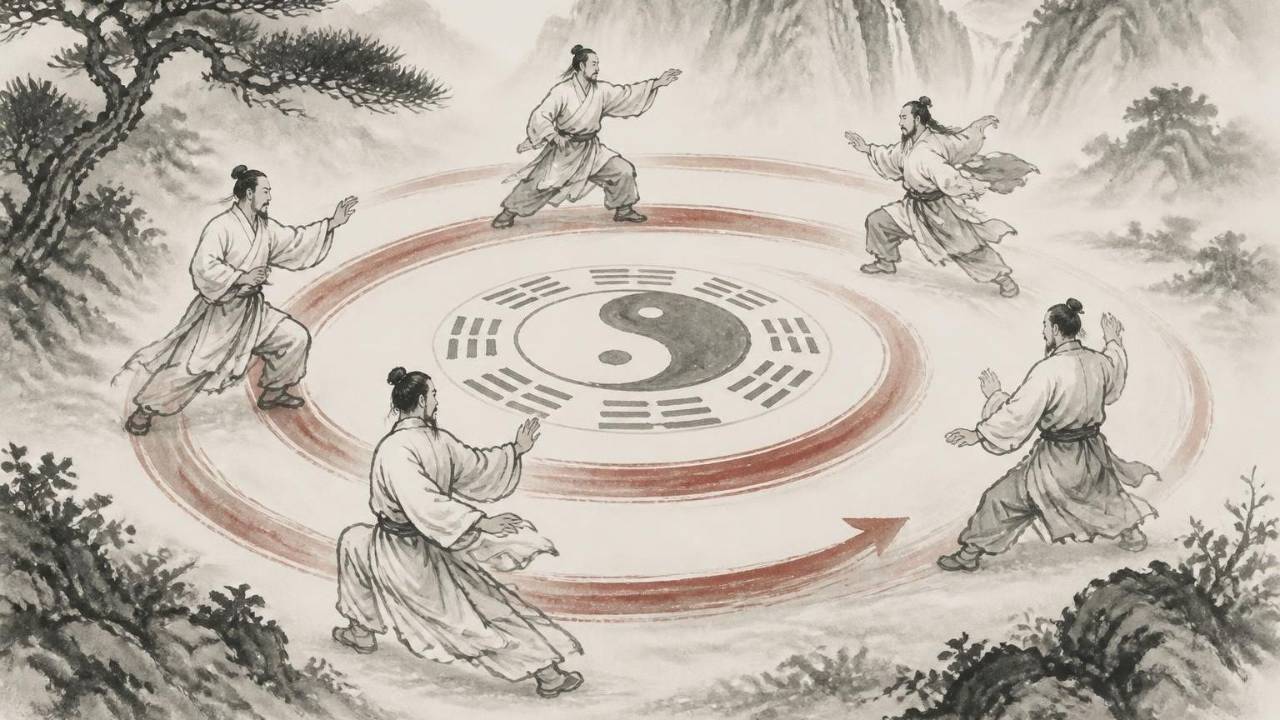
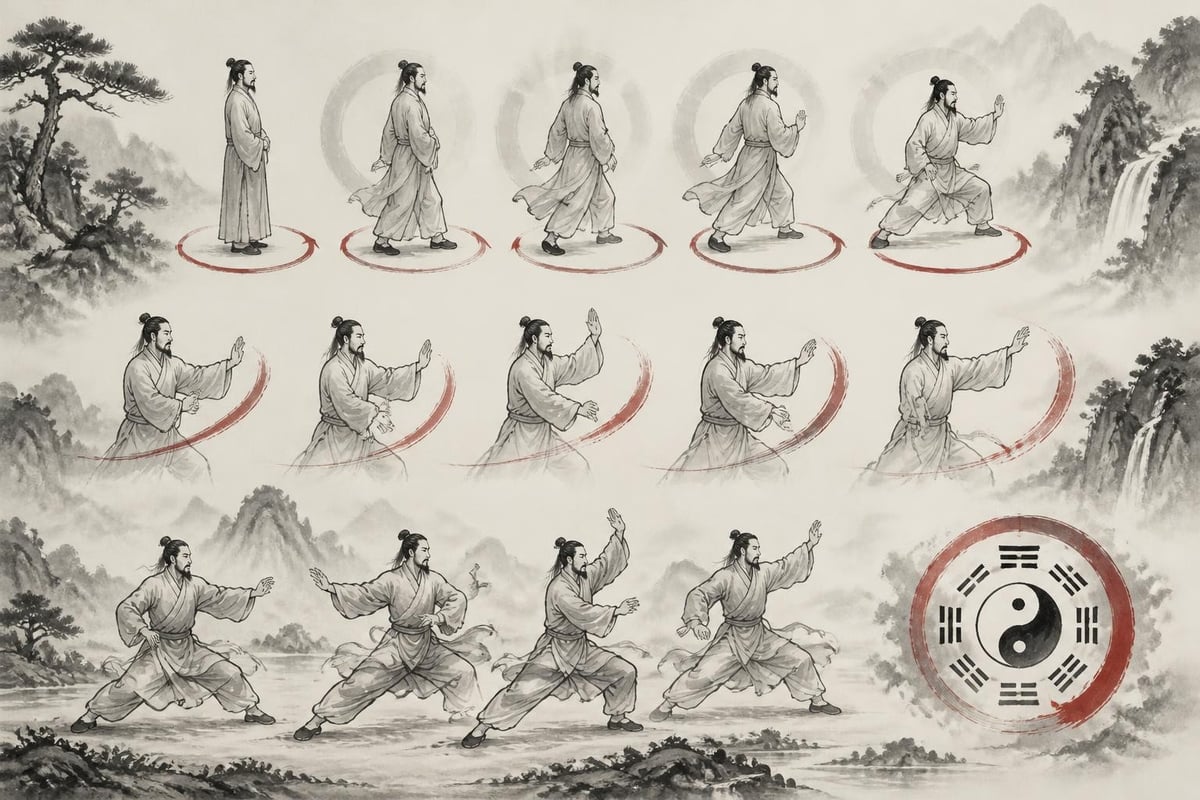
Bagua, also known as Baguazhang or "Eight Trigram Palm", is one of the best-known internal martial arts in the Chinese tradition. Its name comes from the eight trigrams of the I Ching, and its most recognisable feature is walking in circles with smooth, flowing changes of direction. Many people are drawn to it because it seems to follow the Taoist idea of yielding like water. This guide gives an overview of where bagua comes from and what it is about. It also explains which gentle practices we teach here at Taoist Wellness, as bagua is not a practice currently within our curriculum.
The Roots of Bagua in Taoist Wisdom
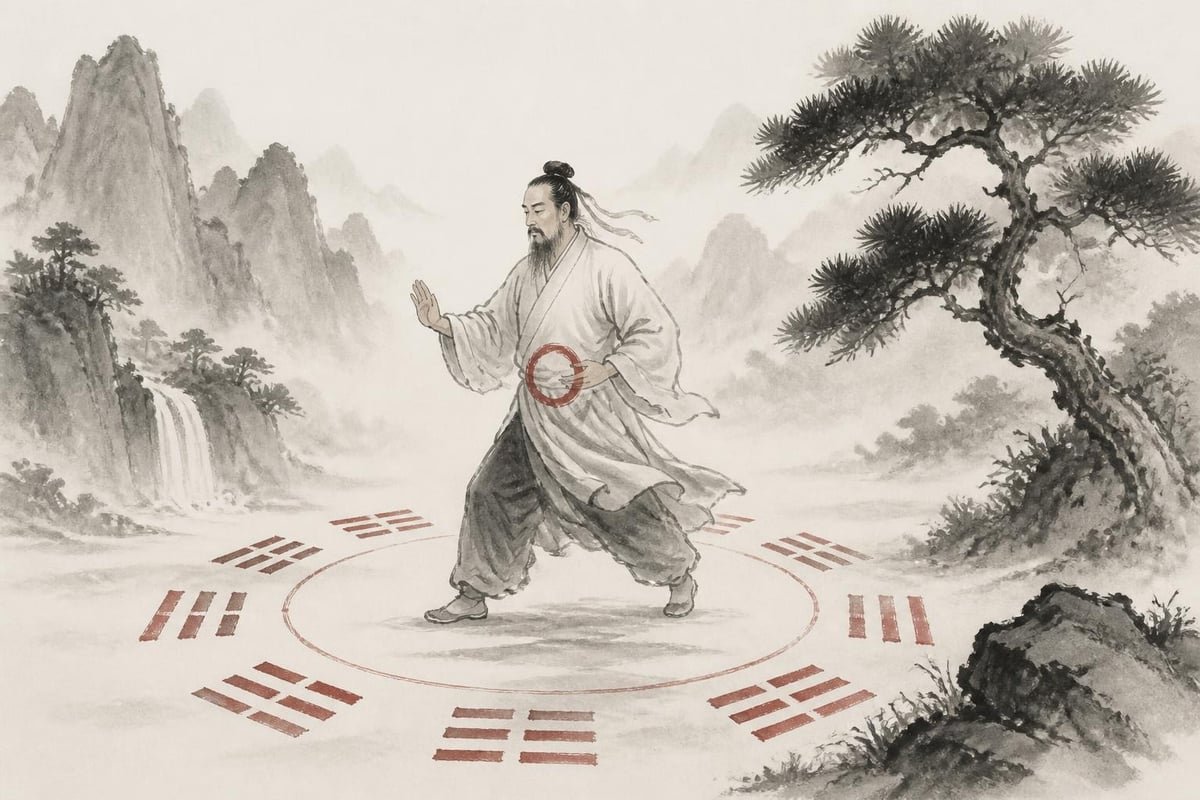
Bagua as a martial art is generally traced to 19th-century China, though the ideas behind its name are far older. The eight trigrams (bagua) come from the I Ching (Book of Changes), a classic text that Taoist thinkers have studied for centuries. The trigrams are traditionally linked to natural images such as heaven, earth, water, fire, wind, thunder, mountain and lake.
Dong Haichuan is traditionally credited as the founder of the art. By tradition, it grew from Taoist-influenced walking and meditation practices, and the circle became its central image. The idea of finding stillness within movement is a very Taoist one.
The Idea Behind Circle Walking
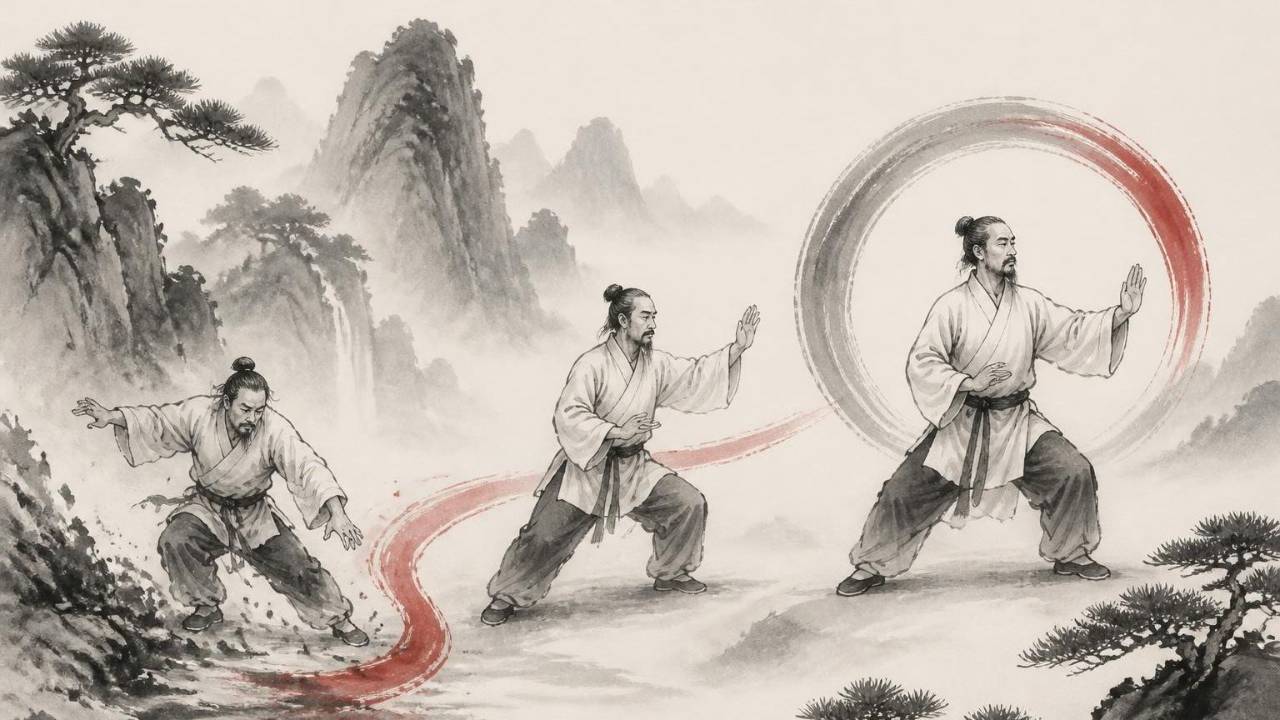
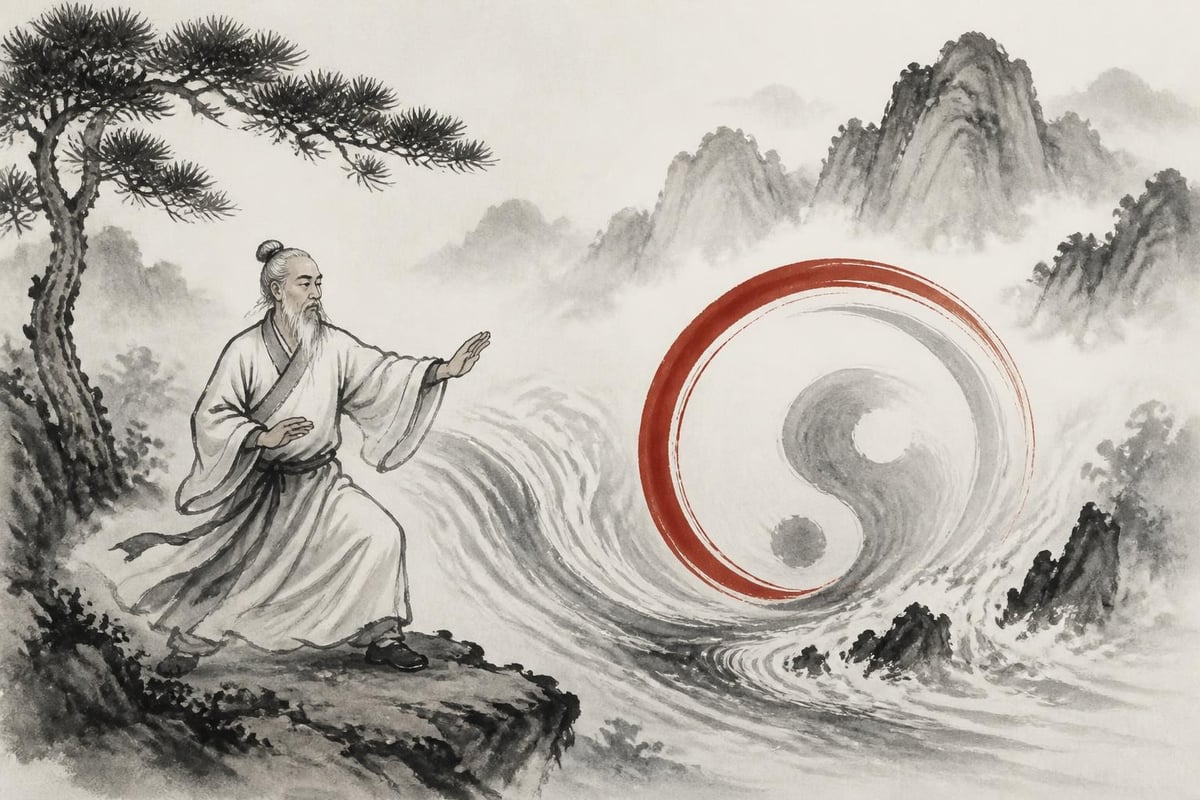
In bagua traditions, circle walking is the foundation of training. Practitioners walk around a circle while holding set postures and changing direction smoothly. The images that go with it are natural ones. Water flows around a stone rather than pushing through it, and wind curves rather than travelling in straight lines.
People who practise bagua often describe circle walking as:
- A way of working the legs and hips through varied, continuous movement
- A moving meditation that rewards steady attention
- A way of practising smooth changes of direction
Experiences differ from person to person, and these are descriptions of the tradition rather than promises of results.
A Note on What We Teach
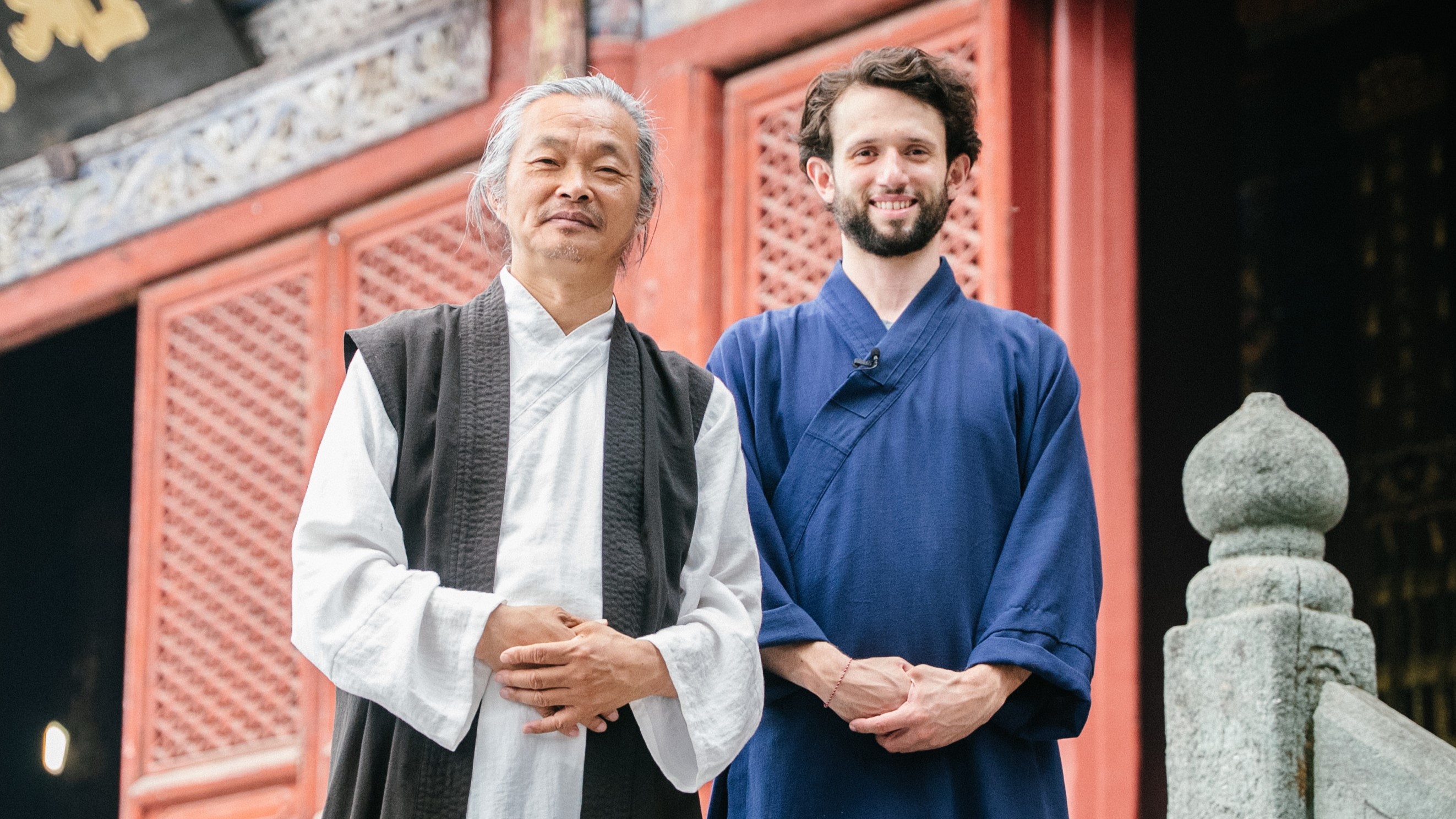
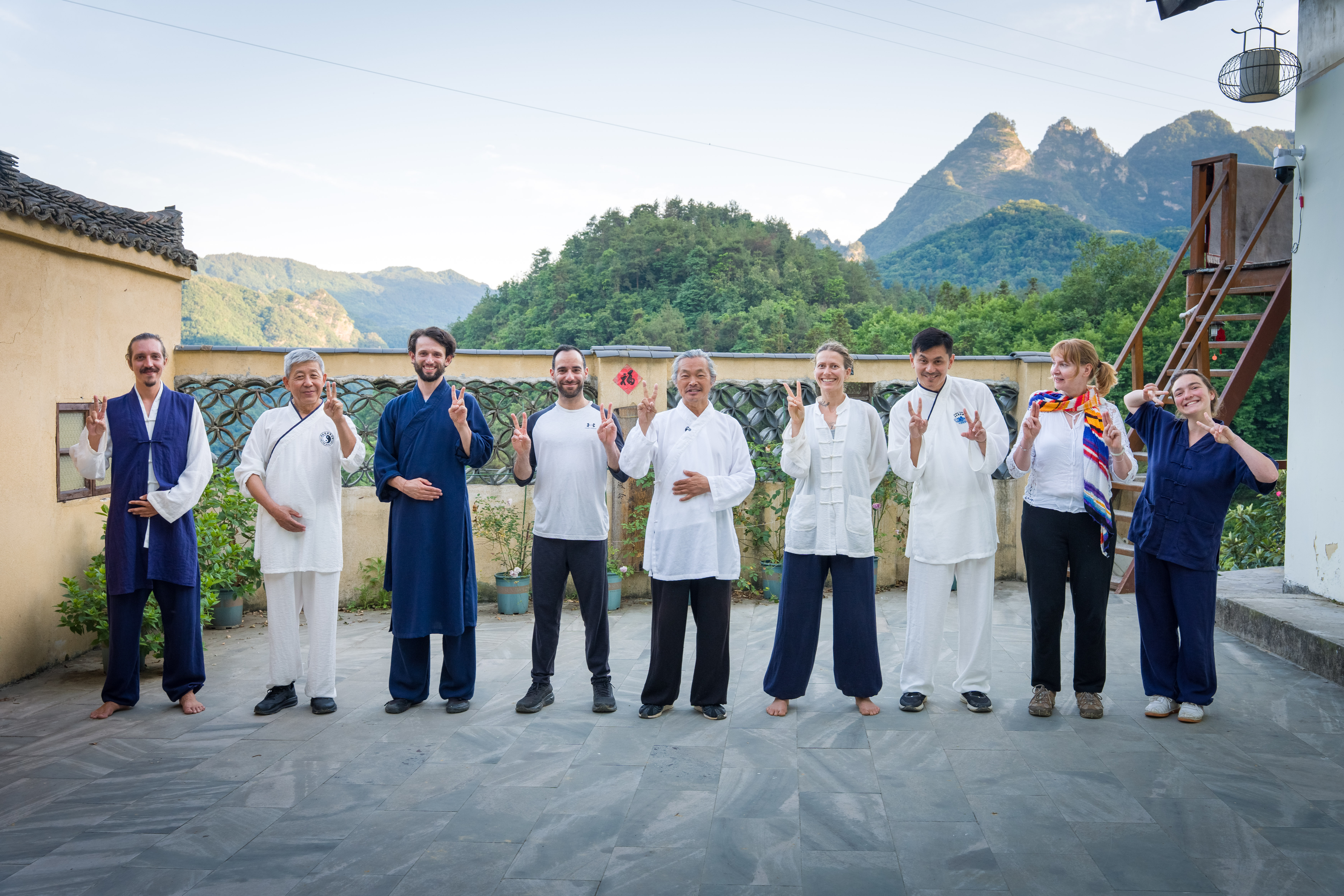
Bagua and xingyiquan, which is often grouped with bagua and tai chi as the three famous internal martial arts, are not currently within our curriculum. Our teacher Master Gu is a 15th-generation San Feng Pai Wudang Taoist Master with 25+ years of teaching experience, and our courses cover Wudang Tai Chi, qi gong and Taoist meditation. You can learn more about Master Gu and his teaching on our About page. If bagua is what you are looking for, a qualified in-person teacher is the right route. It is a subtle art, and hands-on guidance matters.
Bagua and Tai Chi: How They Are Often Compared
Both bagua and tai chi are rooted in Taoist ideas, and both are practised slowly and with attention. They are often described differently, though.
| Aspect | Wudang Tai Chi | Bagua (as often described) |
|---|---|---|
| Pace | Slow and continuous | Steady, with frequent changes of direction |
| Footwork | Gentle weight shifting between postures | Walking in circles |
| Guiding image | Flowing water | Turning around a centre |
If you are curious about the martial side of tai chi, our guide to tai chi as a martial art explains how the slow practice and its martial roots fit together. Our Tai Chi course teaches Wudang Tai Chi with the focus on calm, relaxed movement.
The Mind and Spirit Side of Circle Walking
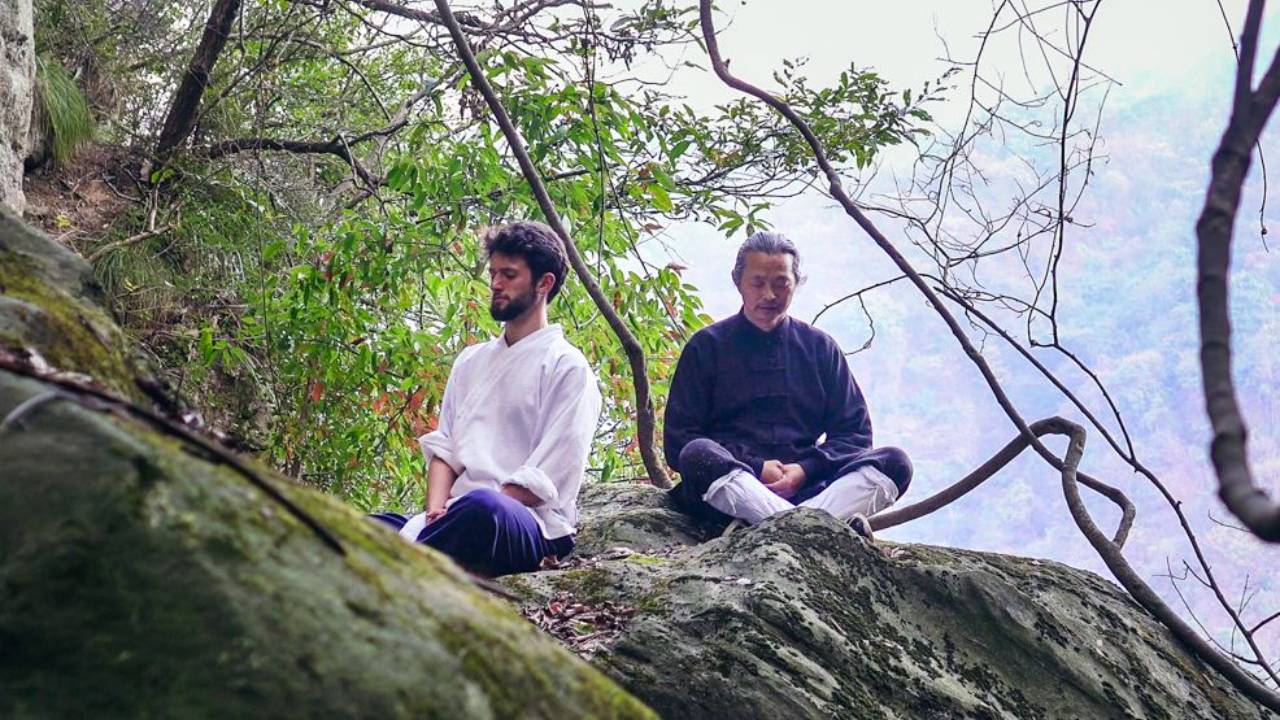
Walking in circles is a form of moving meditation. Unlike sitting practice, it asks the body to keep moving while the mind stays settled.
Mindfulness in Motion
Many people find that moving slowly gives their attention something simple to rest on. Each step offers a chance to notice:
- How your weight moves from one foot to the other
- Whether your shoulders and jaw are relaxed
- The natural rhythm of your breath
- Where your mind has wandered, and the choice to come back
If you are curious about the stillness side of this, our Taoist meditation course explores sitting and standing practice in more depth.
Wu Wei: Effortless Action
Wu wei, often translated as "effortless action", means acting in tune with the situation rather than forcing it. In any slow movement practice, this shows up as softening, letting go of unnecessary effort, and moving at an unhurried pace. Over time, many people say this attitude carries over into everyday life.
If stress, anxiety or low mood are affecting you, please speak to your GP or a qualified professional. Gentle movement practices can sit alongside, but should not replace, professional support.
A Gentle Place to Start: Tai Chi Walking
You do not need to study a martial art to enjoy the calm of walking with attention. Tai Chi Walking is a gentle, accessible practice that focuses on smooth weight shifting and relaxed, upright posture. It is not bagua, but it shares a love of simple, mindful steps. If you would like to read more, see our guide to Tai Chi Walking.
Please check with your healthcare professional before starting any new exercise, especially if you have a long-term condition, balance concerns or a history of falls. Stop and rest if you feel unsteady, dizzy or in pain.
A few simple points for a gentle walking practice:
- Choose a clear, flat space with nothing to trip on
- Keep a wall or sturdy chair nearby if you feel unsteady
- Walk at a comfortable pace, with soft knees and relaxed shoulders
- Let your breathing stay natural, without holding it
- Start with a few minutes and build up slowly
Our free Tai Chi Walking course is a good introduction. Online learning cannot physically correct your posture, so go gently and stay within what feels comfortable.
If You Would Like to Explore Bagua Itself
Bagua rewards patient, qualified teaching. If you decide to study it, some points are worth bearing in mind:
- Look for a teacher with a clear lineage and a calm, safety-first approach
- Be wary of anyone promising quick or dramatic results
- Tell your teacher about any injuries or health conditions
- Check with your healthcare professional first if you have any health concerns
Bagua is not a form of healthcare, and it should never replace advice from your doctor or physiotherapist. The pace and style of bagua training vary between teachers, so it is worth watching a class before you commit.
For wider background on Taoist ideas, our recommended reading list is a good place to start.
Bringing the Idea of Flow Into Daily Life
You do not need to practise a martial art to borrow its best ideas. The image of water finding a way around a stone is a useful one on busy days. Some people like to:
- Pause for a breath before reacting to something unexpected
- Walk a little more slowly between tasks
- Turn the whole body rather than twisting when reaching for something
- Notice tension in the shoulders and let it soften
These small moments will not suit everyone, and results vary. They are simply a gentle way to bring a calmer attitude into the day.
What Some People Report
| What you may begin to notice | Why it might happen |
|---|---|
| A calmer mind during slow walking | Attention has a simple, steady point to rest on |
| Moving with less stiffness | Gentle, regular movement can help the body feel looser |
| More awareness of posture | Slowing down makes tension easier to spot |
Results vary from person to person, and none of this is guaranteed.
Common Questions
Do you teach bagua?
Not currently. Our courses cover Wudang Tai Chi, qi gong and Taoist meditation. Bagua is a separate art that is best learned from a qualified in-person teacher.
Can I try circle walking at home?
Many people enjoy gentle walking practice at home. Keep the space clear, stay near support if you feel unsteady, and check with your healthcare professional first if you have any concerns.
Where should I begin if I am new to all of this?
Many beginners start with something simple and gentle, such as Tai Chi Walking or a few minutes of standing or sitting meditation. Our Qi Gong course is another gentle option.
Is bagua suitable for everyone?
That depends on you and on the teacher. Please speak to your healthcare professional before starting any new exercise.
Bagua is a fascinating part of the Taoist-influenced martial arts tradition, with circle walking as its centre. If you would like to explore the gentle Wudang practices we teach, Taoist Wellness offers courses in tai chi, qi gong and meditation with our teacher Master Gu.
Related reading