Tai Chi for Balance: Ancient Practice for Modern Stability
Nov 08, 2026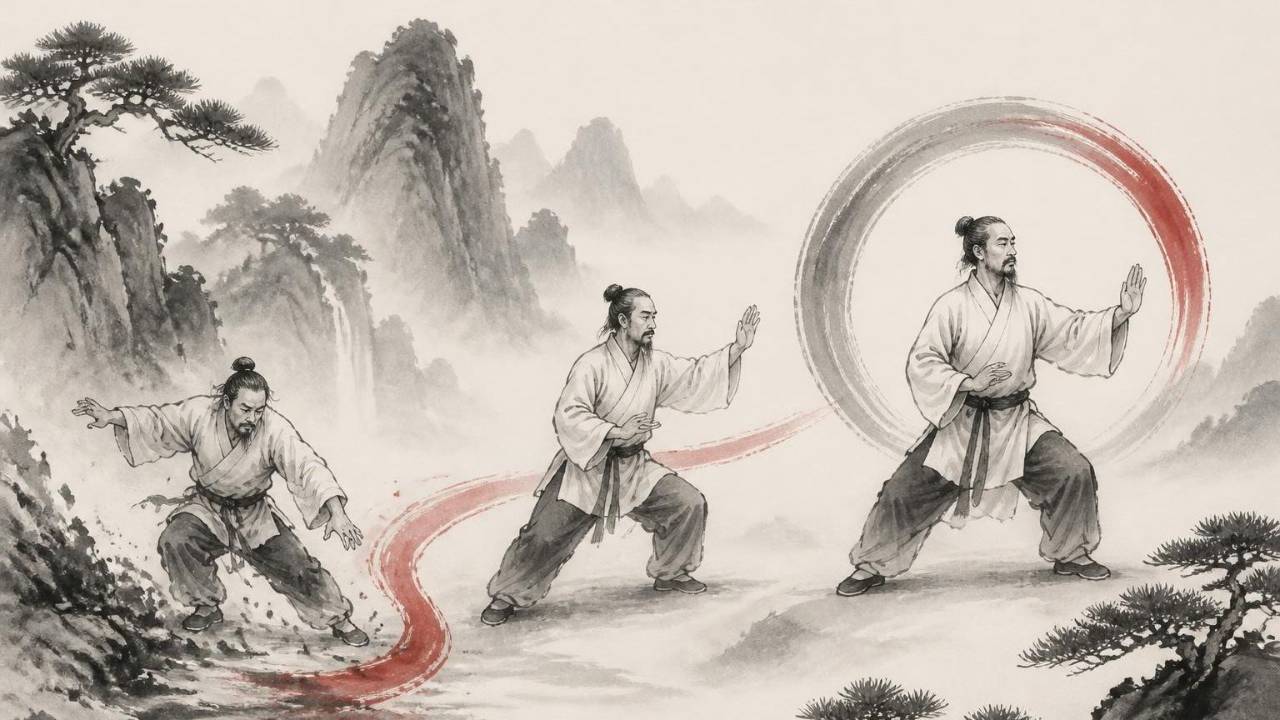
Balance is more than staying upright. It is feeling steady when life shifts beneath you, moving through your day with quiet confidence, and trusting your body to support you. Many people notice they feel less steady as they get older or during stressful periods. Tai chi for balance is a gentle practice that combines slow movement with relaxed awareness. It does not force strength into the body. It invites you to move in a calm, unhurried way.
Why Balance Can Become Harder Over Time
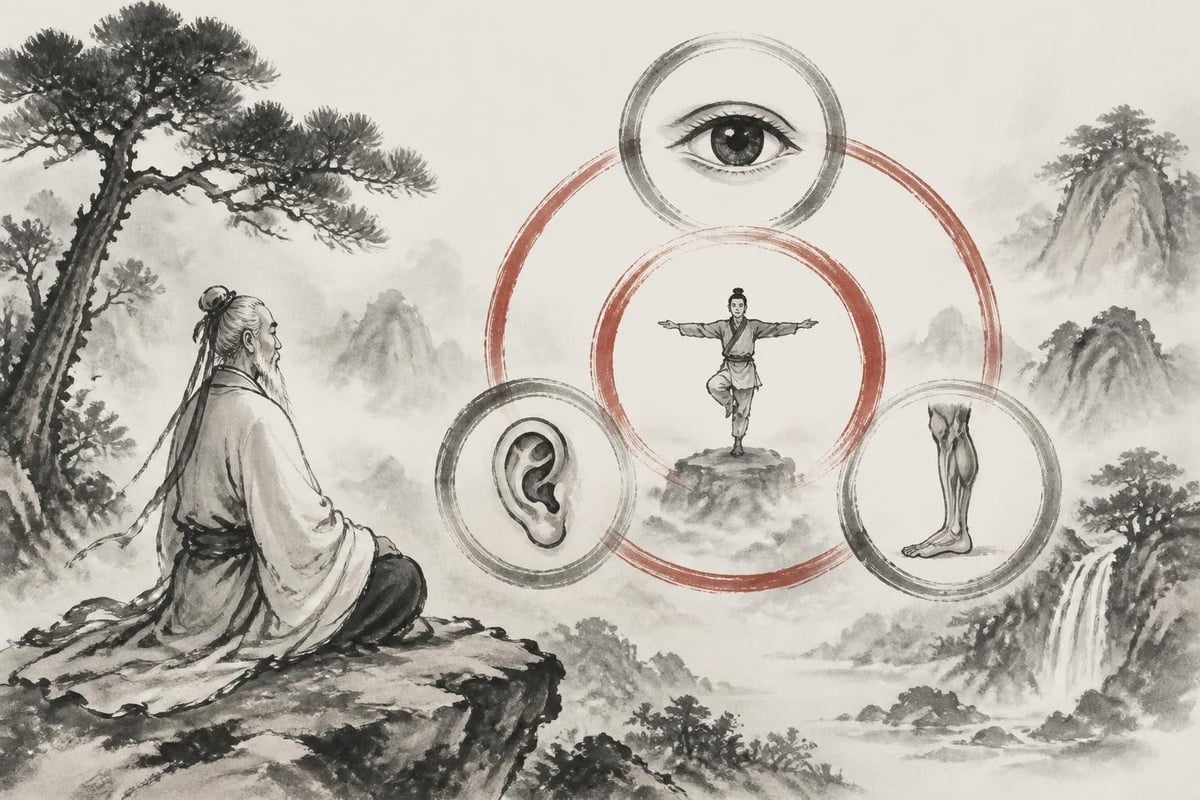
Balance depends on several systems working together: vision, the inner ear, and proprioception, which is your body's sense of where it is in space. These systems can become less coordinated with age, illness or inactivity.
Many people also become less steady as they get older. Muscle strength, flexibility and reaction time can all change, and moving less may make these changes more noticeable. Everyone is different, and a doctor or physiotherapist can help you understand your own situation.
The Physical Side of Steadiness
Your body adapts to what you ask of it. When you spend more time sitting and less time moving, your balance has fewer chances to be used. Gentle, regular movement is one way people keep their sense of steadiness active.
Mental and Emotional Components
Balance is not purely physical. Worrying about falling can make the body tense, and tension can make movement feel less smooth. Anxiety can also draw your attention away from how your body feels.
Tai chi brings movement and attention together. If worry about falling is a concern for you, please speak to your GP or a qualified professional. Tai chi can sit alongside, but should not replace, professional support.
How Tai Chi Works With Balance
Traditional Wudang Tai Chi is built on a few simple ideas about moving in a relaxed, steady way. These are gentle principles that people have practised for generations.
Weight Shifting and Rooting
Tai chi involves moving your weight slowly from one leg to the other. This gives you regular, gentle practice at:
- Noticing where your weight is
- Moving smoothly between positions
- Using your legs in a controlled, unhurried way
"Rooting" is a traditional image. It means feeling connected to the ground even while moving, like a tree that bends without breaking.
Slow, Controlled Movement
Speed can hide wobbliness. When you move slowly, you notice where you feel less steady. Perhaps an ankle wobbles, or your breath catches. These moments are not failures. They simply show you where to bring your attention, with patience and no judgement.
Postures That Practise Balance: Brush Knee and Cloud Hands
Two postures you will meet in our Tai Chi course are a good picture of how tai chi practises balance in motion.
Brush Knee (Lou Xi Ao Bu) is part of our Wudang 28 Form. It uses a lunging step, with one hand pushing forward while the other makes a circular movement around the knee. Your weight moves slowly from the back leg to the front leg, and your upper body stays relaxed and upright.
Cloud Hands is a flowing posture in which the hands move in soft, cloud-like arcs while your weight shifts gently from side to side. Moving slowly and smoothly is what makes it a calm way to practise steadiness.
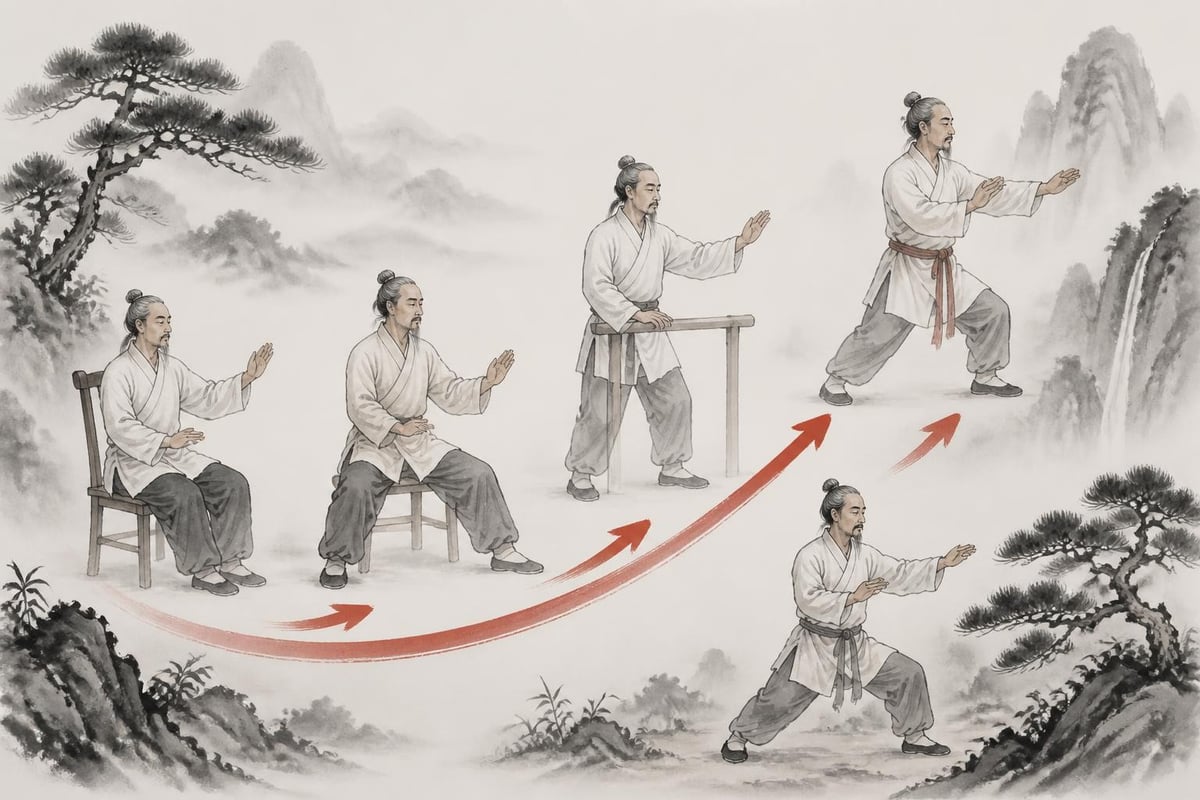
Both postures ask you to coordinate your arms, legs and attention at the same time. They are best learned step by step, so please do not rush towards them. Keep a wall or sturdy chair within reach while you are learning, and stay within what feels comfortable.
What Does the Research Say?
Some studies of tai chi in older adults report associations with better balance and fewer falls. The evidence varies in quality and size, and results differ from person to person. Tai chi is a gentle complement to, not a replacement for, advice from your doctor or physiotherapist.
What Makes Tai Chi Different
Many people find tai chi interesting for balance because it practises balance as you actually use it, in motion and with attention. Tai chi movements typically involve:
- Shifting weight in different directions
- Coordinating the upper and lower body
- Changing stance and position
- Small, continuous adjustments
Core Principles of Wudang Tai Chi
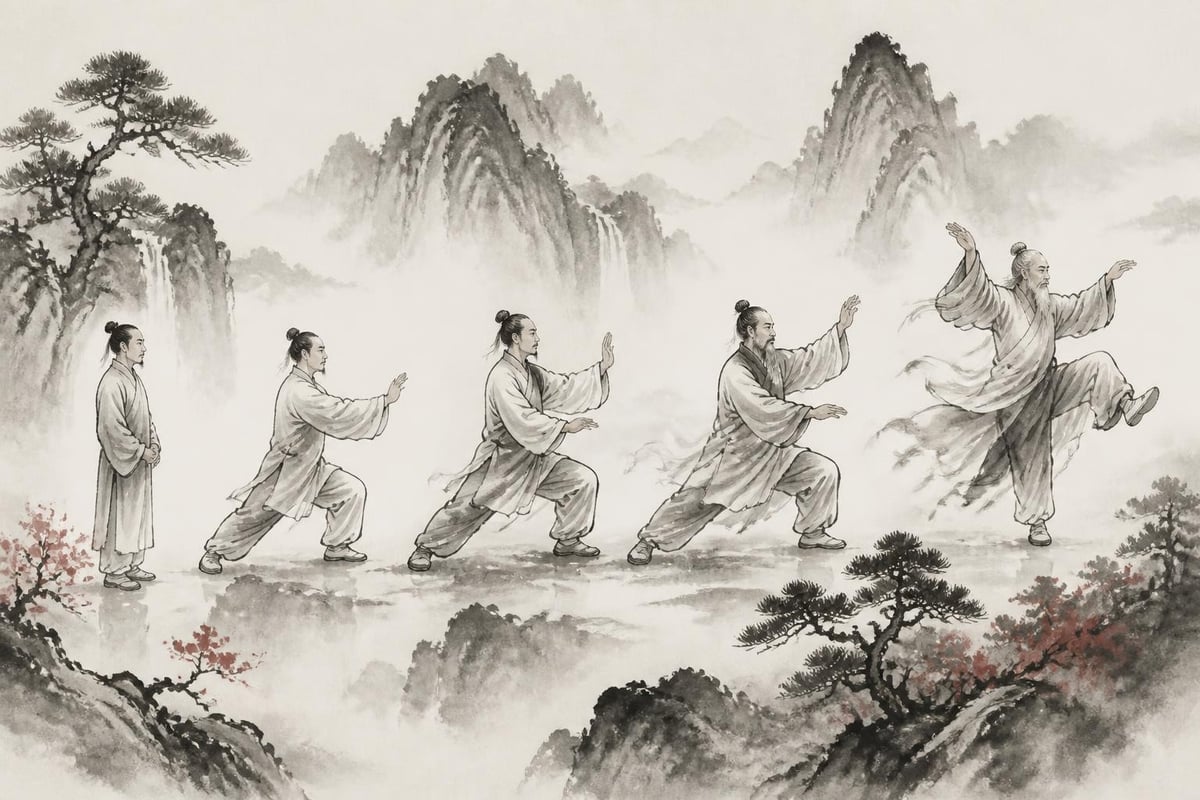
Wudang Tai Chi uses principles that many people find help them move more steadily. They are simple ideas rather than complicated rules.
Sung: Relaxed, Not Collapsed
"Sung" means relaxed but not collapsed. It is the release of unnecessary tension while the body stays upright and supported. Tight muscles can make movement feel stiff, so softening is part of staying steady.
Moving From Your Centre
In tai chi, the lower belly is traditionally seen as the centre of the body. In practical terms, it is close to your physical centre of gravity. Keeping your attention and your weight low and centred can help movement feel more settled, with the arms and legs following from the middle of the body.
Continuous Flow
Tai chi forms flow from one movement to the next without sudden stops. This gentle continuity gives you practice with changing position slowly and smoothly, rather than holding static poses.
Bringing Tai Chi Into Daily Life
Some people say that regular tai chi practice leaves them feeling more settled in everyday situations, such as standing in a queue or walking around the house. Experiences vary, and these are not guaranteed results.
Starting Gently
Please check with your healthcare professional before starting any new exercise, especially if you have balance concerns, dizziness, a history of falls or a long-term condition. Stop and rest if you feel unsteady, dizzy or in pain.
A gentle approach to starting might include:
- Standing near a wall or sturdy chair, so you can steady yourself if you need to
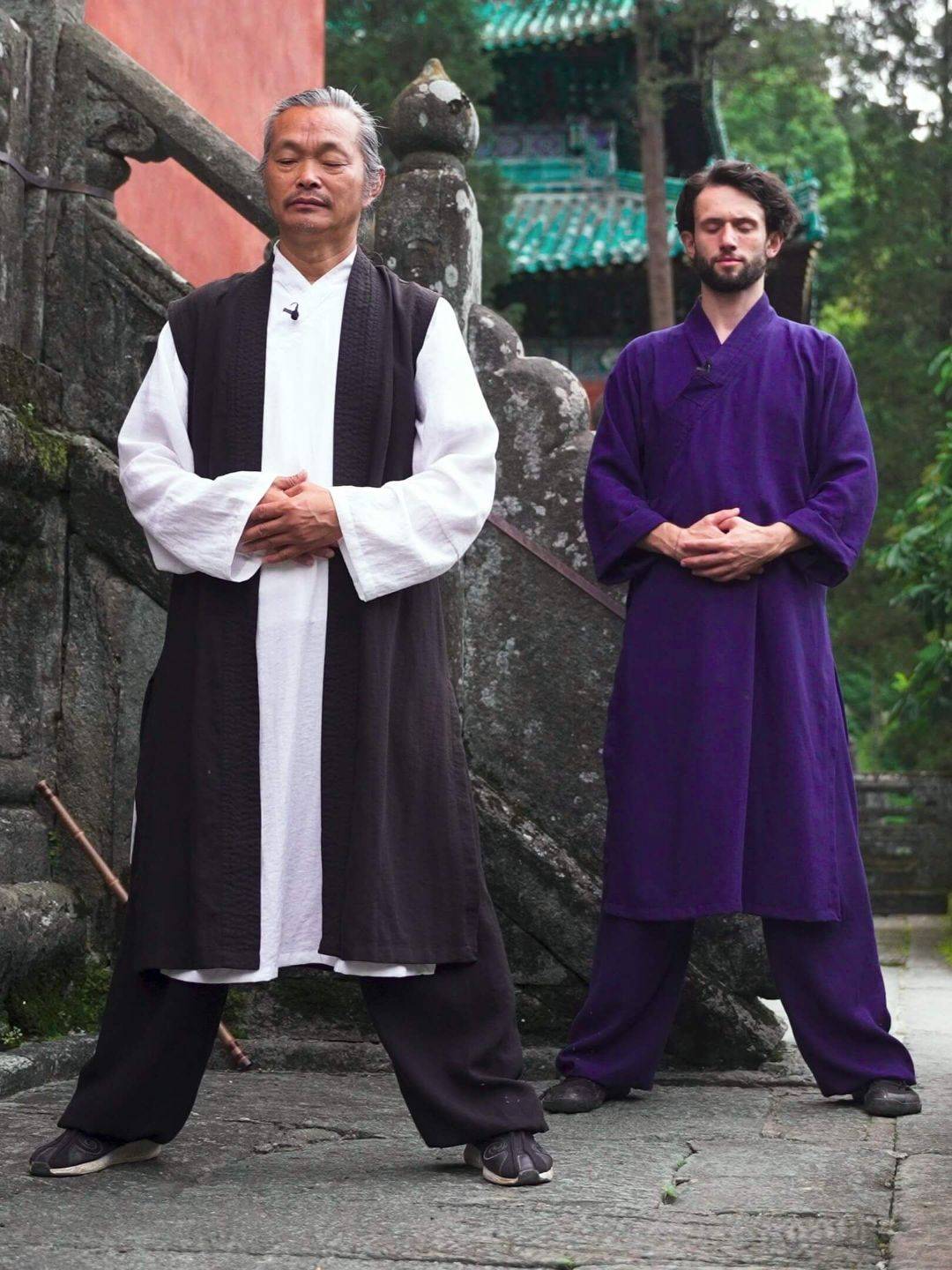
- Standing with your feet about hip-width apart, knees soft and spine long
- Shifting your weight slowly from side to side, only as far as feels comfortable
- Letting your breathing stay natural, without holding your breath
- Practising in short sessions and building up slowly
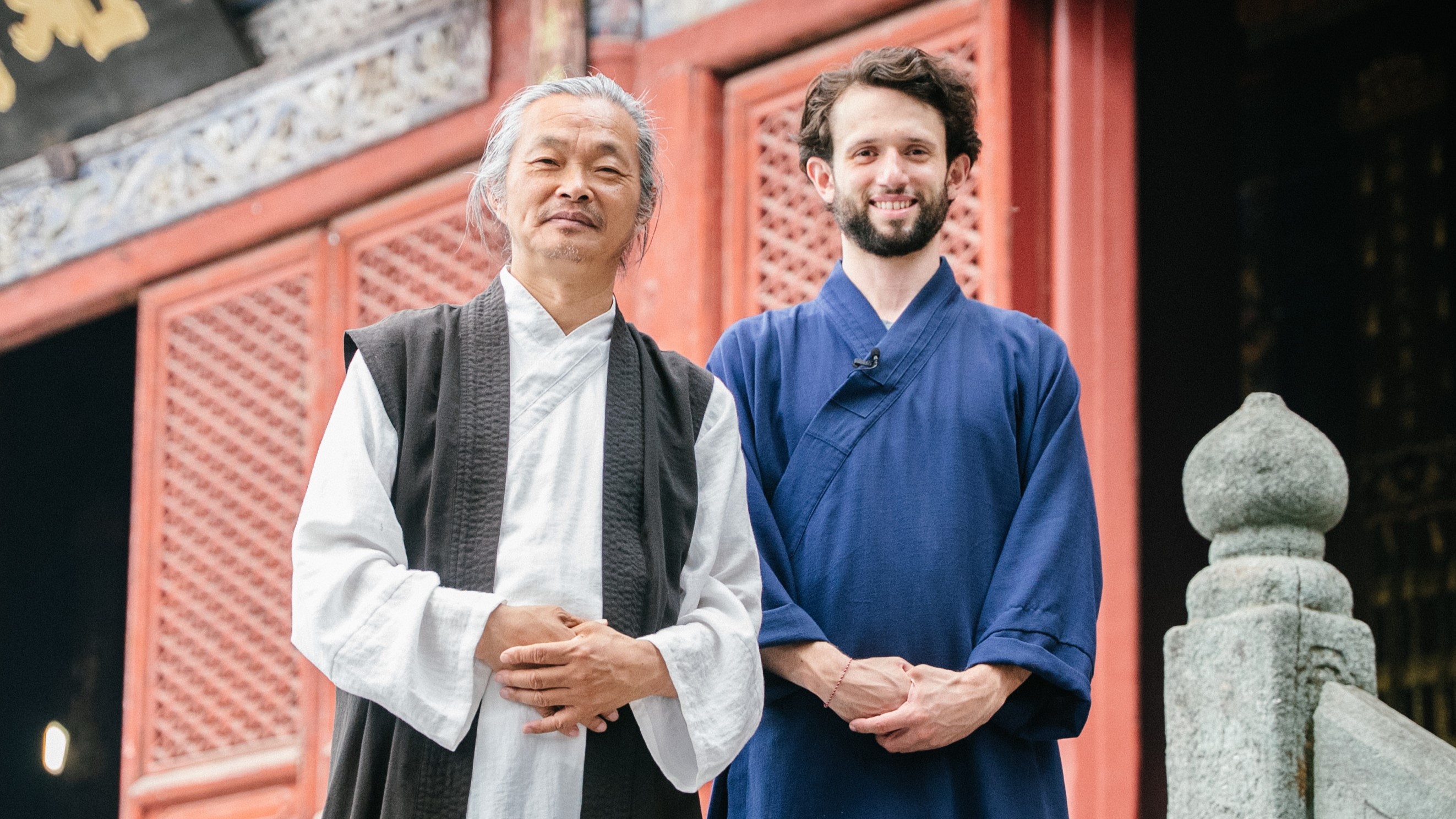
Our Tai Chi course teaches Wudang Tai Chi step by step with our teacher Master Gu, a 15th-generation San Feng Pai Wudang Taoist Master with 25+ years of teaching experience. Online learning cannot physically correct your posture, so go gently and stay within what feels comfortable. For a free introduction, try our free Taoist course.
Addressing Common Concerns
Many people worry they are not steady enough to begin. That is understandable, and it is a good reason to start gently and seek advice first.
If You Have a Health Condition
If you have a condition that affects your balance or movement, such as dizziness, inner ear problems, reduced sensation in your feet, arthritis or a neurological condition, please speak to your doctor or physiotherapist before starting. They can advise you on what is suitable, and whether you should practise with support. We do not offer one-to-one guidance or adapted programmes for specific conditions.
If standing feels unsteady, stay close to something supportive, such as a wall or a chair, and only go as far as feels safe. For a wider overview, see our guide to Tai Chi for seniors.
The Role of Mindfulness in Steadiness
Balance is not purely mechanical. Attention matters too. When your mind is elsewhere, it can be harder to notice how your body is moving.
Present-Moment Awareness
Tai chi invites your attention to rest in your moving body. Many people find this:
- Helps them notice small shifts in weight
- Makes movement feel calmer and more deliberate
- Gives the mind a gentle focus, so worries have less room
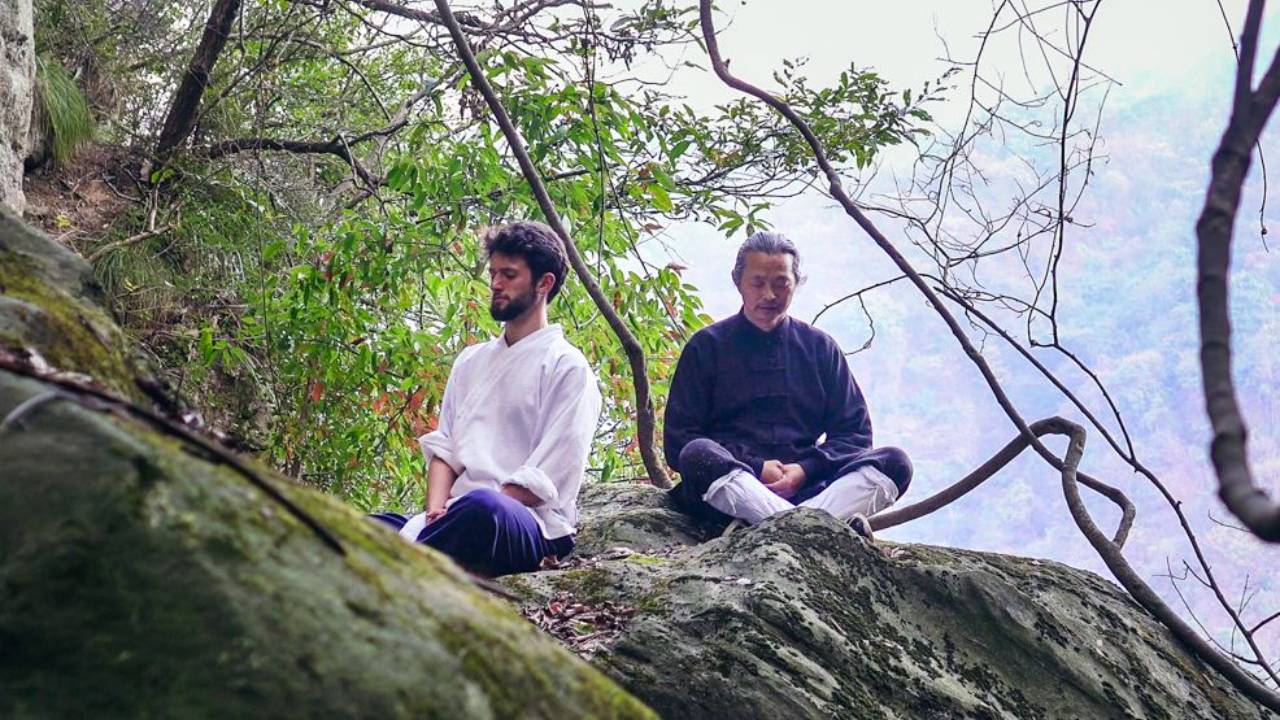
If you enjoy this side of practice, our Taoist meditation course explores stillness and attention in more depth.
Breath as an Anchor
Let your breathing stay natural and unforced as you move. Avoid holding your breath. A calm, easy breath can be a steady point to return to when your mind wanders.
Building Confidence Through Regular Practice
Many people say that the biggest change from regular practice is a gentler relationship with their body. Falls and near-falls can shake confidence, and worry about falling can lead people to move less. A slow, calm practice can help you feel more at home in your body, at your own pace.
Progress is not a straight line. Some days feel steadier than others, and that is part of the practice. Balance is something you keep practising, not something you finish.
Creating Your Practice Space
You do not need special equipment or a large room. A few simple safety checks help:
- Space: enough room to step in a few directions, roughly 6 feet by 6 feet
- Floor: a flat, non-slip surface, with shoes or bare feet as you prefer
- Support: a sturdy chair or a wall within reach
- Safety: clear the floor of anything you could trip on, and make sure the room is well lit
Some people also enjoy gentle practice outdoors, on even, familiar ground. If you would like to see a walking-based tai chi practice, this tutorial from George Thompson explores Tai Chi Walking, from beginner foundations onwards. Please stay near support and skip anything that feels unsafe for you.
Integrating Tai Chi Into Daily Life
Formal practice builds the foundation, and some of the ideas can also add a little calm to ordinary moments.
Morning
You might start the day with a few minutes of slow, gentle movement, standing near support. It can be a calm way to begin.
Through Your Day
- Standing in a queue: soften your knees and breathe easily
- Walking: notice how your weight moves from one foot to the next
- Reaching for something: turn with your whole body, rather than twisting
Evening
Some people enjoy a few slow, gentle movements in the evening to unwind. As always, keep it comfortable and stop if anything feels unsafe.
The Long View: A Lifelong Practice
Tai chi is not something you complete. It is a practice that can grow with you across the years, and many people continue to enjoy it well into later life. If you would like to read more about this gentler way of living, our guide to tai chi as a lifestyle explores the idea.
The Wudang tradition has been practised for generations, and its slow, relaxed approach is one reason it has stayed popular.
Measuring Progress Beyond Numbers
Progress is personal. Some people notice, over time:
- Moving around the home with a little less caution
- Feeling calmer in busy or stressful moments
- Sleeping a little more easily
- Enjoying moving again
Results vary, and there is no set timeline.
Common Questions From New Practitioners
How long before I notice a difference?
Everyone is different, and there is no fixed timeline. Some people notice a calmer feeling quite soon, while others take longer. Patience helps.
How often should I practise?
Short, regular sessions are easier to keep up than occasional long ones. Many people find 10 to 15 minutes comfortable. Check with your healthcare professional about what is right for you.
Can I practise if I have already had a fall?
Please speak to your doctor or physiotherapist before starting, and follow their advice. They can tell you whether and how to begin, and whether you should have support nearby.
Do I need to learn a whole form?
Not at the start. A few simple movements practised calmly are a good beginning.
What if I feel frustrated by slow progress?
Frustration is common and part of learning. Tai chi invites patience with your own pace. Some days feel easy and others feel awkward, and both are part of it.
Tai chi for balance offers a gentle way to move with more calm and confidence. If you would like to explore Wudang Tai Chi, Taoist Wellness offers courses in tai chi, qi gong and meditation with our teacher Master Gu.
Related reading