Tai Chi Walking Locations: Find Your Perfect Practice Space
Sep 12, 2026
Finding the right space for your practice can transform your tai chi walking experience. The environment where you move shapes not only your physical comfort but also your mental clarity and energetic flow. Whether you're just beginning to explore mindful movement or deepening an established practice, understanding what makes certain tai chi walking locations more supportive than others helps you build consistency and connection with each step.
Why Location Matters for Tai Chi Walking
The space around you influences your practice in subtle but powerful ways. Unlike seated meditation or indoor forms, tai chi walking requires room to move, stable footing, and an environment that invites rather than distracts.
When you practise in a thoughtfully chosen location, your body naturally relaxes. Your breath deepens. Your attention settles into the rhythm of your steps rather than scanning for hazards or managing distractions.
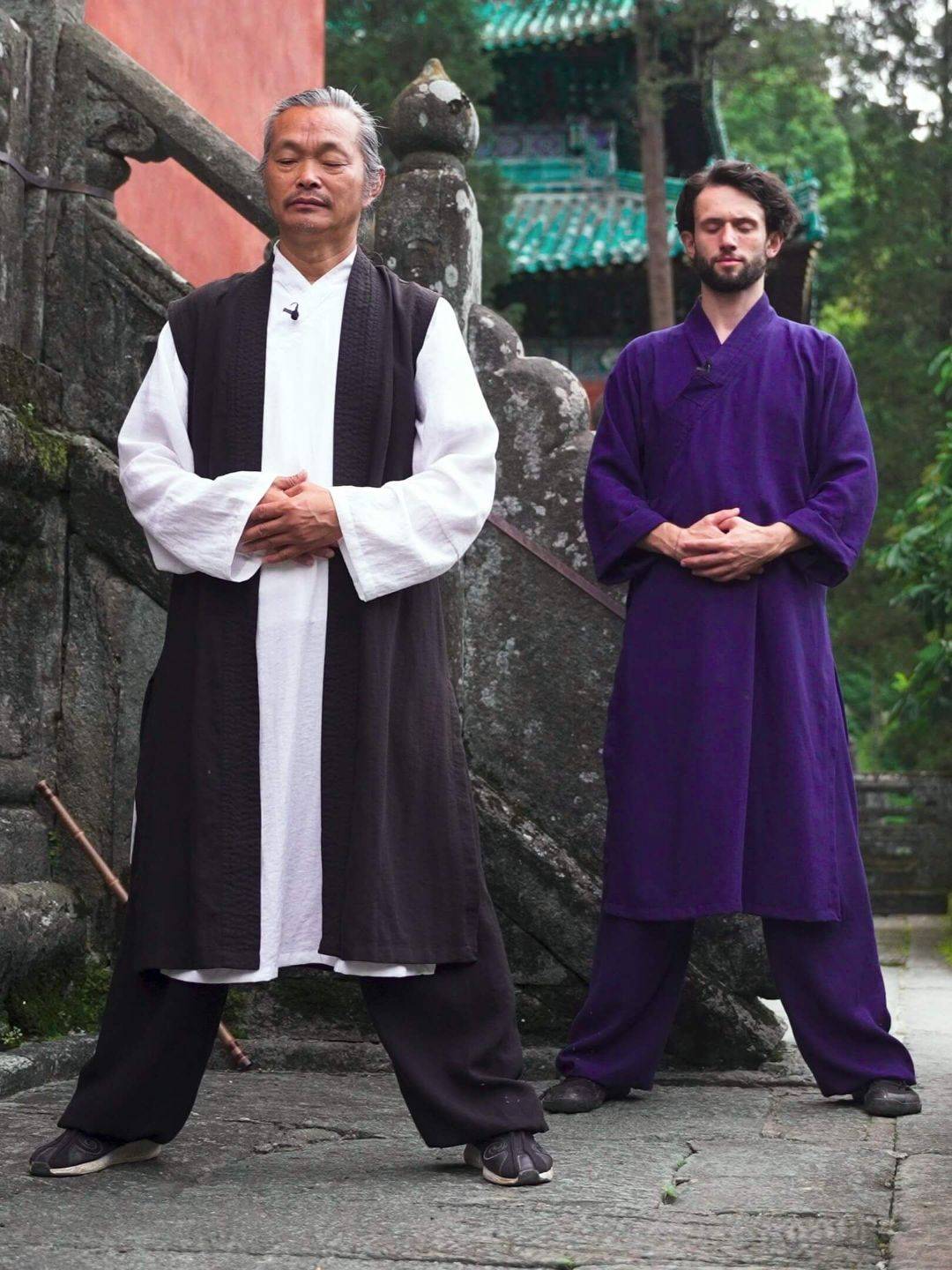
George and Master Gu walk the Ancient Divine Path through the Wudang Mountains in the video below, covering everything you need to know about Tai Chi walking, well worth watching alongside this article.
The Relationship Between Environment and Energy
Ancient Taoist practitioners understood that certain landscapes hold particular qualities of qi. Mountains carry upward, expansive energy. Water flows and softens. Open fields offer spaciousness. While you don't need to practise in the Wudang Mountains to benefit from Tai Chi walking, choosing locations with natural elements creates a gentle container for your practice. Our article on Taichi Walking: Ancient Practice for Modern Balance explores the wider principles behind this practice in more depth.
Research supports this intuitive wisdom. Studies examining outdoor movement practices show that natural settings enhance both physical coordination and emotional wellbeing when compared to indoor or urban environments.
Best Natural Settings for Tai Chi Walking
Nature offers the most supportive tai chi walking locations, each with distinct qualities that serve different aspects of your practice.
Parks and Green Spaces
Public parks remain the most accessible option for most practitioners. They typically provide:
- Level, maintained pathways that reduce fall risk
- Morning quiet hours before crowds arrive
- Tree canopy offering shade and air quality
- Open lawn areas for unrestricted movement
- Benches for rest between walking sequences
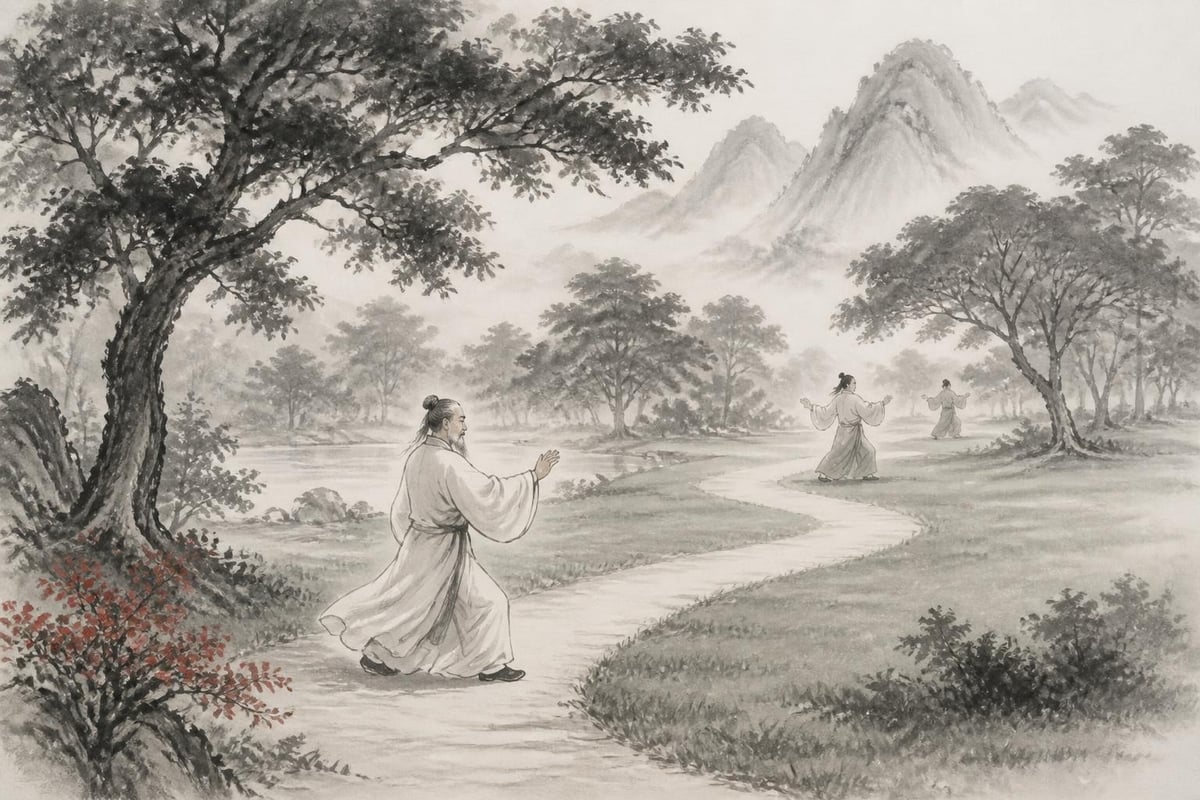
Look for parks with dedicated walking loops or quiet corners away from playgrounds and sports fields. The combination of stable ground and living greenery helps your nervous system settle, making it easier to maintain the relaxed focus that tai chi walking requires.
Waterfront Paths and Lakesides
Bodies of water add a flowing, yin quality to your practice environment. Waterfront tai chi walking locations offer:
- Soothing sound that masks urban noise
- Cooler temperatures during warm months
- Naturally inspiring views that lift the spirit
- Often flat, paved surfaces ideal for precise footwork
The presence of water seems to invite a softer quality of movement. Many practitioners find their steps become more fluid, their transitions smoother, when practising near rivers, lakes, or ocean shores.
Botanical Gardens and Arboretums
These cultivated natural spaces combine the benefits of parks with intentional design that supports contemplative practices. Botanical gardens typically feature:
| Feature | Benefit for Practice |
|---|---|
| Winding pathways | Encourage continuous, meditative walking |
| Seasonal variety | Keep practice fresh and engaging year-round |
| Reduced crowds | Provide privacy and quiet |
| Benches and rest areas | Support longer practice sessions |
| Educational signage | Offer gentle focal points without distraction |
Many botanical gardens welcome early morning visitors, providing ideal windows for uninterrupted practice before general admission hours.
Urban Tai Chi Walking Locations
Not everyone has easy access to parks or natural areas. Urban environments require more discernment but can still support meaningful practice.
Choosing Urban Spaces Wisely
When seeking tai chi walking locations in cities, prioritise:
- Safety and visibility: Well-lit areas with regular foot traffic
- Smooth surfaces: Avoid broken pavement or uneven surfaces
- Lower vehicle noise: Side streets over main thoroughfares
- Early morning windows: Before rush hour begins
- Community garden perimeters: Often quieter than surrounding blocks
Some cities maintain "pocket parks" or greenways specifically designed for walking and outdoor movement practices. These smaller spaces can work beautifully when larger parks aren't nearby.
Indoor Alternatives During Difficult Weather
While outdoor practice offers unique benefits, indoor tai chi walking locations serve an important role during extreme weather, poor air quality days, or when safety concerns arise.
Consider:
- Community centre corridors (with permission)
- School gymnasiums during open hours
- Shopping centre walking areas before shops open
- Your own hallway or largest room at home
- Covered car parks (off-peak hours)
The key is finding sufficient length to complete your walking sequences without constant turning, which can interrupt the meditative quality of the practice.
Seasonal Considerations for Outdoor Practice
The best tai chi walking locations shift with the seasons, and adapting your practice sites throughout the year keeps your routine sustainable.
Spring and Autumn: Peak Outdoor Practice
These transitional seasons offer ideal conditions:
- Moderate temperatures supporting longer sessions
- Beautiful natural changes that inspire presence
- Less crowded parks as fair-weather visitors stay away
- Stable ground conditions (after spring thaw, before winter ice)
Spring and autumn are perfect times to explore new locations and establish regular practice spots before summer heat or winter cold arrives.
Summer Adaptations
Heat requires thoughtful location choices:
- Shaded pathways under tree canopy
- Early morning or evening practice to avoid peak sun
- Waterfront locations for cooling breezes
- Higher elevation parks where available
Always prioritise hydration and listen to your body. The relaxed, flowing nature of tai chi walking should never become forced effort against oppressive heat.
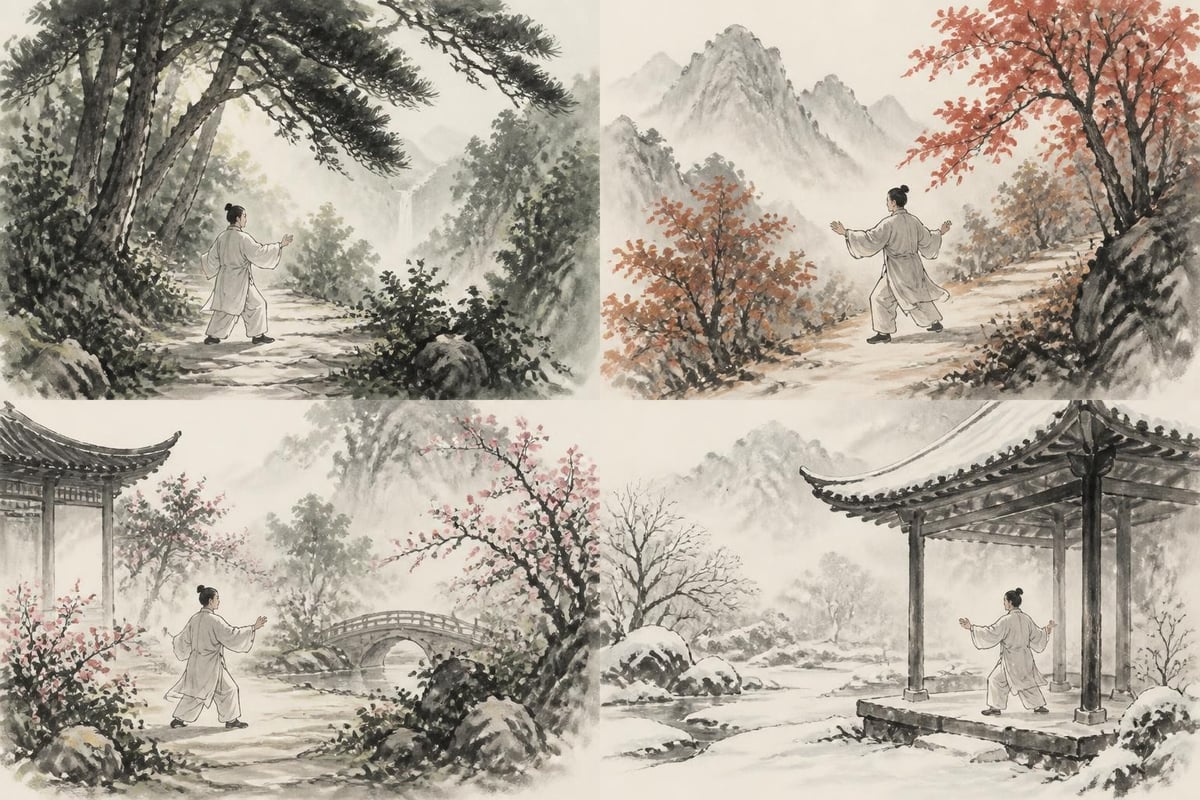
Winter Options
Cold weather practitioners often discover that winter tai chi walking locations develop their own special quality:
- Crisp air that sharpens focus
- Quiet parks with fewer visitors
- Snow-covered landscapes that soften sound
- Indoor backup options for severe weather days
Dress in layers you can adjust, choose cleared paths to avoid slips, and embrace shorter sessions when needed. Winter practice builds resilience and demonstrates that your practice adapts to life's changing conditions.
Creating Your Personal Practice Route
Once you've identified potential tai chi walking locations, developing a consistent route helps your practice deepen.
Elements of an Effective Route
Your ideal route should include:
- Clear starting point: A landmark or feature that signals "practice begins"
- Sufficient length: Minimum 15-30 metres of uninterrupted walking
- Natural turning point: A tree, bench, or view that marks your reversal
- Minimal cross-traffic: Fewer intersections with other path users
- Inspiring endpoint: Something beautiful or peaceful to arrive toward
Some practitioners walk simple out-and-back lines. Others prefer loops or figure-eight patterns. The shape matters less than consistency, allowing your body to learn the terrain so your mind can focus on movement quality.
Building Familiarity Through Repetition
Returning to the same tai chi walking locations creates depth that constantly changing environments cannot offer. You begin to notice:
- How morning light shifts across weeks
- Which areas hold moisture after rain
- Where ground texture changes
- When seasonal plants emerge or fade
- How your own practice evolves in familiar space
This familiarity mirrors the way Master Gu teaches students to return again and again to fundamental movements, finding new layers within what first appeared simple.
Safety and Accessibility Guidelines
The most beautiful location loses its value if it compromises your safety or proves difficult to reach consistently.
Essential Safety Considerations
Before committing to regular practice at any location, assess:
- Surface stability: No holes, roots, or dramatic slopes
- Lighting conditions: Adequate visibility during your practice times
- Weather exposure: Shelter options if conditions change
- Emergency access: Not too isolated from help if needed
- Personal comfort: Your intuition about the space matters
Trust your instincts. If a location feels uncertain or uncomfortable, that tension will undermine the very relaxation you're cultivating through practice. As with any new movement practice, do check with a healthcare professional first if you have an existing health condition or injury.
Accessibility Features to Consider
Truly supportive tai chi walking locations accommodate varying physical abilities:
| Feature | Why It Matters |
|---|---|
| Parking proximity | Reduces walk to practice site |
| Toilet access | Supports longer practice sessions |
| Benches every 30-60 metres | Allows rest as needed |
| Paved, level surfaces | Accommodates mobility aids |
| Clear signage | Prevents getting lost |
| Shade options | Protects from sun exposure |
Many practitioners combine tai chi walking with other aspects of Taoist wellness practice. Starting with gentle movement helps prepare body and mind for deeper work.
Our free Tai Chi Walking course offers an excellent introduction to building a balanced practice routine that includes tai chi walking alongside other foundational techniques, helping you understand how location choices support your overall wellness journey.
Community Practice Locations
While tai chi walking can be profoundly personal, practising in community spaces offers unique benefits and considerations.
Finding Existing Practice Groups
Many cities have established tai chi groups that gather at regular times and locations. These community tai chi walking locations provide:
- Built-in accountability and consistency
- Opportunity to learn from experienced practitioners
- Social connection with like-minded individuals
- Safety in numbers for early morning practice
- Shared knowledge about ideal local spots
Research shows that tai chi groups in public parks often negotiate consistent practice territories and times, creating informal but respected schedules that allow multiple groups to coexist peacefully in shared spaces. Our article on Tai Chi Training Near Me: Your Guide to Starting in 2026 offers further guidance on finding groups and instruction, whether online or local to you.
Respecting Shared Spaces
When practising in public tai chi walking locations:
- Arrive and depart quietly
- Stay aware of other path users
- Keep groups compact on shared pathways
- Pick up any belongings before leaving
- Honour informal community practice schedules
This consideration reflects the Taoist principle of wu wei, effortless action that flows with rather than against the natural order of things.
Cultivating Your Practice Environment
The best tai chi walking locations evolve through your relationship with them. What begins as simply a convenient park path can become a genuine practice sanctuary.
Developing Spatial Awareness
As you return to the same location, notice:
- How your body responds to specific terrain
- Where your attention naturally deepens
- Which directions feel more easeful
- What times of day serve you best
- How weather patterns affect the space
This awareness is practice itself, the same quality of attention you bring to your footwork and breath.
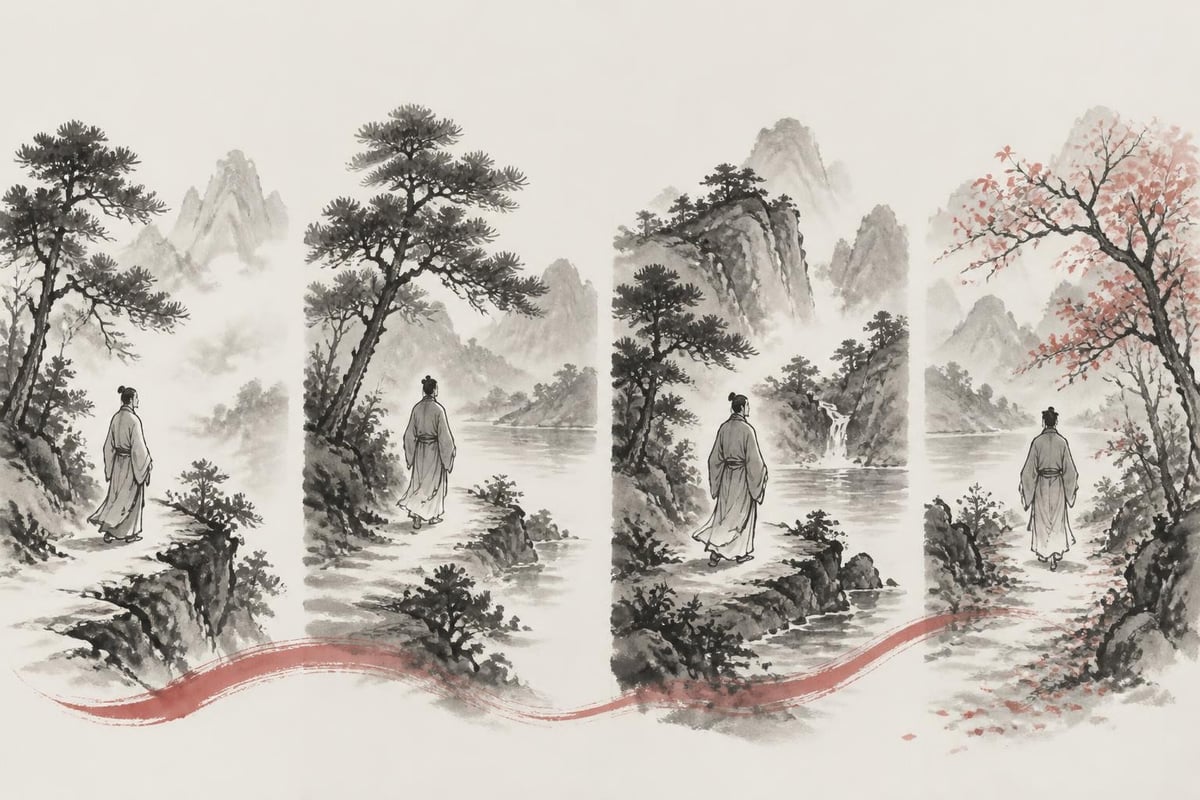
Small Rituals That Deepen Connection
Simple practices help mark your tai chi walking locations as sacred space:
- Pausing at your starting point to set intention
- Offering gratitude at the end of practice
- Cleaning or tending the area occasionally
- Noting seasonal changes in a practice journal
- Sharing the space's benefits with other practitioners
These small acts transform generic outdoor areas into genuine practice grounds that support your continued growth.
Adapting Practice to Available Locations
Not every practitioner has access to ideal tai chi walking locations. The practice adapts to meet you where you are.
Working With Limited Space
Short hallways, small gardens, or compact indoor areas can still support meaningful practice:
- Focus on shorter walking sequences
- Emphasise quality over distance
- Practise stationary tai chi between walking segments
- Use the limitation to deepen attention to detail
- Supplement with our Qi Gong course forms requiring less space
Remember that ancient monks often practised in small courtyard spaces, finding depth through intensity of focus rather than physical range.
Travelling and Maintaining Practice
When away from familiar tai chi walking locations, approach new spaces with curiosity:
- Scout hotel neighbourhoods for early morning options
- Ask locals about park recommendations
- Use airport terminals during layovers
- Practise in hotel corridors if needed
- View location changes as opportunities, not obstacles
Your practice travels with you. The location simply provides context and support for what you already carry within.
Growing Your Practice Through Place
As your tai chi walking deepens, you may find yourself drawn to explore how different tai chi walking locations affect your experience. This natural curiosity reflects the Taoist appreciation for learning through direct experience.
Some practitioners maintain a primary location for daily consistency while occasionally visiting other sites for variety and fresh perspective. Others follow seasonal migrations, moving between locations as weather and daylight shift.
There's no single correct approach. What matters is finding rhythms and places that support your commitment to showing up, stepping forward, and cultivating the calm, centred energy that tai chi walking offers.
Our community connects practitioners from around the world, many of whom share insights about their local practice locations and how they've adapted traditional teachings to their unique circumstances and environments.
The location you choose for tai chi walking practice shapes your experience in ways both obvious and subtle, from physical safety to energetic resonance. Whether you practise in a city park, along a waterfront path, or in your own hallway, what matters most is showing up with presence and allowing the space to support your journey toward balance and vitality. Taoist Wellness Online offers comprehensive guidance in Wudang-style Tai Chi walking and related practices, helping students worldwide develop sustainable routines that honour both ancient wisdom and modern life, all under the expert instruction of Master Gu, a 15th-generation San Feng Pai Wudang Taoist Master with over 25 years of teaching experience.
Related reading