Taichi Walking: Ancient Practice for Modern Balance
Jun 28, 2026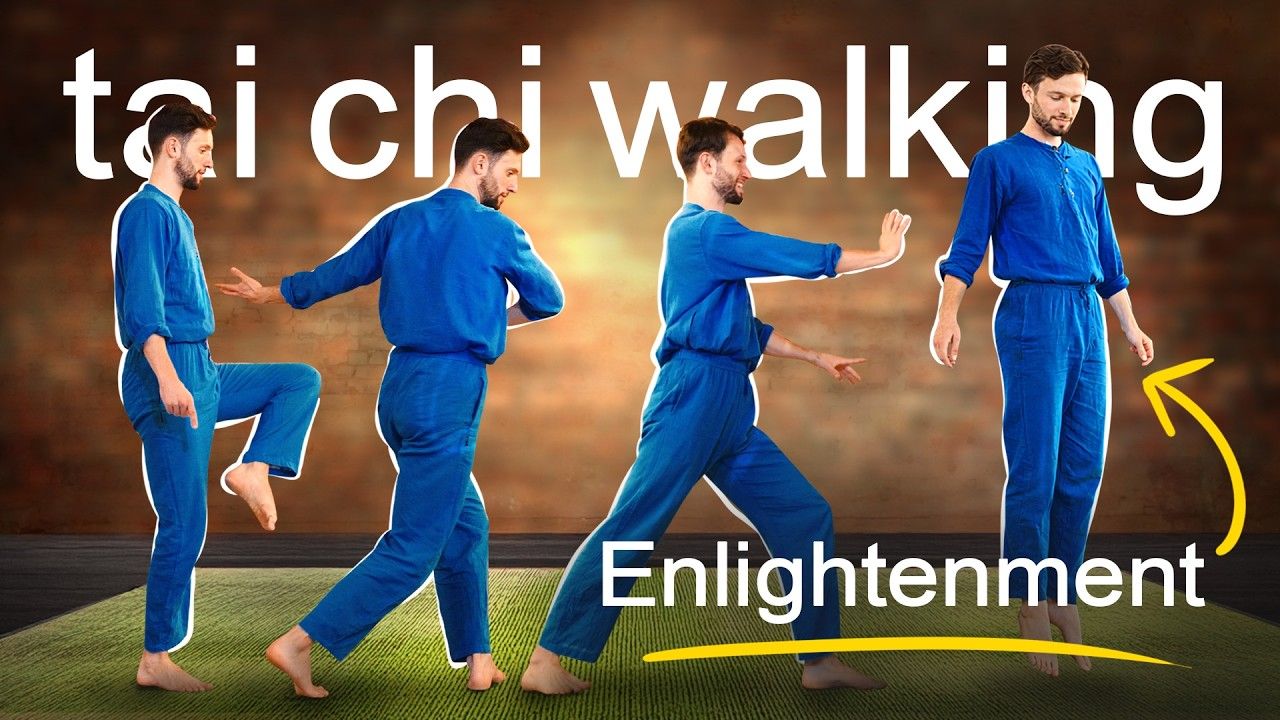
Taichi walking, often written as Tai Chi walking, is one of the most accessible yet profound practices within the Taoist movement arts. Unlike everyday walking, where we often move unconsciously from one place to another, Tai Chi walking transforms each step into meditation in motion.
This ancient practice builds the foundation for deeper Tai Chi training while offering immediate benefits you can feel in your body and mind. Whether you are new to internal arts or looking to strengthen an existing practice, learning how to walk with intention and awareness can support greater stability, energy flow, and inner calm.
The Foundation of Mindful Movement
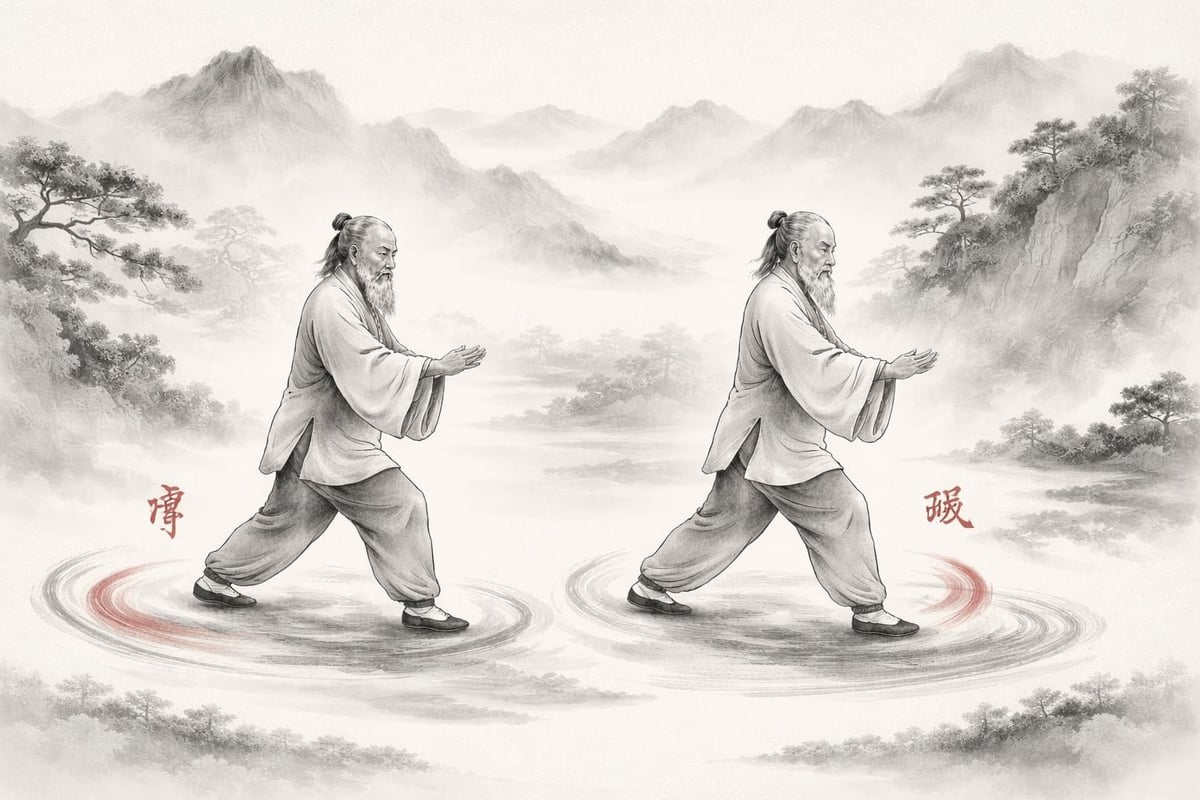
Tai Chi walking differs fundamentally from everyday walking. Each step becomes deliberate, grounded, and connected to your breath, centre, and awareness.
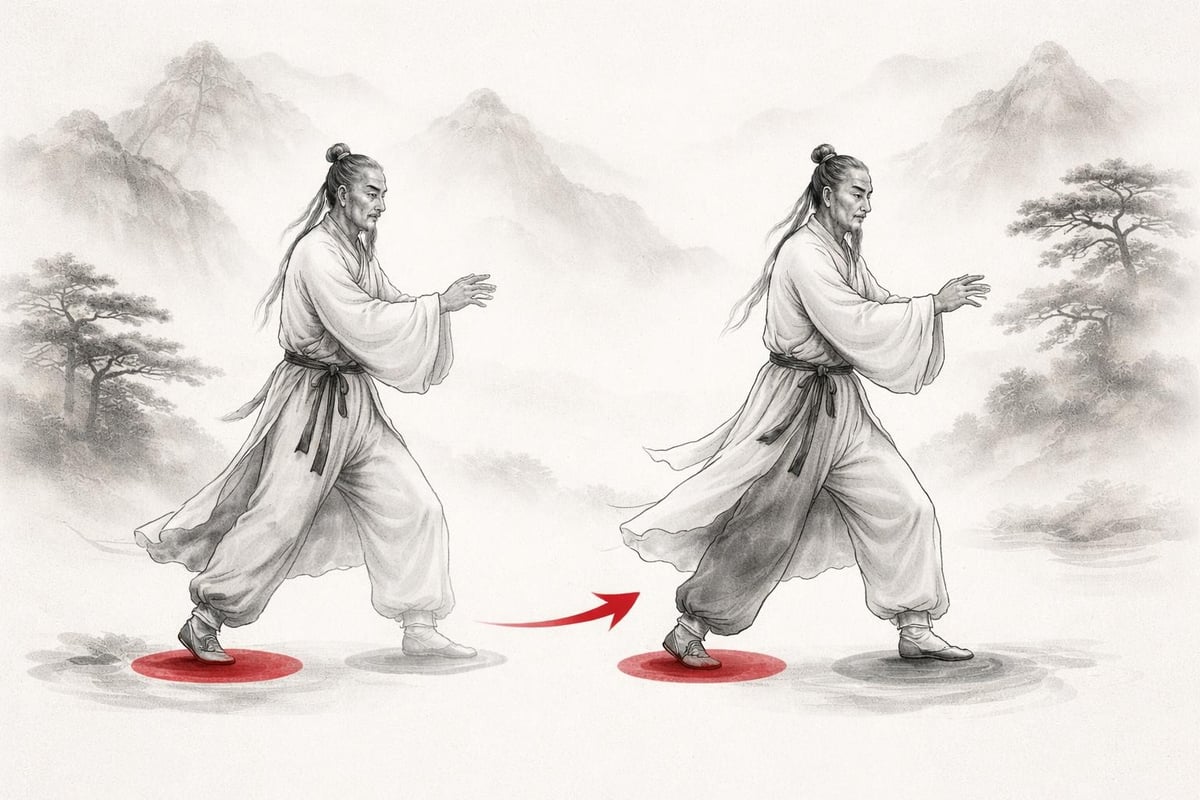
The practice emphasises weight shifting as its primary principle. You learn to fully commit your weight to one leg before stepping with the other, creating a rooted connection with the earth beneath you. This is not about speed or distance. It is about quality of movement, body awareness, and internal steadiness.
Understanding the Basic Mechanics
When you practise Tai Chi walking, several key elements work together:
- The weighted leg carries your body weight while remaining soft through the knee
- The empty leg moves freely without gripping or unnecessary tension
- The hips remain level throughout the weight transfer
- The shoulders stay relaxed and aligned above the hips
- The head floats upward as though gently suspended from above
These principles may sound simple, but they are surprisingly deep. The more slowly and carefully you practise, the more you begin to notice your habits: where you rush, where you tense, where you lose balance, and where you disconnect from the ground.
If you want to understand the wider principles that support Tai Chi movement, our guide to the 13 principles of Tai Chi explores the foundations behind posture, relaxation, rooting, intention, and whole-body connection.
Why Walk This Way?
The benefits of Tai Chi walking extend far beyond simple physical exercise. This practice touches balance, strength, posture, attention, breath, and the way you relate to movement itself.
Physical Benefits You Can Feel
Your body may respond quickly to this mindful approach, especially when practised regularly and gently. Many people begin to notice that they feel steadier, more aware of their posture, and more connected to the ground beneath them.
| Benefit Category | Specific Improvements |
|---|---|
| Balance | Steadier gait, better proprioception, more confidence while moving |
| Strength | Stronger legs, improved core stability, better joint support |
| Flexibility | Looser hips, more mobile ankles, greater ease through the lower body |
| Posture | More aligned spine, open chest, relaxed shoulders |
The gentle nature of Tai Chi walking makes it especially valuable for people who want to improve balance and movement confidence without forcing the body. It builds functional strength: the kind you use when standing, turning, climbing stairs, getting out of a chair, or moving through daily life with more ease.
Mental and Energetic Shifts
Beyond the physical realm, Tai Chi walking cultivates inner qualities that change how you move through the world. The practice naturally quiets mental chatter because your attention is focused on subtle sensations: the pressure in your feet, the shift of weight, the rhythm of breath, and the feeling of the body moving as one connected whole.
This moving meditation can feel more accessible than seated practice for beginners. Your mind has something concrete to follow, making it less likely to wander into worry, planning, or overthinking.
Energy cultivation happens gradually. As you practise, you may begin to feel warmth, tingling, steadiness, or a smoother sense of flow through the legs and spine. These experiences do not need to be forced or chased. They often arise naturally when movement becomes slower, softer, and more aligned.
Learning the Fundamental Steps
Starting your Tai Chi walking practice begins with a few essential techniques. Keep it simple at first. The aim is not to perform beautifully, but to feel clearly.
Setting Up Your Stance
Begin in a comfortable standing position with your feet about shoulder-width apart. Your knees should be slightly bent, never locked. Imagine your tailbone releasing toward the earth while the crown of your head lifts gently upward. This creates vertical alignment through your central axis.
Your arms can rest naturally at your sides or in a gentle rounded position in front of your lower abdomen. Either is fine. Choose what feels comfortable, relaxed, and sustainable.
The First Step
Taking your first mindful step involves several coordinated actions:
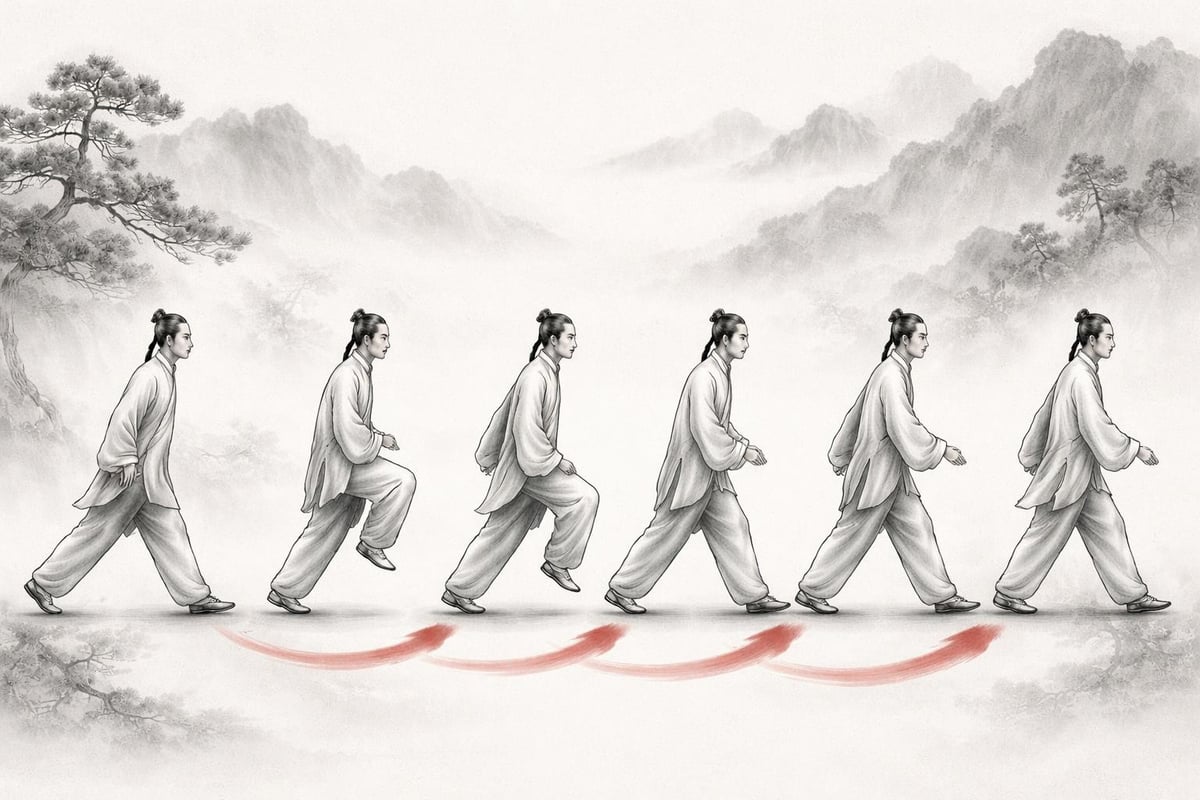
- Shift your weight completely into your right leg, feeling it settle and root
- Empty your left leg, allowing it to become light and available
- Lift your left foot slowly, keeping the knee relaxed
- Place the heel of your left foot forward at a comfortable distance
- Gradually transfer weight from the right leg into the left leg as the whole left foot settles
- Root into the left leg completely before moving the right foot
This sequence might feel awkward at first. That is completely normal. You are relearning something your body usually does unconsciously. The awkwardness is part of becoming aware.
Common Adjustments for Beginners
Most people encounter similar challenges when starting:
- Rushing the weight transfer: Slow down significantly. Let each shift take several seconds.
- Leaning forward or back: Keep your torso upright and move from your centre rather than reaching with the upper body.
- Holding the breath: Allow natural breathing. Do not force a pattern before the body is ready.
- Tensing the shoulders: Check in regularly and consciously release unnecessary effort.
Every practitioner, including those who have studied for decades, continues refining these basics. In Tai Chi, the foundations are not something you leave behind. They are where the depth lives.
Integrating Walking Into Your Practice
Tai Chi walking serves multiple roles in a complete practice. It can function as a warm-up, a standalone exercise, a balance practice, and a foundation for form work.
As a Daily Practice
You do not need special equipment, a large space, or much time. A hallway works perfectly. So does a quiet park path, a garden, or a small patch of floor where you can take a few mindful steps.
Start with five minutes of dedicated practice. Set a timer and walk slowly back and forth in your chosen space. Focus on the principles: weight transfer, rooted legs, relaxed body, and calm attention.
As this becomes comfortable, gradually extend your sessions. Ten minutes offers deeper benefits. Twenty minutes may allow you to enter a more meditative state where movement becomes easier, quieter, and more natural.
Follow along with George Thompson as he demonstrates Tai Chi walking combined with Lou Zi Ao Bu (Brush Knee and Push), one of the most iconic movements in Tai Chi:
Building Block for Forms
Every Tai Chi form contains walking steps. The movements you learn in isolated walking practice directly transfer into your form work. The transitions between postures, the ability to shift weight smoothly, and the confidence to move without losing your centre all begin here.
If you are exploring comprehensive Tai Chi training, dedicating time to walking practice can support your progress in more complex movements. Think of it as learning your scales before playing a piece of music.
Variations and Progressions
Once basic walking feels more natural, you can explore variations:
- Backward walking to challenge balance and spatial awareness
- Circle walking to introduce turning and directional change
- Different speeds, from very slow to a more natural walking pace
- Different step lengths to explore range of motion
- Coordinated arm movements to integrate the upper body
Each variation adds a new dimension while preserving the core principles that make Tai Chi walking so effective.
The Breath Connection
Breathing and movement come together in Tai Chi walking to create a harmonious whole. This is not about complicated breath control or forced patterns. It is about natural coordination.
Natural Breathing Patterns
Many practitioners find that exhaling during weight shifts feels natural. As you sink into the rooted leg, the breath releases. As you lift and step, the breath can gently return. Do not force this pattern. Let it emerge from the practice.
Abdominal breathing can enhance the experience. Rather than shallow chest breathing, allow your lower belly to soften and move gently with each breath. This helps release unnecessary tension and brings awareness into the lower body.
Breath as an Attention Tool
When your mind wanders during practice, return to your breath. The simple rhythm of inhale and exhale gives you an anchor. You do not need to control the breath rigidly. Just notice it. Follow it. Let it guide you back into the present moment.
This connection between breath and movement helps explain why many people find Tai Chi walking so calming. The body moves, the breath settles, and the mind gradually has less to fight with.
Creating a Sustainable Routine
Consistency matters more than intensity when it comes to Tai Chi walking. A regular, moderate practice is usually more helpful than occasional long sessions that are difficult to maintain.
Setting Realistic Goals
| Time Frame | Reasonable Target | What to Focus On |
|---|---|---|
| Week 1-2 | 5 minutes daily | Basic weight transfer and staying present |
| Week 3-4 | 10 minutes daily | Smoother transitions and natural breathing |
| Month 2 | 15 minutes daily | Variations and deeper relaxation |
| Month 3+ | 20 minutes or more | Integration with forms and other practices |
Your practice should fit your life, not the other way around. Some days you might have 20 minutes. Other days, five mindful minutes is what you can manage. Both count.
Finding Your Practice Time
Morning walking can set a calm, centred tone for your day. Evening practice can help release accumulated tension and transition into rest. There is no universally best time. Experiment and notice when you feel most able to focus, and when the practice serves you best.
Some people thrive on routine, practising at the same time each day. Others prefer flexibility, fitting practice into natural pauses in their schedule. Honour your own rhythms and preferences.
Common Questions and Adjustments
As you develop your practice, certain questions naturally arise. Here is guidance for some of the most frequent concerns.
Physical Limitations and Modifications
Knee pain, hip tightness, and balance challenges do not automatically disqualify you from Tai Chi walking. They simply mean you need to adapt the practice to meet your current abilities.
Shorter steps reduce stress on the knees and hips. You can walk with steps as small as a few inches and still practise all the essential principles. Using support, such as a wall or sturdy chair nearby, can provide security while building confidence. A slower pace allows more control and awareness.
The practice should never cause sharp pain. Some muscular effort, especially in the beginning, can be normal. Joint pain is a signal to modify your approach and seek appropriate guidance.
Indoor vs. Outdoor Practice
Both environments offer unique benefits. Indoor practice provides consistency, climate control, and privacy. You can practise quietly at home before anyone else wakes up.
Outdoor walking connects you with natural light, fresh air, and the feeling of the ground beneath your feet. Slight irregularities in terrain can also enhance balance training, provided you move safely and attentively.
Alternate between both when possible. Let weather, schedule, and mood guide your choice.
Deepening Your Understanding
Tai Chi walking opens into a wider landscape of Taoist movement philosophy. As your practice matures, you may feel drawn to explore these deeper dimensions.
The Energetic Perspective
From a Taoist wellness viewpoint, walking practice helps cultivate awareness of the lower dantian, the energy centre below the navel, while strengthening your connection with the earth through the feet. The body becomes more rooted, stable, and responsive.
You do not need to force an experience of Qi for the practice to be valuable. Simply remain open and attentive. Notice warmth, tingling, steadiness, fullness, or flow. These sensations can arise naturally as the body becomes more relaxed and connected.
Connection to Broader Practice
Walking naturally complements other Taoist practices. It pairs beautifully with Qi Gong exercises that focus on breath, posture, and energy cultivation. It can also support meditation by training your attention and calming the nervous system through movement.
For a beginner-friendly introduction to energy-based movement, this Qigong for beginners guide can help you understand how breath, intention, and simple movement work together.
Many students find that walking practice informs everything else they do. The principles of rootedness, relaxation, and present-moment awareness transfer into standing practice, sitting meditation, and even daily activities like washing dishes or walking to the car.
Learning From Authentic Sources
While this article provides a foundation, learning from experienced teachers can help you avoid common pitfalls and deepen your understanding. The value of authentic instruction is not only in learning where to place your feet. It is in understanding the principles behind the movement.
When you learn from teachers connected to genuine Taoist and Tai Chi traditions, you receive more than technique. You receive guidance in the living wisdom behind the practice: how to soften without collapsing, root without becoming rigid, and move with awareness rather than force.
What to Look For in Instruction
Quality instruction emphasises:
- Principle over perfection: Understanding why you do something matters more than making it look impressive
- Individual adaptation: Good teachers help you modify practices for your unique body and circumstances
- Patience and process: Real development takes time, and authentic teaching respects this
- Integration: Walking is not isolated from the rest of practice, but connected to the whole system
Comprehensive online Tai Chi courses make authentic instruction accessible regardless of your location. While in-person learning has certain advantages, well-designed online programmes can provide excellent foundations, repeatable guidance, and ongoing support.
If you are completely new to Taoist movement practices, our free Feel Better in 7 Days with Tai Chi Walking introductory course offers a gentle way to begin Tai Chi walking with both Master Gu and George Thompson.
Making It Your Own
Eventually, Tai Chi walking becomes more natural. The principles begin to integrate so deeply that you stop thinking about technique and simply walk with more awareness and ease.
This does not mean you will always practise formally. You may find that ordinary walking — to the mailbox, through a shop, around your workplace, or along a familiar path — becomes more mindful. You may notice yourself shifting weight more completely, stepping more consciously, and breathing more fully.
This integration into daily life is one of the deeper gifts of the practice. Tai Chi walking is not meant to stay confined to practice sessions. It is a template for moving through the world with greater presence, stability, and calm.
Your practice will evolve over time. What feels challenging today becomes easier tomorrow. New depths reveal themselves. The journey continues unfolding, season after season, year after year. Stay curious. Stay patient. Keep walking.
Tai Chi walking turns something ordinary into a practice of balance, awareness, and inner steadiness. Each step becomes a chance to slow down, feel the ground beneath you, and return to your centre. If you'd like to explore Tai Chi, Qi Gong, and Taoist wellness practices with authentic guidance, step into the Taoist Wellness Online Academy and begin learning with Master Gu and our teaching team. Your free 7-day trial gives you space to experience the practice at your own pace and discover how mindful movement can support your daily life.