Tai Chi for Stress: Ancient Movement for Modern Calm
Sep 08, 2026
Stress has become the background noise of modern life. Work deadlines, family responsibilities, financial pressures, and the constant pull of digital notifications create a state of perpetual tension that many of us have learned to accept as normal. Yet this acceptance comes at a cost. Chronic stress affects every system in your body, from your heart to your digestion, from your sleep to your immune response. The ancient practice of tai chi for stress offers something different: not a quick fix, but a sustainable path toward balance. Rooted in Taoist wisdom and refined over centuries in the Wudang mountains, tai chi provides practical tools for calming your nervous system, quieting mental chatter, and reconnecting with your body's natural rhythms.
Understanding How Stress Affects Your Body and Mind
Your stress response evolved to keep you safe. When facing genuine danger, your body releases cortisol and adrenaline, sharpening your senses and preparing you to fight or flee. This response served our ancestors well when confronting immediate physical threats.
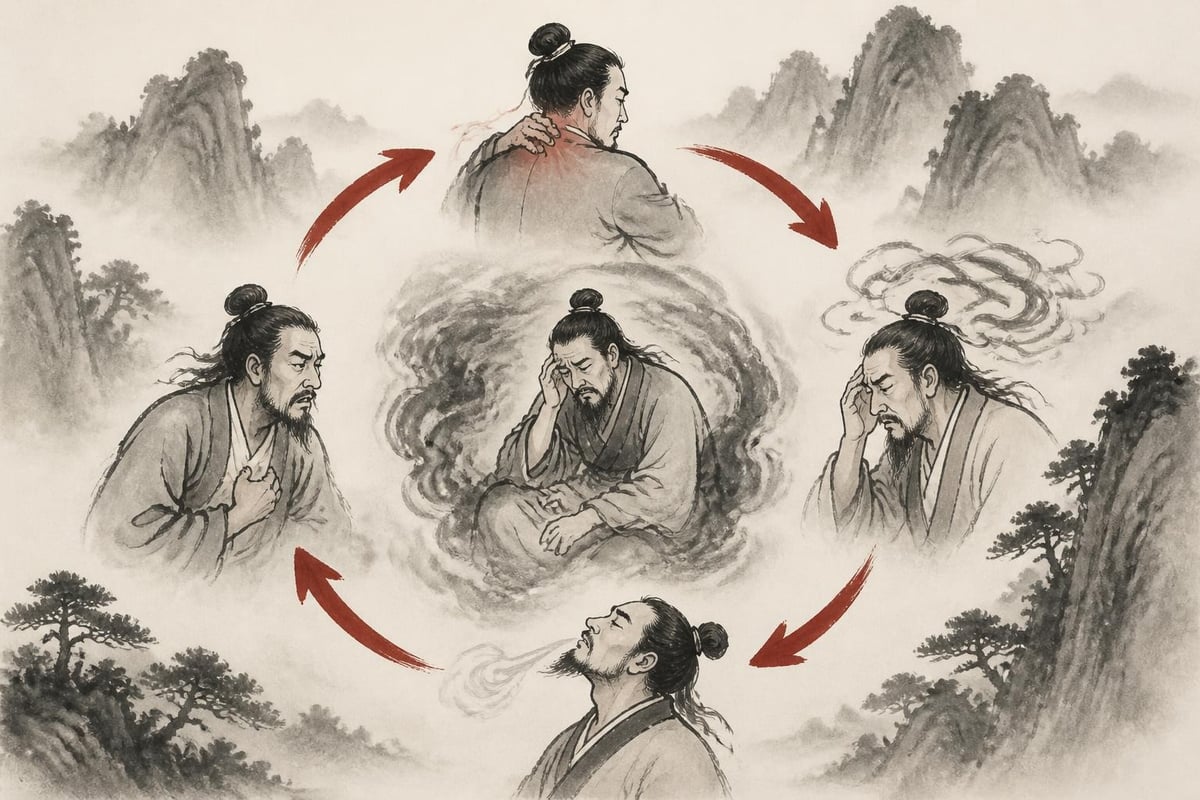
Today's stressors rarely require a physical response, yet your body reacts the same way. Traffic jams, work emails, and financial worries trigger the same cascade of stress hormones. The problem? These modern stressors never fully resolve. Your nervous system remains in a state of alert, unable to return to rest.
The physical toll of chronic stress includes:
- Elevated blood pressure and heart rate
- Digestive problems and reduced immunity
- Muscle tension, especially in shoulders and neck
- Sleep disruption and fatigue
- Inflammation throughout the body
Mental and emotional effects compound these physical symptoms. Anxiety, irritability, difficulty concentrating, and a sense of overwhelm become constant companions. Many people describe feeling disconnected from their bodies, living entirely in their heads where worry loops endlessly.
George discusses how Taoists approach exactly this kind of overwhelm in the live conversation below, well worth watching alongside this article.
Why Tai Chi Works Differently for Stress Relief
Unlike conventional stress management approaches that treat symptoms, tai chi for stress addresses the root patterns. This distinction matters. Taking a walk can temporarily reduce tension. Breathing exercises offer momentary relief. But tai chi cultivates something deeper: the ability to remain centred regardless of external circumstances.
The Wudang approach to tai chi emphasises sung, often translated as relaxation but more accurately meaning "releasing unnecessary tension while maintaining structure." This quality transforms your relationship with stress. Rather than bracing against difficulty, you learn to meet it with softness and flexibility.
The Mind-Body Integration Principle
Tai chi doesn't separate mental stress from physical tension. Every movement coordinates breath, attention, and gentle physical action. Your mind cannot wander while performing a tai chi form because the practice requires continuous awareness. This focused movement creates what researchers call "meditation in motion."
When you practise tai chi regularly, you develop sensitivity to tension patterns. You notice when your shoulders creep toward your ears during a difficult conversation. You feel the tightness in your jaw when reading stressful news. This awareness creates choice. Instead of remaining trapped in habitual stress reactions, you can consciously release and rebalance.
| Conventional Stress Relief | Tai Chi for Stress |
|---|---|
| Temporary distraction | Develops lasting awareness |
| Treats symptoms | Addresses root patterns |
| External solutions | Cultivates internal resources |
| Quick relief | Sustainable transformation |
| Requires special equipment | Only needs your body |
The Science Behind Tai Chi and Stress Reduction
Research validates what Taoist practitioners have known for generations. Multiple studies demonstrate that tai chi for stress produces measurable changes in both psychological markers and physiological indicators.
Meta-analyses of controlled trials have found that regular tai chi practice significantly reduces cortisol levels, the primary stress hormone. Participants show improvements in perceived stress, anxiety symptoms, and overall mood compared to control groups. These benefits increase with consistent practice over time.
Key physiological changes from tai chi practice:
- Parasympathetic activation: Tai chi stimulates the "rest and digest" branch of your nervous system, counteracting the stress-driven "fight or flight" response
- Heart rate variability: Regular practice improves HRV, a key indicator of stress resilience and cardiovascular health
- Brain wave patterns: EEG studies show increased alpha waves during and after practice, associated with relaxed alertness
- Inflammatory markers: Reduced levels of inflammatory cytokines linked to chronic stress
The slow, flowing movements characteristic of Wudang tai chi create optimal conditions for stress relief. Unlike vigorous exercise that can temporarily spike cortisol, the gentle nature of tai chi allows your nervous system to settle while still engaging your body.
Starting Your Tai Chi Practice for Stress Relief
Beginning tai chi doesn't require special equipment, athletic ability, or hours of daily practice. The Wudang tradition emphasises natural movement that works with your body rather than forcing it into difficult positions.
Start with just ten minutes daily. Consistency matters more than duration. Those ten focused minutes each morning create a foundation that gradually reshapes how you carry stress throughout the day.
Basic Principles for Beginners
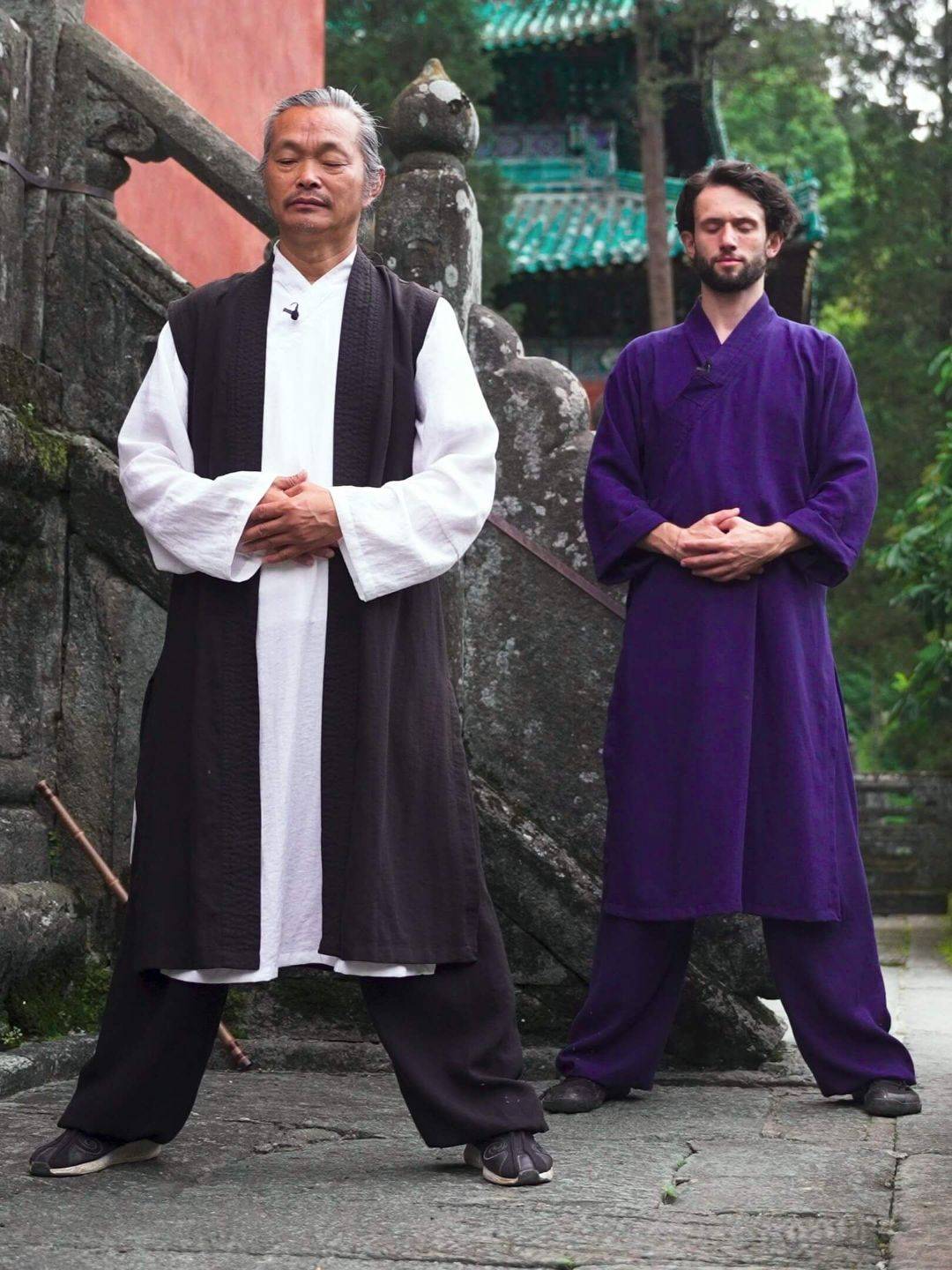
Rooting and grounding form the foundation of tai chi for stress. Stand with feet shoulder-width apart, knees slightly bent, and imagine roots growing from your feet deep into the earth. This simple posture immediately affects your nervous system, signalling safety and stability.
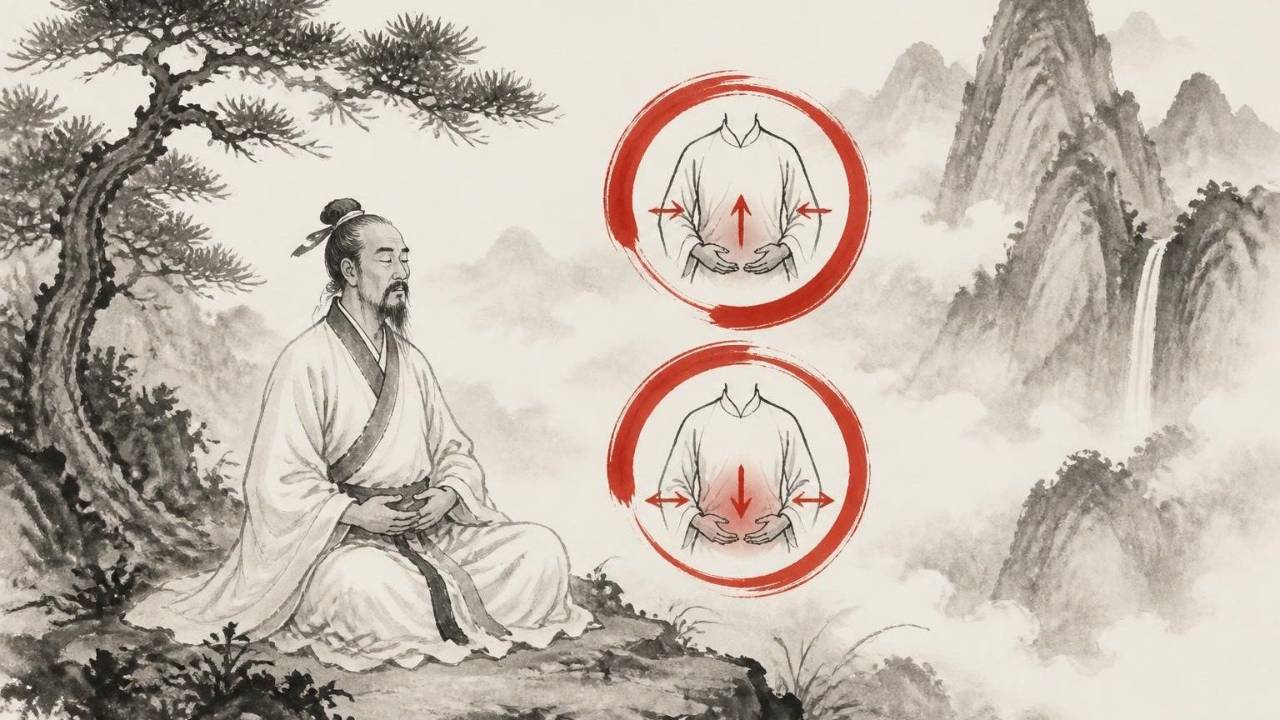
Breath coordination amplifies every movement's calming effect. Breathe slowly through your nose, allowing your belly to expand naturally. Let movements flow with your breath rather than rushing through forms. Each inhale gathers energy; each exhale releases tension. Our article on Effortless Tai Chi Breathing: Step by Step Guide, Exercises & Techniques walks through this coordination in more detail.
Mindful attention keeps you present with whatever arises. When thoughts about your stressful day intrude during practice, acknowledge them gently and return attention to your movement and breath. This mental training translates directly to daily life, helping you stay centred during challenging moments.
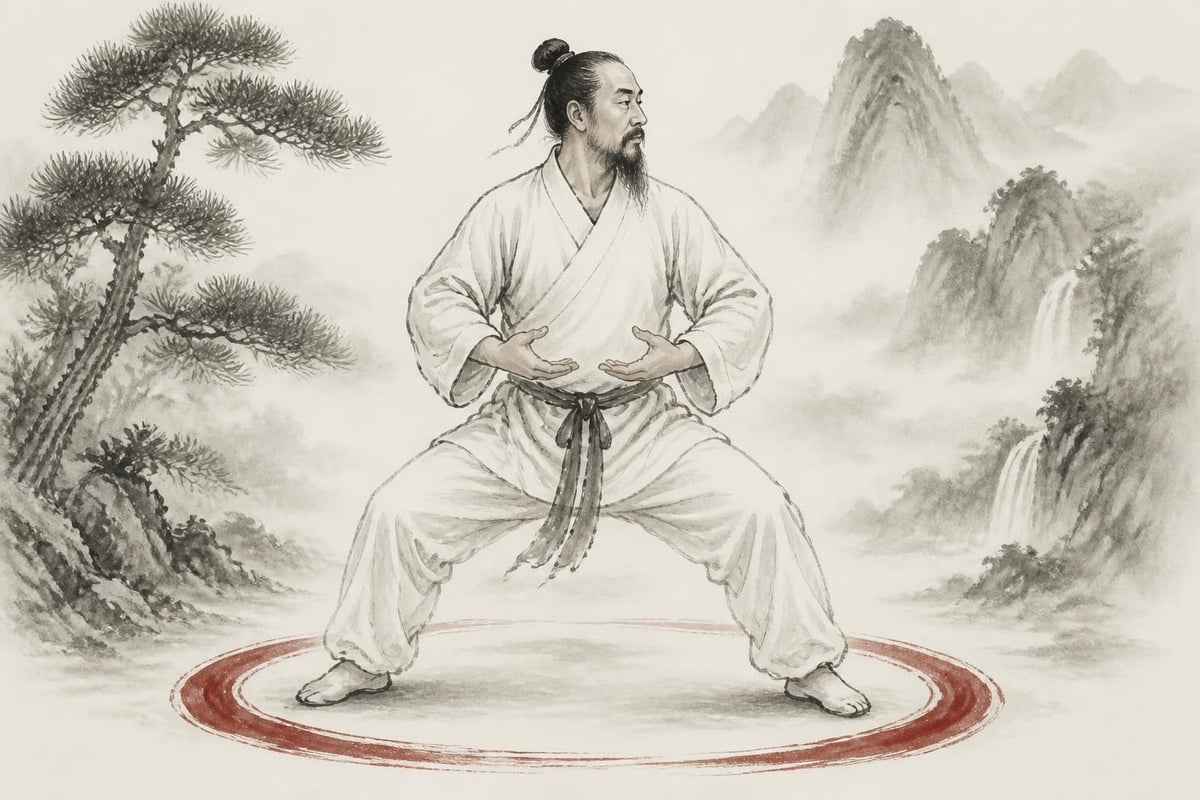
Many people find structured guidance helpful when starting their journey. Our free Taoist course offers an accessible introduction to authentic Wudang practices, covering Tai Chi, Qi Gong, Meditation, and Taoist Wisdom, allowing you to experience tai chi's stress-relieving benefits while building proper foundations with expert guidance.
Essential Tai Chi Movements for Daily Stress Management
Certain movements within our Wudang Tai Chi course prove particularly effective for stress relief. These forms can be practised individually when you need immediate centring or combined into a flowing sequence.
Wave Hands Like Clouds
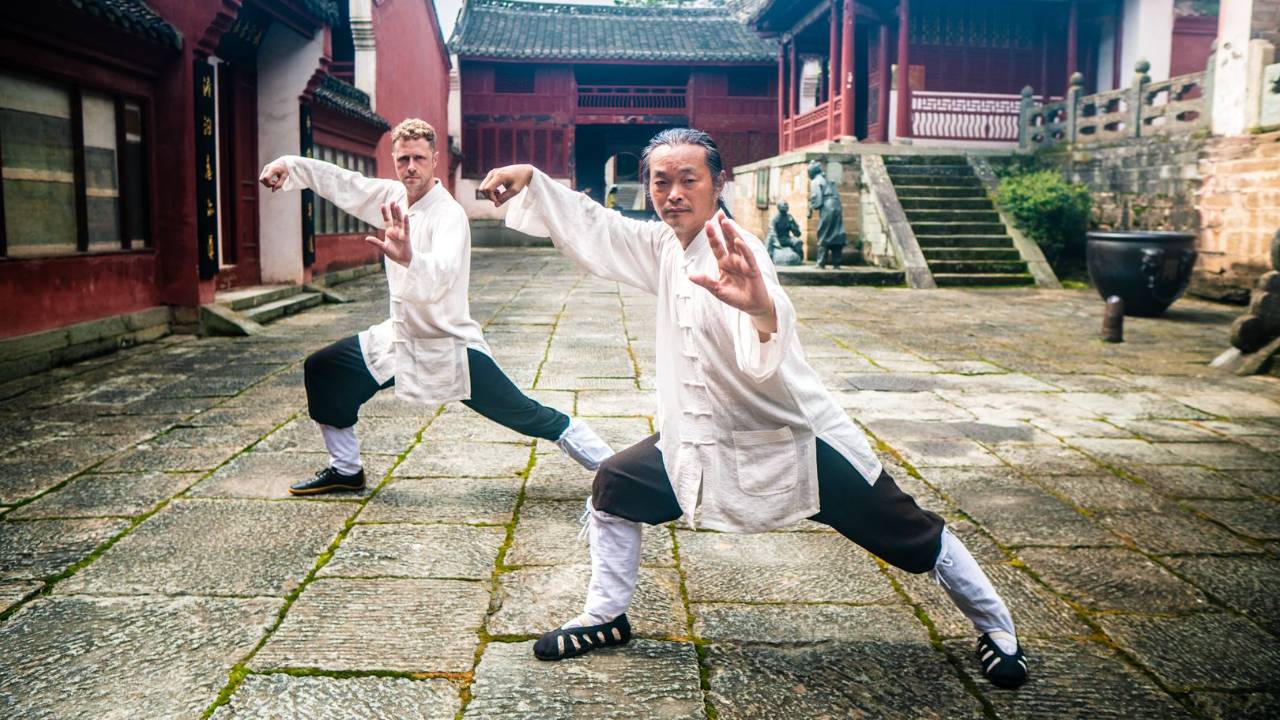
This fundamental movement embodies the flowing quality essential to tai chi for stress. Your arms move in gentle circles while your weight shifts smoothly from one leg to the other. The continuous, wavelike motion soothes your nervous system while the weight transfers ground excess mental energy.
Practise this movement whenever you feel overwhelmed. Even two or three minutes of "Wave Hands Like Clouds" can shift your state from anxious to centred.
Brush Knee and Push
This form combines forward and backward weight shifts with coordinated arm movements. The gentle twisting motion massages your internal organs while the shifting grounds you in your lower body. Many practitioners report feeling more stable and less reactive after practising this movement.
Opening and Closing Forms
Every tai chi session begins and ends with specific opening and closing movements. These transitions aren't mere formality; they mark the boundary between ordinary activity and meditative practice. The opening form signals to your nervous system that it's time to release the day's tension. The closing form integrates the practice's benefits, helping you carry that calm awareness forward.
Daily practice structure for stress relief:
- Opening form (2 minutes): Centre yourself and set intention
- Fundamental movements (5-7 minutes): Wave Hands, Brush Knee, or simple qigong
- Standing meditation (2 minutes): Simply stand and breathe, maintaining awareness
- Closing form (1 minute): Seal the practice and return to daily activities
Integrating Tai Chi Principles Throughout Your Day
The real power of tai chi for stress emerges when principles extend beyond formal practice sessions. Ancient Taoist teachers emphasised "carrying tai chi in daily life," applying the same qualities of presence, relaxation, and grounded awareness to ordinary activities.
Walking becomes tai chi when you move with attention to your body's natural rhythm. Feel your feet connect with the ground. Notice your breath. Let your shoulders drop and your spine lengthen. This simple shift transforms a commute or lunch break into stress-relieving practice.
Breathing becomes tai chi when you pause throughout the day to take three slow, deep breaths. These micro-practices accumulate, gradually retraining your nervous system's default settings.
Working becomes tai chi when you maintain awareness of your posture and tension levels. Every hour, scan your body. Release your jaw. Drop your shoulders. Root down through your sitting bones. These small adjustments prevent stress from accumulating.
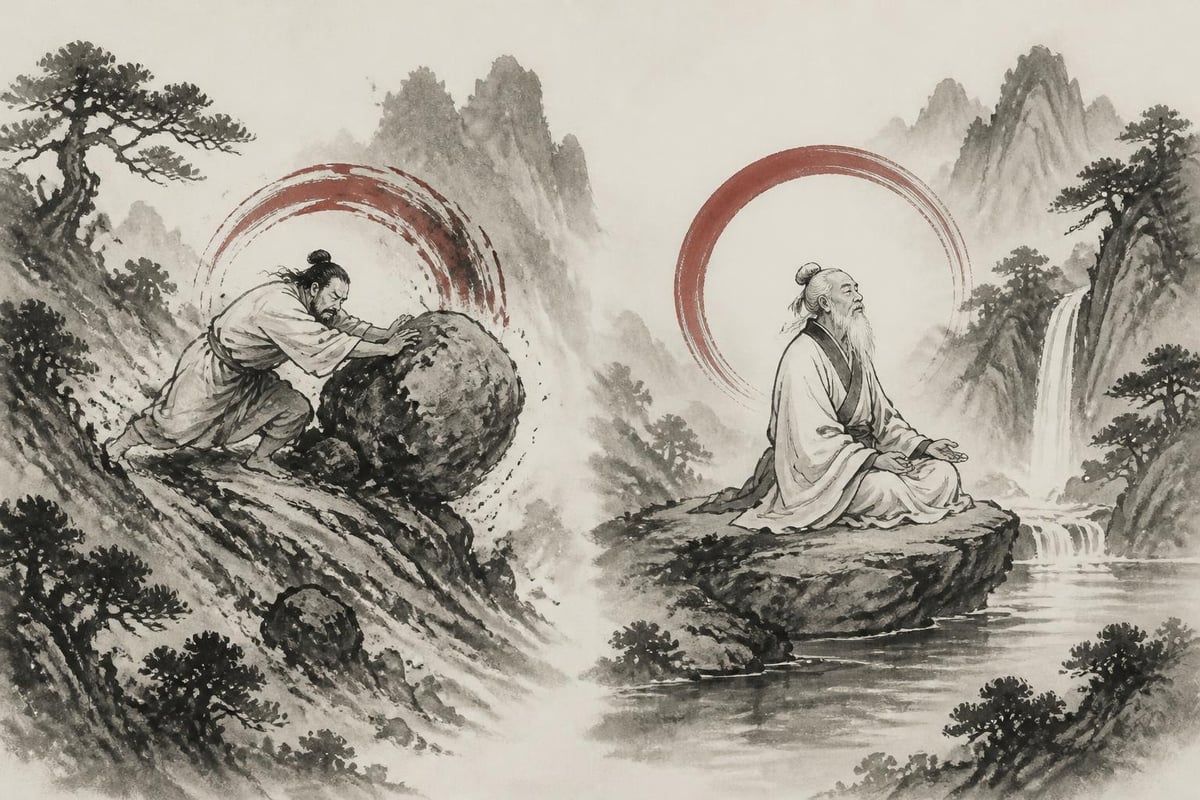
Our Taoist Philosophy course emphasises wu wei, often translated as "effortless action." This doesn't mean doing nothing; it means working with natural rhythms rather than forcing outcomes. When you apply this principle to stress, you stop fighting against difficult emotions or situations and instead learn to flow around obstacles like water.
Combining Tai Chi with Qigong for Deeper Stress Relief
While tai chi for stress offers profound benefits, combining it with qigong creates an even more comprehensive practice. Qigong focuses specifically on cultivating and moving qi (vital energy) through breathing exercises and simple movements. Where tai chi develops flowing sequences, qigong often emphasises stillness and subtle internal work.
| Practice Aspect | Tai Chi | Qigong |
|---|---|---|
| Primary focus | Flowing movement sequences | Energy cultivation and circulation |
| Movement style | Continuous, choreographed forms | Simple, often repeated movements |
| Ideal for | Active stress relief, coordination | Deep relaxation, energy restoration |
| Best timing | Morning or afternoon | Morning or before sleep |
| Learning curve | Moderate (learning sequences) | Gentle (simpler movements) |
Many practitioners find that morning qigong prepares them for the day ahead, while evening tai chi helps release accumulated tension. This complementary approach addresses stress from multiple angles, working with both your energy system and your physical structure.
The Wudang tradition teaches specific qigong practices for calming the shen (spirit). When your mind races with anxious thoughts, these practices help settle mental activity without suppression. You're not trying to stop thinking; you're creating spaciousness around thoughts so they lose their grip on your attention.
Building a Sustainable Practice That Grows With You
The journey with tai chi for stress unfolds gradually. Initial benefits often appear within weeks: better sleep, reduced muscle tension, improved mood. Deeper transformations require patience and consistent practice measured in months and years.
First month expectations:
- Improved body awareness and posture
- Temporary stress relief during and after practice
- Better sleep quality
- Introduction to fundamental movements
Three to six months:
- Noticeable reduction in baseline stress levels
- Ability to stay calmer in challenging situations
- Deeper understanding of basic forms
- Physical benefits like improved balance and flexibility
One year and beyond:
- Significant transformation in stress response patterns
- Developed ability to self-regulate emotions
- Integration of tai chi principles into daily life
- Interest in exploring deeper aspects of practice
Many students initially approach tai chi seeking stress relief but discover something more profound. The practice becomes a path of self-cultivation, connecting them with ancient wisdom while addressing modern challenges. Master Gu's teachings emphasise this broader perspective, showing how tai chi serves not just as exercise but as a complete system for harmonising body, mind, and spirit.
Common Challenges and How to Navigate Them
Starting any new practice presents obstacles. Understanding common challenges helps you move through them rather than giving up when difficulties arise.
"I don't have time" ranks as the most frequent excuse. Yet tai chi for stress doesn't demand hours daily. Ten focused minutes surpass an hour of distracted practice. Start small. Protect that time as sacred. As benefits accumulate, you'll naturally want to practise more.
"I'm not flexible enough" misunderstands tai chi's nature. The Wudang approach emphasises natural movement within your current range of motion. Flexibility develops gradually as tension releases. You don't need flexibility to begin; you develop it through practice.
"I can't quiet my mind" reflects a common misconception. Tai chi doesn't require a blank mind. The flowing movements actually give your active mind something to focus on, creating calm through engagement rather than forced stillness.
"I'm not doing it right" causes many beginners to quit prematurely. Perfect form takes years to develop. What matters initially is showing up consistently, moving with awareness, and gradually refining your practice. Our community provides support and guidance as you progress, helping you develop properly while avoiding common pitfalls.
Progress isn't linear. Some days practice flows easily; other days feel awkward and frustrating. Both experiences teach important lessons. The challenging days develop perseverance and self-compassion, qualities as valuable as stress relief itself.
Creating Your Personal Stress-Relief Routine
While learning traditional forms provides essential foundation, personalising your practice makes it sustainable long-term. Notice which movements most effectively shift your state. Some people find grounding forms particularly helpful; others prefer flowing, expansive movements.
Morning practice sets your tone for the day. Even five minutes of gentle movement and breathing before checking your phone creates a buffer of calm that influences everything that follows. Consider this time as preventive medicine, establishing resilience before stress arrives.
Midday reset interrupts the stress accumulation that builds during busy days. When tension rises, step away for three to five minutes of simple tai chi movements. This brief intervention prevents minor stress from compounding into overwhelm.
Evening unwinding helps your nervous system shift from activity to rest. Gentle, flowing movements release physical tension while signalling your body that the workday has ended. This transition practice significantly improves sleep quality.
Weekend depth practice allows longer sessions when time permits. Dedicate thirty minutes to an hour for exploring forms more fully, combining tai chi with qigong and meditation. These extended practices deepen your understanding and accelerate your progress.
Your routine will evolve as your needs and practice develop. Stay flexible, adjusting timing and emphasis based on what serves you best in each season of life.
The Deeper Journey Beyond Stress Relief
As your practice matures, stress relief becomes just one benefit among many. Tai chi for stress opens doors to broader questions about how you want to live, what truly matters, and how to cultivate genuine wellbeing rather than merely managing symptoms.
The Taoist framework underlying Wudang tai chi offers a complete philosophy for harmonious living. Concepts like yin and yang balance, the five elements, and natural cycles provide perspective on modern challenges. Stress often arises from swimming against life's natural flow. These teachings help you recognise and align with deeper patterns.
Physical health improvements often surprise practitioners. Regular tai chi practice strengthens your immune system, improves cardiovascular function, enhances balance and coordination, and supports healthy ageing. These benefits compound over time, contributing to overall vitality and resilience.
Mental clarity and emotional stability deepen as practice continues. The self-awareness developed through tai chi helps you recognise habitual patterns that create unnecessary suffering. You begin seeing your thoughts and emotions with more objectivity, less identified with every passing mood.
Many practitioners describe feeling more connected after practising tai chi regularly. Connected to their bodies, to natural rhythms, to other people, and to something larger than themselves. This sense of connection itself reduces stress by dissolving the isolation and separation that modern life often creates.
Tai chi for stress offers a time-tested path toward balance in our demanding world, combining gentle movement, breath awareness, and ancient wisdom to address stress at its roots. By developing a consistent practice, you cultivate lasting resilience that extends far beyond temporary relief. Taoist Wellness Online provides authentic Wudang teachings under Master Gu's expert guidance, offering comprehensive courses, live sessions, and a supportive community to help you deepen your practice and discover the transformative power of these ancient arts in your daily life.