Different Types of Tai Chi: A Complete Style Guide
Nov 05, 2026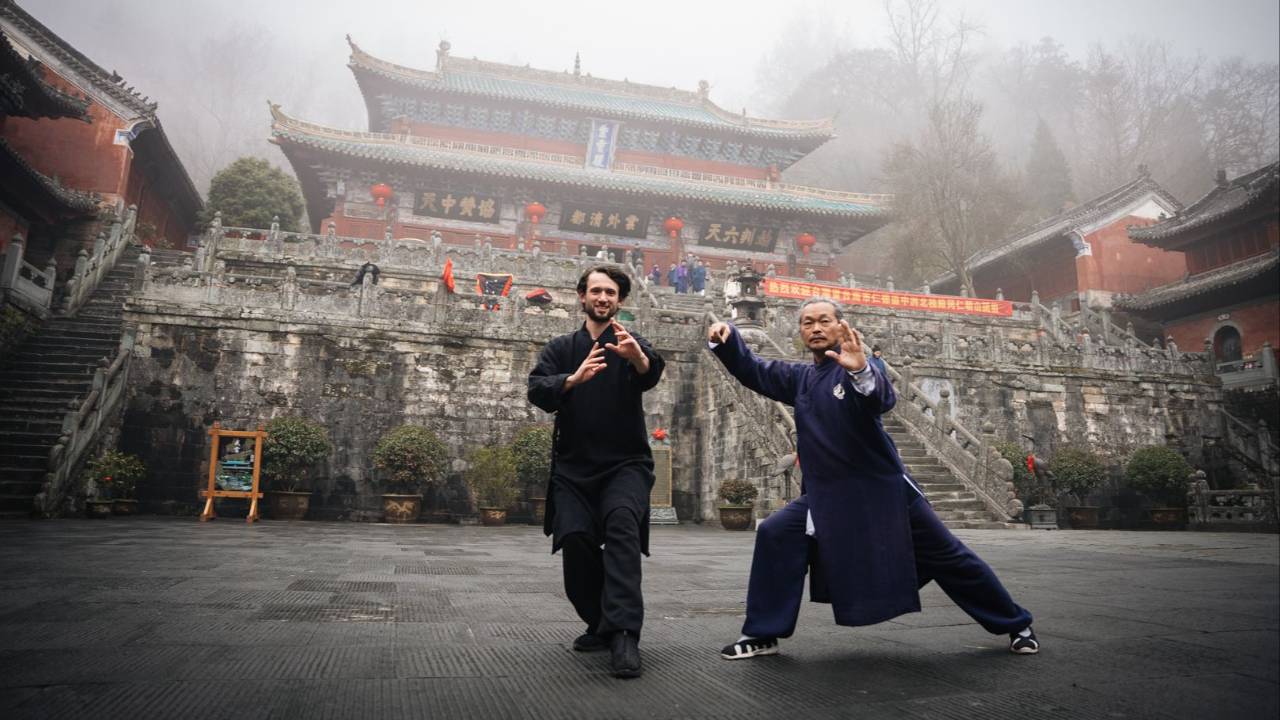
When you step into the world of tai chi, you soon discover it is not a single practice but a rich collection of styles, each with its own character and history. Knowing the different types of tai chi can help you choose a path that suits your body, your goals and your interests. Whether you want gentle movement, a closer look at tai chi's martial roots, or a practice grounded in Taoist philosophy, it helps to know the landscape.
A note before we begin: at Taoist Wellness Online we teach Wudang Tai Chi only. We do not teach Chen, Yang, Wu, Sun or Hao styles, the 24-form or competition forms, and we do not teach martial applications, partner work or self-defence. This guide is here to help you understand the wider world of tai chi, including where Wudang Tai Chi fits.
The Five Traditional Family Styles
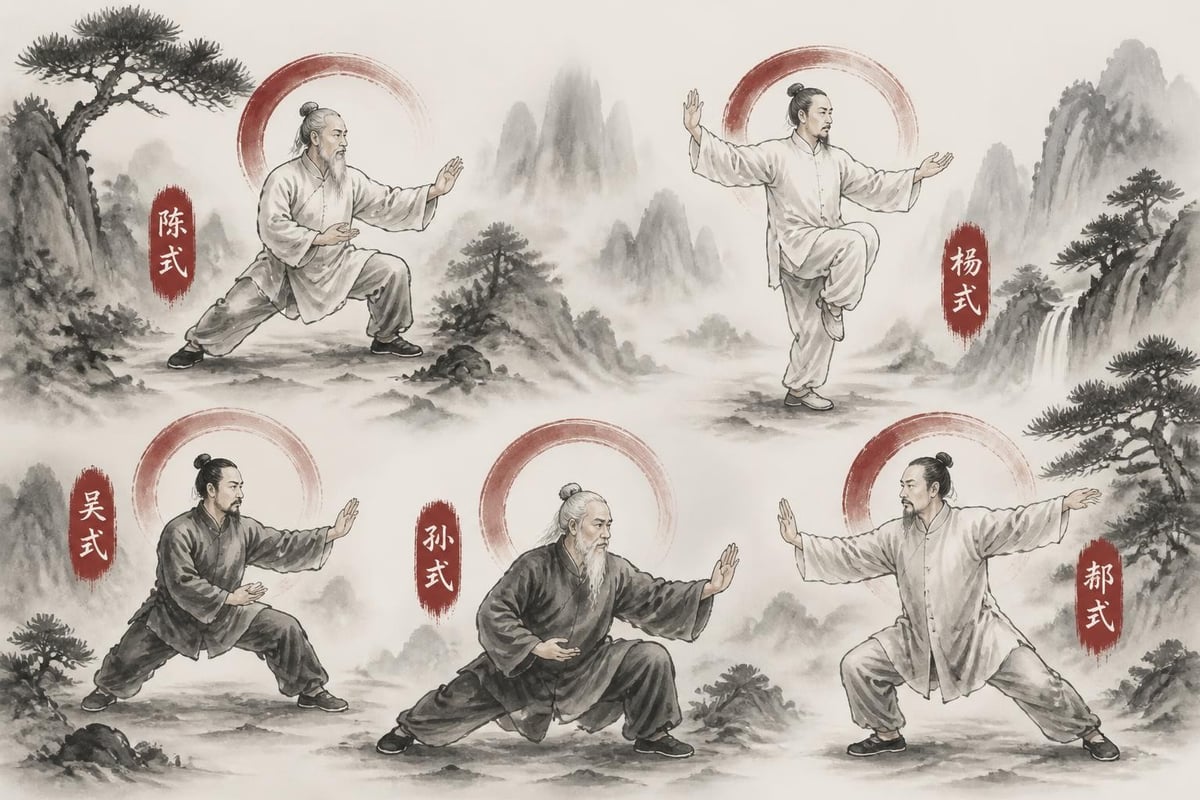
Many of the different types of tai chi trace back to family lineages in China, each developing its own character over generations. These five are generally described as the major traditional family styles. The dates below are commonly cited, and historians sometimes differ.
Chen Style: The Oldest Documented Lineage
Chen style is generally considered the oldest documented tai chi lineage, from Chen Village in Henan Province, and is commonly dated to the 17th century. It mixes slow, flowing movements with faster, more forceful ones.
Key characteristics include:
- Alternating slow and fast movements
- Low stances
- Visible bursts of power
- Spiralling movements through the body
- Stamping and jumping in some advanced forms
Chen style appeals to people with an interest in tai chi's martial roots. It is physically demanding, so it is usually better suited to those who already have a good level of fitness.
Yang Style: The Most Widely Practised
Yang style is commonly said to have developed in the 19th century, when Yang Luchan, who studied in Chen Village, adapted the art for wider teaching. Today it is among the most widely practised styles in the world, known for smooth, evenly paced movement and moderate stances.
This style emphasises:
- A consistent, flowing tempo
- Medium to high stances
- Gentle, continuous movement
- Relaxation throughout the form
Because it is so popular, Yang style is also the style most often mentioned in tai chi research, simply because many studies use it.
Wu Style: The Compact Expression
Wu style (often called Wu Jianquan style) is commonly described as developing from Yang style in the late 19th century. It has a distinct character of its own.
- Compact, economical movements
- A slight forward lean in many postures
- Close, controlled stances
- Emphasis on precision over large, sweeping movement
Its smaller frame makes it practical in limited space, and it appeals to people who enjoy fine detail.
Sun Style: The Flowing Integration
Sun style is generally considered the youngest of the five, created by Sun Lutang in the early 20th century. Sun is said to have combined tai chi with bagua and xingyi, giving the style its own footwork.
- Agile stepping, following a retreat with an advance
- Higher stances than most other styles
- Smooth, continuous transitions
Hao Style: The Lesser-Known Lineage
Hao style (also called Wu Yuxiang style) is the least widespread of the five. It is known for very compact movement and fine detail, and it is mostly taught within traditional lineages.
| Style | Commonly dated | Movement character | Stance height |
|---|---|---|---|
| Chen | 17th century | Slow and fast, with bursts of power | Low to medium |
| Yang | 19th century | Smooth and even | Medium to high |
| Wu | Late 19th century | Compact and precise | Medium |
| Sun | Early 20th century | Agile and flowing | Higher |
| Hao | 19th century | Small and precise | Medium to high |
Simplified and Standardised Forms
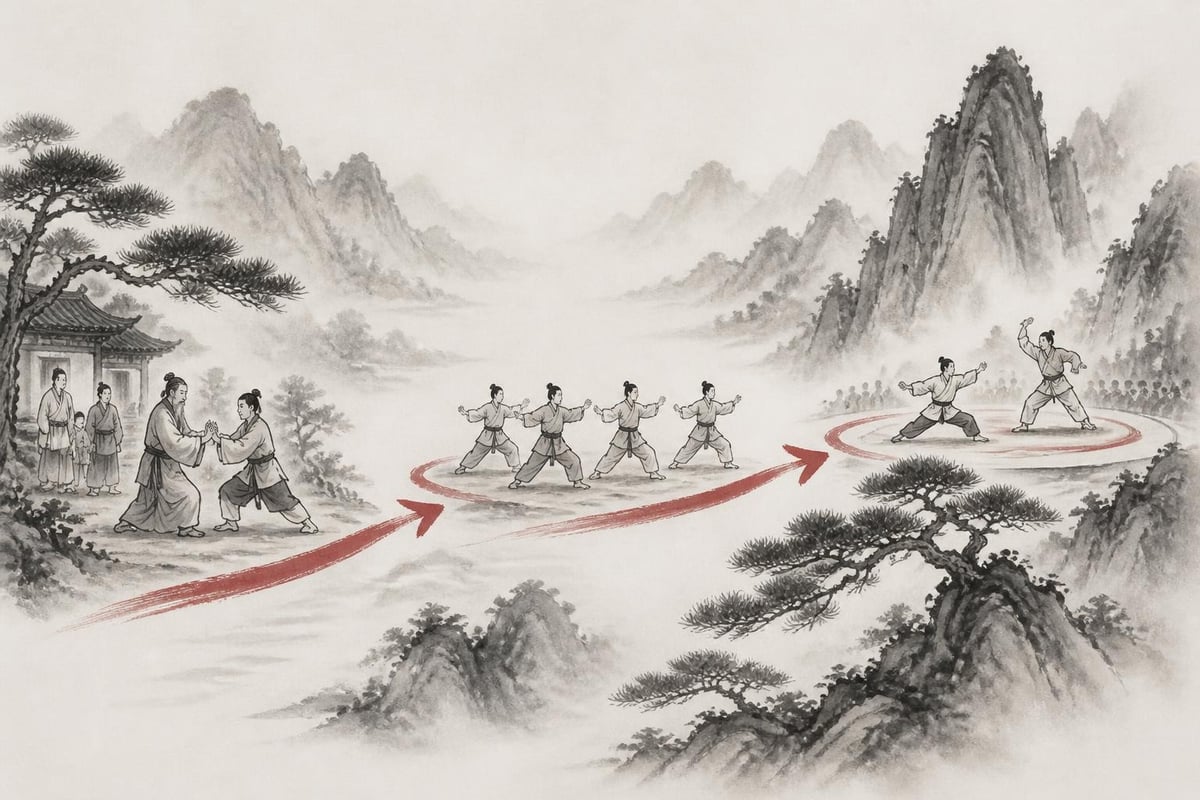
In the 20th century, several shorter forms were created to make tai chi easier to learn and teach.
The 24-Form
The 24-form, commonly dated to 1956, was created by the Chinese Sports Commission as a shorter sequence based on Yang style. It takes only a few minutes to complete, and it became widely used as a public exercise in China and beyond. Many studies of tai chi use it, partly because it is so standardised.
Some traditional practitioners feel simplified forms lose some of the depth of the older styles. Others point out that they have introduced millions of people to tai chi.
Competition Forms
Later in the 20th century, standardised competition forms were developed for demonstrations and tournaments. They blend elements from several traditional styles and place more emphasis on how a form looks when performed.
Wudang Tai Chi: The Mountain Tradition
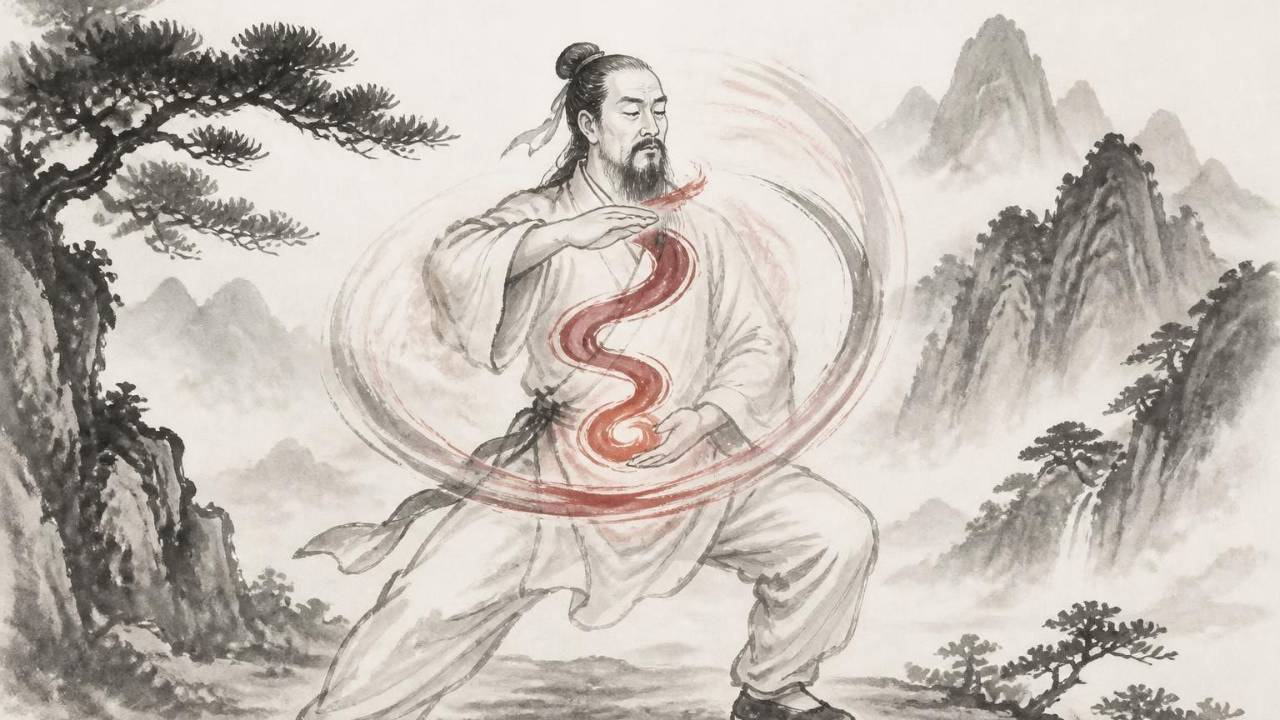
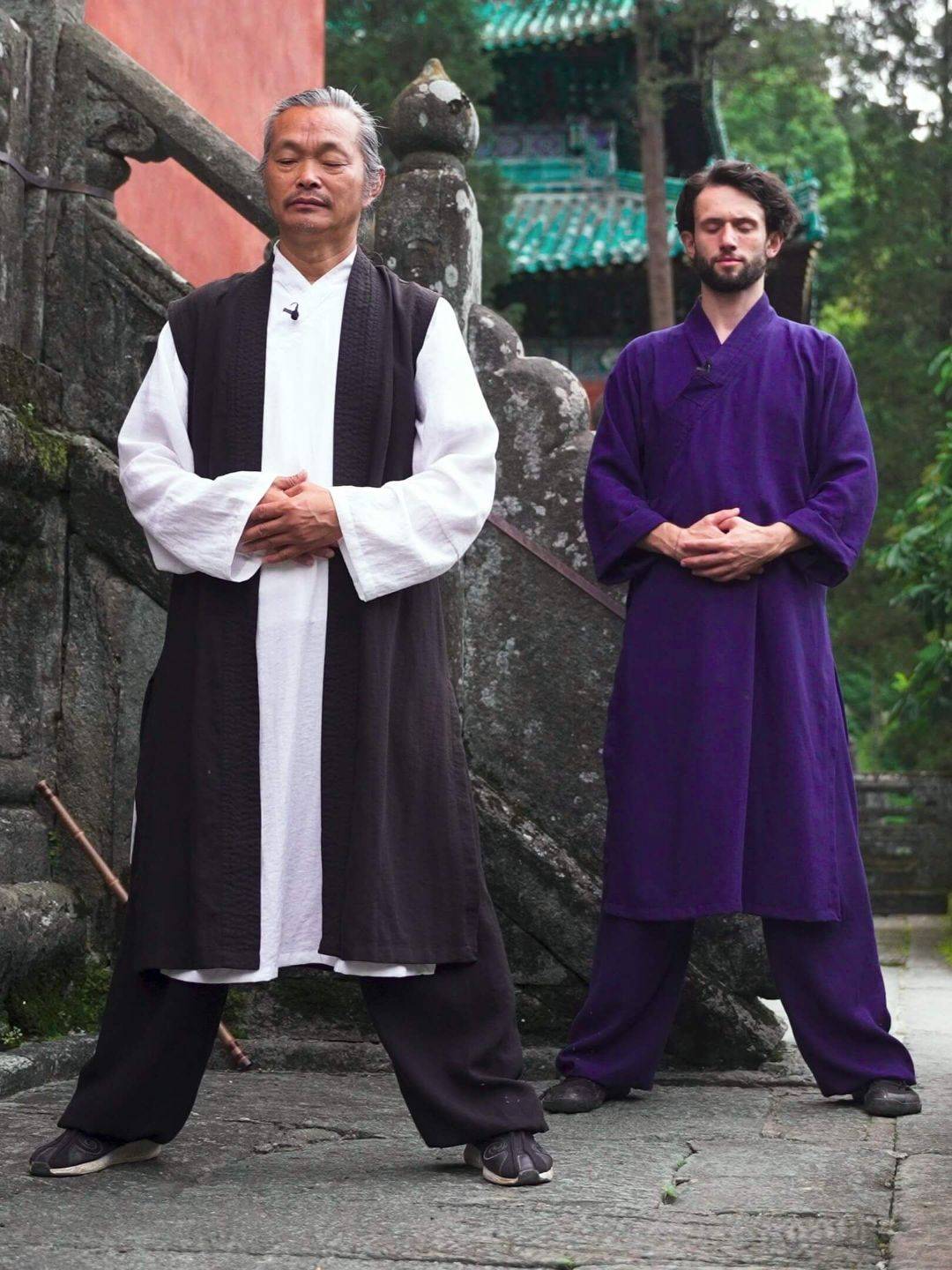
Alongside the five family styles, the Wudang Mountain tradition is an important lineage, rooted in Taoist practice. Wudang Tai Chi is taught as part of a wider Taoist approach, which includes breathing, meditation and philosophy.
Wudang forms are known for:
- A close connection to Taoist meditation
- Links with qi gong and other Taoist practices
- Slow, relaxed and natural movement
- Learning within a teacher-student tradition
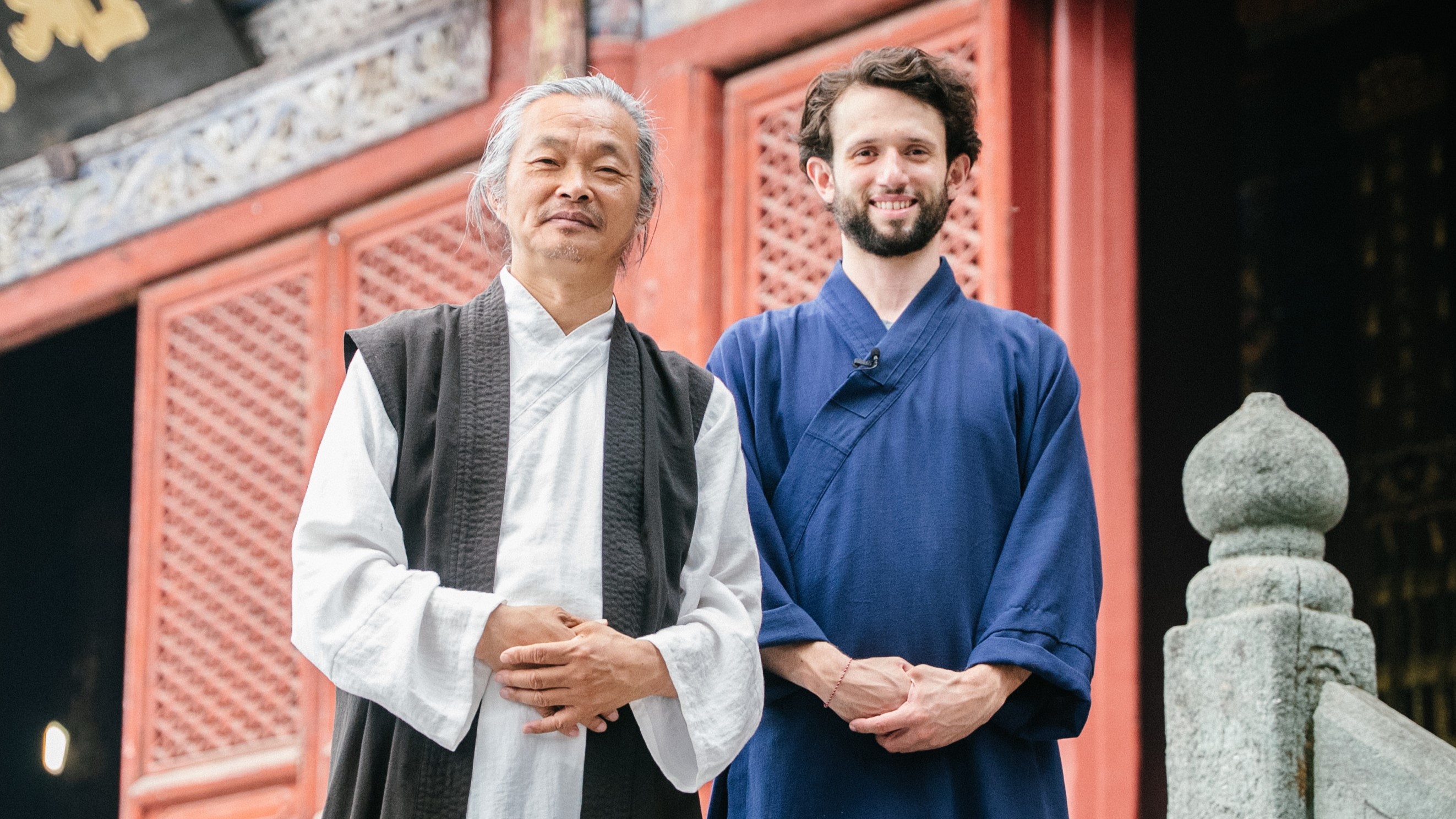
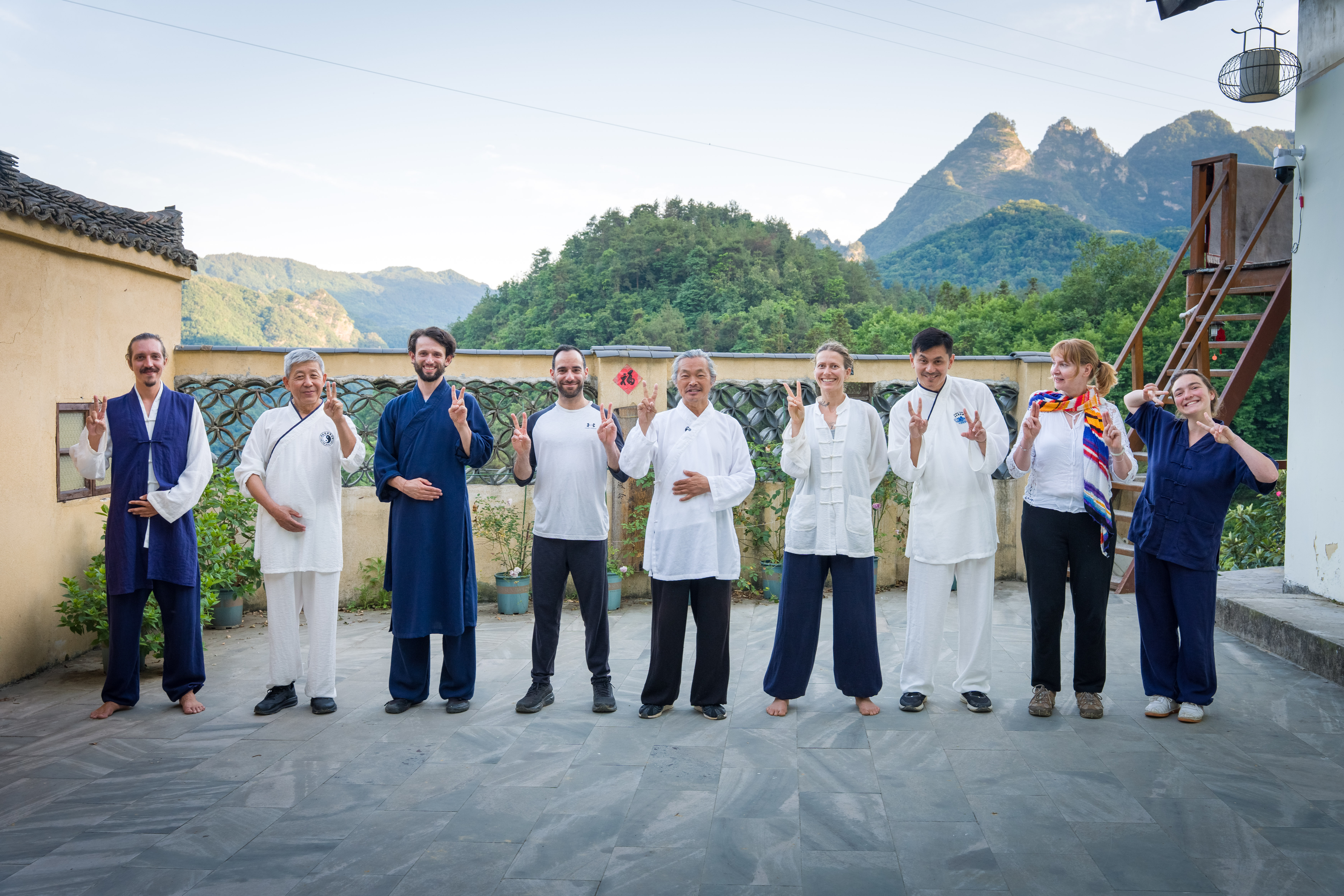
This is the style we teach. Our teacher Master Gu, a 15th-generation San Feng Pai Wudang Taoist Master with 25+ years of teaching experience, leads our Tai Chi course. You can read about one of the forms in our guide to the Wudang Tai Chi 8 Form.
If you would like a feel for what Wudang Tai Chi looks like, this short film from George Thompson shows several Wudang forms, filmed in the Wudang Mountains.
Online learning has real strengths, such as following lessons at your own pace and revisiting them. It cannot physically correct your posture, so go gently and stay within what feels comfortable.
Choosing the Right Style for Your Journey
With so many different types of tai chi, how do you choose? A good answer depends on your goals, your interests and what is available to you.
Please check with your healthcare professional before starting any new exercise, especially if you have balance concerns, pain or a long-term condition. Stop and rest if you feel dizzy, unwell or in pain.
Consider Your Body and Comfort
- If you prefer gentle, upright movement: many people find styles with higher stances more comfortable
- If you are fit and enjoy a challenge: some people are drawn to styles with lower stances and faster sections
- If you have balance, joint or other health concerns: speak to your healthcare professional first, and consider practising near a wall or sturdy chair
Think About Your Intentions
For calm and relaxation:
- Slow, flowing forms
- Wudang forms, which include Taoist meditation
- Any style practised with mindful attention
For an interest in tai chi's history and martial roots:
- Chen style and other traditional family styles
- Study with a teacher of that style (this is not something we teach)
For Taoist philosophy and meditation:
- The Wudang tradition, which sits within Taoist practice
For gentle, regular movement:
- Any style practised consistently
- Shorter forms for ease of learning
Access and Learning Resources
- Local availability: which styles do teachers near you offer?
- Online learning: online lessons can bring a style to you wherever you are
- Community: practising with others can help you stay motivated
- Teacher: a teacher you trust and enjoy matters more than finding a "perfect" style
If you would like to try our approach first, our free Taoist course is a good place to start.
What the Research Says
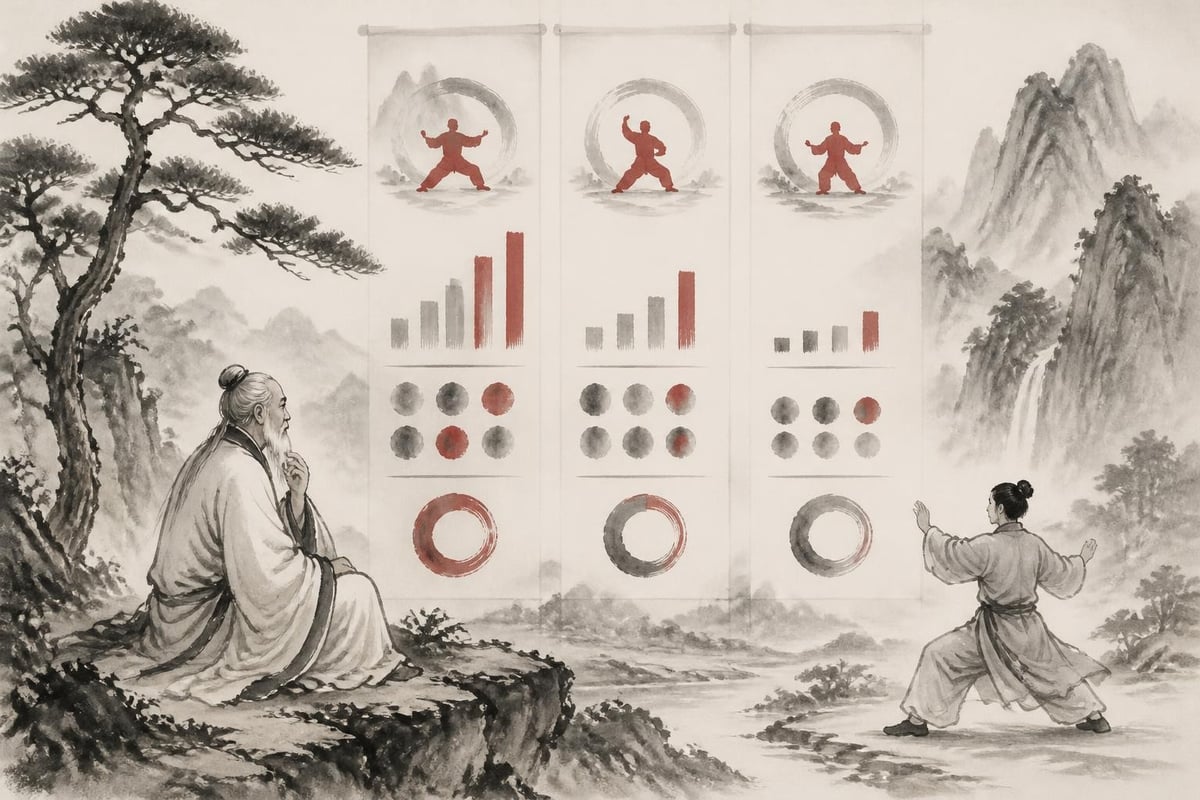
Research into tai chi has grown in recent years. Most studies look at tai chi in general, or at one popular style, rather than comparing styles directly, so they do not show that one style is better than another.
What Some Studies Report
Reviews of tai chi and qi gong research report associations with:
- Better balance in older adults
- Feeling calmer and more relaxed
- Sleep quality
- General wellbeing
Results vary from person to person. Tai chi can sit alongside, but should not replace, professional healthcare. If you are dealing with ongoing stress, anxiety or low mood, please also speak to your GP or a qualified professional.
Style-Specific Effects
Because Yang style and the 24-form are used so often in research, they appear most in studies. That does not mean they are "better", only that they are more studied.
Many teachers feel that enjoying your practice matters more than which style you choose. People who enjoy what they do tend to practise more regularly, and regular practice is what makes the difference.
The Integration Advantage
In the Wudang tradition, tai chi is practised alongside qi gong, meditation and Taoist philosophy. Many people find that the practices complement each other. Movement builds body awareness that can make meditation easier, and meditation can bring a quieter mind to movement. If you would like to explore qi gong, our Qi Gong course is a good place to look.
Modern Adaptations and Fusion Styles
As tai chi has spread around the world, new variations keep appearing. Some combine different styles, and others pair tai chi with modern fitness or movement approaches.
- Programmes adapted for older adults
- Blends with yoga or Pilates-style movement
- Short sequences for the workplace
- Forms designed for particular groups
Innovation keeps practices accessible, while older styles carry generations of refinement. There is value in both, depending on what you are looking for.
Beginning Your Practice
Understanding the different types of tai chi helps you choose, but the best style is usually the one you will actually practise.
- Explore by watching videos of different styles to see what appeals
- Choose a teacher or course you trust, rather than waiting for the "perfect" match
- Practise regularly for a few months before judging how it feels
- Stay curious about the principles beneath the movements
- Connect with others who are learning, for support and shared ideas
Tai chi is not about perfect form or mastering complicated sequences. It is about slowing down, relaxing and paying attention, one movement at a time.
The different types of tai chi offer many paths, from traditional family styles to simplified modern forms. If you are drawn to the Wudang tradition, Taoist Wellness Online offers Wudang Tai Chi alongside qi gong, meditation and Taoist philosophy with our teacher Master Gu.
Related reading