Qi Gong: Ancient Practice for Modern Wellness
Sep 24, 2026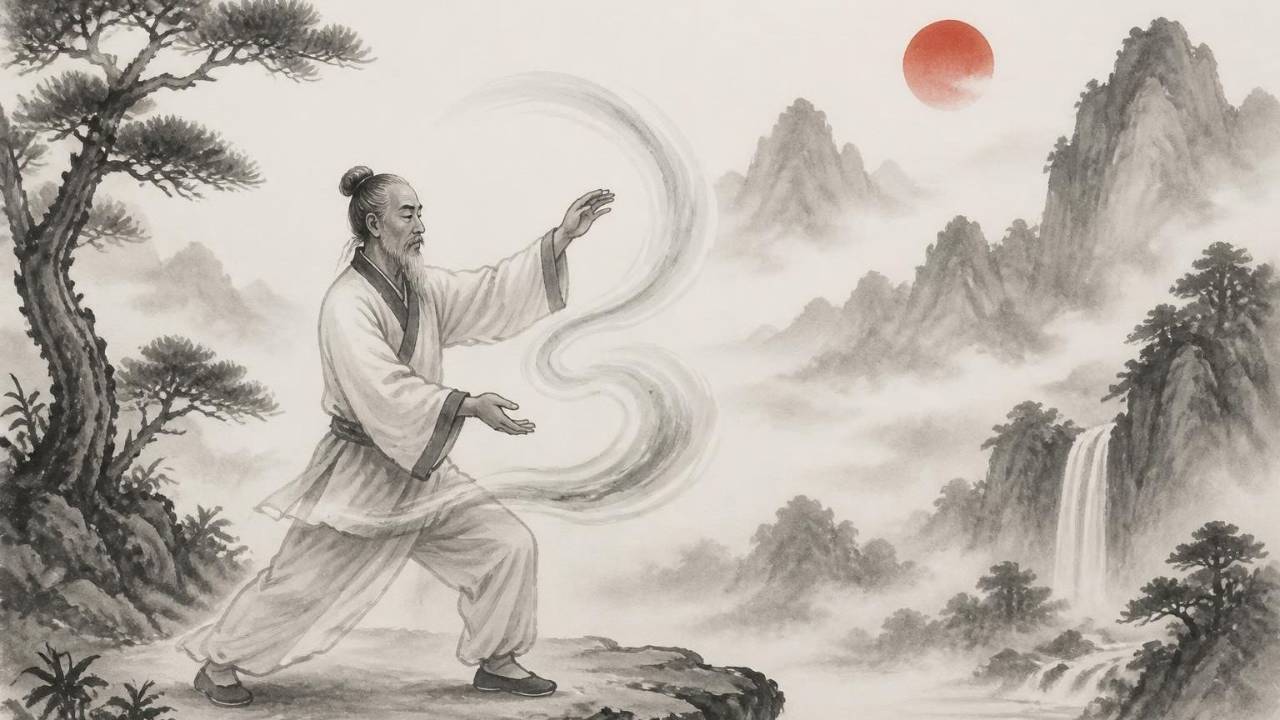
Qi gong is more than exercise. It's a living bridge between ancient Taoist wisdom and modern wellness, a practice that invites you to reconnect with your body's natural energy and restore balance in your daily life. Rooted in thousands of years of Chinese tradition, this gentle yet powerful art combines movement, breath, and intention to cultivate what the Taoists call "qi" (pronounced "chee"), your vital life force. Whether you're seeking relief from stress, better physical health, or a deeper sense of calm, qi gong offers a practical, accessible path that meets you exactly where you are.
What Qi Gong Actually Is
At its heart, qi gong is the practice of cultivating and directing your body's vital energy. The name itself tells the story: "qi" means life force or vital energy, while "gong" means work or cultivation. Together, they describe the patient, mindful work of strengthening and harmonising the energy that flows through you.
Unlike high-intensity workouts, qi gong works with your body's natural rhythms. The movements are slow, deliberate, and gentle, making them accessible to people of all ages and fitness levels. You don't need special equipment, athletic ability, or prior experience. What you need is willingness to pause, breathe, and turn your attention inward.
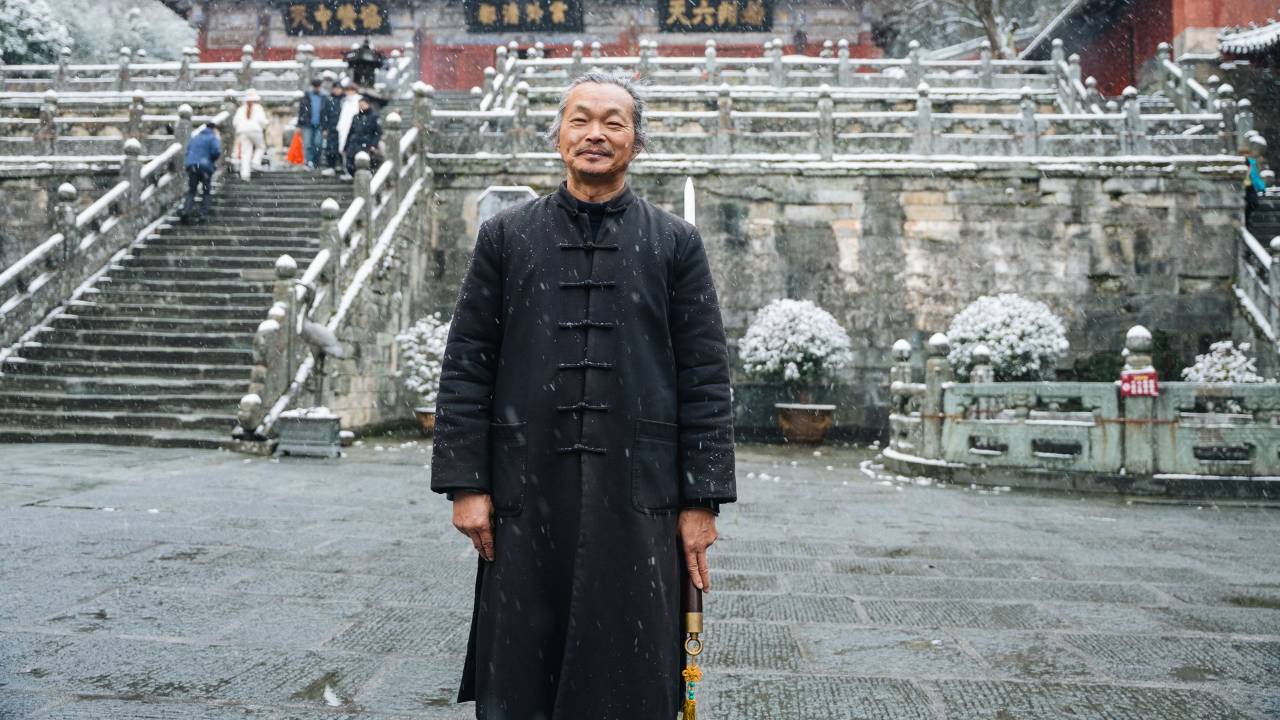
Master Gu explains exactly what this vital energy is in the video below.
The Three Pillars of Practice
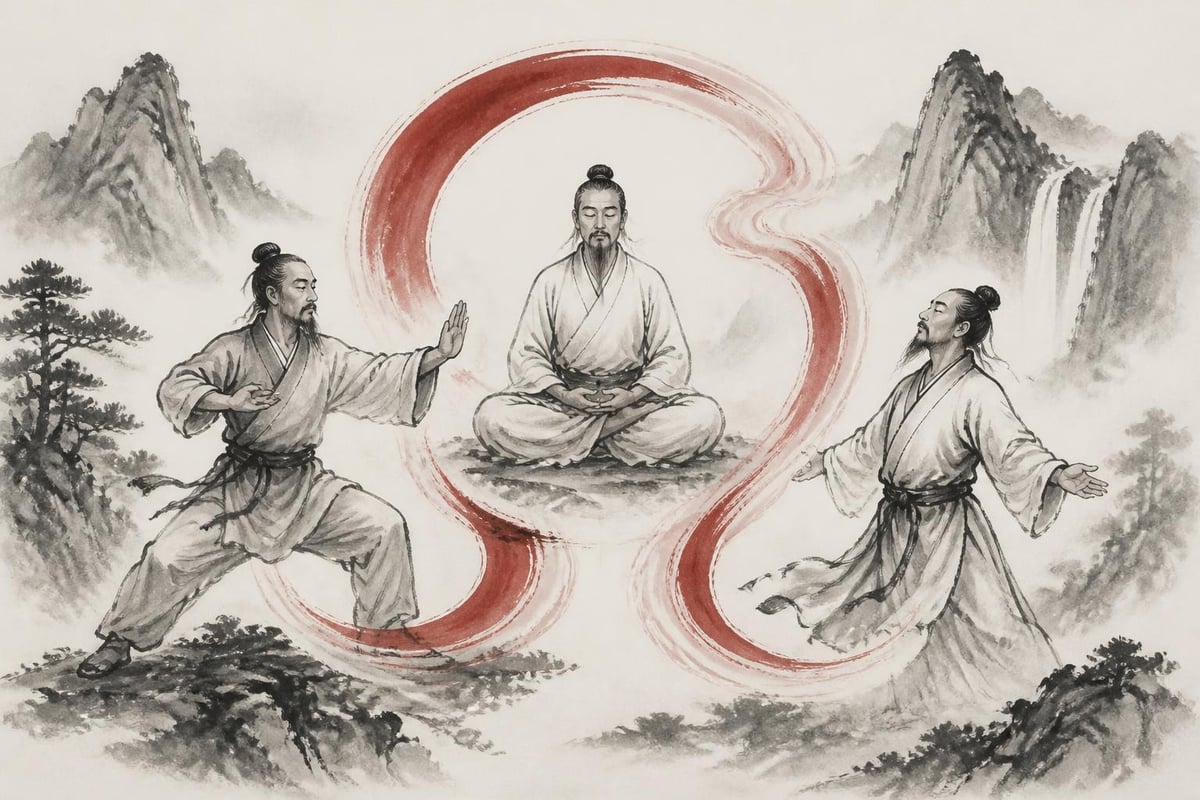
Every qi gong session rests on three foundational elements that work together:
- Movement: Flowing, coordinated gestures that open channels of energy throughout your body
- Breath: Deep, natural breathing that oxygenates your system and calms your nervous system
- Intention: Focused awareness that directs energy and deepens the mind-body connection
When these three elements align, something shifts. Your body begins to release tension it's been holding. Your mind finds stillness. Your energy starts to flow more freely.
The Origins and Tradition
Qi gong emerged from Taoist monasteries in China, where monks and practitioners developed these methods over thousands of years. They observed nature, studied the body's energy pathways, and refined practices that would promote longevity, health, and spiritual insight.
The Wudang Mountains became one of the most important centres for this knowledge. Here, masters passed down authentic forms through direct transmission, teacher to student, generation after generation. This lineage preserved not just the movements, but the deeper principles and energetic understanding that make qi gong transformative.
| Aspect | Traditional Qi Gong | Modern Adaptations |
|---|---|---|
| Teaching method | Direct lineage transmission | Often self-taught or group classes |
| Forms | Preserved ancient sequences | Sometimes modified or simplified |
| Context | Part of broader Taoist practice | Often practised standalone |
| Depth | Includes energetic principles | May focus mainly on movement |
Working with someone who learned from an authentic Wudang master ensures you receive the complete practice, not a watered-down version. The difference lies in understanding not just what to do, but why, and how the energy actually moves.
How Qi Gong Benefits Your Body
The physical benefits of qi gong are both immediate and cumulative. You might notice changes after your first session, while deeper transformations unfold over weeks and months of consistent practice.
Stress Reduction and Nervous System Regulation
Qi gong has been shown to effectively reduce stress by shifting your nervous system out of fight-or-flight mode. The slow movements and deep breathing activate your parasympathetic nervous system, the rest-and-digest state where healing happens.
When you practise regularly, your body learns to return to calm more easily. Stress stops accumulating the way it used to. You develop resilience.
Pain Relief and Physical Function
For people dealing with chronic discomfort, particularly in the lower back, qi gong can offer meaningful relief. The gentle movements don't strain or force. Instead, they gradually restore mobility, strengthen supporting muscles, and improve circulation to areas that need attention. As with any new movement practice, it's worth checking with your healthcare provider first, particularly if you have an existing condition.
Common physical improvements include:
- Reduced muscle tension and stiffness
- Better balance and coordination
- Increased flexibility without stretching hard
- Improved circulation and lymphatic drainage
- Stronger core stability
- Better posture and body alignment
Energy and Vitality
Perhaps the most striking benefit is how qi gong restores your energy. Not the jittery buzz of caffeine, but a calm, sustainable vitality that carries you through your day. Many people find they sleep better, wake more refreshed, and handle daily demands without depleting themselves.
Mental and Emotional Wellness
Qi gong doesn't separate body from mind. As you move and breathe, you're also cultivating mental clarity and emotional balance.
The practice creates space between you and your thoughts. That constant mental chatter quiets down. You become more present, less caught up in worry about the future or regret about the past.
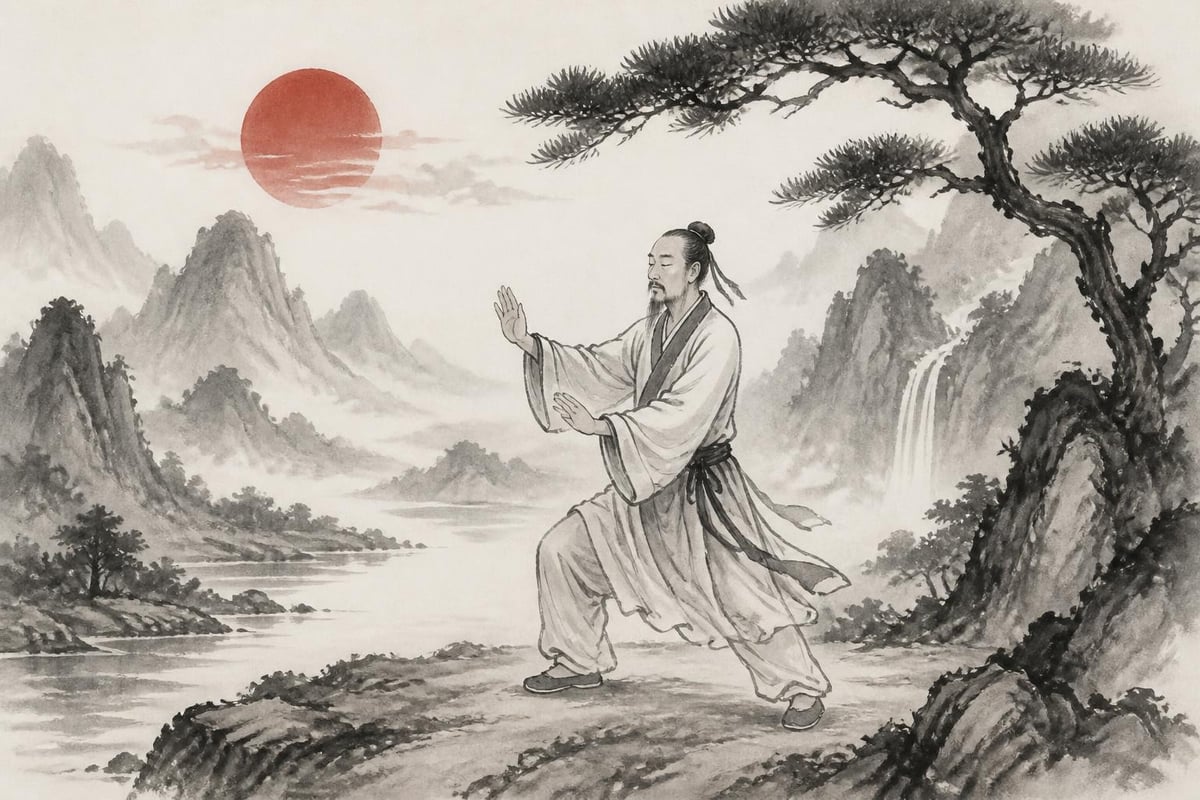
Building Inner Calm
Regular practice rewires your response to stress. Instead of immediately reacting to difficult situations, you find yourself pausing, breathing, responding from a centred place. This isn't about suppressing emotions, it's about not being controlled by them.
The breath work especially helps with anxiety. Deep, slow breathing can shift your body's stress response, helping reduce tension and support a calmer state.
Focus and Concentration
In a world of constant distraction, qi gong trains your attention. Each movement requires presence. You notice how your body feels, where your breath is, what's happening right now. This cultivated awareness carries into the rest of your life, improving focus at work, deeper listening in relationships, and greater enjoyment of simple moments.
Starting Your Qi Gong Journey
Beginning a qi gong practice is simpler than you might think. You don't need to master complex philosophy or achieve perfect form right away. Start where you are.
What You Need
The beauty of qi gong lies in its simplicity:
- Comfortable clothing that doesn't restrict movement
- A small space where you can extend your arms
- 10-15 minutes of undisturbed time
- Patience with yourself as you learn
- Consistency over intensity
That's it. No expensive equipment, no gym membership, no special facilities.
Finding Authentic Instruction
While you can learn basic movements from videos, working with qualified instruction makes an enormous difference. Qi gong is subtle. Small adjustments in posture, breathing, or intention completely change the effect.
The Wudang tradition offers particularly rich and complete forms. These aren't just exercises, they're energy cultivation methods refined over centuries. Our Qi Gong course gives you access to this depth, drawing on the Wudang tradition directly.
For those just beginning, a structured introduction helps you build a solid foundation. Our free Taoist course offers an accessible entry point where you can learn simple qi gong practices alongside tai chi and meditation, all designed to help you reclaim focus, release tension, and find more balance in your daily routine.
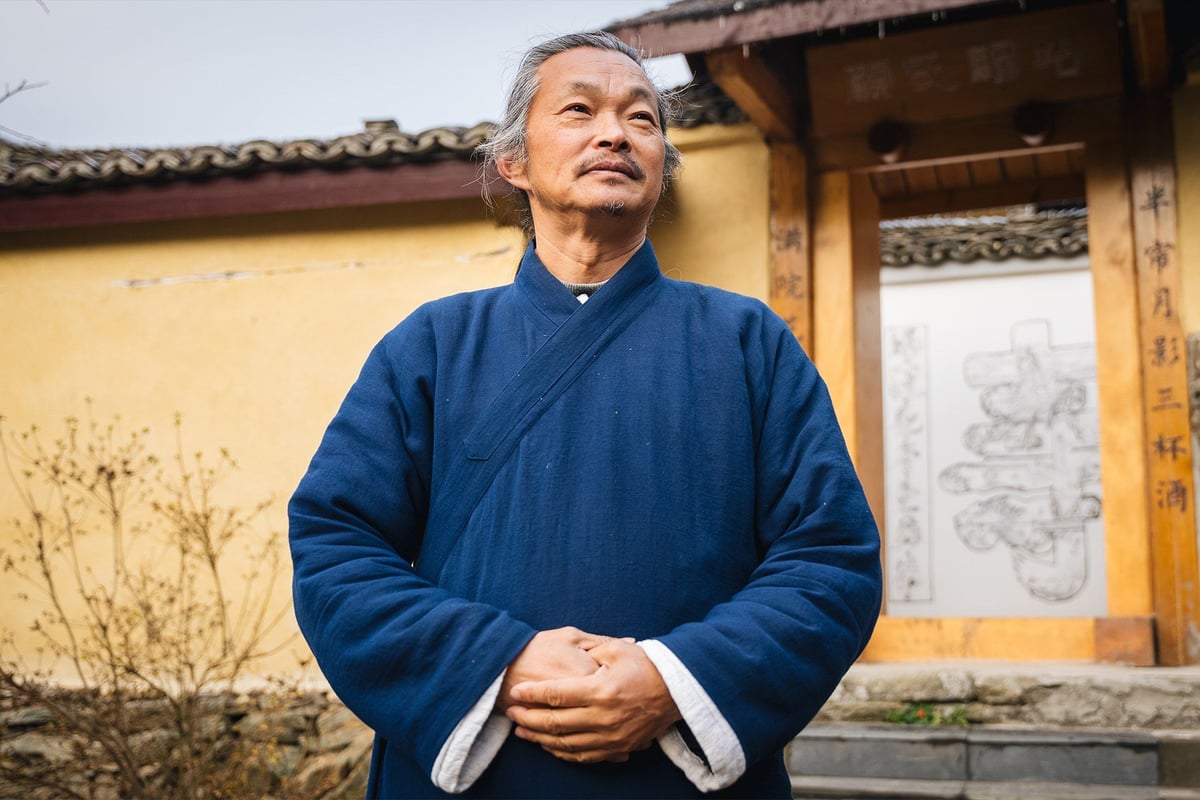
Creating a Sustainable Practice
Start small. Five minutes of daily practice beats an hour once a week. Choose a regular time, mornings work beautifully, and make it non-negotiable. Not because you're forcing yourself, but because you're honouring your commitment to your own wellbeing.
| Practice Frequency | Typical Benefits | Best For |
|---|---|---|
| Daily (10-15 min) | Sustained energy, steady progress, deep integration | Building foundation, lasting change |
| 3-4 times weekly | Good stress relief, improved flexibility | Busy schedules, maintaining wellness |
| Weekly | Gentle introduction, basic familiarity | Absolute beginners, trying it out |
Notice how you feel before and after practice. This awareness helps you understand what's working and keeps you motivated.
Common Qi Gong Forms and Styles
Different qi gong forms serve different purposes. Some focus on healing specific conditions. Others cultivate general vitality. Still others prepare the body for deeper meditation.
Wudang Qi Gong
The Wudang forms integrate seamlessly with Taoist philosophy and internal alchemy. These practices don't just move energy, they refine it, transforming it into something more subtle and powerful. Wudang qi gong often includes:
- Standing meditation (Zhan Zhuang) for building root and stability
- Dynamic forms that circulate energy through specific pathways
- Breathing methods coordinated with natural cycles
- Seasonal practices aligned with the rhythms of nature
These forms connect you to something larger than yourself, to the natural patterns that govern all life. Our Ba Duan Jin Qi Gong guide introduces one of the most well-known of these dynamic forms if you'd like to explore it further.
Medical Qi Gong
Some forms specifically target healing. Medical qi gong includes sequences developed to address particular areas of wellbeing, from digestion to breathing to emotional balance. Practitioners learn to direct qi to areas that need support. Our 6 Healing Sounds Qi Gong article explores one of the best-known practices in this category.
Integrating Qi Gong into Daily Life
The real transformation happens when qi gong stops being something you do and becomes part of who you are. The principles extend far beyond your practice sessions.
Simple ways to bring qi gong into your day:
- Take three deep breaths before stressful meetings
- Practise a short standing meditation while waiting
- Notice your posture and gently adjust it
- Pause to feel your feet on the ground
- Use qi gong movements as stretch breaks
These micro-practices accumulate. They remind your body and mind of the calm, centred state you cultivate in formal practice.
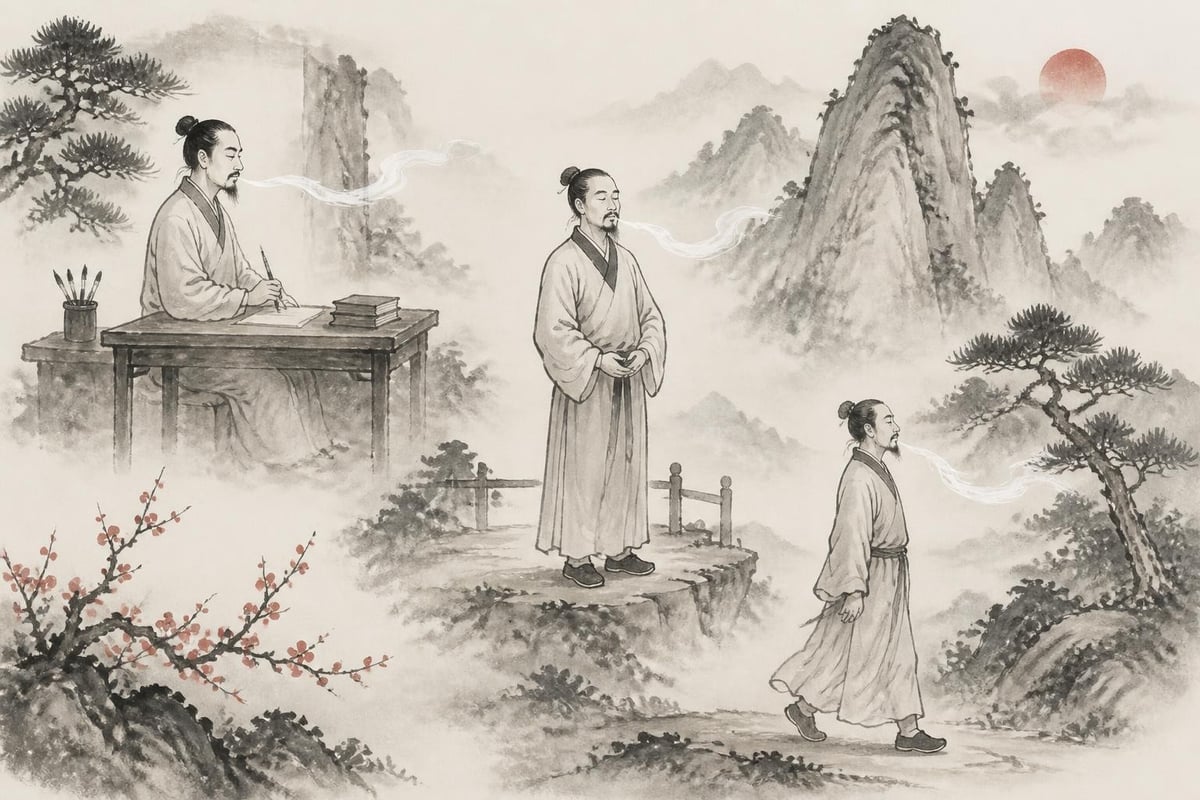
Qi Gong and Related Practices
Qi gong doesn't exist in isolation. It's part of a rich ecosystem of Taoist practices that support and enhance each other.
Tai Chi and Qi Gong
Many people wonder about the difference between our Tai Chi course and qi gong. They're closely related, both cultivate qi, and both use similar principles. Tai chi is often more complex, with longer forms and martial applications. Qi gong tends to be simpler and more focused on healing.
Many practitioners do both. Qi gong builds your energetic foundation, while tai chi applies those principles to more complex movement sequences.
Meditation and Philosophy
Qi gong naturally leads toward our Taoist meditation course. As your body becomes quieter through movement, sitting meditation becomes easier and deeper. Similarly, understanding our Taoist philosophy enriches your practice with context and meaning.
The Taoist approach sees everything as interconnected. Your physical health affects your emotional state. Your mental patterns influence your energy flow. Your spiritual understanding shapes how you move through the world. Qi gong addresses all these dimensions at once.
Building Community and Continuing Growth
While qi gong can be practised alone, connecting with others deepens the journey. Shared practice creates accountability, inspiration, and collective energy that supports everyone.
Online communities offer connection without geographic limits. You can practise with people from around the world, share experiences, ask questions, and learn from each other's insights. Our community provides this kind of supportive environment where practitioners at all levels encourage each other's growth.
Deepening Your Understanding
As you progress, you might want to explore:
- Different forms for various purposes
- Energetic anatomy and meridian systems
- Seasonal practices aligned with nature's cycles
- Advanced breathing methods
- Spiritual dimensions of cultivation
Each layer reveals new depth. Qi gong is something you can practise for a lifetime, always discovering new dimensions, always refining your understanding.
The Science and the Art
Modern research increasingly explores what Taoist practitioners have known for millennia, with studies pointing to benefits for cardiovascular health, general wellbeing, mental clarity, and quality of life.
Yet qi gong transcends what science can measure. The sense of connection it brings, the subtle energy shifts, the moments of profound peace, these experiential dimensions matter just as much as the documented health benefits.
Both perspectives have value. The scientific evidence helps modern minds trust the practice. The direct experience reveals truths that numbers can't capture.
Making It Your Own
No two people practise qi gong exactly the same way. Your body is unique. Your energy patterns are unique. Your needs are unique. As you learn the forms, you'll naturally adapt them to serve you.
This isn't about changing the practice arbitrarily. It's about listening deeply to what your body needs and responding with compassion. Some days you'll practise vigorously. Other days, barely moving feels right. Both are valid. Both are qi gong.
Trust your body's wisdom. It knows what it needs. Qi gong teaches you to hear those signals more clearly and respond more skilfully.
Qi gong offers a gentle, powerful path to greater balance, vitality, and peace. Through consistent practice, you cultivate not just better health, but a deeper relationship with your own energy and a more harmonious way of moving through life. Taoist Wellness Online provides authentic Wudang instruction with Master Gu, a 15th-generation master who brings over 25 years of expertise to help you develop a sustainable practice that truly transforms. Whether you're completely new to these practices or looking to deepen your understanding, the academy offers the guidance, community, and resources you need to make qi gong a cornerstone of your wellbeing.