Zazen Meditation: Ancient Practice for Modern Balance
Oct 04, 2026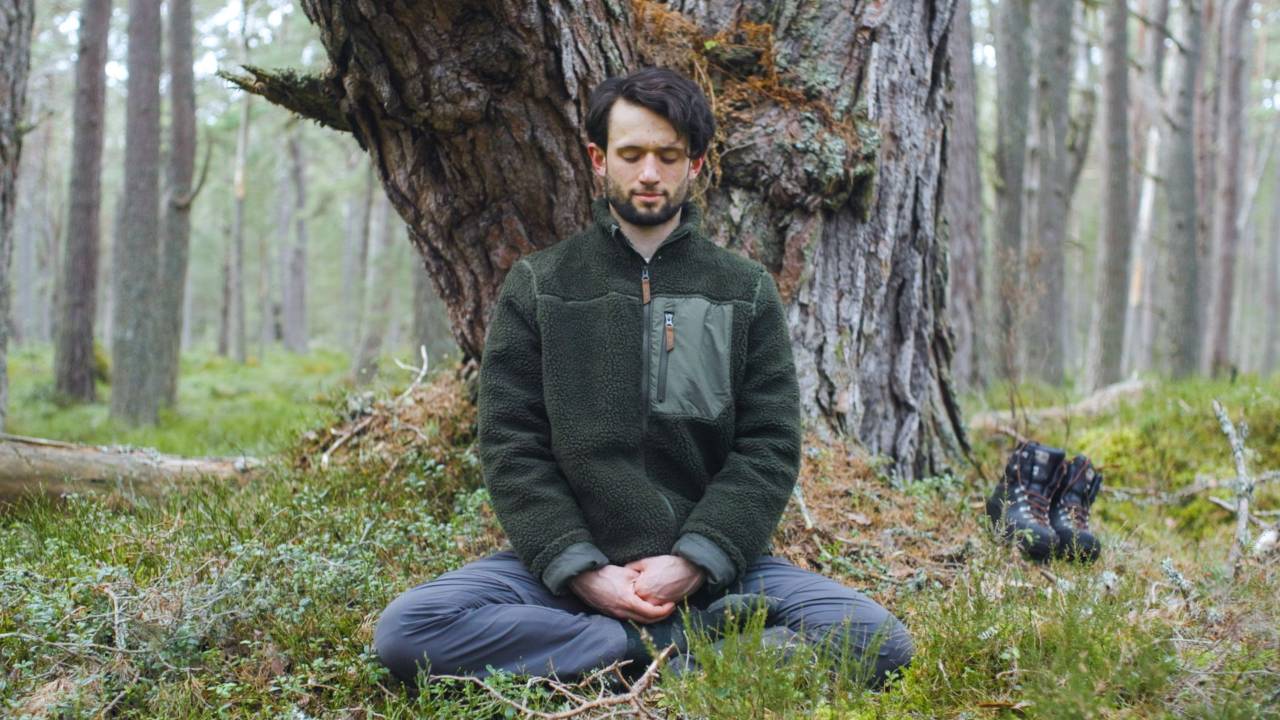
Zazen meditation offers a doorway into stillness that has guided practitioners for centuries. This seated meditation practice, rooted in Zen Buddhist tradition, teaches us to simply sit, observe, and be present with whatever arises. While zazen originates from Buddhist teachings rather than Taoist philosophy, the two traditions share a deep appreciation for stillness, presence, and the cultivation of inner peace. For anyone exploring meditation as part of a broader wellness practice, understanding zazen can enrich your appreciation of contemplative traditions and offer complementary tools alongside Taoist practices like Tai Chi and Qi Gong.
What Is Zazen Meditation?
Zazen translates roughly to "seated meditation" in Japanese, though its roots trace back through Chinese Chan Buddhism to Indian Buddhist meditation practices. The word combines "za" (sitting) with "zen" (meditation or absorption), describing the practice's essential nature.
Unlike guided visualisation or mantra-based meditation, zazen emphasises simply sitting with awareness. Practitioners don't try to achieve a particular state or empty their minds completely. Instead, they observe thoughts, sensations, and experiences as they naturally arise and pass.
The Origins of Zazen
Zazen developed within the Chan Buddhist tradition in China before spreading to Japan, where it became central to Zen Buddhism. The practice emphasises direct experience over intellectual understanding, teaching that awakening comes through sitting practice rather than scholarly study alone.
This history connects zazen to a broader lineage of Buddhist contemplative practices, distinct from but historically intertwined with Taoist traditions in China. Both emerged from cultures that valued stillness, presence, and direct experience over pure theory.
The Practice of Zazen
Zazen practice follows relatively simple guidelines, though mastering the subtleties takes years of dedicated practice. Understanding the basic structure helps you begin exploring this contemplative tradition.
Posture and Position
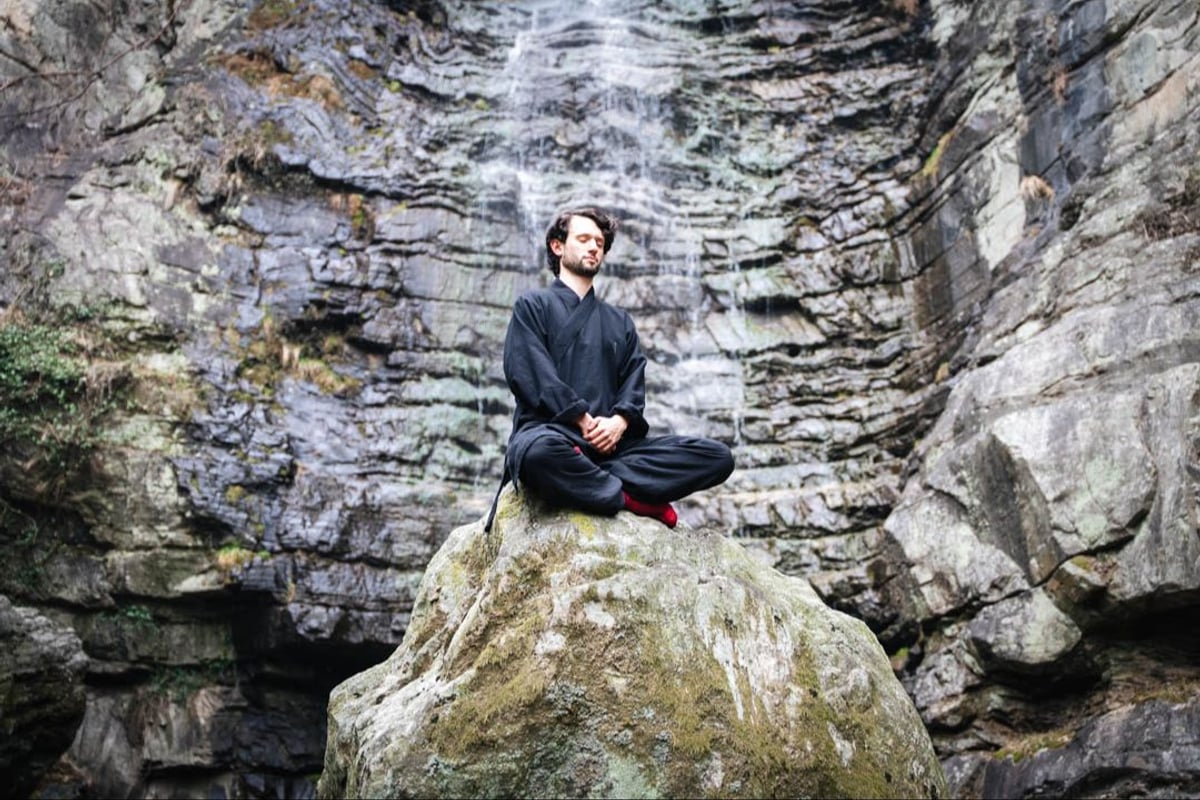
Traditional zazen practice uses specific seated postures, most commonly the lotus or half-lotus position on a meditation cushion. However, many practitioners today sit in chairs or use other supportive postures that maintain the essential qualities of stability and alertness.
Key postural elements include:
- Straight spine that allows natural breathing
- Hands resting in a specific mudra (hand position)
- Eyes typically half-open, gazing downward
- Relaxed but alert facial muscles
- Stable base, whether cushion, chair, or bench
This attention to physical form parallels the precision found in Tai Chi practice, where posture and alignment directly affect the quality of practice and energy flow.
Breathing and Attention
Zazen practitioners typically focus attention on breathing, though the specific instruction varies between schools and teachers. Some count breaths, others simply follow the natural rhythm of inhalation and exhalation without counting.
The goal isn't to control or manipulate the breath but to use it as an anchor for present-moment awareness. When the mind wanders, as it inevitably will, practitioners gently return attention to the breath without self-judgement or frustration.
George offers a gentle guided introduction to this kind of breath-anchored sitting in the video below.
Zazen and Taoist Meditation: Points of Connection
While zazen and Taoist meditation practices emerge from different philosophical traditions, they share meaningful similarities that make understanding both valuable for contemplative practitioners.
Shared Principles
| Zazen Emphasis | Taoist Meditation Parallel |
|---|---|
| Non-attachment to thoughts | Observing without resistance (wu wei) |
| Present-moment awareness | Alignment with the natural flow of the Tao |
| Simple, natural breathing | Breathing as a vehicle for qi cultivation |
| Non-striving approach | Effortless action and spontaneous presence |
| Stillness as practice | Stillness within movement (as in Tai Chi) |
Both traditions recognise that forcing stillness or peace tends to create more tension rather than less. Our Path to Effortless Living article explores this same non-forcing quality from a Taoist perspective, offering a useful counterpart to zazen's approach.
Key Differences Worth Understanding
Despite these similarities, important distinctions exist between zazen and Taoist meditation approaches. Zazen typically emphasises stillness in seated posture as the primary practice, while Taoist traditions often integrate meditation with movement-based practices like Tai Chi and Qi Gong.
Taoist meditation frequently incorporates explicit energy cultivation, working consciously with concepts like qi circulation and the dantian (energy centre). Zazen tends to focus more purely on awareness itself, without the same emphasis on energetic anatomy.
These differences don't make one tradition superior to another; they offer different doorways into similar underlying territories of presence, stillness, and awakened awareness.
The Benefits of Zazen Practice
Regular zazen practice offers numerous benefits that complement other wellness pursuits, including Taoist practices you might already be exploring.
Mental and Emotional Benefits
Sitting meditation practices like zazen have been associated with reduced stress and improved emotional regulation, alongside enhanced capacity to observe thoughts and feelings without being overwhelmed by them.
Practitioners often report:
- Greater capacity to observe emotions without being overwhelmed
- Reduced reactivity to stressful situations
- Improved concentration and mental clarity
- Enhanced self-awareness and insight
- A steadier sense of presence throughout daily life
These benefits align closely with what practitioners often discover through consistent Taoist meditation practice, suggesting that different contemplative paths can lead to overlapping outcomes.
Physical Benefits
The disciplined posture required for zazen practice naturally develops core strength, flexibility, and postural awareness. Practitioners often notice improved sitting posture that extends beyond formal meditation into daily activities.
This physical dimension shares common ground with Tai Chi practice, where alignment and structure support both physical health and energetic flow. Our Tai Chi course similarly emphasises how physical form directly influences internal experience.
Beginning Your Zazen Practice
Starting a zazen practice requires patience and consistency rather than perfect technique from the outset. Here's how to begin exploring this contemplative approach.
Creating Your Practice Space
You don't need elaborate equipment to begin zazen practice. A simple cushion, folded blanket, or chair provides adequate support. Choose a quiet space where you won't be frequently interrupted, ideally the same location each time to help establish routine.
Basic setup includes:
- A cushion or chair that supports upright posture
- A quiet space free from major distractions
- Comfortable, non-restrictive clothing
- A timer to track practice duration without checking constantly
- Consistent timing, ideally the same time each day
Starting Your First Sessions
Begin with shorter sessions, perhaps five to ten minutes, rather than attempting lengthy sits immediately. This builds sustainable practice rather than creating discouragement through overambitious goals.
A simple starting sequence:
- Settle into your chosen posture, finding stability and ease
- Take a few conscious breaths to arrive in the present moment
- Allow your gaze to soften, eyes half-open or gently closed
- Begin following your natural breath without forcing any particular pattern
- When thoughts arise, notice them and gently return attention to breathing
- Continue for your chosen duration, then slowly transition back to activity
This simple structure provides a foundation you can build upon as your practice deepens over time.
Integrating Zazen with Taoist Practices
Many practitioners find value in combining zazen's seated stillness with the movement-based practices central to Taoist tradition. This integration offers a comprehensive approach to contemplative practice.
Complementary Practice Structures
Consider how zazen might complement your existing or emerging Tai Chi and Qi Gong practice:
| Practice Element | Zazen Contribution | Taoist Practice Contribution |
|---|---|---|
| Stillness | Pure sitting awareness | Stillness within movement |
| Energy | Subtle awareness of vitality | Explicit qi cultivation |
| Breath | Natural following | Coordinated with movement |
| Body | Disciplined seated form | Flowing, dynamic expression |
Some practitioners begin their day with seated zazen practice before moving into Tai Chi forms, using the stillness cultivated in sitting to inform the quality of their movement practice. Others alternate between traditions based on their daily needs and energy levels.
Learning from Multiple Traditions
Exploring different contemplative approaches, including zazen, Taoist meditation, and Qi Gong, can deepen your overall understanding of mind, body, and spirit integration. Rather than viewing these as competing systems, many practitioners discover they illuminate different facets of similar underlying truths.
Our Taoist Yoga article explores another example of how movement and stillness practices can work together, offering additional perspective on this kind of integrated approach.
Common Challenges in Zazen Practice
New practitioners often encounter predictable obstacles when beginning zazen practice. Understanding these challenges helps you navigate them with greater ease.
Physical Discomfort
Sitting still for extended periods often produces physical discomfort, particularly for those unaccustomed to seated meditation postures. This discomfort isn't a sign of failure but rather an opportunity to practise equanimity with physical sensation.
Approaches to physical challenges:
- Use appropriate cushioning and support
- Start with shorter sessions and gradually extend
- Adjust posture mindfully rather than rigidly maintaining discomfort
- Consider chair-based practice if floor sitting proves too challenging
- Approach physical sensations with curiosity rather than resistance
Mental Restlessness
The mind's tendency to wander, generate stories, and resist stillness challenges every zazen practitioner, regardless of experience level. This isn't a problem to solve but a natural aspect of practice.
Recognising thoughts without following them, gently returning attention to breath again and again, IS the practice itself, not a failure of practice. This patient, non-judgemental returning develops the very quality of presence zazen aims to cultivate.
The Philosophical Depth of Zazen
Beyond its practical applications, zazen carries profound philosophical implications about the nature of mind, self, and reality. Understanding these dimensions enriches practice, even for those primarily interested in stress reduction or wellness benefits.
Non-Dual Awareness
Zazen practice points toward experiences of non-dual awareness, moments when the usual separation between observer and observed, self and world, begins to soften. These experiences aren't goals to chase but natural byproducts of sustained, patient practice.
This philosophical territory shares resonance with Taoist concepts of unity with the Tao, though the specific frameworks and language differ between traditions. Both point toward direct experience beyond conceptual understanding.
Just Sitting
Some zazen traditions emphasise "shikantaza," or "just sitting," a practice without specific technique or object of focus. This radical simplicity asks practitioners to simply be present, without trying to achieve any particular state.
This approach parallels certain Taoist teachings about wu wei, or effortless action, suggesting that genuine presence emerges not through forceful effort but through allowing natural awareness to unfold.
Building a Sustainable Practice
Whether you're drawn primarily to zazen, Taoist meditation, or an integration of both approaches, sustainability matters more than intensity when developing lasting practice.
Consistency Over Duration
Brief daily practice yields better results than occasional lengthy sessions. Five minutes of consistent daily zazen practice, maintained over months, typically produces more meaningful development than sporadic hour-long sessions.
This principle applies equally to Taoist practices. Our free Taoist course emphasises building sustainable daily habits through Tai Chi, Qi Gong, and meditation, recognising that consistency creates lasting transformation more reliably than intensity.
Finding Community Support
While meditation is often practised individually, community support significantly aids consistency and depth of practice. Many practitioners find that connecting with others exploring similar contemplative paths provides motivation and shared insight.
Our community offers this kind of support for those exploring Taoist practices, and similar sanghas (practice communities) exist within Zen Buddhist traditions for zazen practitioners.
Zazen as Part of a Broader Contemplative Life
For many practitioners, zazen becomes one element within a broader approach to contemplative living that might include multiple traditions, philosophies, and practices. This eclectic approach isn't a lack of commitment but rather a recognition that different practices serve different purposes and life circumstances.
You might find zazen particularly valuable during periods requiring deep stillness and introspection, while turning to Tai Chi or Qi Gong when you need to process energy through movement. Both serve the larger goal of cultivating presence, health, and wisdom.
The key lies not in choosing a single "correct" path but in developing genuine, sustained practice that supports your overall wellbeing and spiritual development. Whether that practice draws primarily from Zen Buddhism, Taoism, or an integration of multiple traditions, consistency and sincerity matter more than orthodox adherence to any single system.
Practical Steps Forward
If zazen resonates with you, consider these steps for deepening your practice:
- Start simply with short daily sessions rather than elaborate practices
- Explore resources from qualified Zen teachers to understand proper technique
- Consider complementary practices like Tai Chi or Qi Gong to explore movement-based meditation
- Join a community whether formal Zen sangha or broader meditation groups
- Remain patient with the gradual, non-linear nature of contemplative development
The journey of contemplative practice, whether through zazen, Taoist meditation, or both, offers profound tools for navigating modern life with greater presence, peace, and wisdom.
Zazen meditation offers a powerful pathway into stillness and presence, complementing the movement-based practices central to Taoist tradition. While these paths emerge from distinct philosophical roots, both point toward similar experiences of peace, clarity, and authentic presence. If you're interested in exploring Taoist approaches to meditation alongside movement practices like Tai Chi and Qi Gong, Taoist Wellness Online offers comprehensive instruction from Master Gu, a 15th-generation Wudang master, providing a rich foundation for your contemplative journey alongside a supportive global community.