Meditation Styles: A Guide to Finding Your Practice
Sep 26, 2026
Finding the right meditation practice can feel like searching for a path through an unfamiliar forest. With so many meditation styles available today, each offering unique benefits and approaches, it's natural to wonder which one will resonate with your life and needs. Some people thrive with stillness and silence, while others find their centre through gentle movement. Understanding the landscape of meditation styles helps you make an informed choice that supports your journey toward balance, clarity, and lasting wellbeing. Whether you're drawn to ancient wisdom or contemporary approaches, the right practice is waiting for you.
Understanding the Landscape of Meditation Styles
Meditation isn't a one-size-fits-all practice. The various meditation styles developed across cultures and centuries, each shaped by different philosophical traditions and practical needs.
Mindfulness meditation focuses on present-moment awareness without judgement. You observe thoughts, sensations, and emotions as they arise and pass, cultivating a witness perspective. This style has gained tremendous traction in Western psychology and clinical settings.
Taoist meditation emphasises harmony with natural cycles, energy cultivation, and inner stillness. Rather than controlling the mind, practitioners learn to allow thoughts to settle like sediment in still water. This approach aligns closely with practices taught in our Taoist meditation course, where students explore techniques passed down through generations of Wudang masters.
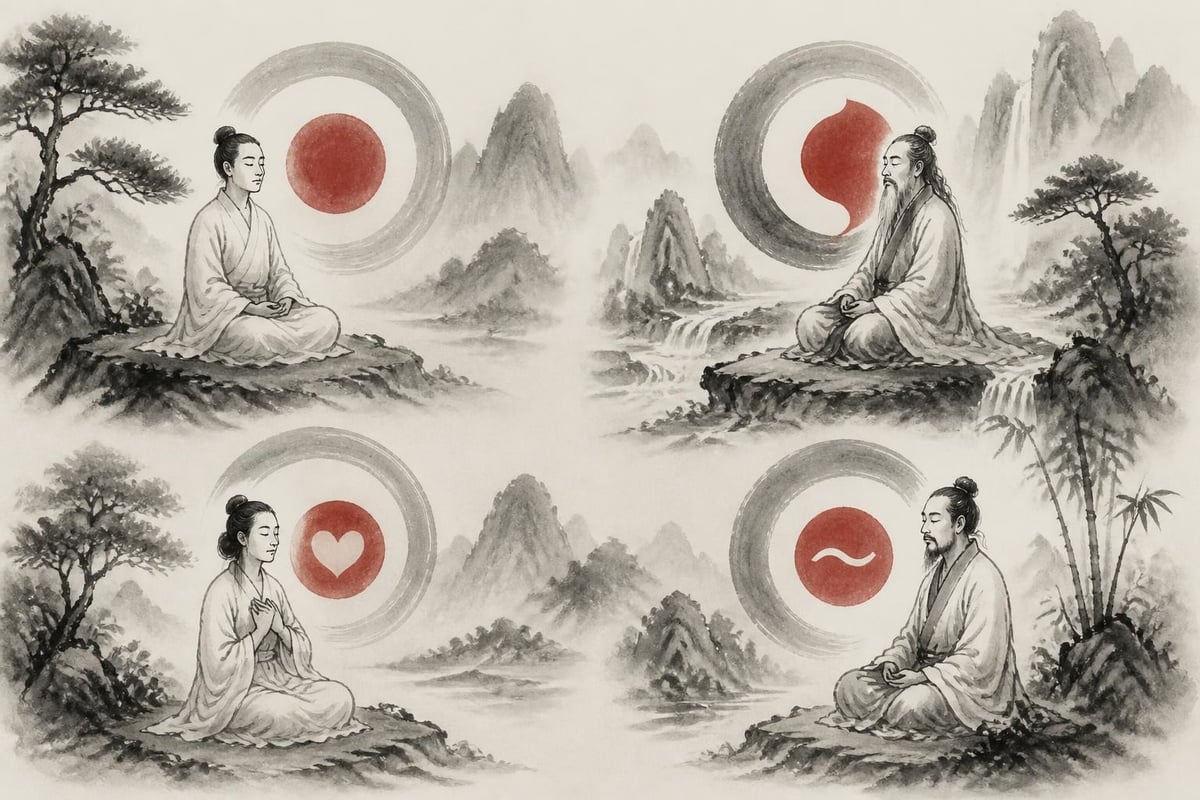
Loving-kindness meditation (metta) develops compassion and goodwill toward yourself and others. You systematically extend warm wishes to different people, from loved ones to strangers to difficult individuals.
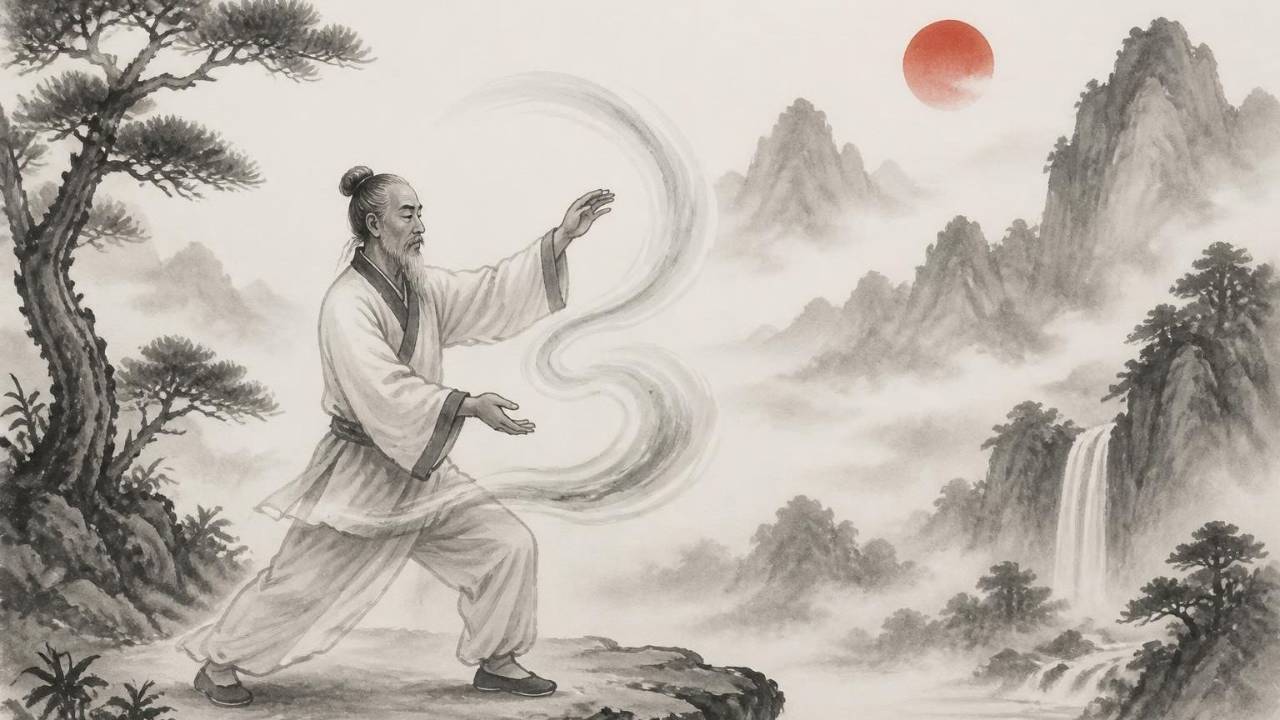
Movement-based meditation includes practices like Tai Chi, Qi Gong, and walking meditation, where physical motion becomes the anchor for awareness. These styles prove especially valuable for people who struggle with seated stillness.
Key Characteristics That Define Each Style
| Meditation Style | Primary Focus | Typical Duration | Best For |
|---|---|---|---|
| Mindfulness | Present awareness, breath | 10-45 minutes | Stress reduction, focus |
| Taoist | Energy flow, stillness | 15-60 minutes | Vitality, spiritual growth |
| Loving-kindness | Compassion phrases | 10-30 minutes | Emotional healing, relationships |
| Movement-based | Body awareness, flow | 15-90 minutes | Physical health, active minds |
The differences between meditation styles aren't just philosophical. They create distinct experiences in your body and mind, and serve different life situations.
Mindfulness Meditation: The Foundation of Present Awareness
Mindfulness has become nearly synonymous with meditation in contemporary Western culture. This style asks you to pay attention to whatever arises in your experience right now, whether pleasant, unpleasant, or neutral.
You might focus on the breath moving in and out of your body. When your mind wanders (and it will), you gently notice and return to the breath. No judgement, no frustration, just patient returning.
The beauty of mindfulness lies in its simplicity and adaptability. You can practise while sitting, walking, eating, or even washing dishes. Every moment becomes an opportunity for awareness.
Mindfulness meditation has been widely studied for its role in reducing stress, anxiety, and low mood while improving focus and emotional regulation.
Getting Started with Mindfulness Practice
Starting a mindfulness practice requires less than you might think:
- Find a quiet space where you won't be disturbed
- Sit comfortably with your spine relatively upright
- Set a timer for 5-10 minutes (you can extend later)
- Close your eyes or maintain a soft downward gaze
- Notice the sensations of breathing without trying to control it
- When thoughts arise, acknowledge them and return to the breath
The key isn't achieving a blank mind. It's building the muscle of noticing when you've drifted and choosing to return to the present moment.
Taoist Meditation: Cultivating Inner Stillness and Vital Energy
Taoist meditation styles represent thousands of years of refinement within Chinese spiritual tradition. These practices work with qi (vital energy), harmonise with natural rhythms, and cultivate what Taoists call "wu wei," effortless action.
Unlike some meditation styles that emphasise concentration or observation, Taoist meditation often begins with relaxation and energy awareness. You learn to sense and guide qi through specific pathways in the body, strengthening vitality while quieting mental chatter.
Master Gu explains this approach directly in the video below, and why it often differs from what people expect meditation to feel like.
Sitting in stillness (jing zuo) forms the foundation of many Taoist practices. You sit with minimal effort, allowing the body to settle naturally while the mind becomes spacious and clear. This isn't forcing emptiness; it's creating conditions where thoughts naturally subside.
Inner alchemy practices (nei dan) work with breath, visualisation, and energy circulation to transform coarse energy into refined awareness. These advanced techniques require proper guidance from an experienced teacher who understands the subtle mechanics involved.
For those exploring these ancient meditation styles, working with authentic lineage holders ensures you receive practices in their intended form. Master Gu, a 15th-generation Wudang master, brings this depth of transmission to students worldwide. Our Taoist Meditation Techniques article explores several of these practices in more depth.
The Role of Movement in Taoist Practice
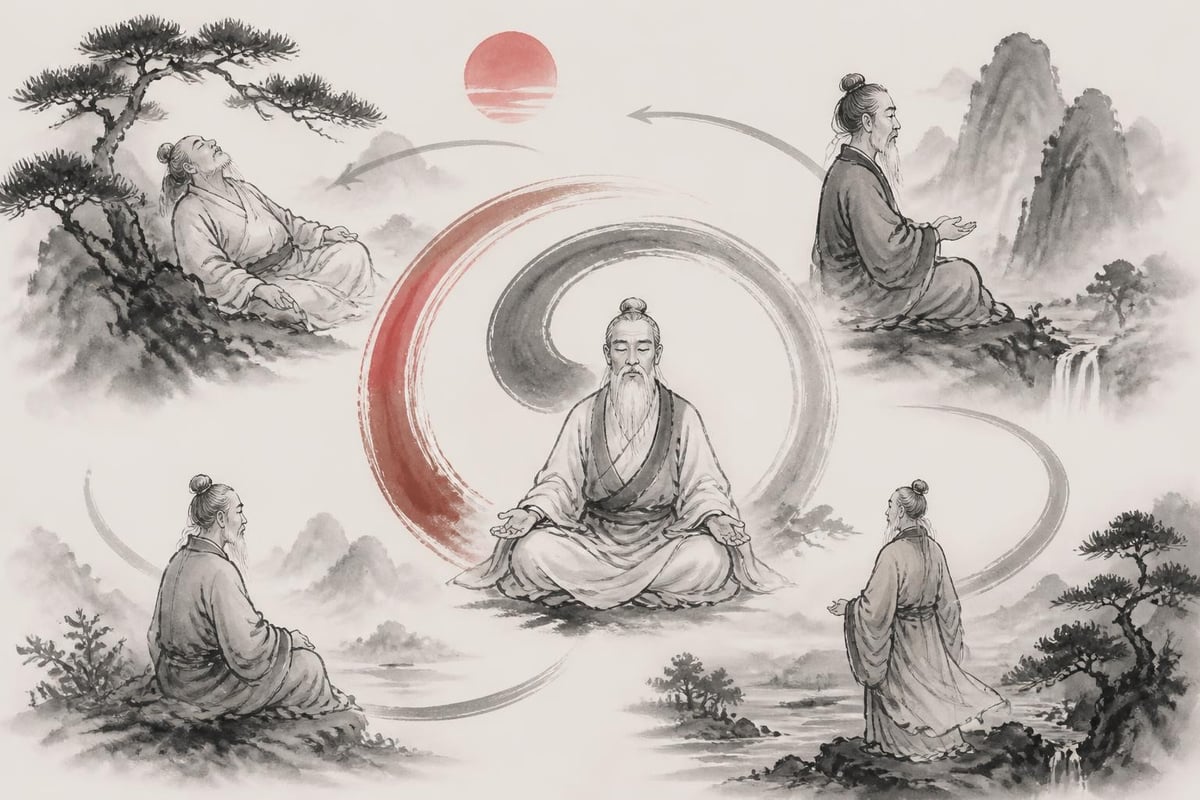
Taoist meditation styles blur the line between stillness and movement. Practices like Tai Chi and Qi Gong are moving meditations, training your awareness while the body flows through graceful forms.
This integration makes Taoist approaches especially accessible for people who find sitting meditation uncomfortable or frustrating. Movement provides something tangible to focus on while cultivating the same inner qualities of presence and calm.
- Tai Chi combines martial arts principles with meditation
- Qi Gong emphasises healing movements and breath coordination
- Both develop body awareness, balance, and energy flow
- Movement naturally anchors restless minds
Our Tai Chi course and Qi Gong course provide structured pathways into these movement-based meditation styles, taught in the authentic Wudang tradition.
Loving-Kindness and Compassion-Based Meditation Styles
Loving-kindness meditation (metta) comes from Buddhist traditions but has found widespread adoption across secular contexts. This style systematically cultivates warm feelings toward yourself and others.
You begin by generating feelings of goodwill toward yourself, often repeating phrases like "May I be happy, may I be healthy, may I be safe, may I live with ease." Then you extend these wishes to a loved one, a neutral person, a difficult person, and finally all beings.
This style has been associated with increased positive emotions, social connection, and compassion, alongside reduced self-criticism.
Compassion meditation takes a slightly different angle, focusing on the suffering of yourself and others and generating the wish to relieve that suffering. While related to loving-kindness, it emphasises empathy for difficulty rather than simply extending good wishes.
Why Compassion Practices Still Matter
We live in times of division, stress, and disconnection. These meditation styles directly address the isolation many people feel, rebuilding our capacity for warmth toward ourselves and others.
Unlike some practices that might seem escapist, compassion meditation engages directly with the reality of suffering. It doesn't deny difficulty; it transforms our relationship to it.
Transcendental Meditation and Mantra-Based Styles
Transcendental Meditation (TM) became famous in the 1960s and remains one of the most widely practised meditation styles today. It uses personalised mantras, sound-syllables repeated silently to settle the mind into deep rest.
TM practitioners typically meditate for 20 minutes twice daily, sitting comfortably with eyes closed. The mantra serves as a vehicle that allows awareness to settle beyond surface thinking into quieter levels of consciousness.
Other mantra-based meditation styles exist across traditions:
- Japa meditation uses sacred phrases or names from Hindu/Buddhist traditions
- Christian centring prayer employs a sacred word as an anchor
- Some Taoist practices incorporate sound syllables related to energy centres
- Modern adaptations use secular phrases or sounds
The common thread is using sound (whether vocalised or mental) as the primary meditation object. For some practitioners, this provides clearer focus than breath or body sensations.
Movement-Based Meditation Styles for Active Minds
Not everyone finds peace sitting still. Movement meditation styles acknowledge that the body can be a powerful doorway to presence and calm.
Walking meditation transforms ordinary walking into contemplative practice. You move slowly and deliberately, feeling each component of the step: lifting, moving, placing, shifting weight. This brings remarkable clarity to something usually done on autopilot.
Tai Chi represents perhaps the most refined movement meditation tradition. Each posture flows seamlessly into the next, creating a continuous meditation in motion. The mind focuses on alignment, breath, weight transfer, and energy flow simultaneously.
Qi Gong offers many different exercise sequences, each designed for specific health benefits while cultivating meditative awareness. Some forms are gentle and slow, while others incorporate more vigorous movement.
Benefits Unique to Movement Meditation
| Benefit | How Movement Meditation Delivers |
|---|---|
| Physical health | Improves balance, flexibility, strength |
| Accessibility | Easier for restless or anxious individuals |
| Energy cultivation | Directly works with vitality and circulation |
| Mind-body integration | Unifies awareness of inner and outer experience |
| Practical skills | Develops coordination and body intelligence |
For people who've struggled with seated meditation, movement-based styles often provide the breakthrough they need. The body's motion gives the mind something concrete to attend to, making the practice feel more tangible and engaging.
If you're new to these practices, our free Taoist course offers an accessible introduction to Taoist meditation, Tai Chi, and Qi Gong with Master Gu, helping you build a calmer, more energised daily routine over four weeks.
Guided Meditation and Body Scan Techniques
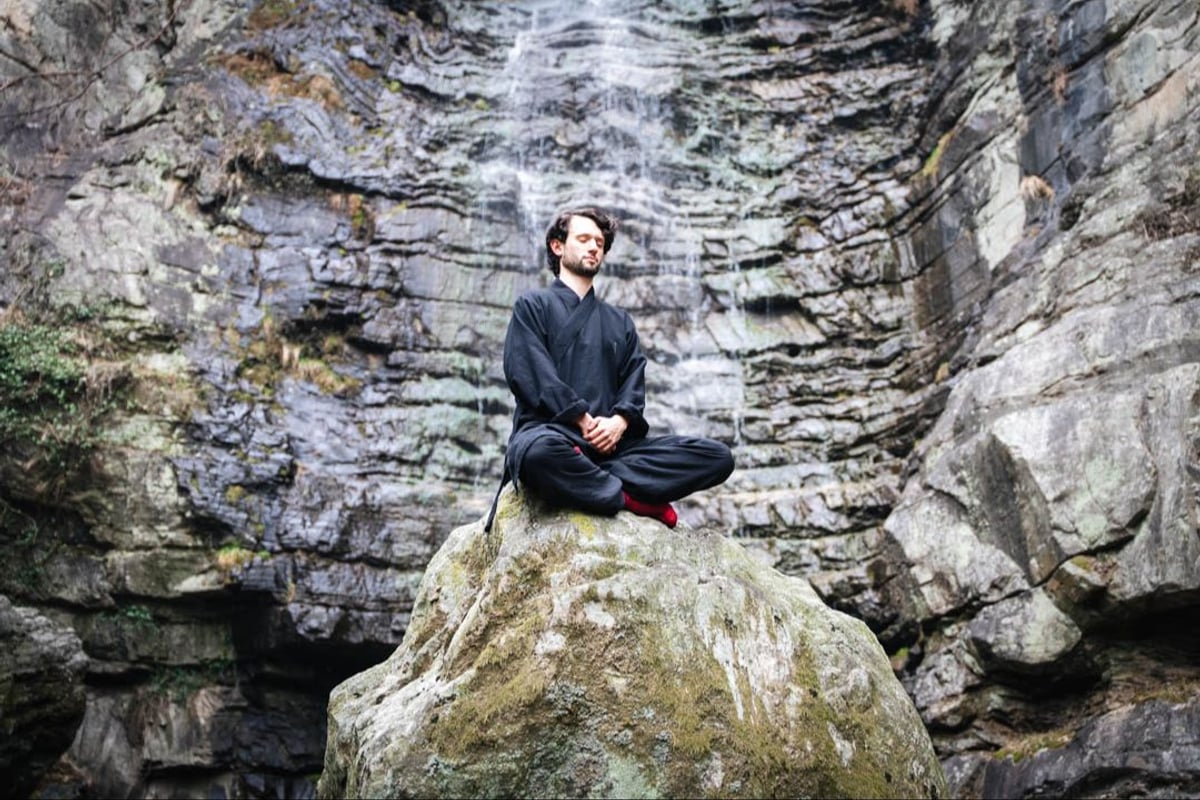
Guided meditation uses verbal instruction to lead you through the practice. A teacher or recording provides cues, imagery, or direction throughout the session, making it one of the most beginner-friendly meditation styles. Our Best Taoist Online Meditation Classes article looks at how guided formats work well within a Taoist framework specifically.
Body scan meditation systematically moves attention through different parts of your body, releasing tension and developing somatic awareness. You might start at your toes and slowly progress to the crown of your head, noticing sensations without trying to change them.
This style proves especially valuable for people dealing with sleep difficulties or disconnection from physical sensations. It rebuilds the mind-body relationship that stress can sometimes disrupt.
Guided practices can incorporate elements from various meditation styles:
- Mindfulness-based body scans for stress reduction
- Visualisation journeys through natural landscapes
- Progressive muscle relaxation combined with breath awareness
- Energy cultivation practices with specific instruction
The main advantage is accessibility. You don't need to remember what to do or wonder if you're doing it correctly. The guidance keeps you on track, making these meditation styles ideal for beginners or those who struggle with self-directed practice.
Choosing the Right Meditation Style for Your Needs
With so many meditation styles available, how do you choose? The answer depends on your temperament, goals, lifestyle, and what resonates intuitively.
Consider your primary intention:
- Stress reduction → Mindfulness or body scan meditation
- Spiritual growth → Taoist or transcendental meditation
- Physical health → Movement-based styles like Tai Chi or Qi Gong
- Emotional healing → Loving-kindness or compassion meditation
- Mental clarity → Mindfulness or Taoist stillness practices
Assess your temperament:
Some people naturally gravitate toward stillness, while others need movement. Some prefer structure and guidance, while others want open exploration. There's no wrong answer, just different pathways suited to different personalities.
Experimenting to Find Your Path
The most effective approach is thoughtful experimentation. Try different meditation styles for at least two weeks each before deciding. Initial discomfort doesn't mean a practice isn't right for you; it might mean you're encountering unfamiliar territory that holds potential for growth.
Pay attention to what happens after meditation, not just during. Do you feel more grounded? More energised? More patient with yourself and others? These downstream effects reveal more than the immediate experience.
Many practitioners eventually combine elements from different meditation styles, creating a personal practice that draws on multiple traditions. This hybrid approach can be powerful when done with understanding and respect for each tradition's depth.
Evidence and Ongoing Research
Meditation has been extensively studied, though research quality varies considerably across styles. Most studies focus on mindfulness-based interventions, with less research on traditional forms like Taoist meditation.
Common themes across the research:
- Mindfulness practices are associated with reduced reactivity and stronger self-regulation
- Loving-kindness meditation increases positive affect and social connectedness
- Tai Chi supports balance, reduces fall risk, and supports cognitive function in older adults
- Transcendental meditation shows promise for supporting healthy blood pressure
- Meditation generally supports attention, emotional regulation, and stress response
However, research also reveals important limitations. Study quality varies, placebo effects are difficult to control, and different programmes using the same meditation style may produce different outcomes.
The practical takeaway: meditation styles offer genuine benefits supported by evidence, but they're not miracle cures. They work best as part of a broader commitment to health and wellbeing.
Integrating Meditation Into Daily Life
Knowing about different meditation styles matters less than actually practising. The challenge isn't choosing the perfect style; it's establishing a sustainable daily practice.
Start small and consistent rather than ambitious and sporadic. Five minutes every morning beats an hour once a week. Your nervous system needs regular exposure to build new patterns.
Create environmental support for your practice:
- Designate a specific place for meditation
- Practise at the same time each day
- Remove potential distractions before you begin
- Use reminders or apps if helpful
- Join a community for accountability and encouragement
Our community provides connection with fellow practitioners exploring these ancient practices, offering support and shared wisdom as you develop your own relationship with meditation.
Adapting Your Practice Through Life's Seasons
Your meditation needs change through different life phases and circumstances. The style that serves you during a crisis might differ from what supports you in stable times.
Pregnancy, illness, grief, career transitions, ageing - each brings different challenges and opportunities. Flexibility in your approach, drawing on different meditation styles as needed, creates resilience.
Sometimes you need the grounding of body awareness. Other times you need the spaciousness of sitting stillness. Sometimes movement meditation reconnects you with vitality. Trust your intuition about what you need right now, while maintaining a core practice that provides continuity.
Common Challenges Across Meditation Styles
Despite their differences, most meditation styles encounter similar obstacles. Understanding these challenges helps you navigate them skilfully rather than abandoning practice when difficulties arise.
Restlessness and distraction plague nearly every beginner and many experienced practitioners. Your mind will wander. This isn't failure; it's normal. The practice is noticing and returning, over and over.
Physical discomfort from sitting can derail practice. Experiment with different positions: chair, cushion, bench, lying down. Movement meditation styles bypass this issue entirely.
Impatience with progress undermines many practitioners. Meditation isn't about achieving special states; it's about showing up consistently and allowing natural transformation to unfold in its own time.
| Challenge | Skilful Response |
|---|---|
| Mind wandering | Return gently without judgement |
| Physical discomfort | Adjust position or try movement styles |
| Sleepiness | Practise earlier in day, open eyes slightly |
| Doubt about benefits | Track changes in daily life, not just during meditation |
| Inconsistency | Commit to smallest possible daily dose |
Spiritual bypassing represents a subtler challenge: using meditation to avoid rather than address life's difficulties. Meditation should support engaged living, not escape from necessary growth and healing.
The Role of Teachers and Authentic Transmission
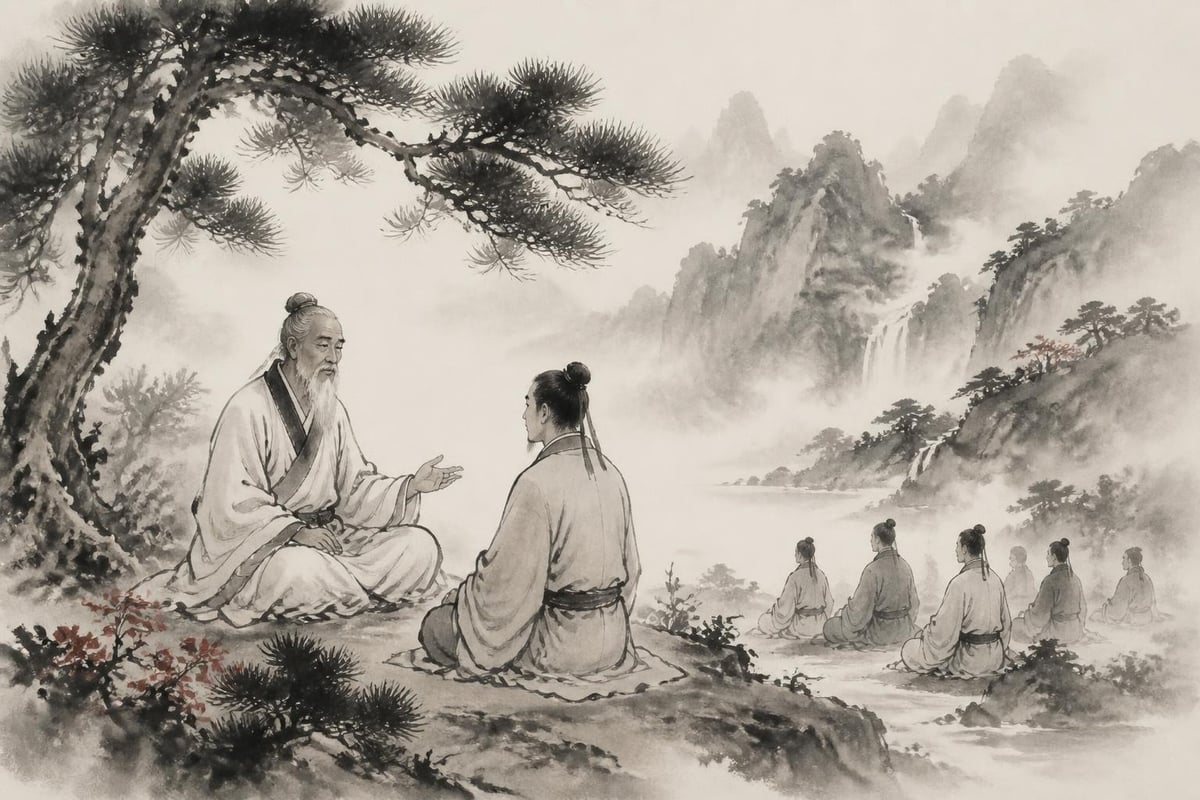
While you can learn basic techniques from books or apps, working with experienced teachers deepens understanding across all meditation styles. Teachers help you navigate obstacles, refine technique, and access the full depth of a tradition.
Authentic transmission matters especially for practices like Taoist meditation, where subtle energetic work requires proper guidance. Techniques passed down through lineages carry wisdom that books can't fully capture.
A good teacher:
- Embodies the qualities the practice develops
- Offers clear instruction adapted to individual needs
- Provides ongoing support and course correction
- Connects you to a living tradition and community
- Balances structure with space for personal discovery
Working with Master Gu, students access 25 years of expertise and an unbroken lineage reaching back through Wudang tradition. This depth of knowledge ensures practices are taught safely and effectively.
Building a Personal Practice That Lasts
Ultimately, the best meditation style is the one you'll actually practise consistently. Sustainability trumps perfection.
Your practice will evolve. What begins with stress reduction might gradually open into spiritual curiosity. Movement meditation might lead to seated stillness. Rigid adherence to one style matters less than genuine engagement with the living process of cultivation.
Key principles for lasting practice:
- Choose meditation styles that resonate with your nature
- Start with realistic commitments you can maintain
- Seek guidance from experienced teachers
- Connect with others on the path
- Be patient with yourself through challenges
- Allow your practice to grow and change naturally
Remember that meditation isn't about escaping your life but engaging it more fully. The stillness you cultivate on the cushion or the presence you develop in Tai Chi form should overflow into clearer thinking, kinder relationships, and more purposeful action.
Different meditation styles offer different doorways into this transformation. The path you choose matters less than the sincerity and consistency you bring to walking it. Trust that the practice you need will reveal itself as you explore with curiosity and commitment.
Exploring different meditation styles opens pathways to greater balance, clarity, and vitality in daily life. Each tradition offers unique gifts, from the present-moment awareness of mindfulness to the energy cultivation of Taoist practices to the compassionate heart of loving-kindness meditation. At Taoist Wellness Online, you can explore authentic Tai Chi, Qi Gong, and Taoist meditation under the guidance of Master Gu, building a sustainable practice rooted in ancient wisdom and supported by a global community of fellow practitioners.