The Tai Chi Master: Wisdom, Practice & Modern Learning
Sep 23, 2026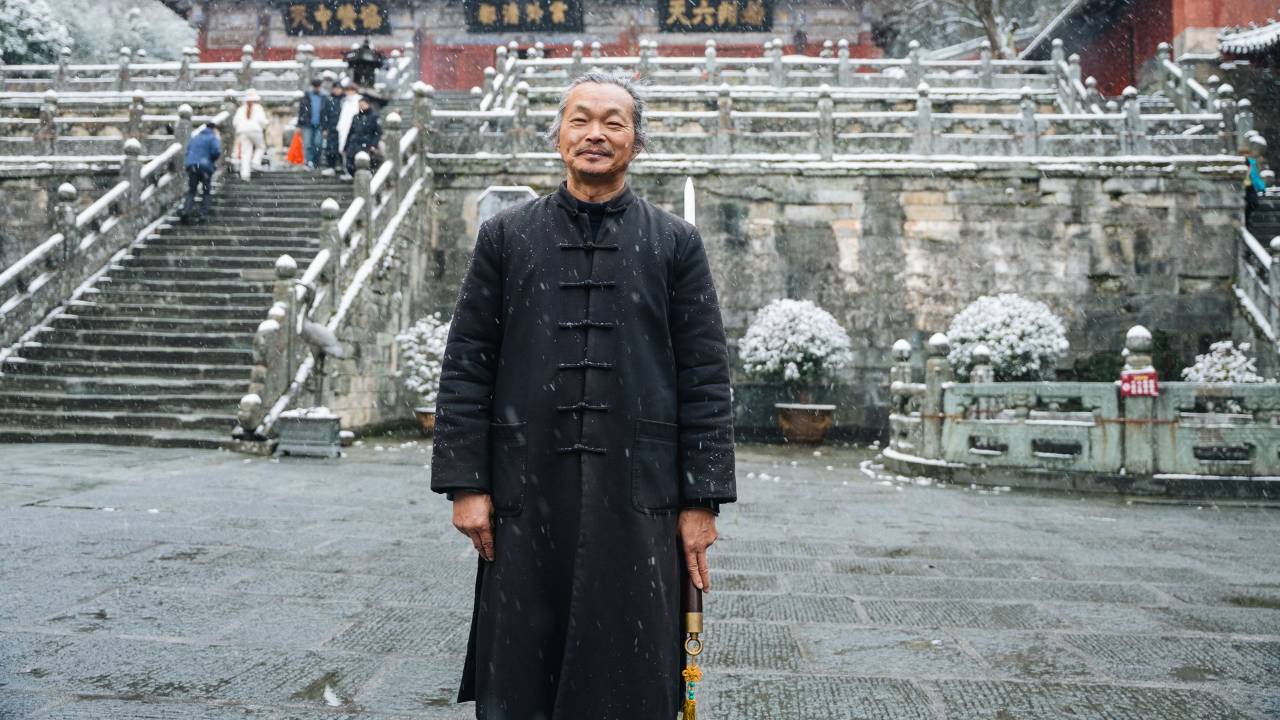
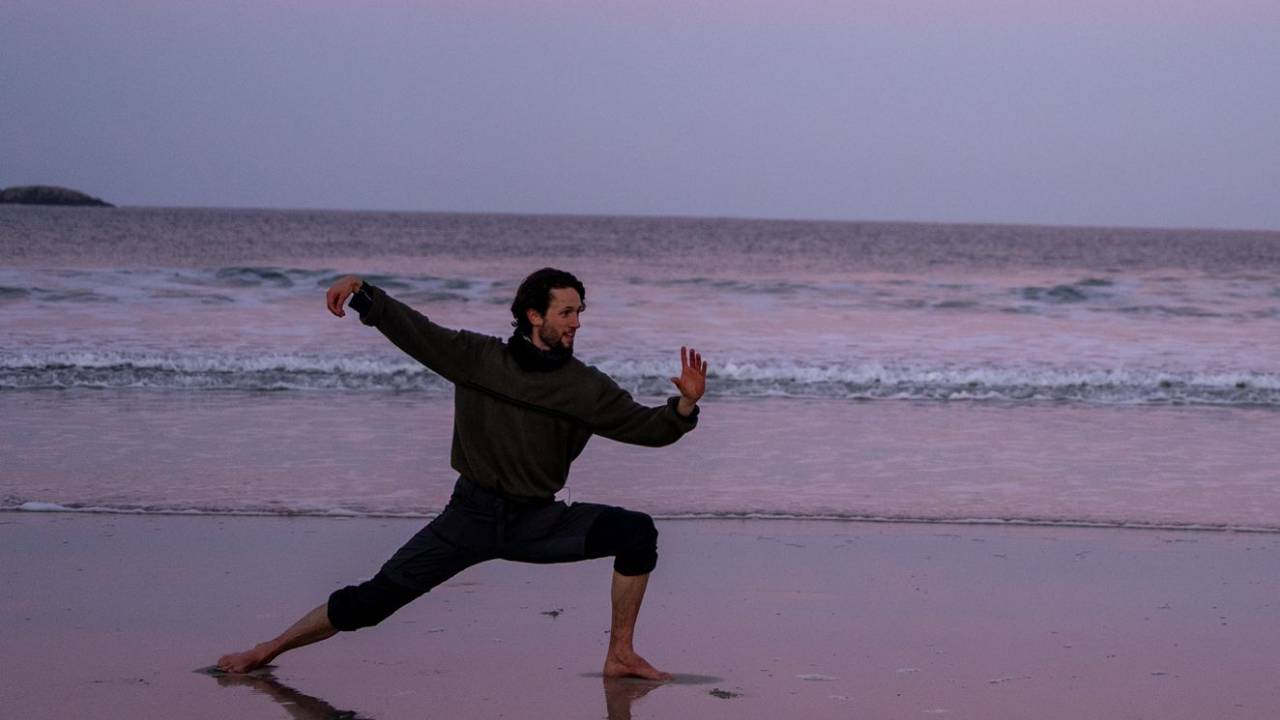
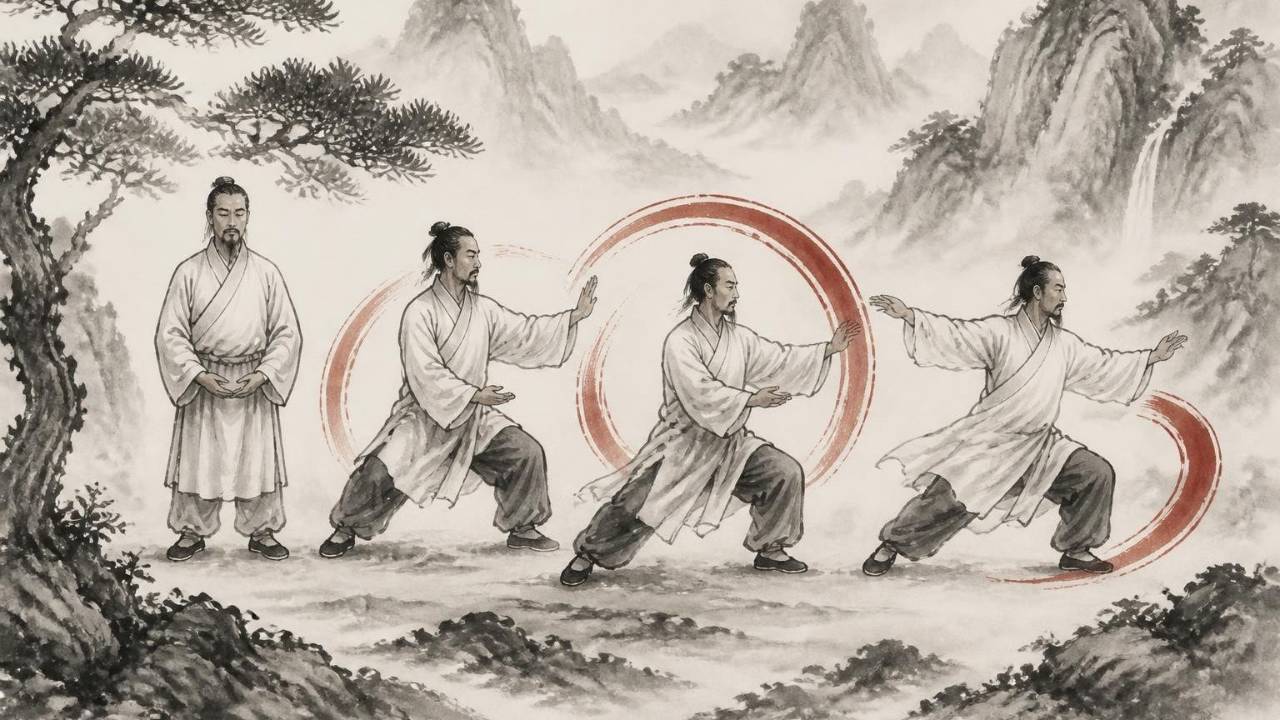
When you think of the tai chi master, what comes to mind? Perhaps an elderly figure moving with effortless grace in a misty mountain courtyard, or someone who seems to embody stillness even in motion. While these images hold truth, the reality of mastery in Tai Chi encompasses far more than external appearance. It's a lifelong relationship with practice, energy, philosophy, and transmission of ancient wisdom that continues to evolve even in our modern world.
What Defines the Tai Chi Master
The title of master carries weight in traditional Chinese martial arts and wellness practices. It represents not just technical skill, but deep understanding of principles that connect body, breath, and spirit.
Beyond Physical Proficiency
A true master understands that Tai Chi forms are merely the visible surface of something much deeper. The physical movements serve as vessels for cultivating qi, developing internal power, and training the mind to remain calm under pressure.
Key qualities that distinguish mastery include:
- Deep knowledge of qi circulation and internal energy cultivation
- Ability to apply Tai Chi principles in daily life, not just during practice
- Understanding of Taoist philosophy that informs every movement
- Capacity to adapt teaching methods to individual students' needs
- Embodiment of the art's principles in character and behaviour
The journey toward mastery typically spans decades. Traditionally, integrating physical movements with internal energy requires years of dedicated practice and refinement. There are no shortcuts, only layers of understanding that reveal themselves through consistent cultivation.
Lineage and Transmission
Authentic mastery connects to lineage. The history of Tai Chi masters traces back through generations, from the legendary Zhang Sanfeng in the 14th century to modern practitioners who carry forward these traditions. Our Wudang San Feng Tai Chi Sword guide traces this same lineage through one of its most striking forms.
This lineage matters because Tai Chi isn't learned from books alone. It requires direct transmission from teacher to student, where subtle adjustments, energy awareness, and deeper principles pass through hands-on guidance and observation.
| Aspect of Learning | Self-Study | Learning from Master |
|---|---|---|
| Form accuracy | Limited feedback | Precise corrections |
| Internal energy | Difficult to grasp | Direct transmission |
| Philosophy integration | Intellectual only | Embodied understanding |
| Personal adaptation | Trial and error | Guided refinement |
When you learn from someone connected to authentic lineage, like Master Gu at Taoist Wellness Online, you receive not just techniques but the accumulated wisdom of centuries. This connection transforms practice from exercise into genuine cultivation.
George sits down with Master Gu to explore exactly this history and philosophy in the video below.
The Path to Becoming the Tai Chi Master
Many students wonder what it takes to develop mastery themselves. While not everyone aspires to teach or earn the formal title, understanding the path illuminates how to approach your own practice with greater depth.
Stages of Development
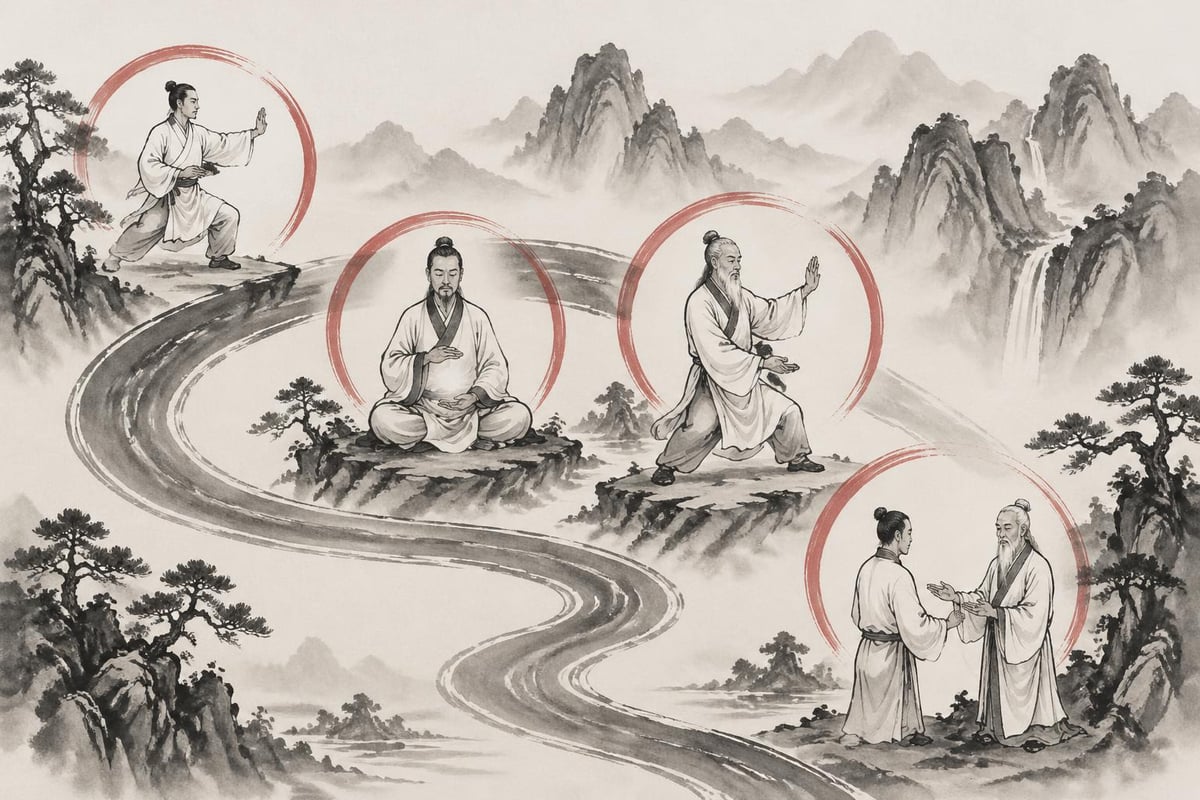
The journey unfolds in distinct phases, though they often overlap and cycle back upon themselves. Observation, listening, and embodied practice are widely recognised as essential components of learning Tai Chi.
The typical progression includes:
- Form memorisation - Learning the sequence of movements
- Posture refinement - Correcting alignment and developing proper structure
- Qi awareness - Beginning to feel and direct internal energy
- Principle integration - Understanding how concepts like yin-yang manifest in practice
- Spontaneous expression - Moving naturally from internal understanding rather than memory
- Teaching transmission - Ability to guide others through their development
This framework provides helpful markers, but remember that mastery isn't a destination you reach and then stop. The tai chi master continues as a lifelong student, discovering new depths even in familiar movements.
Time Investment and Dedication
Traditional wisdom suggests that ten thousand hours of practice marks a turning point in skill development. In Tai Chi, this translates to roughly ten years of daily practice before reaching intermediate mastery.
But quantity alone doesn't create quality. Those hours must include focused attention, proper guidance, and regular self-reflection. Practising incorrectly for years simply reinforces bad habits.
Many students benefit from our structured Tai Chi course that provides progressive curriculum and regular feedback. This prevents the common pitfall of plateauing at a superficial level of understanding.
Modern Approaches to Traditional Mastery
The world has changed dramatically since ancient masters practised in Wudang Mountains, yet the principles remain timeless. Today's students face unique challenges and opportunities in pursuing mastery.
Online Learning and Authentic Transmission
Can genuine mastery develop through online instruction? This question sparks debate in traditional circles. The answer lies in understanding what technology can and cannot transmit.
Advantages of online Tai Chi education:
- Access to authentic masters regardless of geographic location
- Ability to review lessons multiple times for deeper understanding
- Connection with global communities of practitioners
- Flexibility to practise according to your schedule
- Progressive curriculum that builds systematically
What still requires in-person experience:
- Subtle energy exchanges and hands-on corrections
- Feeling a master's qi and learning to recognise it in yourself
- Intensive training periods that accelerate development
- The energetic field created by group practice
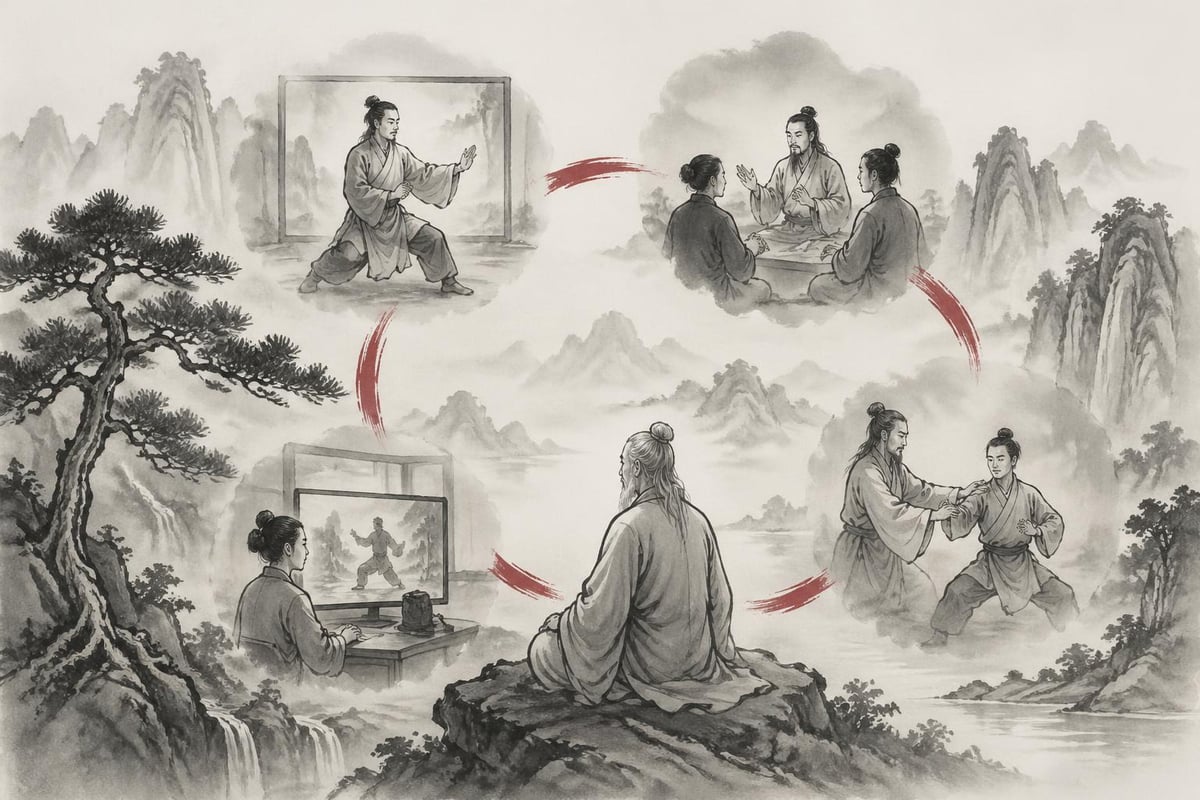
The most effective approach often blends both modalities. Our Taoist Wellness Online academy creates this bridge by offering comprehensive online courses complemented by live sessions and opportunities for deeper study.
The Role of Technology in Preservation
Interestingly, technology also serves preservation, with new tools helping to document and share traditional Tai Chi practices for future generations.
While nothing replaces embodied practice, digital resources allow masters to reach students who might never encounter authentic teaching otherwise. This democratisation of knowledge honours the Taoist principle of flowing with change while maintaining essence.
Recognising Authentic Mastery
With Tai Chi's growing popularity, many self-proclaimed masters have emerged. How do you distinguish genuine mastery from imitation?
Qualities of Authentic Masters
The tai chi master demonstrates certain unmistakable qualities that go beyond impressive forms or flowery credentials.
| Authentic Master | Imitation |
|---|---|
| Emphasises internal development | Focuses primarily on external appearance |
| Adapts teaching to student needs | Teaches one rigid method to everyone |
| Displays humility and continuous learning | Claims to know everything |
| Connects practice to philosophy | Treats Tai Chi as mere exercise |
| Maintains connection to lineage | Invents entirely new systems |
| Shows consistency in character | Behaves differently off the mat |
Watch how potential teachers move when they're not performing. Does their everyday bearing reflect Tai Chi principles? Do they demonstrate patience, presence, and genuine care for students' development?
Certification and Credentials
Master Trainer certifications provide one framework for recognising qualified instructors, particularly in health-focused Tai Chi programmes. These structured programmes ensure teachers meet specific standards of knowledge and teaching ability.
However, traditional Tai Chi mastery often follows different paths. Many authentic masters received their training through apprenticeship models, studying intensively with their own teachers for years before receiving permission to teach.
The most reliable indicator remains lineage. Can the teacher trace their learning back through recognised masters? Do they speak with respect about their own teachers and the tradition they represent? Our Best Online Tai Chi Course by Master Gu article explores how this lineage question plays out in an online setting specifically.
Living as a Student of Mastery
You don't need to become a formal master to benefit from approaching Tai Chi with depth and commitment. The master's mindset transforms practice from routine to revelation.
Daily Practice Foundations
Consistency matters more than duration. Fifteen minutes of focused daily practice outweighs sporadic hour-long sessions. The tai chi master understands that cultivation happens through regular attention, not heroic efforts.
Elements of effective daily practice:
- Begin with standing meditation to settle the mind
- Practise forms with attention to internal sensations, not just external accuracy
- Include specific energy cultivation exercises like our Qi Gong course
- End with integration time, sitting quietly to notice effects
- Keep a brief practice journal to track insights and questions
This rhythm creates the foundation for genuine development. Over months and years, these small daily commitments accumulate into profound transformation.
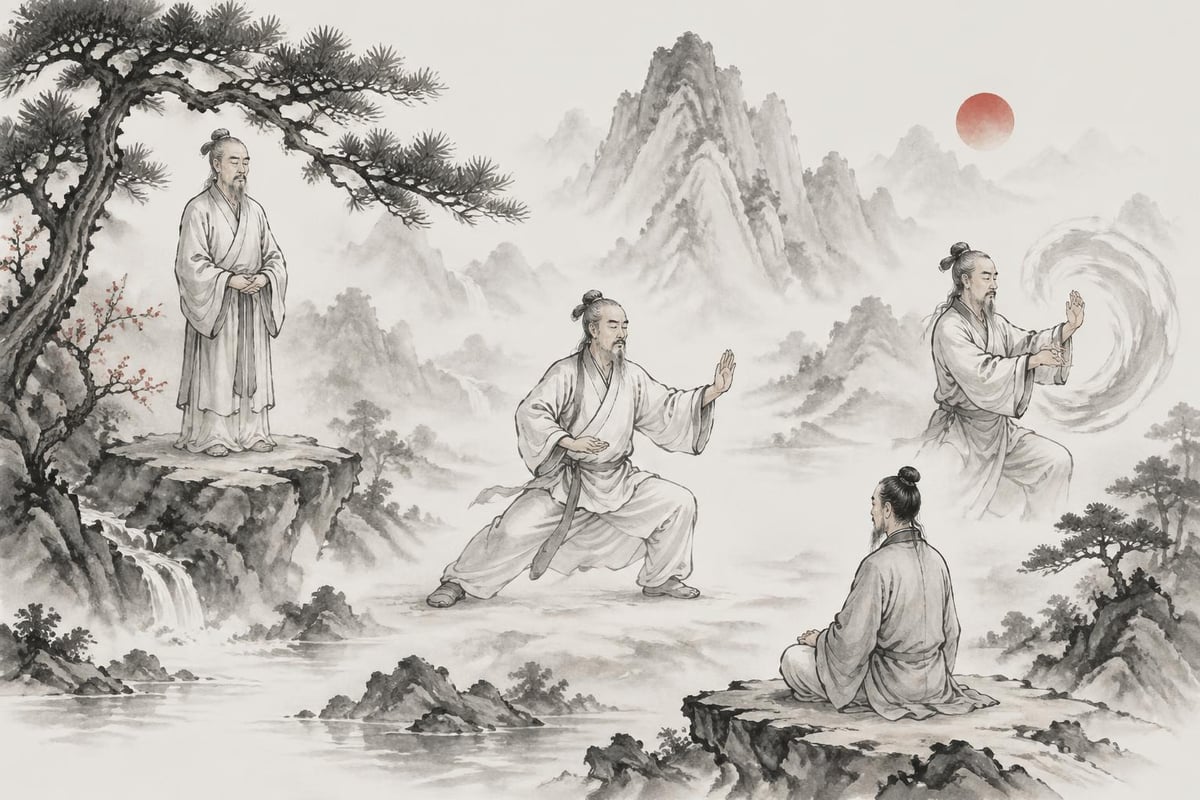
Integrating Philosophy and Practice
Our Taoist philosophy course isn't separate from physical practice. It provides the conceptual framework that makes movements meaningful and effective.
When you understand wu wei (effortless action), your forms become less forced and more natural. When you grasp yin-yang principles, you recognise how yielding can overcome force. When you study qi theory, you feel the energy you're cultivating rather than just going through motions.
Many students discover that philosophical study deepens their physical practice, while physical practice makes philosophy tangible and real. This integration marks the difference between doing Tai Chi and living it.
The Master's Gift: Teaching and Transmission
Eventually, developed practitioners often feel called to share what they've learned. This impulse reflects the natural Taoist principle of circulation. Energy that flows inward must also flow outward to maintain balance.
When to Begin Teaching
Traditional wisdom suggests you need at least ten years of serious practice before teaching others. This timeframe ensures you've internalised principles deeply enough to guide students accurately.
However, teaching itself becomes part of the learning journey. Explaining concepts to beginners often reveals gaps in your own understanding. Watching students struggle with aspects you've mastered reminds you of your own learning process and develops compassion.
The key question isn't "Am I perfect?" but rather "Do I have something valuable to offer, and am I committed to continuing my own development?" The tai chi master never stops being a student.
Methods of Transmission
Different students require different teaching approaches. Some need detailed verbal explanations, while others learn best through demonstration and imitation. Some respond to energetic transmission, while others benefit from anatomical precision.
Effective teaching methods include:
- Personal demonstration with clear explanation
- Hands-on adjustment of student postures
- Metaphorical teaching that connects to student experience
- Energetic transmission through partner exercises
- Homework assignments for independent exploration
- Group dynamics that create supportive learning environments
The master adapts flexibly rather than insisting everyone learn the same way. This responsiveness reflects the Taoist principle of responding appropriately to what each moment requires.
Mastery in the Modern World
Today's practitioners navigate challenges unknown to ancient masters. Busy schedules, digital distractions, and cultural disconnection from traditional practices all complicate the journey. Yet mastery remains possible, perhaps even more necessary.
Balancing Tradition and Innovation
Honouring tradition doesn't mean freezing practices in amber. The tai chi master recognises which elements represent timeless principles versus cultural artefacts that can evolve.
The core principles of relaxation, rooting, energy cultivation, and mind-body integration remain constant. How we transmit these principles, support student learning, and adapt to modern contexts can change while preserving essence.
This balance allows Tai Chi to remain relevant and accessible without becoming diluted or distorted.
Creating Supportive Structures
Individual practice provides the foundation, but community accelerates development. Surrounding yourself with fellow practitioners creates accountability, inspiration, and opportunities to refine understanding through discussion.
Our online community now connects students across continents, allowing you to learn from diverse perspectives while maintaining connection to authentic lineage. This global network would have amazed ancient masters while fulfilling their intention of sharing these practices widely.
Regular interaction with teachers through live sessions provides course corrections before habits become too ingrained. Even our free course can offer valuable insights that redirect your practice toward greater authenticity.
The Infinite Journey
Perhaps the deepest secret of the tai chi master is that mastery itself remains perpetually incomplete. Each level of achievement reveals new depths to explore. The journey continues expanding rather than reaching a final destination.
This perspective removes pressure while increasing commitment. You're not racing toward some finish line where you'll finally "arrive." Instead, you're engaging with an endless process of refinement, discovery, and deepening that enriches every aspect of life.
The forms you practise today will feel different next year, even if they look identical to an observer. Your understanding evolves, your energy becomes more refined, your presence deepens. This is the path of genuine cultivation.
The journey toward mastery in Tai Chi offers profound rewards that extend far beyond physical health into mental clarity, emotional balance, and spiritual depth. Whether you aspire to teach others or simply wish to deepen your personal practice, approaching Tai Chi with commitment and authentic guidance transforms it from exercise into genuine cultivation. Taoist Wellness Online provides the structured curriculum, expert instruction from Master Gu, and supportive community that make this transformative journey accessible to dedicated students worldwide, honouring ancient wisdom while embracing modern learning methods.