Tao Tai Chi: Ancient Wisdom for Modern Wellness
Sep 22, 2026
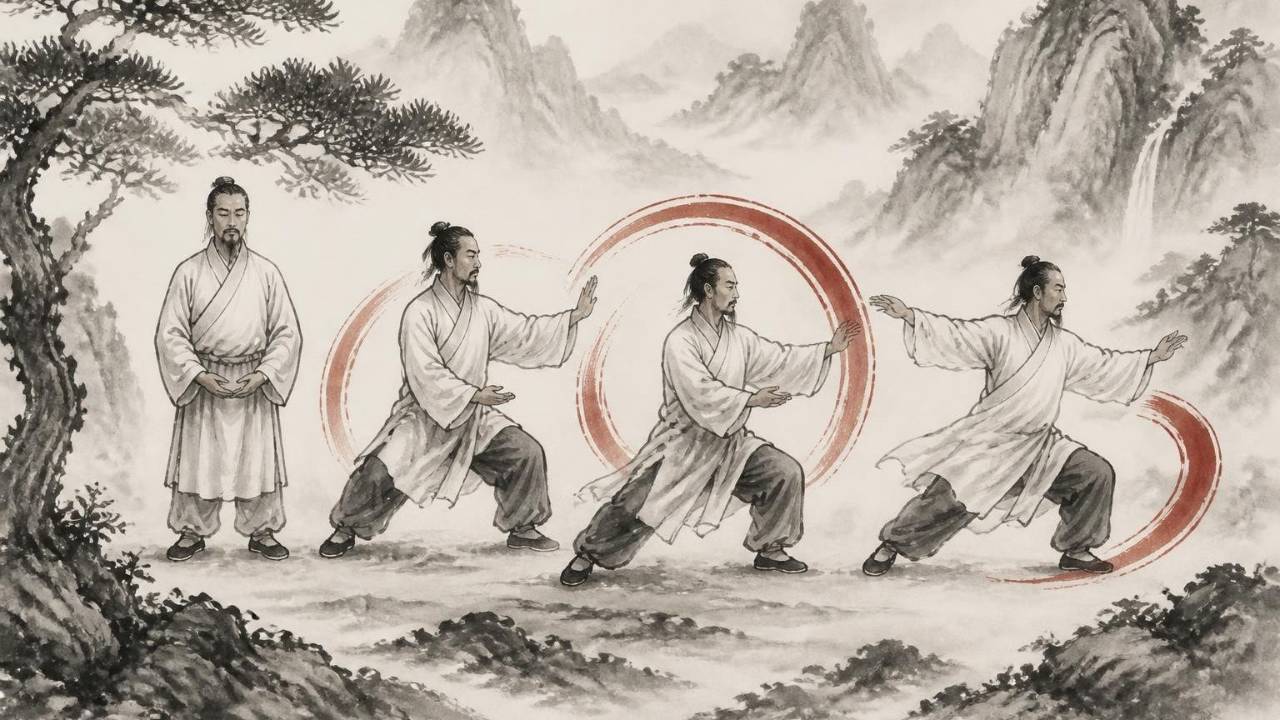
Tao tai chi represents a profound integration of ancient Taoist philosophy with the flowing movements of tai chi, creating a practice that nourishes both body and spirit. This approach goes beyond simple exercise, weaving together principles of balance, natural movement, and energy cultivation that have sustained wellness practices for centuries. Whether you're seeking relief from stress, improved physical health, or a deeper connection to timeless wisdom, tao tai chi offers a gentle yet powerful path forward.
The Foundations of Tao Tai Chi Practice
Tao tai chi emerges from the rich soil of Taoist tradition, where movement becomes meditation and exercise transforms into spiritual cultivation. At its heart lies the concept of wu wei, or effortless action, where practitioners learn to move with rather than against the natural flow of energy.
The practice builds on several core principles:
- Qi cultivation through slow, deliberate movements
- Yin-yang balance expressed in each posture
- Mindful breathing synchronised with physical forms
- Natural alignment that follows the body's innate wisdom
- Meditative awareness maintained throughout practice
Unlike more athletic forms of tai chi, tao tai chi emphasises the internal cultivation of life force energy. Each movement serves as a gateway to deeper self-awareness, allowing practitioners to sense and guide qi throughout their bodies.
Understanding the Taoist Connection
The Taoist elements in tao tai chi distinguish it from purely physical exercise systems. This tradition incorporates philosophical teachings about harmony, simplicity, and living in accordance with natural rhythms. This integration creates a holistic practice that addresses physical health while nurturing mental clarity and spiritual depth.
When you practise tao tai chi with authentic guidance, like that available through our structured Tai Chi course, you're not just learning movements. You're stepping into a lineage of wisdom that has helped people find balance for generations.
Master Gu explores this idea of applying Taoist wisdom to daily life in the video below.
Physical Benefits That Transform Daily Life
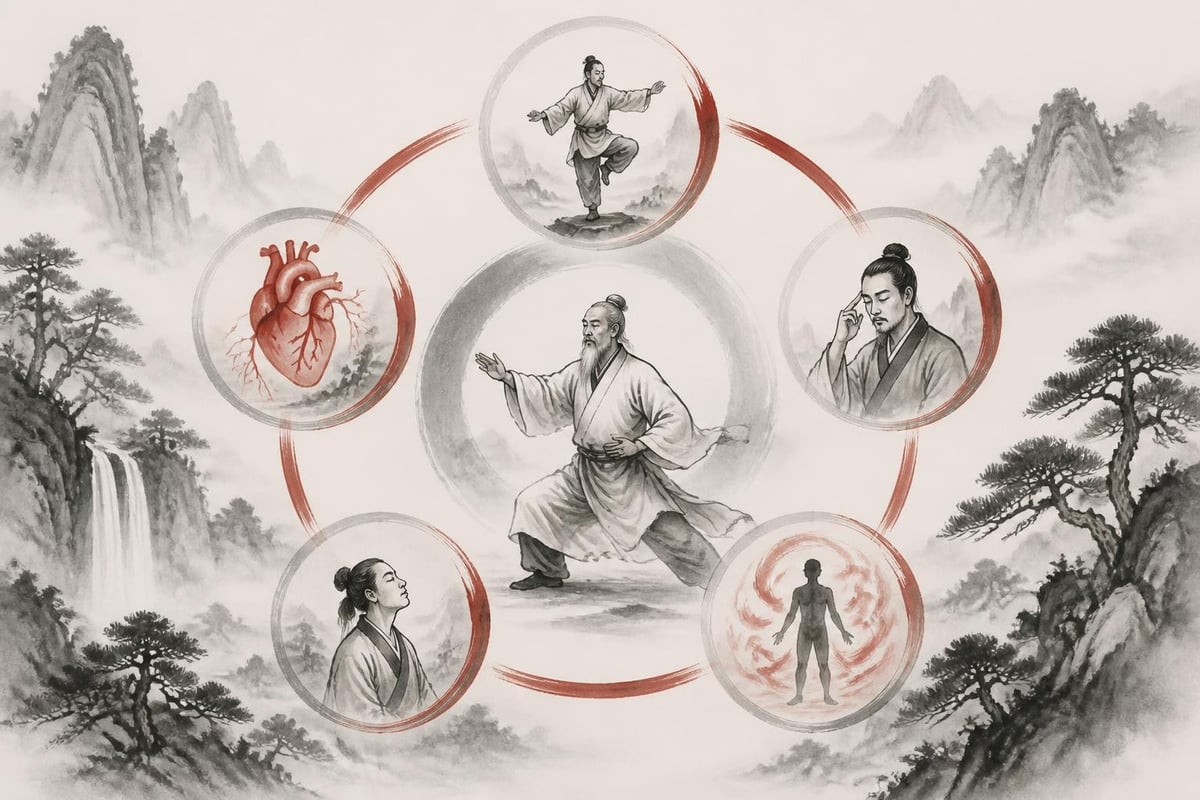
The gentle, flowing nature of tao tai chi makes it accessible while delivering remarkable health improvements. Practised consistently, it yields measurable benefits across multiple systems of the body.
| Benefit Category | Specific Improvements | Timeline |
|---|---|---|
| Balance & Stability | Reduced fall risk, better proprioception | 8-12 weeks |
| Cardiovascular | Lower blood pressure, improved circulation | 12-16 weeks |
| Mental Health | Decreased anxiety, better sleep quality | 4-8 weeks |
| Flexibility | Increased range of motion, reduced stiffness | 6-10 weeks |
| Immune Function | Enhanced immune response, faster recovery | 12+ weeks |
Tai chi has been shown to deliver health benefits comparable to more vigorous exercise, making it ideal for people of all fitness levels.
Fall Prevention and Healthy Ageing
For those concerned about ageing well, tao tai chi offers particular value. The practice significantly reduces fall risks by improving coordination, strengthening the legs, and enhancing spatial awareness. Many practitioners report feeling more grounded and stable in their daily movements within just a few weeks.
Key improvements for ageing well:
- Enhanced proprioception and body awareness
- Stronger core muscles supporting balance
- Better reaction time and coordination
- Increased confidence in physical movement
- Reduced fear of falling
The gentle nature of tao tai chi makes it particularly valuable for older adults seeking healthy ageing practices without the joint stress of high-impact exercise. As with any new movement practice, it's worth checking with your healthcare provider first, particularly if you have existing balance or health concerns.
Mental and Emotional Wellness Through Movement
Beyond physical benefits, tao tai chi serves as a powerful tool for mental health and emotional balance. The practice creates space for the mind to settle, offering respite from the constant demands of modern life.
The meditative quality of tao tai chi helps practitioners develop what Taoists call "inner stillness amid motion." This paradoxical state cultivates mental clarity while the body flows through forms. Many students discover that the same calm awareness developed during practice begins to permeate their daily activities.
Stress Reduction and Sleep Quality
The slow, mindful movements activate the parasympathetic nervous system, triggering the body's natural relaxation response. This makes tao tai chi especially valuable for managing chronic stress and anxiety.
Even brief practice sessions yield noticeable effects. Immediate calming benefits can emerge from consistent short practices, making the discipline accessible even for busy schedules.
Learning Tao Tai Chi: Where to Begin
Starting your tao tai chi journey requires less than you might imagine. While authentic instruction matters, the practice itself welcomes beginners with patient, accessible movements that build naturally over time.
Essential Elements for New Practitioners
When beginning tao tai chi, focus on these foundational aspects:
- Proper posture alignment from feet through spine
- Relaxed breathing that flows naturally with movement
- Patience with progress rather than forcing results
- Consistent practice even in short sessions
- Qualified instruction from experienced teachers
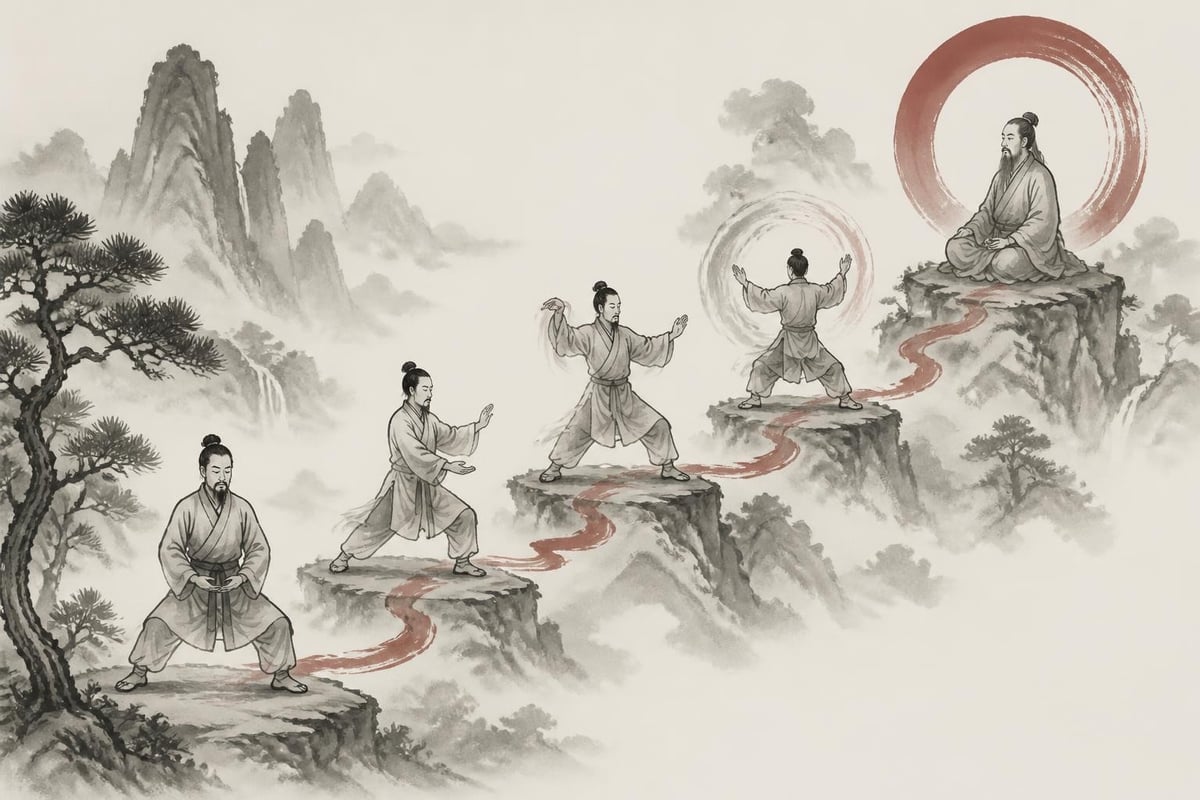
Working with an authentic master makes a significant difference in understanding the subtle internal aspects of practice. Our community provides access to Master Gu's expertise, connecting students worldwide with authentic Wudang lineage teachings.
What You'll Need
The beauty of tao tai chi lies in its simplicity. You don't need expensive equipment or special facilities.
Basic requirements:
- Comfortable, loose-fitting clothing
- Flat shoes or bare feet
- Quiet space with room to extend arms
- Regular practice schedule
- Openness to gradual learning
Any comfortable attire works well for beginners, and you don't need anything specialist to get started.
Integrating Taoist Philosophy Into Practice
Tao tai chi becomes truly transformative when physical practice intertwines with philosophical understanding. The movements aren't arbitrary; each embodies Taoist principles about natural flow, balance, and harmony.
The concept of yin and yang manifests throughout tao tai chi forms. Empty and full, soft and firm, rising and sinking - these complementary forces dance through every movement. Practitioners learn to feel these polarities not as opposites but as interdependent aspects of wholeness. Our 6 Key Concepts of Taoism covers several of these foundational ideas in more depth.
The Three Treasures in Movement
Taoist tradition speaks of three treasures: jing (essence), qi (energy), and shen (spirit). Tao tai chi cultivates all three simultaneously:
| Treasure | How Tao Tai Chi Cultivates It | Practice Focus |
|---|---|---|
| Jing (Essence) | Strengthens physical body, conserves vitality | Proper alignment, grounding |
| Qi (Energy) | Guides life force through meridians | Breath coordination, flow |
| Shen (Spirit) | Develops mental clarity and presence | Meditative awareness, focus |
For those interested in deeper exploration, our Taoist philosophy course offers comprehensive teachings on these principles and their practical application.
Daily Practice: Building Sustainable Habits
Consistency matters more than duration when cultivating tao tai chi practice. A brief daily session outweighs occasional long practices in developing the mind-body connection that makes this discipline so valuable.
Creating your practice rhythm:
- Start with 10-15 minutes daily
- Choose a consistent time (morning often works well)
- Practise in the same space when possible
- Track your experience in a simple journal
- Gradually extend duration as comfort grows
Many students begin with our free introductory course to establish foundational understanding before committing to regular practice.
Combining Tao Tai Chi With Other Practices
Tao tai chi complements other Taoist wellness disciplines beautifully. Many practitioners combine it with qi gong for enhanced energy cultivation or meditation for deeper stillness.
The synergy between practices creates something greater than each discipline alone. Morning qi gong might focus on gathering and circulating energy, while afternoon tao tai chi integrates that energy through flowing movement, and evening meditation allows everything to settle into stillness.
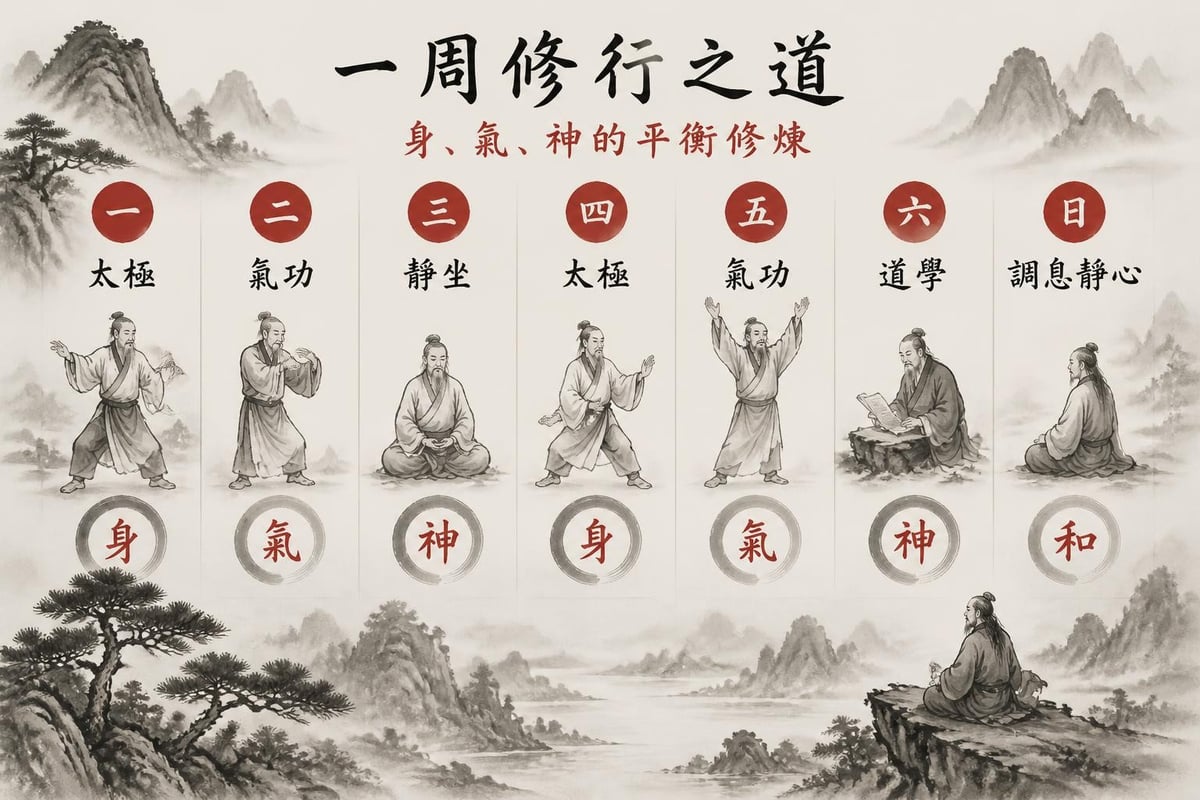
Exploring our Qi Gong course alongside tao tai chi provides a comprehensive approach to energy cultivation and wellness.
Common Challenges and How to Navigate Them
Every practitioner encounters obstacles on their tao tai chi journey. Recognising these as natural parts of the learning process helps maintain motivation and progress.
Typical challenges:
- Physical imbalance or shakiness during standing postures
- Mental wandering despite intention to focus
- Frustration with slow progress in learning forms
- Difficulty coordinating breath with movement
- Uncertainty about correct positioning or alignment
These challenges actually serve as valuable feedback, revealing areas where awareness can deepen. Rather than problems to eliminate, view them as teachers guiding your development.
The Role of Community Support
Practising alongside others, even virtually, provides encouragement and perspective. Fellow students often notice improvements you might miss in yourself and offer insights from their own experiences.
Connecting with the broader community of practitioners creates accountability while reducing the isolation that sometimes accompanies solo practice.
Advanced Concepts in Tao Tai Chi
As practice matures, tao tai chi reveals deeper layers of refinement. What began as learning external forms gradually shifts toward cultivating internal qualities.
Advanced practitioners focus on:
- Sung (releasing unnecessary tension throughout the body)
- Listening energy (sensing subtle movements in partners or environment)
- Whole-body connection (moving as integrated unit rather than separate parts)
- Spiralling force (generating power through rotation rather than muscular effort)
- Rooting and yielding (maintaining stability while adapting to circumstances)
These refinements develop naturally over years of consistent practice. They can't be forced or rushed, only cultivated through patient attention and authentic guidance. Our Taoist Ethics and Morality article explores the values underpinning this kind of patient, virtuous cultivation.
The Internal Alchemy Dimension
At its deepest level, tao tai chi becomes a form of nei dan or internal alchemy. The body transforms into a vessel for refining qi, with movements serving as catalysts for energetic transformation.
This advanced dimension requires direct transmission from qualified teachers who have walked the path themselves. Our meditation course complements physical practice by developing the internal awareness necessary for this deeper work.
Seasonal Practice and Natural Rhythms
Taoist tradition emphasises aligning human activity with natural cycles. Tao tai chi practice can shift subtly with seasons, honouring the different energies each time of year brings.
Seasonal adjustments:
- Spring: Focus on rising, expanding movements matching nature's growth
- Summer: Practise earlier or later to avoid peak heat, emphasise flowing forms
- Autumn: Emphasise gathering, condensing energy as nature contracts
- Winter: Shorter sessions with emphasis on internal warming, stillness
This seasonal awareness connects practice to larger rhythms beyond individual experience, deepening the sense of belonging to natural patterns.
Tao Tai Chi for Specific Life Situations
The adaptable nature of tao tai chi makes it valuable across diverse circumstances and life stages. The practice meets you where you are, offering exactly what each moment requires.
For those managing chronic pain, the gentle movements can improve circulation without aggravating sensitive areas. Students recovering from injury often find tao tai chi helps rebuild strength and confidence in their bodies.
Applications for different needs:
| Life Situation | How Tao Tai Chi Helps | Key Benefits |
|---|---|---|
| High stress work | Provides mental reset, reduces tension | Clarity, calm |
| Retirement transition | Offers structure, community, purpose | Connection, vitality |
| Chronic illness | Gentle movement, general wellbeing support | Resilience, hope |
| Athletic training | Improves body awareness, prevents injury | Balance, efficiency |
The practice adapts to individual capacity while maintaining its essential character. This flexibility makes tao tai chi accessible regardless of starting point or current circumstances.
Resources for Deepening Your Journey
Continuous learning enriches tao tai chi practice, providing fresh perspectives and deeper understanding.
Our curated reading list provides access to classical Taoist texts and contemporary scholarship, helping practitioners understand the philosophical foundations supporting their physical practice.
Live Instruction and Guided Practice
While self-directed learning has value, nothing replaces direct instruction from an experienced master. Live feedback helps correct subtle misalignments and deepens understanding of internal aspects invisible in videos.
Tao tai chi offers a sustainable path toward wellness that honours both body and spirit, blending gentle movement with profound wisdom. Whether you're seeking better balance, reduced stress, or deeper connection to timeless teachings, this practice meets you with patient effectiveness. Taoist Wellness Online provides authentic instruction from Master Gu, connecting students worldwide with the genuine Wudang lineage through comprehensive courses, live sessions, and a supportive community. Begin your journey today and discover how ancient wisdom can transform modern life.