Tai Chi for Anxiety: Ancient Practice, Modern Relief
Sep 28, 2026
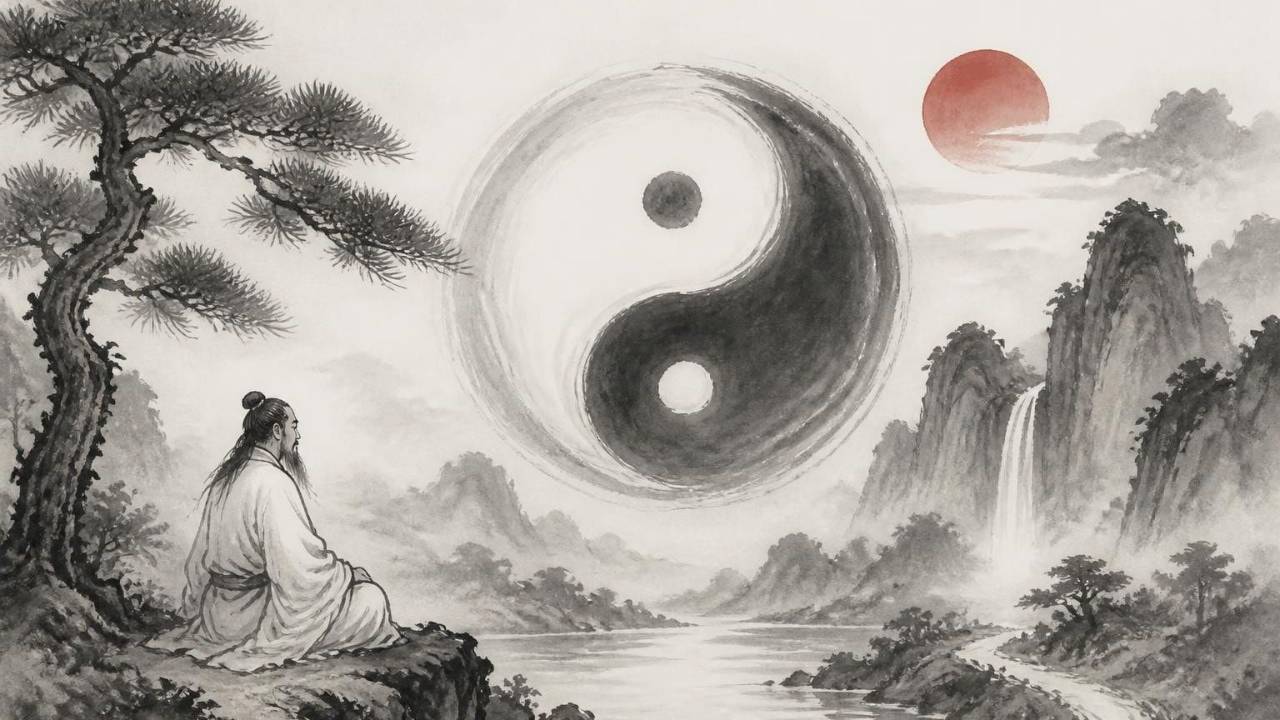
Anxiety doesn't always announce itself with words. Sometimes it shows up as a tight chest, shallow breathing, or a mind that won't stop racing through worst-case scenarios. In a world that glorifies constant productivity and stimulation, our nervous systems pay the price. While professional support and medical guidance remain essential for many people, tai chi for anxiety offers a complementary path alongside them, one that addresses not just symptoms, but the underlying patterns of tension and disconnection that can accompany anxious states. This ancient Chinese practice combines slow, flowing movements with focused breathing and mindful awareness, creating a moving meditation that gently guides you back to centre.
What Makes Tai Chi Effective for Anxiety
Tai chi works on anxiety through multiple pathways simultaneously. Unlike approaches that target only one aspect of your experience, this practice engages your body, breath, mind, and energy all at once.
The slow, deliberate movements require present-moment attention. When you're focused on shifting your weight smoothly from one leg to another, coordinating your hands with your breath, and maintaining your balance, there's simply less mental space for anxious thoughts to dominate. This isn't about forcing worries away - it's about naturally redirecting your attention to something tangible and immediate.
The physical benefits include:
- Reduced muscle tension throughout the body
- Improved circulation and oxygen flow
- Balanced nervous system activation
- Enhanced body awareness and proprioception
- Strengthened core stability and grounding
Tai chi has been studied as a complementary approach for anxiety, with regular practice associated with reductions in anxiety symptoms and improvements in overall wellbeing.
The Breath-Movement Connection
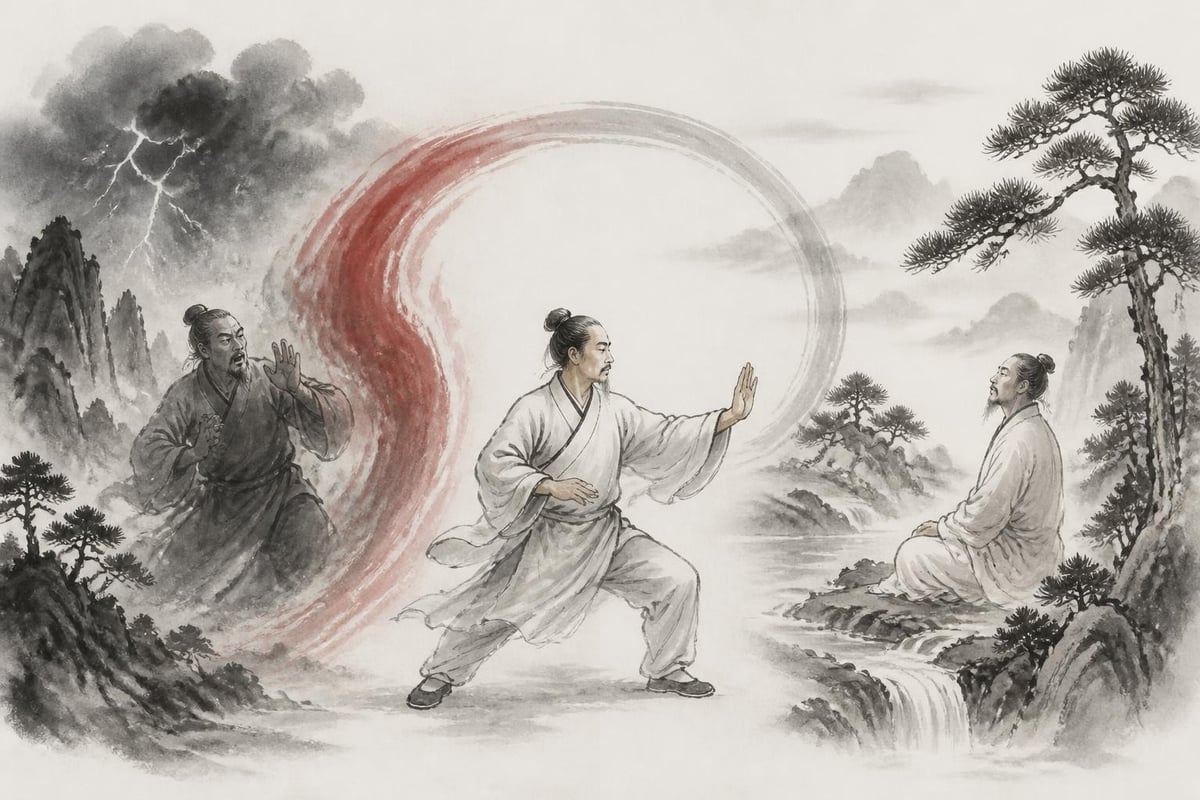
One of tai chi's most powerful tools for managing anxiety is its emphasis on coordinated breathing. In Wudang tai chi, breath isn't an afterthought - it's woven into every movement, creating a rhythm that naturally slows your system down.
When you're anxious, breathing typically becomes shallow and rapid, centred in the chest. This pattern can reinforce feelings of alarm in the body. Tai chi teaches you to breathe deeply into your lower abdomen, lengthening each inhale and exhale in sync with your movements.
This diaphragmatic breathing activates your parasympathetic nervous system, the part responsible for rest, digestion, and recovery. Over time, this becomes your new default, helping you respond to stress with calm rather than panic.
George shares a simple 2-minute practice for exactly this in the video below.
How Tai Chi Addresses the Root of Anxiety
Anxiety often stems from a disconnect between mind and body, a sense of being ungrounded or out of control. Tai chi for anxiety works by restoring these fundamental connections through specific principles embedded in the practice.
Grounding Through the Feet
Every tai chi movement begins with connection to the earth. You learn to feel your weight settling through your feet, your legs becoming stable pillars that support you. This isn't metaphorical - it's a physical sensation that many anxious people have lost touch with.
When you practise regularly, you develop what Taoists call "rooting." Even in the midst of challenges, you can find that stable centre within yourself. The movements teach you how to shift your weight smoothly, maintain balance through transitions, and return to centre after every extension.
| Tai Chi Principle | How It May Support Calm | Practice Application |
|---|---|---|
| Rooting | Creates physical and emotional stability | Weight sinking through feet into earth |
| Softness | Releases muscular tension and resistance | Relaxed shoulders, loose joints |
| Continuity | Supports a settled, unhurried mind | Smooth, unbroken movement flow |
| Centredness | Develops internal reference point | Awareness returning to dan tian |
The Role of Slowness
In a culture obsessed with speed and efficiency, tai chi's deliberate pace can feel radical. But this slowness is precisely what makes the practice so valuable alongside anxious states.
When you move slowly, you can't rush past sensations or emotions. You have to feel them, work with them, and allow them to shift naturally. This builds a different relationship with discomfort, one based on patience and curiosity rather than avoidance.
The slow pace also allows you to notice subtle shifts in your energy and tension patterns. You become aware of how you habitually hold your shoulders, clench your jaw, or lock your knees. With that awareness comes the possibility of choice, you can consciously release what you no longer need to carry.
Building a Tai Chi Practice for Anxiety Relief
Starting tai chi for anxiety doesn't require special equipment, expensive classes, or athletic ability. What it does require is consistency, patience, and a willingness to explore your inner landscape.
Getting Started
- Choose a qualified instructor or programme that emphasises the meditative aspects of tai chi, not just the physical forms
- Start with short sessions of 10-15 minutes rather than overwhelming yourself with hour-long practices
- Focus on foundational movements like standing meditation and simple weight shifts before complex sequences
- Practise at the same time each day to build a sustainable routine
- Let go of perfection and embrace the learning process with compassion
Many people find that learning from an authentic lineage brings depth that goes beyond exercise. The Wudang tradition offers teachings that have been refined over centuries, with specific applications for calming the mind and balancing energy.
When to Practise
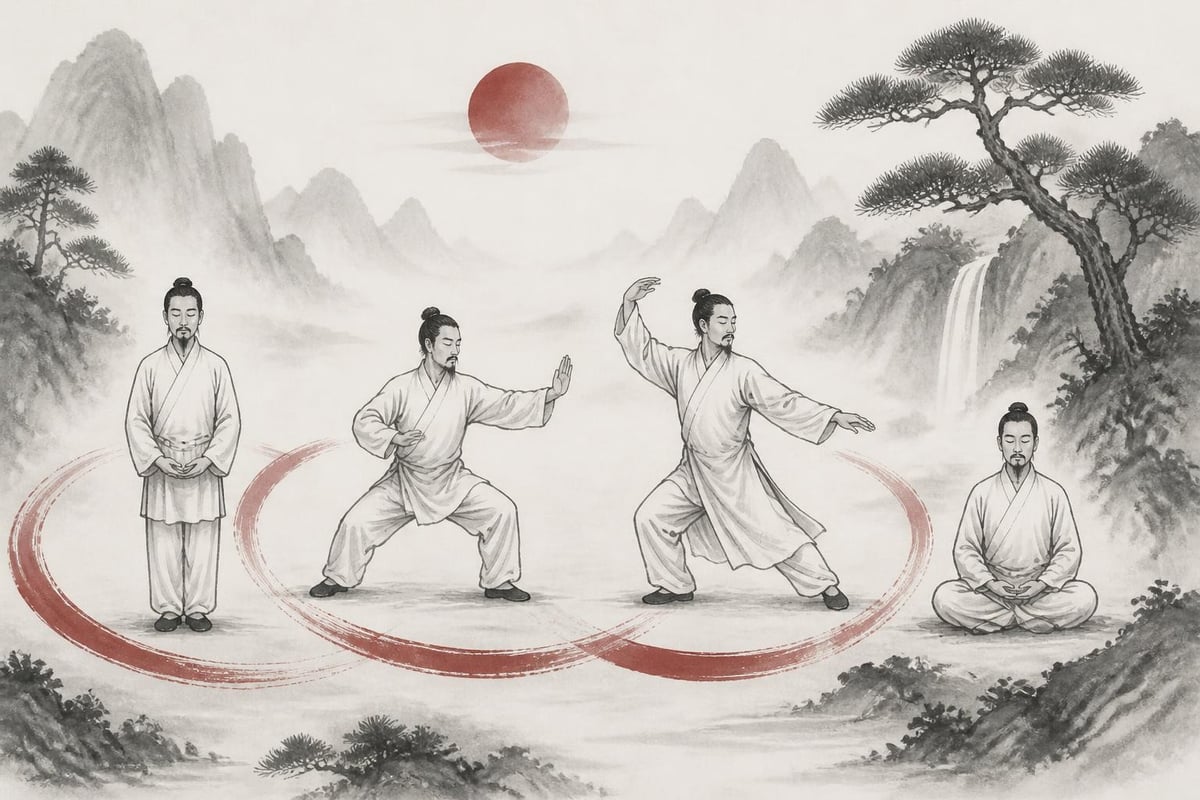
The beauty of tai chi is that it adapts to your schedule and needs. Many practitioners find morning practice sets a calm tone for the entire day, while others prefer evening sessions to release accumulated tension.
Optimal practice times:
- Morning (6-8 AM): Grounds you before the day's demands begin
- Midday (12-1 PM): Provides a reset during busy workdays
- Evening (6-8 PM): Helps transition from activity to rest
- Before bed (9-10 PM): May support more restful sleep
The most important factor isn't when you practise, but that you practise regularly. Even five minutes of mindful movement is more valuable than an hour done sporadically.
The Mind-Body Integration
What sets tai chi apart from conventional exercise is its integration of physical movement with mental cultivation. This isn't just about moving your body, it's about training your awareness and developing what Taoists call "inner stillness within outer movement."
Mindfulness in Motion
Each tai chi movement serves as a focal point for meditation. As you raise your arms, you notice the sensation of air against your skin, the gentle engagement of your shoulder muscles, the expansion in your chest. This embodied mindfulness pulls you out of anxious thoughts and into present experience.
The forms themselves have names that evoke natural imagery: "White Crane Spreads Wings," "Parting the Wild Horse's Mane," "Cloud Hands." These aren't just poetic, they guide your mental state, connecting you to qualities of grace, power, and flow that counter anxiety's rigidity.
If you're new to these concepts, exploring our Taoist meditation course alongside your physical practice can deepen your understanding of how mind and energy work together.
Working with Energy
In the Taoist view, anxiety is often associated with tension or excess energy in the upper body, particularly the chest and head. You might experience this as racing thoughts, tight shoulders, or shallow breathing.
Tai chi addresses this through specific movements that guide energy (qi) downward and inward. As you practise, you learn to sense and direct this subtle force, bringing excess energy from your head down through your body and into the earth. Our Dan Tien article explores this energy centre in more depth.
This isn't mystical thinking, it's a practical framework for working with your nervous system and attention. When you focus on your lower abdomen (dan tian) and feet rather than your spinning thoughts, you literally change where your attention and awareness settle.
Combining Tai Chi with Qi Gong for Deeper Relief
While tai chi offers flowing forms that integrate multiple principles, qi gong provides specific exercises targeting particular organs, emotions, or energy patterns. For anxiety, certain qi gong practices complement tai chi beautifully.
Key qi gong exercises that may help:
- Heart-opening sequences that release chest tightness and emotional constriction
- Kidney-strengthening practices that build the deep reserves anxiety can deplete
- Liver qi smoothing movements that address frustration and irritability
- Spleen-harmonising exercises that calm overthinking and rumination
The Wudang approach to these practices emphasises gentleness and natural flow. You're not forcing anything, you're creating conditions for your system to rebalance itself.
Learning authentic practices can make a significant difference in your results. Our free Taoist course introduces you to foundational movements specifically designed to release tension, calm your mind, and restore balance, perfect for anyone beginning their journey with tai chi and qi gong.
Long-Term Benefits and Sustainable Practice
The relationship between tai chi and anxiety isn't about quick fixes. While many people notice some immediate calming effects, the deeper transformation unfolds over weeks and months of consistent practice.
What to Expect Over Time
| Timeline | Physical Changes | General Wellbeing | Energy Development |
|---|---|---|---|
| Week 1-2 | Increased body awareness, mild muscle soreness | Moments of mental quiet, reduced rumination | Beginning to sense breath and movement connection |
| Week 3-8 | Improved balance and coordination, easier breathing | Steadier mood, better stress recovery | Awareness of energy centres, smoother flow |
| Month 3-6 | Noticeably reduced tension patterns, better sleep | Sustained mood improvement, emotional resilience | Ability to direct and balance energy consciously |
| Month 6+ | Transformed posture and movement quality, vitality | A steadier relationship with difficult feelings | Integration of practice into daily life |
These benefits compound over time. Anxious feelings might still visit occasionally, but you now have tools to work with them skilfully rather than being overwhelmed.
Building Community Support
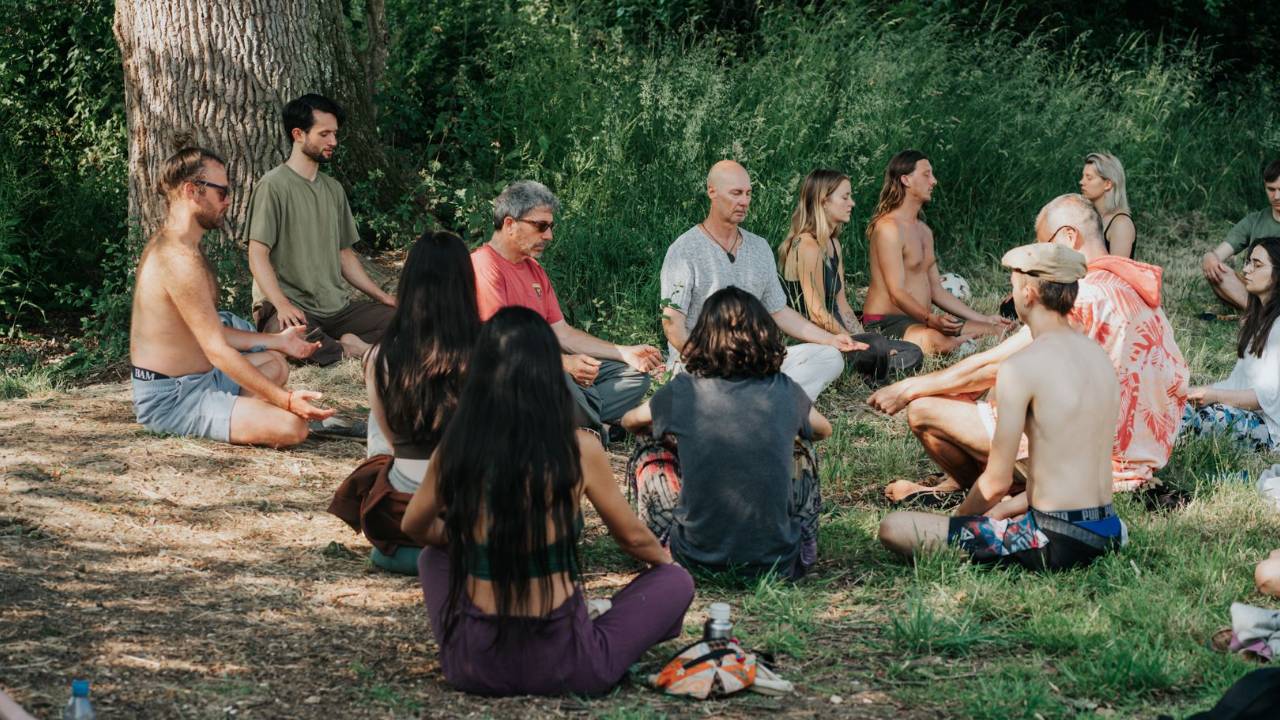
Practising alone has value, but connecting with others on a similar path amplifies your growth. When you join a community of practitioners, you gain encouragement, shared wisdom, and the subtle energy boost that comes from group practice.
Many students find that our community provides valuable support as they develop their practice, offering a space to ask questions, share experiences, and stay motivated.
Adapting Practice to Your Needs
One of tai chi's greatest strengths is its adaptability. Whether you're 25 or 75, athletic or recovering from illness, you can modify the practice to meet you where you are.
Modifications for Different Situations
If standing is difficult, many movements can be done seated. If full-range motion causes discomfort, smaller, gentler versions still provide benefits. The key principle remains the same: coordinated movement, breath, and awareness working together to support calm.
For those managing significant anxiety, starting extremely gently is essential, and it's worth speaking with a doctor or qualified mental health professional about how a practice like this might fit alongside any support you're already receiving. Sometimes just standing quietly and feeling your feet on the ground for a few minutes is the right practice. There's no rush.
Our Taoist Training article offers a broader look at how these principles adapt across different needs and starting points.
Beyond the Practice Session
The real test of tai chi for anxiety isn't how calm you feel during practice, it's how you respond to life's inevitable stresses. Over time, the principles you embody on the practice floor begin showing up in your daily life.
You might notice yourself taking a conscious breath before reacting to bad news. You could find yourself standing more grounded during a difficult conversation. The smoothness you cultivate in movement may appear in how you navigate transitions and uncertainties.
Ways tai chi principles transfer to daily life:
- Responding to challenges with softness rather than rigidity
- Maintaining your centre when external circumstances push you
- Moving through tasks with flow instead of frantic rushing
- Breathing consciously during stressful moments
- Recognising and releasing tension as it arises
This integration doesn't happen automatically, it requires intentional practice of applying what you learn. But with time, tai chi becomes less something you do and more a way you move through the world.
Creating Your Personal Practice
While learning from qualified instruction is valuable, ultimately you must make the practice your own. This means discovering which movements resonate most deeply, what time of day works best, and how to adapt principles to your unique circumstances.
Some people thrive with structured routines, practising the same sequence daily. Others prefer intuitive practice, allowing their body to guide which movements it needs. Both approaches work, what matters is that your practice feels sustainable and nourishing rather than like another obligation.
Remember that some days your practice will feel expansive and joyful, while other days it might feel like you're just going through the motions. Both are valuable. Consistency matters more than any single session's quality.
Tai chi for anxiety offers a time-tested pathway toward more ease and a steadier, more centred presence. The practice doesn't eliminate life's challenges, but it can support a different relationship with them, building resilience from the inside out. If you're ready to explore these ancient practices with authentic guidance, Taoist Wellness Online provides comprehensive instruction in Wudang tai chi, qi gong, and Taoist meditation under the guidance of Master Gu, a 15th-generation lineage holder. With a supportive global community, structured courses, and practices designed to restore balance and calm, you'll find the tools and support to build a steadier, more grounded daily life.