Who Was Lao Tzu? Ancient Sage Behind Taoism
Nov 06, 2026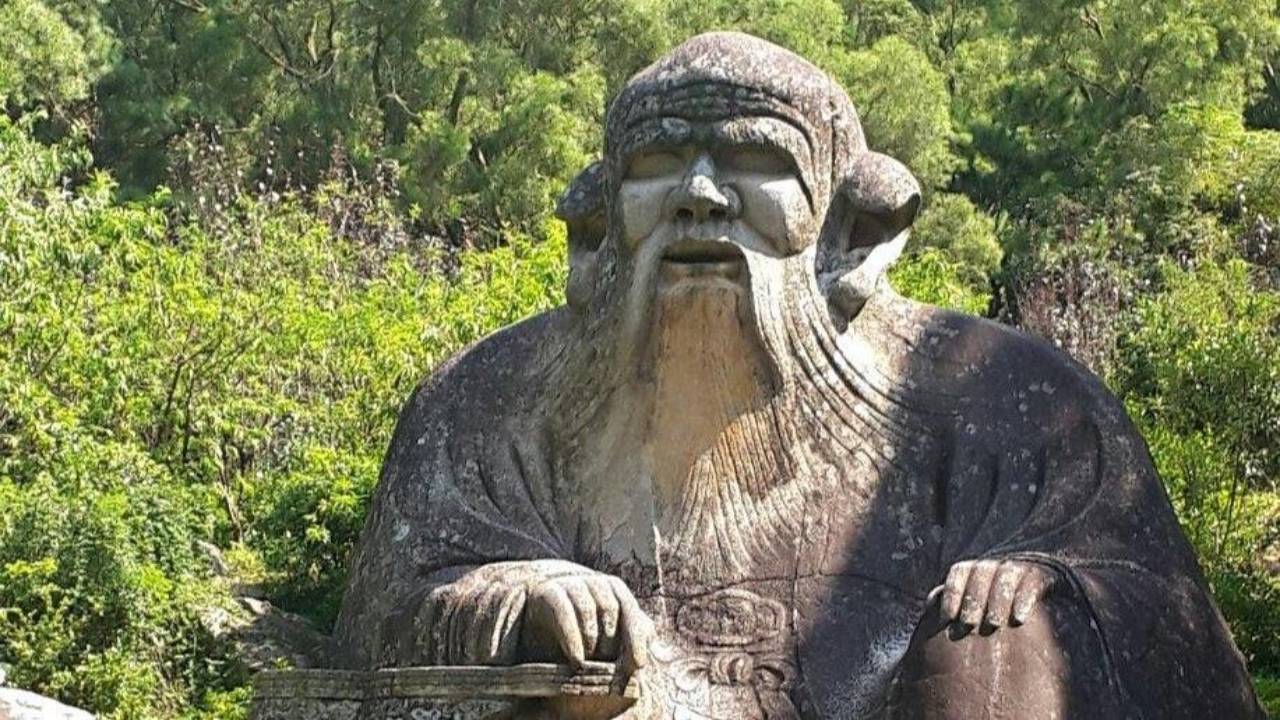
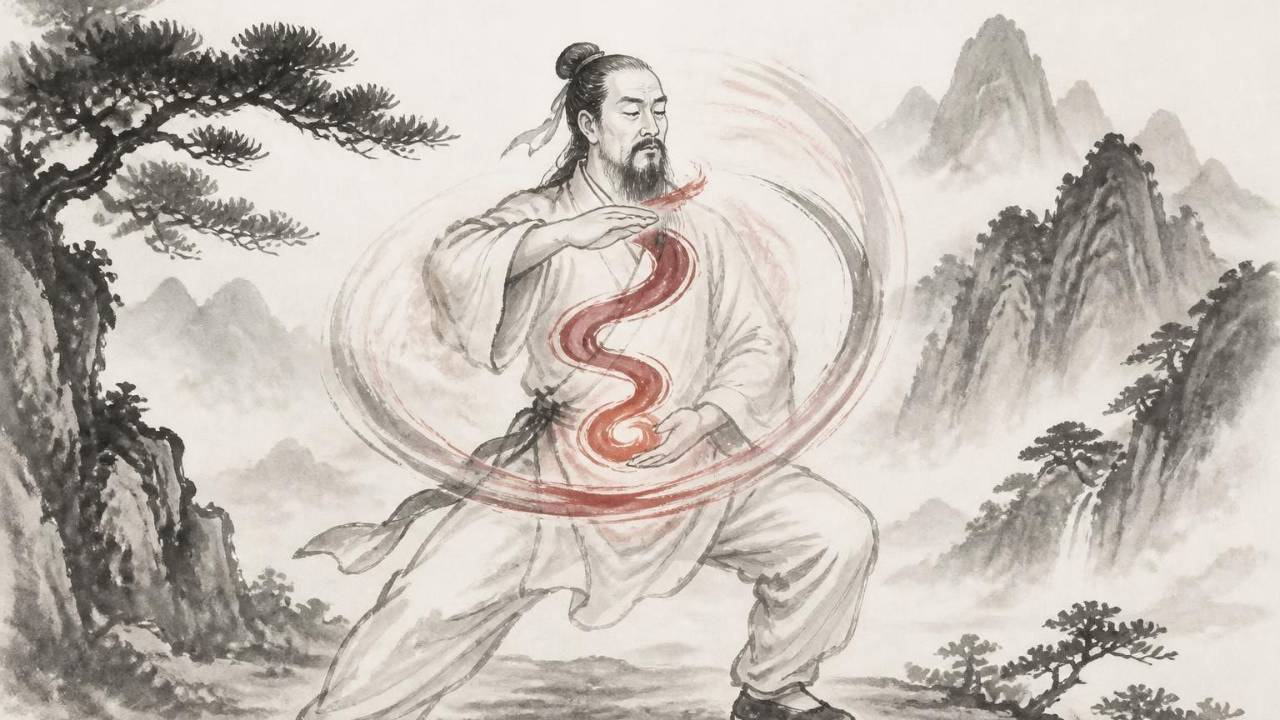
The question "who was Lao Tzu?" has intrigued scholars, practitioners and seekers for over two thousand years. This ancient Chinese sage is traditionally credited with writing the Tao Te Ching, one of the most translated books in the world. Yet the man himself remains wrapped in mystery, with legend and historical debate woven together. Exploring who Lao Tzu was opens a doorway to the whole Taoist tradition, from its philosophy to the movement and meditation practices that grew from it.
The Historical Mystery of Lao Tzu
When we ask who Lao Tzu was, we meet one of philosophy's best-known puzzles. The main historical account comes from Sima Qian's Records of the Grand Historian, written around 100 BCE, several centuries after Lao Tzu is said to have lived.
According to this account, Lao Tzu was born Li Er in the state of Chu and worked as keeper of the archives at the Zhou court, a post that would have given him access to ancient texts and records. Historians continue to debate how much of this account is history and how much is legend.
The Legend of Departure
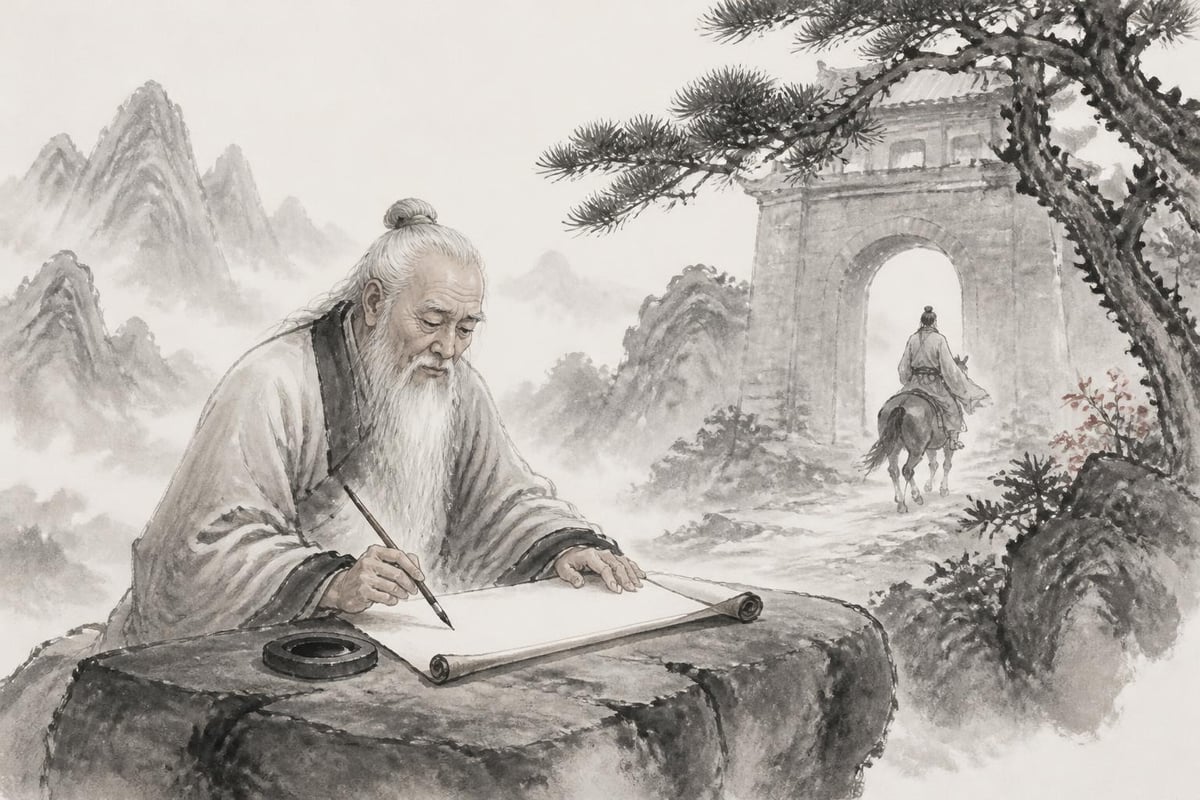
The most famous story describes Lao Tzu leaving society. Disillusioned with the unrest of his time, he is said to have set off westward. At the border, the gatekeeper Yin Xi recognised the sage and asked him to write down his wisdom before leaving.
According to the story, Lao Tzu then wrote the Tao Te Ching, a short book of roughly 5,000 Chinese characters, usually divided into 81 chapters. He then rode off on a water buffalo and was never seen again.
If you would like a very short introduction in video form, Master Gu has shared a brief film on this very question.
The Scholarly Debate: One Person or Many?
Modern scholars have asked whether Lao Tzu was a single historical person at all. Different researchers have proposed different answers.
| View | Based on |
|---|---|
| A single author | Traditional biographical accounts |
| Several authors over time | Differences in style and content within the text |
| A largely legendary figure | The lack of records from his own lifetime |
| A historical core with added legend | A mix of a real teacher and later stories |
No single answer is accepted by everyone, and the debate is likely to continue.
What We Know About the Name
The name "Lao Tzu" (also written Laozi) offers a clue. "Lao" means "old" or "venerable", and "Tzu" (Zi) is an honorific meaning "master". The name can therefore be read as "Old Master", which may be a respectful title rather than a birth name.
That has led some scholars to suggest the name may have been a title for an elder teacher, or even a way of referring to a whole school of thought.
The Tao Te Ching: Lao Tzu's Enduring Gift
Whatever the uncertainty about Lao Tzu himself, the Tao Te Ching remains his lasting legacy. This brief text has shaped Chinese culture and thought for more than two thousand years.
The book is traditionally divided into two parts:
- The Tao Ching (Chapters 1 to 37): focuses on the nature of the Tao
- The Te Ching (Chapters 38 to 81): focuses on virtue and wise living
Core Teachings
The Tao Te Ching introduces ideas that remain central to Taoist philosophy. If you would like a broader overview, our guide to six key concepts of Taoism is a good companion read.
Wu Wei (non-forcing): acting in harmony with natural rhythms rather than forcing outcomes.
Simplicity: returning to a natural, uncomplicated way of living.
Paradox: seeing that opposites define each other and that true strength can look like softness.
The watercourse way: taking water as a model, which flows around obstacles and over time can shape even stone.
These ideas are not just abstract. Many people find they offer a helpful way of thinking about everyday life.
Lao Tzu's Contemporary: Confucius
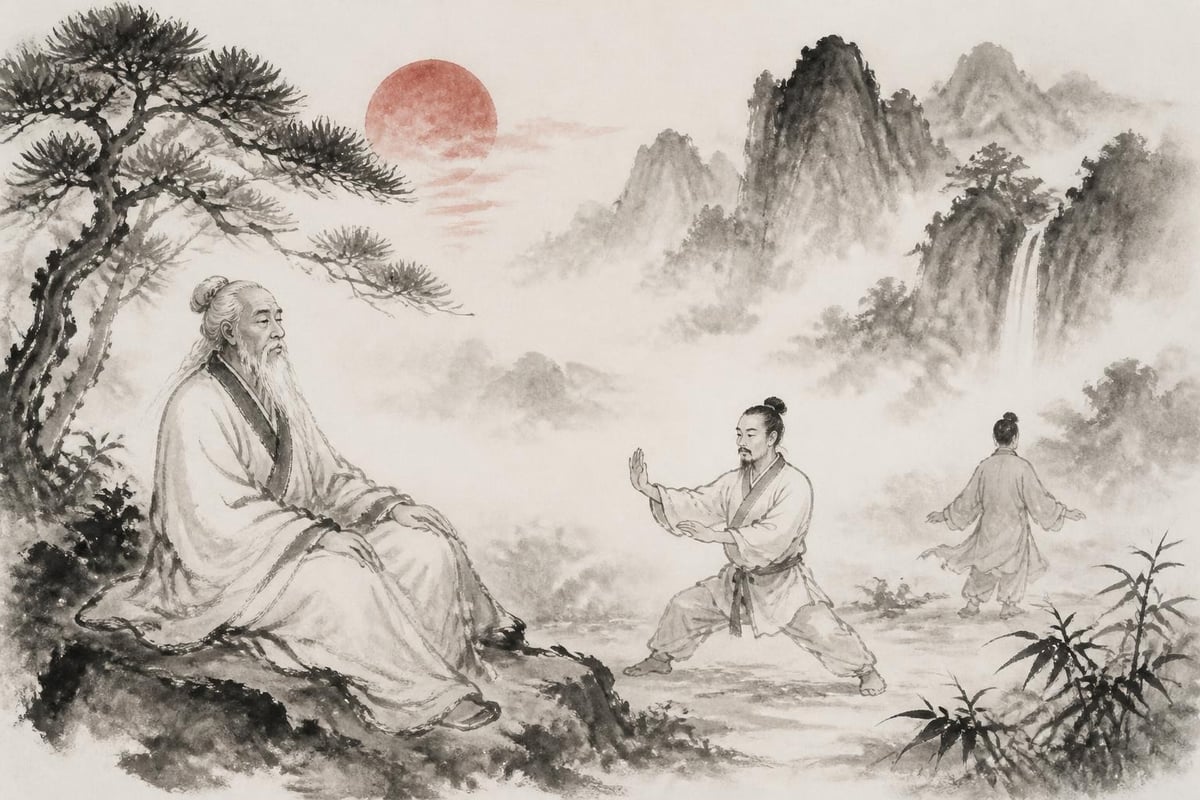
To understand who Lao Tzu was, it helps to place him alongside Confucius. Tradition says the two met, though scholars debate whether this meeting really took place.
In the story, the younger Confucius visits Lao Tzu for advice. Lao Tzu is said to have warned him about pride and ambition and encouraged him to let go of his grand plans.
Two Paths of Chinese Thought
| Confucianism | Taoism |
|---|---|
| Social order and ritual | Natural spontaneity |
| Defined roles and relationships | Flexible adaptation |
| Active moral cultivation | Returning to simplicity |
| Engagement with society | Closeness to nature |
Confucius sought to restore social harmony through proper conduct, while Lao Tzu pointed toward living in tune with the Tao. The two traditions differ, yet both have deeply influenced Chinese culture, and they often complement each other.
From Philosophy to Practice
Many people are curious about Lao Tzu because his ideas connect to practices that came later in the Taoist tradition. The Tao Te Ching is a book of philosophy, and the practices below are traditionally seen as growing from the same outlook.
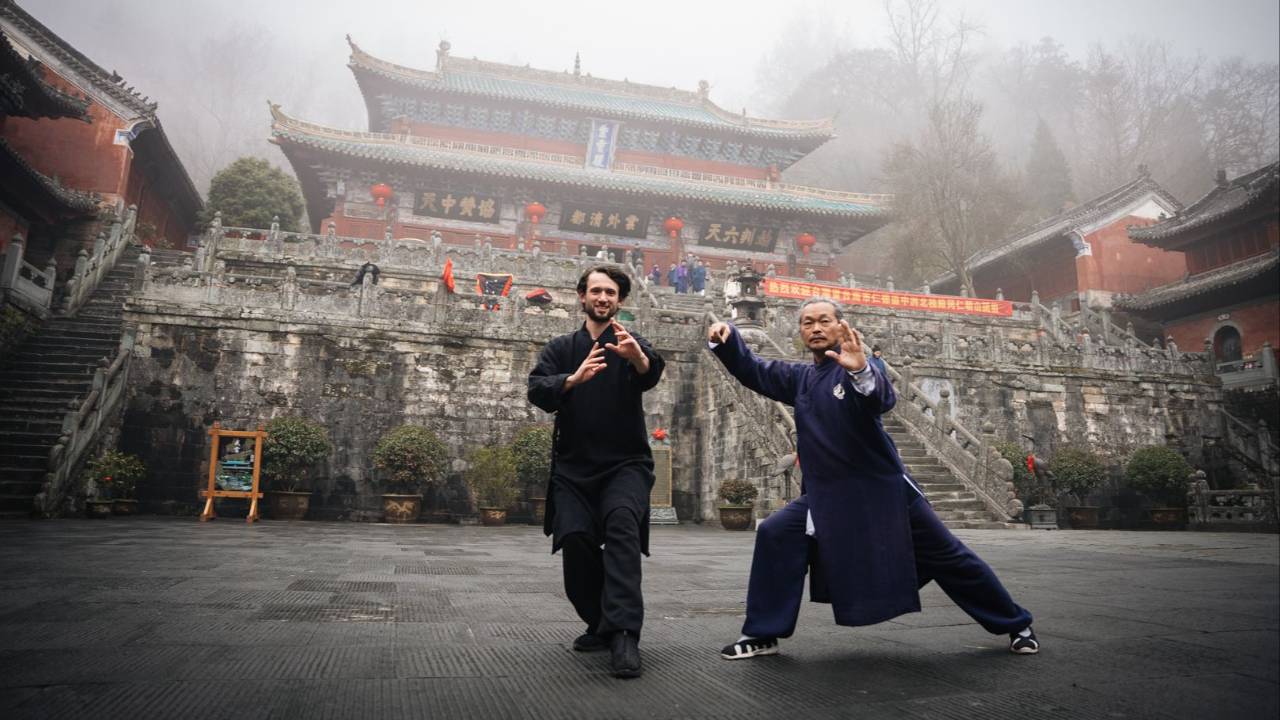
In Wudang Tai Chi, for example, the slow, flowing movements reflect the idea of wu wei. The Tao Te Ching also says that the soft can overcome the hard, an idea you might recognise in the gentle quality of the practice.
The Connection to Qi Gong and Meditation
Qi Gong and Taoist meditation developed within the same wider tradition. They share some of the same themes:
- Breathing naturally rather than forcing the breath
- Moving gently and without strain
- Balancing effort and ease
- Making space for stillness
In the same way, Taoist meditation invites you to notice your thoughts without holding onto them and to return to a quiet, steady centre. These are themes you will also find in the Tao Te Ching.
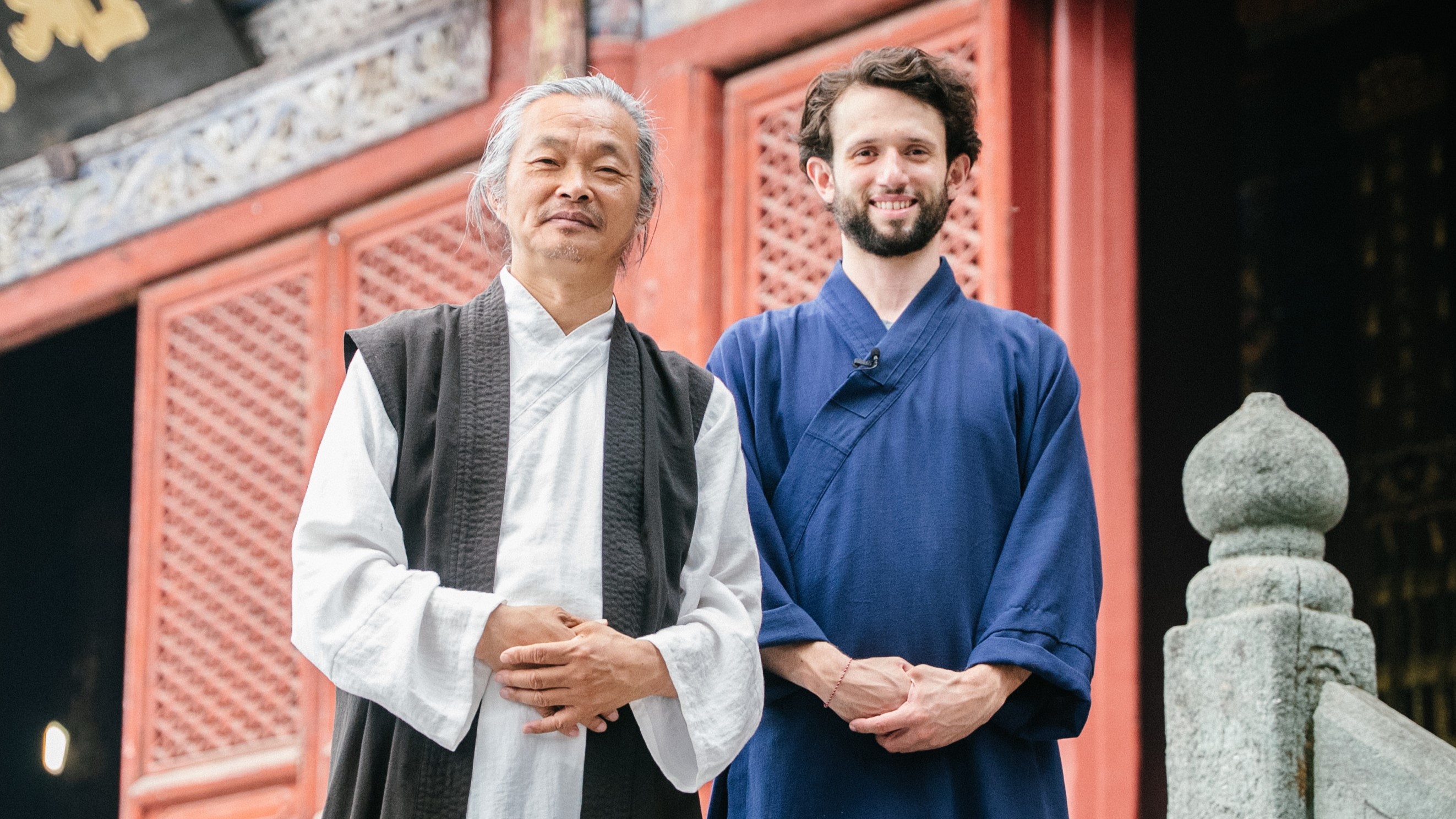
If you would like a gentle introduction to these ideas, our free Taoist course is a good place to start. Our teacher Master Gu, a 15th-generation San Feng Pai Wudang Taoist Master with 25+ years of teaching experience, leads our courses.
The Question of Authorship and Dating
Archaeological finds have added another layer to the question of who Lao Tzu was. Several ancient versions of the Tao Te Ching have been discovered.
Key Manuscript Discoveries
The Mawangdui texts (168 BCE): silk manuscripts found in a Han dynasty tomb, among the oldest known complete versions. They place the Te Ching before the Tao Ching, the reverse of the usual order.
The Guodian bamboo slips (around 300 BCE): fragments from Hubei province, among the oldest known Tao Te Ching material. They contain only part of the text, roughly a third, and show variations from the version we know.
The Beida bamboo strips: more recently discovered material that adds to our picture of how the text was passed down.
These finds suggest the text developed over time, and that different versions circulated in different places. That makes the question of authorship harder to answer, and more interesting.
Lao Tzu in Religious Taoism
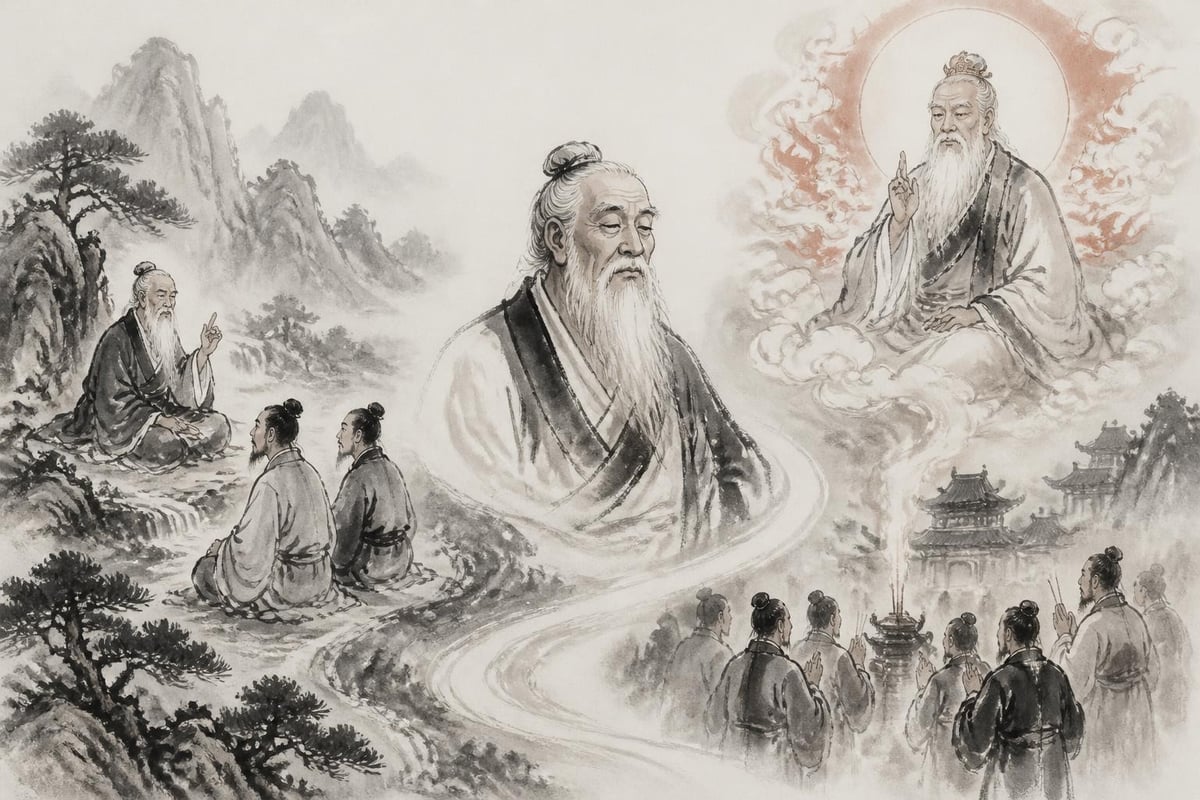
Beyond philosophy, Lao Tzu became an important figure in religious Taoism (Daojiao). Over the centuries, he came to be honoured as a divine figure.
In religious Taoist tradition:
- He is associated with the Three Pure Ones, the highest deities
- His birthday is traditionally celebrated as a festival
- Temples have been dedicated to him
This is quite a change from the humble, retiring figure of the legend. It shows how Lao Tzu's influence branched into several streams, including both philosophy and religion.
Lao Tzu's Influence on Daily Life
The more practical question is not only who Lao Tzu was, but why his ideas still appeal to people today. Many readers find the following themes useful in daily life:
- Simplify: let go of unnecessary complication
- Flow: adapt to circumstances rather than demanding specific outcomes
- Rest: remember that stillness and activity balance each other
- Trust: allow natural processes to unfold
Some people find that reflecting on ideas like these helps them feel calmer. Results vary, and this kind of reflection can sit alongside, but should not replace, professional support. If you are dealing with ongoing stress, anxiety, low mood or burnout, please also speak to your GP or a qualified professional.
The Paradox of Knowing Lao Tzu
Perhaps the answer to "who was Lao Tzu?" has to embrace paradox, just as his own teaching does. The first chapter of the Tao Te Ching is often translated: "The Tao that can be named is not the eternal Tao." If you would like to read more, our guide to Chapter 1 of the Tao Te Ching explores this opening line.
In a similar spirit, a Lao Tzu who could be fully known and pinned down might not be the true Lao Tzu. The mystery around his identity mirrors the mystery of the Tao itself.
What Matters Most
For most readers, settling every historical debate matters less than engaging with the ideas. Whether Lao Tzu was one person or many, and whether he lived in the 6th or the 4th century BCE, his words have been read, discussed and loved for over two thousand years.
Living Lao Tzu's Legacy Today
Asking who Lao Tzu was can lead us back to ourselves. His teachings invite us to notice the rhythms of nature and to find strength in gentleness.
Learning about the history helps put Taoist practice in context. You are not following a passing fitness trend. You are taking part in a long tradition, one that many people have found worth returning to.
The question "who was Lao Tzu?" may never get a final answer that satisfies every scholar. That seems fitting for a teacher who suggested that the deepest truths cannot be fully put into words.
Learning who Lao Tzu was connects us to the roots of Taoist wisdom. Whether he was one sage or many, his words continue to speak to those looking for a balance between effort and ease, strength and gentleness, action and stillness. If you would like to explore these ideas through Wudang Tai Chi, Qi Gong and Taoist meditation, Taoist Wellness Online offers courses with our teacher Master Gu.
Related reading