What Is Chi? Understanding Life Energy in 2026
Sep 30, 2026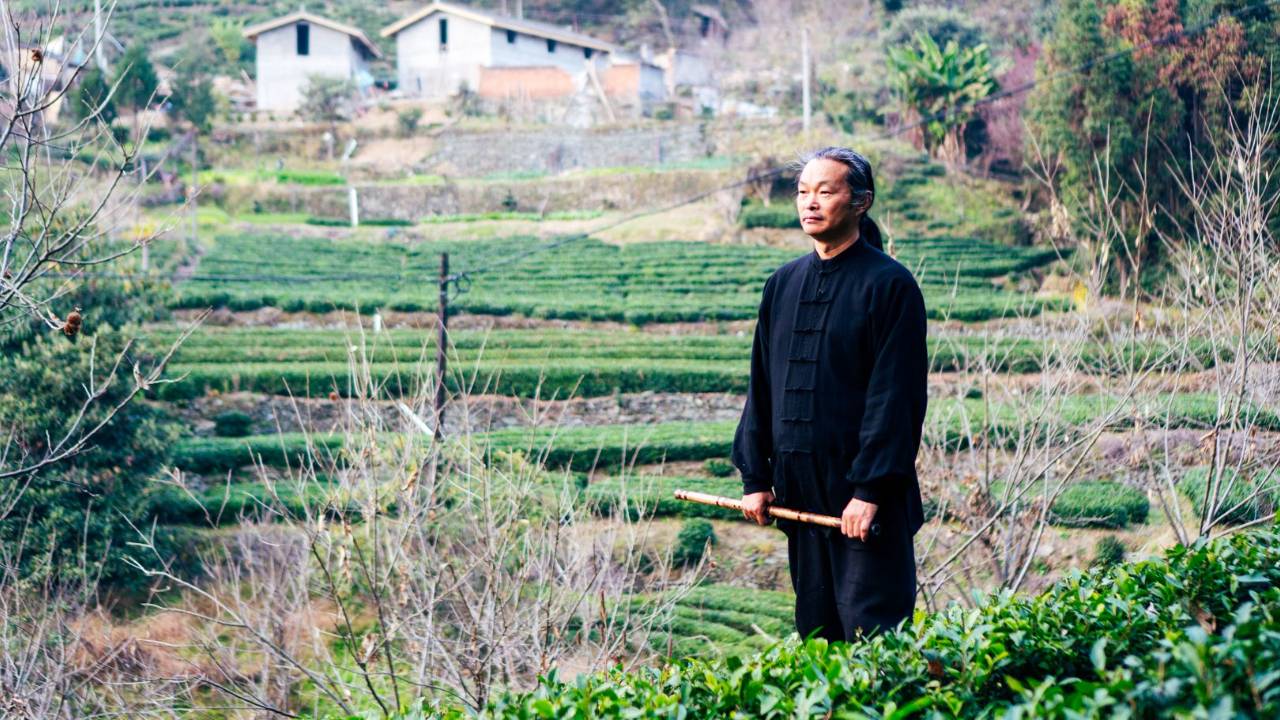
When you take a deep breath and feel more alive, when a good night's sleep restores your vitality, when stress leaves you drained, you're experiencing shifts in what ancient Chinese philosophy calls chi. This fundamental concept has guided health practices for thousands of years, yet many people today still ask: what is chi? Understanding this vital energy opens the door to profound changes in how you approach wellness, movement, and daily life. Chi isn't mystical or inaccessible. It's the animating force that distinguishes vibrant health from mere survival, and learning to work with it can transform your physical and mental wellbeing.
The Ancient Roots of Chi
What is chi in its original context? The concept emerges from classical Chinese thought, where observers noticed that living beings possess something beyond their physical form. Ancient philosophers developed detailed frameworks to understand this animating principle, viewing it as the fundamental substance underlying all existence.
The character for chi (氣) originally depicted steam rising from cooking rice, suggesting something vaporous, vital, and transformative. This imagery captures the essence perfectly: chi is both substantial and subtle, invisible yet powerfully real.
Philosophical Foundations
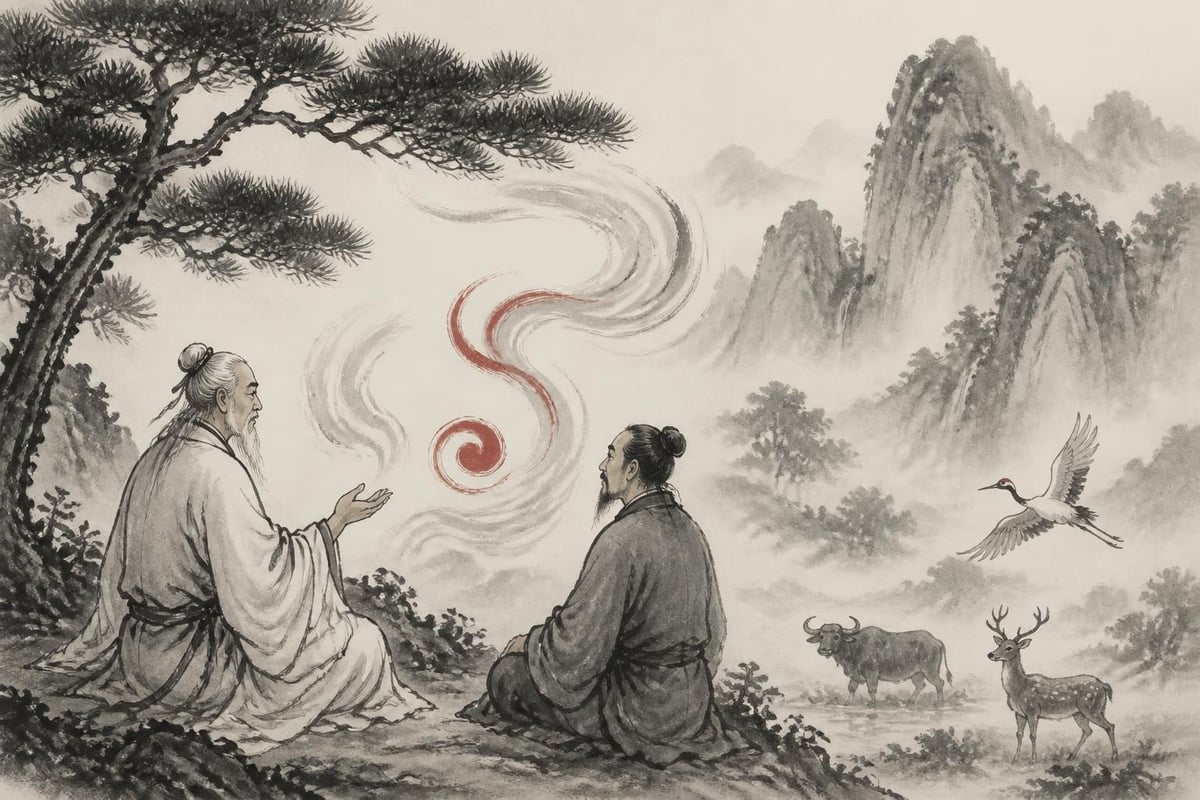
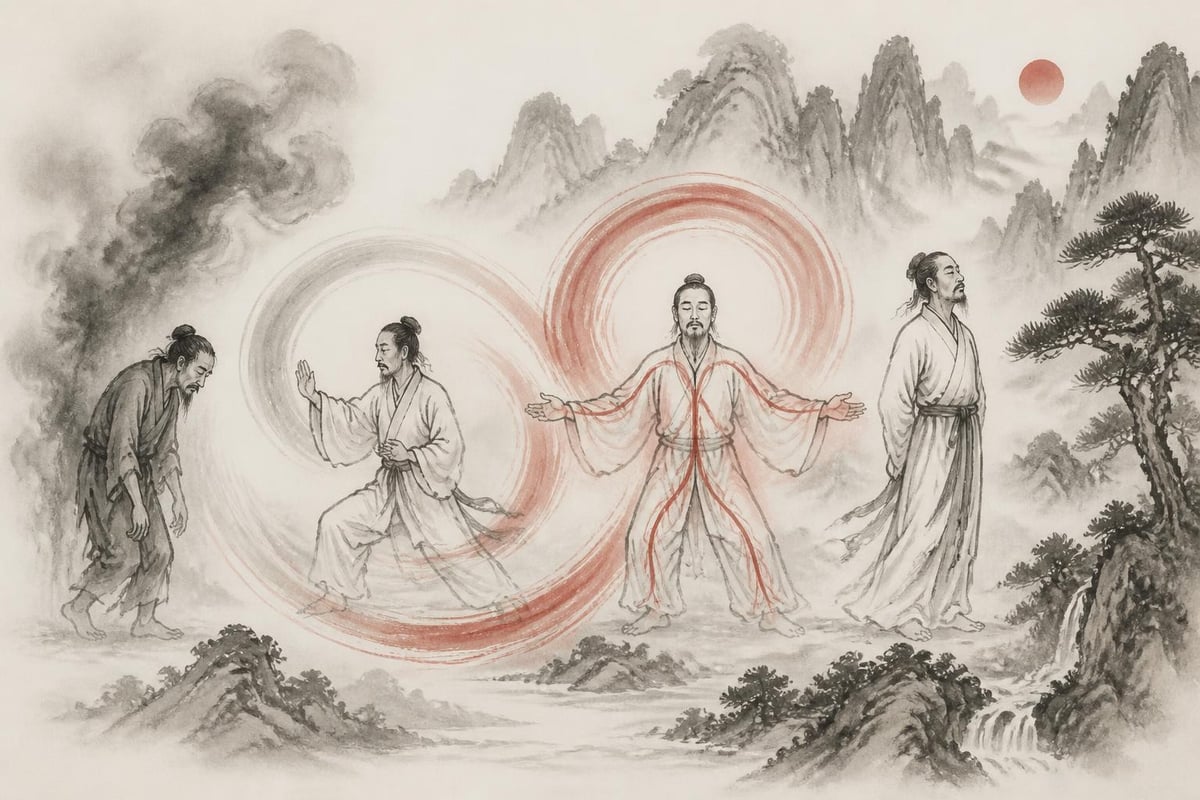
In classical Chinese metaphysics, chi represents the dynamic flow of energy that creates and sustains life. Unlike static matter, chi moves, transforms, and responds to natural rhythms. Classical texts describe how chi condenses to form physical matter and disperses when things decay.
This perspective shaped medical theory, martial arts, and spiritual practices throughout East Asian cultures. The human body became understood as a microcosm of natural energy flows, with health depending on balanced, unobstructed chi circulation.
Master Gu explains this concept directly in the video below.
How Chi Flows Through Your Body
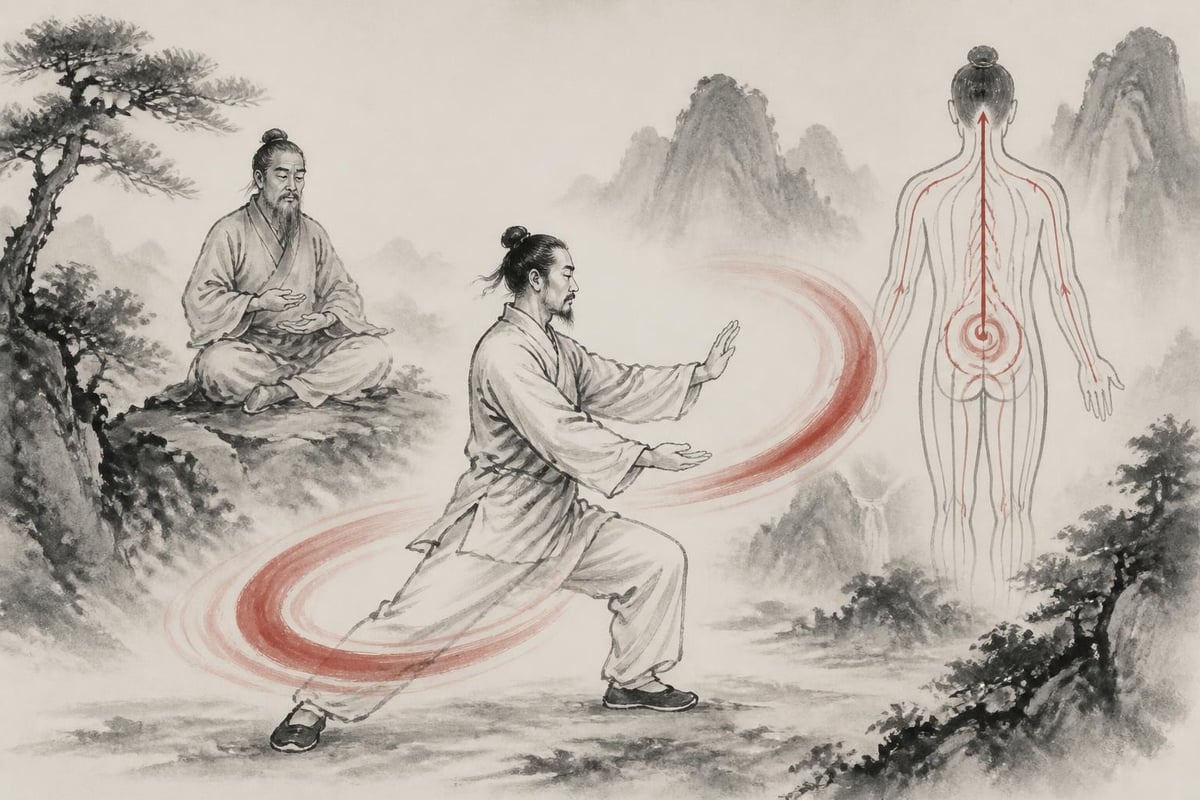
Understanding what is chi practically means recognising how energy moves through specific pathways in your body. Traditional Chinese medicine maps these routes as meridians, channels that carry chi to every organ, tissue, and cell.
The Meridian System
Your body contains twelve primary meridians and eight extraordinary vessels, each associated with specific organs and functions:
- Lung meridian: Governs respiration and skin health
- Heart meridian: Regulates circulation and emotional balance
- Spleen meridian: Supports digestion and nutrient transformation
- Liver meridian: Manages detoxification and smooth energy flow
- Kidney meridian: Stores vital essence and fundamental energy reserves
When chi flows freely through these pathways, you experience vitality, mental clarity, and physical comfort. Blockages or deficiencies create symptoms ranging from fatigue to discomfort to emotional disturbance.
Signs of Balanced Chi
| Balanced Chi | Blocked or Deficient Chi |
|---|---|
| Steady energy throughout the day | Chronic fatigue or exhaustion |
| Clear thinking and focus | Brain fog and poor concentration |
| Emotional resilience | Mood swings or anxiety |
| General wellbeing | Frequent illness |
| Good digestion | Digestive problems |
| Restful sleep | Insomnia or poor sleep quality |
Your daily experience offers constant feedback about your chi state. Learning to read these signals helps you make adjustments before small imbalances become bigger problems.
Different Types of Chi in Your System
What is chi when we look closer at its varieties? Traditional theory distinguishes several forms of chi, each with specific functions in maintaining health and vitality.
Yuan chi represents your inherited constitutional energy, the fundamental vitality you receive from your parents. This deep reservoir sustains basic life processes and shapes your overall resilience.
Gu chi comes from food and drink, transformed through digestion into usable energy. The quality of what you consume directly affects this acquired chi.
Kong chi enters through breathing, combining with nutrients to create the active energy that powers daily activities. Breath quality matters enormously for chi vitality.
Protective and Nourishing Functions
Wei chi circulates at your body's surface, forming a protective layer associated with resilience against external stressors. Strong wei chi is traditionally linked with robust vitality and resistance to illness.
Ying chi flows deeper in the meridians, nourishing organs and tissues. This nutritive aspect of chi supports repair, growth, and regeneration throughout your body.
Cultivating Chi Through Practice
Knowing what is chi intellectually differs from experiencing it directly. Specific practices allow you to sense, build, and direct your vital energy consciously.
Movement Practices
Tai Chi and Qi Gong represent sophisticated methods for chi cultivation developed over centuries. These arts combine slow, flowing movements with breath awareness and mental focus to strengthen and balance your energy.
Our Wudang Tai Chi course emphasises natural, spiralling movements that gently work the whole body, open meridians, and coordinate body and mind. Regular practice produces tangible sensations: warmth in the hands, tingling along meridians, a feeling of fullness in the lower abdomen where chi naturally gathers.
The gentle, continuous motion prevents stagnation while avoiding the depletion that intense exercise can cause. You build reserves rather than burning through them.
Breathing Techniques
Conscious breathing directly influences chi quality and circulation. Shallow chest breathing provides minimal energy, while deep abdominal breathing activates your body's energy-generating capacity.
Natural breathing in our Qi Gong course follows these principles:
- Breathe through your nose, filtering and warming the air
- Let your abdomen expand on inhalation, drawing breath deep into your lungs
- Release completely on exhalation, allowing natural relaxation
- Maintain a gentle, even rhythm without forcing
This simple adjustment increases oxygen intake, supports the diaphragm's natural movement, and activates the parasympathetic nervous system for calm alertness.
Modern Perspectives
Contemporary researchers explore what is chi through the lens of physiology, neuroscience, and biology. While ancient and modern vocabularies differ, intriguing correlations emerge.
Observable Effects of Practice
Research into acupuncture and related practices has documented changes in nervous system activity when traditional chi pathways are stimulated. These findings offer one modern lens on aspects of the traditional theory.
Studies on Tai Chi show associations with improved balance, general wellbeing, and better outcomes for mood. Whatever we call the mechanism, the practices themselves are well established.
The bioelectric field surrounding living bodies, measurable with sensitive equipment, may correlate with traditional concepts of wei chi. Your nervous system operates through electrical signals, suggesting biological substrates worth exploring for energy-based theories.
Integration and Perspective
Traditional and complementary medicine systems, including chi-based practices, are widely recognised as valuable components alongside conventional healthcare, reflecting both their widespread use and ongoing interest in understanding how they work.
You don't need to choose between ancient wisdom and modern science. The most practical approach embraces both: understanding traditional concepts while staying open to contemporary research that illuminates mechanisms.
Chi in Daily Life and Health
Recognising what is chi in practical terms means noticing how daily choices affect your energy levels. Simple adjustments can significantly improve chi quality and flow.
Lifestyle Factors That Affect Chi
Your daily routine either supports or depletes your vital energy:
- Sleep patterns: Adequate rest allows chi to restore and rebalance
- Nutrition: Whole, fresh foods provide cleaner chi than heavily processed options
- Stress management: Chronic tension can block chi circulation and exhaust reserves
- Physical activity: Gentle, regular movement promotes flow; excessive exercise can deplete
- Environment: Clean air, natural light, and peaceful surroundings support healthy chi
These factors interact systemically. Poor sleep makes stress harder to handle, which affects digestion, which reduces energy, which makes sleep more difficult. Understanding chi helps you see these connections and intervene effectively.
Recognising Energy Imbalances
What does chi deficiency look like in everyday experience? Common signs include:
- Waking tired despite adequate sleep
- Catching frequent colds
- Difficulty recovering from illness or injury
- Poor appetite or digestive weakness
- Shortness of breath with minor exertion
- Mental fog and difficulty concentrating
Chi stagnation presents differently:
- Tension and tightness in specific body areas
- Sharp or moving discomfort
- Emotional frustration or irritability
- Feeling stuck in life circumstances
- Digestive bloating or irregular elimination
Understanding these patterns helps you choose appropriate responses, whether rest and nourishment for deficiency or movement and release for stagnation.
Learning to Work With Your Chi
The question of what is chi ultimately finds its answer in direct experience. Theoretical knowledge provides a map, but practice reveals the territory.
If you're ready to explore chi cultivation systematically, working with an experienced teacher makes an enormous difference. Master Gu, a 15th-generation Wudang master with over 25 years of teaching experience, offers authentic instruction in traditional methods refined over centuries.
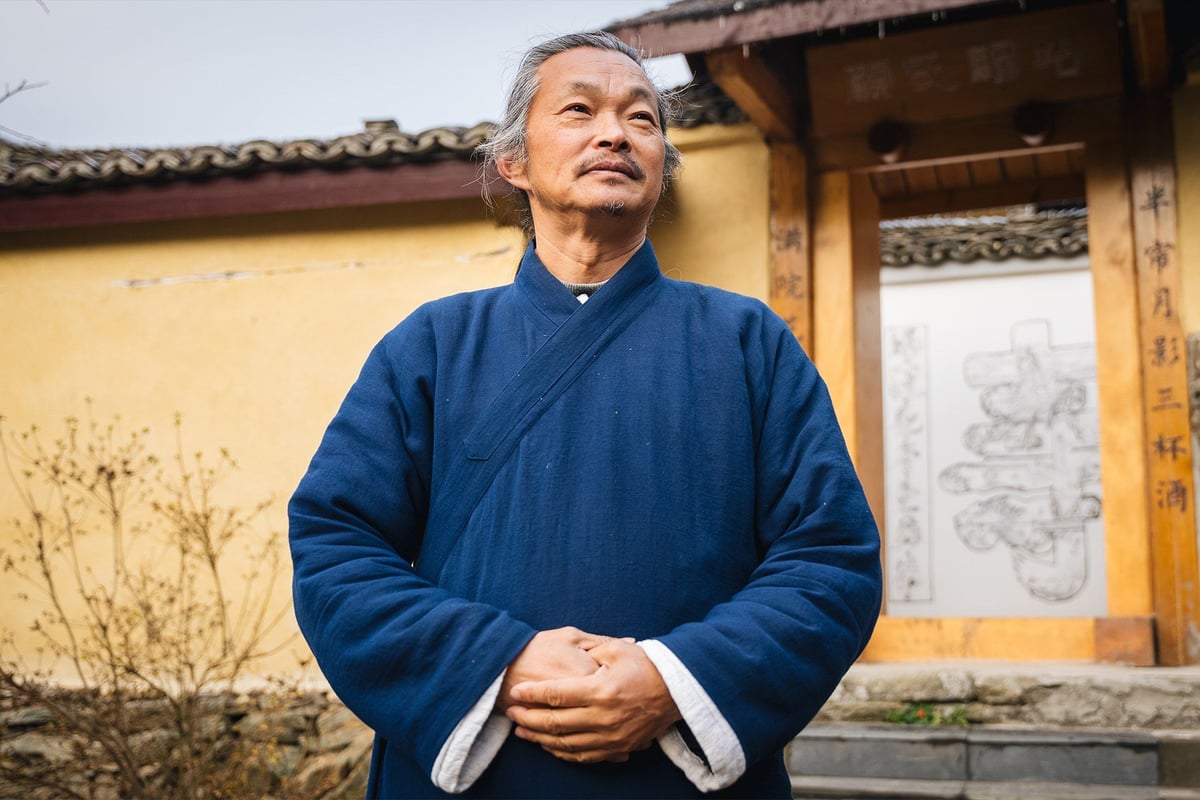
Our free Taoist course provides an accessible starting point for anyone curious about chi cultivation. Over four weeks, you'll learn simple Tai Chi and Qi Gong practices designed to help you reclaim focus, release tension, and build a calmer daily routine with Master Gu's guidance.
Building a Practice Foundation
Starting your chi cultivation journey requires patience and consistency rather than intensity. Brief daily practice yields better results than occasional marathon sessions.
Begin with just ten to fifteen minutes each morning:
- Simple stretching to open joints and release overnight stiffness
- Standing meditation to settle your mind and sense your body
- Basic Qi Gong movements to activate meridian flow
- Quiet breathing to gather and store energy
This modest investment compounds over time. Within weeks, you'll notice subtle changes: easier mornings, more stable energy, better stress resilience. Within months, the shifts become undeniable.
Chi and Emotional Wellbeing
Understanding what is chi includes recognising its intimate connection with emotional states. Traditional theory doesn't separate mental and physical health; they're different aspects of the same energetic system. Our Tai Chi Massage Therapy article explores one practical way this connection is worked with directly.
The Organ-Emotion Connection
Each major organ system associates with specific emotional qualities:
| Organ System | Balanced Emotion | Imbalanced Emotion |
|---|---|---|
| Liver | Kindness, generosity | Anger, frustration |
| Heart | Joy, connection | Anxiety, agitation |
| Spleen | Thoughtfulness, focus | Worry, overthinking |
| Lung | Courage, letting go | Grief, sadness |
| Kidney | Wisdom, willpower | Fear, insecurity |
When chi flows smoothly through an organ system, the positive emotional qualities in this table tend to come more naturally. Blockages or deficiencies in specific meridians are traditionally linked to the corresponding challenging emotions.
This framework offers practical insight: persistent worry is traditionally associated with spleen chi imbalance, while persistent anger points to liver chi stagnation. Addressing the energetic pattern alongside other support can be a helpful complementary approach.
Meditation and Chi Awareness
Our Taoist meditation course develops your capacity to sense and guide chi directly. Unlike forceful visualisation, these methods emphasise gentle awareness and natural flow.
Sitting quietly, you learn to notice subtle sensations: warmth, tingling, expansion, flow. These experiences represent chi becoming perceptible to conscious awareness. With practice, you can guide energy to deficient areas, release blockages, and harmonise overall circulation.
The mental clarity that emerges from meditation itself reflects balanced chi in your nervous system. A calm, focused mind is both a cause and effect of healthy energy flow.
Chi in the Broader Context
What is chi within the larger framework of Taoist philosophy? This energy represents one aspect of a comprehensive worldview that emphasises harmony with natural patterns. Our What Does the Tai Chi Symbol Mean? article traces how this idea is expressed visually.
Natural Cycles and Rhythms
Chi follows cyclical patterns daily, seasonally, and throughout life. Morning brings rising yang energy suitable for activity; evening favours yin energy and rest. Spring's expansive chi differs from autumn's contracting quality.
Aligning your activities with these natural rhythms supports rather than fights your energetic nature. Working late into the night regularly is traditionally thought to deplete kidney chi; rising early to practise gathers beneficial morning energy.
The Taoist Perspective
Taoist philosophy frames chi cultivation not as dominating or forcing energy, but as removing obstacles to natural flow. Health represents alignment with the Tao, the fundamental pattern underlying existence.
This perspective shifts your approach from aggressive intervention toward gentle adjustment. You don't create chi; you nurture conditions that allow it to flourish. The gardener metaphor fits better than the engineer: you plant, water, and weed, but the growing happens by itself.
Our Taoist philosophy course deepens your understanding of why certain practices work and how they fit into a broader path of personal development and spiritual cultivation.
Practical Tips for Daily Chi Care
Knowing what is chi means little without applying that knowledge. These practical strategies help you maintain healthy energy throughout your day:
Morning practices set your energetic tone: Even five minutes of stretching, breathing, and gentle movement primes your chi for the day ahead. This small investment helps prevent energy crashes later.
Midday renewal prevents depletion: A short walk, a few minutes of standing meditation, or a simple breathing exercise resets your system when afternoon fatigue strikes.
Evening wind-down supports restoration: Gentle stretching, warm baths, and dimming bright lights earlier signal your body to shift toward restorative yin energy for sleep.
Consistent sleep schedule regulates chi cycles: Your body's energy follows circadian rhythms. Regular sleep and wake times strengthen this natural pattern.
Mindful eating nourishes chi quality: Eating slowly, choosing whole foods, and avoiding overconsumption all support healthy gu chi transformation.
Our community offers ongoing support and shared learning as you develop these habits. Connecting with others on the same path provides encouragement and practical wisdom.
Understanding what is chi opens a doorway to working with your body's innate wisdom rather than against it, creating sustainable vitality through practices refined over generations. Whether you're seeking better wellbeing, stress relief, or deeper self-understanding, chi cultivation offers practical tools grounded in ancient knowledge. Taoist Wellness Online provides authentic instruction in Wudang Tai Chi, Qi Gong, and Taoist meditation with Master Gu, giving you access to these transformative practices alongside a supportive global community. Your journey toward balanced, vibrant energy can begin today with the guidance and resources to make it sustainable for life.