Is Tai Chi Good for You? Science-Backed Benefits
Oct 24, 2026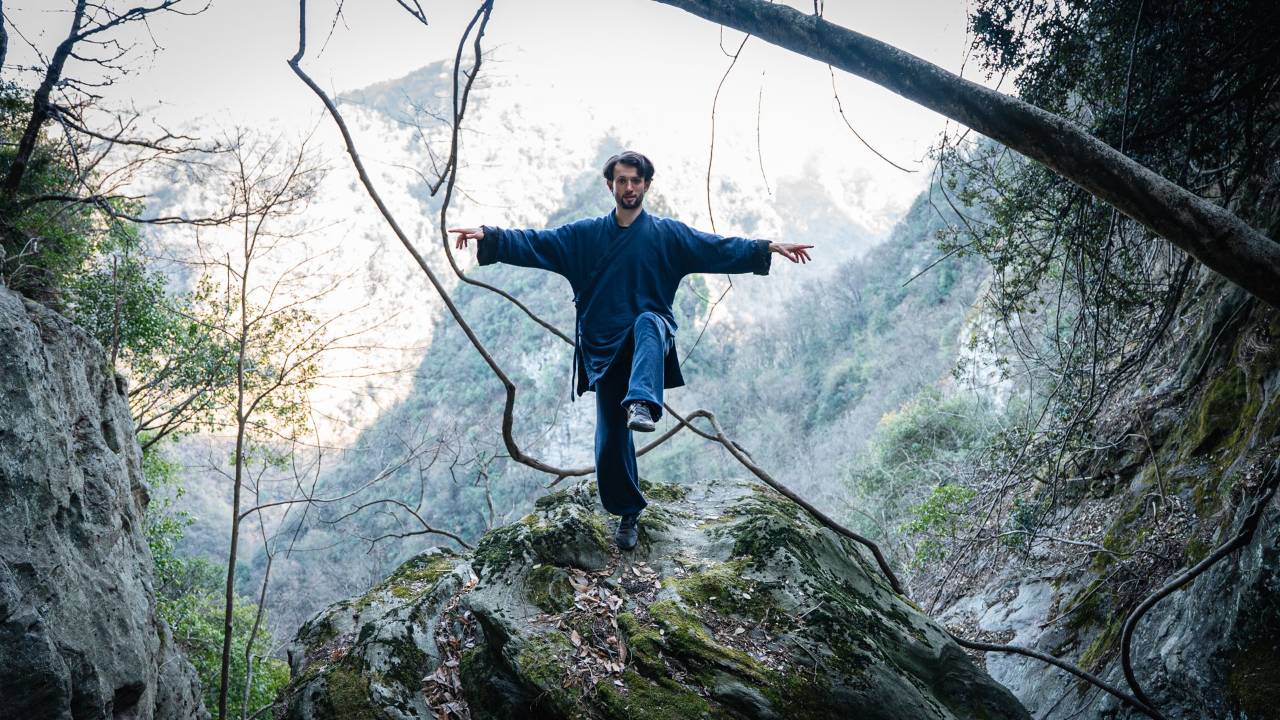
If you've wondered whether tai chi is good for you, you're not alone. This ancient Chinese practice has captured worldwide attention as people search for gentle, sustainable ways to look after their health without pounding their joints or pushing to exhaustion. Tai chi offers something rare: a movement practice that nurtures both body and mind, accessible to many people regardless of age or fitness level. Let's explore what research suggests about tai chi's benefits and how this flowing practice can support your journey towards balance and vitality.
As with any new exercise, please check with your healthcare professional before starting, especially if you have existing health concerns. Tai chi is not a medical treatment, and results vary from person to person.
What Makes Tai Chi Different from Other Exercise
Tai chi stands apart from conventional exercise because it brings movement, breath, and mental focus together in one seamless practice. Rather than isolating muscle groups or chasing heart-rate targets, tai chi cultivates what Taoist tradition calls "internal strength" through slow, deliberate movements coordinated with natural breathing.
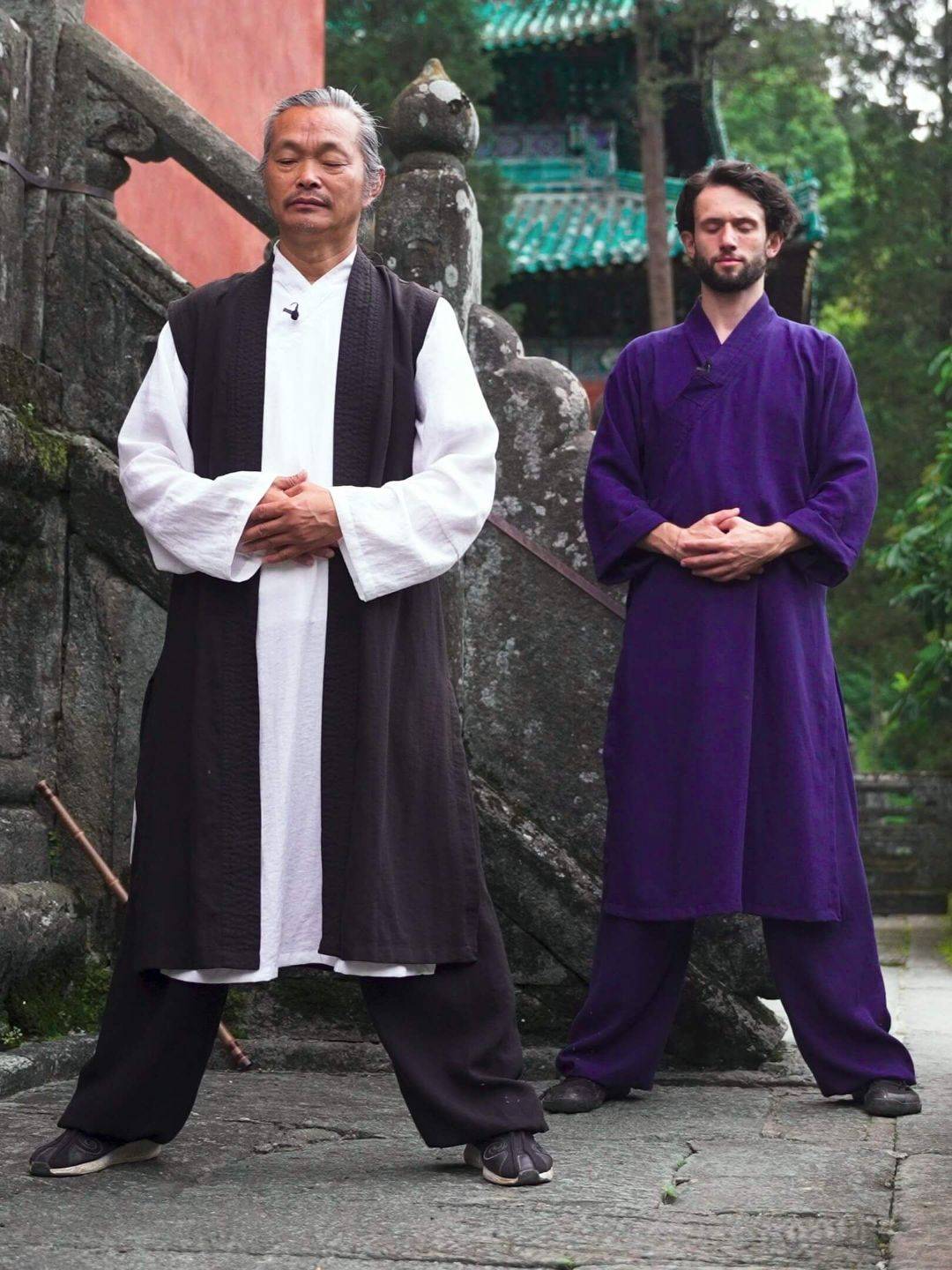
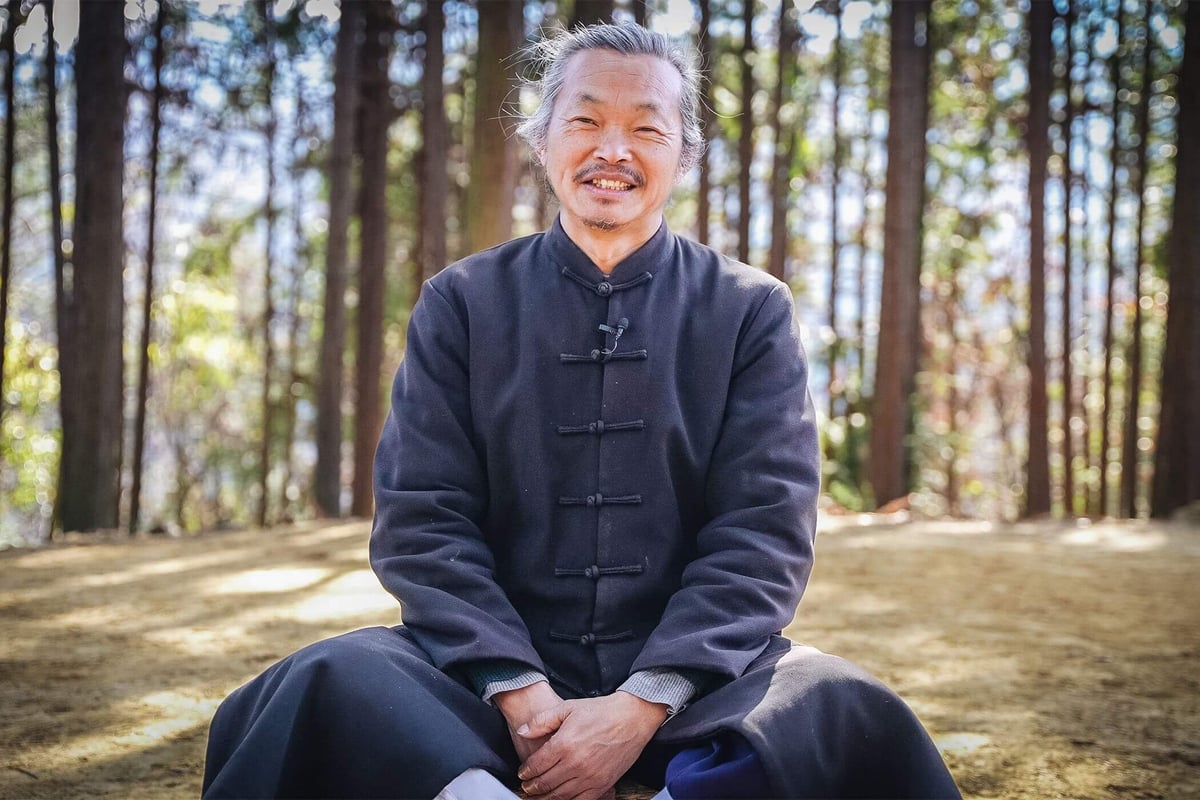
Master Gu explains the history, philosophy and benefits of Tai Chi in the short video below.
The Foundation of Mindful Movement
Each posture flows into the next like water moving downstream. You shift your weight with intention, turn your waist with awareness, and keep a relaxed but upright spine. This continuous movement pattern trains your body's proprioception (your sense of where you are in space) while keeping your mind anchored in the present moment.
The question "is tai chi good for you" becomes easier to answer when you understand this integration. Unlike activities that ask you to push through discomfort, tai chi invites you to move within your comfortable range while gradually expanding your capacity. The practice respects your current state while gently guiding you towards greater ease and strength.
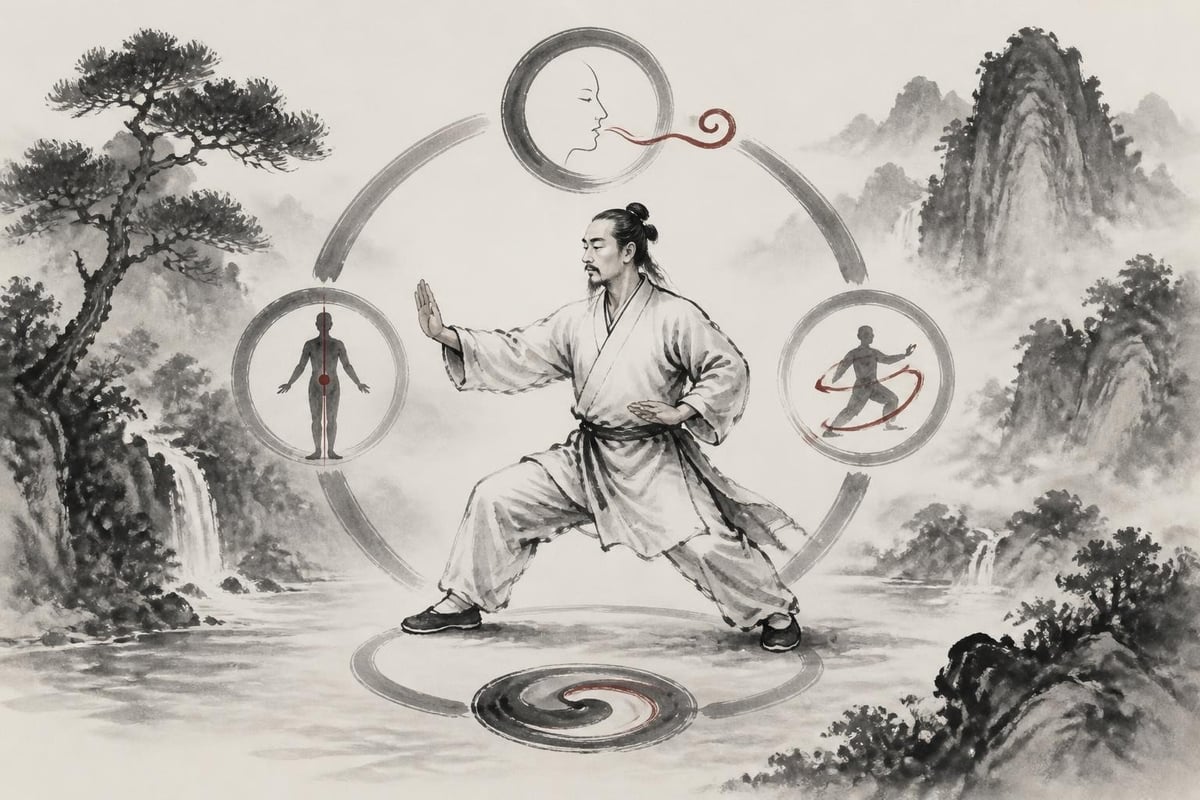
Physical Health Benefits Suggested by Research
Balance and Fall Prevention
One of the best-documented answers to "is tai chi good for you" comes from balance research. Studies suggest tai chi may improve stability and help reduce the risk of falls, particularly in older adults. The practice works the muscles around your ankles and knees, supports coordination, and trains the subtle adjustments your body makes to stay upright.
Balance-related benefits people report include:
- Greater proprioceptive awareness
- Stronger leg muscles without high-impact stress
- Better coordination between upper and lower body
- Increased confidence in movement
- Less fear of falling
The slow weight shifts from leg to leg echo real-world balance challenges, but in a controlled, safe setting. Over time, these movement patterns can become automatic, helping you move more easily on uneven surfaces, stairs, and in daily activities.
Cardiovascular and Metabolic Health
Research has also looked at tai chi's effects on heart health. Some studies suggest tai chi may help lower blood pressure, in some groups to a degree comparable with moderate aerobic exercise, making it an option for people who find traditional cardio workouts uncomfortable or unappealing.
| Health Marker | What Some Studies Report |
|---|---|
| Blood pressure | Modest reductions in some groups |
| Heart rate variability | Improvements in some studies |
| Inflammation markers | Lower levels reported in some studies |
| Blood sugar | Some studies suggest possible support alongside medical care |
Findings vary between studies and individuals. Tai chi won't burn calories the way running does, but gentle, sustained movement can be a pleasant way to stay active. If you have a heart condition, high blood pressure or diabetes, please speak to your healthcare professional before you begin.
Musculoskeletal Health and Comfort
For people wondering "is tai chi good for you" when dealing with chronic discomfort or arthritis, the research is encouraging. Studies suggest tai chi may reduce pain and improve function in people with osteoarthritis, particularly in the knees. The gentle, flowing movements keep joints moving without jarring impact, while building the surrounding muscles that support them. Our article on the effectiveness of Tai Chi for knee pain looks at this in more detail.
What people often appreciate:
- Less stiffness through gentle range-of-motion work
- Strengthened muscles that support vulnerable joints
- A feeling of improved circulation
- Greater body awareness that helps you move more skilfully
- Relaxation, which can ease the tension that sometimes amplifies discomfort
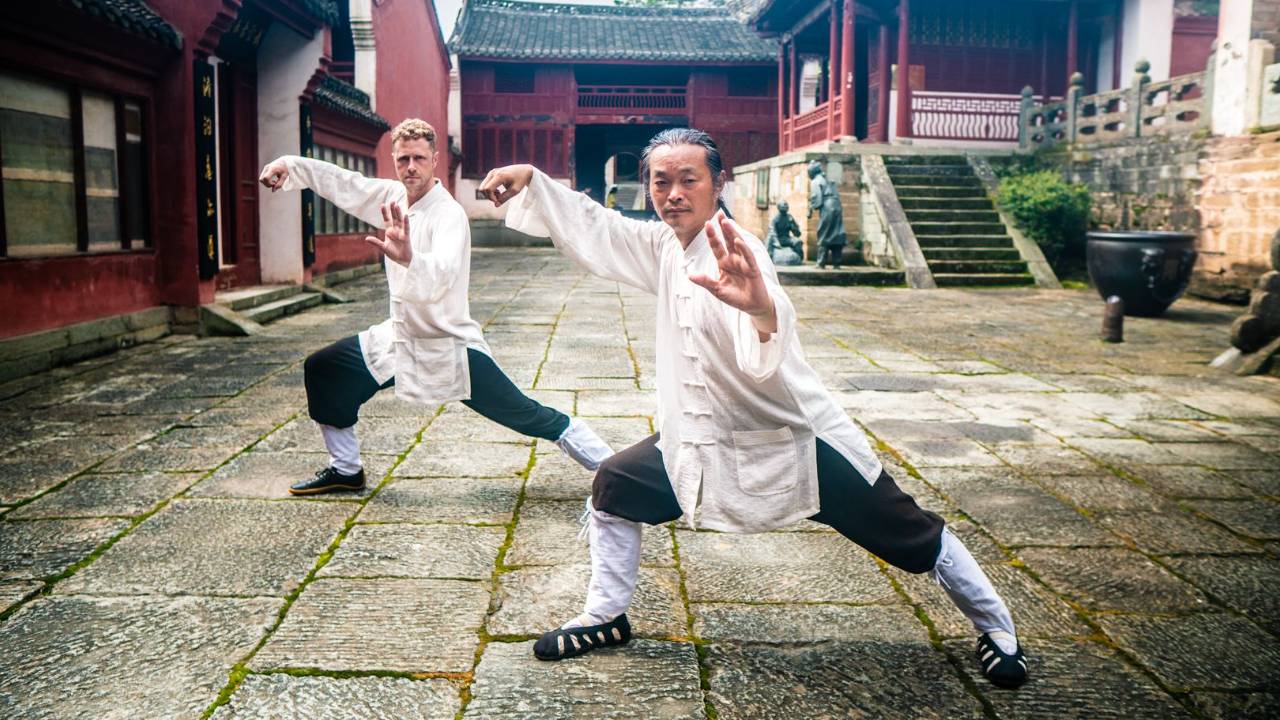
The Wudang style of tai chi emphasises natural alignment and relaxed movement, which many people find gentle and easy to adapt to their own comfort.
Mental and Emotional Wellbeing
Stress Reduction and Calm
From a mental wellbeing perspective, tai chi's calming effects stand out. The combination of rhythmic movement, natural breathing, and focused attention creates a moving meditation that can quieten mental chatter and encourage the body's "rest and digest" state.
People who practise tai chi regularly often report:
- Feeling calmer through the day
- Better quality sleep (see our article on the Tai Chi insomnia study)
- A lighter sense of anxiety
- An improved ability to cope with stress
- Greater emotional resilience
Research has measured changes in stress-related markers among regular practitioners, though individual experiences vary. The practice teaches you to meet challenges with soft strength rather than rigid force, a skill that extends beyond the practice session.
Tai chi can sit alongside, but should not replace, professional support. If you're struggling with anxiety, low mood or stress, please also speak to your GP or a qualified professional.
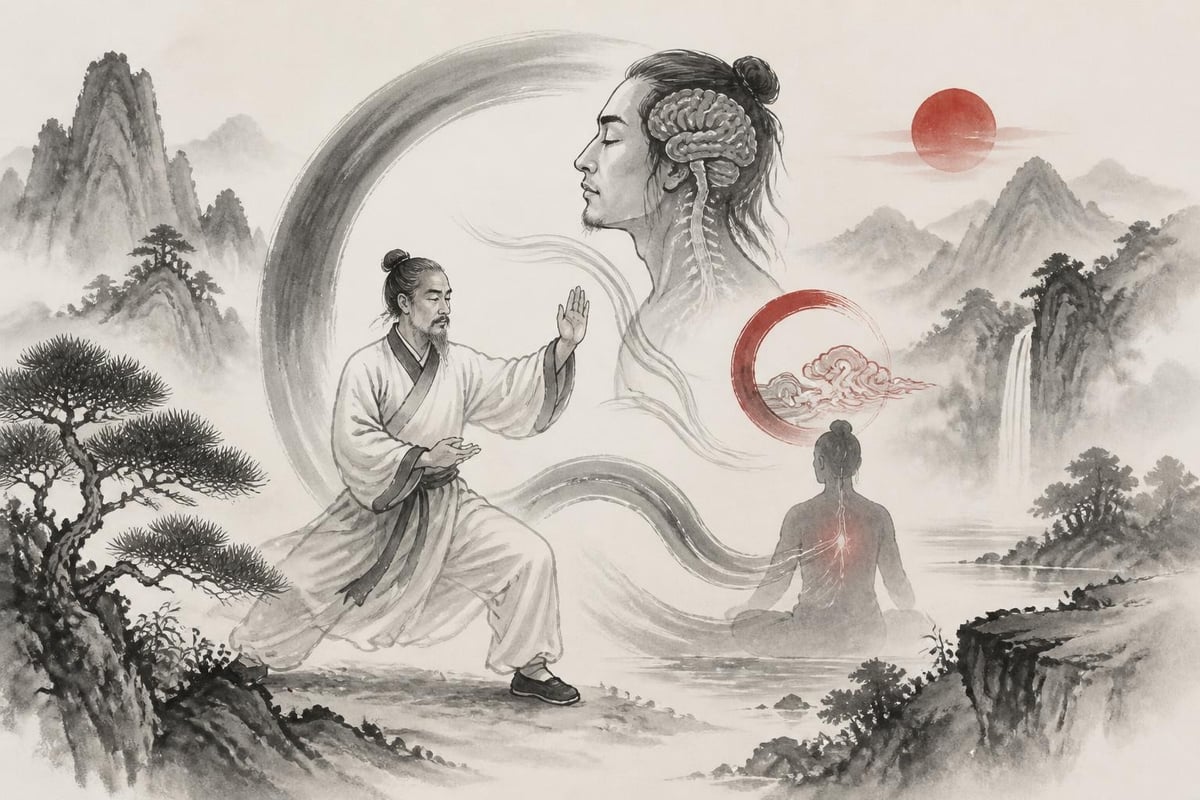
Mental Clarity and Focus
Emerging research suggests tai chi may support cognitive health, particularly as we age. The practice asks you to remember sequences, coordinate movements, and stay aware of your body in space, all of which engage different thinking skills at once.
| Mental Skill | How Tai Chi Engages It |
|---|---|
| Memory | Learning and recalling movement sequences |
| Attention | Staying focused during practice |
| Coordination | Linking breath and movement |
| Planning | Preparing and adjusting each movement |
The mental engagement tai chi asks for keeps your mind active without creating stress. You're learning something new, but in a forgiving setting where there's no pressure to perform perfectly. This mix of challenge and ease may help explain why practitioners often describe feeling more focused.
Who May Benefit from Tai Chi Practice
Older Adults Seeking Sustainable Exercise
If you're over 60 and wondering "is tai chi good for you," many older adults find it a welcoming practice. Tai chi speaks to concerns that often come with age: balance, strength, stiff joints, and stress. The practice is highly adaptable, so you can adjust movements to your current ability and progress gradually as you gain confidence.
Many older adults appreciate that tai chi doesn't leave them exhausted or sore. Instead, they often finish a session feeling calm and refreshed, a combination that can be hard to find in other kinds of exercise.
People Living with Health Conditions
Researchers have explored tai chi as a gentle complementary activity for people living with a range of conditions. It is not a replacement for medical treatment, and it does not treat or cure any condition, but it can be a pleasant way to stay active and relaxed alongside your usual care.
Areas where tai chi has been studied include:
- Arthritis and joint discomfort
- Heart health and blood pressure
- Breathing conditions
- Fibromyalgia
- Parkinson's disease
- Type 2 diabetes
If you have any of these, please speak to your healthcare professional first and choose clear, gentle instruction that offers options for different abilities. The Wudang tradition's emphasis on relaxed, flowing movement is one reason many people find it approachable.
Anyone Seeking Mind-Body Connection
You don't need a specific health concern to enjoy tai chi. Many people turn to it because they want to move in a way that feels nourishing rather than draining. If you've struggled to keep up exercise routines because they feel like punishment, tai chi offers a different approach: movement as self-care.
Modern life often disconnects us from our bodies. We spend hours sitting, staring at screens, lost in mental loops. Tai chi brings you back into your body with gentleness and respect, reminding you that your body deserves care rather than conquest.
Getting Started with Tai Chi Practice
Finding Authentic Instruction
When exploring whether tai chi is good for you, the quality of instruction matters. Not all tai chi is taught in the same way, and learning from an authentic lineage helps you absorb principles refined over centuries rather than diluted versions.
What to look for in instruction:
- A clear lineage to an authentic tradition (such as the Wudang Mountain teachings)
- An emphasis on internal principles, not just external form
- Integration of natural breathing and meditation
- A patient, step-by-step teaching approach
- Gentle options for different bodies and abilities
If you'd like to try this style of learning, our free Taoist course is an easy first step, and our Tai Chi course with Master Gu, a 15th-generation San Feng Pai Wudang Taoist Master, lets you learn the forms at your own pace.
Starting with Realistic Expectations
Tai chi rewards consistent, patient practice rather than intense effort. Many people notice a sense of calm or balance within a few weeks, while deeper changes tend to unfold over months and years.
| Timeframe | What You May Begin to Notice (Results Vary) |
|---|---|
| First few sessions | Learning the basic stance and movements, feeling a little awkward but curious |
| 2-4 weeks | Remembering sequences, perhaps a calmer mood |
| 2-3 months | Often better balance awareness and movements that feel more natural |
| 6 months+ | A growing sense of flexibility, strength and mental clarity |
| 1 year+ | Deeper understanding of the principles and a settled habit |
Begin with just 10-15 minutes of daily practice. Consistency matters more than duration, and as the movements become familiar your body will naturally want to practise for longer.
Integrating Tai Chi into Your Wellbeing Routine
Complementing Other Practices
Tai chi works beautifully alongside other activities. It pairs well with walking, swimming, or Qi Gong, which shares similar principles with more emphasis on simple movements and breathing.
You might practise tai chi in the morning to set a calm tone for your day, then take an evening walk. Or combine it with meditation, using the movement to settle your body before sitting practice. Our Taoist meditation course is a good companion if that appeals to you.
Building a Sustainable Practice
The question "is tai chi good for you" ultimately depends on whether you actually practise. The best exercise is the one you'll do consistently, and tai chi's gentle nature makes it very sustainable.
Tips for keeping up regular practice:
- Set a specific time each day, even if just 10 minutes
- Create a comfortable practice space, indoors or outdoors
- Find company, for example by joining fellow students in our global community
- Focus on how you feel after practice, not on perfect performance
- Let the practice evolve with your changing needs
Many students find that once tai chi becomes part of their routine, they miss it when they skip a session. The practice often creates its own motivation through the sense of wellbeing it brings.
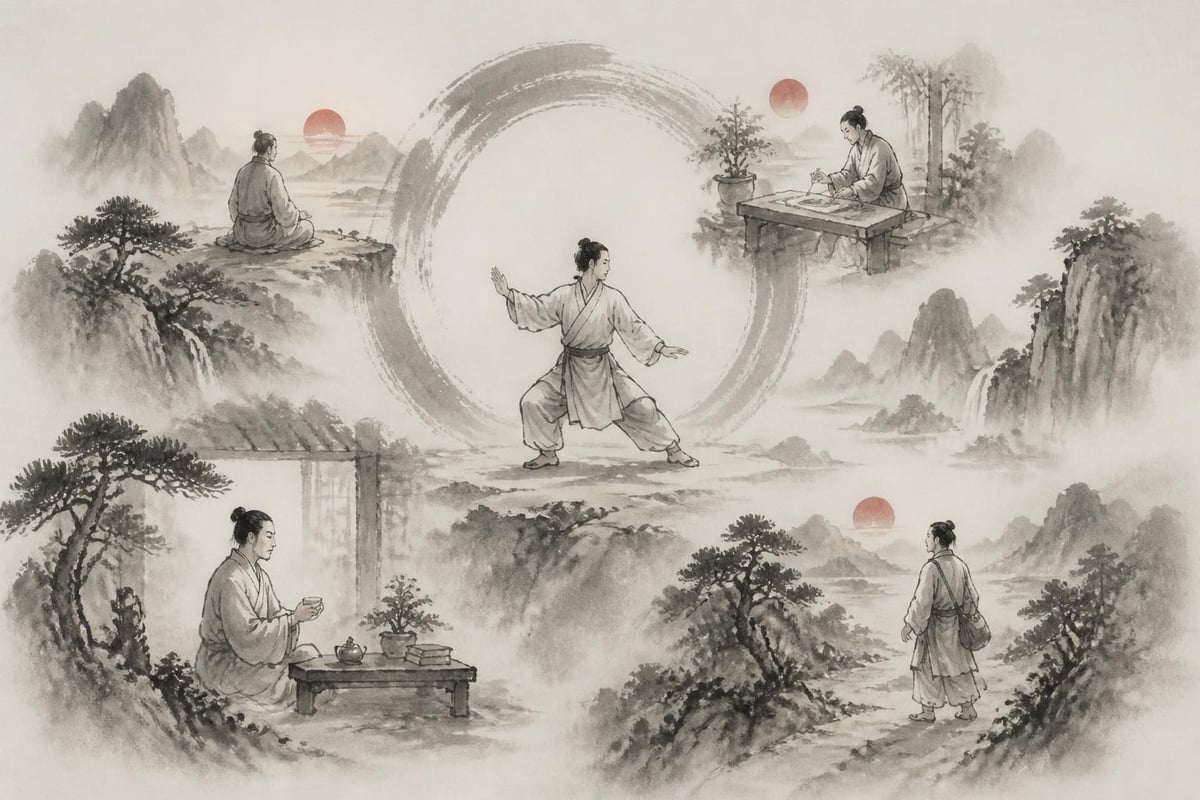
Beyond Physical Exercise: Tai Chi as Life Practice
Cultivating Presence and Patience
Tai chi teaches lessons that go beyond the practice session. The patience required to learn slow, detailed movements can help you approach other areas of life with less rushing and more presence. The emphasis on relaxed effort rather than force offers a different way to meet challenges.
When you practise basic tai chi movements with attention and care, you're training yourself to bring the same quality of attention to cooking, conversations, or creative work. The practice becomes a laboratory for discovering how to move through life with greater ease.
Connecting with Ancient Wisdom
Tai chi is deeply influenced by Taoist philosophy, which sees wellbeing as harmony between opposing forces: activity and rest, effort and ease, strength and flexibility. This perspective is a useful counterbalance to modern culture's emphasis on constant productivity.
Practising tai chi connects you to this wisdom tradition without requiring you to study philosophy or adopt any beliefs. The movements themselves embody these principles, and your body learns what balanced effort feels like: rooted yet flexible, strong yet soft.
Making Tai Chi Work for Your Life
Addressing Common Concerns
"I'm not flexible enough." Tai chi can help improve flexibility rather than requiring it. You work within your current range of motion and gradually expand it through gentle, repeated practice.
"I'm too busy." Even 10 minutes of practice can be worthwhile. Many people find that tai chi creates more mental space, making other activities feel less hectic.
"I can't remember sequences." Everyone struggles with this at first. With patient repetition, the movements become embodied memory, and your body often remembers even when your mind doesn't.
"I need more intense exercise." Tai chi can complement more vigorous activities or be your main movement practice. The choice depends on your goals and what your body needs.
Adapting Practice to Your Needs
One lovely thing about tai chi is that it adapts to meet you where you are. Feeling tired? Practise with gentler, smaller movements. Feeling energetic? Sink a little deeper into your stances and extend your arms more fully.
This adaptability makes tai chi suitable across a lifetime. The foundation you build today can serve you for decades, evolving as your body and circumstances change.
The Long View on Tai Chi Practice
When people ask whether tai chi is good for you, they often want a simple yes or no. The fuller truth is that tai chi offers something increasingly rare: a practice that honours where you are right now while gently guiding you towards greater vitality, balance, and ease.
Research suggests that tai chi may support balance and strength, help ease discomfort, calm the nervous system, and support mental clarity, alongside what generations of practitioners have experienced for themselves. These benefits tend to build slowly, through patient, consistent practice that respects your body's natural rhythms.
Perhaps more valuable than any specific measurement is the relationship with movement and self-care that tai chi cultivates. In a world that often demands we push harder and move faster, tai chi reminds us that gentleness has its own power.
Whether you're seeking stress relief, wanting to age with grace, or simply looking for movement that feels nourishing rather than draining, tai chi offers a path worth exploring. The journey begins with a single step, slow and intentional, exactly where you are.
Tai chi can offer real benefits for physical comfort, mental wellbeing, and quality of life when practised with patience and authentic guidance. If you're ready to explore it for yourself, Taoist Wellness Online offers courses in Wudang Tai Chi, Qi Gong and Taoist meditation with Master Gu, a 15th-generation San Feng Pai Wudang Taoist Master with 25+ years of teaching experience, along with a monthly live session and Q&A and a supportive global community to help you practise at your own pace.
Related reading