Is Tai Chi a Religion? Exploring Philosophy and Practice
Oct 18, 2026
When people first encounter tai chi, they often wonder about its spiritual dimensions. Is tai chi a religion? The short answer is no - tai chi is not a religion, but a movement practice shaped by Daoist philosophy and traditional Chinese culture. Yet this simple answer barely scratches the surface of a rich and nuanced tradition that has evolved over centuries. Understanding the distinction between philosophy, spirituality, and religion helps us appreciate what tai chi truly offers: a practical path to balance, wellbeing, and inner clarity that welcomes people of all beliefs.
Understanding the Philosophical Roots of Tai Chi
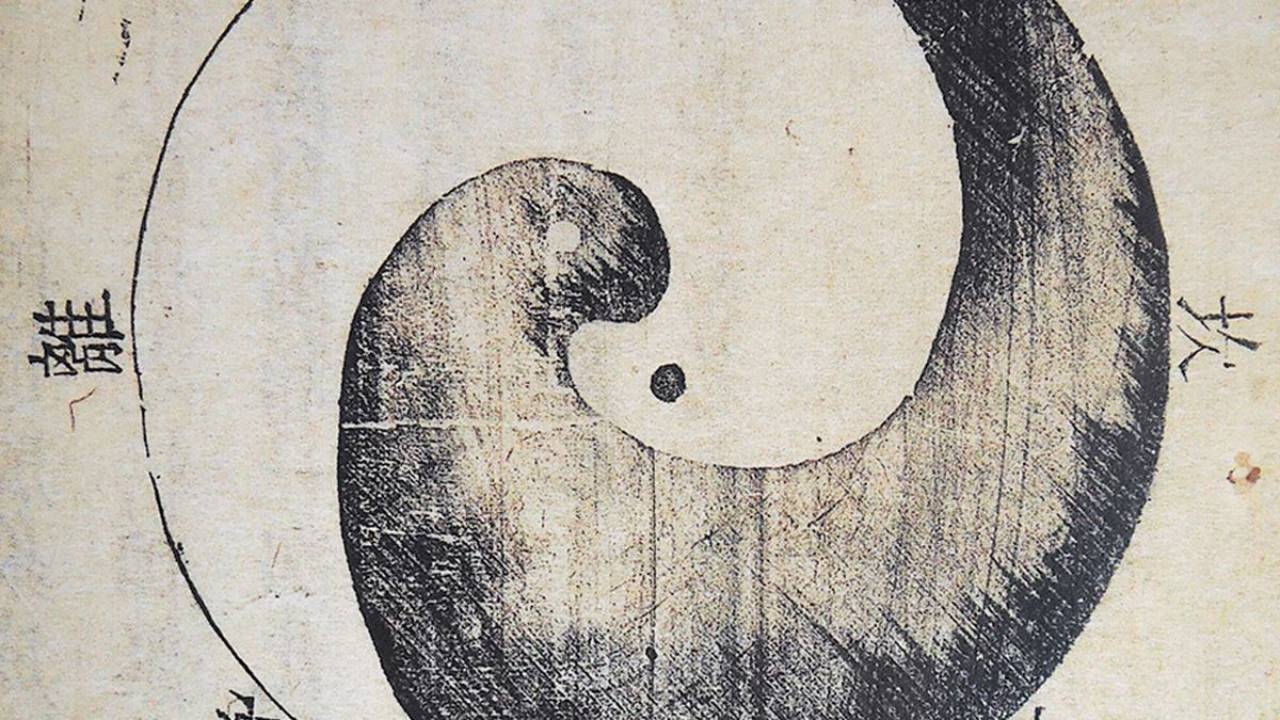
Tai chi is deeply influenced by Daoist philosophy, a wisdom tradition that explores natural patterns, balance, and the flow of energy called qi. Daoist thought emphasises harmony with nature, effortless action (wu wei), and the interplay of yin and yang - principles that shape every tai chi movement. For a wider look at the history and ideas behind the practice, see our in-depth introduction to Tai Chi.
These philosophical foundations don't require belief in deities, dogma, or prescribed rituals. Instead, they offer observations about how energy moves, how balance emerges, and how we can align ourselves with natural rhythms. When you practise tai chi, you're exploring these principles through your own body and experience.
The Difference Between Philosophy and Religion
Philosophy asks questions and explores principles through observation and reasoning. Religion typically involves worship, supernatural beliefs, organised doctrine, and prescribed moral codes. Is tai chi a religion when viewed through this lens? Not in the traditional sense.
It's worth knowing that Daoism itself has both a philosophical side and a religious side, and the two are often described as separate branches that share common roots. Master Gu explains the difference in the short video below.
Whichever side of Daoism appeals to you, practising tai chi doesn't require you to adopt either.
Key distinctions include:
- No required deity worship in tai chi practice
- No sacred texts or commandments you must follow
- No religious hierarchy or authority to answer to
- No salvation theology or afterlife promises
- No conversion or membership requirements
Tai chi draws on Daoist philosophy the way Western psychology draws on Greek philosophy - as a foundation for understanding, not as religious doctrine. The practices are experiential and adaptable, not prescriptive or dogmatic.
Tai Chi's Cultural and Historical Context
Tai chi has been recognised internationally as part of humanity's intangible cultural heritage - a living tradition that reflects Chinese culture, not a religious system. That recognition highlights tai chi's role as a cultural practice, a health practice, and a martial art.
The forms practised today, including the authentic Wudang tai chi lineage, developed in the mountains of China, where Daoist practitioners explored longevity, energy cultivation, and self-defence. These settings were contemplative and rich in philosophy, with a focus on understanding nature's patterns. Whatever place ritual played in the wider Daoist community, the practice of tai chi itself is a practical discipline anyone can learn.
| Aspect | Tai Chi | Religion |
|---|---|---|
| Primary focus | Wellbeing, balance, awareness | Worship, salvation, moral laws |
| Authority source | Direct experience, natural principles | Sacred texts, divine revelation |
| Practice requirement | Physical movement, breath, attention | Prayer, ritual, belief |
| Outcome sought | Wellbeing, harmony, skill | Spiritual salvation, divine favour |
This cultural framework helps answer whether tai chi is a religion: it's a cultural practice with philosophical depth, not a religious system requiring faith or conversion.
The Spiritual Dimension Without Religious Structure
Tai chi does nurture what many call spirituality - awareness, presence, a connection to something larger than immediate concerns. But spirituality and religion aren't synonyms. You can find meaning, peace, and insight through tai chi without adopting any religious beliefs.
Researchers and practitioners often distinguish carefully between spiritual experience and religious practice, and it helps to keep that distinction in mind.
What Spiritual Elements Exist in Tai Chi?
Contemplative qualities include:
- Mindful awareness of breath and sensation
- Present-moment attention during movement
- A sense of connection to nature
- A quieting of mental chatter
- A feeling of flow or harmony
These experiences arise from the practice itself - from coordinating breath with movement and settling the mind. They don't require believing anything; they emerge from practising with attention and consistency, and they vary from person to person.
Many students find that tai chi sits comfortably alongside their existing faith or their secular worldview. Some people of faith describe it as a kind of embodied mindfulness or prayerful stillness, while others appreciate it as sophisticated body mechanics and a way to relax. All these perspectives are valid, because "is tai chi a religion" isn't really the right question - the practice adapts to each person's framework.
How Modern Practice Differs From Religious Ritual
Contemporary tai chi instruction, especially in health and wellbeing contexts, emphasises the practical benefits anyone can access. When you learn authentic forms like those taught in the Wudang tradition, you're learning movement patterns, natural breathing, and relaxation principles.
- Sessions often begin with settling and centring, not prayer
- Movements follow natural principles, not sacred choreography
- Instruction focuses on alignment and flow, not moral teaching
- Practice develops skill and awareness, not devotion
- Progress comes through consistent training, not faith
This practical approach makes tai chi accessible to everyone, regardless of religious background or beliefs. You don't need to adopt Daoist cosmology to benefit from tai chi, any more than you need to become Hindu to practise yoga postures or Buddhist to try mindfulness meditation.
The Role of Philosophy in Practice
Although "is tai chi a religion" can be answered with a clear no, the philosophical dimensions do enrich practice. Understanding yin and yang helps you recognise when to yield and when to express. Grasping wu wei - effortless action - changes how you move and respond to resistance.
These aren't religious teachings; they're observations about how movement and balance work. Master Gu's teaching draws on 25+ years of experience to make these principles practical and accessible, showing students how philosophical ideas translate into steadier balance, smoother movement, and calmer presence.
Philosophical Principles in Movement
When you practise tai chi, you're exploring:
- Balance between softness and strength (yin and yang)
- Rootedness and lightness at the same time
- Circular rather than linear movement
- Relaxation within structure and form
- Mind and body working together through coordination
Each principle can be experienced directly in your practice. You don't have to believe anything - you can test these ideas through your own movement and notice what happens. This experiential approach is what distinguishes philosophy from religious faith.
Meditation and Contemplation in Tai Chi
Taoist meditation practices often accompany tai chi training, raising another dimension of the question: is tai chi a religion when it includes meditation? Again, the answer is no - meditation is a contemplative technique, not inherently religious.
Daoist meditation focuses on:
- Quieting mental noise
- Resting in natural awareness
- Cultivating presence
- Developing concentration
- Balancing emotions
These qualities can benefit wellbeing whatever your beliefs. Research suggests that meditation practices may help with stress and emotional balance, though results vary from person to person.
Community and Belonging Without Congregation
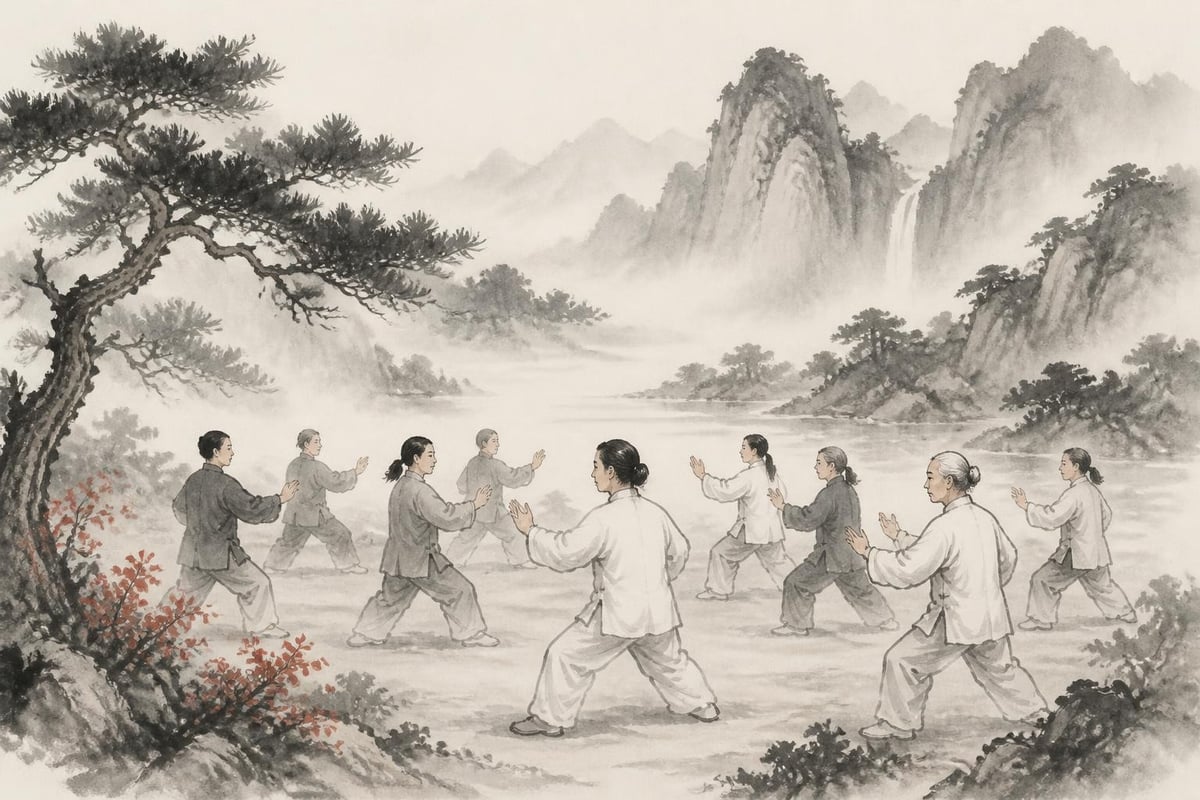
Tai chi communities offer connection and shared practice, but they function differently from religious congregations. When practitioners gather to train together, they're sharing a practice, not professing a faith.
Community aspects include:
- Learning from more experienced practitioners
- Enjoying the atmosphere of group practice
- Supporting each other's progress
- Sharing insights and challenges
- Building friendships around a common interest
You can meet fellow practitioners from every background in our welcoming global community, where students appreciate authentic Wudang teachings without religious requirements or theological agreements. You might practise alongside people of many faiths and none, all exploring the same movements and principles from their own perspectives.
Personal Beliefs and Tai Chi Practice
One of tai chi's strengths is how well it accommodates different worldviews. Is tai chi a religion you must convert to? Absolutely not. Can it sit comfortably alongside whatever spiritual or philosophical perspective you already hold? Often, yes.
| Perspective | What Some Practitioners Appreciate |
|---|---|
| People of faith | A calm, embodied way to care for the body and practise stillness alongside their own beliefs |
| Mindfulness practitioners | Present awareness and a gentle way of letting go |
| Secular / atheist | A practical health practice, a way to relax, and a physical skill |
| Agnostic | Practical benefits without any belief requirements |
Many practitioners find that tai chi enriches their understanding of whatever wisdom traditions they already value. The practice doesn't contradict or compete with religious beliefs - it offers practical tools for balance, relaxation, and awareness that cross religious boundaries.
Evidence-Based Health Benefits
Modern research treats tai chi as a movement practice, not a religious one. Studies look at its effects on balance, strength, cardiovascular health, mental wellbeing, and chronic discomfort. This scientific interest further shows why "is tai chi a religion" misunderstands its nature.
If you'd like to see for yourself, our free Taoist course introduces simple Tai Chi, Qi Gong and meditation practices designed to support a calmer, more energised daily routine, with a focus on practical benefits accessible to everyone.
Some healthcare professionals suggest tai chi as a form of gentle movement. Benefits that studies associate with it include:
- Improved body awareness (proprioception)
- Better balance and a lower risk of falls
- Reduced stress through mindful movement
- Support for cardiovascular fitness through gentle exercise
- Stronger muscles and more flexible joints
These outcomes are linked to the physical practice itself rather than to any belief system, although results vary from person to person. As with any new exercise, please check with your healthcare professional first if you have existing health concerns. Tai chi can sit alongside, but should not replace, professional support - if you're struggling with stress, anxiety or low mood, please also speak to your GP or a qualified professional.
Teaching Methods and Secular Adaptation
Contemporary tai chi instruction has adapted to serve diverse populations in secular settings. Classes in community centres, hospitals, and fitness studios teach the movements and wellbeing benefits without requiring students to engage with Daoist philosophy at all.
Modern teaching emphasises:
- Clear instruction on physical alignment
- Natural breathing coordinated with movement
- Balance and coordination development
- Relaxation and stress-easing techniques
- Adaptations for different abilities
This secular presentation makes tai chi accessible while keeping the practice meaningful. Wudang forms such as the Wudang Tai Chi 13 Form keep their traditional structure while being presented in ways that welcome everyone, regardless of religious background.
Separating Cultural Elements From Religious Requirements
When exploring whether tai chi is a religion, it's important to distinguish cultural elements from religious mandates. Traditional tai chi practice may include:
- Chinese terminology for movements and concepts
- References to Daoist philosophy and energy
- Cultural context from Chinese history
- Stories from classical texts
None of these require religious belief or practice. They're the cultural soil in which tai chi grew, much like yoga carries Indian cultural elements without requiring Hindu belief, or Greek philosophical ideas appear in Western thought without demanding ancient Greek religious practice.
You can choose how deeply to engage with these cultural dimensions. Some students love learning the philosophy and historical context; others focus purely on the movement and its benefits. Both approaches are completely valid.
Integration With Modern Life
Tai chi fits naturally into contemporary life as a practical wellbeing practice. Whether you practise to unwind after a busy day, to build gentle strength, or simply for a few minutes of calm, you're accessing its benefits without religious commitment.
Daily practice might include:
- Morning tai chi to wake up your day
- Lunchtime qi gong to release tension
- Evening meditation to settle your mind
- Weekend practice to refine your skills
This practical integration into everyday routines reflects how most people approach tai chi today - as a wellbeing practice, not a religious observance. The question "is tai chi a religion" rarely arises for practitioners who simply experience it as part of their routine, like exercise or healthy eating.
The Path Forward: Practice and Experience
Rather than debating definitions, the best way to understand tai chi's nature is through direct experience. When you practise authentic movements, work with your breath, and cultivate present awareness, you discover what tai chi actually is - a sophisticated system for balance and wellbeing that goes beyond religious categories.
Starting with accessible forms and gradual progression helps you build skill and understanding. Our Tai Chi course and Qi Gong course guide students through authentic Wudang practice, taught with clarity and respect for different backgrounds and beliefs.
As your practice develops, you'll discover your own relationship with tai chi's philosophical dimensions. Some students find deep meaning in exploring Daoist wisdom; others appreciate the movements purely for their physical benefits. Both paths are honoured and supported in authentic teaching.
So is tai chi a religion? No - it's a practice shaped by philosophy that offers balance, wellbeing, and awareness to anyone willing to practise, regardless of their beliefs. At Taoist Wellness Online, Master Gu, a 15th-generation San Feng Pai Wudang Taoist Master with 25+ years of teaching experience, shares authentic Wudang teachings that honour this tradition while welcoming students of all backgrounds. Whether you're looking for practical benefits or a deeper exploration of Daoist wisdom, you'll find a path that resonates with you and respects your perspective.