Meditation for Anxiety: Ancient Wisdom for Modern Peace
Aug 05, 2026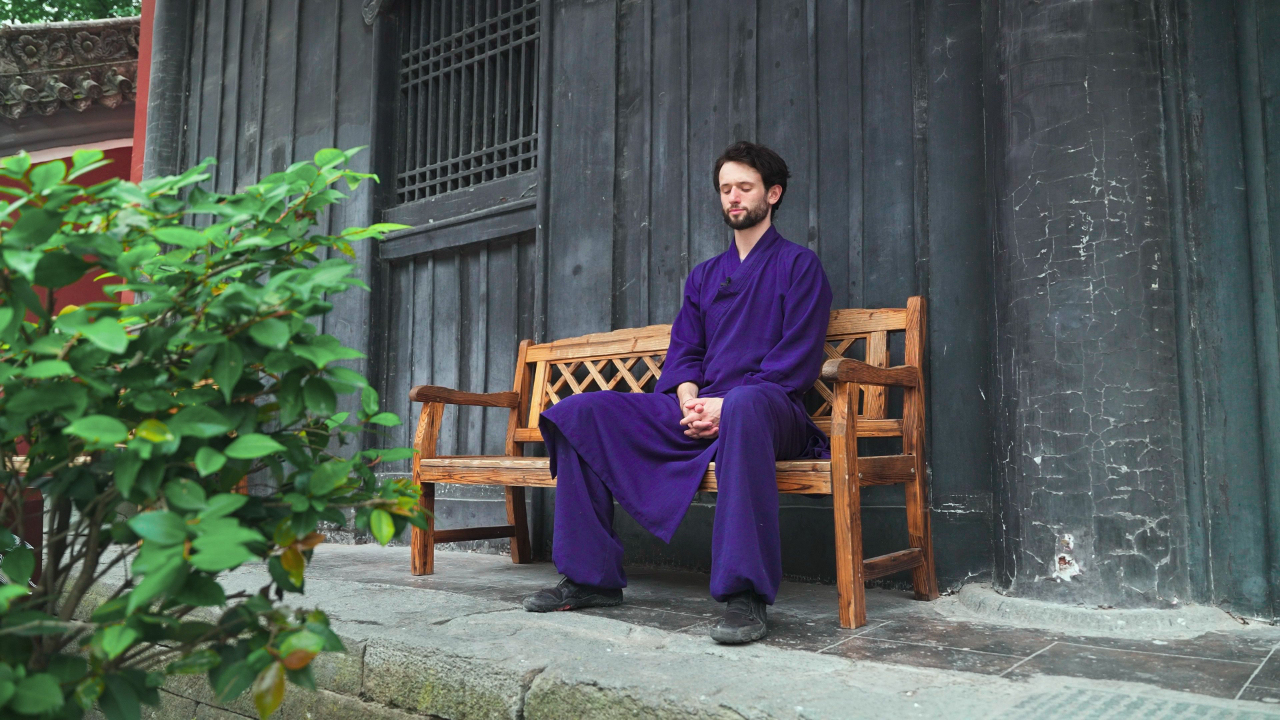
Anxiety shows up differently for everyone. Some people feel it as a tightness in the chest, a racing mind that won't slow down, or that persistent sense that something is wrong even when everything seems fine. If you've experienced these moments, you're not alone. The good news is that meditation for anxiety offers a gentle, proven path toward relief. Unlike quick fixes that mask symptoms, meditation addresses the root patterns that keep anxiety alive, helping you build a calmer, more resilient nervous system over time.
Understanding How Anxiety Lives in Your Body
Anxiety isn't just a mental experience. It's a full-body response that involves your nervous system, breath, hormones, and energy flow.
When worry takes hold, your body activates its fight-or-flight response. Your heart rate increases, muscles tense, breathing becomes shallow, and your mind races through worst-case scenarios. This ancient survival mechanism, designed to protect you from immediate danger, gets triggered by modern stressors like work deadlines, relationship concerns, or even scrolling through news feeds.
The Physical Cycle of Anxious Thoughts
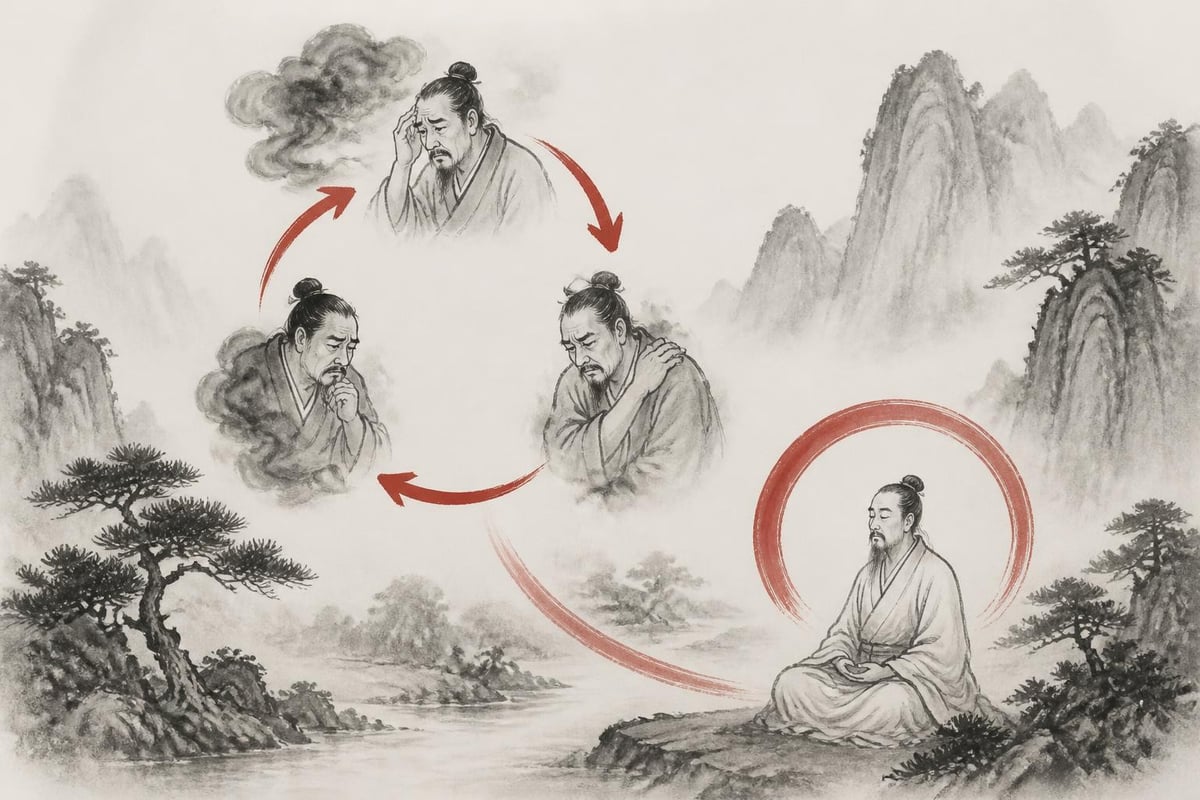
Most people notice anxiety in their minds first. Thoughts spiral, jumping from one concern to another. But this mental activity creates physical tension, which then feeds more anxious thoughts. It becomes a cycle.
Common physical manifestations include:
- Shallow chest breathing that limits oxygen flow
- Tight shoulders and jaw from unconscious clenching
- Digestive issues from chronic stress hormones
- Sleep disruption from an overactive mind
- Fatigue from constant nervous system activation
Breaking this cycle requires addressing both the mental and physical components. That's where meditation for anxiety becomes particularly powerful.
Why Meditation Works for Anxious Minds
Meditation isn't about forcing your mind to be blank or achieving some perfect state of peace. It's about changing your relationship with your thoughts and sensations.
Research continues to validate what practitioners have known for centuries. Regular meditation practice actually changes brain structure and function. The amygdala, your brain's alarm system, becomes less reactive. The prefrontal cortex, responsible for rational thinking and emotional regulation, strengthens its connections.
The Taoist Approach to Calming the Mind
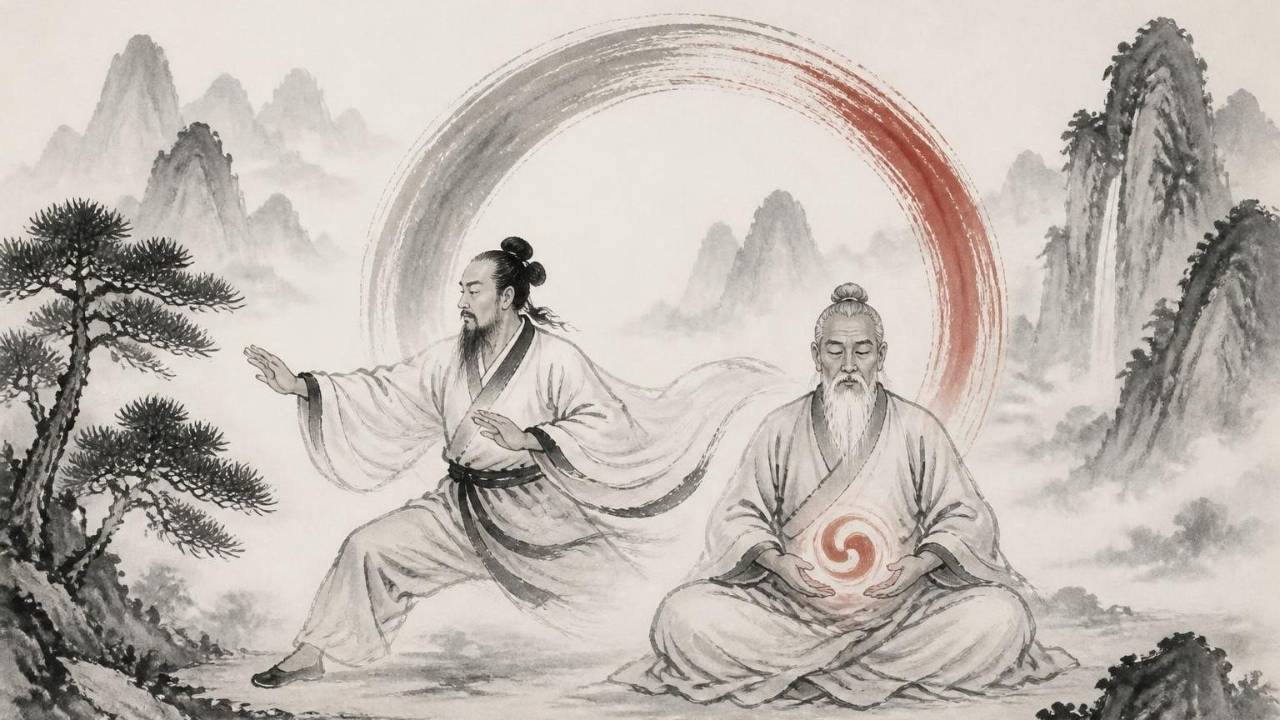
In Taoist philosophy, anxiety represents blocked or scattered Qi (life energy). When energy flows freely through your body and mind, you experience natural calm and clarity. When it gets stuck or moves chaotically, you feel tension, worry, and disconnection.
Taoist meditation practices focus on cultivating three treasures:
- Jing - Your physical vitality and bodily energy
- Qi - Your life force that animates body and mind
- Shen - Your spirit, consciousness, and mental clarity
By working with these three levels, our Taoist Meditation course addresses anxiety at its energetic roots rather than just managing symptoms.
George explores this same connection between breath, energy, and a calmer mind in the video below, a helpful companion to the ideas in this section.
| Meditation Approach | Primary Focus | Best For |
|---|---|---|
| Mindfulness | Present moment awareness | Racing thoughts, rumination |
| Breathwork | Regulating nervous system | Physical anxiety symptoms |
| Taoist Meditation | Energy cultivation and flow | Deep-rooted anxiety patterns |
| Body Scanning | Releasing physical tension | Stress-related body pain |
Simple Practices to Start Today
You don't need special equipment, hours of free time, or perfect conditions to begin meditation for anxiety. Start where you are, with what you have.
Natural Breathing for Instant Calm
Your breath is the bridge between your conscious and unconscious nervous systems. When anxiety strikes, your breathing becomes shallow and rapid. By intentionally slowing and deepening your breath, you signal safety to your entire system.
Try this basic practice:
Sit comfortably with your spine naturally straight. Place one hand on your belly and one on your chest. Breathe in slowly through your nose for a count of four, letting your belly expand. Hold gently for a count of two. Exhale through your nose for a count of six, letting your belly fall. Repeat for five to ten cycles.
Notice how your body feels different after even a few minutes. This isn't imagination. You've activated your parasympathetic nervous system, which counteracts the stress response.
Observing Thoughts Without Attachment
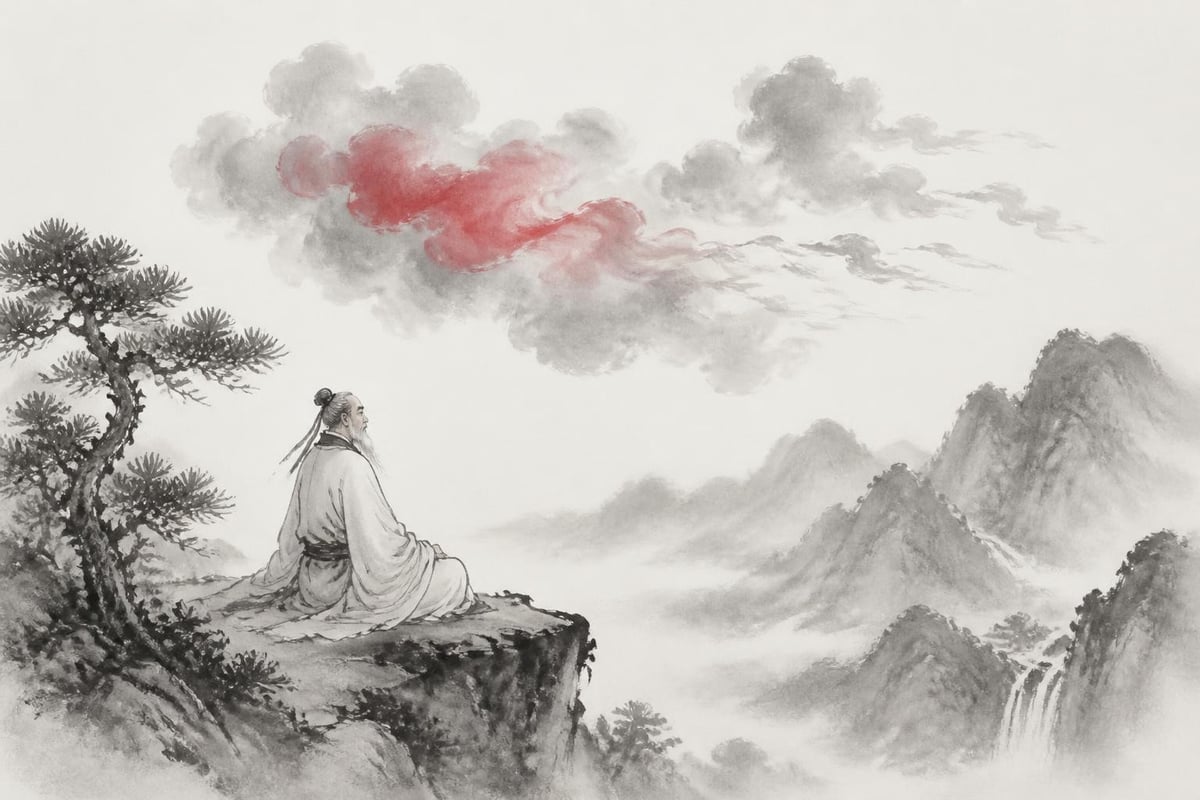
Much of anxiety's power comes from believing every thought that crosses your mind. Meditation teaches you to watch thoughts like clouds passing through the sky - present, but not permanent or necessarily true.
When you notice an anxious thought, try this approach: acknowledge it without judgement ("I'm having the thought that something bad will happen"), observe where you feel it in your body, breathe into that sensation, and let the thought pass without following it down the rabbit hole.
This practice doesn't make anxious thoughts disappear overnight. It gradually weakens their grip on you.
Building a Sustainable Daily Practice
Consistency matters more than duration when you're using meditation for anxiety. Five minutes every day creates more benefit than an hour once a week.
Creating Your Meditation Anchor
Choose a specific time and place for your practice. This creates a mental anchor that makes meditation easier to maintain. Many people find morning practice sets a calmer tone for the entire day, while others prefer evening meditation to process the day's stress.
Your practice space doesn't need to be elaborate. A quiet corner, a comfortable cushion or chair, and minimal distractions are enough.
Elements of a supportive practice:
- Consistent daily time (even 5-10 minutes)
- Quiet space free from interruptions
- Comfortable seated position
- Gentle timer so you don't watch the clock
- Patient attitude toward yourself
Integrating Movement and Stillness
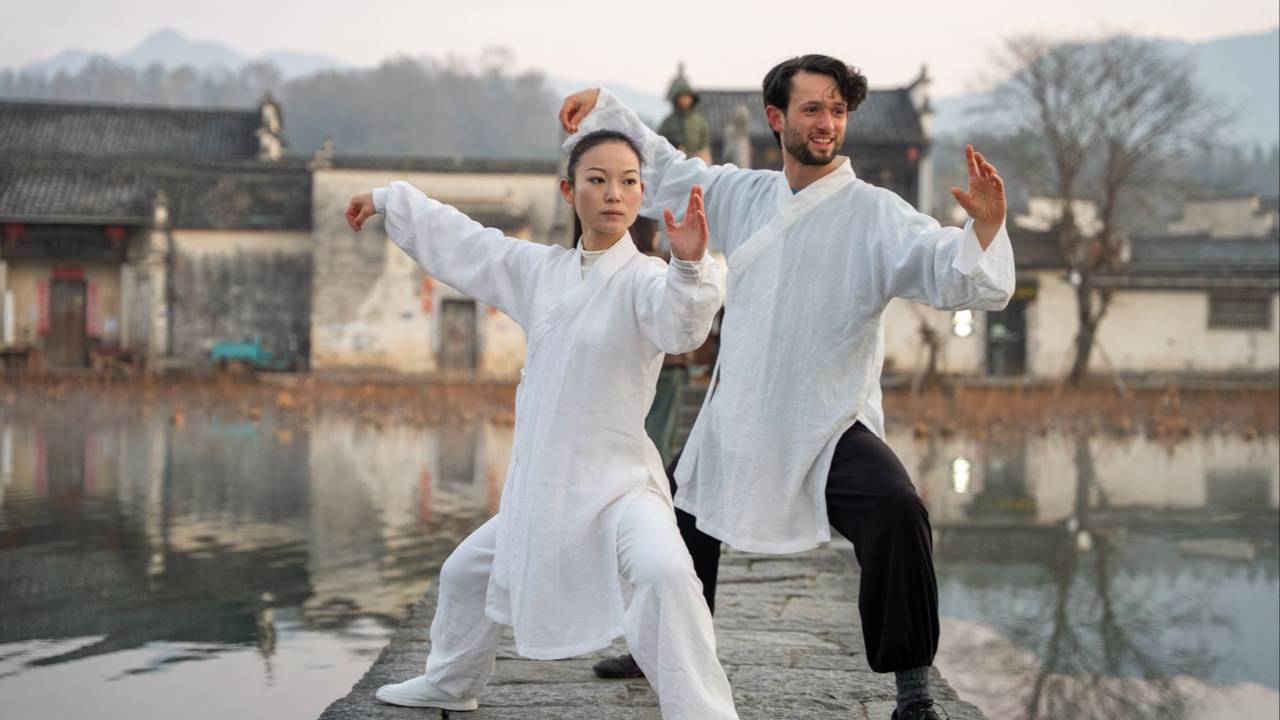
The Wudang tradition recognises that some people find pure seated meditation challenging, especially when anxiety is high. Moving meditation practices like our Tai Chi course and why not try our Qi Gong course offer alternative entry points.
These practices combine gentle, flowing movements with breath awareness and mental focus. They help discharge nervous energy while building the body awareness and breath control that support seated meditation. Many students find that moving practices make seated meditation more accessible and effective.
Working With Different Types of Anxiety
Anxiety isn't one-size-fits-all, and neither is meditation. Understanding your specific anxiety patterns helps you choose the most effective practices.
Generalised Worry and Overthinking
If your mind constantly jumps to worst-case scenarios or loops through the same concerns, grounding practices work well. Focus on physical sensations: the feeling of your feet on the floor, the temperature of the air on your skin, the sounds in your environment.
Grounding meditation sequence:
- Notice five things you can see
- Acknowledge four things you can touch
- Recognise three things you can hear
- Identify two things you can smell
- Name one thing you can taste
This simple practice pulls you out of mental loops and into present-moment awareness.
Physical Anxiety and Panic Sensations
When anxiety manifests primarily as physical symptoms (racing heart, tight chest, trembling), breath-focused meditation provides immediate relief. The 4-7-8 breathing technique is particularly effective: inhale for 4 counts, hold for 7 counts, exhale for 8 counts.
Longer exhalations activate the vagus nerve, which triggers the relaxation response. With regular practice, your nervous system becomes more resilient, and physical anxiety symptoms decrease in frequency and intensity.
Social Anxiety and Self-Consciousness
For anxiety centred on how others perceive you, loving-kindness meditation builds inner compassion and reduces harsh self-judgement. Start by directing kind wishes toward yourself ("May I be at ease, may I be safe"), then gradually extend those wishes to others.
This practice doesn't eliminate social anxiety overnight, but it softens the critical inner voice that intensifies anxious feelings in social situations.
| Anxiety Type | Recommended Practice | Duration to Start |
|---|---|---|
| Racing thoughts | Mindful breathing | 5-10 minutes |
| Physical tension | Body scan meditation | 10-15 minutes |
| Worry loops | Grounding exercises | 3-5 minutes |
| Panic symptoms | 4-7-8 breathing | 2-3 minutes |
| Social anxiety | Loving-kindness | 5-10 minutes |
The Role of Energy Cultivation in Anxiety Relief
Western approaches to meditation for anxiety often focus on symptom management. Taoist practices go deeper, working with your body's energy system to address underlying imbalances.
Understanding Qi and Emotional Balance
In Taoist medicine, emotions aren't just mental states. They're energetic movements through specific organ systems. Anxiety relates closely to scattered Qi, particularly in the heart and kidney meridians.
When these energy pathways flow smoothly, you experience natural calm and clarity. When they're blocked or depleted, anxiety arises. Meditation practices that cultivate and circulate Qi address anxiety at this fundamental level. Our article on Tai Chi and Energy: Ancient Wisdom for Modern Vitality explores this Qi connection in more depth.
Cultivating Lower Dantian Awareness
The lower dantian, located in your lower abdomen about three finger-widths below your navel, serves as your body's primary energy centre. Focusing awareness here during meditation grounds scattered energy and calms an overactive mind.
Place your attention gently in your lower abdomen. Breathe naturally, imagining each inhale drawing energy to this centre, each exhale allowing tension to release. This simple practice, done regularly, builds energetic stability that reduces anxiety's grip.
Students exploring these deeper dimensions of practice find value in our global community that connects meditation with broader Taoist wellness principles.
Overcoming Common Obstacles
Starting meditation for anxiety often brings up challenges. Understanding these obstacles helps you navigate them skilfully.
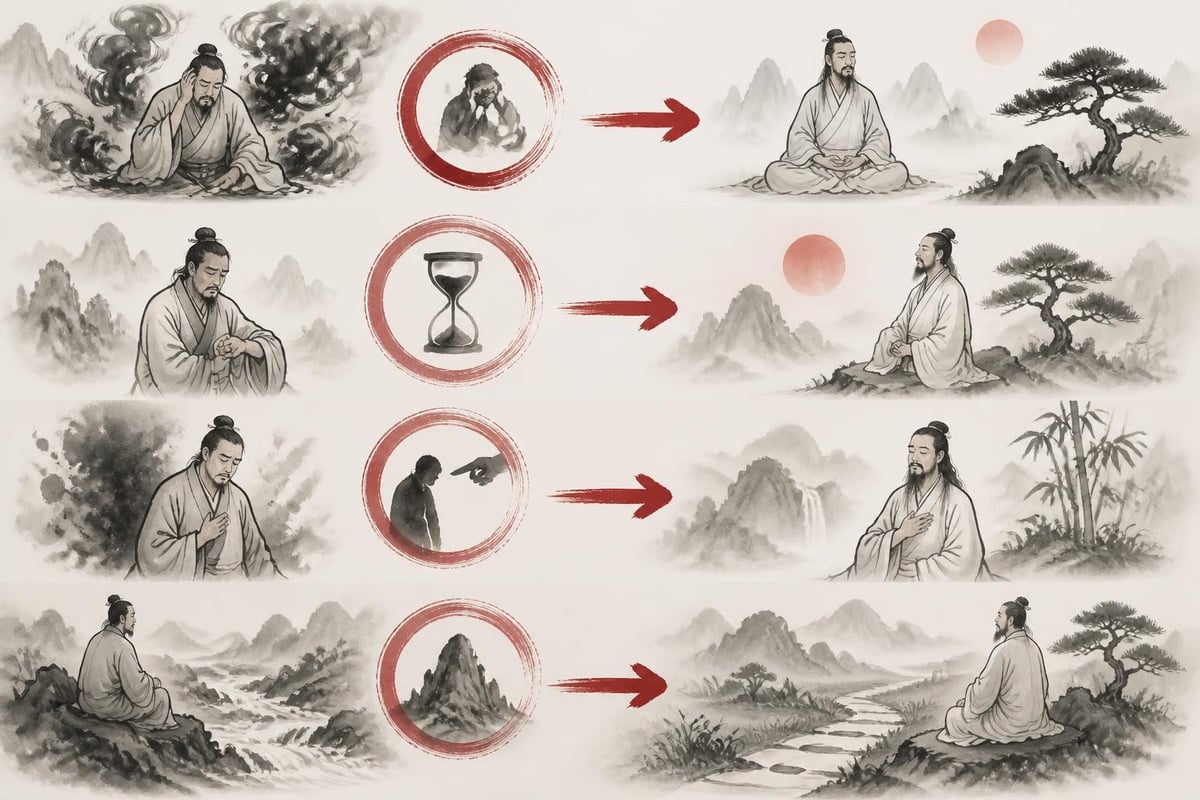
"My Mind Won't Stop Thinking"
This is the most common concern, and it's based on a misunderstanding. Meditation isn't about stopping thoughts. Your mind produces thoughts naturally, like your heart beats and your lungs breathe.
The practice is noticing when you've gotten caught in thought and gently returning attention to your anchor (breath, body sensations, or energy centres). Each time you notice and return, you're succeeding at meditation, even if it happens fifty times in five minutes.
"I Don't Have Time"
Anxiety often creates a false sense of urgency, making everything feel too important to pause for self-care. The truth is that meditation makes you more effective, not less. Ten minutes of practice can save you hours of unproductive worry.
Ways to find practice time:
- Meditate immediately after waking, before checking your phone
- Use your lunch break for a brief grounding practice
- Practise while waiting (in line, for appointments, for water to boil)
- Replace some social media scrolling with meditation
- Set a recurring daily reminder
"I'm Not Doing It Right"
There's no perfect meditation. Some sessions feel calm and spacious. Others feel restless and difficult. Both types are valuable. The difficult sessions teach you to sit with discomfort without immediately reacting, a skill that directly reduces anxiety.
Approach your practice with curiosity rather than judgement. Notice what's happening without labelling it as good or bad, right or wrong.
Deepening Your Practice Over Time
As meditation becomes a regular part of your life, you'll notice changes beyond just reduced anxiety. Your relationship with yourself shifts. You develop greater capacity to be with difficulty without being overwhelmed by it.
Tracking Your Progress
Anxiety reduction often happens gradually, in ways you might not notice day-to-day. Consider keeping a simple practice journal. Note how long you practised, what techniques you used, and how you feel (physically, mentally, emotionally).
Over weeks and months, patterns emerge. You'll see that situations that once triggered intense anxiety now create milder responses. Recovery time shortens. You catch anxious thoughts earlier, before they spiral.
Expanding Into Related Practices
Meditation for anxiety works even better when combined with complementary practices. Gentle movement, whether Taoist wellness exercises or simple walking, supports your meditation practice. Adequate sleep, balanced nutrition, and time in nature all reinforce the nervous system regulation that meditation cultivates. Our piece on Tai Chi Stress Relief: Ancient Practice for Modern Calm looks at this same territory from the movement side of practice.
These elements work synergistically. As your meditation practice reduces anxiety, you sleep better. Better sleep makes meditation easier. Reduced anxiety gives you energy for movement. Movement deepens your meditation. Each positive change supports the others.
Learning From Experienced Teachers
While self-guided practice offers tremendous value, learning from experienced teachers accelerates your progress and helps you avoid common pitfalls. Authentic lineage teachers bring centuries of accumulated wisdom about working with the mind and energy system.
The guidance of someone who has walked the path before you and helped countless others navigate anxiety provides perspective that books and apps cannot match. You learn not just techniques, but the subtle adjustments that make techniques effective for your particular constitution and circumstances.
When to Seek Additional Support
Meditation for anxiety is powerful, but it's not a replacement for professional mental health care in all situations. If anxiety significantly impairs your daily functioning, causes severe physical symptoms, or includes thoughts of self-harm, work with a qualified therapist or counsellor.
Meditation can complement therapy beautifully. Many therapists now incorporate mindfulness and meditation into their treatment approaches. The skills you develop in meditation - observing thoughts, regulating your nervous system, staying present - directly support therapeutic work.
Combining Approaches for Best Results
The most effective anxiety management often includes multiple elements:
A comprehensive approach includes:
- Regular meditation practice for nervous system regulation
- Physical movement to discharge stress and build resilience
- Professional support when needed for deeper processing
- Community connection to reduce isolation
- Lifestyle adjustments that support overall well-being
None of these elements alone provides a complete solution, but together they create conditions where anxiety loses its power over your life.
Creating Lasting Change
Meditation for anxiety isn't a quick fix. It's a practice that gradually rewires your nervous system, reshapes your relationship with difficult emotions, and builds genuine resilience.
The changes happen in layers. First, you notice you can calm yourself more quickly when anxiety strikes. Then, anxious episodes become less frequent. Eventually, your baseline state shifts toward greater ease and stability. Old triggers lose their intensity.
This transformation requires patience and consistency. Some days your practice feels like a lifeline. Other days it feels like just another item on your to-do list. Show up anyway. The accumulated effect of hundreds of small practices creates profound change.
Building on Ancient Wisdom
The techniques you're learning aren't new. They've been refined over thousands of years by practitioners dedicated to understanding the mind-body-energy connection. When you practise meditation for anxiety, you're tapping into this vast reservoir of wisdom.
The Taoist approach recognises that true healing addresses the whole person - body, energy, mind, and spirit. Modern research increasingly validates what ancient practitioners knew: these dimensions are inseparable, and working with all of them creates the most complete and lasting transformation.
Your journey with meditation is uniquely yours, but you don't walk it alone. Every person who has sat with their breath, observed their thoughts, and cultivated their energy has contributed to the path you now follow.
Meditation for anxiety offers a gentle, powerful way to reclaim peace in your daily life, addressing both the symptoms and root causes of worry through time-tested practices. Whether you're just beginning or deepening an existing practice, Taoist Wellness Online provides authentic guidance in meditation, Tai Chi, Qi Gong, and Taoist philosophy under the instruction of Master Gu, a 15th-generation San Feng Pai Wudang Taoist Master with over 25 years of teaching experience. Join a global community of practitioners discovering greater calm, clarity, and balance through these transformative ancient practices.
If you'd like a gentle, guided way to begin, our free 4-week Taoist Wellness course introduces these meditation, breathing, and movement practices at your own pace.