Tai Chi Stress Relief: Ancient Practice for Modern Calm
Jul 21, 2026
Modern life moves fast. Deadlines pile up, notifications never stop, and the pressure to keep up can feel overwhelming. When stress becomes your constant companion, your body pays the price through tension, exhaustion, and a mind that won't quiet down. Yet there's a practice thousands of years old that addresses tai chi stress in a way that feels both gentle and profound. This ancient movement art offers more than just physical exercise. It creates a bridge between body and mind, helping you find stillness even when the world around you refuses to slow down.
How Tai Chi Addresses Stress at Its Root
Stress isn't just mental. It lives in your shoulders, your jaw, your breath. When your nervous system stays locked in high alert, your body releases cortisol and adrenaline constantly, creating a cycle that's hard to break.
Tai chi stress relief works differently than conventional exercise. Instead of pushing harder, you move slower. Instead of forcing your mind to empty, you give it something gentle to focus on. The slow, flowing movements combined with deep breathing help activate your parasympathetic nervous system - the part responsible for rest and recovery.
Research backs this up. A 2024 systematic review found that tai chi practice significantly improved depressive symptoms, reduced anxiety levels, and enhanced physical quality of life in participants dealing with chronic stress. The practice doesn't just distract you from stress. It actually changes how your body responds to it.
The Mind-Body Connection in Practice
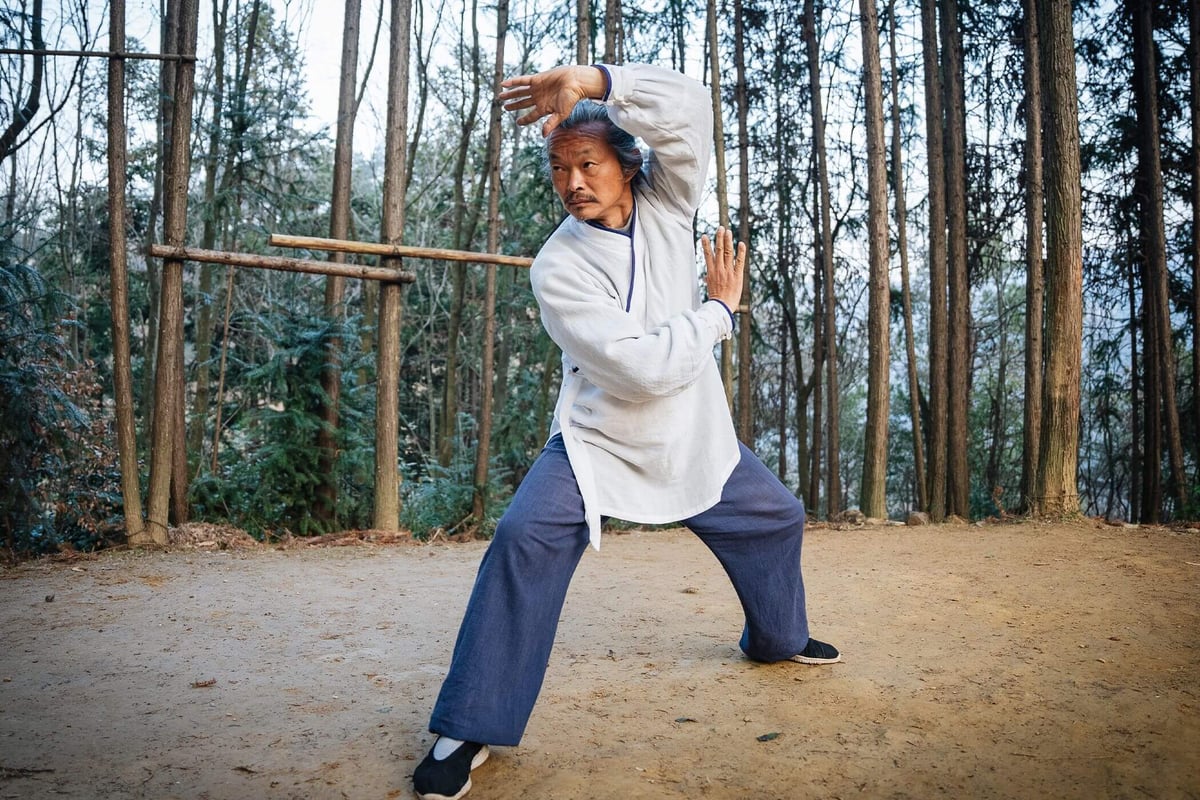
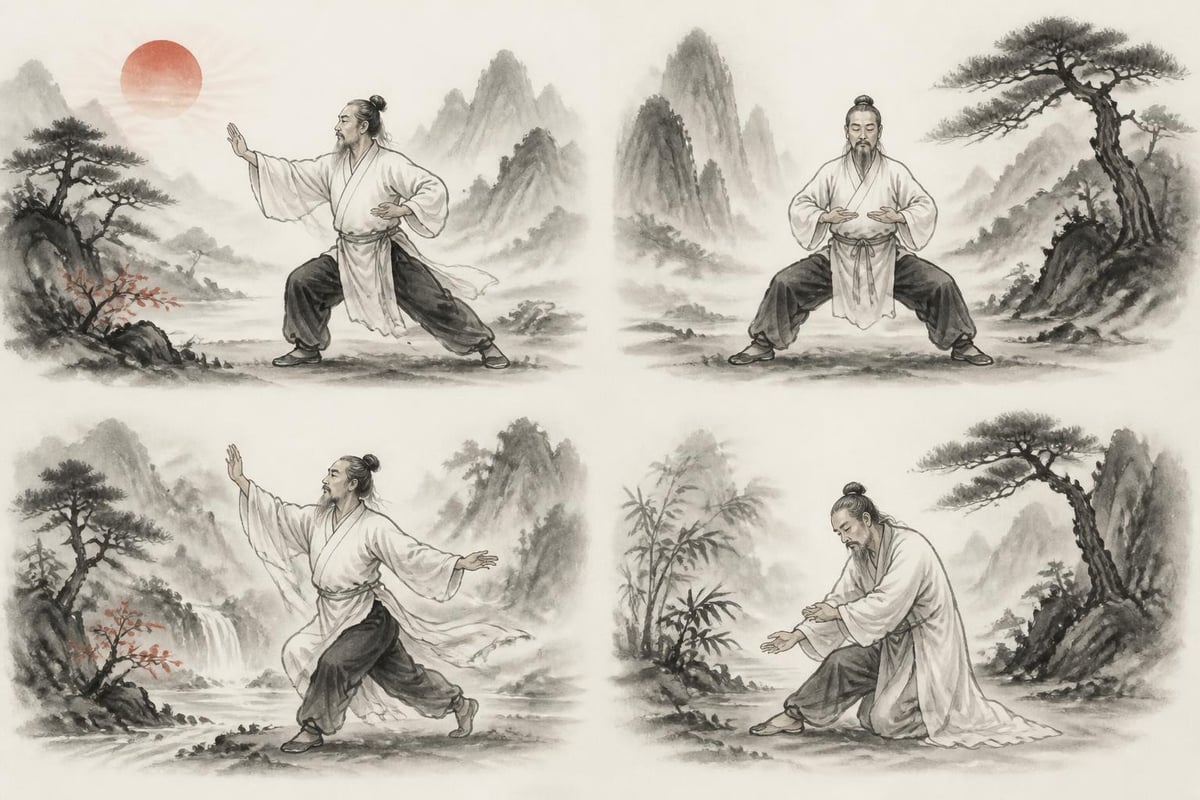
When you practise tai chi, you're not just moving your arms and legs through space. You're coordinating breath with motion, balance with awareness, intention with action. This creates what many call "meditation in motion" - a state where your mind has to be present because the movements require attention.
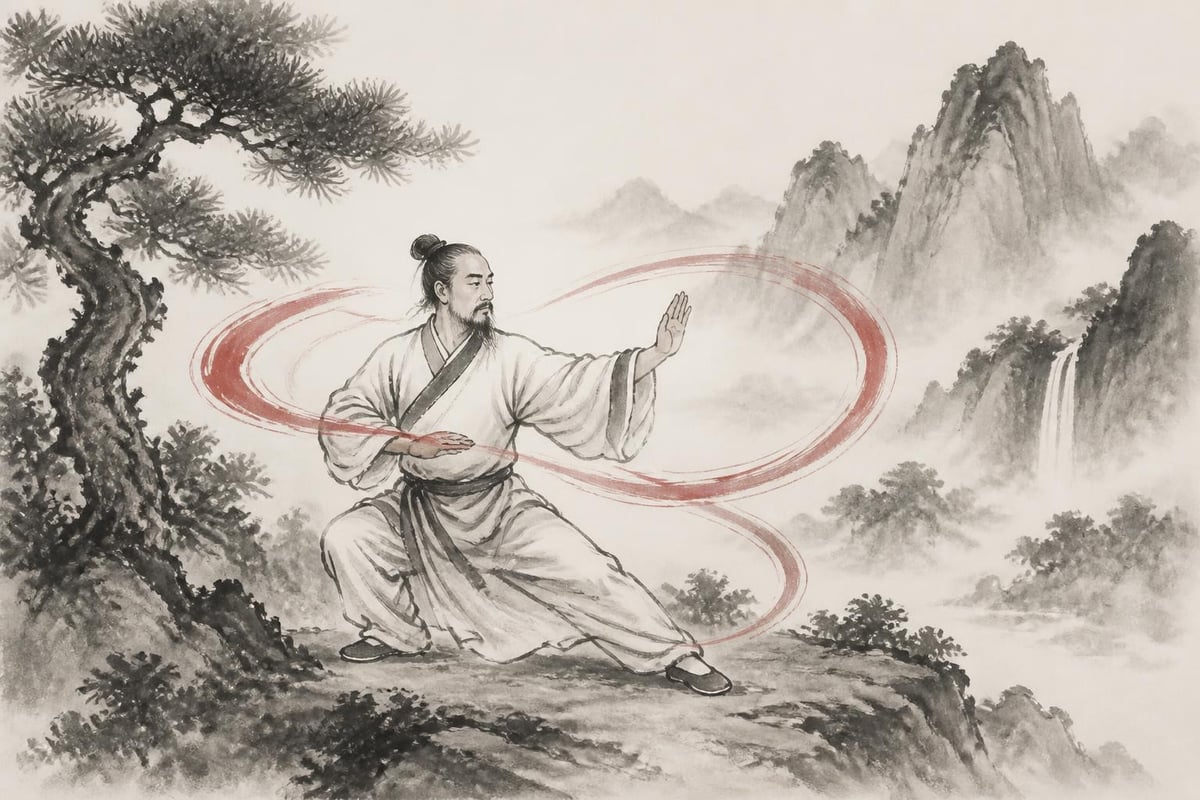
This focused awareness interrupts the stress cycle. Instead of rehashing yesterday's problems or worrying about tomorrow's challenges, you're fully engaged with right now. Your mind literally can't wander when you're balancing on one leg while slowly extending your arm.
Physical Benefits That Ease Mental Tension
The body holds stress in predictable ways. Your neck gets tight. Your breathing becomes shallow. Your muscles stay contracted even when you're trying to relax. Tai chi stress relief addresses these physical manifestations directly.
How Movement Releases Stored Tension
- Gentle stretching lengthens muscles that have been chronically tight
- Weight shifting improves circulation and releases stagnant energy
- Slow movements allow you to notice and release tension you didn't know you were holding
- Mindful breathing oxygenates tissues and calms the nervous system
- Balance work strengthens stabilising muscles while demanding full attention
Tai chi promotes serenity through gentle movements, effectively reducing both stress and anxiety while improving overall mental well-being. This happens because the practice addresses both symptoms and causes simultaneously.
When you move slowly and intentionally, you give your body permission to let go. You're not forcing relaxation. You're creating conditions where it can happen naturally.
The Breath Work Component
Breathing might seem automatic, but when you're stressed, it changes dramatically. You take shallow chest breaths instead of deep belly breaths. You hold your breath without realising it. This signals danger to your body, keeping stress hormones elevated.
Tai chi teaches you to breathe differently. Each movement coordinates with either an inhale or exhale, creating a rhythm that naturally deepens your breath. This isn't complicated breathing exercises with counts and holds. It's simply matching your breath to your movement in a way that feels natural and sustainable.
| Stress Breathing | Tai Chi Breathing |
|---|---|
| Shallow, chest-based | Deep, diaphragmatic |
| Rapid, irregular | Slow, rhythmic |
| Often held unconsciously | Coordinated with movement |
| Triggers stress response | Activates relaxation response |
| Creates tension | Releases tension |
Over time, this breathing pattern becomes more accessible even off the practice floor. You start noticing when stress has made your breath shallow, and you have a tool to shift it.
Building Your Stress Response Toolkit
Different stressors require different responses. Tai chi doesn't give you just one technique. It builds a comprehensive toolkit you can draw from depending on what you need.
For acute stress: Quick standing forms that ground you and shift your energy in under five minutes
For chronic tension: Longer sequences that systematically release each major muscle group
For anxiety: Breathing exercises paired with simple hand movements that calm racing thoughts
For exhaustion: Restorative movements that build energy rather than depleting it
Our Taoist Wellness Online Academy membership provides structured guidance through these different approaches, with Master Gu's expertise helping you understand which practices serve you best in various situations. You'll find over 100 hours of lessons that break down both the movements and the underlying principles, making it possible to build a personalised stress relief practice that fits your life.
Why Tai Chi Works Where Other Methods Don't
Many stress relief techniques ask you to do more. Download this app. Follow this routine. Track these metrics. Add another thing to your already overwhelming schedule. Tai chi stress relief works differently because it's fundamentally about doing less, not more.
You're not trying to achieve anything or prove anything. You're simply moving and breathing. There's no performance standard, no competition, no right or wrong. This removes the additional stress that often comes with wellness practices.
The Accessibility Factor
You don't need equipment, a gym membership, or special clothing. You don't need to be flexible, strong, or coordinated. You can practise in a small space, indoors or out. You can do five minutes or fifty.
This accessibility matters when you're stressed. The practices that help most are the ones you'll actually do, and tai chi's low barrier to entry makes it sustainable even during your most challenging times.
Age doesn't limit you. Older adults find particular benefit in tai chi for stress reduction, with research showing it supports healthy ageing while simultaneously improving balance, mental focus, and emotional resilience.
Physical limitations adapt easily. Most movements can be modified for injuries, chronic conditions, or mobility challenges. The principles remain the same whether you're standing, sitting, or working within whatever range of motion you have.
Building a Consistent Practice
Understanding how tai chi stress relief works is one thing. Actually practising consistently is another. The gap between knowing and doing often comes down to structure and support.
Starting Small and Sustainable
- Begin with five minutes daily rather than ambitious hour-long sessions you'll skip
- Choose one simple form and practise it until it becomes natural
- Practise at the same time each day to build a habit loop
- Use the same space to create a mental association between location and practice
- Track how you feel before and after to reinforce the benefits you're experiencing
Our free 4-week Taoist Wellness course offers an excellent entry point, providing structured guidance as you build foundational skills and establish your routine.
Common Obstacles and Solutions
Starting something new while stressed creates its own challenges. You might feel too tired, too busy, or too overwhelmed. These are valid concerns, not excuses.
| Obstacle | Practical Solution |
|---|---|
| "I don't have time" | Practise during existing transitions (before bed, after waking) |
| "I can't focus" | Use guided videos instead of trying to remember sequences |
| "I feel silly" | Practise alone initially, join community when comfortable |
| "It's not working fast enough" | Track subtle changes in sleep, tension, mood rather than dramatic shifts |
| "I keep forgetting" | Set phone reminders, place mat/shoes where you'll see them |
Progress isn't linear. Some days the practice feels effortless and you notice immediate calm. Other days your mind races and your body feels stiff. Both are normal. Both are valuable.
The Community Dimension
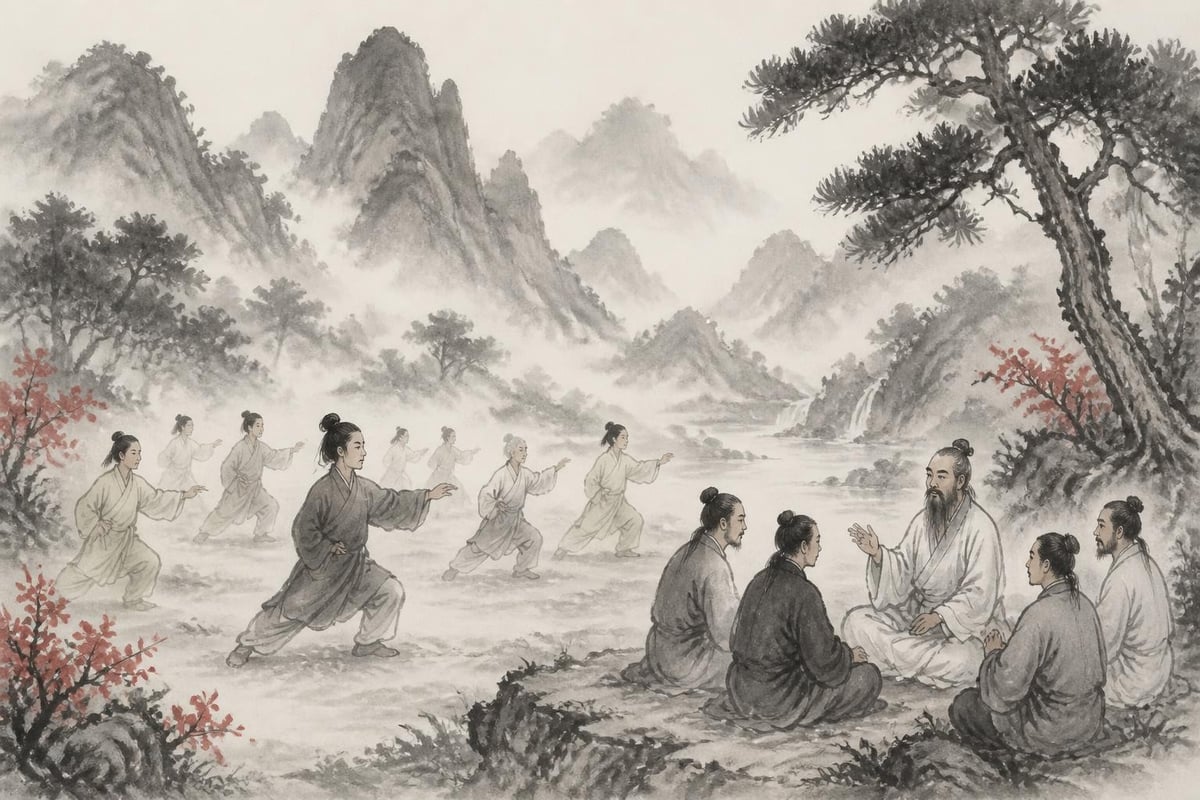
While tai chi can be practised alone, connecting with others who understand the journey adds another layer of support. When you're navigating tai chi stress relief, having people who can answer questions, share experiences, and offer encouragement makes the path easier.
To learn more about Master Gu and the lineage behind these teachings, visit our About page. And when you're ready to practise alongside a global group of fellow students, communities such as ours at Taoist Wellness Online create accountability and connection that sustains your practice through difficult periods.
This isn't about comparing yourself to others or proving your progress. It's about knowing you're not alone in the challenges you face or the changes you're working toward.
Integration with a Broader Wellness Approach
Tai chi isn't the only tool for managing stress, and it doesn't have to be. It works beautifully alongside other approaches, from therapy to medication to lifestyle changes.
Creating Your Personal Protocol
Think of stress management as a personalised protocol rather than a one-size-fits-all solution. Your protocol might include:
- Daily tai chi practice for baseline nervous system regulation
- Therapy or counselling for processing specific challenges
- Adequate sleep supported by evening practice routines
- Nutrition adjustments that support energy and mood stability
- Boundary setting at work and in relationships
- Nature time combined with outdoor tai chi when possible
Each element supports the others. Tai chi helps you sleep better, which gives you energy for healthier choices, which reduces stress, which makes your practice more effective.
The Long Game
Tai chi stress relief isn't a quick fix. The first session might leave you feeling calmer, but the deeper benefits emerge over weeks and months of consistent practice. Your nervous system gradually recalibrates. Your default stress response becomes less reactive. The things that used to overwhelm you start feeling more manageable.
This is where patience becomes part of the practice. In a culture obsessed with instant results, tai chi teaches you that meaningful change takes time. Not because you're doing it wrong, but because you're addressing patterns that have been building for years.
Measuring Progress Beyond Stress Levels
While reduced stress is the goal, other markers often shift first:
- You sleep more soundly
- Your jaw unclenches during the day
- You notice tension before it becomes pain
- Your breathing stays deeper during challenges
- You recover from stressful events more quickly
- You make decisions with more clarity
- Physical aches and pains diminish
- You feel more present with people you care about
These shifts compound over time. Small improvements in multiple areas create significant overall change in how you experience daily life.
When to Seek Additional Support
Tai chi stress relief is powerful, but it's not a substitute for professional help when you need it. If stress has escalated to anxiety disorders, depression, or physical health crises, working with healthcare providers alongside your practice makes sense.
The practice supports your healing. It doesn't replace medical care or mental health treatment. Many practitioners find tai chi becomes more effective when combined with therapy, as it gives you a somatic way to process what you're working through mentally and emotionally.
If that resonates, both our Tai Chi course and Qi Gong course can complement professional treatment plans, offering tools you can use between sessions and techniques that help you embody the insights you're gaining through other modalities.
Your Stress, Your Practice
No two people experience stress identically. Your triggers, symptoms, and needs differ from everyone else's. This means your tai chi practice should reflect your specific situation rather than following a generic template.
Pay attention to what helps. If standing forms leave you energised and centred, do more of those. If you need gentle, restorative movement to counterbalance an intense job, emphasise that. The practice adapts to you, not the other way around.
This personalisation doesn't happen overnight. It emerges as you develop sensitivity to your body's signals and learn which techniques address which needs. Our reading list and broader blog can deepen your understanding of these principles as your practice evolves.
Tai chi stress relief offers a path that honours both ancient wisdom and modern challenges, helping you build resilience through gentle, sustainable practice. When you're ready to explore this approach with authentic guidance and comprehensive support, our free 4-week Taoist Wellness course is the simplest place to begin. And when you're ready for more, Taoist Wellness Online provides the structure, community, and expertise to make your practice both accessible and transformative.