Taoist Meditation: Ancient Practice for Modern Life
Jul 13, 2026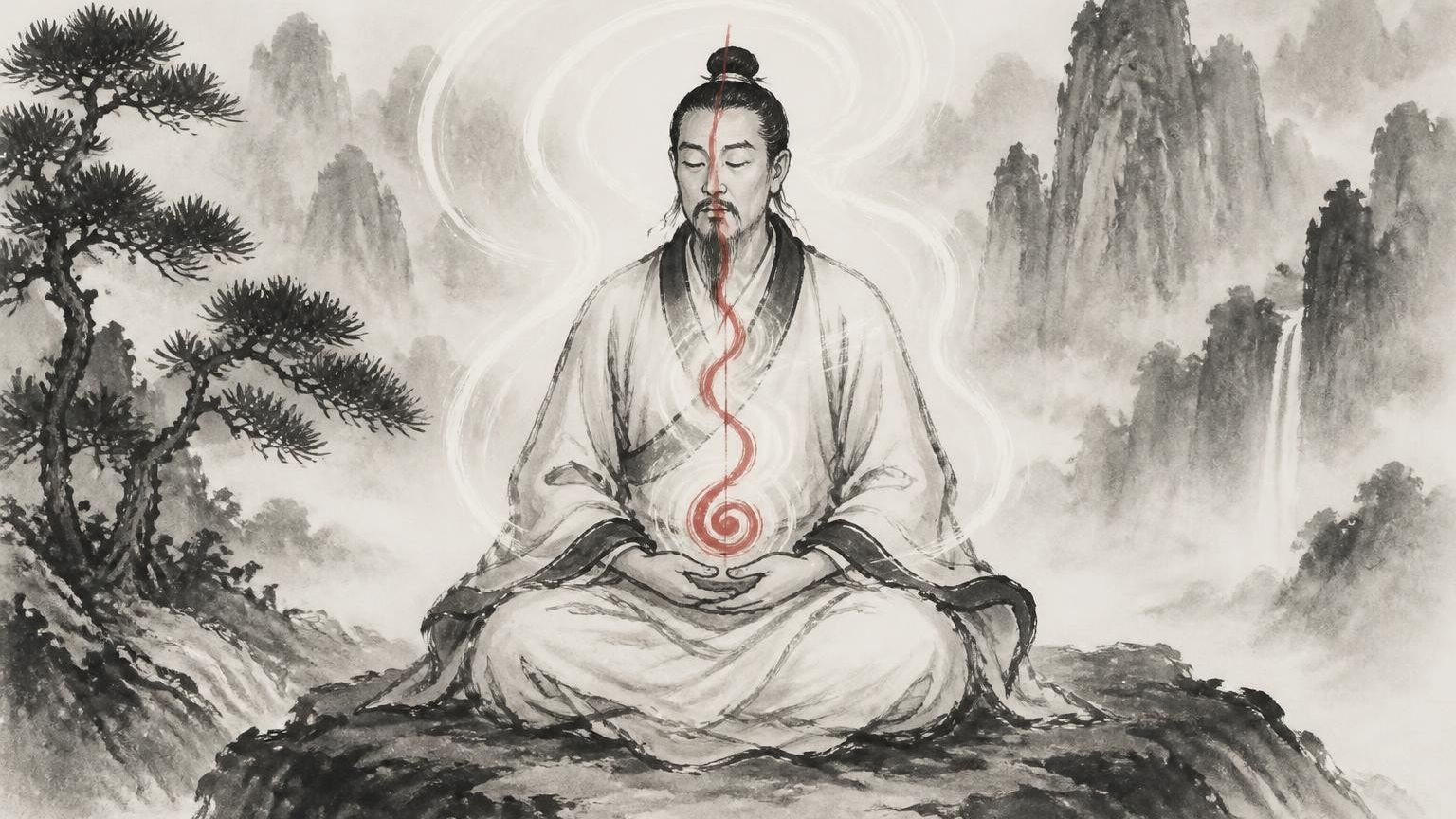
Taoist meditation offers a path toward balance, vitality, and inner quiet that feels especially needed in our busy modern world. Unlike practices focused solely on emptying the mind, this ancient Chinese tradition works with your natural energy, teaching you to harmonise with the rhythms already present within you. Through gentle breath work, visualisation, and cultivating awareness, Taoist meditation helps you reconnect with the calm, centred presence that exists beneath the noise of daily life. Whether you're seeking stress relief, deeper spiritual connection, or simply a way to feel more grounded, these practices offer practical tools rooted in thousands of years of wisdom.
Understanding the Foundations of Taoist Meditation
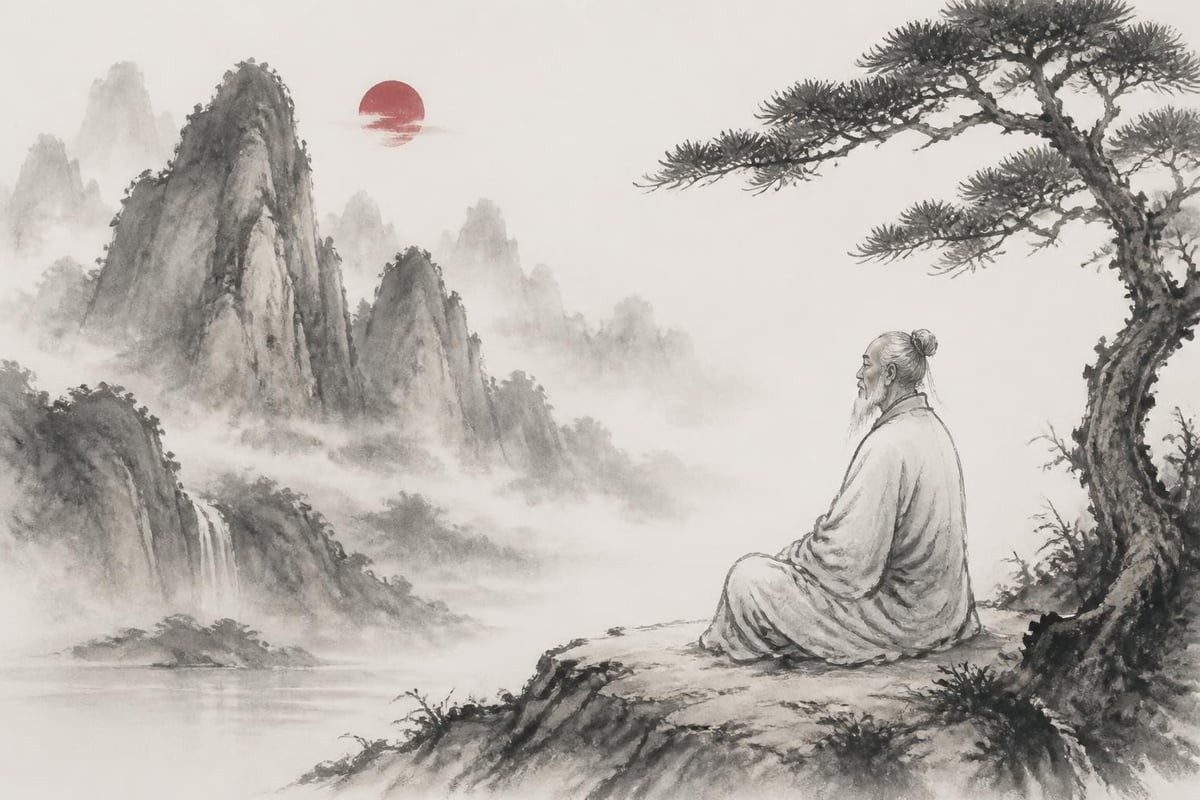
Taoist meditation emerges from the same philosophical roots as Tai Chi and Qi Gong, viewing the human body as a microcosm of the natural world. This perspective shapes everything about the practice.
Rather than fighting against your thoughts or forcing stillness, you learn to work with the principle of wu wei, or effortless action. You observe without judgment, allow without resistance, and gradually find equilibrium through gentle attention rather than forceful control.
The practice centres on cultivating and circulating Qi, the vital life energy that flows through your body. This isn't an abstract concept but something you can actually sense and work with through specific techniques. Research on meditation's neurological effects demonstrates that these ancient practices create measurable changes in brain function and body awareness.
The Three Treasures
Taoist meditation works with what practitioners call the Three Treasures: Jing (essence), Qi (energy), and Shen (spirit). These represent different aspects of your vital force:
- Jing relates to your physical body, vitality, and foundational energy
- Qi represents the dynamic life force that animates you and flows through meridians
- Shen encompasses your consciousness, awareness, and spiritual presence
By refining these three treasures through meditation, you strengthen your overall health and deepen your connection to the Tao itself.
Core Techniques in Taoist Meditation Practice
Several distinct approaches fall under the umbrella of Taoist meditation, each offering unique benefits while sharing common principles. Understanding these methods helps you choose practices that resonate with your current needs.
Breath Regulation and Abdominal Breathing
The foundation of most Taoist practices begins with natural breathing that originates from your lower abdomen. This differs from the shallow chest breathing many of us default to during stress.
You place one hand on your belly and breathe so that your abdomen expands on the inhale and contracts on the exhale. This stimulates the lower dantian, an energy centre located about three finger-widths below your navel. With regular practice, this breathing pattern becomes automatic, creating a constant foundation of calm throughout your day.
Inner Alchemy and Microcosmic Orbit
Neidan, or internal alchemy, represents a more advanced practice focused on circulating Qi through specific pathways in your body. The Microcosmic Orbit forms the basis of this work.
This technique guides energy up the Du channel along your spine to the crown of your head, then down the Ren channel along the front of your body back to the lower dantian. The circulation creates a complete loop that refines and strengthens your vital energy.
| Pathway | Direction | Benefits |
|---|---|---|
| Du Channel | Up the spine to crown | Awakens consciousness, builds yang energy |
| Ren Channel | Down front centreline | Nourishes organs, balances yin energy |
| Lower Dantian | Energy storage centre | Cultivates foundational vitality |
Many students find the Taoist Meditation course invaluable for learning these energy circulation techniques with proper guidance, as the subtleties are easier to grasp with an experienced teacher.
Stillness Meditation and Sitting in Forgetting
Zuowang, often translated as "sitting in forgetting," emphasises releasing attachments to thoughts, sensations, and external concerns. You sit comfortably, regulate your breath, and allow everything to arise and pass without engagement.
This practice doesn't demand perfect mental silence. Instead, you cultivate a quality of presence that remains undisturbed even as thoughts come and go, much like clouds passing through an open sky.
Practical Applications for Daily Life
Taoist meditation isn't meant to remain confined to formal sitting sessions. The real transformation happens when these principles infuse your everyday activities.
Morning Practice Routine
Starting your day with even 10-15 minutes of practice sets a different tone for everything that follows. A simple routine might include:
- Gentle stretching to awaken your body and release overnight stiffness
- Abdominal breathing for five minutes to centre your energy
- Standing meditation or light Qi Gong movements to circulate Qi
- Brief inner smile meditation to cultivate positive internal energy
- Setting intention for bringing calm awareness into your day
This doesn't require a special space or equipment. Your bedroom, a quiet corner, or even your backyard works perfectly.
Stress Relief Throughout the Day
One of the most practical aspects of Taoist meditation involves micro-practices you can use anytime stress builds up. When you notice tension mounting, pause for just two or three minutes.
Bring attention to your breath. Let it deepen naturally without force. Visualise breathing into your lower abdomen, imagining stress dissolving with each exhale like morning mist in sunlight. This brief reset can shift your entire nervous system response.
These moments of conscious breathing become especially valuable during meetings, commutes, or challenging conversations. The practice becomes portable, always available when you need it most.
Evening Wind-Down Meditation
Nighttime practice helps transition from the day's activity into restorative rest. Unlike morning sessions that energise, evening meditation emphasises releasing accumulated tension and preparing for deep sleep.
You might practise lying down meditation, systematically relaxing each part of your body while maintaining gentle awareness. Or use visualisation to release the day's concerns, imagining them flowing away like water downstream.
Connection to Other Taoist Practices
Taoist meditation doesn't exist in isolation. It forms part of a comprehensive approach to wellness that includes movement, philosophy, and lifestyle.
Integration with Tai Chi and Qi Gong
If you practise Tai Chi or Qi Gong, meditation deepens your experience of these arts. The internal awareness you cultivate sitting still directly enhances your ability to feel and guide energy during movement.
Conversely, the body awareness developed through our Tai Chi course makes meditation more accessible. You learn to release physical tension more easily and maintain relaxed alertness for longer periods.
Qi Gong serves as a bridge between static meditation and flowing Tai Chi. Many Qi Gong exercises incorporate meditative elements, combining gentle movement with breath regulation and visualisation. Exploring our Qi Gong course alongside meditation creates a well-rounded practice addressing both body and mind.
Philosophical Understanding
The deeper you explore Taoist philosophy, the richer your meditation becomes. Concepts like yin and yang, the Five Elements, and the nature of change inform how you approach practice.
Classic texts offer insight into the worldview that birthed these practices. Even basic familiarity with core principles helps you recognise what you're experiencing in meditation and why certain techniques work as they do. Our post on Taoist meditation techniques explores several of these approaches in accessible detail.
Getting Started with Taoist Meditation
Beginning a meditation practice often feels more daunting than it needs to be. Taoist approaches emphasise simplicity and natural progression rather than complicated techniques or rigid rules.
Setting Up Your Space
You don't need an elaborate meditation room or special equipment. A quiet corner where you won't be disturbed for 10-20 minutes is sufficient. Some practitioners appreciate simple additions:
- A cushion or folded blanket for comfortable sitting
- Loose, comfortable clothing that doesn't restrict breathing
- Gentle natural light rather than harsh overhead lighting
- Perhaps a simple altar or inspirational image if that resonates
The space matters less than your consistency. Practising in the same location helps your mind and body recognise it's time to shift into a more contemplative state.
Posture and Position
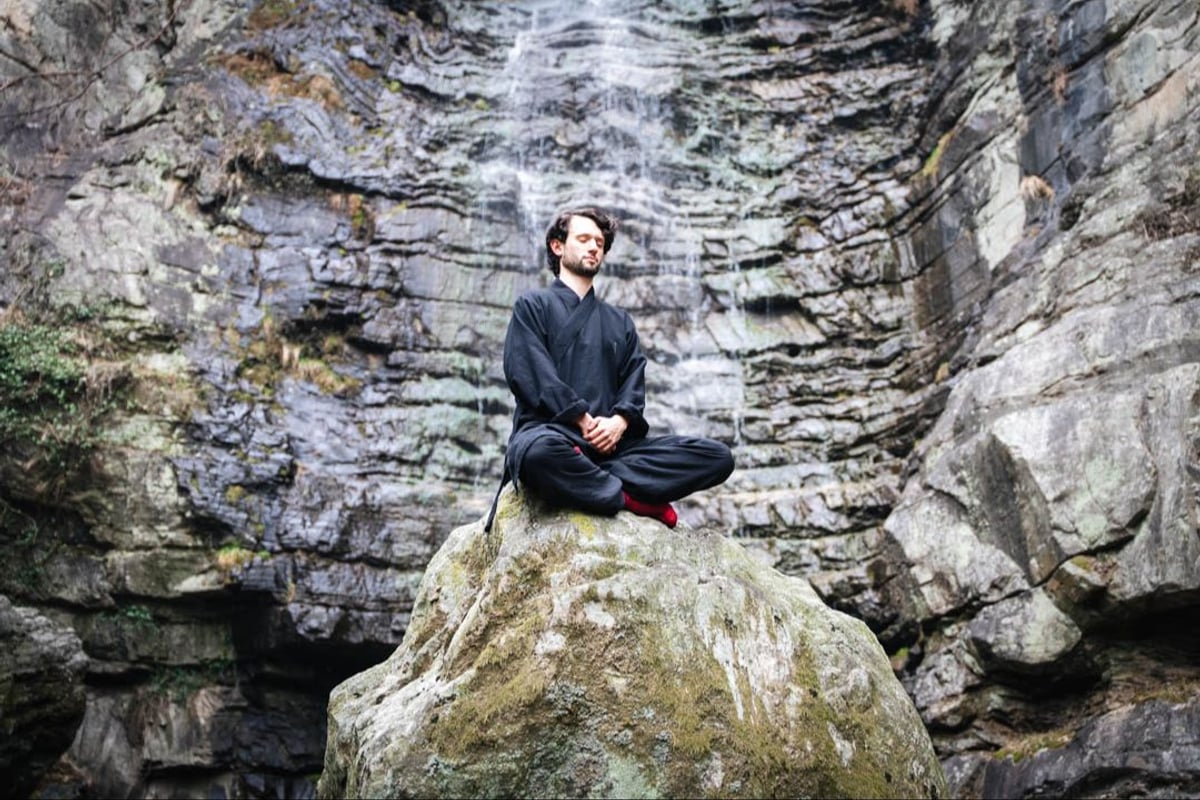
While cross-legged sitting on the floor works well for some, it's not essential. You can sit in a chair with feet flat on the ground, spine naturally upright but not rigid. The key elements include:
- Head balanced naturally atop your spine, chin slightly tucked
- Shoulders relaxed, not pulled back or hunched forward
- Chest open but not puffed out
- Hands resting comfortably on your lap or knees
- Lower back maintaining its natural curve without strain
Your body should feel both alert and relaxed, like a mountain that's solid yet at ease.
Beginning Practices for Newcomers
Start with simple breath awareness. Sit comfortably and notice your natural breathing pattern without trying to change it. After a few minutes, gently encourage deeper abdominal breathing. That's it. That's the practice.
As this becomes comfortable over days or weeks, add visualisation. Imagine each inhale bringing fresh, clean energy into your lower abdomen. See each exhale releasing stale energy and tension. These basic techniques form the foundation everything else builds upon.
If you're looking for structured guidance, our free 4-week Taoist Wellness course offers an accessible entry point with Master Gu's expert instruction to help you establish a consistent practice.
Common Challenges and How to Navigate Them
Every meditator encounters obstacles. Recognising these as normal parts of the journey rather than personal failures makes all the difference.
Wandering Mind and Restlessness
Your mind will wander. Constantly. This doesn't mean you're doing it wrong. The practice involves noticing when attention drifts and gently returning to your breath or chosen focus point.
Think of it like training a puppy. You don't scold the puppy for getting distracted; you patiently guide it back again and again. The returning is the meditation, not the staying focused.
Physical restlessness often arises from accumulated tension or energy seeking release. Light stretching or brief movement before sitting helps. So does shorter, more frequent sessions rather than forcing yourself to sit for extended periods before you're ready.
Maintaining Consistency
Life gets busy. Motivation wanes. The solution isn't willpower but creating conditions that support regular practice.
Meditating at the same time each day leverages habit formation. Morning works well for many people because fewer disruptions occur and you haven't yet exhausted your mental energy.
| Challenge | Solution Approach |
|---|---|
| Forgetting to practise | Set a daily reminder or link to existing habit |
| Too tired in evening | Shift practice to morning or midday |
| Mind too active | Accept this, practise anyway, focus on breath |
| Physical discomfort | Adjust posture, use support, try shorter sessions |
| Boredom or plateaus | Explore new techniques, join community practice |
Communities such as ours at Taoist Wellness Online provide encouragement and accountability that individual practice sometimes lacks.
Working with Energy Sensations
As your practice deepens, you may notice unusual sensations: tingling, warmth, pressure, or the feeling of energy moving through your body. These experiences, while interesting, aren't the goal.
Notice them with the same gentle awareness you bring to everything else. Don't chase them or try to recreate them. They're simply signs that your awareness is becoming more refined and you're beginning to sense the subtle energy body.
If sensations feel overwhelming or uncomfortable, open your eyes, take a break, or focus on grounding practices like feeling your feet on the floor.
Modern Research and Traditional Wisdom
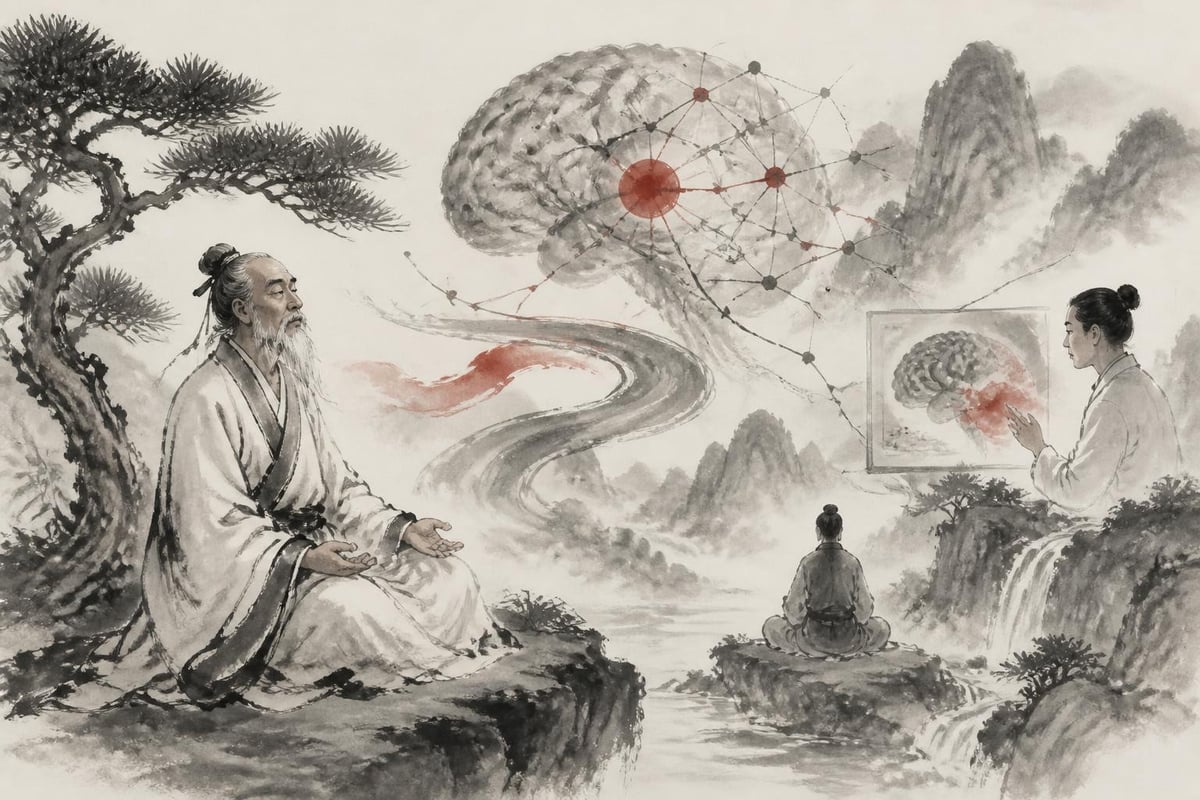
Contemporary neuroscience increasingly validates what Taoist practitioners have known for millennia. Research reveals a sophisticated understanding of consciousness cultivation embedded in these ancient practices.
Brain imaging shows that regular meditation practice changes both brain structure and function. Areas associated with attention, emotional regulation, and self-awareness demonstrate increased activity and density.
The autonomic nervous system shifts from sympathetic (fight-or-flight) dominance toward parasympathetic (rest-and-digest) balance. This explains why practitioners often experience improved sleep, digestion, and stress resilience.
Integration with Mental Training
The principles underlying Taoist meditation align remarkably well with contemporary approaches to mental wellness and performance. Whether you approach meditation from a traditional spiritual perspective or as a practical tool for mental health and performance, the techniques work. The framework matters less than consistent, sincere practice.
Deepening Your Practice Over Time
Taoist meditation reveals its depths gradually. What seems simple at first contains layers of subtlety that unfold with patient, sustained practice.
Seasonal Adjustments
Traditional Chinese medicine recognises how our energy needs shift with seasons. Your meditation practice can reflect these natural rhythms.
Spring practices might emphasise renewal and upward-moving energy. Summer invites expansion and heart-centred awareness. Autumn encourages harvesting insights and letting go of what no longer serves. Winter supports deep rest, stillness, and conserving vital energy.
These aren't rigid rules but invitations to notice how your body-mind responds to natural cycles and adjust your practice accordingly.
Teacher Guidance and Lineage
While you can learn basics on your own, working with an experienced teacher accelerates progress and helps you avoid common pitfalls. Authentic lineage holders carry not just techniques but the energetic transmission of practice passed teacher to student across generations.
Master Gu's teaching through the Taoist Wellness Online Academy membership provides access to authentic Wudang tradition with the convenience of modern online learning. Students worldwide benefit from his 15 generations of lineage wisdom, monthly live sessions, and comprehensive curriculum spanning meditation, Tai Chi, and Qi Gong.
Advanced Practices and Inner Cultivation
As foundation solidifies, more subtle practices become accessible. These might include working with specific energy centres, advanced visualisation techniques, or exploring classical texts from traditions like the Mao-shan Great Purity lineage.
Advanced doesn't necessarily mean better. Sometimes returning to the simplest practices with deeper presence offers more benefit than elaborate techniques practised superficially. The sophistication lies in the quality of attention, not the complexity of the method. For a deeper look at cultivating inner peace through these practices, our post on Taoist meditation techniques for cultivating inner peace goes into this in helpful detail.
Living Meditation Beyond the Cushion
The ultimate aim of Taoist meditation isn't creating peak experiences during formal practice but transforming how you move through daily life. Can you maintain centre during chaos? Notice beauty in ordinary moments? Respond rather than react when challenged?
Walking meditation transforms your commute or daily stroll into practice. Feel each foot contact the earth. Notice breath naturally coordinating with movement. Let thoughts arise and dissolve without attachment.
Mindful eating applies meditation principles to meals. Taste each bite fully. Notice textures, temperatures, and flavours. Feel gratitude for the energy sustaining you.
Work becomes practice when you bring undivided attention to each task, whether answering emails or washing dishes. The activity matters less than the quality of presence you bring.
These everyday applications make meditation practical and sustainable. Rather than separating "practice time" from "regular life," the boundary gradually dissolves.
Taoist meditation offers time-tested tools for navigating modern life with greater ease, energy, and inner peace. Through regular practice, you cultivate not just momentary calm but lasting resilience and connection to your deepest nature. Our free 4-week course is the ideal starting point - explore meditation, Tai Chi, and Qi Gong with Master Gu at no cost and no commitment. When you're ready to go deeper, Taoist Wellness Online provides comprehensive training and a supportive global community to guide your journey toward balance and vitality.