Baduanjin How To: Complete Guide to the Eight Brocades
Jul 29, 2026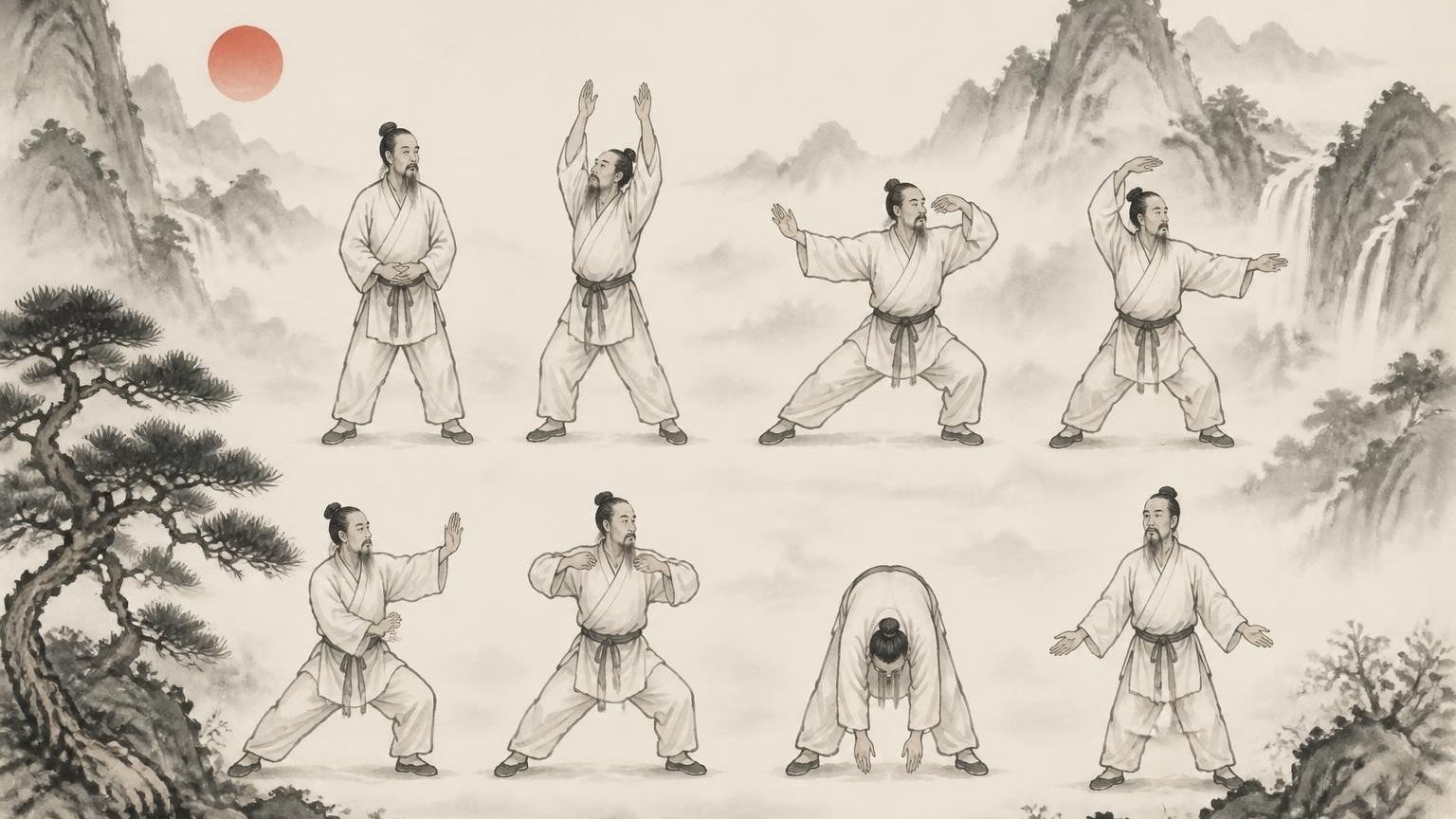
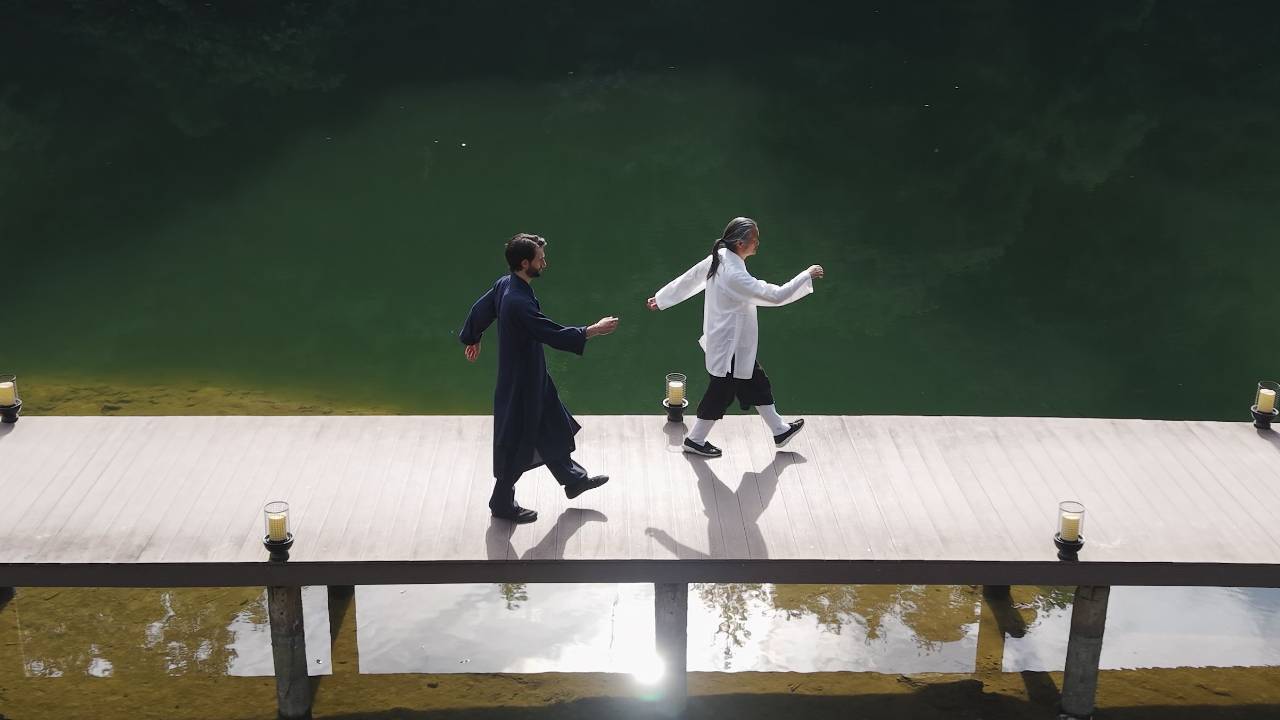
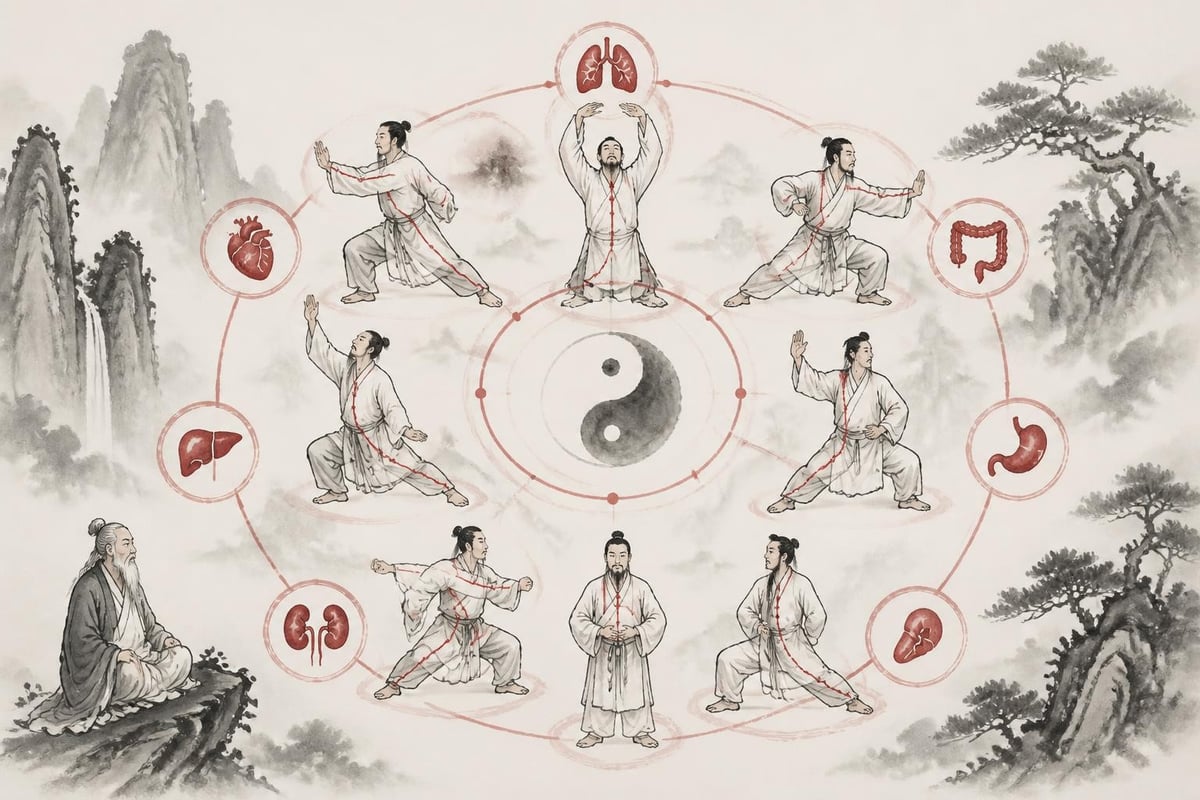
Learning baduanjin how to practice this ancient form opens a doorway to centuries of Daoist wisdom and gentle movement. Also known as the Eight Brocades or Eight Pieces of Silk, Baduanjin is a foundational Qi Gong practice that weaves together breath, movement, and intention. Each of the eight sections targets specific meridians and organ systems, creating a complete wellness routine that takes just 15-20 minutes. Whether you're new to Qi Gong or deepening your practice, understanding the proper form and intention behind each movement transforms these simple exercises into powerful tools for vitality and balance.
Understanding Baduanjin Foundations
Before diving into how to perform each movement, it's helpful to grasp what makes this practice unique among Qi Gong forms. Baduanjin emerged during the Song Dynasty, though some traditions trace its roots even earlier to the legendary General Yue Fei. The name "Eight Brocades" reflects the smooth, silk-like quality of the movements and the precious value they offer.
The practice works through gentle stretching, coordinated breathing, and focused awareness. Unlike vigorous exercise, Baduanjin emphasises relaxed effort, where you move with just enough energy to maintain form without strain. This approach allows Qi to flow freely through the meridian pathways while building strength and flexibility gradually.
The Three Treasures Connection
Each Baduanjin movement cultivates what Daoists call the Three Treasures: jing (essence), qi (vital energy), and shen (spirit). The standing postures root your jing, the breathing patterns circulate qi, and the calm focus refines shen. Together, these elements create a practice that nourishes you on multiple levels simultaneously.
When you're exploring our Qi Gong course at Taoist Wellness Online, you'll find that Baduanjin often serves as an accessible entry point for understanding how energy cultivation works.
Preparing Your Practice Space and Mindset
Proper preparation creates the foundation for meaningful practice. You don't need special equipment, just a quiet space where you can extend your arms fully in all directions. Natural surfaces like grass or wood feel grounding, but any flat area works well.
Essential preparation elements:
- Wear loose, comfortable clothing that doesn't restrict movement
- Practise barefoot or in flat, flexible shoes
- Choose a time when you won't be interrupted
- Allow at least two hours after eating
- Keep your practice space at a comfortable temperature
Your mental approach matters as much as the physical space. Come to the practice with beginner's mind, releasing expectations about how you should feel or perform. Some days the movements feel fluid and energising; other days they reveal tension you didn't know you carried. Both experiences offer valuable information.
Breath and Posture Basics
Before learning how to perform the eight sections, establish your foundational stance. Stand with feet shoulder-width apart, knees slightly bent, and weight evenly distributed. Your spine lengthens upward while your tailbone drops gently, creating what practitioners call "suspend the head, sink the tailbone."
Breathing follows the natural rhythm rather than forced patterns. Inhale through your nose, allowing your belly to expand gently. Exhale softly, releasing tension. As you become familiar with the movements, you'll notice natural coordination between breath and motion emerging on its own.
The Eight Movements: Step-by-Step Guide
Here we'll explore how to practise each of the eight brocades. Remember that quality matters more than quantity. One mindful repetition creates more benefit than ten distracted ones.
Movement One: Two Hands Hold Up the Heavens
This opening movement regulates the Triple Burner (San Jiao), which governs the transformation and transportation of fluids and energy throughout your body.
- Begin in the foundational stance
- Interlace your fingers in front of your lower abdomen, palms facing up
- Raise your hands slowly up the centreline of your body
- When they reach chest height, turn palms outward and continue lifting overhead
- Press palms upward gently while rising slightly on your toes
- Look up at your hands without straining your neck
- Lower your hands along the same path, separating them at chest level
- Return to the starting position
Repeat 6-8 times, coordinating the upward movement with inhalation and the descent with exhalation. This movement creates space in your torso and awakens energy flow.
Movement Two: Draw the Bow to Shoot an Arrow
This movement strengthens the kidneys and waist while opening the chest. It cultivates focus and direction.
Key steps:
- Step your left foot out to create a wide, stable stance
- Shift into a horse stance with knees bent
- Cross your arms in front of your chest
- Extend your left arm out as if holding a bow
- Draw your right arm back as if pulling the bowstring
- Turn your head to gaze along your extended left index finger
- Hold briefly, then return to centre and switch sides
The drawing action expands your chest and shoulders while the horse stance builds leg strength and grounds your energy. Perform 3-4 repetitions on each side.
Movement Three: Separate Heaven and Earth
This brocade regulates the spleen and stomach, supporting digestion and the transformation of food into usable energy.
- Return to shoulder-width stance
- Raise your left hand overhead, palm pressing upward
- Lower your right hand downward, palm pressing toward the earth
- Feel the gentle stretch through your torso
- Hold for a breath cycle
- Release both hands to starting position
- Repeat on the opposite side
The opposing forces create length through your spine and massage the internal organs. Most practitioners find 3-4 repetitions per side sufficient.
| Movement | Primary Benefits | Meridians Affected | Repetitions |
|---|---|---|---|
| Hold Up Heavens | Regulates Triple Burner | All three burners | 6-8 |
| Draw the Bow | Strengthens kidneys | Kidney, Liver | 3-4 each side |
| Separate Heaven Earth | Aids digestion | Spleen, Stomach | 3-4 each side |
| Look Back | Releases tension | Heart, Pericardium | 3-4 each side |
Movement Four: Look Back to Prevent Illness
This gentle twist movement releases tension from the neck and shoulders while stimulating the governing vessel along your spine.
Stand with feet parallel and turn your head slowly to look over your left shoulder. Let your eyes lead the movement, followed by your neck and upper spine. Your lower body remains stable and facing forward. After holding for a breath, return to centre and repeat on the right side.
The name suggests that looking back helps you spot illness before it takes root. In practice, this movement releases the kind of chronic tension that compromises immune function and energy flow.
Movement Five: Sway the Head and Shake the Tail
Perhaps the most playful of the eight, this movement clears excess fire from the heart while strengthening your core and legs.
Movement sequence:
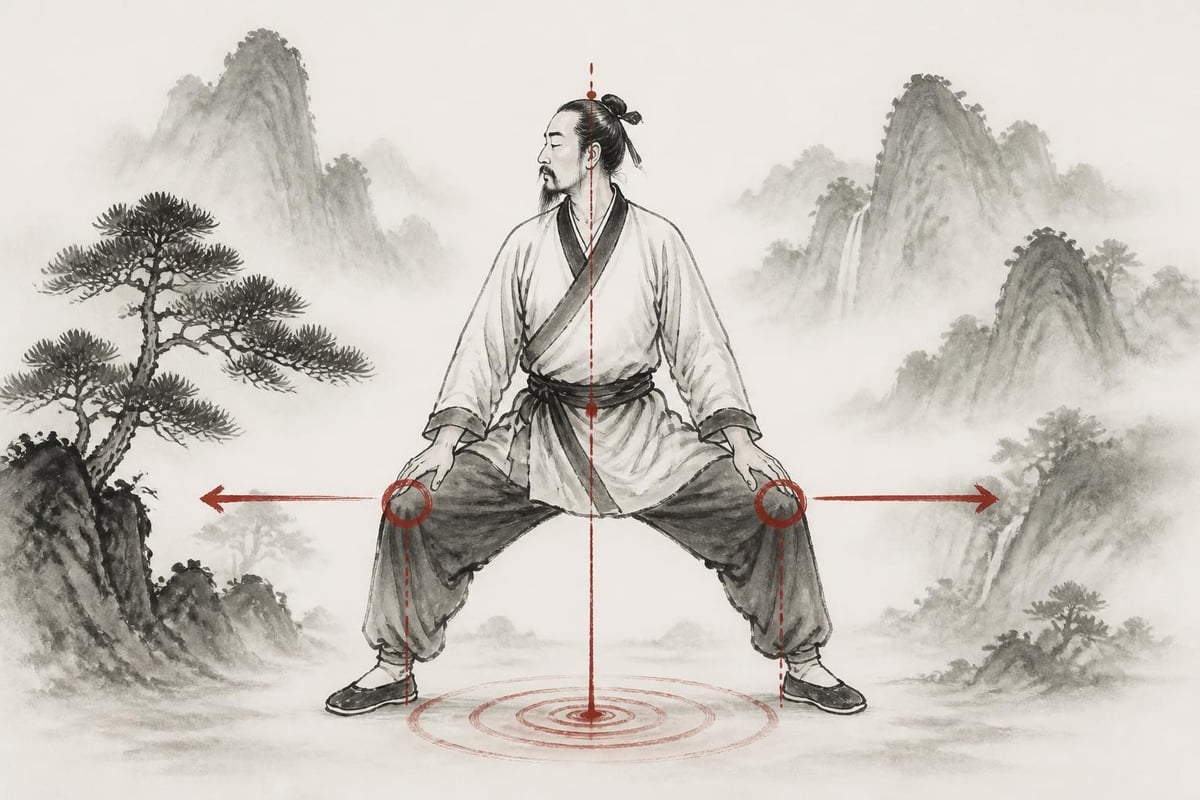
- Assume a wide horse stance
- Place hands on thighs just above knees
- Shift your weight to the left, bending deeper into that knee
- Arc your torso and head to the right, creating a gentle curve
- Your tailbone naturally shifts as you sway
- Return through centre and repeat to the opposite side
- Let the movement feel fluid rather than rigid
This swaying motion massages the internal organs and calms an agitated mind. The connection between clearing heart fire and the swaying movement might not seem obvious at first, but many practitioners report feeling more emotionally balanced after this section. You can explore how Taoist practice works with emotional energy further through our Taoist Meditation course.
Movement Six: Two Hands Touch the Feet
This forward fold strengthens the kidneys and lower back while stretching the entire posterior chain of your body.
Begin with feet together or hip-width apart. Slide your palms down the front of your legs as you fold forward from the hips. Let your knees stay soft rather than locked. Your hands reach toward your feet or ankles, depending on your flexibility. As you rise back up, imagine drawing energy up from the earth through your legs and into your lower back.
Important reminders:
- Never force the stretch
- Keep your spine long rather than rounded
- Breathe smoothly throughout
- Rise slowly to avoid dizziness
This movement builds flexibility gradually. Your range will increase naturally with consistent practice.
Movement Seven: Clench the Fists and Glare with Fiery Eyes
This movement cultivates strength and mental focus while stimulating liver qi to flow smoothly.
Return to horse stance with fists at your hips. Extend your left fist forward slowly, rotating it so the palm faces down. Your eyes follow the fist with focused intensity, not aggression. Clench your fist firmly while keeping your shoulders relaxed. Draw the fist back to your hip and repeat with the right side.
The combination of physical power and concentrated gaze builds what Daoists call yi, or intention. This capacity to direct energy with your mind underpins all internal arts.
Movement Eight: Shake the Body to Eliminate Disease
The final movement offers a gentle reset for your entire system through rhythmic bouncing.
Stand with feet parallel and close together. Rise up on your toes, lifting your heels several inches off the ground. Drop your heels back to earth with a gentle impact. The bounce travels up through your legs, spine, and into your head, creating a subtle shaking throughout your body.
This vibration helps release any remaining tension and stimulates bone health. The slight jarring also helps settle the energy you've cultivated during the previous seven movements. Perform 20-30 gentle bounces to complete your practice.
Common Challenges and Refinements
As you learn to practise with greater precision, certain questions and challenges naturally arise. Addressing these helps your practice mature beyond simply going through the motions.
Breathing Confusion
Many beginners worry about whether they're breathing correctly. The good news is that forced breathing patterns often create more tension than benefit. Start by breathing naturally and allowing coordination to emerge organically. Over time, you'll notice that certain movements naturally accompany inhalation while others flow with exhalation.
Physical Limitations
Not everyone can perform each movement to its full range immediately. That's perfectly normal and expected. Modify movements to honour your body's current capacity:
- Can't touch your feet in movement six? Reach for your shins or knees
- Horse stance too demanding? Make your stance narrower or higher
- Rising on toes in movement eight causes balance issues? Keep your heels down
Your practice should challenge you gently without creating pain or exhaustion.
Time Constraints
Fitting Baduanjin into a busy schedule makes the difference between theory and practice. A complete round of all eight movements takes 15-20 minutes. If that feels impossible, consider practising just 2-3 movements daily. Even five minutes creates benefit.
Some practitioners do a full round in the morning and a shorter version in the evening. Others practise different movements on alternating days. Find what works for your rhythm rather than following a rigid schedule.
Deepening Your Baduanjin Practice
Once you've learned the basic movements, several pathways open for deepening your experience.
Practice enhancement strategies:
- Study the meridian theory behind each movement
- Practise with others to build community and shared energy
- Work with an experienced teacher who can refine your form
- Integrate Baduanjin with sitting meditation or Tai Chi
- Keep a simple practice journal noting what you notice
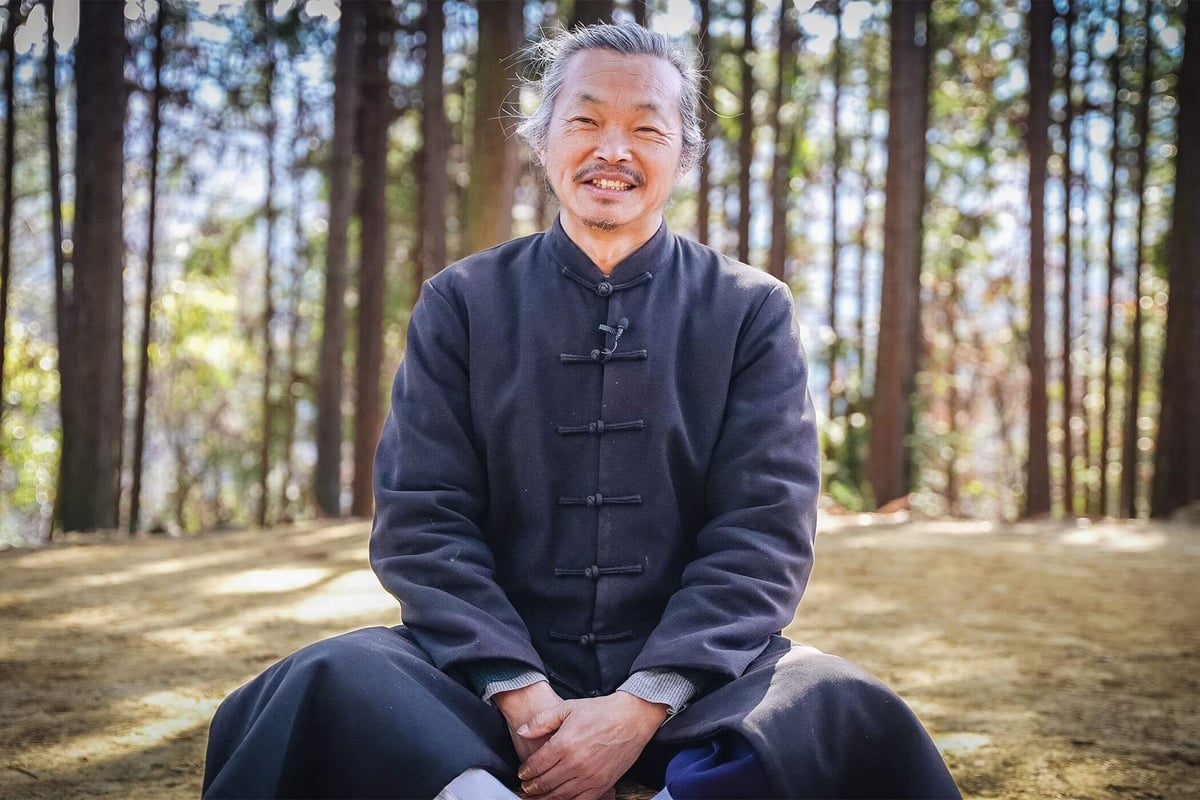
For those seeking authentic guidance in Wudang Qi Gong traditions, the Taoist Wellness Online Academy membership provides access to comprehensive instruction from Master Gu, a 15th-generation Wudang master, along with a supportive community and extensive learning resources.
Seasonal and Time-of-Day Variations
Advanced practitioners sometimes adjust their Baduanjin practice based on seasonal energy shifts or time of day. Spring practice might emphasise the liver-supporting movements, while winter focuses more on kidney-nourishing sections. Morning practice tends to be more energising, evening practice more calming.
You don't need to master these refinements immediately. Simply knowing they exist gives you room to grow into deeper layers of practice over years. For a broader look at how Meridian Qi Gong works with these same energy channels, our post on Meridian Qi Gong is a helpful companion read.
Integration with Daily Life
The real measure of effective practice isn't perfect form but rather how the practice influences your daily experience. Many students report:
- Improved posture and body awareness throughout the day
- Better stress response in challenging situations
- More stable energy levels without caffeine dependence
- Enhanced sleep quality
- Greater emotional balance
These benefits emerge gradually, like compound interest on a small daily investment. Don't expect dramatic transformations overnight. Instead, notice subtle shifts in how you inhabit your body and respond to life's demands.
Building Consistency
The key to long-term practice is consistency over intensity. Five minutes daily creates more lasting benefit than an hour once a week. Set up your environment to support practice:
- Choose a regular time (morning often works well)
- Prepare your space the night before
- Start with just three movements if a full round feels overwhelming
- Track your practice in a simple way that feels satisfying
- Connect with others who practise through the Taoist Wellness Online community
Some students find it helpful to link Baduanjin to an existing habit, like practising right after making tea or before breakfast. This piggybacking approach leverages established routines.
| Challenge | Solution | Timeline |
|---|---|---|
| Forgetting to practise | Link to existing habit | 2-3 weeks |
| Inconsistent form | Video yourself or work with teacher | 1-3 months |
| Lack of motivation | Join practice group or community | Ongoing |
| Plateau in progress | Deepen understanding through study | 6-12 months |
Measuring Progress and Growth
Unlike fitness programmes with measurable metrics, tracking your development in Baduanjin requires different markers. Progress shows up in:
Subtle body awareness: Noticing tension patterns before they become pain
Breath capacity: Breathing more deeply without effort
Mental clarity: Experiencing moments of quiet mind during practice
Energy quality: Feeling more vital yet also more relaxed
Form refinement: Movements becoming smoother and more coordinated
Some practitioners keep a simple journal, noting one or two observations after each practice session. Over months, patterns emerge that reveal the practice's influence on your life.
Working with an Authentic Teacher
While you can learn Baduanjin from books and videos, working with an experienced teacher accelerates your understanding significantly. A qualified instructor can:
- Correct subtle alignment issues you can't see yourself
- Explain the energetic principles behind each movement
- Adapt practices to your specific needs and goals
- Answer questions that arise from direct experience
- Connect you with the living tradition of Daoist wellness practices
If you're interested in exploring authentic Wudang teachings, our free 4-week Taoist Wellness course offers an accessible introduction to these practices with guidance from Master Gu. And if you'd like to explore another Qi Gong form that complements Baduanjin beautifully, our post on Wudang Five Animals Qi Gong goes into a practice that works with many of the same principles.
The relationship between student and teacher creates a transmission that goes beyond technical instruction. You're not just learning movements; you're stepping into a lineage of practice that has supported human wellbeing for centuries.
Learning Baduanjin properly gives you a complete Qi Gong system that supports your wellbeing for years to come. These eight simple movements, practised consistently with attention and care, cultivate the balance, vitality, and calm that make daily life feel more easeful. Start with our free 4-week Taoist Wellness course and take your first steps with Master Gu's guidance. When you're ready for more, Taoist Wellness Online offers authentic instruction in Wudang Qi Gong, Tai Chi, and Taoist meditation with Master Gu, giving you access to centuries of wisdom and a global community of practitioners walking the same path.