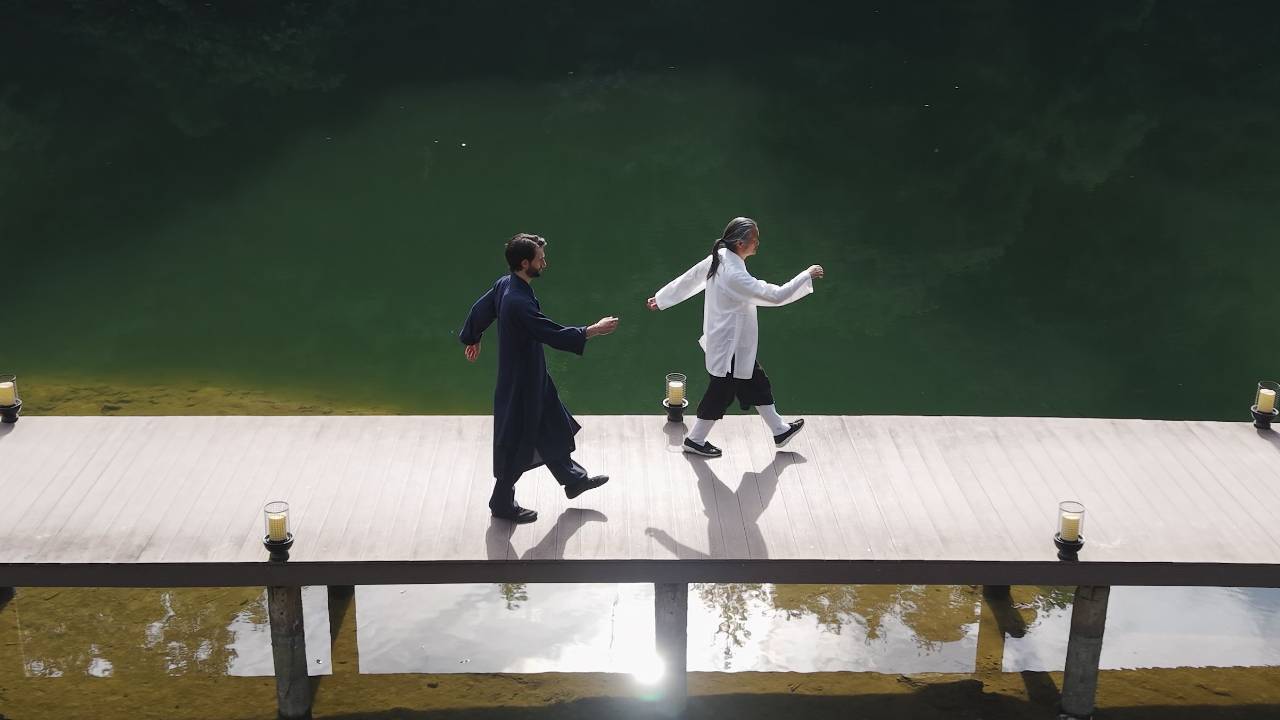
Meridian Qi Gong: Ancient Practice for Modern Wellness
Aug 14, 2026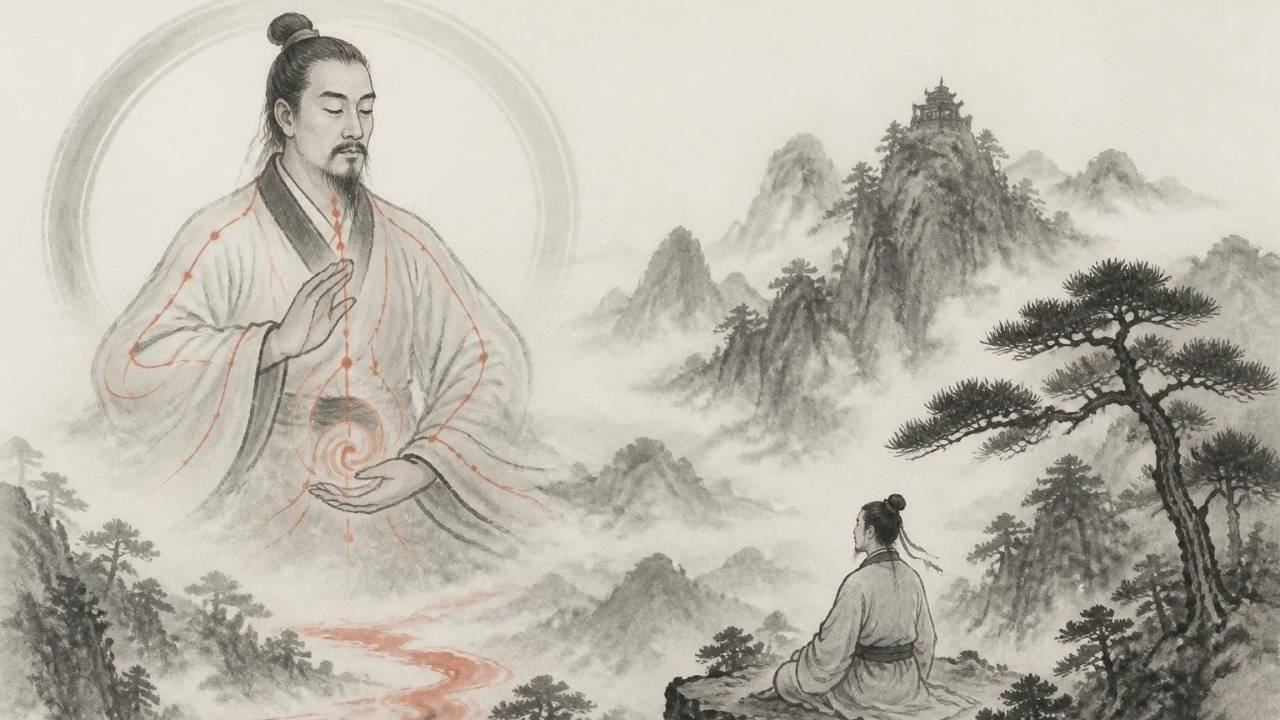
The connection between your body's energy channels and physical wellness runs deeper than most people realise. Meridian qi gong offers a time-tested path to harmony, working directly with the twelve primary pathways that Chinese medicine has mapped for thousands of years. When you learn to guide energy through these channels with intention, breath, and gentle movement, you're not just exercising. You're participating in an ancient conversation between body, mind, and the natural world that surrounds you.
Understanding the Meridian System in Traditional Practice
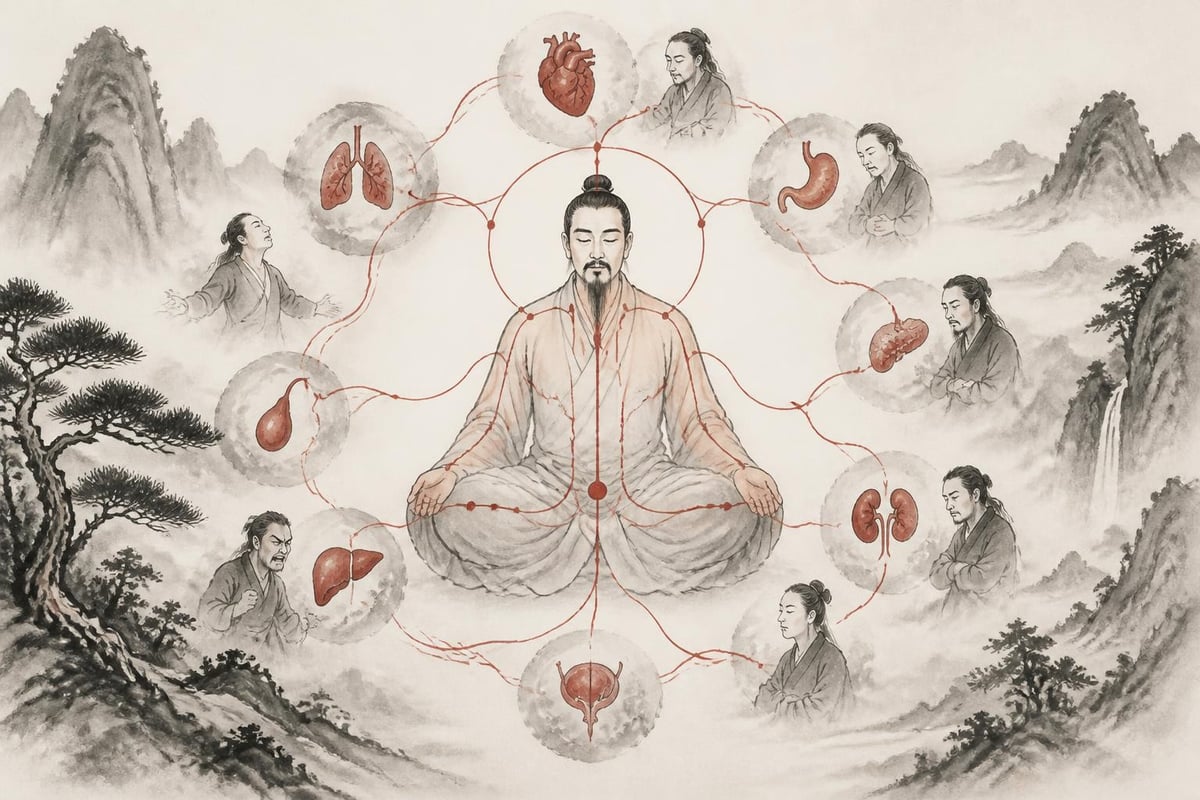
The meridian system forms the foundation of Chinese medicine and energy cultivation practices. These twelve primary channels run through your body like rivers, each connected to specific organs and emotional states. When energy flows freely through these pathways, you experience vitality, clear thinking, and emotional balance.
Blockages in meridian flow create the opposite effect. You might feel fatigue, pain, mental fog, or emotional stagnation. The beauty of meridian qi gong lies in its direct approach to clearing these blockages and restoring natural circulation.
The Twelve Primary Meridians
Each meridian carries its own quality of energy and serves distinct functions:
- Lung Meridian: Governs breath, immunity, and the ability to let go
- Large Intestine Meridian: Supports elimination and releasing what no longer serves
- Stomach Meridian: Manages nourishment and grounding energy
- Spleen Meridian: Controls transformation of food into usable energy
- Heart Meridian: Houses consciousness and emotional processing
- Small Intestine Meridian: Separates pure from impure in body and mind
- Bladder Meridian: The longest channel, running along the back body
- Kidney Meridian: Stores essential life force and ancestral energy
- Pericardium Meridian: Protects the heart and manages emotional boundaries
- Triple Burner Meridian: Regulates temperature and energy distribution
- Gallbladder Meridian: Supports decision-making and courage
- Liver Meridian: Ensures smooth flow of energy throughout the system
Understanding these channels helps you recognise where you might be holding tension or experiencing deficiency. The practice of meridian qi gong gives you tools to address imbalances before they manifest as serious health concerns.
Master Gu explores the deeper meaning behind three of these key energy centres in the video below, a helpful companion to understanding the system as a whole.
Core Principles of Meridian Qi Gong Practice
Meridian qi gong differs from general movement practices through its intentional focus on energy pathways. You're not simply stretching or strengthening muscles. You're learning to sense, guide, and cultivate qi through specific channels using coordinated breath, movement, and mental focus.
The Three Treasures at Work
Traditional Wudang practice recognises three essential components working together:
Jing represents your physical essence and structural integrity. Qi flows as your vital energy and life force. Shen manifests as your consciousness and spirit. Meridian qi gong harmonises these three treasures through precise movements that follow the natural pathways mapped by ancient practitioners.
When you practise with awareness of these principles, each movement becomes a conversation with your body's wisdom. You're not forcing energy to move. You're inviting it, creating space, and allowing natural flow to resume.
Breath as the Bridge
Your breath serves as the primary tool for guiding energy through meridians. In Wudang meridian qi gong, breathing patterns match specific movements to enhance channel activation. Deep, slow breathing from the lower abdomen creates internal pressure changes that massage organs and stimulate meridian flow.
The coordination of breath and movement also calms your nervous system. This shift from sympathetic to parasympathetic activation allows deeper energy work to occur. You can't force meridian opening through tension. You create the conditions for natural flow through relaxation and rhythmic breathing.
Practical Applications and Movement Sequences
Meridian qi gong includes specific forms designed to target particular channels or address common imbalances. The Wudang tradition offers refined sequences passed down through generations of practitioners who tested and perfected these movements.
Opening the Front Channels
The front of your body houses several crucial meridians, including those connected to your heart, lungs, and digestive organs. Opening movements for these channels often involve gentle expansion of the chest, rotation of the arms, and mindful breathing into the front body.
One fundamental practice involves standing with feet shoulder-width apart, raising your arms slowly while inhaling, and imagining golden light filling your chest and abdomen. As you exhale and lower your arms, you release stagnant energy downward and outward. This simple sequence, repeated with intention, begins to clear and activate front body meridians.
Activating the Back Channels
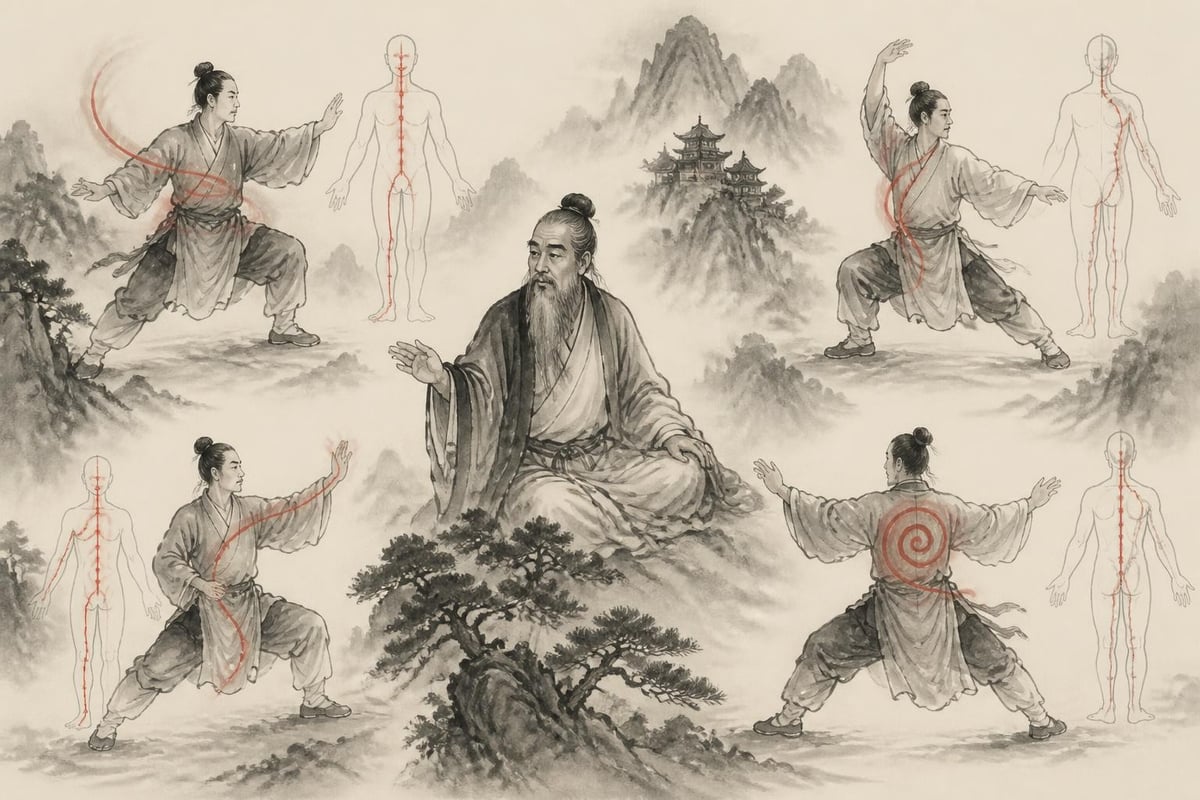
Your back body contains the bladder meridian, the longest channel in your system. This pathway runs from your head down along both sides of your spine to your feet. Activating this meridian supports your entire nervous system and helps release deep-held tension.
| Movement Type | Target Meridian | Primary Benefit |
|---|---|---|
| Forward Folds | Bladder | Releases back tension, calms mind |
| Spinal Twists | Gallbladder, Liver | Detoxification, emotional release |
| Side Stretches | Gallbladder | Improves decision-making energy |
| Hip Openers | Kidney, Liver | Grounds energy, releases fear |
Working with the Side Channels
The gallbladder and liver meridians run along the sides of your body. These channels strongly influence your ability to make clear decisions and maintain emotional flexibility. When these side channels become blocked, you might experience indecision, frustration, or physical stiffness in your hips and sides.
Meridian qi gong addresses these pathways through lateral movements, side stretches, and exercises that open the hips. The practice often incorporates gentle swaying motions that create a wave-like flow of energy from head to toe.
Building a Sustainable Practice Foundation
Starting meridian qi gong doesn't require special equipment or extreme flexibility. What matters most is consistency, patience, and willingness to listen to your body's signals. Our Qi Gong Training Guide: Master Your Practice in 2026 offers a broader step-by-step roadmap for building this kind of sustainable practice, whatever your starting point.
Creating Your Practice Space
You need enough room to extend your arms in all directions. Natural settings offer ideal practice environments, connecting you with earth energy and fresh air. However, a quiet indoor space works perfectly well, especially when you're establishing a daily routine.
Many practitioners find that morning practice sets a positive tone for the entire day. Your energy naturally rises in the morning hours, making it easier to feel qi movement. Evening practice can help discharge accumulated stress and prepare for restful sleep.
Structuring Your Sessions
A balanced meridian qi gong session includes several components:
- Grounding and centring (3-5 minutes): Stand quietly, feel your feet on the ground, breathe naturally
- Warm-up movements (5-7 minutes): Gentle rotations of joints, awakening the body
- Meridian-specific sequences (15-20 minutes): Targeted forms for particular channels
- Integration and closing (5 minutes): Standing meditation, gathering energy to the lower abdomen
- Reflection (2-3 minutes): Notice changes in how you feel, mentally record insights
This structure allows your nervous system to transition smoothly into practice, engage deeply with energy work, and integrate the benefits before returning to daily activities.
For those seeking authentic guidance in these practices, Taoist Wellness Online provides comprehensive instruction from Master Gu, a 15th-generation San Feng Pai Wudang Taoist Master with over 25 years of teaching experience. The structured curriculum helps you build proper foundation while learning meridian qi gong sequences that have been refined over centuries.
Seasonal Practice and Natural Rhythms
Traditional Chinese medicine recognises that different meridians become more active during specific seasons. Aligning your meridian qi gong practice with these natural cycles enhances effectiveness and helps you stay connected to the rhythms that govern all life.
Spring: Liver and Gallbladder Focus
Spring energy rises and expands, matching the qualities of the liver and gallbladder meridians. This season calls for practices that encourage upward movement, gentle twisting, and lateral stretches. You're supporting your body's natural desire to emerge from winter's inward focus.
Summer: Heart and Small Intestine Emphasis
Summer brings peak yang energy. Meridian qi gong during these months focuses on opening the chest, expanding the heart centre, and cultivating joy. Movements tend to be more expansive and outward-reaching, matching summer's generous energy.
Autumn: Lung and Large Intestine Attention
As energy begins to descend in autumn, practices emphasise the lung and large intestine meridians. You're learning to let go, both physically and emotionally, preparing for winter's storage phase. Breathing exercises become especially important during this season.
Winter: Kidney and Bladder Nourishment
Winter calls for protecting and nourishing your deepest energy reserves. Meridian qi gong in winter focuses on the kidney and bladder channels, with slower movements, deeper squats, and practices that conserve rather than disperse energy.
| Season | Active Meridians | Practice Focus | Key Benefits |
|---|---|---|---|
| Spring | Liver, Gallbladder | Twisting, lateral movement | Vision, planning, flexibility |
| Summer | Heart, Small Intestine | Chest opening, expansion | Joy, clarity, discernment |
| Autumn | Lung, Large Intestine | Breathing, releasing | Letting go, immunity |
| Winter | Kidney, Bladder | Conservation, grounding | Deep rest, willpower |
Common Experiences and Energy Sensations
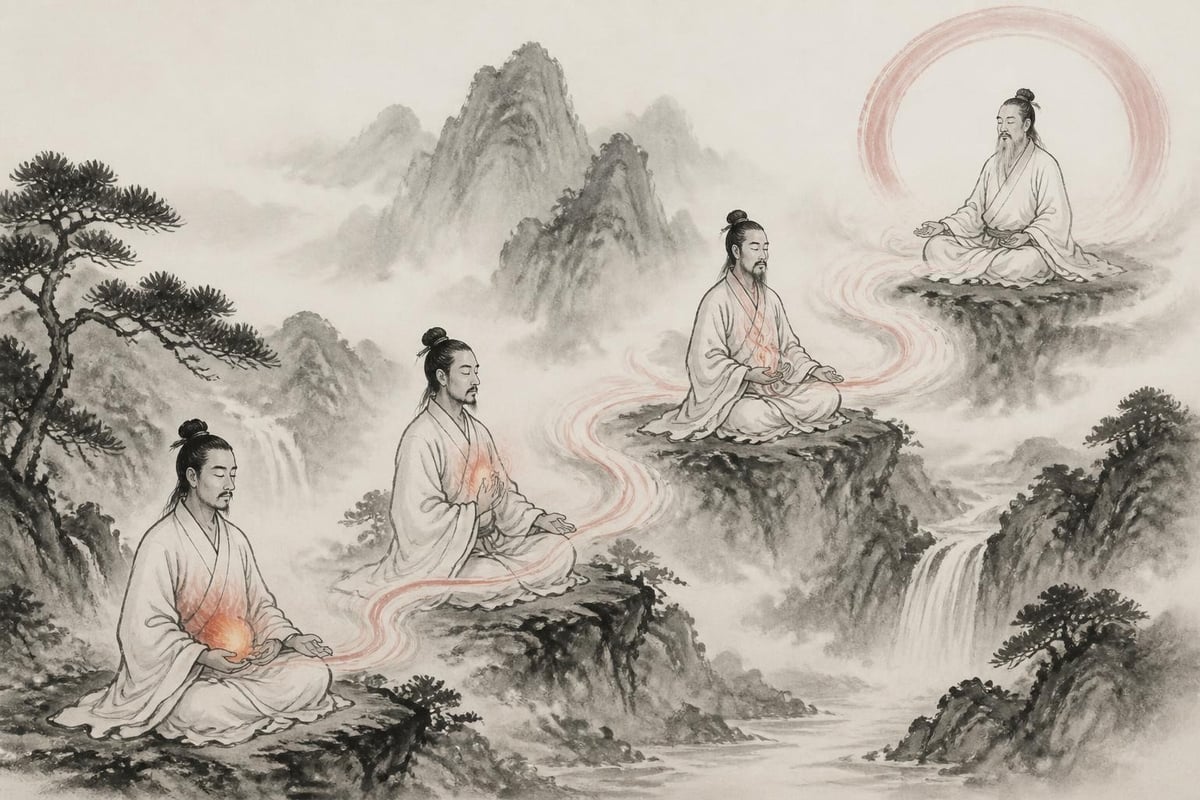
As you develop your meridian qi gong practice, you'll begin noticing subtle sensations that indicate energy movement. These experiences confirm that you're working with real phenomena, not just abstract concepts. Understanding what to expect helps you recognise progress and stay motivated.
Warmth and Tingling
Many practitioners first notice warmth spreading through their hands, arms, or other body areas during practice. This warmth indicates increased circulation and qi activation. Tingling sensations often accompany energy moving through previously blocked meridians.
These sensations aren't imaginary. Research has shown measurable changes in skin temperature and electrical conductivity along meridian pathways during qi gong practice. You're experiencing tangible shifts in your body's energy state.
Emotional Releases
Because meridians connect to both physical organs and emotional states, meridian qi gong sometimes triggers unexpected emotional responses. You might feel sudden sadness, joy, or other emotions arising during practice. This represents healthy clearing of stored emotional energy from your meridian system.
Rather than suppressing these experiences, traditional practice encourages you to acknowledge them with compassion and allow them to move through. The emotions aren't returning as problems. They're finally leaving your system.
Addressing Specific Health Patterns
While meridian qi gong shouldn't replace medical care, it offers powerful support for various health concerns by addressing root energetic imbalances. The Wudang tradition includes sequences specifically designed for common patterns that many people experience in modern life.
Supporting Digestive Health
The stomach and spleen meridians govern how you transform food into usable energy. When these channels flow smoothly, you experience good appetite, comfortable digestion, and stable energy levels throughout the day. Blockages manifest as bloating, fatigue after eating, or irregular appetite.
Meridian qi gong for digestive health emphasises gentle twisting movements that massage the abdominal organs, coordinated breathing that creates beneficial pressure changes, and specific hand positions that direct energy to the middle burner region.
Calming Anxiety and Stress
Anxiety often indicates disrupted flow in the heart and kidney meridians. When these channels lose communication, you might feel ungrounded, mentally scattered, or emotionally reactive. The heart energy rises too high while kidney energy fails to anchor it.
Practices that strengthen the kidney-heart axis help restore balance. These typically involve standing meditation with attention on the lower abdomen, movements that connect upper and lower body, and breathing patterns that draw energy downward. Our article on 6 Healing Sounds Qi Gong: Ancient Practice for Balance explores a complementary sound-based approach to restoring this same heart-kidney balance.
Improving Sleep Quality
Sleep disturbances frequently relate to liver meridian imbalances. The liver governs the smooth flow of energy throughout your system. When this channel becomes congested or depleted, you might experience difficulty falling asleep, restless sleep, or vivid disturbing dreams.
Evening meridian qi gong practice can significantly improve sleep quality by releasing daytime tension from the liver channel and allowing energy to settle naturally downward. Gentle hip opening, side stretching, and lying-down practices prepare your system for rest.
Building Immunity
Your lung and kidney meridians form the foundation of immune function in Chinese medicine. The lungs create a protective barrier against external pathogens while the kidneys provide deep reserves for fighting illness. Strengthening these channels enhances natural resistance.
Breathing practices that expand lung capacity, movements that stimulate kidney energy, and sequences that warm the entire body create optimal conditions for immune health. Regular practice helps you maintain wellness rather than constantly fighting illness.
Integration with Daily Life
The true value of meridian qi gong emerges when its principles extend beyond formal practice sessions into your everyday activities. You begin noticing energy patterns throughout your day and making small adjustments that support meridian health.
Mindful Posture
How you hold your body affects meridian flow. Slouching compresses front body channels while overarching strains back meridians. Balanced posture allows energy to circulate freely through all pathways.
You can practise meridian awareness while sitting at your desk, standing in line, or walking. Simply notice where you're holding tension and gently release it. Feel your spine lengthening, your chest softening, your shoulders dropping away from your ears.
Breath Awareness
You don't need to be in formal practice to work with your breath. Throughout your day, pause occasionally to take three deep, slow breaths into your lower abdomen. This simple action activates multiple meridians, calms your nervous system, and brings you back to centre.
Many people breathe shallowly into their upper chest, especially during stress. This pattern blocks several important meridians and perpetuates anxiety. Redirecting breath to your lower belly reverses this cycle and supports natural energy flow.
Emotional Awareness
The meridian system provides a framework for understanding your emotional landscape. When you notice anger arising, you can recognise potential liver channel congestion. Excessive worry points to spleen meridian imbalance. This awareness isn't about judgement but about recognising patterns and applying appropriate practices.
If you notice emotional patterns becoming habitual, you can emphasise meridian qi gong sequences that address those specific channels. You're working with the energetic roots of emotional states rather than just managing symptoms.
Deepening Your Understanding Through Study
Meridian qi gong becomes more powerful as you deepen your understanding of the underlying principles. While direct practice teaches through experience, studying traditional concepts enriches your practice and helps you make informed choices about which sequences to emphasise.
Our Qi Gong course offers systematic instruction that builds understanding alongside practical skill. Learning from an authentic lineage holder ensures you're receiving accurate transmission of these ancient practices rather than modern interpretations that may have strayed from their roots.
The Five Element Theory
Meridians organise according to five element theory, which describes how different types of energy interact. Wood element (liver, gallbladder) feeds fire element (heart, small intestine), which creates earth element (spleen, stomach), which produces metal element (lung, large intestine), which generates water element (kidney, bladder), which nourishes wood again.
Understanding these relationships helps you recognise how imbalance in one meridian affects others. If you're experiencing digestive issues (earth element), strengthening your fire element through heart-opening practices might provide unexpected support.
Yin and Yang Meridians
Each organ has both yin and yang aspects, reflected in paired meridians. The yin meridians run along the inner surfaces of your limbs and front body, carrying more nourishing, building energy. Yang meridians travel along outer surfaces and back body, carrying more active, dispersing energy.
Balancing yin and yang meridians creates harmony in your entire system. Too much yang without sufficient yin leads to burnout and depletion. Too much yin without yang results in stagnation and lack of motivation.
Building Community and Shared Practice
While meridian qi gong offers profound benefits for individual practice, sharing the journey with others amplifies growth and maintains motivation. Our community aspect of practice has always been important in traditional settings, where students support each other's development.
Group practice creates a collective energy field that can enhance your personal experience. When multiple people practise meridian qi gong together, their combined intention and energy support everyone's deeper opening. You might notice sensations or insights during group practice that don't arise when practising alone.
Beyond the energetic benefits, community provides practical support. You can ask questions, share experiences, and learn from others who are further along the path. This exchange of wisdom helps you avoid common pitfalls and discover approaches that resonate with your unique needs.
Finding others who value these traditional practices also normalises your commitment to wellness through energy cultivation. In a culture that often prioritises quick fixes over sustainable self-care, connecting with like-minded practitioners reminds you that this path is both valid and valuable.
Meridian qi gong offers a practical, accessible path to enhanced vitality through working directly with your body's energy channels using gentle movement, breath awareness, and focused intention. Whether you're addressing specific health concerns or simply seeking deeper wellness, these time-tested practices provide tools that actually work when applied with patience and consistency. Taoist Wellness Online brings authentic Wudang tradition to students worldwide through comprehensive courses, live sessions with Master Gu, and a supportive community dedicated to these transformative practices.
If you'd like a gentle introduction, our free Taoist course covers Tai Chi, Qi Gong, Meditation, and Taoist Wisdom, all at your own pace.