Qi Gong for Weight Loss: Ancient Practice, Modern Results
Jul 27, 2026
Weight loss isn't just about burning calories or restricting food. It's about finding balance in your body's natural rhythms, managing stress, and cultivating energy that supports sustainable change. Qi gong for weight loss offers a different path than conventional exercise programmes, one that addresses not just physical movement but the underlying energetic patterns that influence metabolism, digestion, and emotional eating. This ancient Taoist practice, particularly in its authentic Wudang form, helps you work with your body rather than against it, creating conditions where healthy weight becomes a natural outcome of overall wellness.
Understanding How Qi Gong Supports Weight Management
Qi gong operates on principles that Western fitness culture is only beginning to appreciate. Rather than forcing the body into high-intensity stress, this practice cultivates qi, your vital life energy, through gentle, deliberate movements coordinated with breath and intention. When your energy flows smoothly, your body's systems function more efficiently, including those that regulate appetite, metabolism, and fat storage.
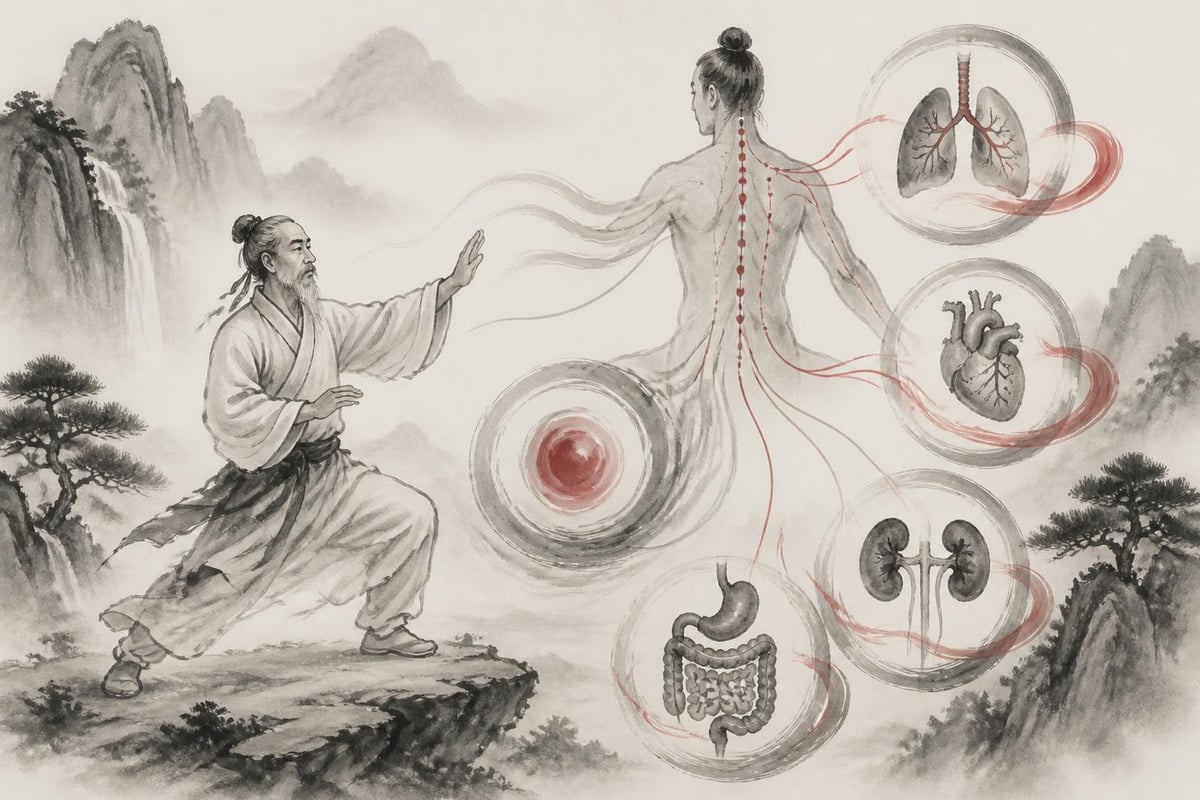
The Wudang tradition emphasises internal cultivation over external force. This means each movement serves a purpose beyond muscle engagement. You're activating meridian pathways, stimulating organ function, and regulating the nervous system. These effects create measurable physiological changes that support weight loss in ways that complement, and often exceed, traditional exercise approaches.
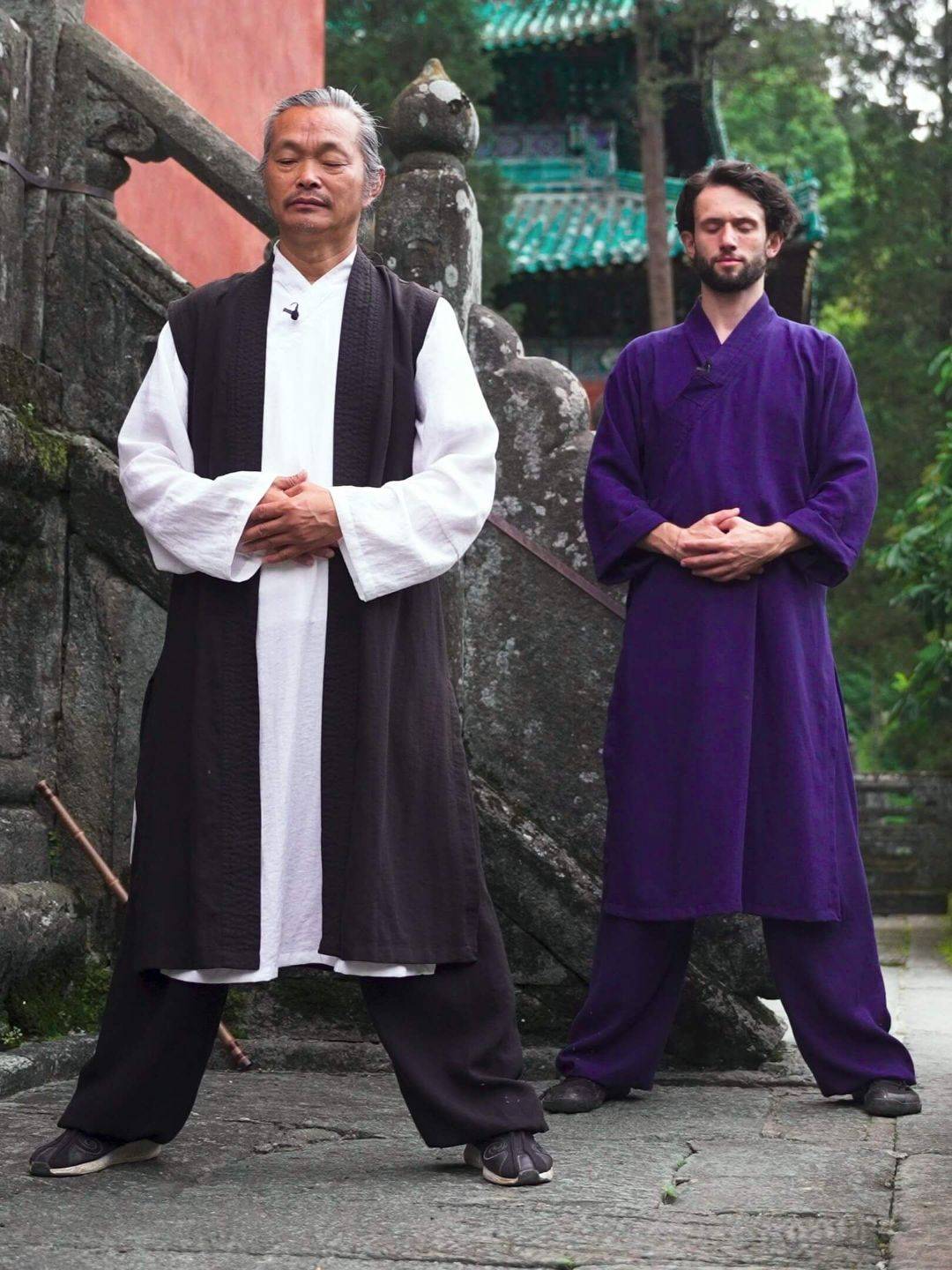
If you're new to Qi Gong and want to understand the practice before diving into its specific applications, Master Gu explains its history, philosophy and transformative power in this short video - a helpful foundation for everything that follows:
The Metabolic Benefits of Energy Cultivation
When you practise qi gong regularly, you're doing more than moving your body. You're rebalancing your endocrine system, which controls hormones that influence hunger, stress, and fat storage. The slow, controlled movements activate your parasympathetic nervous system, reducing cortisol levels that contribute to belly fat accumulation.
Research shows that practices combining mindful movement with breath control can influence body composition. The gentle nature of qi gong makes it accessible to people at any fitness level, eliminating the intimidation factor that keeps many from starting an exercise programme.
Three Key Ways Qi Gong for Weight Loss Works
| Mechanism | How It Works | Weight Loss Impact |
|---|---|---|
| Stress Reduction | Activates parasympathetic nervous system, lowers cortisol | Reduces stress eating and cortisol-driven fat storage |
| Improved Digestion | Stimulates digestive organs through specific movements | Enhances nutrient absorption and elimination |
| Metabolic Regulation | Balances endocrine function and energy flow | Optimises natural fat-burning processes |
Movement That Transforms Metabolism
The specific movements in Wudang qi gong aren't random. Each form targets particular organ systems and energy channels. When you practise regularly, you're essentially giving your digestive system, liver, and kidneys a gentle internal massage that improves their function. Better organ function means better metabolism, which directly impacts your body's ability to process nutrients and release stored fat.
Unlike high-impact cardio that can trigger hunger and stress responses, qi gong movements are designed to nourish rather than deplete. You finish a session feeling energised, not exhausted. This sustainable approach means you're more likely to maintain consistency, which is the real secret to lasting weight loss.
Practical Qi Gong Techniques for Daily Practice
Starting a qi gong practice doesn't require special equipment or expensive memberships. The beauty of this approach lies in its simplicity and accessibility. Here are foundational techniques that directly support weight loss goals:
Morning Energy Activation Routine
-
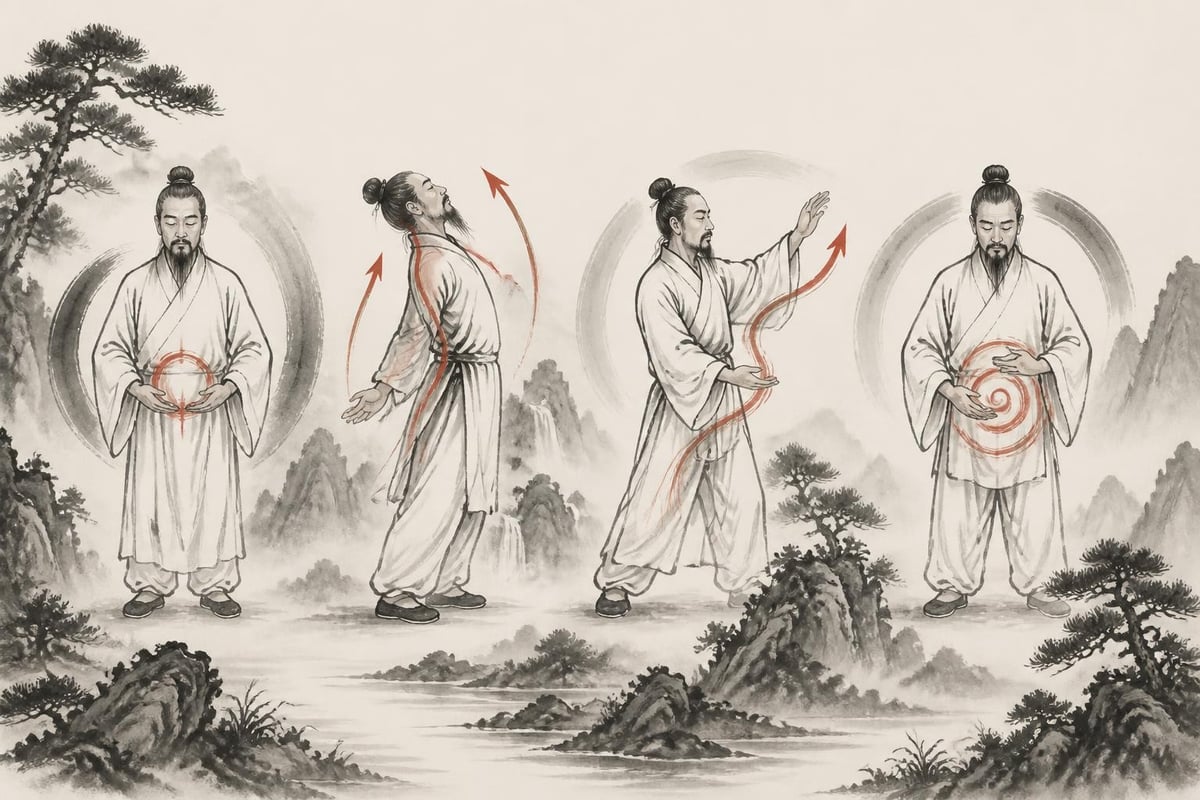
Standing Meditation (5 minutes): Begin by standing with feet shoulder-width apart, knees slightly bent, arms relaxed at your sides. Focus on your breath moving through your body, awakening your energy centres.
-
Spinal Wave Movement (3 minutes): Gently rock your pelvis forward and back, allowing the movement to ripple up your spine. This stimulates kidney function and activates your lower dantian, the body's primary energy reservoir.
-
Liver Qi Flow (4 minutes): Perform side-to-side stretches with coordinated breathing, focusing on the area beneath your ribcage. This supports liver function, crucial for fat metabolism.
-
Digestive Fire Cultivation (3 minutes): Use circular movements around your abdomen while focusing intention on digestive warmth and efficiency.
These movements may seem simple, but their effects accumulate over time. Many practitioners find that their relationship with food naturally shifts as their body's energy becomes more balanced.
Breathing Techniques That Support Metabolism
Breath is the bridge between body and energy. In Wudang qi gong, specific breathing patterns are used to influence metabolic function:
- Abdominal Breathing: Deep belly breaths that massage internal organs and improve oxygen delivery to cells
- Reverse Breathing: Advanced technique that builds internal pressure, stimulating digestive fire
- Natural Breathing: Allowing breath to find its own rhythm while maintaining awareness, reducing stress hormones
Our Qi Gong course teaches these breathing methods within the context of complete movement forms, ensuring you understand how breath and motion work together for genuine energy cultivation.
The Mind-Body Connection in Weight Management
One of the most overlooked aspects of sustainable weight loss is the psychological component. Qi gong for weight loss addresses this through mindful awareness. As you practise, you develop a deeper connection with your body's actual needs versus emotional cravings.
This isn't about willpower or restriction. It's about clarity. When your energy is balanced and flowing smoothly, you naturally make better choices. You notice when you're actually hungry versus when you're eating from stress, boredom, or habit.
Emotional Eating and Energy Stagnation
From a Taoist perspective, excess weight often reflects stagnant energy or emotional holding patterns. Food becomes a way to push down uncomfortable feelings or fill an energetic void. Qi gong helps release these patterns by:
- Creating space for emotions to move through you naturally
- Building genuine vitality so you don't need to borrow it from food
- Developing body awareness that helps distinguish physical hunger from emotional needs
- Cultivating inner calm that reduces stress-driven eating
Many students within the Taoist Wellness Online community share how their eating patterns transformed without conscious dieting once they established a regular practice.
Integrating Qi Gong with Supportive Lifestyle Choices
While qi gong for weight loss is powerful on its own, it works best as part of a holistic approach to wellness. Think of it as the foundation that makes other healthy choices easier and more sustainable.
Nutrition from a Taoist Perspective
Taoist dietary principles emphasise balance and seasonal eating rather than strict rules. When combined with qi gong practice:
- Warm, cooked foods support digestive fire, especially in cooler months
- Bitter and sour flavours help cleanse and activate liver function
- Eating mindfully allows you to notice fullness signals before overeating
- Proper meal timing aligns with your body's natural rhythms
The energy you cultivate through practice makes it easier to choose foods that truly nourish. You're not fighting cravings through willpower - you're naturally drawn to what your body actually needs. Our post on the Taoist diet explores these principles in more depth if you'd like to understand how Taoist thinking approaches food and nourishment.
Movement Diversity and Recovery
Qi gong pairs beautifully with other forms of movement. Its restorative nature makes it an excellent complement to more vigorous activities:
| Activity Type | How Qi Gong Complements It | Combined Benefit |
|---|---|---|
| Walking | Improves breathing efficiency and posture | Enhanced calorie burn with less fatigue |
| Strength Training | Speeds recovery, reduces injury risk | Better muscle development and definition |
| Yoga | Deepens energy awareness | More profound mind-body integration |
| Swimming | Enhances breath control | Increased cardiovascular efficiency |
Your body needs both stimulation and restoration. Qi gong provides the restoration that allows other activities to be more effective while preventing burnout.
Building a Sustainable Practice for Long-Term Results
The key to qi gong for weight loss isn't intensity or duration. It's consistency. Even 15 minutes daily produces better results than occasional hour-long sessions. This aligns perfectly with Taoist philosophy: gentle, persistent action creates lasting change.
Creating Your Practice Schedule
Start where you are. If you're new to movement practices, begin with:
- Week 1-2: 10 minutes daily of basic standing and breathing
- Week 3-4: 15 minutes including simple movement forms
- Month 2: 20-25 minutes with more complex sequences
- Month 3+: 30 minutes or more, exploring deeper techniques
Our free 4-week Taoist Wellness course offers an excellent starting point for establishing this foundation. You'll learn fundamental practices that support weight management while building overall vitality.
Tracking Progress Beyond the Scale
Weight is just one measure of health. As you develop your qi gong practice, notice these equally important changes:
- Energy levels throughout the day
- Sleep quality and feeling rested upon waking
- Digestive comfort and regularity
- Emotional resilience and stress management
- Clothing fit and body composition
- Mental clarity and focus
Many practitioners find these improvements more motivating than numbers on a scale. They reflect genuine health transformation rather than temporary water weight fluctuations.
The Wudang Difference in Qi Gong Practice
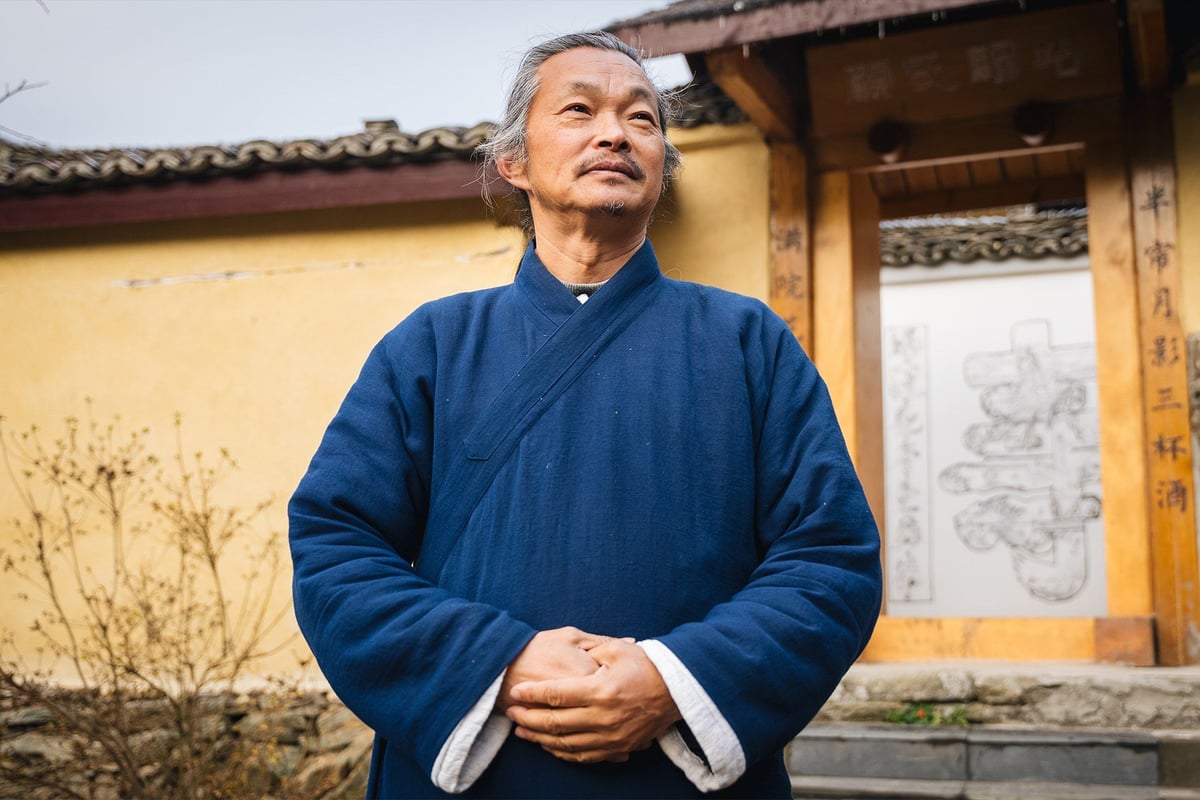
Not all qi gong is created equal. The Wudang tradition, with its emphasis on authentic internal cultivation, offers particular advantages for those seeking weight loss and overall wellness. Master Gu's teaching approach draws from centuries of refinement, focusing on practices that produce measurable results.
Internal vs. External Focus
Wudang qi gong prioritises internal development over external performance. This means:
- Movements serve energetic purposes, not aesthetic ones
- Progress is measured by how you feel, not how you look doing the forms
- Techniques target specific organ systems and meridians
- Each practice builds on previous learning in a structured progression
This internal focus paradoxically produces better external results. When you cultivate genuine energy and balance, your body naturally finds its optimal weight.
The Role of Authentic Guidance
Learning from an experienced master makes a significant difference. Master Gu's lineage ensures you're receiving authentic Wudang teachings, not modern interpretations that may miss crucial details. These subtleties - the precise angle of a movement, the timing of breath, the mental focus - determine whether a practice merely looks like qi gong or actually cultivates energy effectively.
The comprehensive curriculum at Taoist Wellness Online provides structured learning with direct access to Master Gu's expertise through live sessions and detailed instruction.
Common Questions About Qi Gong and Weight Loss
How quickly will I see results? Most practitioners notice improved energy and sleep quality within two weeks. Visible weight changes typically appear after 4-6 weeks of consistent practice, with continued improvement over months. Remember, you're rebalancing your entire system, not just burning calories.
Do I need to diet while practising qi gong? Restrictive dieting often undermines the balanced approach qi gong cultivates. Instead, let your practice guide you toward naturally healthier choices. Many find their cravings shift as their energy becomes more balanced.
Can qi gong replace other exercise? Qi gong offers unique benefits that other exercise doesn't provide, particularly for stress management and metabolic balance. However, combining it with activities you enjoy creates the most comprehensive wellness approach. Think of qi gong as foundational, making everything else work better.
What if I can't do all the movements? Wudang qi gong includes modifications for every fitness level. Even seated or simplified versions provide significant benefits. The internal focus matters more than perfect external form. Start where you are and progress naturally.
Integrating Meditation for Enhanced Results
Qi gong and meditation work synergistically for weight management. While movement practices address physical and energetic aspects, meditation cultivates the mental clarity that supports lasting change. If that resonates, our Taoist Meditation course complements qi gong practice beautifully.
Meditation helps you:
- Recognise true hunger versus emotional eating triggers
- Process stress without turning to food for comfort
- Develop patience with your body's natural transformation timeline
- Maintain motivation through inevitable plateaus
Even five minutes of sitting meditation after qi gong practice deepens the benefits and helps integrate the energy you've cultivated.
The Seasonal Approach to Practice
Taoist wisdom recognises that our needs change with seasons. Your qi gong for weight loss practice can adapt accordingly:
- Spring: Focus on liver-supporting movements, supporting the body's natural detoxification
- Summer: Practise earlier in the day to work with yang energy without overheating
- Autumn: Emphasise lung and large intestine forms for healthy elimination
- Winter: Slower, deeper practices that build internal warmth and conserve energy
This seasonal variation keeps your practice interesting while aligning with natural cycles that influence metabolism and energy levels. For more on how Taoist wellness addresses stress - one of the biggest barriers to healthy weight management - our post on Tai Chi for stress relief covers this connection in practical detail.
Moving Beyond Weight Loss to Holistic Wellness
As your practice deepens, you may find that weight management becomes less of a goal and more of a natural side effect of balanced living. This shift represents the true power of qi gong for weight loss. You're not fighting your body into submission. You're creating conditions where health flourishes naturally.
The journey transforms from "losing weight" to "cultivating vitality." Your body finds its natural set point when energy flows freely, organs function optimally, and stress no longer drives your eating choices. This is sustainable wellness, not temporary weight loss followed by regain.
Your practice becomes a daily anchor, a time to reconnect with yourself and honour your body's needs. This relationship with yourself, built through consistent practice, creates lasting change that no diet alone can achieve.
Qi gong for weight loss offers a path that honours both ancient wisdom and modern understanding of how bodies truly transform. By cultivating energy, balancing your internal systems, and developing mindful awareness, you create conditions where healthy weight becomes natural rather than forced. Start with our free 4-week Taoist Wellness course and experience the difference authentic Wudang practice makes. When you're ready to go deeper, Taoist Wellness Online provides comprehensive courses, live instruction, and a supportive community to help you build a practice that transforms your health from the inside out.