Lao Tzu: Ancient Wisdom for Modern Balance and Inner Peace
Sep 03, 2026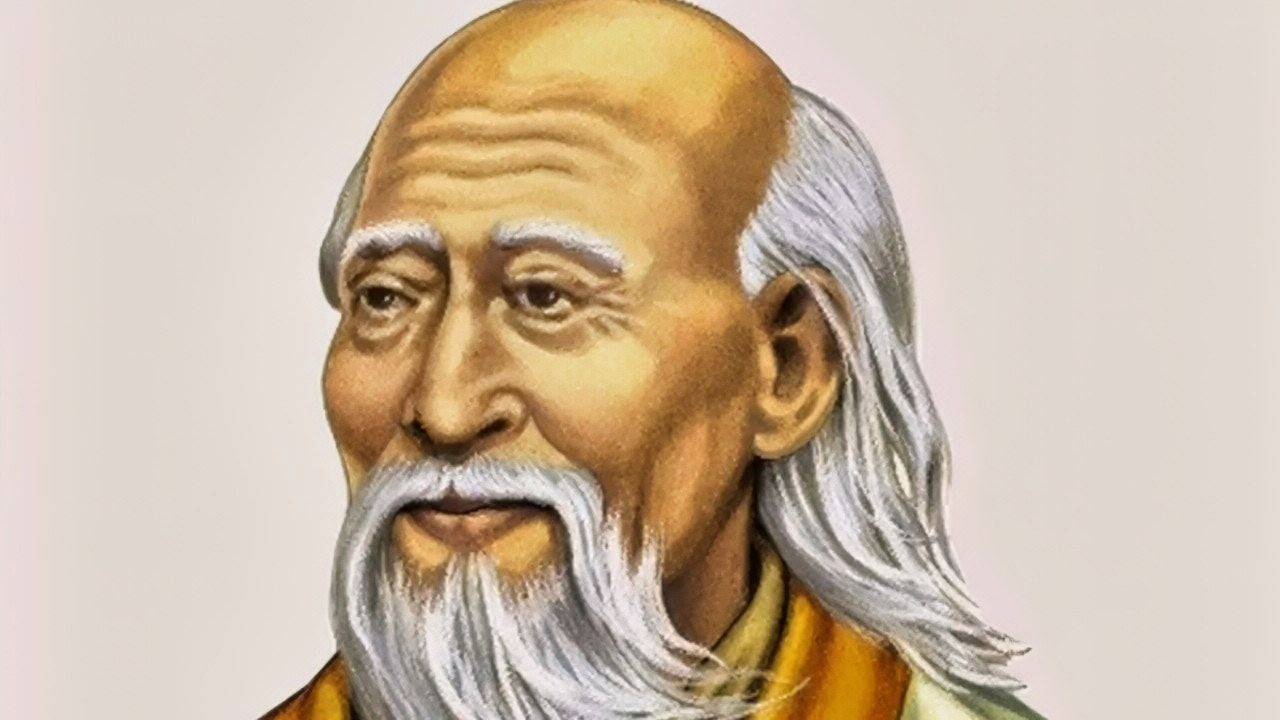
Lao Tzu stands as one of humanity's most profound teachers, a figure whose wisdom has guided seekers of balance and inner peace for over two millennia. Though the details of his life remain shrouded in mystery, his teachings through the Tao Te Ching continue to offer practical guidance for anyone navigating the complexities of modern life. His philosophy centres on returning to simplicity, aligning with natural rhythms, and discovering strength through softness. For those exploring Tai Chi, Qi Gong, or Taoist meditation today, understanding Lao Tzu's core principles provides the essential foundation for meaningful practice and lasting transformation.
Who Was Lao Tzu?
The historical Lao Tzu presents scholars with an intriguing puzzle. Traditional accounts describe him as a keeper of the royal archives in ancient China, living during the 6th century BCE. His name, often translated as "Old Master" or "Old Child," suggests both wisdom and a return to natural innocence.
According to legend, Lao Tzu became disillusioned with the corruption and artificiality of court life. He decided to leave civilisation behind, riding westward on a water buffalo toward the mountains. At the border pass, a gatekeeper named Yin Xi recognised the sage and asked him to record his wisdom before departing. In response, Lao Tzu composed the Tao Te Ching, a brief text of approximately 5,000 Chinese characters that would become one of the world's most translated and influential books.
Master Gu tells this very story in the video below, filmed at the magnificent Lao Tze temple in the Wudang Mountains.
The Mystery and the Message
Whether Lao Tzu was a single historical figure or a composite of several teachers remains debated among scholars. Some historians suggest the Tao Te Ching developed over time, incorporating wisdom from multiple sources. This uncertainty doesn't diminish the text's power. Instead, it reflects a central Taoist principle: the truth transcends individual personality.
What matters most is the teaching itself. The Tao Te Ching offers a complete philosophy of life, addressing leadership, personal cultivation, harmony with nature, and the path to genuine peace.
Core Teachings of Lao Tzu
Lao Tzu's philosophy rests on several interconnected principles that remain remarkably relevant for contemporary practitioners of Taoist wellness.
The Tao: The Nameless Way
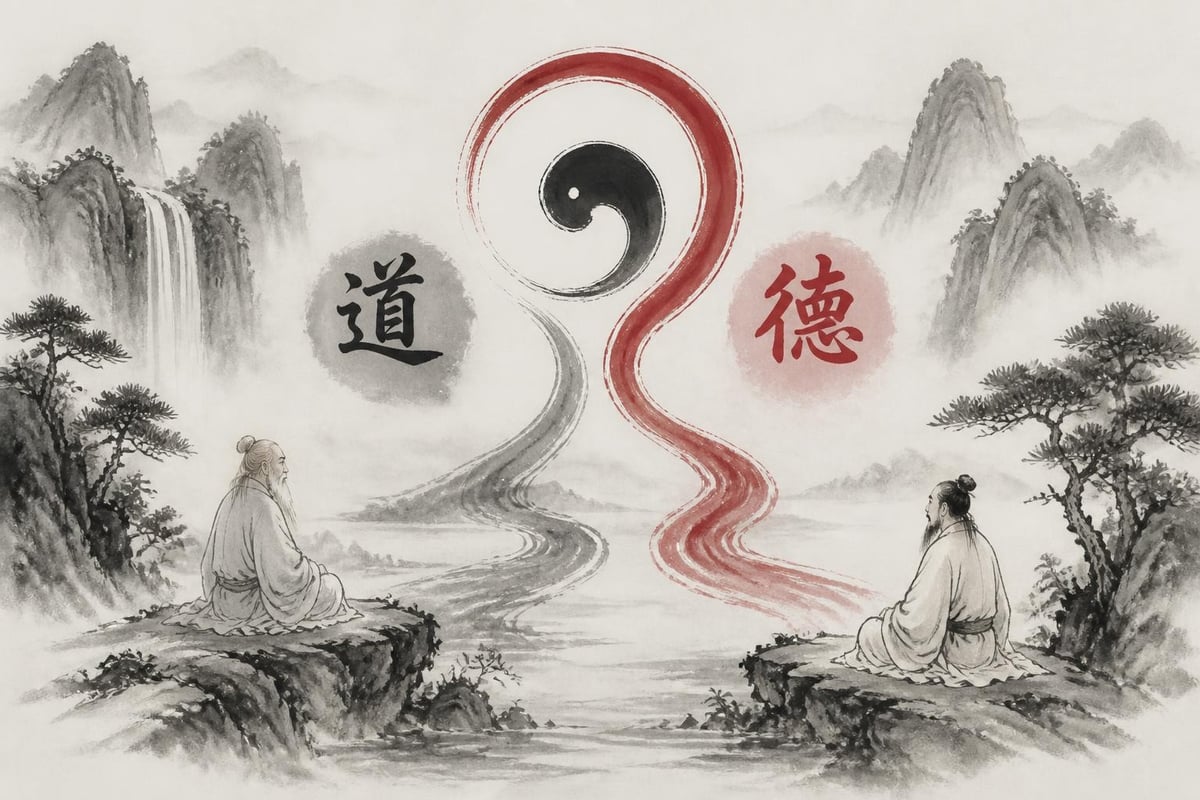
At the heart of Lao Tzu's teaching lies the concept of the Tao, often translated as "the Way." The famous opening line of the Tao Te Ching states: "The Tao that can be told is not the eternal Tao." This paradox immediately establishes that ultimate reality cannot be fully captured in words or concepts.
The Tao represents the fundamental nature of existence, the underlying pattern that governs all change and transformation. It flows like water, following the path of least resistance yet capable of wearing down the hardest stone. Understanding the Tao means recognising how everything in nature operates through cycles, balance, and organic development.
Key characteristics of the Tao include:
- Naturalness and spontaneity
- Constant change and transformation
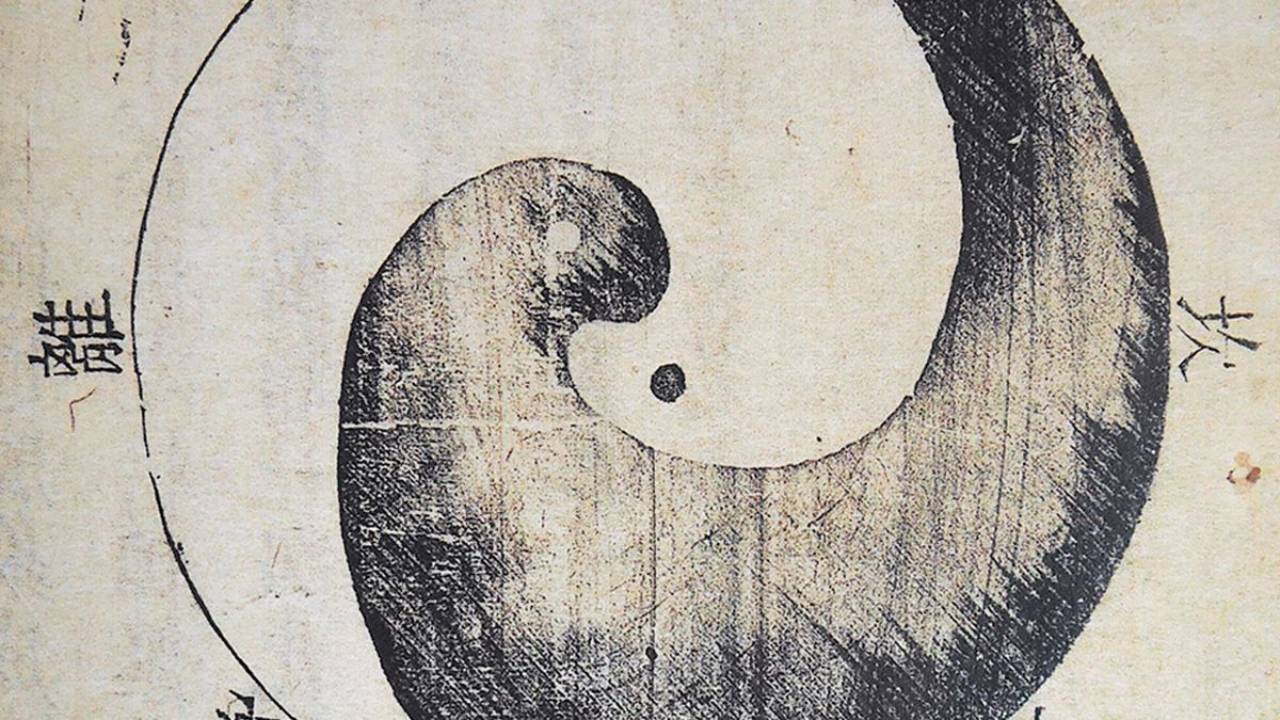
- Balance between opposites (yin and yang)
- Emptiness that allows fullness
- Softness that overcomes hardness
Our 50 Inspirational Yin Yang Quotes collects further reflections on this balance if you'd like to sit with the concept a while longer.
Wu Wei: Effortless Action
Perhaps Lao Tzu's most practical teaching is wu wei, often translated as "non-action" or "effortless action." This concept is frequently misunderstood as passivity or laziness. In reality, wu wei means acting in harmony with natural circumstances rather than forcing outcomes through excessive effort.
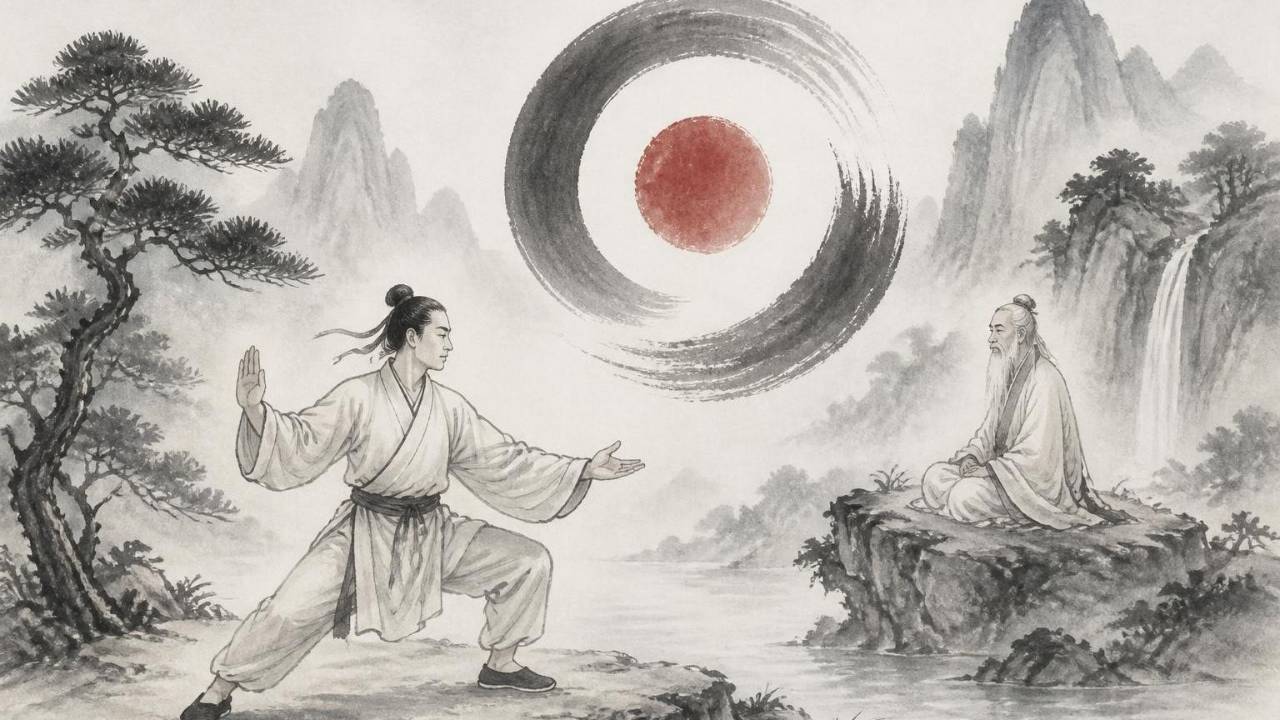
Think of a skilled Tai Chi practitioner moving through forms. The movements appear effortless because they align with the body's natural structure and energy flow. There's no struggle, no wasted tension, just efficient action arising from deep understanding. This is wu wei in physical form.
| Forced Action | Wu Wei |
|---|---|
| Relies on muscular tension | Uses natural momentum |
| Creates resistance | Works with circumstances |
| Exhausts energy quickly | Conserves and generates energy |
| Often misses the mark | Achieves goals naturally |
In daily life, wu wei means knowing when to act and when to wait, when to speak and when to remain silent. It requires deep listening to both internal wisdom and external conditions.
Returning to Simplicity
Lao Tzu consistently advocates for simplicity over complexity. He observed that humans create suffering by adding unnecessary layers of desire, ambition, and artificial needs. The sage's path involves stripping away these complications to rediscover our original nature.
This teaching directly informs Taoist wellness practices. Rather than accumulating complex techniques or chasing dramatic experiences, authentic practice focuses on fundamental principles. A simple standing meditation or basic Qi Gong exercise, practised with full presence, often yields deeper benefits than elaborate routines performed with scattered attention.
Lao Tzu's Influence on Taoist Practice
The philosophical foundations laid by Lao Tzu directly shaped the development of practical Taoist arts, including Tai Chi and Qi Gong. Understanding these connections enriches your practice immeasurably.
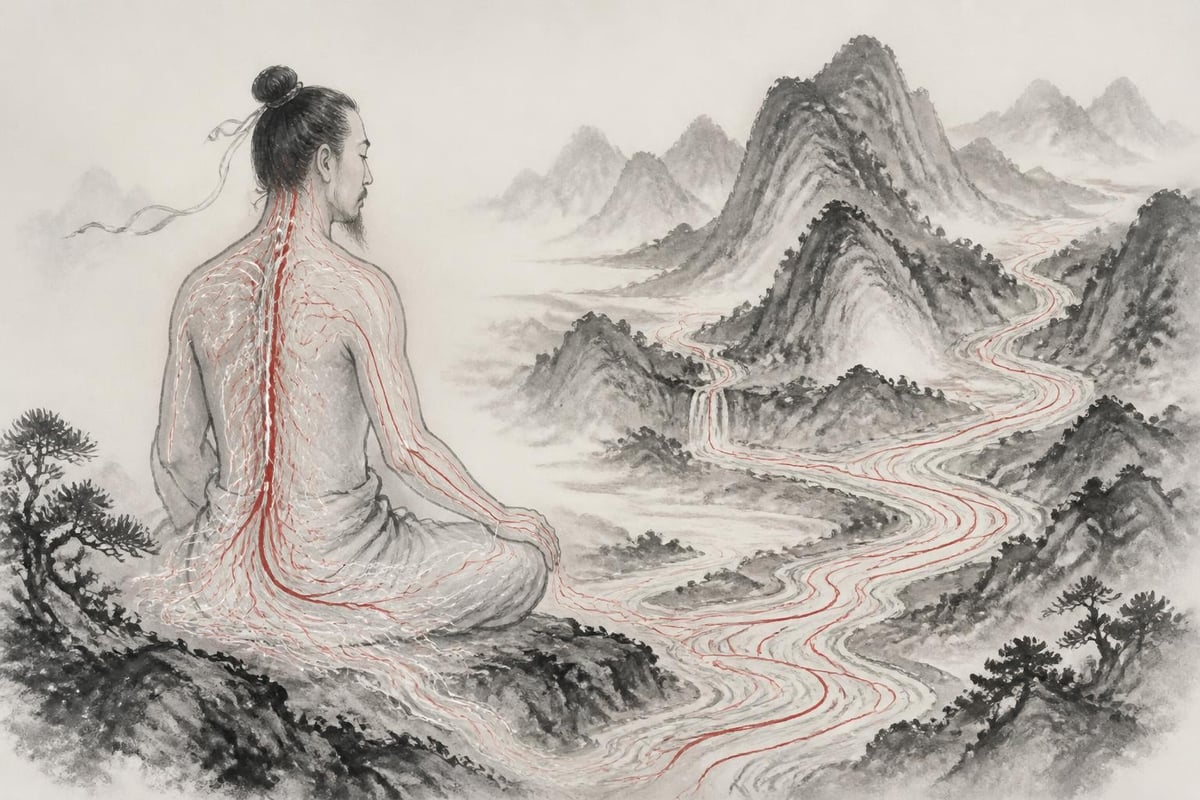
The Body as a Microcosm
Lao Tzu taught that the same principles governing the cosmos operate within the human body. This insight became central to Taoist wellness practices developed centuries later. The Qi (vital energy) flowing through your body follows the same patterns as wind and water flowing across the earth.
When you practise Wudang-style Tai Chi or Qi Gong, you're not just exercising. You're aligning your internal energy with the broader patterns Lao Tzu described. Each movement becomes a meditation on balance, each breath an acknowledgement of the continuous exchange between self and environment.
Softness Overcomes Hardness
One of Lao Tzu's most famous teachings states: "Nothing in the world is softer than water, yet nothing is better at overcoming the hard and strong." This principle became foundational for internal martial arts like Tai Chi.
Rather than meeting force with force, Tai Chi teaches practitioners to yield, redirect, and use an opponent's energy against them. This isn't merely a combat strategy. It's a life philosophy applicable to every challenge you face.
Applications of softness in practice:
- Physical tension: Release rigid holding patterns through gentle, flowing movements
- Mental stress: Soften mental resistance to accept what is before responding
- Emotional reactivity: Allow feelings to flow through without hardening into fixed positions
- Relationships: Respond to others' energy with flexibility rather than opposition
Breathing and the Return to Infancy
Lao Tzu frequently uses the image of an infant to represent the ideal state of being. Babies breathe naturally, from the belly, with complete ease. As we age and accumulate tension, our breathing becomes shallow and restricted.
Qi Gong and Taoist meditation practices emphasise returning to this natural, deep breathing. This isn't about learning something new but rather unlearning harmful patterns to rediscover your innate capacity. Our Taoist Philosophy course focuses on this restoration rather than acquisition.
Living Lao Tzu's Wisdom Today
The insights of Lao Tzu weren't meant to remain philosophical abstractions. They offer practical guidance for navigating modern challenges while maintaining inner peace and authentic power.
Dealing with Stress and Overwhelm
Contemporary life often feels like swimming against a powerful current. Lao Tzu's teaching suggests a different approach: recognise the current's direction and work with it. This doesn't mean abandoning your goals. It means identifying which actions align with natural timing and which involve futile struggle.
When facing overwhelming demands, pause to ask: "What wants to happen here naturally?" Often you'll discover that releasing control over certain outcomes actually allows better solutions to emerge. This requires trust, the same trust you develop through regular practice of Taoist wellness disciplines.
Cultivating Genuine Strength
Modern culture often equates strength with aggression, dominance, or rigid control. Lao Tzu offers a radically different model. True strength comes from flexibility, adaptability, and rootedness in something deeper than ego.
Consider how a tree survives storms. Rigid branches break, while flexible ones bend and return. Similarly, our free Taoist course develops a strength that comes from deep roots and supple response rather than hard resistance, covering Tai Chi, Qi Gong, Meditation, and Taoist Wisdom.
Finding Balance in a Complex World
Lao Tzu's teachings on yin and yang provide a framework for understanding balance. Every quality contains the seed of its opposite. Activity leads to rest, fullness creates emptiness, tension naturally seeks release.
Rather than pushing yourself to constant productivity or forcing relaxation when energy wants to move, learn to read your own natural rhythms. This sensitivity develops through practices like Tai Chi walking and sitting meditation, where you become intimately familiar with your body's signals.
The Tao Te Ching as a Living Text
The Tao Te Ching remains remarkably accessible despite its ancient origins. With only 81 brief chapters, you can read the entire text in an hour. Yet its depth reveals itself slowly, over years of contemplation and practice.
Approaches to Reading Lao Tzu
Different translations emphasise different aspects of Lao Tzu's wisdom. Some render the text more literally, preserving ambiguity and paradox. Others prioritise clarity and philosophical interpretation. Reading multiple translations can deepen your understanding.
Many practitioners keep the Tao Te Ching nearby, reading a single chapter as a morning meditation or evening reflection. The brevity of each chapter makes this sustainable, while the depth ensures you'll discover new meanings with each reading. Our 10 Best Taoism Quotes By Lao Tzu offers a helpful sampler of the text's most enduring lines.
Ways to engage with the text:
- Read one chapter daily as contemplative practice
- Memorise passages that resonate deeply
- Journal about how specific teachings apply to current challenges
- Discuss chapters with fellow practitioners in community settings
- Let the text inform your movement practice
Scholarly Perspectives and Debates
Academic study of Lao Tzu continues to evolve. Modern scholars examine historical context, textual variations, and philosophical implications. While fascinating, remember that intellectual understanding differs from embodied wisdom.
Our reading list includes both scholarly works and practical guides, offering multiple entry points into this rich tradition.
Lao Tzu's Relevance for Tai Chi and Qi Gong
Understanding Lao Tzu's philosophy transforms how you approach physical practice. Movement becomes more than exercise when informed by these deeper principles.
Internal Alchemy and Energy Cultivation
Lao Tzu spoke of preserving and refining vital essence (Jing), energy (Qi), and spirit (Shen). These concepts form the foundation of internal alchemy practices that developed within Taoism. Qi Gong directly works with these three treasures, helping practitioners build vitality, clarity, and spiritual awareness.
When practising Qi Gong forms, you're engaging with principles Lao Tzu articulated 2,500 years ago. The slow, mindful movements cultivate the same qualities he advocated: softness, naturalness, and harmony with the Tao.
The Role of the Teacher
Lao Tzu himself was a teacher, though his approach emphasised awakening students' innate wisdom rather than imposing external knowledge. This tradition continues in authentic Taoist instruction, where teachers guide students toward their own direct experience rather than merely transferring techniques.
Working with an experienced guide like Master Gu provides the transmission that connects contemporary practice with ancient lineage. This lineage carries not just techniques but a living understanding of Lao Tzu's principles as embodied wisdom.
Daily Practice as a Return to the Tao
Lao Tzu teaches that the Tao is always present, always accessible. You don't need to create it or achieve it. You simply need to stop obscuring it with excessive thinking, forcing, and complexity.
Regular practice creates the conditions for this recognition. Whether through morning Tai Chi, midday breathing exercises, or evening meditation, consistent engagement gradually dissolves the barriers between your everyday consciousness and deeper awareness. This is the return Lao Tzu describes throughout the Tao Te Ching.
Integrating Wisdom into Community
While Lao Tzu emphasised individual cultivation, the path doesn't require isolation. Practising alongside others who share these values creates supportive energy that accelerates everyone's progress.
Our community brings together practitioners worldwide who study these principles under authentic guidance. Sharing experiences, asking questions, and witnessing others' journeys enriches your own understanding.
Learning from Nature's Patterns
Lao Tzu constantly directed students' attention to natural phenomena as teachers. Observe how water flows, how trees grow, how seasons change. These patterns reveal the Tao more directly than any abstract philosophy.
Your practice can incorporate this observational quality. Notice how your energy naturally rises and falls throughout the day. Pay attention to which movements feel easiest at different times. Let the body's wisdom guide you, just as Lao Tzu encouraged learning from the wisdom of the natural world.
Modern Applications of Ancient Principles
The gap between Lao Tzu's era and ours spans millennia, yet his insights address timeless aspects of human experience. Modern practitioners discover that his teachings speak directly to contemporary challenges.
Technology and Presence
Constant connectivity fragments attention and pulls us away from present-moment awareness. Lao Tzu's emphasis on simplicity and returning to basics offers an antidote. Regular practice creates islands of presence in a sea of distraction.
Setting aside time for Tai Chi or meditation isn't escaping modern life. It's developing the centred awareness needed to engage technology skilfully rather than being controlled by it.
Leadership and Influence
Lao Tzu dedicated many chapters of the Tao Te Ching to governance and leadership. His model emphasises leading through example, creating space for others' natural development, and intervening minimally. These principles apply whether you're managing a team, raising children, or simply navigating relationships.
Health and Longevity
The Taoist approach to wellness that emerged from Lao Tzu's philosophy prioritises prevention over treatment, balance over extremes, and working with the body's inherent healing capacity. This aligns increasingly with modern integrative medicine's recognition that lifestyle practices profoundly influence health outcomes.
| Modern Health Approach | Taoist Wisdom Approach |
|---|---|
| Focus on symptoms | Address root causes |
| External interventions | Support internal balance |
| Quick fixes | Gradual cultivation |
| Separated systems | Holistic integration |
| Control nature | Align with nature |
The Journey Continues
Lao Tzu's teachings don't provide quick fixes or simple answers. They invite you into a lifelong process of deepening understanding and embodied practice. Each time you return to the Tao Te Ching or step into your Tai Chi form, you have the opportunity to discover something new.
The wisdom tradition he represents continues to evolve as it meets new cultures and contexts. Yet the core remains unchanged: return to simplicity, align with natural patterns, cultivate softness, and trust the unfolding of the Way.
Your engagement with these practices places you in a lineage extending back through centuries of dedicated practitioners. Whether you're just beginning to explore our Taoist Meditation course or have practised for years, Lao Tzu's wisdom offers fresh insights at every stage of the journey.
Lao Tzu's ancient wisdom provides the philosophical foundation for authentic Taoist practice, transforming physical movements into pathways of profound personal transformation. By understanding and embodying these timeless principles, you can navigate modern life with greater ease, balance, and genuine strength. If you're ready to deepen your connection with these practices through authentic Wudang instruction, explore what Taoist Wellness Online offers with Master Gu's guidance, bringing ancient wisdom into your daily life through accessible, comprehensive training.