What Is Tai Chi Walking? A Mindful Movement Practice
Jul 09, 2026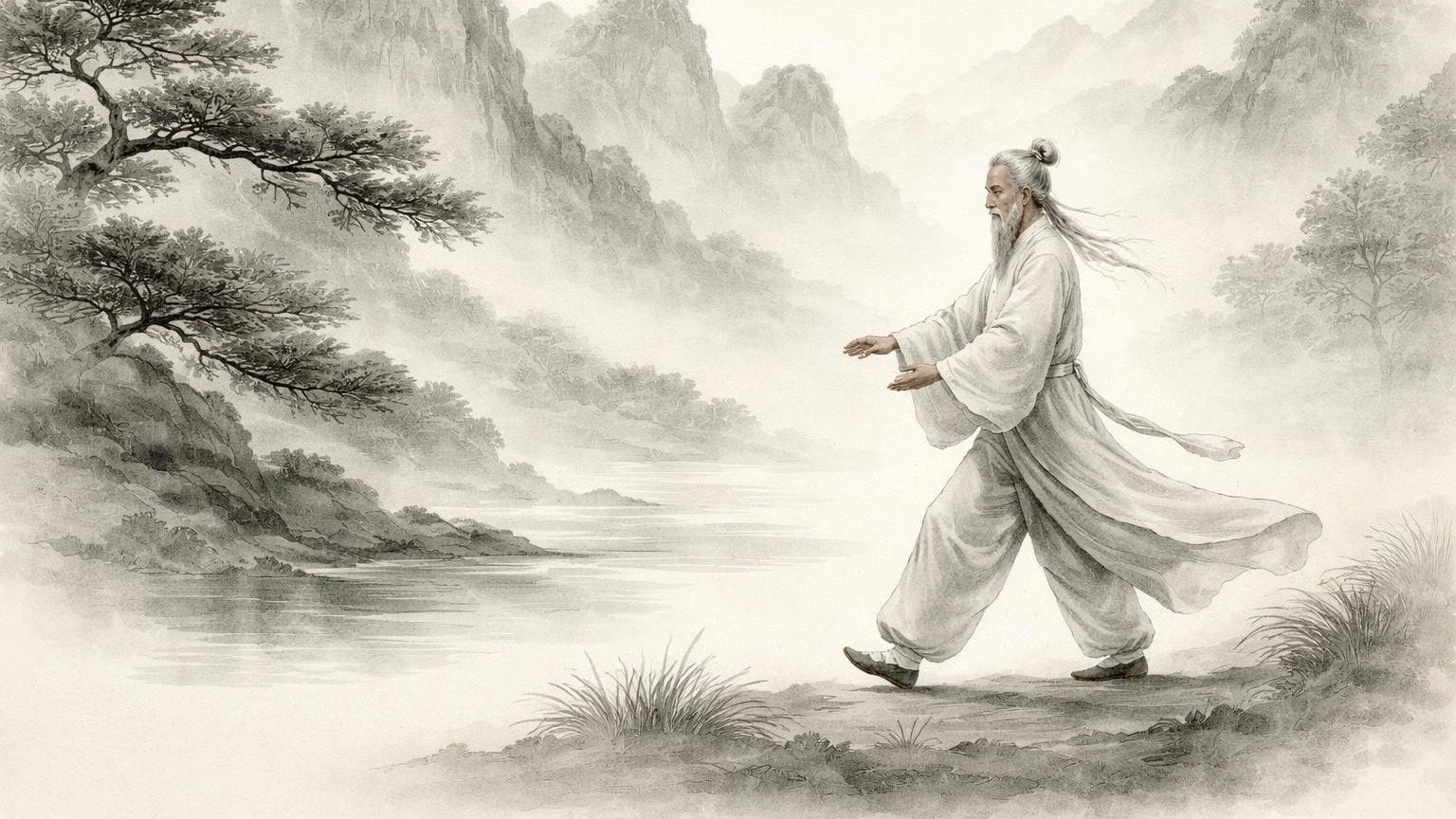
Walking is something most of us do without thinking, but what if every step could become a meditation in motion? Understanding what is tai chi walking opens a doorway to transforming ordinary movement into an extraordinary practice that nurtures both body and spirit. This ancient method combines the wisdom of Taoist movement with the simple act of walking, creating a practice that anyone can learn and benefit from, regardless of age or fitness level.
The Foundations of Tai Chi Walking
Tai chi walking is a mindful movement practice that applies the core principles of traditional tai chi to the act of walking. Rather than rushing from point A to point B, you move with deliberate awareness, coordinating breath, weight shift, and intention with each step.
The practice emphasises several key elements that distinguish it from regular walking. You maintain a relaxed yet upright posture, sink your weight into the earth with each step, and cultivate what Taoists call "sung" or conscious relaxation. Your movements flow smoothly, without jerky transitions or locked joints.
Core Principles That Define the Practice
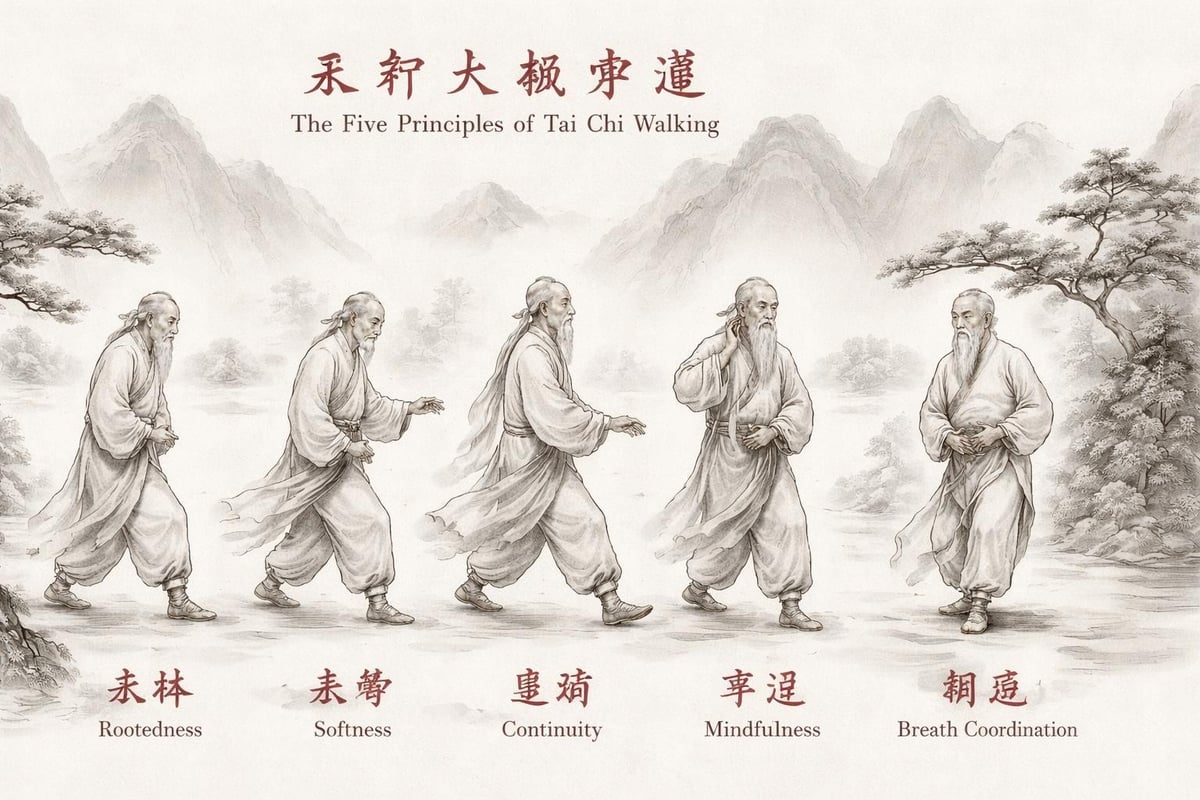
When exploring what is tai chi walking, it helps to understand the principles that guide every step:
- Rootedness: Your weight sinks fully into one leg before the other lifts
- Softness: Muscles remain relaxed while maintaining structural integrity
- Continuity: Movement flows without stops or abrupt changes
- Mindfulness: Attention stays present with the sensations of walking
- Breath coordination: Inhalation and exhalation sync with stepping patterns
These principles create a walking meditation that improves balance and coordination - essential components for healthy ageing and daily functioning.
How Tai Chi Walking Differs From Regular Walking
Regular walking often happens on autopilot. We think about our destination, our to-do list, or the podcast in our earbuds. Our gait varies based on mood, terrain, and how rushed we feel.
Tai chi walking transforms this everyday activity into conscious practice. Each step becomes purposeful. You notice how your heel contacts the ground, how weight transfers through your foot, how your hips rotate naturally with each stride.
The pace slows considerably. While typical walking might cover three to four miles per hour, tai chi walking often moves at less than one mile per hour. This isn't about getting somewhere quickly, but about deepening your relationship with movement itself.
Physical Mechanics That Set It Apart
| Aspect | Regular Walking | Tai Chi Walking |
|---|---|---|
| Pace | Fast, goal-oriented | Slow, deliberate |
| Attention | External focus | Internal awareness |
| Weight shift | Automatic | Conscious and complete |
| Breath | Irregular | Coordinated with steps |
| Posture | Variable | Consistently aligned |
The slower pace and heightened awareness make tai chi walking particularly valuable for improving gait and walking stability, especially as we age.
Health Benefits That Make It Worthwhile
What is tai chi walking's impact on your health? The benefits extend far beyond what you might expect from such a gentle practice.
Physical improvements include enhanced balance, stronger legs, better coordination, and increased flexibility. Because you shift weight completely from one leg to the other, you strengthen stabilising muscles that prevent falls. Your ankles, knees, and hips gain mobility through the deliberate, flowing movements.
Mental and emotional benefits are equally profound. The meditative quality calms racing thoughts. Stress hormones decrease while feel-good neurotransmitters increase. Many practitioners report improved sleep, reduced anxiety, and a greater sense of groundedness in daily life.
Benefits Across Different Life Stages
The beauty of tai chi walking lies in its accessibility. Older adults find it helps with healthy ageing and fall prevention, while younger practitioners appreciate the stress relief and body awareness it cultivates.
Those recovering from injury use it to rebuild confidence in movement. Office workers find it counteracts hours of sitting. Athletes discover it enhances proprioception and body control. The practice meets you where you are and grows with your needs. For a fuller picture of how tai chi supports older adults specifically, our guide to Tai Chi for Seniors goes into this in depth.
Getting Started With Basic Techniques
Learning what is tai chi walking begins with simple steps you can practise anywhere. You don't need special equipment or a specific location, though a quiet space helps when you're first learning.
Your First Steps
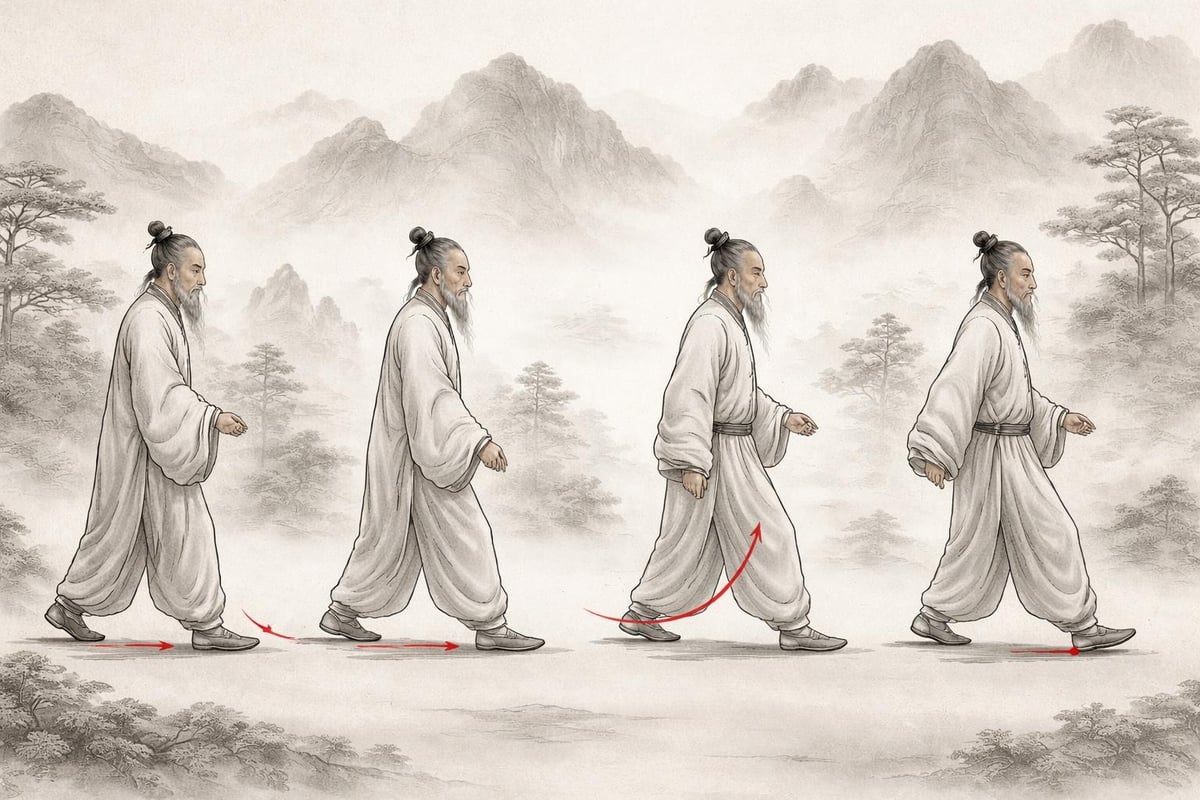
- Stand in a natural position with feet hip-width apart, knees slightly bent
- Shift your weight completely onto your right leg, feeling it sink into the earth
- Lift your left foot slowly, keeping your knee relaxed
- Place the left heel gently on the ground in front of you
- Gradually transfer weight from back leg to front leg
- Let the back foot become light and lift naturally
- Repeat with awareness, maintaining continuous, flowing movement
Start with just five minutes. Your mind will wander - that's normal. When you notice you've drifted into thinking, gently return attention to the sensations in your feet and legs.
Common Adjustments for Better Practice
Many beginners lean forward or lock their knees. Keep your spine vertical, as if a string gently pulls the crown of your head toward the sky. Allow a slight bend in your knees throughout the movement.
Breathing troubles are common at first. Don't force coordination between breath and steps. Let breathing remain natural initially. As you relax into the practice, coordination develops organically.
Principles and techniques become clearer with consistent practice rather than intellectual understanding alone. If you'd like a broader foundation to build from, our guide to beginner Tai Chi exercises covers the core movements that complement walking practice beautifully.
Integrating Breath and Movement
Breath coordination elevates tai chi walking from physical exercise to moving meditation. In Taoist practice, breath carries qi (life energy) through your body, and conscious breathing while walking amplifies this flow.
A simple pattern to begin with: inhale as you shift weight and step forward, exhale as you settle into the new position. Or try the reverse. Neither is wrong - both cultivate different energetic qualities. Experiment to discover what feels most natural for your body.
Deep, diaphragmatic breathing enhances the practice significantly. Breathe into your lower belly rather than your chest. This activates the body's relaxation response and helps you sink more deeply into each step. You can explore these fundamentals further through our Tai Chi course, which covers breathing principles alongside form practice in structured detail.
Advanced Breathing Patterns
As your practice matures, you might explore more complex patterns. Some practitioners use a 4-count breath: inhale for four steps, exhale for four steps. Others coordinate breathing with specific movements of the arms or torso.
The key remains gentleness. Forcing breath creates tension, which contradicts the whole purpose. Let coordination emerge gradually through patient practice.
Common Mistakes to Avoid
Understanding what is tai chi walking also means knowing what it isn't. Several common pitfalls can limit your progress or create frustration.
Rushing through movements defeats the purpose entirely. If you're thinking about finishing your practice or getting to the next step, you've lost the meditative quality. Each moment deserves full attention.
Holding tension in shoulders, jaw, or hands blocks the flow of energy and movement. Regularly scan your body for unnecessary gripping and consciously release it.
Comparing yourself to others creates competitive energy that has no place in this practice. Your tai chi walking journey is uniquely yours, shaped by your body, history, and current circumstances.
Physical Alignment Issues
| Mistake | Consequence | Correction |
|---|---|---|
| Leaning forward | Back strain, poor balance | Vertical spine alignment |
| Locked knees | Joint stress, rigid movement | Soft, slightly bent knees |
| Raised shoulders | Neck tension, blocked breathing | Relaxed, dropped shoulders |
| Clenched fists | General body tension | Open, relaxed hands |
Many practitioners benefit from guidance when starting. Communities such as ours at Taoist Wellness Online offer support from both teachers and fellow students who can provide feedback and encouragement.
Building a Regular Practice
Consistency matters more than duration when developing your tai chi walking practice. Ten minutes daily creates more benefit than an hour once weekly.
Morning practice sets a calm, centred tone for your day. The world feels quieter, and your mind hasn't yet filled with the day's demands. Evening practice helps transition from activity to rest, releasing accumulated tension.
Choose a location that supports your practice. A quiet park, a hallway in your home, even your backyard can work.
Creating Your Practice Routine
- Set a specific time each day for practice
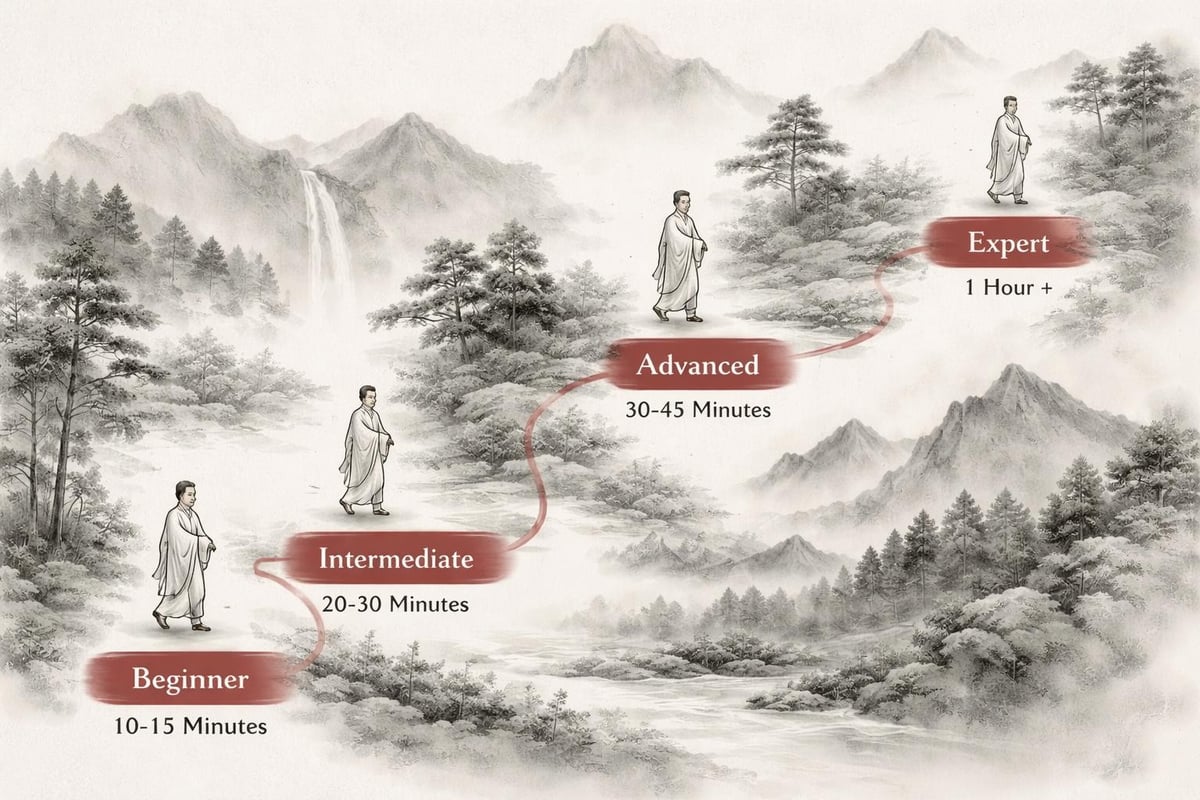
- Start with 5-10 minutes and gradually extend duration
- Use a journal to note observations and progress
- Combine with other practices like qi gong or meditation
- Join others through online sessions or local groups
Tai Chi Walking in Different Settings
While traditional practice often happens in peaceful parks, you can adapt tai chi walking to various environments. Indoor practice works perfectly, especially during challenging weather.
A hallway provides an ideal straight path for focused practice. Living rooms offer space for circular walking patterns. Even small apartments accommodate the slow, deliberate pace - you just turn around more frequently.
Outdoor settings bring additional benefits. Natural surfaces like grass or earth provide varied textures that enhance foot awareness. Fresh air and natural sounds deepen the meditative quality. Tai chi walking can improve posture and balance whether practised indoors or out.
Adapting to Your Space
Limited space doesn't limit your practice. You can walk in place, lifting each foot slowly and placing it back down with full awareness. You can practise weight shifts without stepping. You can focus on just the upper body coordination while standing still.
The principles remain consistent regardless of location: awareness, relaxation, continuity, and breath.
Deepening Your Understanding Through Study
What is tai chi walking at its deepest level? It's an expression of Taoist philosophy in motion, embodying principles of yin and yang, stillness within movement, and harmony between heaven and earth.
Studying traditional tai chi forms enhances your walking practice. The same principles of weight shift, relaxation, and energy flow apply to both. Many students discover that their form practice improves their walking, and vice versa.
Direct instruction remains invaluable for catching subtle errors and receiving personalised guidance. Books provide context, but a skilled teacher sees what you cannot.
Connecting to Broader Taoist Practices
Tai chi walking doesn't exist in isolation. It connects to:
- Qi gong exercises that cultivate and circulate energy
- Meditation practices that train attention and awareness
- Taoist philosophy that explains the principles behind the movements
- Traditional Chinese medicine concepts of energy channels and balance
Exploring these connections through our Qi Gong course enriches your walking practice immeasurably, revealing how energy cultivation in standing and moving practice informs everything you do on your feet.
The Role of a Teacher
While you can begin tai chi walking on your own, working with an experienced teacher accelerates progress and prevents the reinforcement of poor habits. A qualified instructor sees what you cannot: subtle holding patterns, misalignments, or rushed transitions.
Master Gu - a 15th-generation San Feng Pai Wudang Taoist Master with over 25 years of teaching experience - emphasises that tai chi walking requires patient, correct practice from the beginning. Small adjustments in weight distribution or spinal alignment can dramatically improve both the feel and benefits of the practice.
Online learning has made authentic instruction accessible worldwide. Live sessions allow real-time feedback, while recorded lessons let you practise at your own pace. The combination provides structure without rigidity.
What to Look for in Instruction
Quality teaching includes clear demonstration, detailed explanation of principles, attention to individual needs, and emphasis on internal awareness rather than just external form. Teachers should encourage questions and create a supportive learning environment.
Combining With Other Movement Practices
Tai chi walking complements other exercise and wellness practices beautifully. Runners use it for active recovery and to refine movement efficiency. Yoga practitioners appreciate the different approach to breath and balance.
Strength training benefits from the body awareness tai chi walking develops. You move weights with better alignment and less compensatory tension. Cardiovascular exercise becomes more mindful as you apply principles of conscious breathing and relaxed effort.
The practice also serves as a bridge between sitting meditation and daily activity. It's easier than sitting still for those who find meditation challenging, yet more contemplative than regular exercise.
Creating a Balanced Wellness Routine
| Practice Type | Tai Chi Walking Contribution |
|---|---|
| Cardio exercise | Active recovery, breath training |
| Strength training | Movement quality, body awareness |
| Flexibility work | Dynamic balance, joint mobility |
| Meditation | Moving meditation, mind training |
| Stress management | Nervous system regulation, grounding |
Seasonal and Weather Considerations
Tai chi walking adapts to all seasons, though each brings unique opportunities and challenges. Spring's renewal energy supports beginning or refreshing your practice. Summer's warmth allows longer outdoor sessions.
Autumn's cooler temperatures create ideal conditions for focused practice without overheating. Winter invites indoor practice or bundling up for invigorating cold-weather sessions that build resilience.
Rain doesn't stop dedicated practitioners. Light rain can enhance the sensory experience, though safety always comes first on slippery surfaces. Snow creates a magical environment for slow, careful steps that demand even more attention to balance.
Wind, heat, and cold all become teachers. They reveal where you hold tension, test your ability to maintain awareness under varying conditions, and develop adaptability.
Progress and Patience in Practice
Progress in tai chi walking rarely follows a linear path. Some days the practice feels effortless and deeply satisfying. Other days your mind wanders constantly or your body feels stiff and uncooperative.
Both experiences are valuable. The difficult days teach patience and perseverance. The flowing days remind you why you practise. Neither defines your practice as much as your consistent return to it.
Measurable improvements might include walking longer without fatigue, maintaining better balance, feeling more relaxed afterward, or noticing enhanced body awareness during daily activities. These accumulate gradually, almost imperceptibly, until one day you realise how far you've come.
Internal shifts matter more than external metrics. Do you feel more grounded? Does your mind quiet more easily? Have you developed a friendly relationship with your body rather than a critical one? These subtle changes represent true progress.
Tai chi walking transforms ordinary steps into opportunities for presence, balance, and inner peace - offering benefits that extend far beyond the practice itself. Whether you're seeking better physical health, mental clarity, or a deeper connection to ancient wisdom, this gentle practice welcomes you exactly as you are. When you're ready to explore further, Taoist Wellness Online provides comprehensive guidance through Master Gu's authentic teachings, helping you develop a sustainable practice rooted in traditional Wudang principles. New to tai chi altogether? Start with our free Tai Chi Walking course and take your first steps with Master Gu today.