Master Chi: Your Guide to Cultivating Life Force Energy
Jul 08, 2026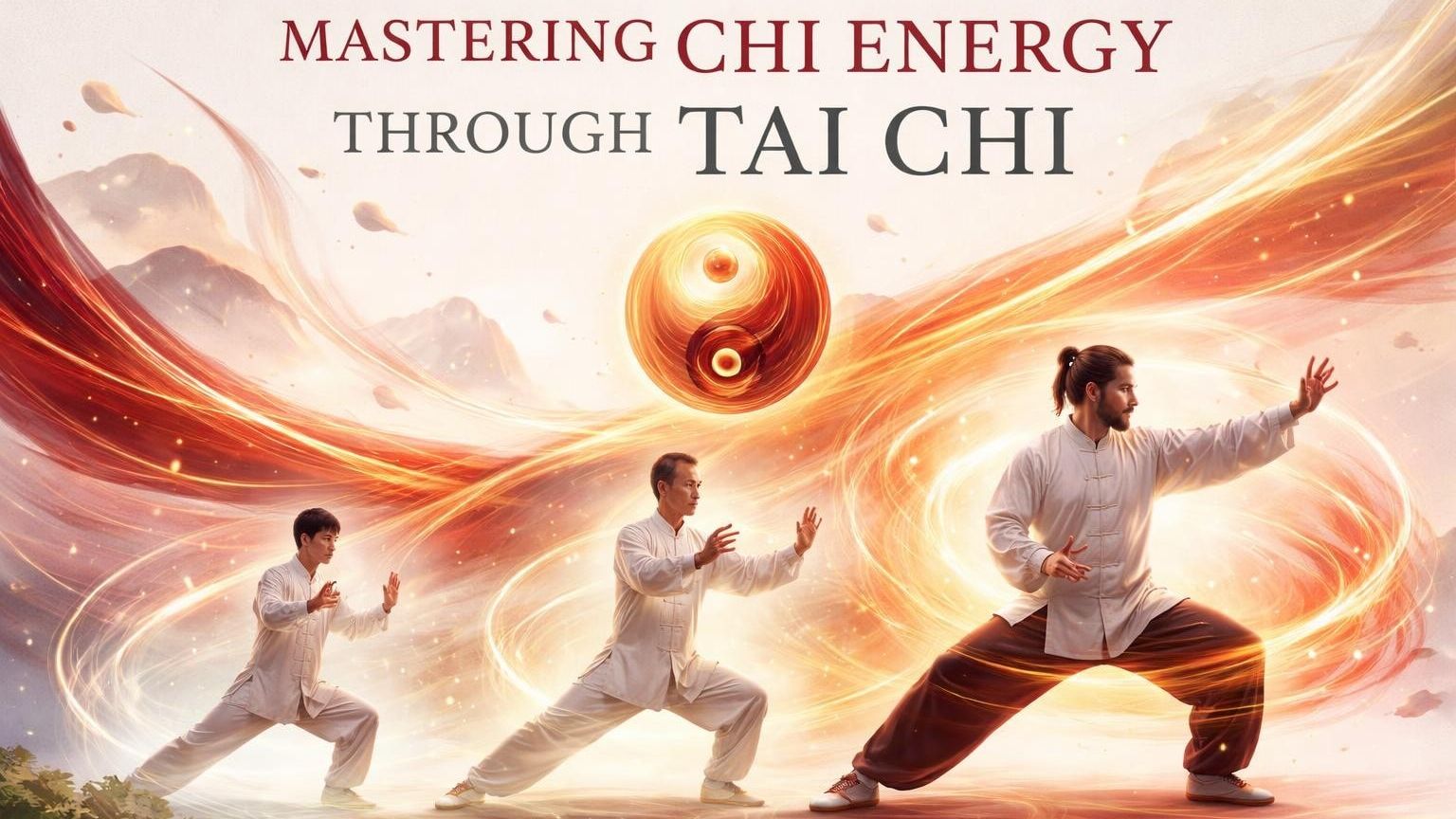
The journey to master chi begins with understanding that this vital life force flows through every living being, connecting body, mind, and spirit. Whether you're new to energy cultivation or deepening an existing practice, learning to work with chi opens pathways to profound health, mental clarity, and inner peace. Through dedicated practice of Tai Chi and Qigong, you can develop the sensitivity and skill to guide this energy with intention, creating lasting transformation in your daily life.
Understanding Chi and Why Mastery Matters
Chi (also spelled qi) represents the fundamental energy that animates all life. In Traditional Chinese Medicine and Taoist philosophy, this vital force moves through meridians in your body, nourishing organs, tissues, and consciousness itself.
When chi flows freely, you experience vibrant health, emotional balance, and mental sharpness. When it becomes blocked or depleted, you may feel fatigue, stress, pain, or disconnection from your authentic self.
To master chi means developing awareness of this energy and learning to cultivate, direct, and balance it through specific practices. This isn't about controlling nature, but rather aligning with it.
The Foundation of Energy Cultivation
Traditional Taoist practices offer time-tested methods to work with chi:
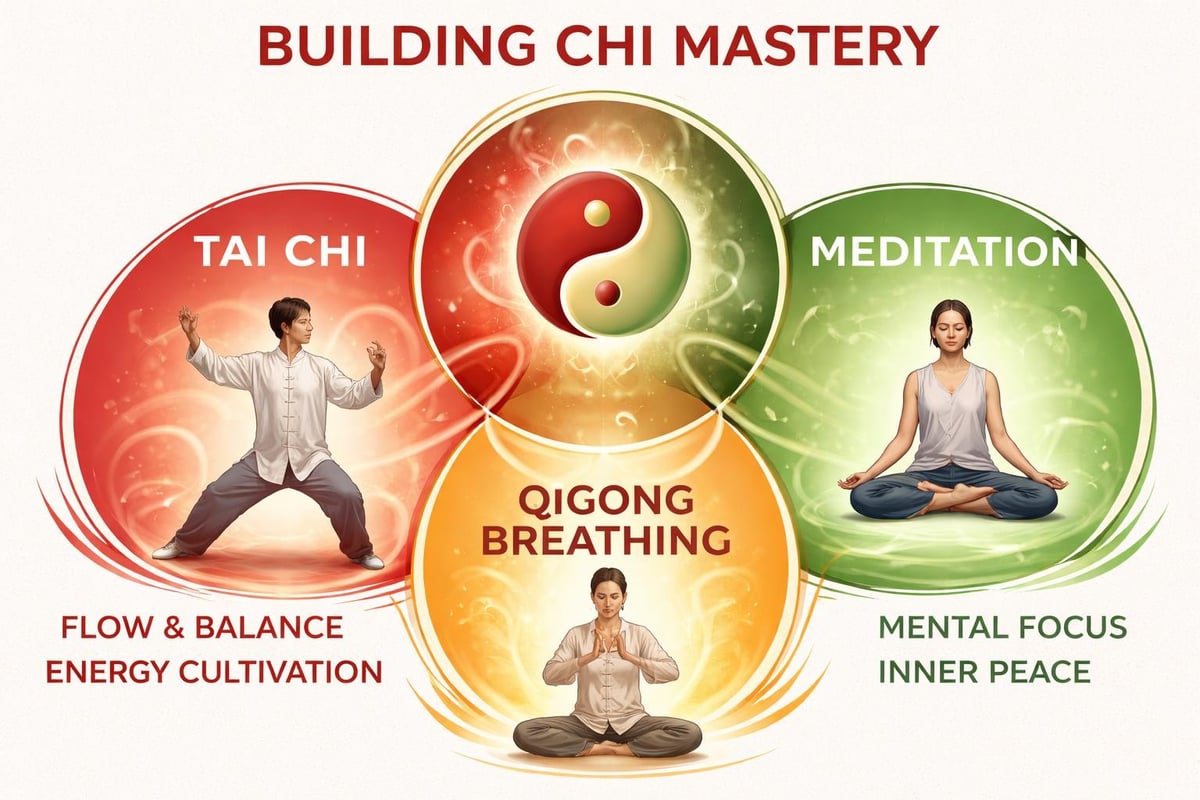
- Tai Chi: Gentle, flowing movements that guide energy through the body
- Qigong: Standing and moving practices specifically designed for chi cultivation
- Meditation: Stillness practices that refine energetic sensitivity
- Breathing techniques: Methods to gather and circulate vital force
- Lifestyle alignment: Eating, sleeping, and living in harmony with natural rhythms
Each practice builds upon the others, creating a comprehensive system for energy mastery. You don't need to perfect everything at once. Start with one approach that resonates, and let your practice grow organically.
Building Your Practice to Master Chi
The path to energy mastery requires patience, consistency, and proper guidance. Many students begin with enthusiasm but lose momentum without clear direction or community support.
Starting with the Basics
Your first steps involve developing body awareness and breath connection. Stand quietly, feet shoulder-width apart, knees slightly bent. Notice the natural rise and fall of your breath without forcing anything.
This simple stance, called Wuji or "primordial standing," forms the foundation for more complex practices. As you stand, imagine roots growing from your feet deep into the earth. Feel the subtle flow of energy through your body.
Key principles for beginners:
- Relax without collapsing
- Breathe naturally through your nose
- Keep your spine long but not rigid
- Let your shoulders drop away from your ears
- Soften your gaze or close your eyes gently
Practise this foundational stance for 5-10 minutes daily. Over time, you'll notice increased stability, deeper breathing, and greater body awareness. These qualities become the soil where your energy practice takes root.
Progressing Through Structured Learning
As you build consistency, structured curriculum helps you develop systematically. Our Tai Chi course provides step-by-step instruction that prevents common mistakes and ensures proper form.
Consider this progression pathway:
| Learning Stage | Focus Areas | Typical Duration |
|---|---|---|
| Foundation | Stance, breathing, relaxation | 3-6 months |
| Form Practice | Basic movements, energy sensing | 6-12 months |
| Integration | Flowing sequences, chi circulation | 1-2 years |
| Refinement | Internal alchemy, advanced techniques | Ongoing |
Each stage builds naturally upon the previous one. You don't graduate and move on - you continue deepening your understanding while adding new layers.
Working with experienced teachers makes a significant difference. Proper instruction helps students avoid years of trial and error, guiding them toward effective practice from the beginning.
Essential Techniques to Master Chi Flow
Beyond basic stances and breathing, specific techniques accelerate your ability to sense and guide energy. These methods have been refined over centuries by dedicated practitioners who understood the subtleties of internal cultivation.
The Three Treasures: Jing, Chi, and Shen
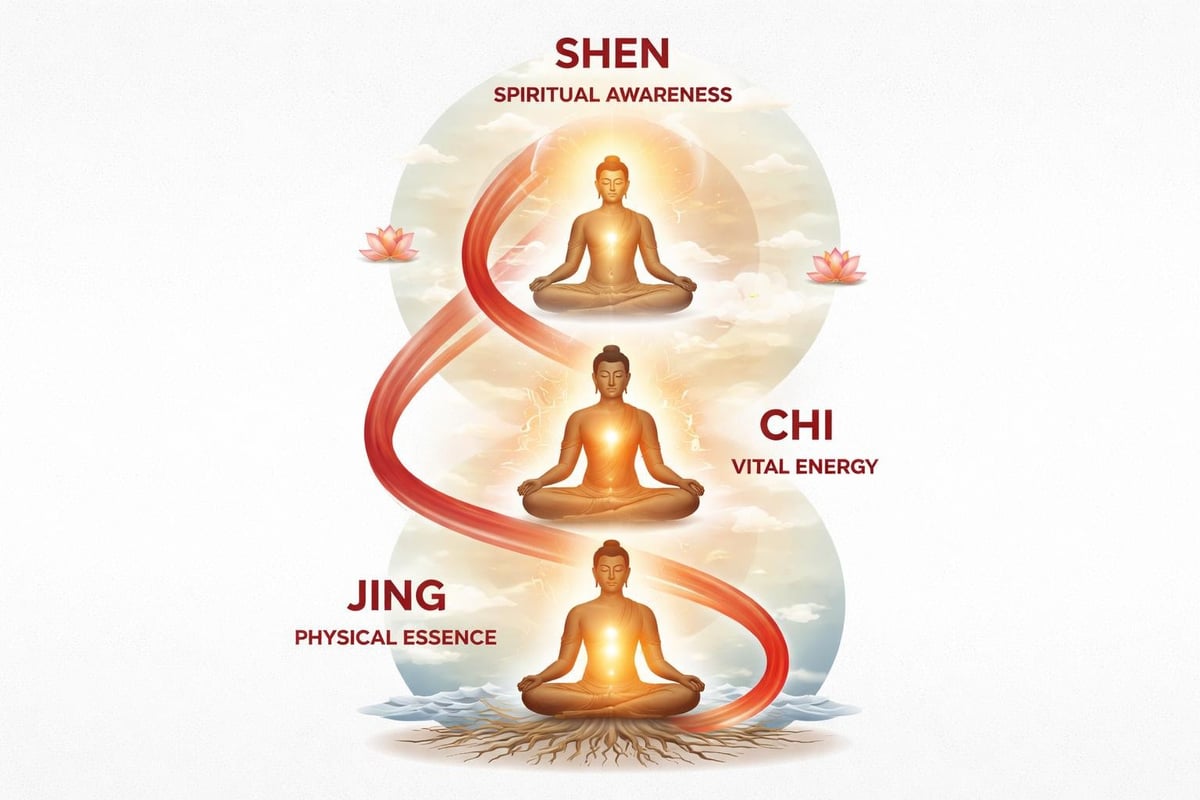
Taoist practice recognises three fundamental energies that interact within you:
- Jing (Essence): Your foundational vitality, stored in the kidneys and related to physical reserves
- Chi (Energy): The vital force that animates daily activity and circulates through meridians
- Shen (Spirit): Your consciousness, mental clarity, and connection to higher awareness
To master chi effectively, you work with all three treasures in harmony. Jing provides the raw material, chi transforms and circulates it, and shen directs the process with clear intention.
Microcosmic Orbit Meditation
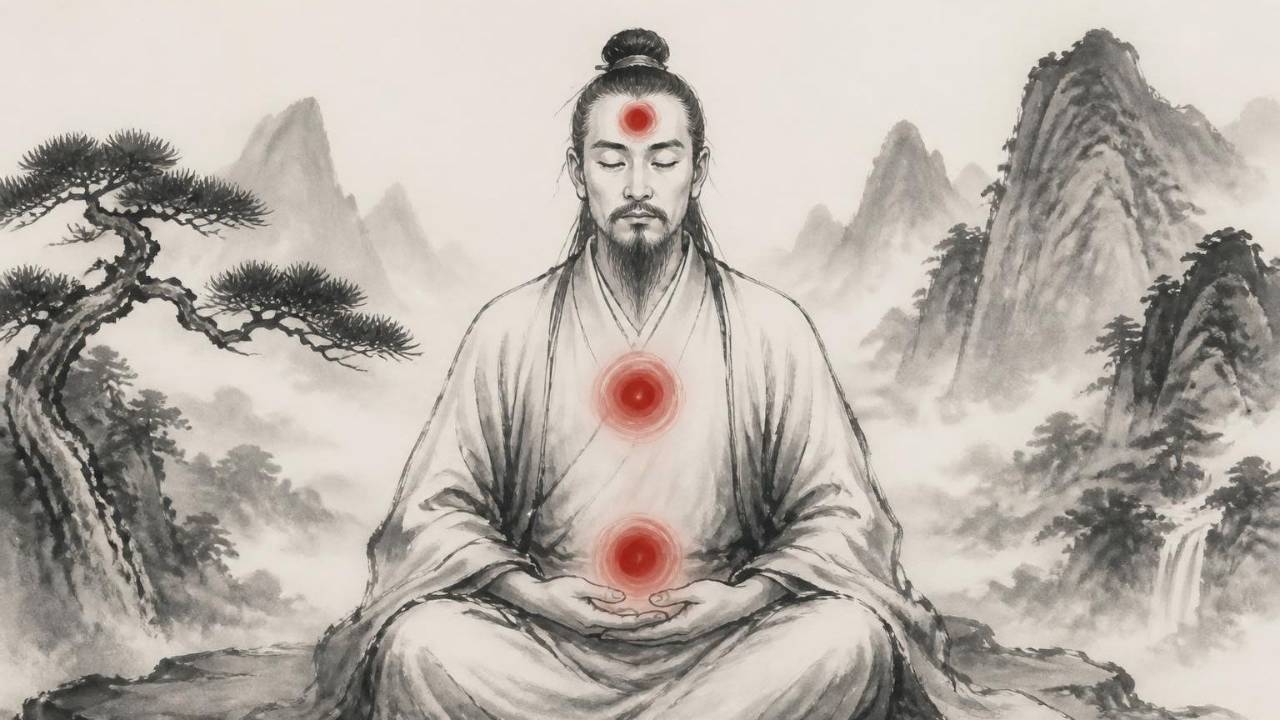
One of the most powerful practices for chi mastery is the Microcosmic Orbit, which circulates energy through two primary channels running along your spine and down your front. This practice has been central to Taoist internal cultivation for centuries.
How to practise the Microcosmic Orbit:
- Sit comfortably with your spine naturally upright
- Touch your tongue gently to the roof of your mouth
- Focus attention at your lower dantian (below the navel)
- Guide awareness slowly up your spine to the crown
- Let energy descend down the front of your body back to the lower dantian
- Repeat the circuit, allowing the flow to become smooth and natural
Start with 10-15 minutes daily. Don't force the energy or create visualisations that feel artificial. Simply guide your attention and trust that chi follows awareness.
Standing Meditation for Deep Cultivation
Standing practices, known as Zhan Zhuang or "standing like a tree," build tremendous internal power. Unlike moving forms, standing meditation develops stillness within movement - the muscles make tiny adjustments while the mind remains peaceful.
Hold your arms as if hugging a large tree, hands at chest height, knees slightly bent. This position feels challenging at first, but over weeks and months, it builds remarkable strength and energy capacity.
Your legs may shake, your shoulders may burn, your mind may race with discomfort. These sensations indicate energy blockages releasing. Breathe into the discomfort without judgment, allowing it to transform naturally.
Common Challenges and How to Overcome Them
Every practitioner encounters obstacles on the path to master chi. Recognising these challenges helps you navigate them skilfully rather than becoming discouraged.
Physical Discomfort and Impatience
Your body may resist unfamiliar positions, especially if you're accustomed to a sedentary lifestyle. Knees, hips, and shoulders often protest when asked to hold new alignments.
Solutions that help:
- Start with shorter practice sessions (5-10 minutes)
- Modify positions to honour your current flexibility
- Use props like chairs or walls for support
- Focus on gradual progress rather than immediate results
- Remember that discomfort and pain are different - honour pain as a warning
Patience becomes your greatest ally. The Taoist philosophy of wu wei teaches effortless action - working with natural rhythms rather than forcing outcomes.
Mental Restlessness and Doubt
Your mind will wander. You'll question whether anything is actually happening. These experiences are completely normal and part of the cultivation process.
When doubt arises, return to simple observation. Notice your breath. Feel your feet on the ground. Acknowledge the thought without engaging it, then gently redirect attention to your practice. Our blog post on how to harness chi energy explores this aspect of practice in more depth.
Lack of Consistent Guidance
Many students begin enthusiastically but plateau without ongoing instruction and community support. Communities such as ours at Taoist Wellness Online provide connection with fellow practitioners who understand your journey and can offer encouragement during challenging phases.
| Challenge | Common Impact | Effective Response |
|---|---|---|
| Physical limitations | Frustration, stopping practice | Modify positions, use props, celebrate small gains |
| Mental resistance | Doubt about effectiveness | Keep practice simple, track subtle changes |
| Isolation | Loss of motivation | Join community, find practice partners |
| Information overload | Confusion, scattered effort | Follow one teacher/system consistently |
Deepening Your Energy Mastery Journey
As your practice matures, subtler dimensions of chi work reveal themselves. You move beyond mechanical repetition into genuine internal transformation.
Sensing Energy in Daily Life
When you develop sensitivity through consistent practice, you begin noticing chi in everyday moments. The warmth in your palms after rubbing them together. The tingling sensation that spreads through your body during deep relaxation. The sense of groundedness after spending time in nature.
These ordinary experiences become windows into extraordinary awareness. You realise that mastering chi isn't about achieving superhuman abilities - it's about returning to your natural state of balance and vitality.
Integration with Other Practices
Your energy cultivation enhances everything else you do. Athletes discover improved performance and faster recovery. Artists find deeper creative flow. Professionals navigate stress with greater resilience.
Qi Gong courses like the one we offer often complements Tai Chi training, offering different approaches to the same fundamental goal: harmonising your energy with universal rhythms.
Learning from Authentic Masters
The transmission of chi mastery happens most powerfully through direct teacher-student relationships. While books and videos provide valuable information, working with an accomplished master accelerates your progress exponentially.
When choosing a teacher, look for these qualities:
- Authentic lineage and extensive personal practice
- Clear teaching methodology
- Emphasis on principles over flashy demonstrations
- Genuine care for student development
- Integration of physical, energetic, and philosophical dimensions
Master Gu - a 15th-generation San Feng Pai Wudang Taoist Master - embodies all of these qualities. His teaching doesn't just convey techniques; it carries the depth of a living tradition passed down through generations.
Cultivating Chi for Specific Wellness Goals
Different practices within the chi cultivation family address specific health concerns and wellness objectives. Understanding these variations helps you tailor your approach to your unique needs.
Chi for Physical Health and Vitality
Certain Qigong sequences specifically target organ health, immune function, and physical recovery. The gentle movements improve circulation without taxing your cardiovascular system. The focused breathing enhances oxygen delivery to tissues. The mental calm reduces inflammatory stress hormones.
Chi for Emotional Balance
Your emotional state directly influences your energy flow, and your energy flow shapes your emotional experience. This bidirectional relationship means that working with chi offers powerful tools for emotional regulation.
When anxiety tightens your chest, specific breathing patterns and movements can release that constriction. When sadness depletes your energy, cultivation practices can gently rebuild your reserves.
Practices particularly effective for emotional wellness:
- Heart-opening movements that expand the chest
- Grounding exercises that calm anxiety
- Kidney-strengthening practices that address fear
- Liver-soothing techniques that ease frustration
Chi for Mental Clarity and Spiritual Growth
Advanced practitioners often report heightened intuition, improved decision-making, and a deeper sense of life purpose. These benefits arise naturally as your energy becomes more refined and balanced. The Taoist Meditation course within the Academy explores this deeper dimension directly, guiding you through the practices that refine the mind alongside the body.
Creating Your Sustainable Practice Routine
Knowledge without application remains merely intellectual. To truly master chi, you need a realistic, sustainable practice routine that fits your actual life.
Designing Your Daily Practice
Start with what you can maintain consistently rather than what seems ideal. Fifteen minutes daily builds more momentum than ambitious hour-long sessions you can't sustain.
Sample beginner routine (15 minutes):
- Standing meditation: 5 minutes
- Simple Qigong sequence: 5 minutes
- Seated breathing practice: 5 minutes
Intermediate routine (30 minutes):
- Standing meditation: 10 minutes
- Tai Chi form practice: 15 minutes
- Microcosmic Orbit meditation: 5 minutes
Adjust these templates based on your schedule, energy levels, and preferences. Morning practice often feels energising, while evening sessions can promote restful sleep.
Tracking Your Progress
Energy cultivation produces subtle changes that accumulate over time. Keeping a simple practice journal helps you notice patterns and celebrate progress.
Note these observations:
- Energy levels throughout the day
- Quality of sleep
- Emotional resilience during stress
- Physical sensations during practice
- Moments of unexpected clarity or insight
You're not creating data for analysis - you're developing awareness of your internal landscape.
Finding Support and Accountability
Solo practice builds discipline, but community connection sustains motivation. Many students find that having a practice partner or group dramatically increases their consistency. You support each other through challenges and share insights that accelerate everyone's growth.
If you're wondering how to find quality instruction from wherever you are in the world, our blog post on finding Tai Chi training covers what to look for and how to evaluate your options.
The Lifelong Journey to Master Chi
Understanding that chi mastery is a journey rather than a destination shifts your entire relationship with practice. You're not trying to reach some final state of perfection. You're engaging in an ever-deepening exploration of your own nature and its connection to universal energy.
Each practice session offers its own rewards. Some days you'll feel expansive and energised. Other days practice feels mechanical or challenging. Both experiences contribute to your overall development.
Even the most accomplished masters continue discovering new layers of understanding. It's often said that after decades of daily practice, fresh insights still emerge from fundamental movements. This perspective removes pressure to achieve quickly and invites you to enjoy the process itself. Your practice becomes a refuge from the rushed pace of modern life - a space where simply being present becomes an act of cultivation.
Honouring Your Unique Path
While learning from tradition and teachers provides essential guidance, your journey to master chi will be uniquely yours. Your body, mind, and life circumstances differ from everyone else's. Trust your experience and adjust practices to serve your genuine needs.
Some students resonate deeply with flowing Tai Chi forms. Others prefer the stillness of standing meditation. Many find that their preferences shift over time as their practice evolves.
The wisdom lies not in rigidly following one approach but in remaining open to what serves your growth in each season of life.
Learning to master chi through Tai Chi, Qigong, and Taoist practices offers a pathway to enhanced vitality, mental clarity, and inner peace that grows richer with time. Whether you're taking your first steps or deepening an existing practice, our free 4-week Taoist Wellness course is an ideal starting point - explore chi cultivation with Master Gu at your own pace, with no commitment required. When you're ready to go deeper, Taoist Wellness Online provides comprehensive courses, community support, and authentic guidance to help you cultivate your energy with confidence and skill.