7 Essential Beginner Tai Chi Exercises to Try in 2026
Jul 01, 2026
Tai Chi has taken the world by storm, drawing people of all ages to its graceful, mindful movements. Rooted in ancient Chinese wisdom, Tai Chi offers more than just gentle exercise - it helps cultivate balance, reduce stress, and enhance well-being.
Curious about how to get started? In this guide, you'll discover seven essential beginner tai chi exercises designed for newcomers seeking calm and energy. Unlock the power of this time-honoured practice and experience the benefits for yourself today.
What is Tai Chi? Understanding the Ancient Practice
Tai Chi is an ancient Chinese practice that weaves together movement, breath, and intention. Its story begins centuries ago in the misty mountains of China, where monks and martial artists sought harmony within themselves and with nature. Today, as more people search for balance and health, beginner tai chi exercises are gaining worldwide appeal.
The Philosophy of Yin-Yang and Harmony
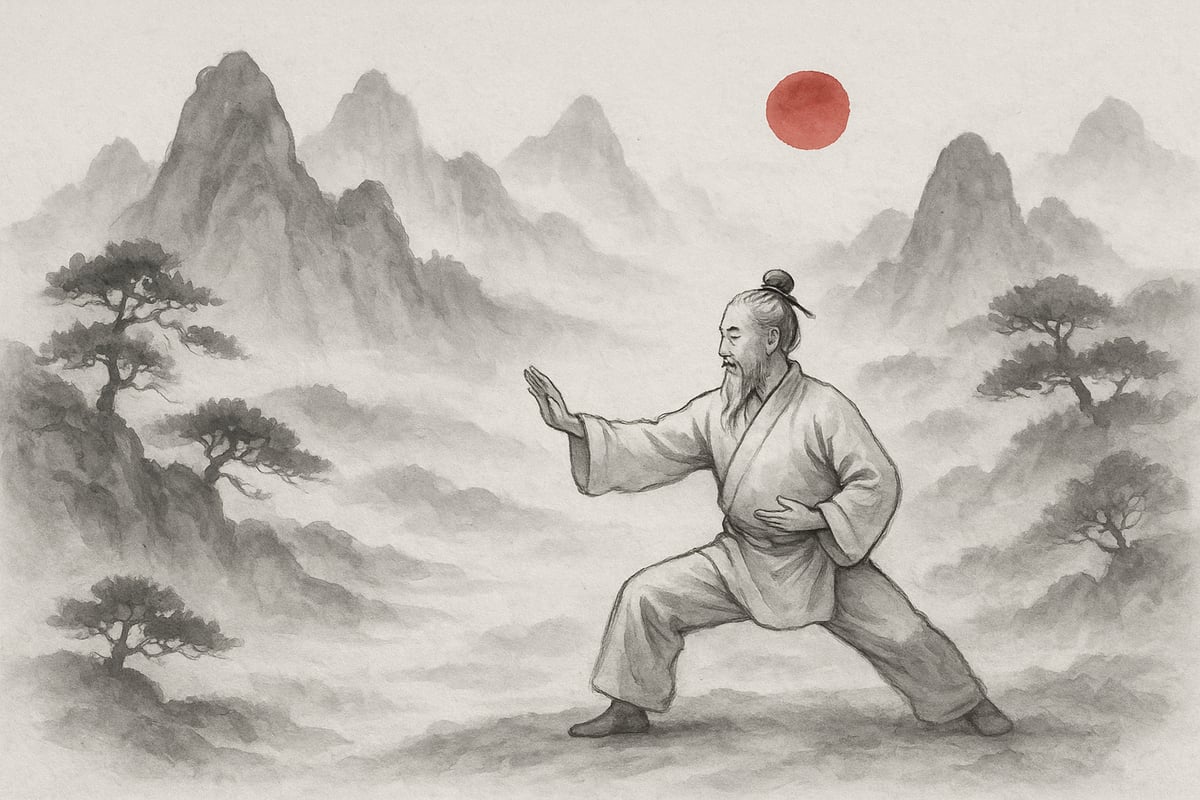
At the heart of Tai Chi lies the philosophy of Yin and Yang. Everything in life moves in cycles - light and dark, movement and stillness, strength and softness. Tai Chi embodies this dance, teaching us to flow smoothly between opposites. This wisdom is woven into every posture and transition, especially in beginner tai chi exercises, where balance and harmony are central themes.
Mind-Body Practice: Movement, Breath, and Focus
Unlike many workouts, Tai Chi is more than just physical. Movements are slow, continuous, and intentional. Each gesture is paired with mindful breathing and focused attention. When you practice beginner tai chi exercises, you train both your body and your mind to move as one, gently cultivating awareness and relaxation.
Tai Chi vs. Other Martial Arts and Fitness Routines
How does Tai Chi differ from other martial arts or fitness classes? While karate or kickboxing often emphasise speed, power, and competition, Tai Chi focuses on inner calm and smooth, flowing movement. In fact, many beginner tai chi exercises are performed at a gentle pace, making them accessible to people of all ages and fitness levels.
| Tai Chi | Other Martial Arts | Typical Fitness Routines |
|---|---|---|
| Slow, flowing movement | Fast, forceful techniques | Repetitive, high-impact |
| Emphasis on balance | Emphasis on strength | Focus on cardio/strength |
| Mindful breath & focus | External competition | Less focus on mindfulness |
Science-Backed Benefits of Tai Chi
Modern research supports the power of Tai Chi for health and well-being. Studies show that regular practice can reduce stress, improve flexibility, and enhance heart health. This ancient art boosts muscle strength, balance, and overall vitality. When you start with beginner tai chi exercises, you set the stage for a healthier, more resilient body and mind.
Why Tai Chi Welcomes Beginners of All Ages
One of the greatest strengths of Tai Chi is its inclusivity. The gentle, low-impact nature of beginner tai chi exercises makes them ideal for people of all ages, including seniors or those new to movement. There's no pressure to keep up - just an invitation to move at your own pace and discover what feels good.
The Modern Revival: Tai Chi in 2026
In 2026, Tai Chi continues to rise in popularity, embraced by communities worldwide. Its ancient wisdom meets modern science, offering a pathway to balance, energy, and well-being. As you explore beginner tai chi exercises, you join a living tradition - one that still inspires and transforms lives today.
Getting Started: Preparing for Your First Tai Chi Session
Starting your journey with beginner tai chi exercises can feel both exciting and a little daunting. The good news? Getting ready is simple, and small steps make a big difference. Let's walk through everything you need to prepare for your first session.
Choose Your Space and Attire
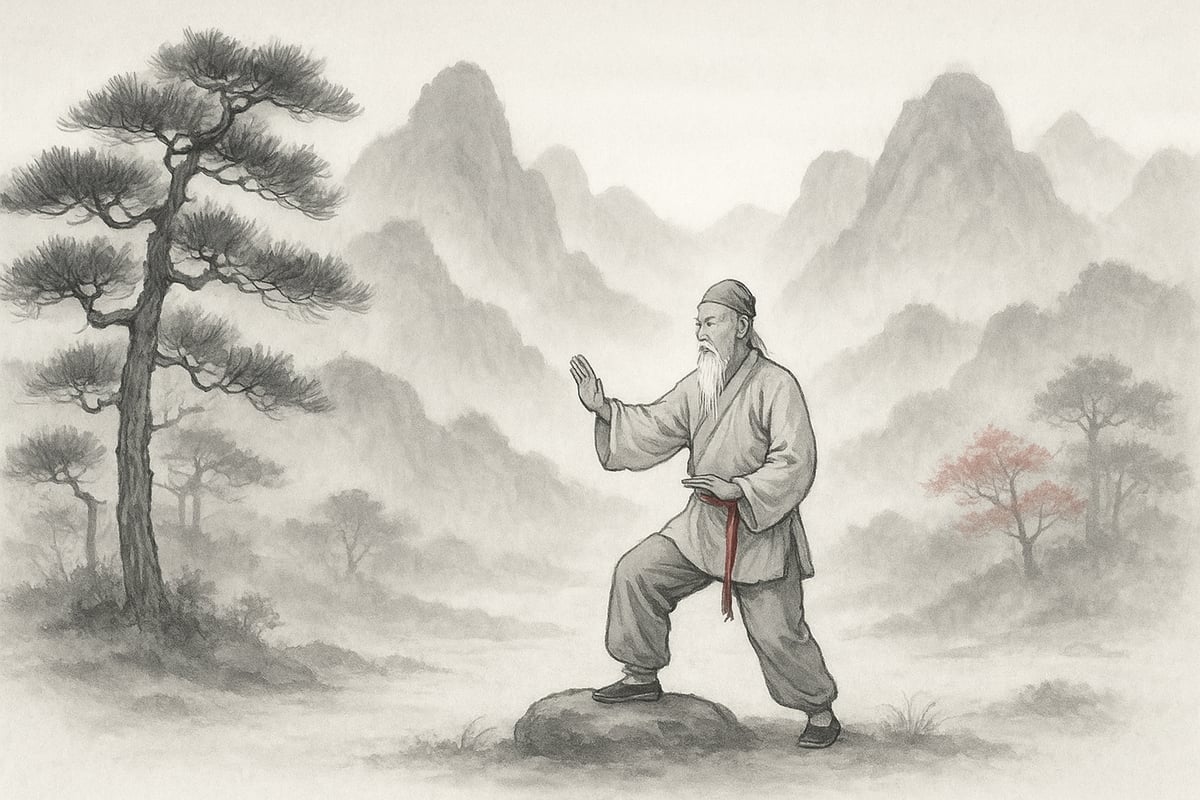
Pick a space that feels peaceful and free of clutter. Whether it's a quiet corner at home, a shady spot in your garden, or a sunlit park, make sure there's enough room to move your arms and step in any direction.
Wear loose, breathable clothing and flat shoes, or go barefoot if that feels comfortable. The right attire supports freedom of movement for all beginner tai chi exercises.
Warm Up with Gentle Movements
Warming up is a vital part of preparing for beginner tai chi exercises. Spend a few minutes on simple stretches, such as rolling your shoulders, circling your wrists and ankles, and lightly turning your waist side to side.
Here are a few effective warm-up moves:
- Neck rolls and shoulder shrugs
- Gentle arm swings
- Slow knee bends and ankle circles
A proper warm-up helps your joints feel supple and reduces the risk of injury.
Focus on Posture and Alignment
Before starting any movement, stand tall with feet shoulder-width apart, knees slightly bent, and arms relaxed by your sides. Imagine a string lifting the crown of your head, aligning your spine and opening your chest.
This foundational posture is essential for all beginner tai chi exercises, supporting balance and energy flow from the ground up.
Practice Deep, Relaxed Breathing
Bring attention to your breath. Inhale slowly through your nose, letting your belly expand, then exhale gently. This diaphragmatic breathing calms the mind and helps you settle into the rhythm of beginner tai chi exercises.
Try this simple breathing pattern:
- Breathe in for a count of four
- Pause briefly
- Breathe out for a count of six
As you move, coordinate each breath with your motion to enhance relaxation and focus.
Stay Safe and Listen to Your Body
Safety comes first. Pay attention to how your body feels during beginner tai chi exercises. If you notice discomfort or fatigue, pause and rest. Avoid pushing yourself to the point of pain.
Tips for a safe practice:
- Move within your comfortable range
- Keep knees soft, not locked
- Rest if you feel dizzy or unsteady
Respect your limits - progress comes with patience and consistency.
Set Realistic Expectations
Progress with beginner tai chi exercises is gradual. You might not master every movement right away, and that's perfectly normal. Celebrate small improvements, like feeling more relaxed or noticing better balance.
Set a gentle goal, such as practising for 10 minutes a few times a week. Consistency matters more than perfection.
Explore Resources and Support
Guidance makes all the difference for beginners. You can learn from local classes, online videos, or structured courses. For practical advice on setting up your home practice, see our tips on practising Tai Chi at home.
Remember, the best way to benefit from beginner tai chi exercises is to approach each session with curiosity and kindness toward yourself.
7 Essential Beginner Tai Chi Exercises to Try in 2026
Tai Chi is both an art and a journey. As you explore the world of beginner tai chi exercises, you'll discover movements that nurture balance, calm, and a deeper connection to your body. These seven foundational forms have stood the test of time, offering a gentle entry point for anyone eager to experience the benefits of Tai Chi.
Each movement below is selected for its accessibility, simplicity, and ability to teach core principles like breath, posture, and mindful flow.
1. Commencing Form
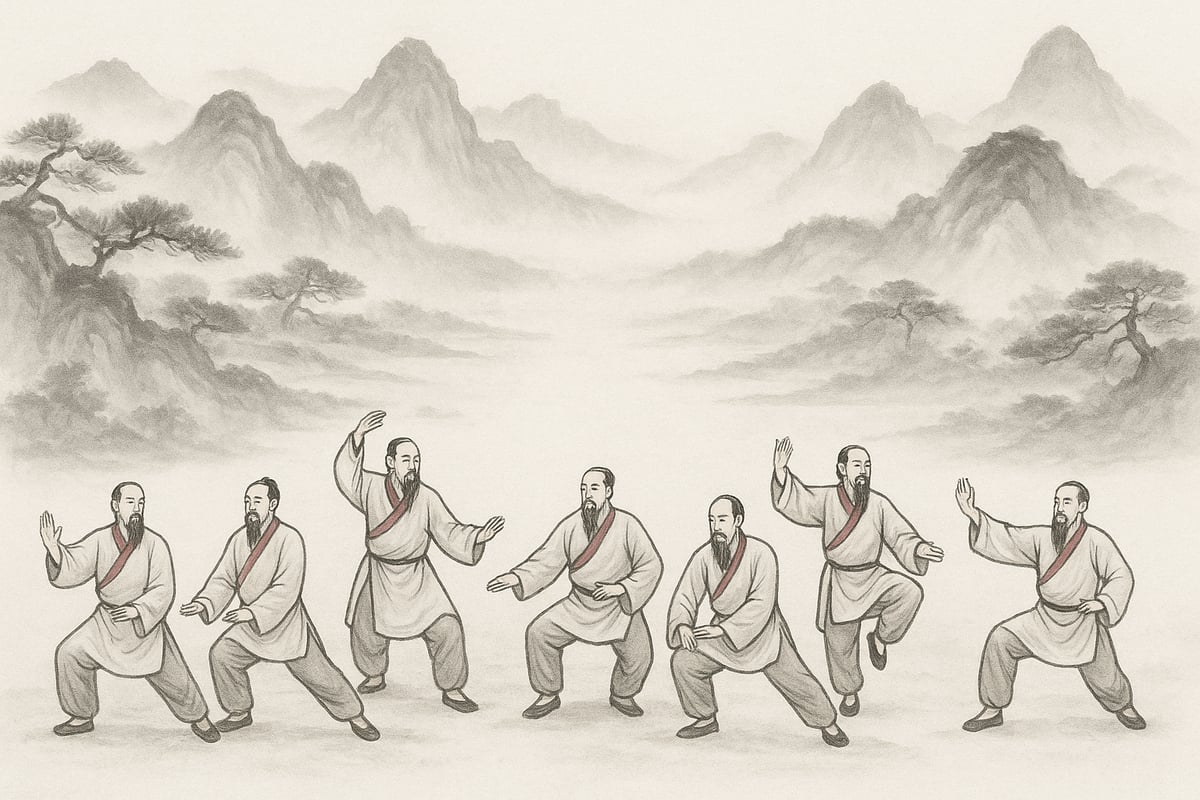
Commencing Form is where every Tai Chi journey begins. This foundational move grounds you, both physically and mentally, setting the tone for all other beginner tai chi exercises.
Start by standing tall, feet shoulder-width apart, arms relaxed at your sides. Inhale deeply as you slowly raise your arms in front of you, palms facing down. Exhale and gently lower your arms, feeling your body relax into the motion. Keep your knees soft and your gaze forward.
Focus on smooth, continuous movement. Imagine your hands gliding through water. This form teaches you to connect breath with motion and to centre your mind.
Common mistakes include rigid arms or holding your breath. Stay loose, breathe naturally, and move with intention. Commencing Form is used in both Yang and Chen styles, making it central to all beginner tai chi exercises.
2. Parting the Wild Horse's Mane
This graceful movement mimics the action of stroking a horse's mane. It introduces weight shifting and coordinated arm sweeps, vital skills for beginner tai chi exercises.
Begin in a relaxed stance. Step to the side with your left foot, simultaneously sweeping your left arm upward and right arm downward. Shift your weight as you turn your torso gently. Alternate sides, moving fluidly.
Synchronise your breath: inhale as you prepare, exhale as you sweep. This exercise builds balance and coordination. It also engages the mind, helping you stay present.
If you feel unsteady, slow down and reduce the range of motion. Over time, you'll notice increased confidence in your steps. Teachers often introduce this move early in beginner tai chi exercises for its versatility and accessibility.
3. White Crane Spreads Its Wings
White Crane Spreads Its Wings is elegant and uplifting. This form enhances upper body mobility and encourages mindful attention, making it a favourite among beginner tai chi exercises.
Stand with feet apart, arms at your sides. Raise your right arm gracefully, palm facing outward, while your left hand lowers. Turn your torso slightly, following the movement with your gaze. Breathe in as you lift, out as you settle.
This form opens the chest and shoulders, improving posture. It also encourages spinal flexibility and gentle rotation. Mindfulness is key: focus on the sensation of movement and the rhythm of your breath.
Common errors include stiff shoulders or over-rotating. Keep your movements soft and controlled. Practising this exercise regularly will support your progress in other beginner tai chi exercises.
4. Brush Knee and Push Step
Brush Knee and Push Step introduces forward stepping and coordinated arm sweeps. It's a dynamic addition to beginner tai chi exercises, developing both strength and stability.
Start with your feet together. Step forward with your left foot, simultaneously sweeping your left hand past your knee and pushing forward with your right palm. Shift your weight smoothly, keeping your spine upright. Alternate sides for balance.
This form strengthens the legs, activates the core, and trains coordination. It's also a key transitional move, linking various parts of a Tai Chi sequence.
Watch for common mistakes like leaning too far forward or losing balance. Focus on keeping your knees aligned and your movements controlled. This exercise is an anchor in many beginner tai chi exercises, helping you build a strong foundation.
5. Wave Hands Like Clouds
Wave Hands Like Clouds offers a meditative, flowing experience. It's one of the most beloved beginner tai chi exercises, ideal for all ages and abilities.
Stand with feet apart, arms relaxed. Shift your weight to the right as you circle your arms smoothly to the left. Step to the left and repeat, gliding side to side. Imagine moving through gentle clouds.
This exercise promotes lateral movement, improves rhythm, and enhances concentration. It's especially beneficial for those seeking more flexibility in the spine and hips.
If you have limited mobility, reduce the step size and focus on arm movements. Many instructors use Wave Hands Like Clouds in warm-ups for beginner tai chi exercises due to its calming nature and adaptability.
6. Golden Rooster Stands on One Leg
Balance is central to Tai Chi, and Golden Rooster Stands on One Leg is a perfect showcase. This form challenges your stability, focus, and breath, making it essential in beginner tai chi exercises.
Begin standing tall. Lift your right knee and balance on your left leg while raising your right arm. Hold for a few breaths, then switch sides. Keep your gaze steady and engage your core.
This exercise strengthens the lower body and enhances proprioception. It also trains the mind to stay calm and attentive. For safety, stand near a wall if needed.
Research shows this form helps prevent falls, especially for seniors. Practise regularly, and you'll see improvement in all your beginner tai chi exercises.
7. Repulse Monkey
Repulse Monkey combines backward stepping with coordinated arm movements. It's a unique challenge among beginner tai chi exercises, building agility and spatial awareness.
Start with feet together. Step backward with your right foot as your left arm sweeps forward and right arm moves back. Alternate sides, moving with fluidity and balance. Focus on smooth transitions and gentle breathing.
This form enhances memory and sequencing skills, making it both a physical and mental workout. It also teaches you to move safely in daily life, reducing the risk of tripping or falling.
Common mistakes include rushing or losing form. Slow down, stay aware of your space, and enjoy the mindful rhythm. Repulse Monkey rounds out the seven beginner tai chi exercises, offering a comprehensive introduction to Tai Chi practice.
Breathing and Mindfulness in Tai Chi Practice
Cultivating breath and mindfulness is at the heart of beginner tai chi exercises. Every movement in Tai Chi flows from conscious breathing, grounding you in the present and connecting your body and mind. This section explores how to breathe with intention, use mindfulness to deepen your practice, and overcome common challenges.
Deep, Diaphragmatic Breathing
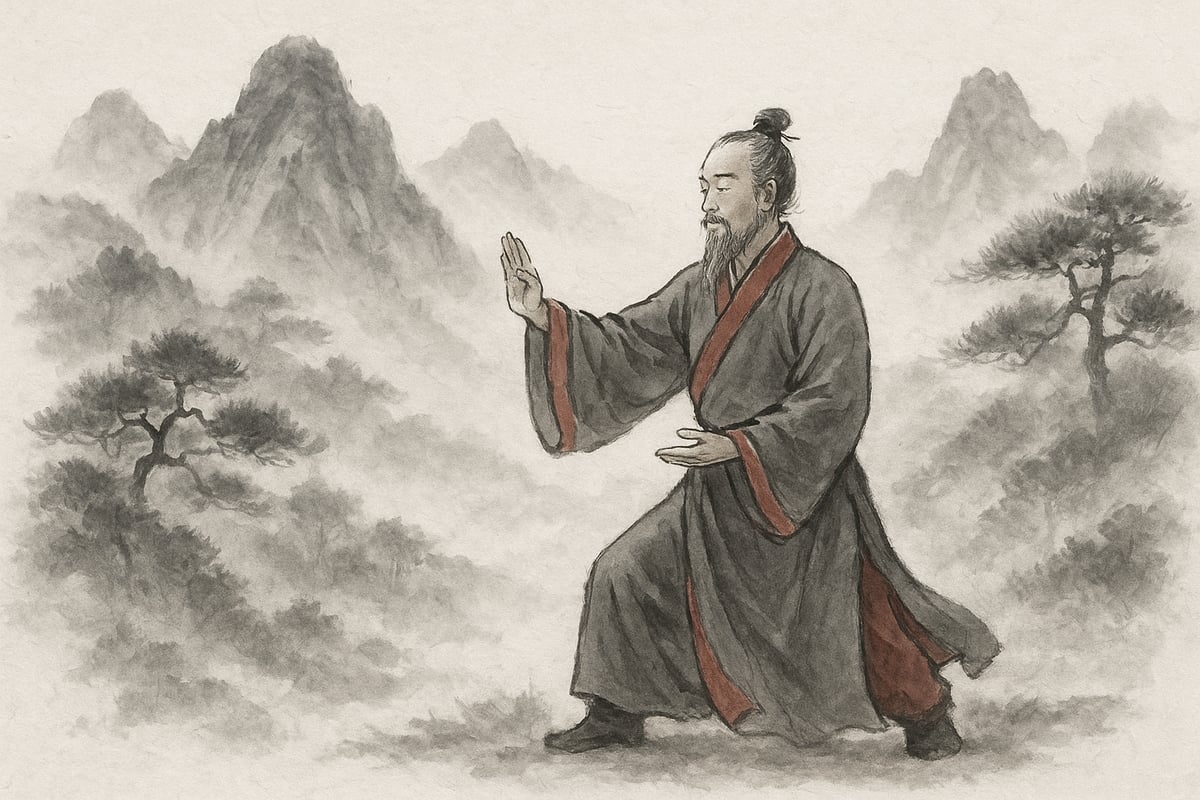
In beginner tai chi exercises, deep breathing is essential. Instead of shallow chest breaths, Tai Chi encourages diaphragmatic breathing - drawing air deeply into your belly. This calms the nervous system and supplies energy for movement.
To practice:
- Stand with relaxed posture and place one hand on your abdomen.
- Inhale slowly through your nose, feeling your belly expand.
- Exhale gently, letting your belly fall.
- Repeat for several breaths, focusing on the sensation.
This simple breathing anchors attention and reduces anxiety, making it easier to focus on each movement.
Mindfulness: Staying Present in Movement
Mindfulness means paying attention to what is happening right now, without judgment. During beginner tai chi exercises, bring your awareness to the feeling of your feet on the floor, the flow of your arms, and the rhythm of your breath.
Try this:
- Notice the subtle shift of weight with each step.
- Tune in to the gentle stretch as your arms move.
- If your mind wanders, gently return your focus to the present.
Research shows that mindfulness in Tai Chi can enhance cognitive clarity and emotional well-being. To explore the meditation side of this practice further, the Taoist Meditation course in the Academy goes deep into these principles with guidance from Master Gu.
Synchronising Breath with Movement
A key feature of beginner tai chi exercises is matching your breath to your motions. Inhale as you open, exhale as you close or settle. This synchronisation, called "breath-movement harmony," is believed to cultivate Qi, or life energy.
For example:
- Inhale while slowly raising your arms.
- Exhale as you gently lower them.
- Maintain this pattern throughout your routine.
This practice builds awareness and helps you move with steady, flowing energy.
Practical Tips and Common Challenges
Making breathing and mindfulness a habit takes patience. Here's how to make progress:
- Set aside a few minutes before each session for mindful breathing.
- Use gentle reminders to return to your breath when distracted.
- Keep your practice light and relaxed - no need to force anything.
- If you notice shallow breathing, pause and reset with a few deep breaths.
Many people struggle with wandering thoughts or tension at first. With steady practice, integrating mindful breath into beginner tai chi exercises becomes second nature, bringing calm, clarity, and energy to daily life.
Tips for Progressing Safely and Effectively
Embarking on your journey with beginner tai chi exercises is both exciting and rewarding. The key is to approach your practice with patience, curiosity, and realistic expectations. Set small, attainable goals, like mastering a single movement or practising for ten minutes daily. Celebrate each milestone, no matter how minor, and remember that progress in Tai Chi is about consistency, not speed.
Mindset and Safe Progression
With beginner tai chi exercises, gradual advancement is essential. Rather than rushing into complex forms, focus on refining your foundation. Listen closely to your body, noting signs of fatigue or discomfort. If you feel pain or strain, pause and adjust your posture or reduce intensity. Regular warm-ups and mindful breathing help prevent injury and keep your movements smooth.
Feedback is invaluable. Seek guidance from experienced practitioners or instructors who can spot subtle misalignments and offer tailored advice. If you're ready for structured, expert-led guidance, the Tai Chi course within the Taoist Wellness Online Academy provides step-by-step instruction from Master Gu, covering everything from foundational movements through to more advanced forms.
Tracking Progress and Building Community
Tracking your journey with beginner tai chi exercises can boost motivation and reveal patterns in your development. Keep a simple journal or use an app to log practice sessions, note challenges, and set new intentions. Over time, you'll notice improvements in balance, flexibility, and confidence.
Connecting with others can transform your practice. Join a local group or participate in an online community where you can share experiences, ask questions, and celebrate progress together. Community support makes it easier to stay committed, especially when motivation dips. You're welcome to explore the Taoist Wellness community and connect with students from around the world who are walking the same path.
As you advance, revisit the fundamentals to ensure your movements remain rooted and mindful. Embrace each step, knowing that every practice brings you closer to harmony, resilience, and well-being.
Now that you've explored these seven essential beginner tai chi exercises, you're already taking steps toward greater balance, energy, and calm in your daily life. If you'd like to experience authentic Wudang Tai Chi with expert guidance and a warm, global community behind you, our free 4-week Taoist Wellness course is the perfect place to begin - no cost, no commitment, just your first mindful steps with Master Gu.