Tai Chi for Elderly: A Gentle Path to Strength & Balance
Aug 25, 2026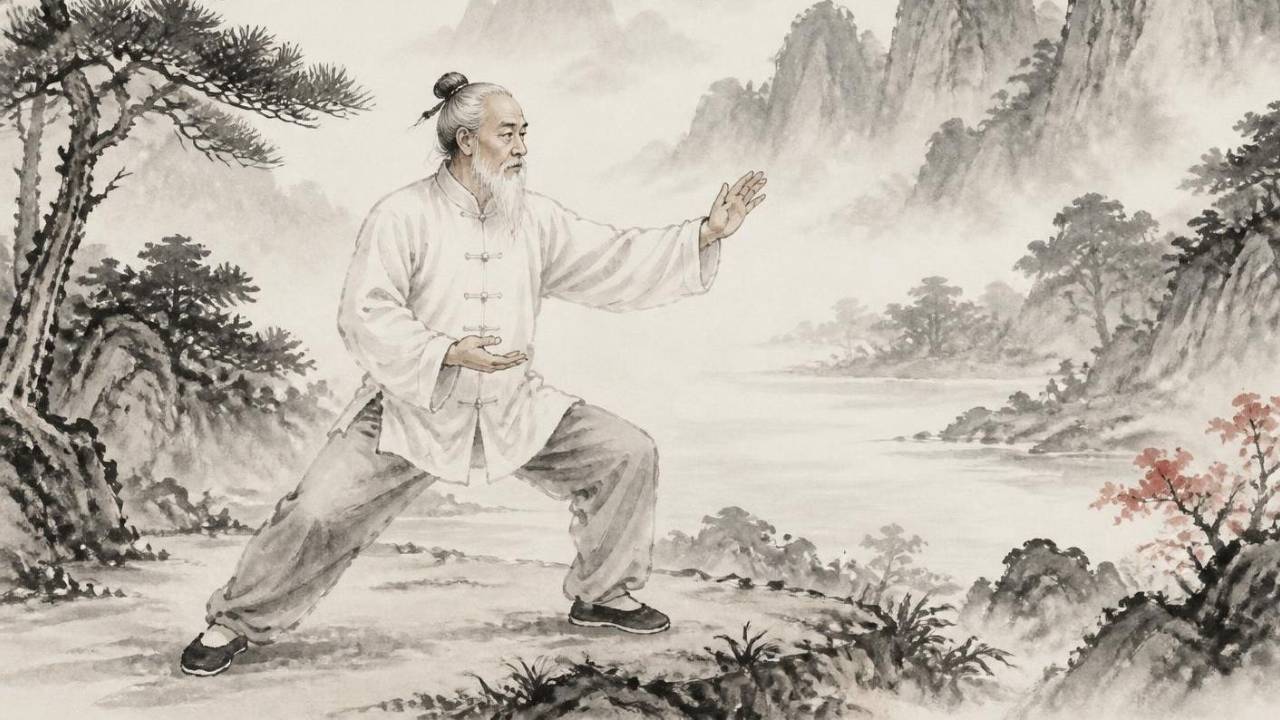
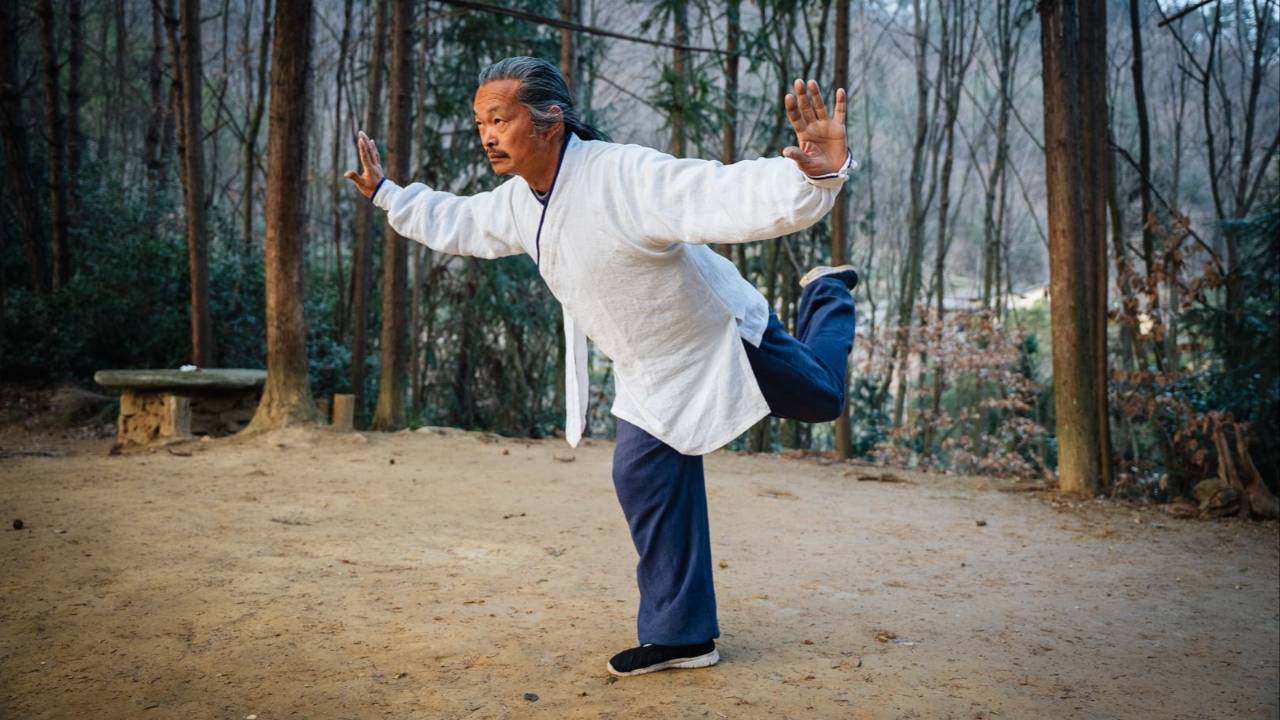
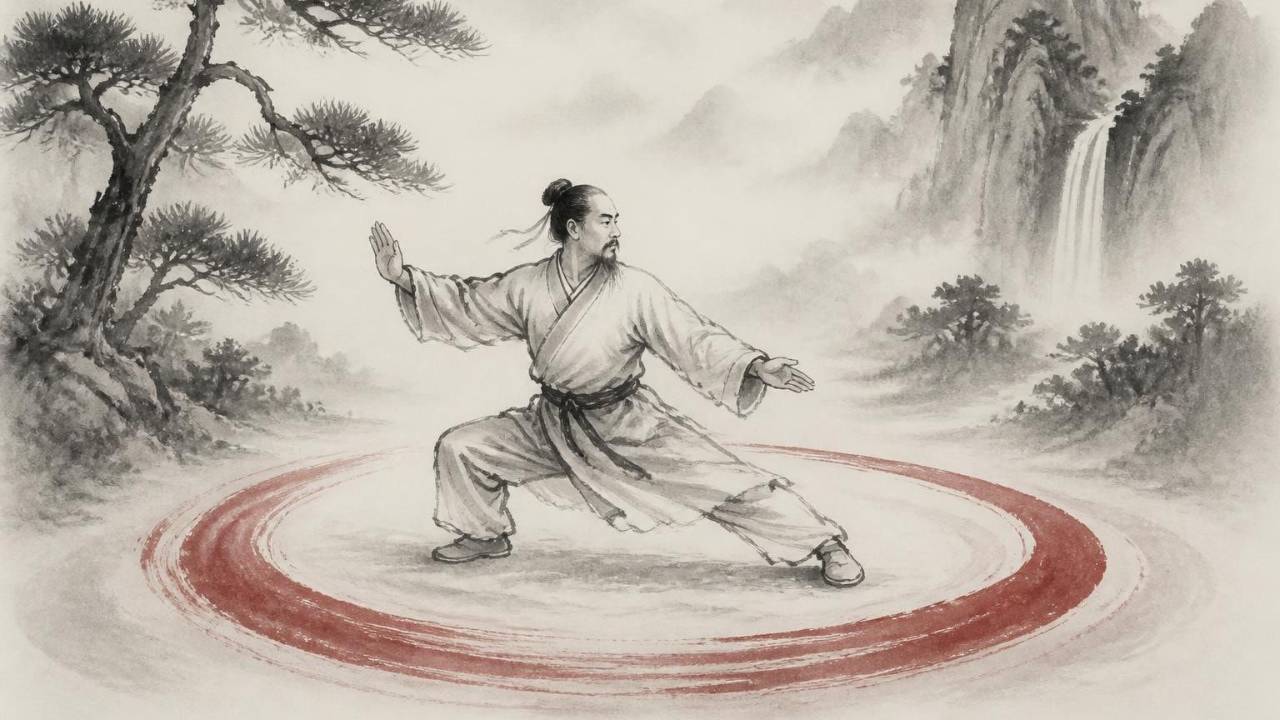
The years beyond sixty aren't about slowing down, they're about moving with intention. As we age, our bodies ask for different things: gentler movement, deeper breath, practices that honour where we are. Tai chi for elderly practitioners offers exactly this combination, blending smooth, flowing movements with mindful awareness to build strength, balance, and peace from the inside out. What began centuries ago in Taoist temples has become one of the most researched and recommended practices for healthy ageing, supported by modern science and embraced by people seeking to stay active, independent, and grounded well into their later years.
Why Tai Chi Resonates With Older Adults
Tai chi meets you where you are. There's no jumping, no strain, no equipment required, just your body, your breath, and your willingness to move slowly.
For many seniors, high-impact exercise becomes impossible or risky. Knees complain, balance wavers, and the thought of a gym feels overwhelming. Tai chi sidesteps all of this. The gentle, circular movements flow naturally, never forcing joints into uncomfortable positions. Weight shifts happen gradually, giving your nervous system time to adjust and your muscles time to respond.
The Science Behind the Gentleness
Research continues to validate what practitioners have known for generations. Studies on balance improvement and fall prevention show that tai chi significantly enhances motor function in older adults, reducing the risk of falls, a leading cause of injury after age 65.
But the benefits extend beyond balance:
- Cardiovascular health: Research demonstrates improvements in VO₂ max and resting heart rate
- Mental clarity: Regular practice supports cognitive function and memory
- Joint health: Fluid movements lubricate joints without wear and tear
- Social connection: Group classes create community and reduce isolation
The practice works because it engages multiple systems simultaneously. Your mind focuses on the form, your body coordinates complex movements, and your breath synchronises with each gesture. This integration creates resilience across physical, mental, and emotional dimensions.
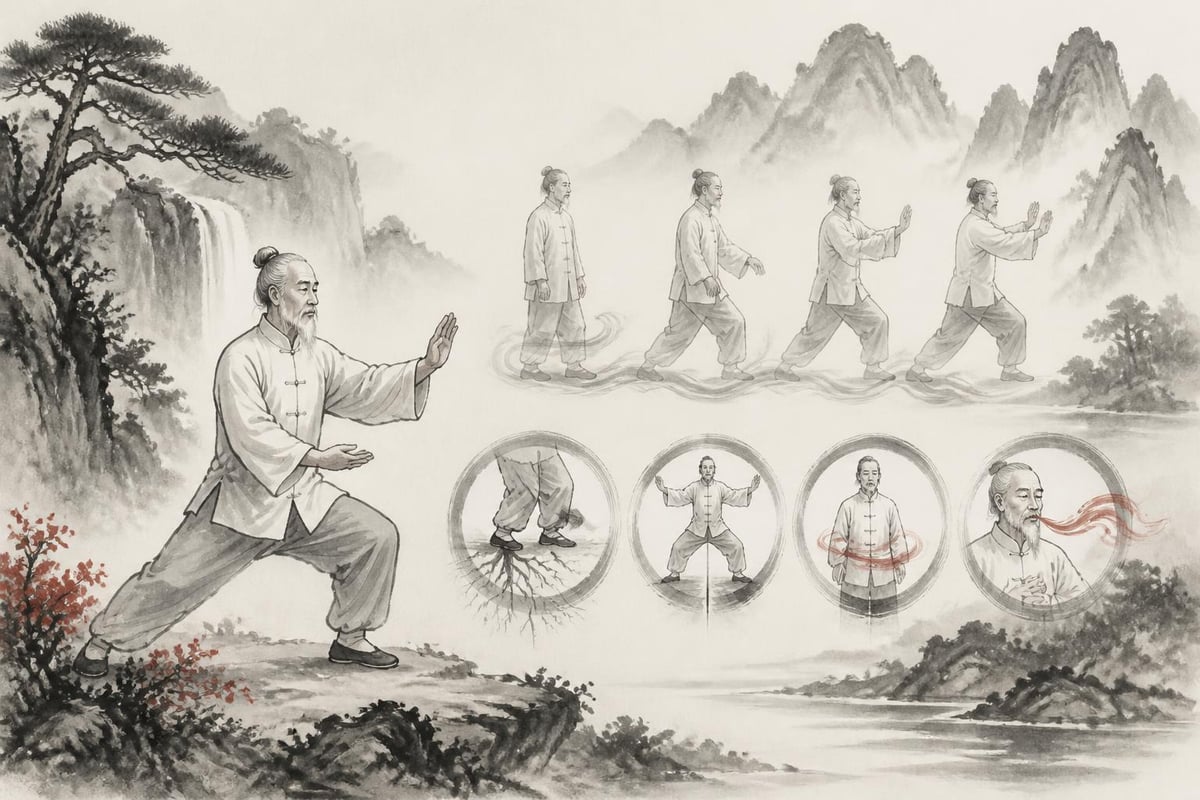
Getting Started: What You Need to Know
Starting tai chi for elderly individuals doesn't require special preparation. You don't need flexibility, strength, or previous experience. You just need curiosity and comfortable clothes.
Finding the Right Approach
Traditional tai chi comes in several family styles, Chen, Yang, Wu, and others. Yang style tends to work best for beginners and older adults because of its even pace and moderate stance widths. The movements flow smoothly from one to the next, creating a meditation in motion.
Some practitioners begin with shorter forms:
- 8-form or 10-form: Simple sequences perfect for daily practice
- 24-form (Beijing form): A standardised sequence widely taught
- Traditional long forms: 88 or 108 movements for advanced students
Starting simple allows you to build competence and confidence. You can always expand your practice later.
What a Typical Session Looks Like
Most tai chi classes follow a natural progression that prepares your body and settles your mind:
| Phase | Duration | Purpose |
|---|---|---|
| Warm-up | 5-10 min | Gentle stretching, joint rotations, breathing |
| Qigong exercises | 10-15 min | Energy cultivation, foundational movements |
| Tai chi form practice | 20-30 min | Learning and refining sequences |
| Cool-down | 5-10 min | Standing meditation, reflection |
This structure ensures you never push too hard while gradually building capacity. The warm-up matters especially as we age, cold muscles and stiff joints need time to awaken.
Key Movements and Their Benefits
Each tai chi movement carries specific benefits. Understanding what you're doing helps you practise with purpose and attention.
Foundational Stances
The basic stances in tai chi for elderly practice teach your body to find stability and ease simultaneously:
- Wu chi stance: Standing naturally, weight evenly distributed, breathing deeply
- Bow stance: One leg forward with bent knee, back leg straight but not locked
- Empty stance: Weight primarily on back leg, front foot lightly touching
- Horse stance: Feet parallel and wide, knees bent, torso upright
These positions might feel unfamiliar at first. That's good, your body is learning new patterns of strength and balance. The discomfort isn't pain; it's growth.
Core Movements That Build Strength
Specific tai chi movements address common ageing concerns:
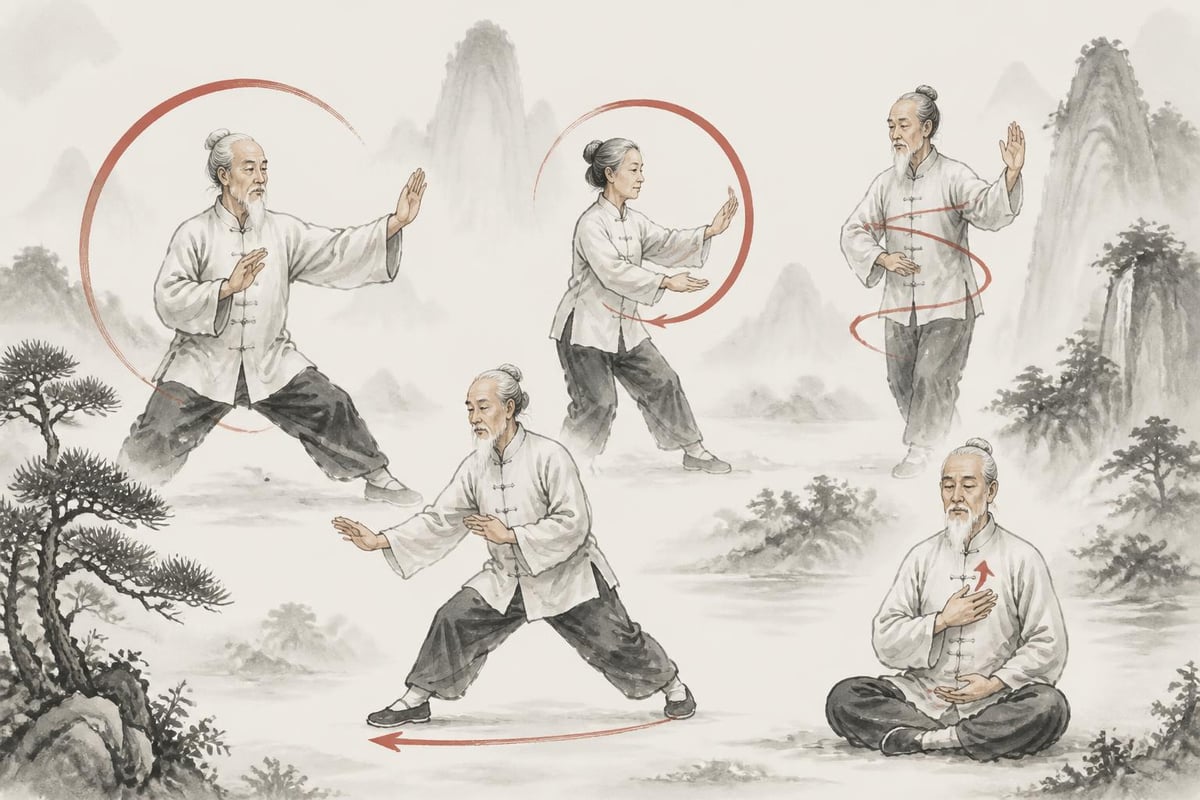
Parting the Wild Horse's Mane strengthens legs while teaching smooth weight transfer. As you shift from foot to foot, your stabiliser muscles engage, building the exact strength you need to prevent falls.
Cloud Hands improves spinal flexibility and coordination. The twisting motion gently massages internal organs while teaching your arms and legs to move independently, a neurological benefit that supports daily activities.
Grasp the Sparrow's Tail combines four distinct energies in one flowing sequence, training your body to transition smoothly between different types of movement. This sequence alone can become a complete practice.
Physical Benefits: More Than Just Balance
While balance improvement gets significant attention, the physical benefits of tai chi for elderly practitioners extend into nearly every system of the body.
Strength Without Weights
The slow, controlled movements build functional strength, the kind you use when standing from a chair, carrying groceries, or gardening. Holding positions develops muscular endurance, while the continuous motion prevents the stiffness that comes from static holds.
Your legs get particularly strong. Research suggests that tai chi may be one of the best ways to maintain fitness after 60, preserving muscle mass that typically declines with age.
Flexibility and Range of Motion
Joints need movement to stay healthy. Tai chi provides this through its emphasis on circles and spirals rather than straight lines. Your shoulders, hips, spine, and ankles all move through their full range repeatedly, maintaining mobility and reducing stiffness.
The practice also teaches you to move from your centre. Rather than reaching with your arms alone, you learn to turn your waist, letting your whole body participate. This integration prevents the isolated joint strain that leads to injury.
Cardiovascular Conditioning
Don't let the slow pace fool you. A full tai chi session elevates your heart rate into the moderate exercise zone, providing cardiovascular benefits without the joint impact of jogging or aerobics. Your breathing deepens, your circulation improves, and your heart strengthens, all while moving at a pace that feels sustainable.
Mental and Emotional Wellness
The practice affects your mind as much as your body. This integration makes tai chi particularly valuable for healthy ageing.
Cultivating Present-Moment Awareness
Learning tai chi for elderly students requires concentration. You're coordinating arms, legs, weight shifts, breathing, and spatial awareness simultaneously. This complexity keeps your mind engaged and present.
That presence spills into daily life. You notice more, react less, and move through your day with greater awareness. The mental clarity that develops on the practice floor follows you to the dinner table, the garden, and your conversations.
Reducing Stress and Anxiety
The slow, rhythmic movements activate your parasympathetic nervous system, your body's rest-and-digest mode. Cortisol levels drop, blood pressure moderates, and the constant hum of anxiety quiets.
Research shows that both tai chi and qigong positively impact mental wellbeing in older adults, supporting mood regulation and emotional resilience.
Building Confidence
As you master new movements, your confidence grows. This isn't just about tai chi, it's about trusting your body again. Many seniors develop fear around movement, worried about falling or getting hurt. Tai chi rebuilds that trust gradually, safely, teaching you that your body remains capable and responsive.
Practical Considerations for Starting
Beginning any new practice raises questions. Here's what you need to know to start safely and sustainably.
Safety First
Tai chi ranks among the safest forms of exercise, but awareness matters:
- Start with shorter sessions (15-20 minutes) and build gradually
- Practise on non-slip surfaces with good lighting
- Keep a wall or chair nearby for balance support initially
- Listen to your body, discomfort is a teacher, pain is a warning
- Stay hydrated and avoid practising immediately after meals
If you have specific health conditions, osteoporosis, joint replacements, cardiac issues, consult your doctor before beginning. Most will enthusiastically support your decision, but they may offer modifications specific to your situation.
Online vs. In-Person Learning
Both approaches have merit. In-person classes provide immediate feedback and social connection. Online learning, like our Tai Chi course, gives you flexibility to practise on your schedule while learning from authentic masters.
| Aspect | In-Person | Online |
|---|---|---|
| Schedule flexibility | Fixed class times | Practice anytime |
| Personal feedback | Immediate | Through video review |
| Community | Local group | Global community |
| Cost | Varies widely | Often more affordable |
| Authentic instruction | Depends on teacher | Access to masters |
Many students find success combining both: online instruction for core learning and occasional in-person workshops for community and hands-on corrections.
What to Wear and Where to Practice
Simplicity works best. Wear loose, comfortable clothing that doesn't restrict movement, elastic-waist trousers and a breathable shirt are perfect. Flat, flexible shoes with thin soles let you feel the ground, though many practise barefoot or in soft-soled shoes.
Practise anywhere you have space to extend your arms in all directions. Your living room, a quiet corner of a park, or your garden all work beautifully. Natural settings enhance the practice, connecting you with the rhythms that inspired tai chi's creation.
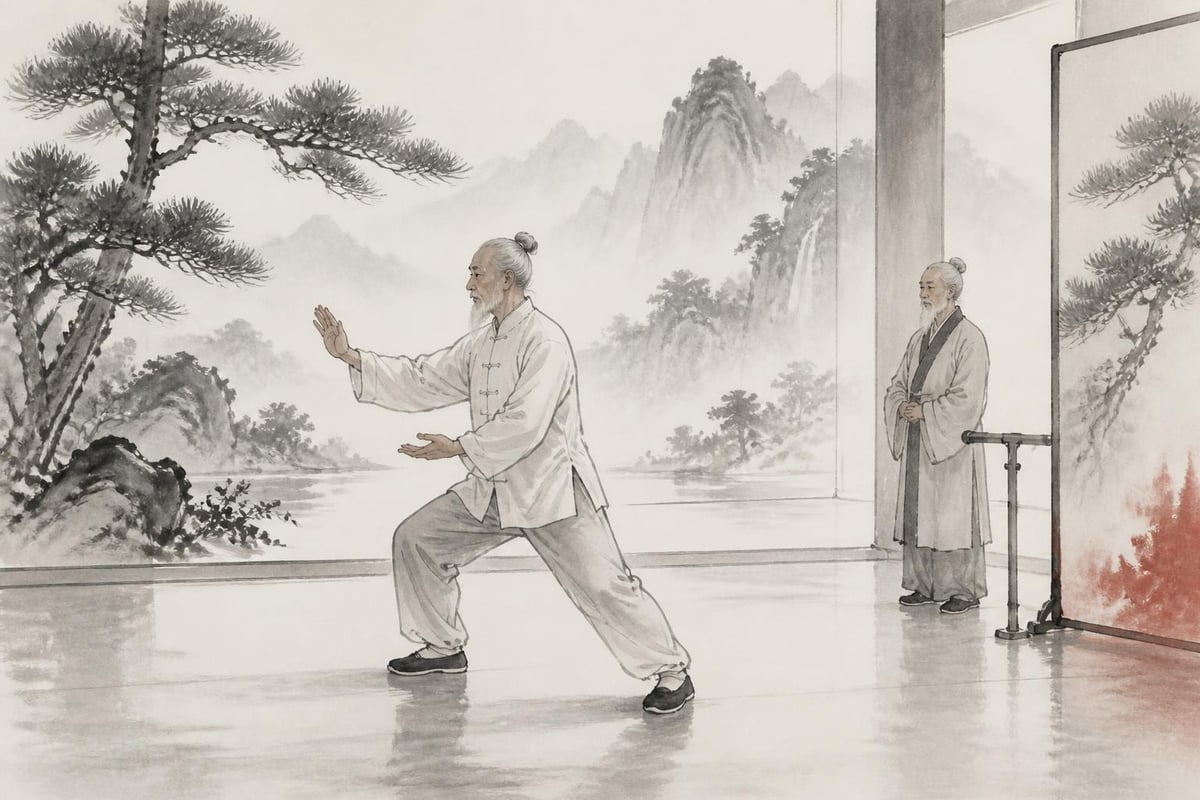
Building a Sustainable Practice
Starting is easier than continuing. These strategies help tai chi for elderly practitioners become a lasting part of life.
Establishing a Routine
Consistency matters more than duration. Twenty minutes daily outperforms two hours weekly. Your nervous system learns through repetition, and your body adapts to regular stimulus.
Many practitioners find success with morning practice:
- Wake at your natural time
- Drink water and move gently to wake your body
- Practise for 15-30 minutes
- Continue with your regular day
Morning practice sets a calm, centred tone that carries through your activities. But evening sessions work too, helping you release the day's tension before sleep. George's evening qi gong video below with Master Gu offers a gentle way to wind down before bed.
Tracking Your Progress
Progress in tai chi isn't always obvious. You're not lifting heavier weights or running faster miles. The changes are subtler: better balance, clearer thinking, deeper calm.
Keep a simple journal noting:
- How you felt before and after practice
- Movements that challenged you
- Moments of insight or ease
- Changes in daily activities (easier stair climbing, better sleep)
These notes reveal patterns and progress that might otherwise go unnoticed.
Connecting With Community
Learning alongside others enriches your practice. Our community connects practitioners worldwide, offering support, encouragement, and shared wisdom. This connection matters especially for seniors who might experience isolation.
Regular interaction with fellow students keeps you motivated and accountable. You celebrate each other's progress, troubleshoot challenges together, and remind one another why you started.
Deepening Your Understanding
As your practice matures, you might feel drawn to explore the deeper dimensions of tai chi for elderly practitioners and beyond.
The Taoist Roots
Tai chi emerged from Taoist philosophy and cultivation practices. Understanding these roots doesn't require becoming a scholar, it simply means recognising that the movements express principles about nature, balance, and the flow of energy through all things.
Concepts like yin and yang, the five elements, and wu wei (effortless action) appear in the forms. As you practise, you're not just exercising, you're embodying ancient wisdom about how to move through life with grace and power.
Those interested in this dimension might explore our Taoist Philosophy course, which complements physical practice with contemplative study.
Integrating Qigong
Qigong ("energy work") shares roots with tai chi but emphasises standing meditation and simpler, more repetitive movements. Many practitioners alternate between the two, using qigong for cultivation and tai chi for expression.
Our Qi Gong course often complements tai chi beautifully, offering additional tools for health and vitality. The practices reinforce each other, both teaching you to sense and guide energy through your body. Our article on Tai Chi at Home for Beginners: Safe and Simple Exercises is a good starting point if you'd rather begin without leaving your living room.
Learning From Authentic Masters
Not all tai chi instruction connects to authentic lineages. Master Gu, who guides Taoist Wellness Online courses, brings over 25 years of training from Wudang Mountain, where these arts have been preserved and refined for generations.
This authenticity matters. You're not learning a fitness trend, you're receiving transmission of genuine practices that have maintained their effectiveness precisely because they've been passed carefully from teacher to student.
Common Questions and Concerns
New students often share similar questions. Here are honest answers.
"Am I Too Old to Start?"
No. Students begin tai chi for elderly practice in their seventies, eighties, and beyond. The movements adapt to your current capacity. What matters is willingness, not age.
"I'm Not Flexible or Coordinated"
Perfect. Tai chi will help you develop both. You're not trying to match someone else's form, you're exploring your own body's capabilities and gradually expanding them.
"How Long Before I See Results?"
Most people notice something within weeks: better sleep, reduced stiffness, improved mood. Significant improvements in balance typically appear after 8-12 weeks of regular practice. But benefits accumulate over months and years, deepening continuously.
"Can I Practice With Health Conditions?"
Usually, yes. Tai chi adapts to arthritis, diabetes, heart conditions, and most chronic illnesses. Always consult your healthcare provider first, but research on tai chi for healthy ageing shows it's safe and beneficial for most seniors, including those managing health challenges.
Making Tai Chi Part of Your Life
The ultimate goal isn't perfect forms or advanced techniques. It's weaving this practice into the fabric of your daily existence so it supports everything you do.
You might practise formally for 20 minutes, then notice tai chi principles appearing spontaneously: moving smoothly when reaching for something, breathing deeply when stress arises, staying rooted when life pushes you.
This integration represents the practice working. You're not just doing tai chi, you're becoming it, allowing its wisdom to reshape how you inhabit your body and move through the world.
Some practitioners eventually travel to study at source, exploring our retreats in China where they can immerse themselves in the culture and environment that birthed these arts. But this isn't necessary. The practice works wherever you are, meeting you in your living room or local park.
Resources for Continued Learning
Beyond regular practice, various resources support your journey:
- Our reading list deepens theoretical understanding
- Our free Taoist course lets you sample Tai Chi, Qi Gong, Meditation, and Taoist Wisdom
These resources complement your physical training, building a complete picture of what tai chi offers and how it fits into a well-lived life.
The beauty of tai chi for elderly practitioners lies in its paradox: It asks for very little while offering tremendous rewards. You don't need strength to begin, yet you'll become stronger. You don't need balance to start, yet your balance will improve. You don't need peace to practise, yet peace will find you.
All that's required is showing up, breathing, and moving with gentle intention. The practice handles the rest, working its quiet transformation beneath the surface of your awareness until one day you realise you're standing taller, thinking clearer, and moving through life with a grace you'd forgotten was possible.
Tai chi for elderly practitioners offers a proven path to strength, balance, and vitality that honours where you are while inviting you forward. The gentle movements, supported by both ancient wisdom and modern research, can transform your later years into a time of continued growth and capability. If you're ready to begin this journey with authentic guidance, Taoist Wellness Online provides comprehensive courses taught by Master Gu, a 15th-generation San Feng Pai Wudang Taoist Master with over 25 years of expertise, along with a global community of practitioners and the resources you need to build a sustainable, enriching practice that serves you for years to come.