Tai Chi Qigong Versus Other Practices: Key Differences 2026
Jun 26, 2026
The world of mind-body practices is booming in 2026, leaving many people wondering which discipline truly fits their needs. Tai Chi, Qi Gong, Yoga, and Pilates can all support wellbeing, but they are not the same practice, and they do not all work in the same way.
This article explores the key differences between Tai Chi, Qi Gong, Tai Chi Qigong-style practice, Yoga, and Pilates, looking at their origins, philosophies, movement styles, health benefits, accessibility, and modern relevance.
If you're curious about which practice can help you feel calmer, stronger, more balanced, and more connected to your body, this guide will help you understand the differences and choose a path that fits your life.
Understanding Tai Chi and Qi Gong: Origins and Core Principles
Tai Chi and Qigong are closely related practices, and many modern students naturally experience them together. Tai Chi is often known for its flowing forms and martial roots, while Qi Gong is usually simpler, more repetitive, and focused on cultivating energy, breath, and internal awareness.
When people refer to Tai Chi Qigong, they are often describing a combined approach that brings together the grounding, flowing qualities of Tai Chi with the breath-led energy cultivation of Qi Gong. This can be a beautiful entry point for beginners because it offers movement, mindfulness, and internal balance without needing to memorise long forms straight away.
The Roots of Tai Chi and Qi Gong
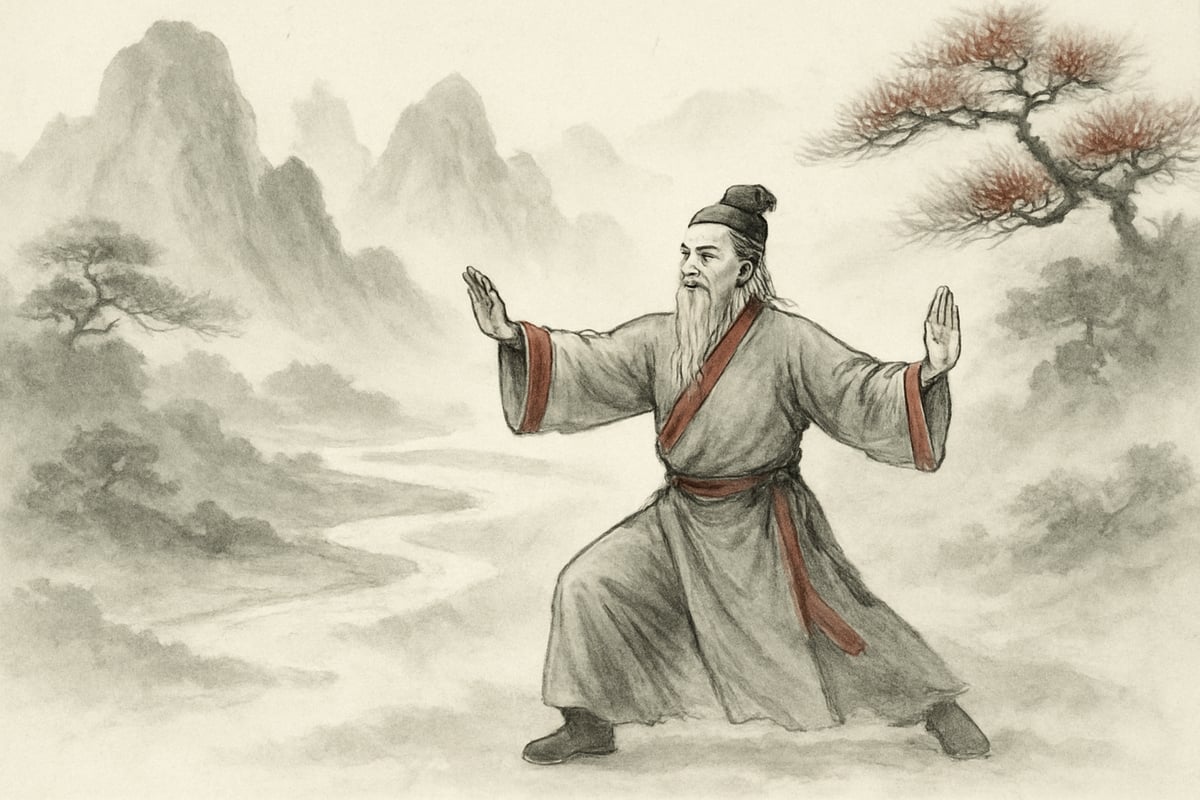
Tai Chi developed in China as an internal martial art, combining self-cultivation, health, balance, and martial principles. Qi Gong has even older roots and is traditionally connected with health preservation, breath training, meditation, and energy cultivation.
The development of these practices has been shaped by several key influences:
- Traditional Chinese Medicine and its understanding of health, energy, and longevity
- Taoist philosophy, especially the principles of balance, naturalness, and harmony
- Martial arts, which contributed structure, rooting, and discipline
- Health preservation practices designed to support vitality over a lifetime
Over time, Tai Chi and Qi Gong have moved from family lineages, temples, martial schools, and traditional communities into modern wellness spaces around the world. Today, people practise them for many reasons: stress relief, balance, mobility, spiritual connection, energy, and a calmer relationship with daily life.
Core Principles and Practice Elements
At the heart of Tai Chi and Qi Gong is the union of movement, breath, intention, and awareness. Both practices encourage you to slow down, listen inwardly, and cultivate a more harmonious relationship with your body and energy.
Some of the core principles include:
- Qi cultivation: Breath, posture, and movement support the flow of vital energy.
- Yin-Yang balance: Softness and strength, movement and stillness, effort and ease are brought into relationship.
- Natural rhythm: Practice follows the body's capacity rather than forcing performance.
- Mindful awareness: Each movement becomes an opportunity to return to presence.
- Relaxed strength: The body develops stability without unnecessary tension.
A typical Tai Chi or Qi Gong-inspired session might include:
- Gentle warm-ups
- Slow flowing movement
- Coordinated breathing
- Standing meditation or quiet awareness
- A short closing practice to settle the body and mind
This accessible structure welcomes people of many ages and backgrounds, making these practices a gentle path into greater health and wellbeing.
Tai Chi Qigong vs. Standalone Tai Chi and Qi Gong
Tai Chi Qigong-style practice can serve as a bridge between the martial precision of Tai Chi and the healing focus of Qi Gong. Traditional Tai Chi often includes longer choreographed forms, subtle weight shifts, martial applications, and deep internal principles. Qi Gong is usually simpler and may include standing, seated, or flowing exercises designed to cultivate energy and calm the mind.
In a combined approach, the student receives the benefits of both: the fluidity and grounding of Tai Chi, alongside the breath, repetition, and energy awareness of Qi Gong. If you are completely new to energy-based movement, our free 4-week Taoist Wellness introductory course is a gentle place to begin, with simple Tai Chi, Qi Gong, and Taoist wellness practices from Master Gu to help you release tension, move with confidence, reclaim focus, and build a calmer daily routine.
For anyone seeking a practice that balances simplicity, mindfulness, and gentle movement, Tai Chi and Qi Gong together offer a welcoming entry point and a lifetime of depth.
Comparing Movement and Technique: Tai Chi Qigong vs. Other Practices
Exploring movement and technique is essential when choosing a mind-body practice. Each discipline offers a different pathway to wellbeing, shaped by its philosophy, structure, and focus. Understanding these differences can help you choose a practice that genuinely supports your body and lifestyle.
Movement Styles and Choreography
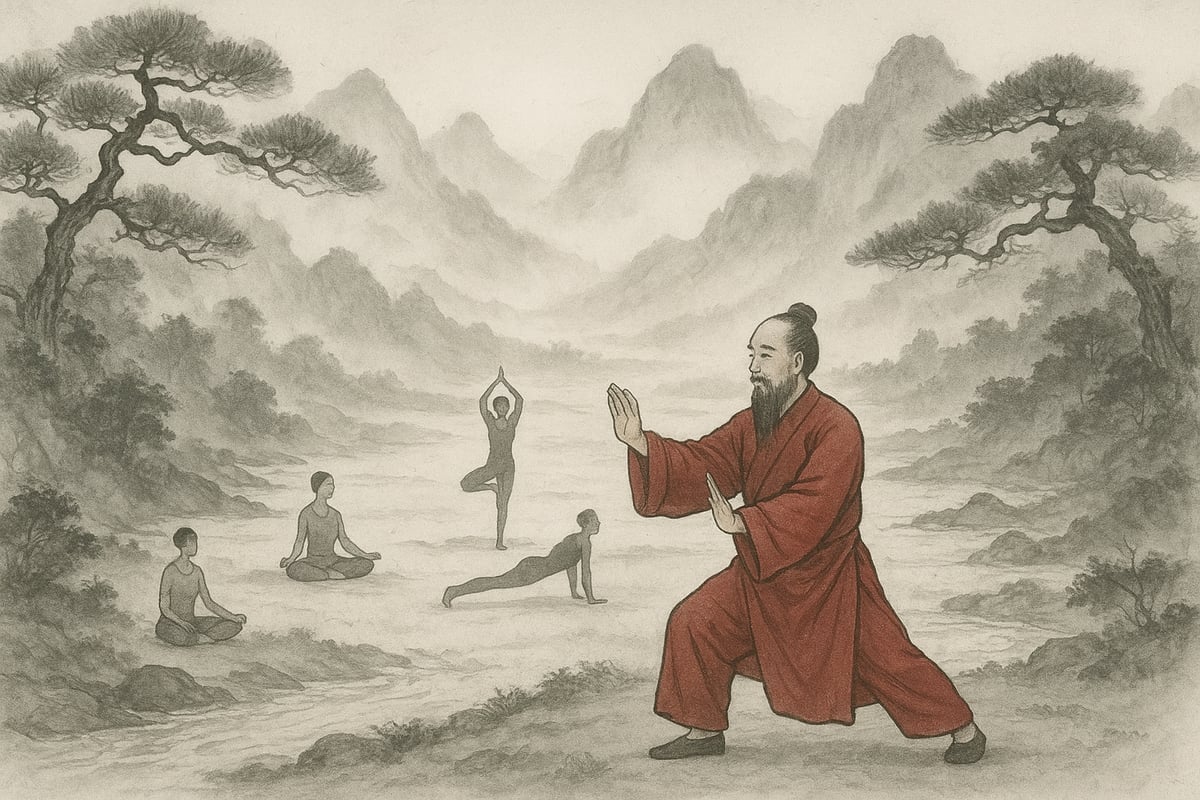
Tai Chi and Qi Gong both use gentle, flowing movements, but they are structured differently. Qi Gong is often repetitive and easy to follow, making it especially approachable for beginners. Tai Chi usually involves longer sequences that require more memory, coordination, and gradual refinement.
Here Master Gu explains the differences between these ancient practices:
Yoga, rooted in Indian philosophy, centres around postures, flows, breathwork, and stillness. Some styles are gentle and restorative, while others are physically demanding. Pilates is characterised by precise, controlled motions that emphasise core strength, posture, and alignment, often practised on a mat or specialised equipment.
If you are trying to understand how Chinese movement practices compare with Yoga specifically, this Tai Chi vs Yoga comparison explores the differences in more detail.
Breathwork and Energy Cultivation
Breath is central to both Tai Chi and Qi Gong. In Qi Gong, breath is often one of the primary tools for cultivating energy, calming the nervous system, and guiding awareness through the body. In Tai Chi, breath supports the movement, helping the body remain soft, rooted, and connected.
Yoga incorporates pranayama, a wide range of breathing techniques designed to calm, energise, or focus the system. Pilates uses breath to support core engagement, stability, and controlled movement.
The main distinction is that Tai Chi and Qi Gong place special emphasis on Qi, or vital energy. Rather than treating breath as only a physical function, these practices use breath as a bridge between the body, mind, and internal energy.
Mindfulness, Meditation, and Intent
In Tai Chi and Qi Gong, mindful awareness is woven into every movement. The aim is not to perform quickly or forcefully, but to move with attention, softness, and intention. This makes the practice meditative, even when the body is moving.
Tai Chi can include martial applications, especially in traditional training, but many students experience it as a moving meditation. Qi Gong often places even stronger emphasis on inner awareness, visualisation, breath, and subtle sensation.
Yoga also blends movement, breath, and meditation for holistic integration. Pilates develops mental clarity through concentration and body awareness, although it is usually less spiritually or energetically focused than Tai Chi, Qi Gong, or Yoga.
Complexity and Learning Curve
Tai Chi and Qi Gong can both be beginner-friendly, but they ask different things from the student. Qi Gong is often easier to begin because routines are shorter, simpler, and more repetitive. Tai Chi can take longer to learn because of its flowing sequences and subtle coordination.
Yoga offers a wide spectrum of difficulty, from gentle restorative classes to advanced postures requiring strength and flexibility. Pilates is accessible for beginners but benefits from proper instruction, especially when working with equipment or injury considerations.
Comparison Table: Movement, Breath, and Complexity
| Practice | Movement Style | Breathwork Focus | Complexity & Accessibility |
|---|---|---|---|
| Tai Chi Qigong-style practice | Gentle, flowing, repetitive | Deep, synchronised, energy-focused | Very accessible |
| Tai Chi | Flowing, choreographed forms | Coordinated with movement | Moderate complexity |
| Qi Gong | Simple, static or dynamic exercises | Primary tool for energy cultivation | Highly accessible |
| Yoga | Postures, flows, static holds | Pranayama and breath awareness | Varies widely by style |
| Pilates | Precise, controlled movement | Core support and stability | Beginner to advanced |
This table highlights why many people are drawn to Tai Chi and Qi Gong when they want a practice that is gentle, sustainable, and deeply calming without requiring high levels of flexibility or fitness to begin.
Health Benefits: What Sets Tai Chi and Qi Gong Apart?
Choosing a mind-body practice often comes down to the real-life benefits you hope to experience. Tai Chi and Qi Gong stand out because they support the whole person: body, breath, energy, mind, and emotional balance.
Physical Health Outcomes
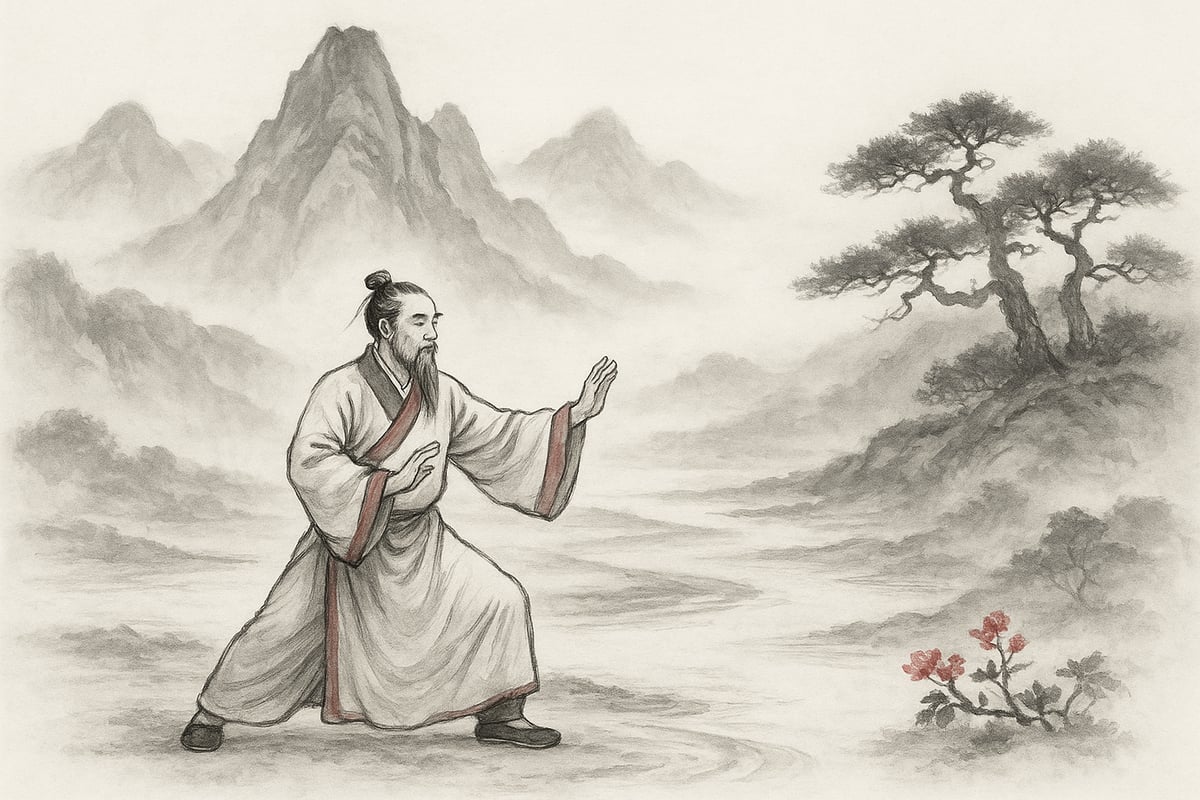
Tai Chi and Qi Gong offer a gentle yet powerful way to support whole-body health. Regular practice can help improve balance, flexibility, coordination, posture, and muscular endurance. This makes these practices especially valuable for older adults, beginners, and those seeking movement that does not feel punishing.
The slow, low-impact nature of the practice supports joint mobility and body awareness without placing excessive strain on the body. Many people also find that regular practice helps them feel more comfortable in everyday movement, from walking and standing to bending, turning, and breathing more freely.
Mental and Emotional Wellbeing
The mental and emotional benefits are one of the reasons Tai Chi and Qi Gong have become so widely appreciated. The combination of slow movement, breath, and focused awareness helps quiet mental noise and encourages the body to move out of stress mode.
Practitioners often report feeling calmer, more patient, and more present after practice. Over time, this can support emotional resilience, better stress management, and a steadier relationship with life's demands.
Energy, Vitality, and Longevity
One of the most distinctive aspects of Qi Gong and Tai Chi is their focus on Qi, or vital energy. Rather than only building strength or flexibility, these practices aim to cultivate energy, regulate the body, and support vitality from within.
This is why many people experience the practice as both calming and energising. It does not leave you depleted in the way intense exercise sometimes can. Instead, it often creates a sense of quiet aliveness, as though your energy has become smoother, steadier, and more available.
Accessibility and Safety
Tai Chi and Qi Gong are highly accessible because they can be adapted to many bodies and life stages. Movements can be done standing, seated, slowly, in small spaces, or with support nearby. There is no need for special equipment, competition, or performance.
This makes the practices especially useful for people who want to move more but feel intimidated by gyms, high-intensity exercise, or flexibility-focused classes. The emphasis is not on pushing harder. It is on listening more carefully.
Comparative Benefits Across Practices
| Practice | Balance & Stability | Stress Reduction | Energy Awareness | Accessibility |
|---|---|---|---|---|
| Tai Chi Qigong-style practice | Excellent | Excellent | Excellent | Very High |
| Tai Chi | Excellent | Very Good | Very Good | Moderate to High |
| Qi Gong | Very Good | Excellent | Excellent | Very High |
| Yoga | Good | Good | Varies by style | High |
| Pilates | Moderate | Moderate | Low to Moderate | High |
Each practice has value. The best choice depends on what you need most: strength, flexibility, stillness, breath, energy, spiritual depth, or a practice that combines several of these elements in one gentle routine.
Philosophy and Spiritual Dimensions: East Meets West
The philosophy behind a practice shapes how it feels, what it emphasises, and how it supports your inner life. Tai Chi and Qi Gong are not only movement systems. They are rooted in a worldview that sees the body, mind, energy, and nature as deeply connected.
Philosophical Foundations
At the heart of Tai Chi and Qi Gong is Taoist philosophy, with its emphasis on balance, flow, softness, naturalness, and harmony with the world around us. These practices reflect principles such as Yin and Yang, Wu Wei, and the movement of energy through the body.
Tai Chi also carries martial philosophy, applying internal calm to external challenge. Qi Gong draws from Taoist, Buddhist, Confucian, medical, and martial traditions depending on the form and lineage. Yoga, by contrast, springs from Indian philosophical traditions and often aims toward union of body, mind, and spirit. Pilates is grounded in a more Western approach to control, alignment, strength, and body awareness.
| Practice | Core Philosophy | Main Inner Aim |
|---|---|---|
| Tai Chi and Qi Gong | Taoism, energy cultivation, natural balance | Harmony, vitality, internal awareness |
| Tai Chi | Taoism and martial principles | Balance, resilience, softness with strength |
| Qi Gong | Taoist, medical, meditative, and martial roots | Energy, health, longevity, calm |
| Yoga | Indian philosophy | Union, awakening, self-realisation |
| Pilates | Western movement science | Control, alignment, body awareness |
These differences give each practice its own flavour and purpose. Tai Chi and Qi Gong remain especially powerful for those who want movement that feels both embodied and meditative.
Spiritual and Personal Growth Aspects
Tai Chi and Qi Gong can become a journey inward. Many practitioners begin for stress relief, balance, or gentle exercise, then discover a deeper sense of presence, patience, and connection to the Tao.
Breath, intention, and movement become gateways to stillness. Rather than separating spiritual growth from daily life, these practices help you explore it through the body: how you stand, how you breathe, how you meet tension, and how you return to centre.
Integration with Modern Lifestyles
In today's fast-paced world, Tai Chi and Qi Gong adapt gracefully to both secular and spiritual needs. Some people practise purely for stress relief, balance, and mobility. Others are drawn to the deeper philosophical and energetic dimensions.
You can practise in a park, a living room, a quiet corner of your home, or through online guidance. This flexibility makes Tai Chi and Qi Gong a bridge between ancient tradition and modern wellness, serving people of many ages, backgrounds, and belief systems.
Cultural Appreciation and Authenticity
With global interest rising, preserving authenticity matters. Learning from genuine teachers helps maintain the depth and meaning of these traditions. Respecting cultural roots prevents the practices from becoming watered down or reduced to generic exercise.
Authenticity does not mean making the practice inaccessible. It means learning in a way that honours where these arts come from, while still making them practical and supportive for modern life.
Case Example
Consider someone who begins Tai Chi or Qi Gong simply because they feel stressed and tired. At first, the practice offers relief: a calmer breath, looser shoulders, a quieter mind. Over time, something deeper begins to shift. They feel more grounded, more resilient, and more connected to the rhythms of their own life.
This is the quiet power of these practices. They start where you are, then gradually invite you into a different relationship with yourself.
Accessibility, Learning, and Community: Choosing the Right Practice
Embarking on a mind-body journey can feel overwhelming, especially when so many practices promise transformation. The good news is that Tai Chi, Qi Gong, Yoga, and Pilates are more accessible than ever. The key is choosing a practice that meets your needs without adding unnecessary pressure.
Ease of Learning and Practice
For many people, the first question is: how hard is it to learn? Qi Gong stands out for its simple, flowing routines that are easy to follow, even for complete beginners. Tai Chi can take longer to learn because of its forms, but it offers great depth for those who enjoy gradual progression.
Yoga offers many beginner-friendly classes, though some styles require more flexibility or strength. Pilates is approachable but usually benefits from careful instruction, especially if you are working with injuries or equipment.
If you want to begin gently from home, the Qi Gong course at Taoist Wellness Online offers structured guidance for cultivating energy, breath, and balance through accessible practice.
Community and Support Structures
Connection is at the heart of sustainable practice. Tai Chi and Qi Gong can be practised alone, but community support often helps people stay consistent and inspired.
Online academies now bring global practitioners together, making it easier to find guidance, encouragement, and a sense of shared purpose. Yoga and Pilates also thrive in community settings, both online and in person.
The right community does not need to be noisy or overwhelming. Sometimes it simply means knowing there are others walking the path with you.
Learning Tai Chi and Qi Gong with Taoist Wellness Online
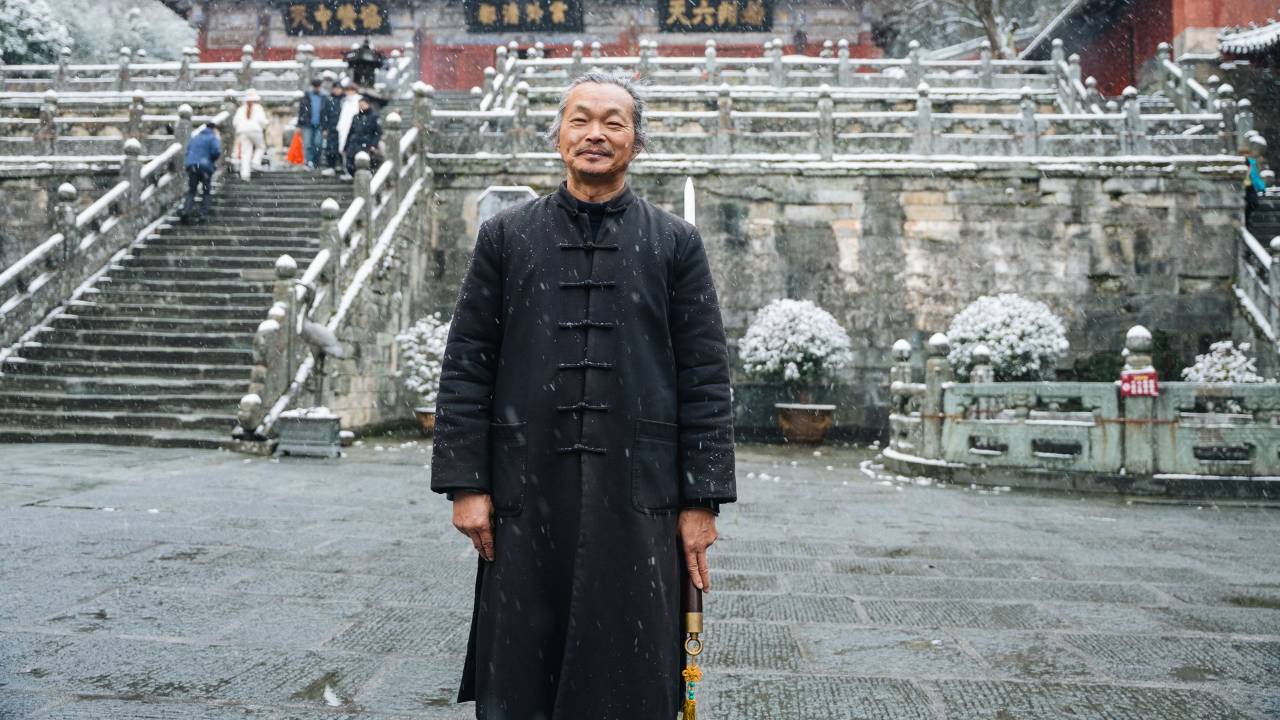
Taoist Wellness Online is a trusted resource for learning Tai Chi, Qi Gong, meditation, and Taoist wisdom from anywhere in the world. Led by Master Gu, a 15th-generation Wudang master, the Academy offers step-by-step instruction for all levels.
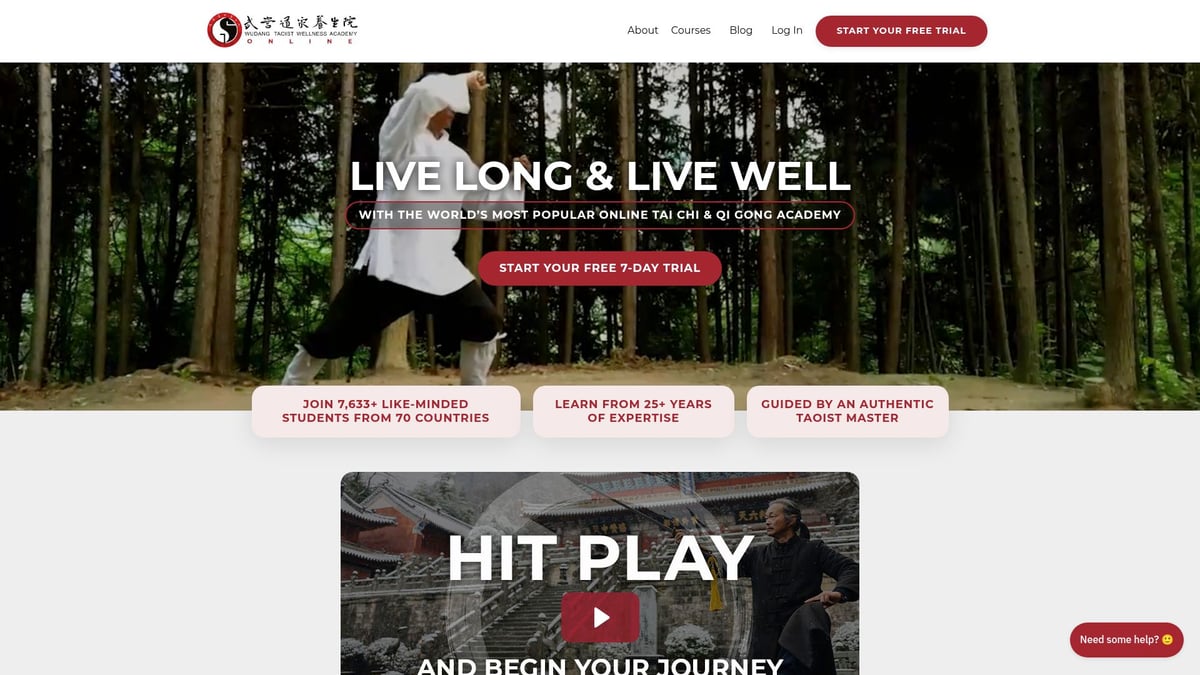
Students can explore flexible online lessons, live sessions, new content, and a welcoming international community. The Academy brings together movement, meditation, and Taoist philosophy, making these practices accessible for beginners while still offering depth for continuing students.
For those who want a no-pressure starting point, our free introductory course offers a simple way to experience the teaching style before exploring the wider Academy.
Cost, Time Commitment, and Flexibility
Cost, time, and flexibility are key considerations when choosing a practice. Tai Chi and Qi Gong are highly adaptable, with short daily sessions and minimal equipment needed. Yoga and Pilates also offer a wide range of online and in-person options, though costs can vary depending on teacher, studio, and equipment.
| Practice | Cost | Time per Session | Flexibility |
|---|---|---|---|
| Tai Chi Qigong-style practice | Low to moderate | 10-30 minutes | Very High |
| Tai Chi | Moderate | 20-60 minutes | Moderate to High |
| Qi Gong | Low to moderate | 5-30 minutes | Very High |
| Yoga | Low to high | 20-90 minutes | High |
| Pilates | Moderate to high | 20-60 minutes | High |
Who Should Choose Which Practice?
Choosing the right path depends on your goals. If stress relief, gentle movement, energy cultivation, and spiritual growth are priorities, Tai Chi and Qi Gong are wonderful choices. Tai Chi suits those who enjoy flowing forms and gradual refinement. Qi Gong is ideal for those wanting simple, energy-focused routines that can be practised in short sessions.
Yoga may appeal if you are drawn to flexibility, posture, breathwork, and spiritual integration from the Indian tradition. Pilates is a strong option if your main goals are core strength, posture, and controlled movement.
You do not have to choose one practice forever. Many people explore several before discovering what genuinely supports their body, energy, and life stage.
Modern Trends and the Future of Tai Chi Qigong and Related Practices
The world of Tai Chi and Qi Gong is transforming quickly, responding to a growing desire for gentle, sustainable, mind-body practices. Since 2020, more people have looked for ways to manage stress, build resilience, and reconnect with their bodies without relying only on high-intensity exercise.
Global Popularity and Growth
Tai Chi and Qi Gong have continued to grow in popularity as people seek accessible ways to support wellbeing. These practices now appear in wellness centres, online academies, community spaces, retreats, and personal daily routines.
Their appeal is simple: they offer a way to move, breathe, calm the mind, and build energy without needing to compete, perform, or push beyond your limits.
Technology and Online Learning
Technology has made Tai Chi and Qi Gong accessible to people everywhere, regardless of location or schedule. Online academies and streaming lessons allow beginners and advanced practitioners alike to learn at their own pace.
For many students, online learning removes the pressure of keeping up with a class. You can pause, repeat, revisit foundations, and build confidence privately before joining live sessions or community practice.
Scientific Interest and Modern Validation
Ongoing research continues to explore the benefits of Tai Chi and Qi Gong for stress, balance, pain, mood, and healthy ageing. While these practices come from ancient traditions, modern interest has helped more people recognise their value as gentle, low-impact approaches to whole-person wellbeing.
This growing awareness supports the integration of Tai Chi and Qi Gong into mainstream wellness settings, while also reminding students to seek teachers who respect the depth and origins of the practices.
Hybrid and Fusion Practices
A modern trend is the blending of Tai Chi, Qi Gong, Yoga, mindfulness, breathwork, and mobility training. These hybrid practices can be helpful, especially when taught clearly and respectfully.
At the same time, it is worth remembering that each tradition has its own roots, language, and purpose. Blending can be useful, but depth comes from understanding what makes each practice unique.
Challenges and Opportunities
As Tai Chi and Qi Gong continue to expand, preserving authenticity is both a challenge and an opportunity. There is a greater need for qualified teachers, accurate information, and respect for cultural roots.
The opportunity is equally powerful. More people than ever can now access practices that support balance, energy, calm, and inner steadiness. When taught with care, these ancient arts can meet modern life beautifully.
What to Expect in 2026 and Beyond
Looking ahead, Tai Chi and Qi Gong are likely to play an even bigger role in holistic health and everyday wellness. Expect continued growth in digital learning, more research, and wider acceptance across cultures.
With their gentle movements and adaptable philosophy, Tai Chi and Qi Gong will remain trusted practices for those seeking balance, energy, and wellbeing in an ever-changing world.
Understanding the differences between Tai Chi, Qi Gong, Yoga, Pilates, and blended Tai Chi Qigong-style practice can help you choose a path that truly supports your body and life. If you feel drawn to gentle movement, breath, energy cultivation, and Taoist wisdom, step into the Taoist Wellness Online Academy and explore these practices with Master Gu and our teaching team. You can begin with a free 7-day trial and discover how Tai Chi and Qi Gong can bring more calm, vitality, and balance into your daily routine.