What Is Qigong: Ancient Practice for Modern Well-Being
Oct 09, 2026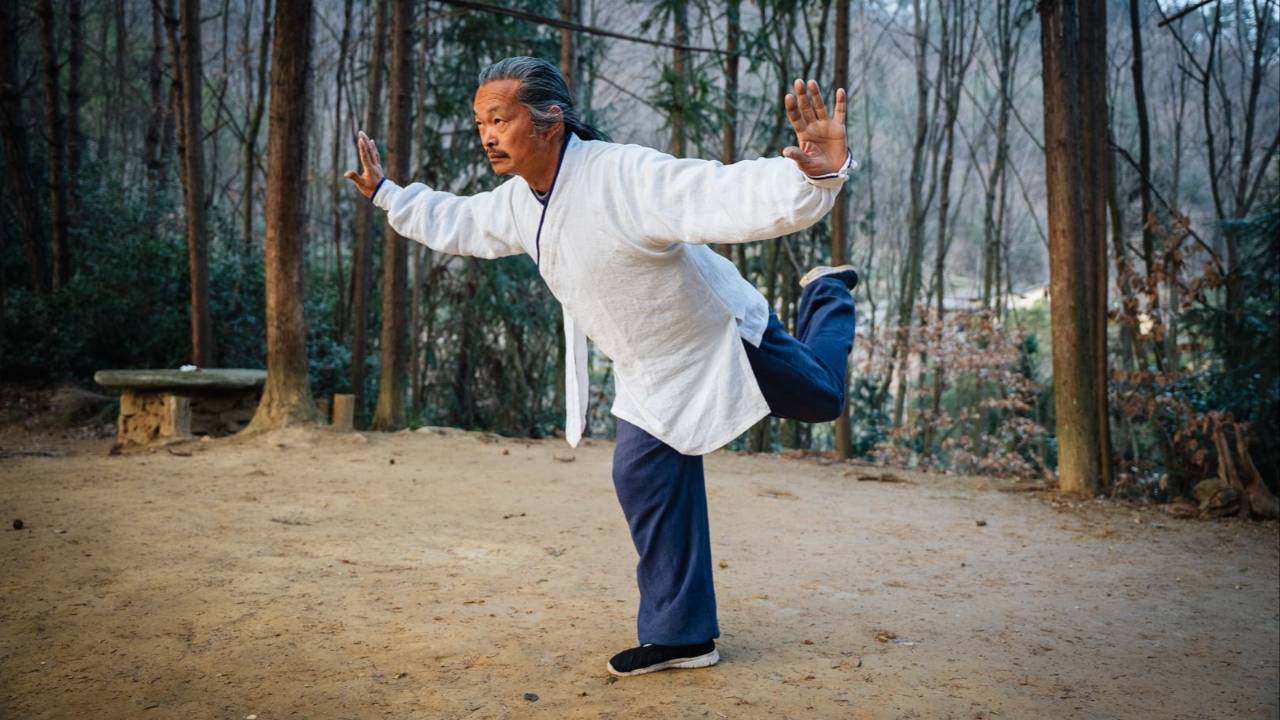
If you've felt drawn to gentle movement practices that promise both physical vitality and mental calm, you've likely encountered qigong. This ancient Chinese discipline has quietly supported wellbeing for thousands of years, yet many people still wonder what is qigong and how it differs from other wellness practices. At its heart, qigong is a moving meditation that weaves together breath, gentle movement, and focused intention to cultivate and balance your body's vital energy. It's accessible, adaptable, and rooted in a profound understanding of how energy flows through the body and mind.
The Essence of Qigong
Qigong (pronounced "chee-gong") translates to "energy cultivation" or "working with life force". The word combines two Chinese characters: qi (氣), meaning vital energy or life force, and gong (功), meaning skill, practice, or cultivation developed through time and effort. When you practise qigong, you're engaging in a deliberate process of gathering, refining, and circulating the energy that traditional teaching says animates your body and sustains your wellbeing.
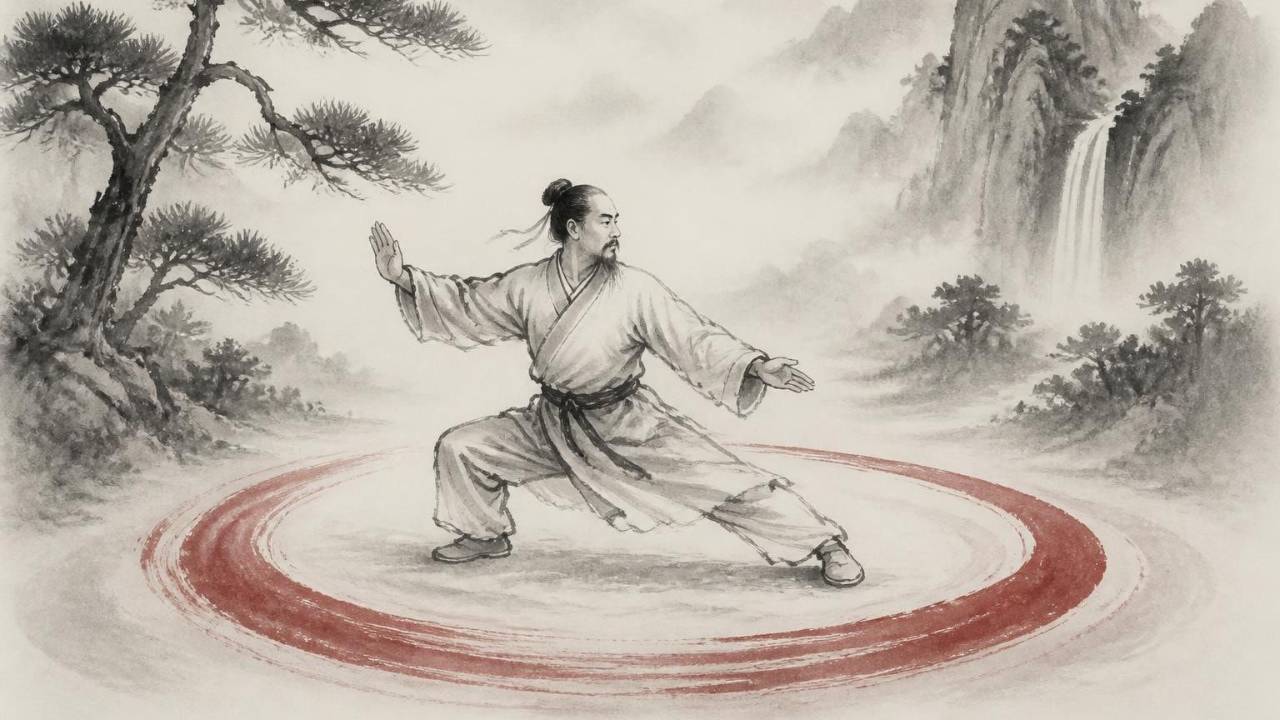
This practice emerged from Taoist traditions in ancient China, where sages and healers observed nature's rhythms and the body's subtle energy pathways. Over centuries, these observations crystallised into specific movements, breathing patterns, and meditative techniques designed to harmonise your internal energy with the natural world. Understanding what is qigong means recognising it as both an art and a science - a systematic approach to nurturing vitality that's been refined across generations.
The Core Components
Every qigong practice incorporates three essential elements working in harmony:
- Breath (調息, tiao xi): Conscious, deep breathing that guides energy flow and settles the body
- Movement (調身, tiao shen): Gentle, flowing postures and gestures that open energy channels and strengthen your body
- Mind (調心, tiao xin): Focused awareness and intention that directs energy and cultivates inner stillness
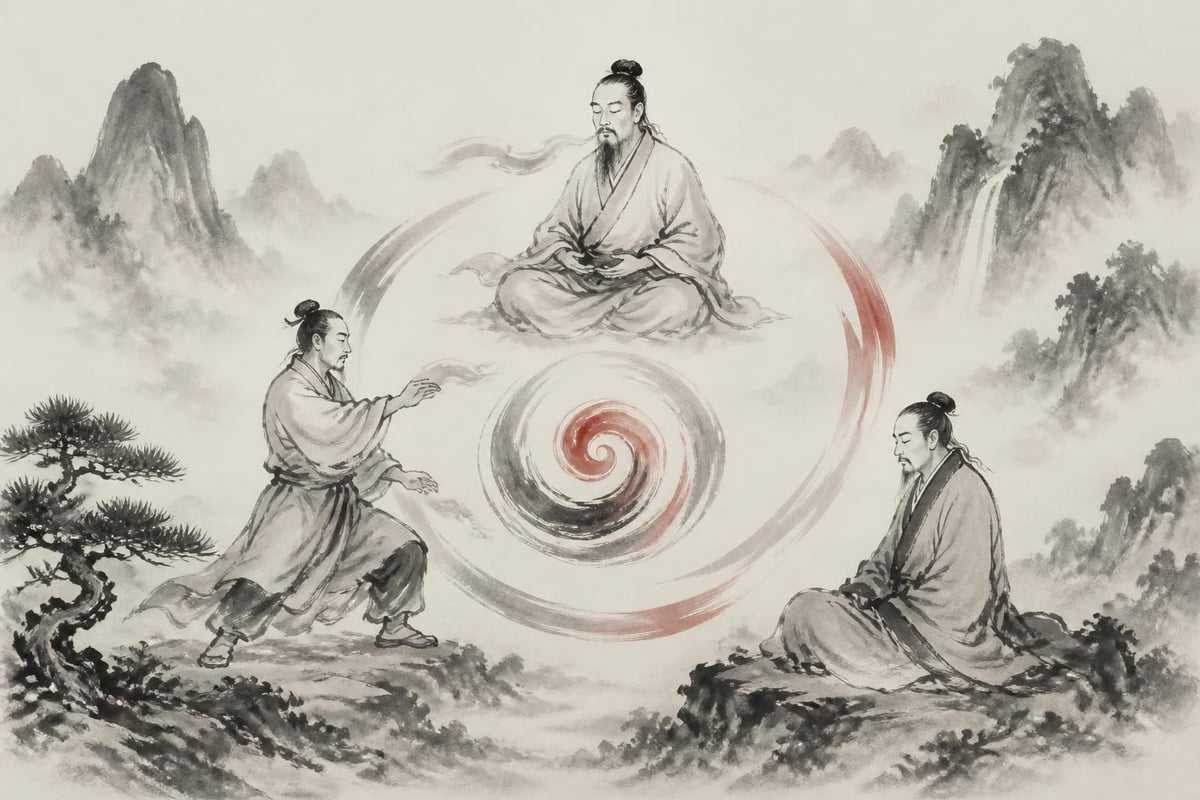
These three treasures work together seamlessly. Your breath becomes the bridge between body and mind, while movement opens the pathways through which energy travels. Mental focus amplifies the effects, creating a practice that's simultaneously physical, energetic, and meditative.
Master Gu gives a short, clear introduction to what qigong involves in the video below.
Historical Roots and Evolution
The story of what is qigong begins in the mists of ancient China, where shamanic healers and Taoist hermits sought to understand the invisible forces governing health and longevity. Some scholars point to evidence that energy cultivation practices may date back 5,000 years or more, with jade carvings appearing to show figures in meditative postures.
During the Han Dynasty (206 BCE - 220 CE), physicians documented breathing exercises and therapeutic movements in medical texts. The legendary physician Hua Tuo is credited with creating the "Five Animal Frolics", a qigong sequence mimicking the movements of the tiger, deer, bear, monkey, and crane. These forms are still practised today, and our article on 5 Animal Qi Gong: Ancient Practice for Modern Wellness explores them in more depth.
Wudang Mountain, the sacred Taoist peak, became a major centre for qigong development. Taoist monks refined practices that integrated martial, medical, and spiritual dimensions. The Wudang tradition emphasised internal energy cultivation over external force, creating forms that prioritised flow, balance, and longevity over combat effectiveness.
| Historical Period | Key Development | Contribution |
|---|---|---|
| Pre-Han (before 206 BCE) | Shamanic and early Taoist practices | Foundation of breath and energy concepts |
| Han Dynasty (206 BCE - 220 CE) | Medical qigong documentation | Five Animal Frolics, therapeutic applications |
| Tang-Song (618 - 1279 CE) | Wudang tradition formalisation | Internal alchemy, martial-meditative fusion |
| Modern Era (20th century) | Systematisation and research | Clinical studies, standardised teaching |
The 20th century brought both challenges and renewal. While political upheavals temporarily suppressed traditional practices, the later decades saw a remarkable resurgence as researchers began studying qigong's potential wellbeing benefits and teachers spread the practice globally.
Types and Styles of Qigong
Understanding what is qigong also means recognising its diverse expressions. Practitioners have developed thousands of forms, each with distinct emphases and applications.
Medical Qigong
Medical qigong focuses on health maintenance and supporting wellbeing. Practitioners use specific movements and breathing patterns, with some forms designed for self-practice and others involving a trained practitioner. It's not a substitute for medical treatment, and it's best thought of as a gentle complement to professional care.
The movements tend to be simple, repetitive, and adaptable for people with limited mobility, which is one reason qigong is increasingly explored alongside conventional approaches.
Martial Qigong
Martial qigong builds internal power, stamina, and resilience for combat arts. Tai Chi, perhaps the most recognised martial qigong, exemplifies this category. These practices develop rooted stability, the ability to release energy, and the sensitivity to sense and redirect an opponent's force.
Though designed for martial application, these forms are also valued for their gentle, mindful movements, which are associated with better balance and a calmer nervous system.
Spiritual Qigong
Spiritual qigong emphasises meditation, energy refinement, and connection with the Tao. Rooted in Taoist philosophy, these practices support inner alchemy - the traditional idea of transforming base energies into refined spiritual essence. Practitioners cultivate stillness, clarity, and expanded awareness.
The Wudang tradition especially emphasises this dimension, viewing qigong as a path to harmony with natural principles and deeper self-understanding.
How Qigong Works: The Energy Body
To grasp what is qigong at a deeper level, it helps to understand the energy system it works with. Traditional Chinese medicine maps an intricate network of channels called meridians that are said to conduct qi throughout your body. These pathways connect organs, tissues, and your external environment.
In traditional theory, when energy flows smoothly through these channels, you experience vitality and health, while blockages or imbalances show up as discomfort or emotional disturbance. Qigong movements, combined with breath and intention, are practised to clear obstructions and restore harmonious flow.
The Dan Tian Energy Centres
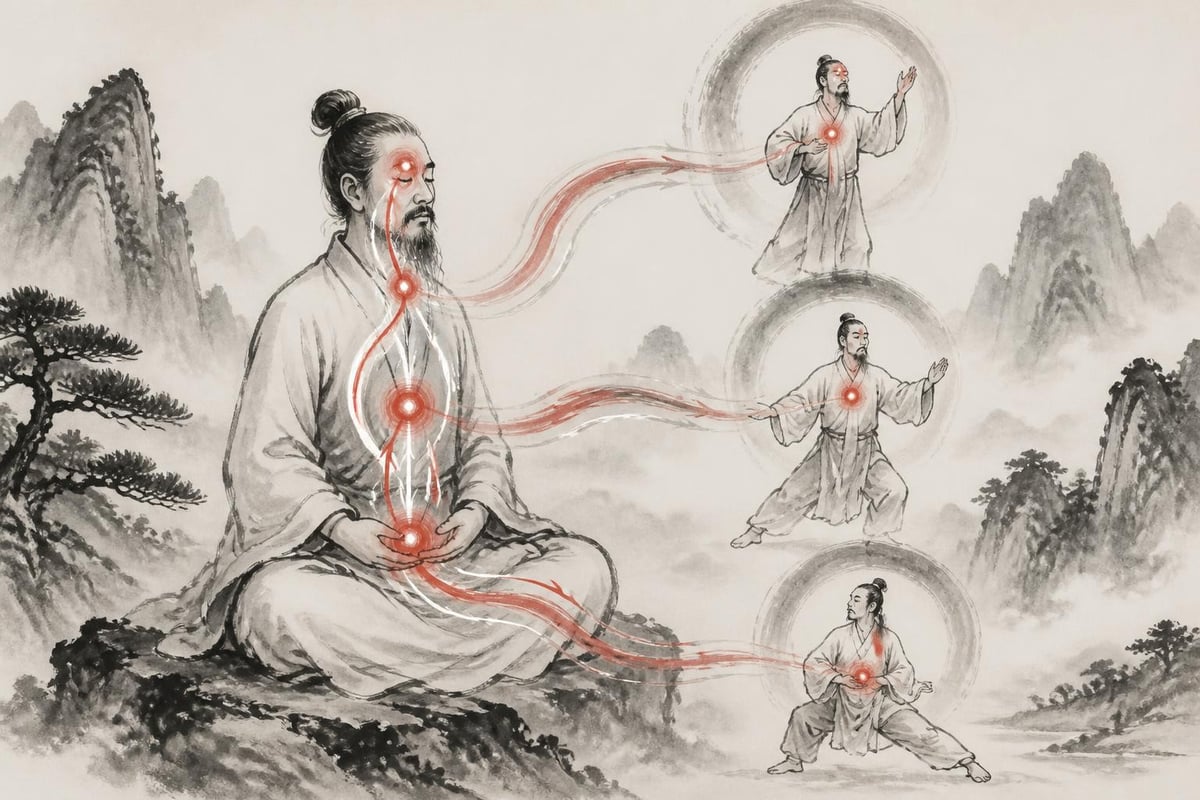
Qigong practice emphasises three primary energy centres called dan tian (elixir fields):
- Lower dan tian (below the navel): Your body's energy reservoir, foundation of vitality and grounding
- Middle dan tian (heart centre): Emotional balance, compassion, connection
- Upper dan tian (third eye area): Mental clarity, intuition, spiritual awareness
Most qigong exercises focus on the lower dan tian, building a strong energetic foundation before working with the higher centres. This mirrors the Taoist principle of establishing roots before reaching upward.
What the Research Suggests
Modern research is increasingly curious about what traditional practitioners have known for millennia. While what is qigong might once have seemed mysterious to Western medicine, studies now explore its physical and psychological effects. The findings are encouraging, though more high-quality research is still needed.
Physical Wellbeing
Regular qigong practice has been associated with benefits across several areas:
- Cardiovascular health: Some studies report associations with healthier blood pressure and circulation
- Immune function: Early research points to possible links with immune markers
- Balance and flexibility: Gentle practice is associated with improved balance, which may help reduce fall risk in older adults
- Comfort: Some people find it helps them manage everyday aches and stiffness
- Breathing: Deeper breathing patterns are a hallmark of the practice
Systematic reviews of related mind-body practices, including work involving veterans and older adults, suggest gentle movement of this kind may support wellbeing across diverse groups.
Mental and Emotional Wellbeing
The psychological benefits are often what people notice first:
- Stress: Associated with lower perceived stress and feelings of calm
- Mood: Many practitioners describe feeling more emotionally balanced
- Focus: Some report better concentration and mental clarity
- Sleep: Many people find their rest feels deeper
Reviews looking at qigong and stress management have reported consistently positive results, with effects that appear comparable to other established mind-body approaches. Our article on Qi Gong for Stress: Ancient Wisdom for Modern Balance looks at this in more detail. Qigong is a lovely support for everyday wellbeing, but it isn't a replacement for professional care. If you're living with anxiety, low mood or ongoing stress, please speak to your GP or a qualified mental health professional alongside your practice.
Energy and Vitality
Beyond measurable markers, practitioners consistently report a greater sense of energy and vitality. This subjective sense of wellbeing reflects qigong's holistic approach - addressing not just individual symptoms but overall balance.
| Wellbeing Area | What Practitioners Often Notice | Basis |
|---|---|---|
| Physical | Balance, flexibility, ease of movement | Research reviews, practitioner reports |
| Cardiovascular | Circulation, relaxation | Early clinical research |
| Mental | Calm, mood, focus | Psychological studies |
| Energetic | Vitality, resilience | Traditional observation, practitioner reports |
Basic Qigong Principles for Practice
When exploring what is qigong through personal practice, certain fundamental principles guide effective cultivation.
Natural Breathing
Your breath should flow naturally, without force or strain. Abdominal breathing - allowing your belly to expand on the inhale and gently soften on the exhale - encourages deeper breaths and is associated with the body's "rest and digest" response. Let breath lead movement, creating a rhythmic dance between expansion and contraction.
Relaxed Alignment
Stand or move with song (鬆) - a quality of relaxed, open structure. Your joints remain slightly bent, never locked. Shoulders drop away from ears. Your spine lengthens gently upward while your tailbone releases downward. This aligned relaxation allows energy to flow freely without muscular tension blocking its path.
Mindful Presence
Qigong is not exercise in the conventional sense. Approach each movement with full awareness, noticing sensations such as warmth, tingling, or expansiveness. When your mind wanders (and it will), gently return attention to breath, body, and the present moment.
Consistency Over Intensity
Traditional wisdom emphasises regular, gentle practice over sporadic intensity. Twenty minutes daily tends to serve you better than two hours once a week. The cumulative effect of consistent practice allows your body to settle into new patterns and build lasting vitality.
Getting Started with Qigong
Beginning your qigong journey doesn't require special equipment, flexibility, or previous experience. What is qigong if not accessible to everyone? The beauty of this practice lies in its adaptability. As with any new movement practice, please check with your healthcare professional first if you have an existing health condition, an injury, or you're pregnant.
Finding Authentic Instruction
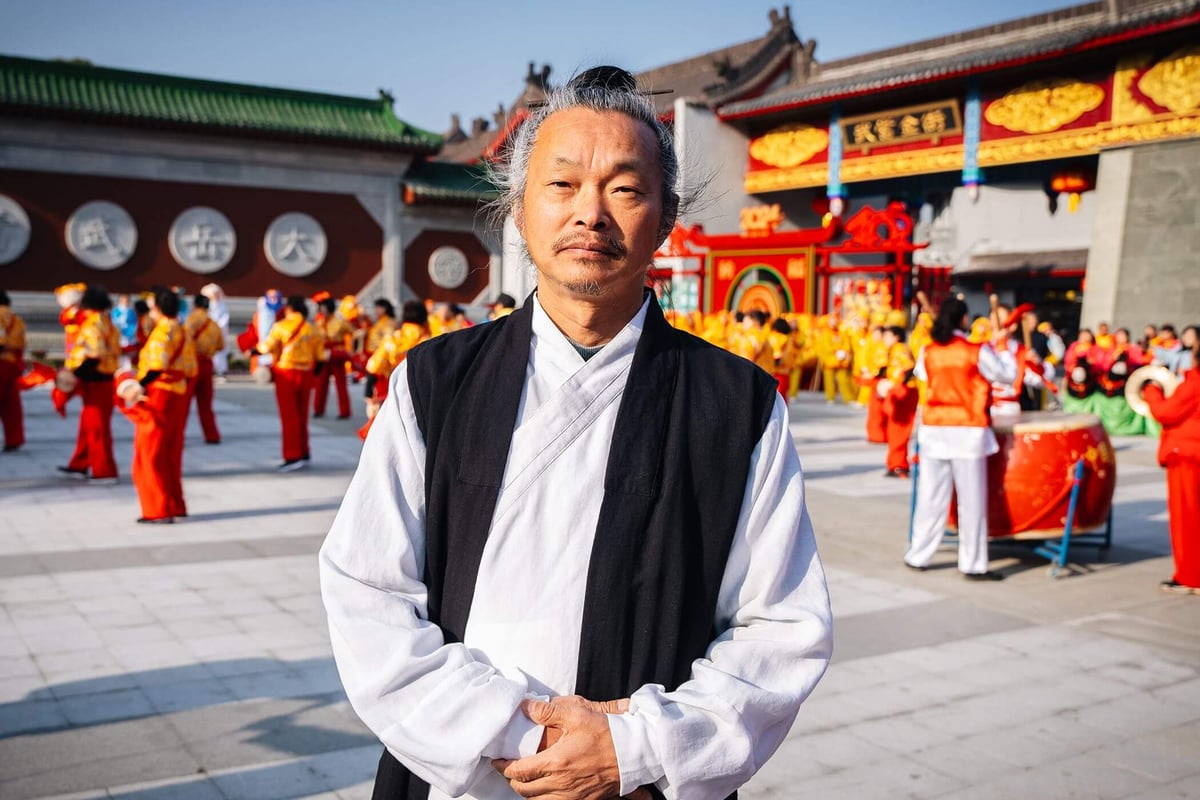
While books and videos offer valuable information, learning from an experienced teacher helps you progress with confidence and good form. Taoist Wellness Online offers comprehensive instruction in authentic Wudang qigong and related practices, guided by Master Gu, a 15th-generation San Feng Pai Wudang Taoist Master with 25+ years of teaching experience. You'll find structured lessons, a monthly live session and Q&A, and a supportive community as you develop your practice.
If you'd like a gentle place to start, our free Taoist course introduces Tai Chi, Qi Gong, Meditation and Taoist Wisdom, step by step.
Creating Your Practice Space
Choose a quiet area where you won't be disturbed. Outdoors in nature is ideal, but any clean, comfortable space works. You need only enough room to extend your arms in all directions. Some practitioners face east to align with sunrise energy, though this isn't essential.
Starting Simple
Begin with foundational exercises rather than complex forms:
- Standing meditation (Zhan Zhuang): Stand quietly, cultivating awareness and internal stillness
- Opening and closing: Simple arm movements coordinated with breath to gather and circulate energy
- Shaking and tapping: Gentle percussion to release tension and wake up the body
- Walking meditation: Slow, mindful steps connecting breath, movement, and presence
These accessible practices build your energetic foundation and teach core principles applicable to more advanced forms.
Qigong and Related Practices
Understanding what is qigong becomes clearer when you see how it relates to companion practices within Chinese wellness traditions.
Qigong and Tai Chi
Tai Chi developed from qigong foundations, adding martial applications and extended choreographed sequences. While qigong exercises might focus on specific movements repeated for energy cultivation, Tai Chi flows through linked postures in continuous forms. Both emphasise internal energy, mindful movement, and breath coordination.
Think of qigong as the root system and Tai Chi as the tree growing from those roots. Many practitioners study both, using qigong's targeted exercises to support their Tai Chi development and deepen their understanding of energy principles.
Qigong and Meditation
Taoist meditation and qigong share the same energetic foundation. Qigong could be called "moving meditation", while seated practices emphasise stillness. Both cultivate awareness and support spiritual development. If you'd like to explore the seated side, our Taoist Meditation course often begins with gentle qigong movements to prepare the body for deeper stillness.
The practices complement beautifully - qigong releases physical tension, creating conditions for calmer, more settled meditation.
Integration with Taoist Philosophy
Qigong isn't just physical exercise; it's an embodied expression of Taoist principles. The concepts of yin and yang balance, wu wei (effortless action), and alignment with natural rhythms all find expression in qigong movement. Studying the ideas behind the practice in our Taoist Philosophy course enriches your practice immeasurably.
Common Questions and Misconceptions
As qigong gains popularity, certain misunderstandings persist. Clarifying what is qigong helps newcomers approach the practice with realistic expectations.
Is Qigong Religious?
While qigong has spiritual dimensions and Taoist roots, it isn't inherently religious. You don't need to adopt any belief system to practise. The techniques work with universal principles of breath, movement, and awareness that transcend religious boundaries.
How Long Before Results Appear?
Many people notice immediate effects - relaxation, an improved mood, or physical ease - after their first session. Deeper changes unfold gradually. Many practitioners notice a difference within a few months of regular practice, with benefits continuing to deepen over the years, though everyone's experience is different.
Can Anyone Practise Qigong?
Qigong's great strength is its adaptability. Forms exist for many ages, fitness levels, and physical capacities. Movements can often be performed standing, sitting, or even lying down, and teachers can modify exercises to accommodate injuries or limitations.
Does Qigong Replace Medical Treatment?
Qigong complements conventional healthcare but doesn't replace it. Think of it as a supportive tool within your overall wellness strategy. Always consult your healthcare provider about serious or ongoing conditions, and view qigong as one element of comprehensive self-care.
Deepening Your Practice Journey
Once you've established basic practice, numerous paths open for exploration. What is qigong becomes less a question with a single answer and more an ongoing discovery of depth and possibility.
Exploring Different Forms
The qigong universe contains thousands of forms, each offering unique qualities. Eight Pieces of Brocade (Ba Duan Jin) works through eight movements traditionally linked to the organ systems. Six Healing Sounds uses specific vocalisations to release emotional tension. Wild Goose Qigong mimics the bird's graceful movements for flexibility and joy.
Wudang forms offer particularly refined energy cultivation, developed through centuries of Taoist practice and observation. Exploring these diverse expressions keeps practice fresh and addresses different aspects of wellbeing.
Joining a Community
Practising with others amplifies your progress. Shared energy during group practice creates a supportive field that deepens individual cultivation. The Taoist Wellness community connects practitioners worldwide, offering encouragement, shared insights, and the invaluable sense that you're part of an ancient, living tradition.
Continuing Education
Dedicated students often pursue deeper knowledge through workshops, retreats, and advanced training. Studying with teachers who have devoted their lives to these practices provides transmission that goes beyond technique - you receive the living wisdom of the lineage. Many students find that time away from daily distractions, whether on retreat or in a dedicated home practice, allows complete focus on cultivation.
Qigong for Modern Life
Ancient as it is, qigong speaks to distinctly modern challenges. Our sedentary lifestyles, chronic stress, digital overstimulation, and disconnection from nature all respond well to qigong's balancing influence.
Managing Daily Stress
Brief qigong breaks during your workday can help reset your nervous system and restore clarity. Even five minutes of conscious breathing and gentle movement can help shift you from a "fight or flight" feeling towards a calmer, "rest and digest" state. This isn't escape from responsibilities - it's supporting your capacity to meet them.
Supporting a Digital Detox
Screen time can leave us feeling scattered and drained. Qigong offers a deliberate counterbalance, gathering scattered awareness back to your body and breath. The practice doesn't require technology, apps, or tracking - just your presence and willingness to slow down.
Building Resilience
Perhaps qigong's greatest gift in our turbulent times is resilience - the capacity to bend without breaking, to maintain your centre amid chaos. Regular practice helps you build a portable sanctuary, accessible anytime through breath and simple movements.
Qigong offers a timeless path to vitality, balance, and wellbeing that's perhaps more relevant now than ever. Whether you're drawn to gentle movement, stress relief, deeper energy cultivation, or connection with ancient wisdom, this practice meets you where you are and supports your unique journey. Taoist Wellness Online provides authentic instruction in Wudang qigong and related practices through comprehensive courses, a monthly live session with Master Gu and George, and a global community of practitioners supporting each other's growth. Begin exploring these practices today and discover what consistent, mindful cultivation can bring to your life.