What Is Qi: Ancient Energy for Modern Balance
Nov 11, 2026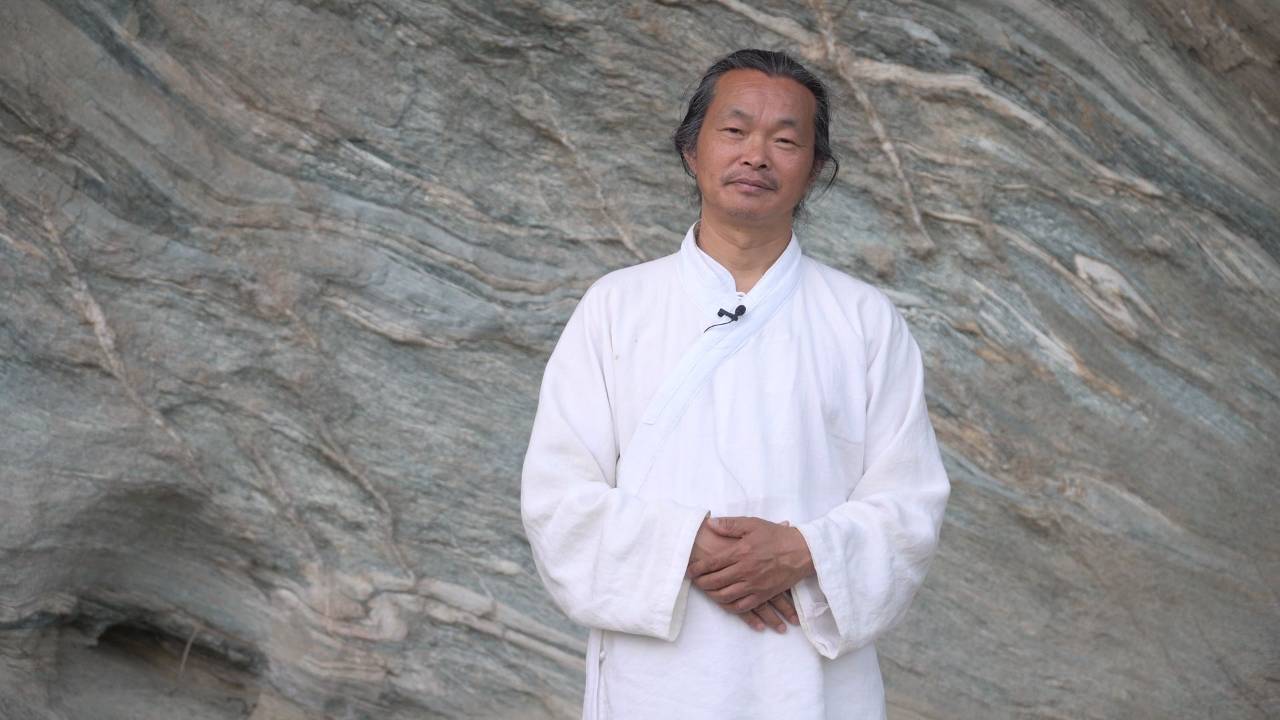
You have probably heard the word "qi" in tai chi classes, at acupuncture appointments or in wellness circles. But what is qi, really? This ancient idea sits at the heart of Chinese medicine, Taoist philosophy and practices such as tai chi and qi gong. This guide explains what qi means in Taoist teaching, how Master Gu describes it, and some gentle ways to explore it in everyday life.
What Is Qi?
Qi (pronounced "chee") is usually translated as "life energy" or "vital energy". In Chinese culture there is a well-known saying, which Master Gu shares in our Qi Gong course: we human beings essentially live on qi.
He gives a simple example. When someone passes away, the breath is gone, and in the tradition this is seen as qi fading away. As long as we are alive, we keep breathing. So the first thing to think of when we talk about qi is the breath. Master Gu explains that in Taoist wellness, qi means more than breath.
Three Sources of Qi
In his Three Treasures lessons, Master Gu describes three kinds of qi in Taoist wellness:
- Inherited qi: the energy we receive from our parents, sometimes called "pre-birth" qi
- Qi from the air: the fresh air we breathe, which he calls universal qi
- Qi from food and drink: the energy we take in when we eat and drink
The last one is easy to relate to. When we are tired and hungry, a good meal helps us feel energised again. If you would like to read more about eating in a Taoist spirit, see our guide on how to eat like a Taoist.
The Three Treasures: Jing, Qi and Shen
Taoist teaching often speaks of three treasures: jing, qi and shen. Master Gu translates them as essence (jing), life flow or energy (qi) and spirit (shen). He explains how they fit together with a picture from a Chinese kitchen.
Imagine cooking in a wok. You need wood, then a fire, then heat to cook the meal. In his picture:
| Treasure | Meaning | In the wok |
|---|---|---|
| Jing | Essence, the substance of life | The wood |
| Qi | Life energy, the "life flow" | The fire |
| Shen | Spirit, our state of mind and character | The heat, which you cannot see |
Wood on its own does nothing until the fire is lit. In the same way, Master Gu says, qi is like a thread that joins the other two together. Together, jing, qi and shen make a "complete human being", which includes both the physical body and the spirit. Qi is also not limited to practice. As he puts it, qi is everywhere, including in daily work and in how we meet other people.
If you would like to explore these ideas in depth, they are covered in our Taoist philosophy course, and our reading list has books on Taoist ideas to explore at your own pace.
Movement and Stillness
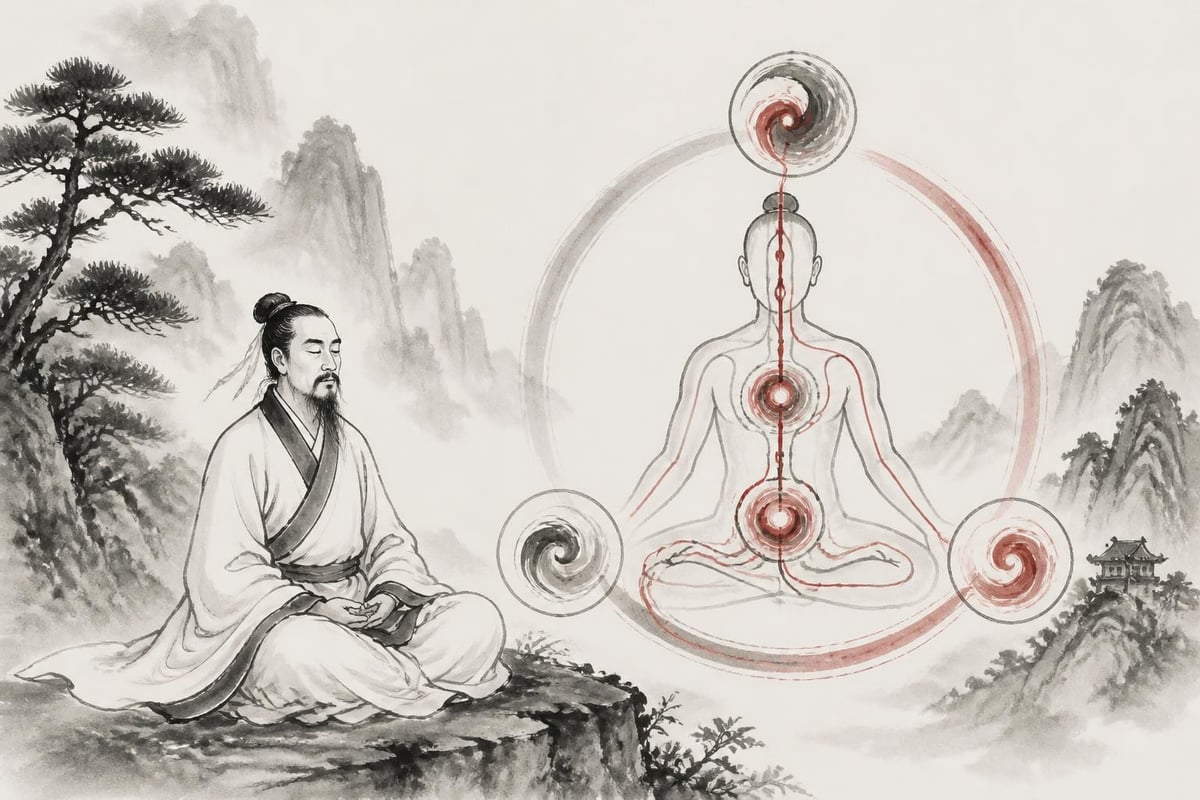
Master Gu explains that, in the tradition, the key to good qi is a balance of two things: movement (dong) and stillness or tranquillity (jing). That means enough physical exercise, and enough calm for the mind. He also notes that too little movement, or heavy, negative thinking, are seen as getting in the way of good qi.
The Right Amount of Fire
Going back to the wok, Master Gu says a beginner often piles on far too much wood. An experienced fire maker knows that the right amount of fire matters more than a big one. He applies this to life as well. Too much of anything, from eating to forceful exercise, is not helpful. In his words, very forceful exercise can damage health, while gentle, moderate exercise with a good yin-yang balance nurtures the body. That is a good reason to go gently, and to stop if anything feels wrong.
Qi, Qi Gong and Tai Chi
Master Gu describes qi gong as the practice around qi. It can be done as movement or in stillness. He is clear that the qi gong we teach is a practical kind, and not the dramatic "hard" qi gong that some people picture.
In his teaching, these practices are closely related:
- Tai chi is a kind of qi gong, practised as moving meditation
- Meditation is a kind of qi gong practised in stillness
- Daoyin is the ancient name for what we now call qi gong
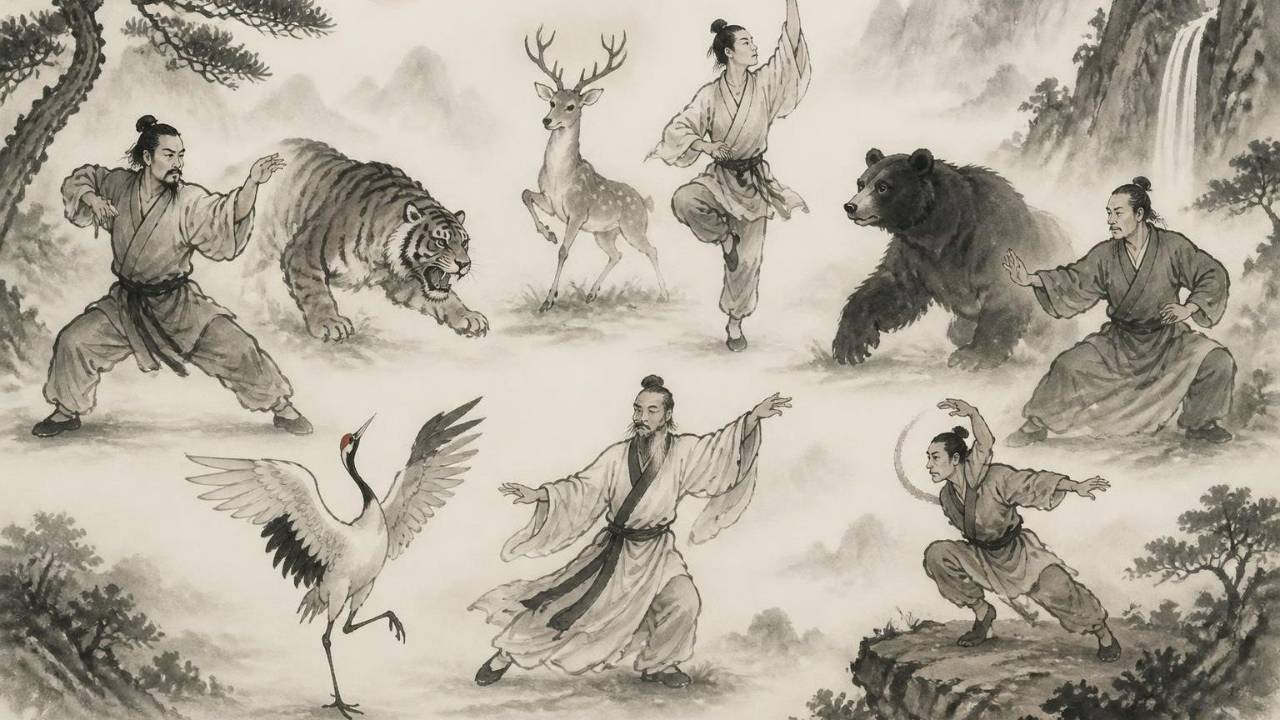
He also notes that a chart of Daoyin postures, dating from the Western Han dynasty (202 BC), was excavated in 1974. It shows how old these movement practices are. If you are curious about how tai chi and qi gong differ, see our article on tai chi vs qi gong.
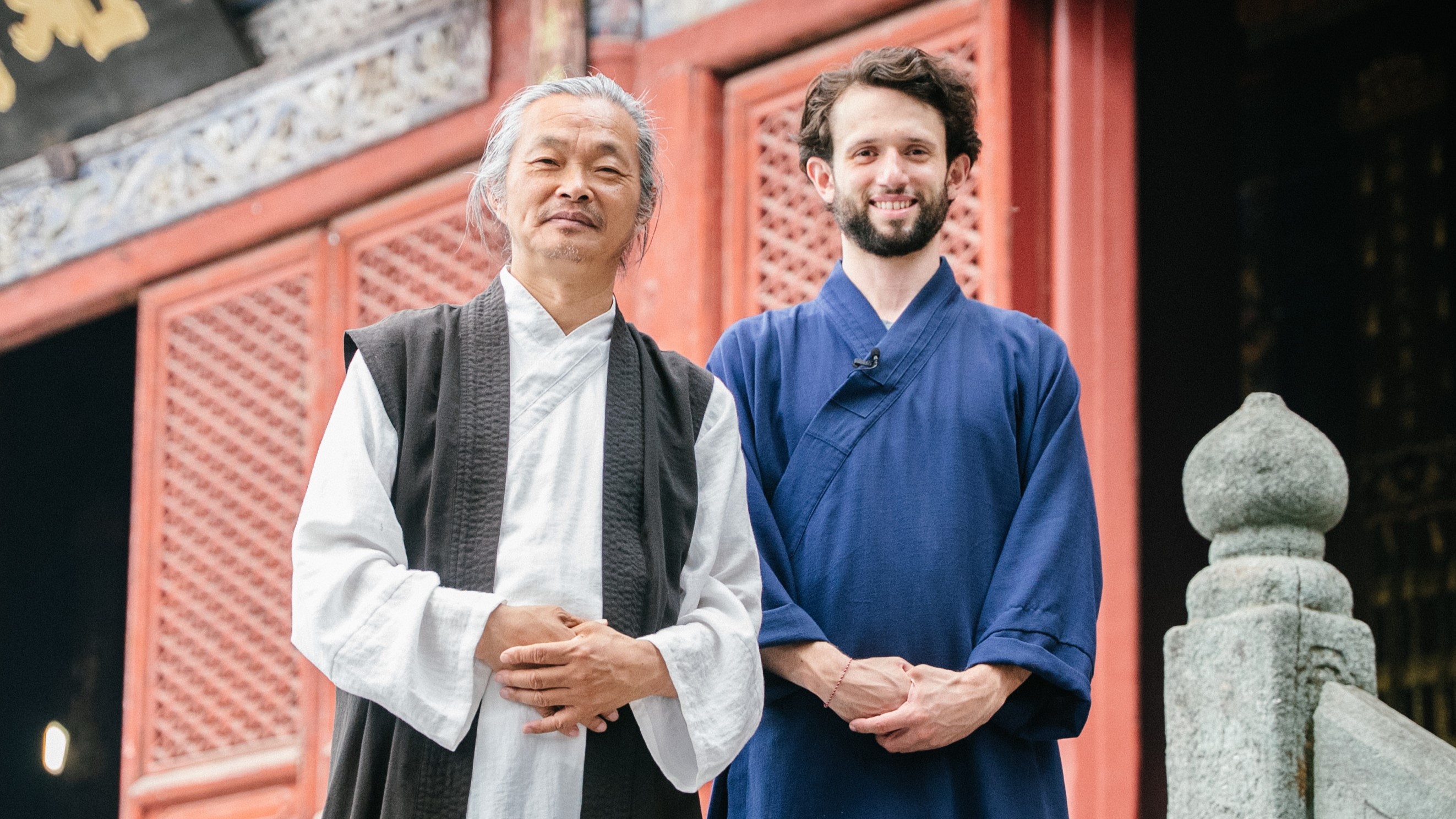
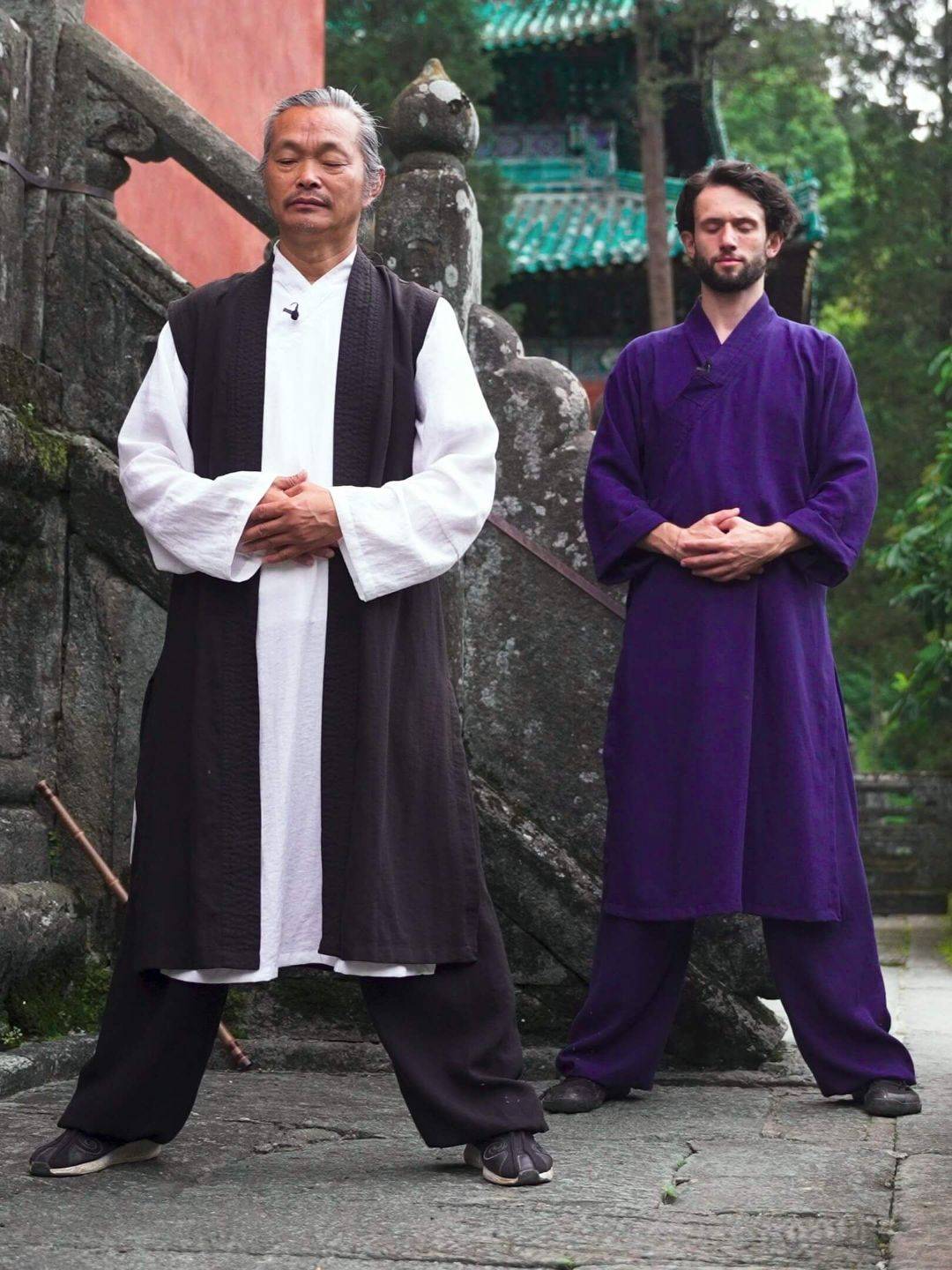
Our teacher Master Gu, a 15th-generation San Feng Pai Wudang Taoist Master with 25+ years of teaching experience, introduces qi gong in our Qi Gong course.
Meridians: A Traditional Map
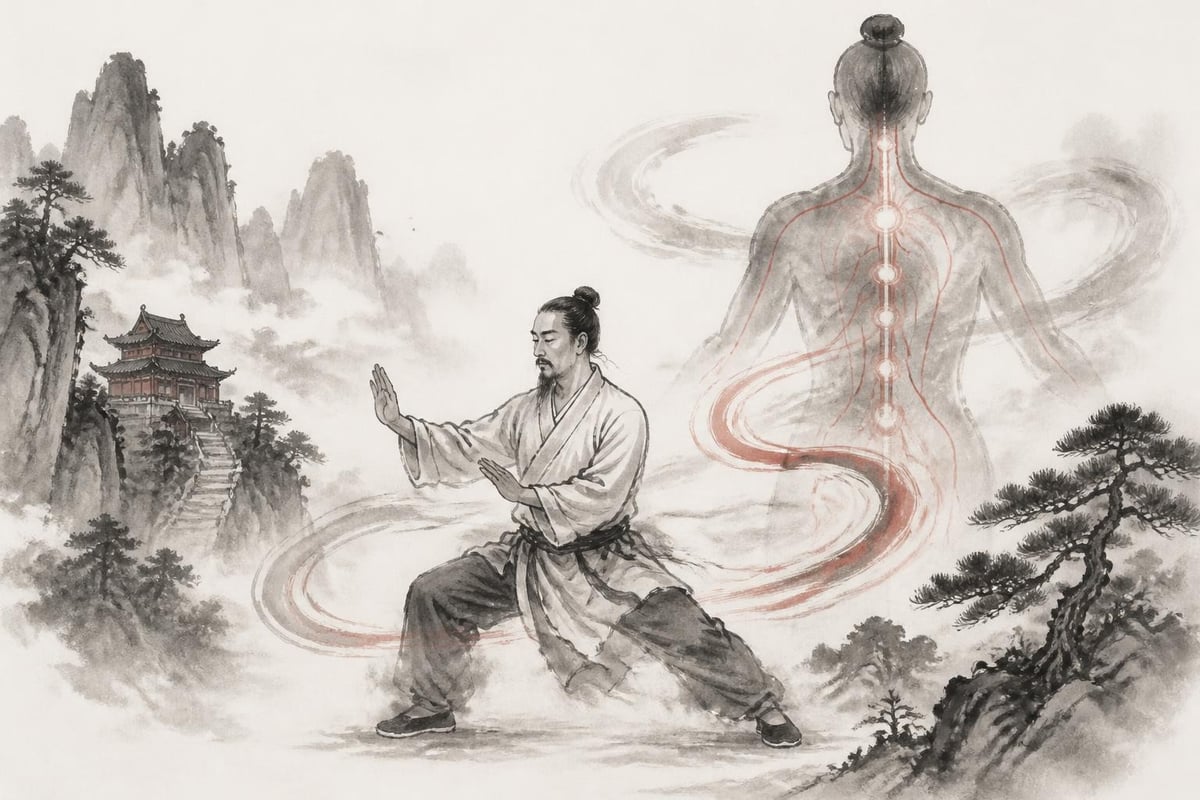
Traditional Chinese and Taoist medicine describe pathways called meridians. In his Meridians lessons, Master Gu explains that the tradition links the movements of tai chi and qi gong to these pathways, and sorts them into hand and foot meridians, as well as yin and yang. This is a traditional way of understanding the body rather than a modern medical one. Master Gu is clear that he is not a medical professional, and nothing here is medical advice.
What About Science?
Master Gu points out that qi is a very cultural idea, and that it can be awkward to test with scientific tools. Researchers have, though, looked at practices such as qi gong and tai chi. Some studies suggest links with things like balance and quality of life. The evidence varies in size and quality, and results differ from person to person.
Gentle Ways to Begin
Please check with your healthcare professional before starting any new exercise, especially if you have a long-term condition, balance concerns or an injury. Stop and rest if you feel dizzy, unsteady or in pain.
You do not need to "do" anything special to meet your qi. Some simple, gentle ideas:
- Stand or sit quietly for a few minutes, with your breathing natural and unforced
- Walk a little more slowly and notice the rhythm of your steps
- Take a short break from screens and let your shoulders drop
- Have a regular wind-down time in the evening
- Try a short, gentle movement practice, staying within what feels comfortable
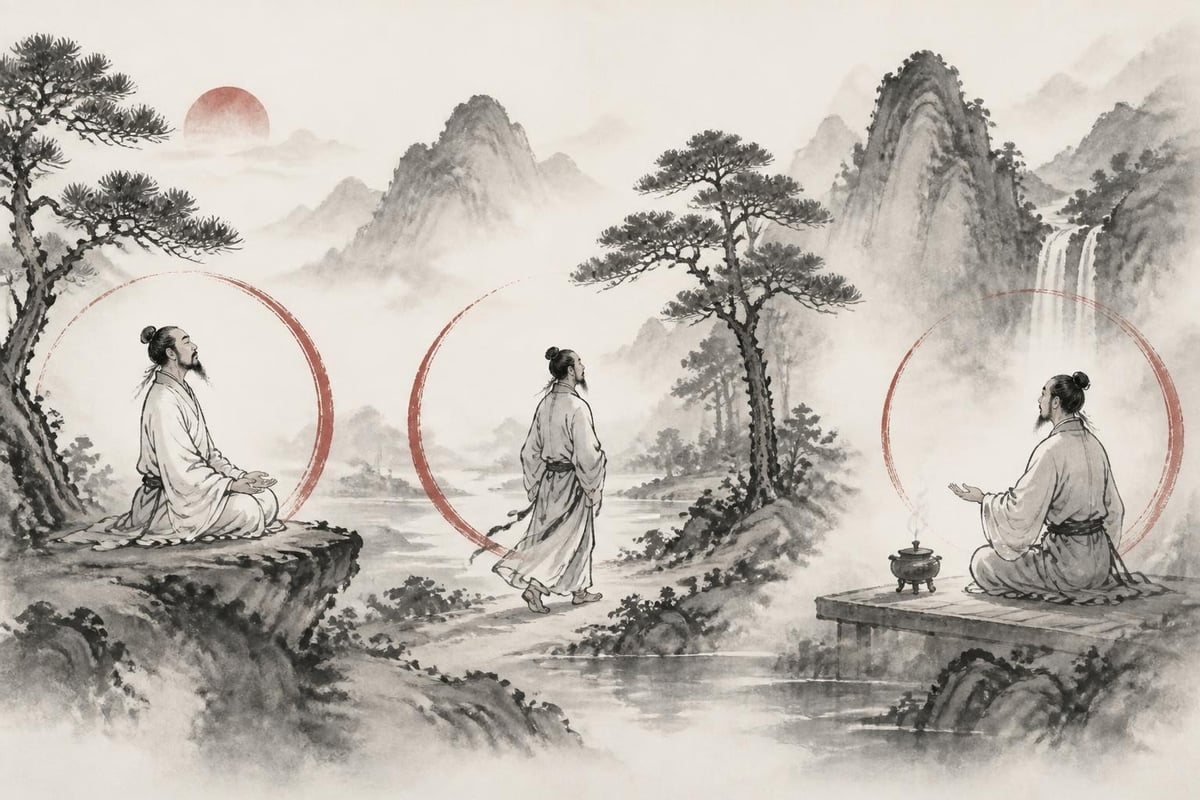
There is no need to look for particular sensations. If you notice nothing special, that is fine. Practice is about relaxation and awareness, and not about chasing feelings. Here is Master Gu with a short introduction to qi.
If you enjoy the quieter side of practice, our Taoist meditation course explores stillness and attention in more depth. Online learning cannot physically correct your posture, so go gently. You can also connect with fellow practitioners from around the world in our community.
What Some People Report
| What you may begin to notice | Why it might happen |
|---|---|
| A calmer, steadier mood | Slow movement and natural breathing give the mind a simple focus |
| More ease in the body | Gentle, regular movement can help the body feel looser |
| Better sleep for some people | A regular wind-down can make evenings calmer |
Results vary from person to person, and none of this is guaranteed. If stress, anxiety, low mood or ongoing tiredness are affecting you, please speak to your GP or a qualified professional. Practices like these can sit alongside, but should not replace, professional support.
Common Misunderstandings About Qi
| Common idea | A gentler view |
|---|---|
| Qi is a kind of magic | In Taoist teaching, qi is simply life energy, as ordinary as the breath |
| You need special ability to practise | No special ability is needed to begin gently |
| Qi works instantly | It is gradual, and there is no set timeline |
| Qi replaces medical care | Gentle practice can sit alongside medical care, but never replaces it |
Common Questions
Can I feel my qi?
Some people notice a sense of calm or ease, and others notice nothing in particular. Both are normal. There is no need to chase any sensation.
Is qi the same as breath?
Breath is part of it, but Master Gu explains that qi in Taoist wellness is broader, including inherited qi, qi from the air and qi from food and drink.
Do I need to believe in qi to practise?
No. You can start with simple, gentle movement and relaxed breathing, and see how it feels.
Is it suitable for everyone?
That depends on you. Please speak to your healthcare professional before starting any new exercise.
Qi is an old idea with a simple heart: we live on energy, and we can look after it by moving gently, resting well and keeping a calm mind. If you would like to explore it further with Master Gu, Taoist Wellness offers courses in qi gong, tai chi, meditation and Taoist philosophy. You can also begin with our free Taoist course.
Related reading