Wudang Tai Chi Form 13: Ancient Practice for Modern Balance
Aug 29, 2026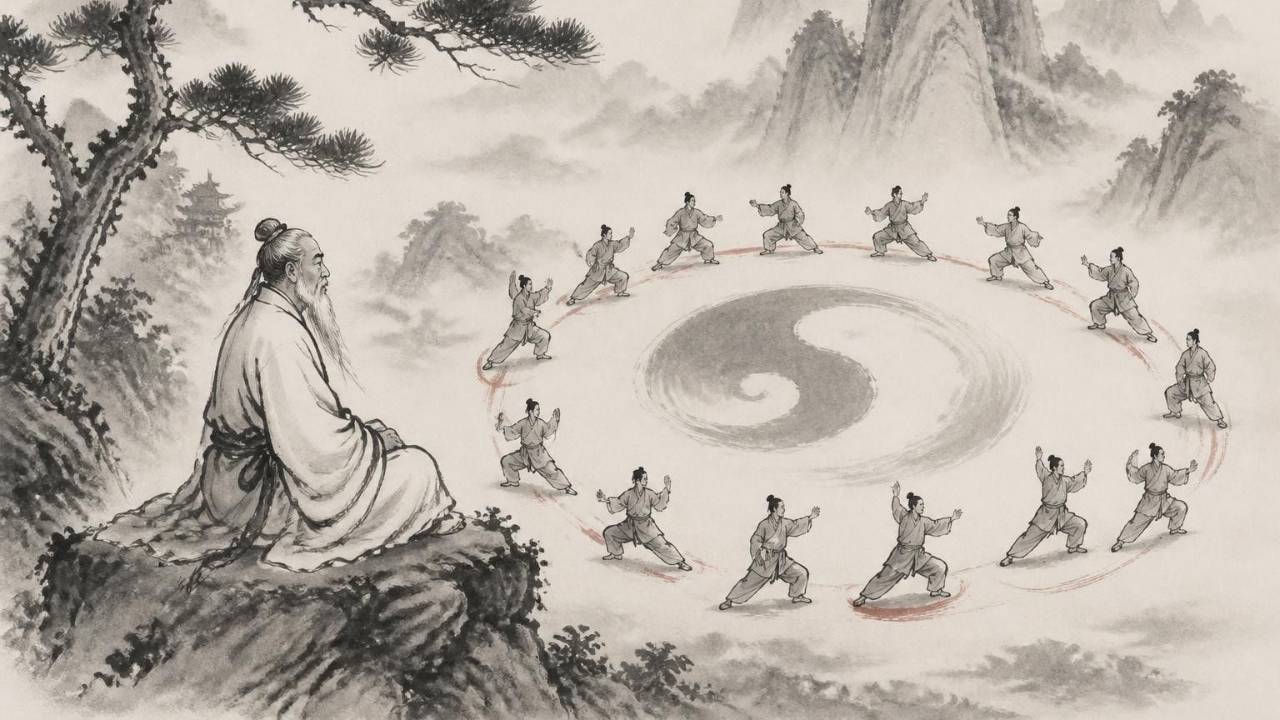
The wudang tai chi form 13 represents one of the most foundational practices within the Wudang tradition, created centuries ago by the legendary Taoist Master Zhang Sanfeng on Mount Wudang. This concise yet profound sequence distils the essential principles of Tai Chi into thirteen core movements that balance martial effectiveness with deep internal cultivation. For modern practitioners seeking to reconnect with authentic practice, understanding this form offers a gateway into the heart of Taoist internal arts, where every gesture carries meaning and every breath builds your life force energy.
The Origins and Significance of the 13 Form
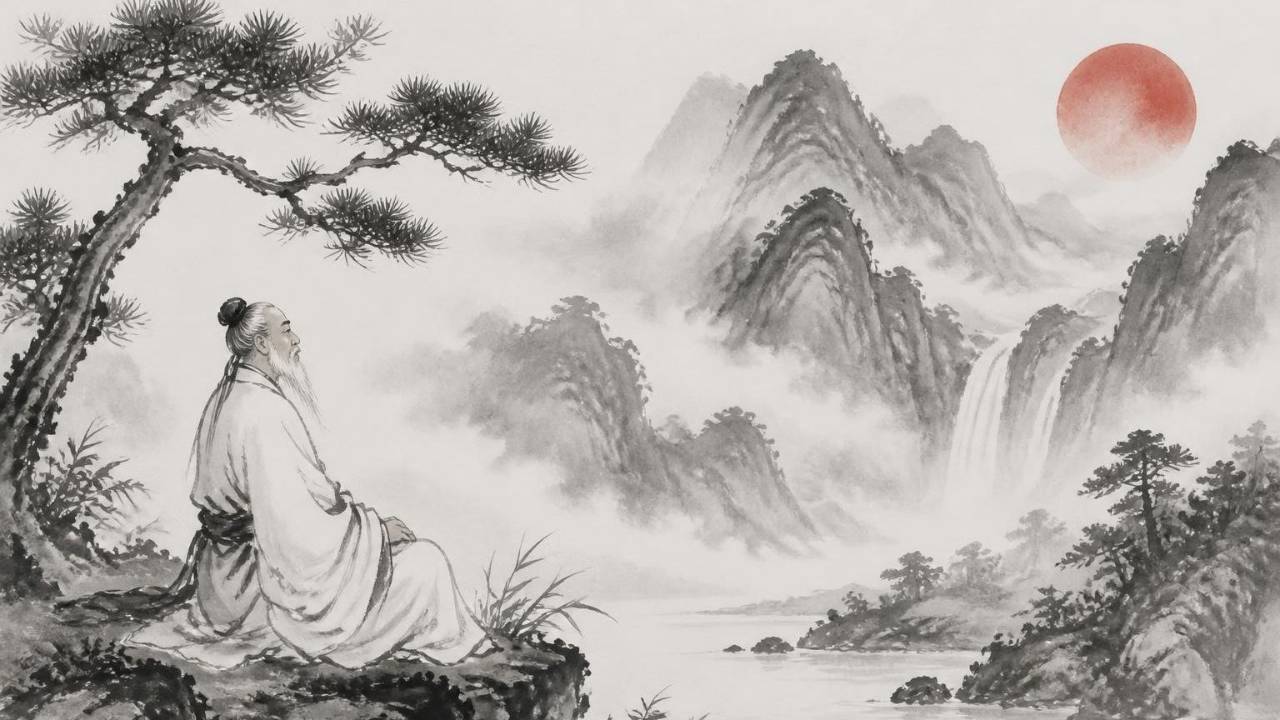
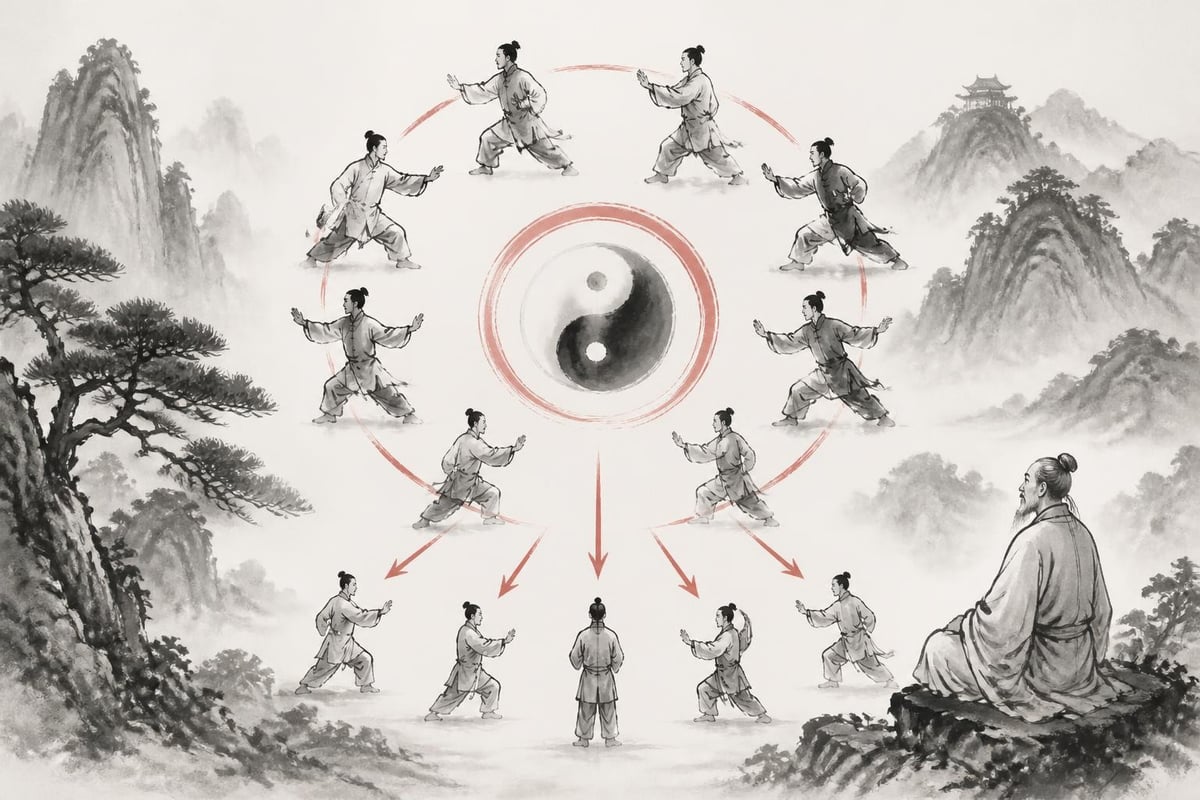
The wudang tai chi form 13 emerged from Zhang Sanfeng's profound understanding of Taoist philosophy and martial application. According to tradition, he observed nature's patterns on Mount Wudang and synthesised movements that embodied the principles of yin and yang, creating a practice that would serve generations of students seeking harmony between body and spirit.
This form stands apart because it represents the essential framework upon which more complex Wudang sequences are built. The number thirteen itself holds deep meaning, representing the eight basic energies (peng, lu, ji, an, cai, lie, zhou, kao) combined with the five directional steps (advance, retreat, look left, gaze right, central equilibrium). Our Essential Guide to the 13 Principles of Tai Chi unpacks this same numerology in greater depth.
Historical Context and Lineage
The transmission of the wudang tai chi form 13 has followed an unbroken lineage through generations of Wudang masters. Each generation refined the practice while preserving its core principles, ensuring that students today practise movements nearly identical to those Zhang Sanfeng first demonstrated centuries ago.
Understanding this lineage matters because authentic practice connects you to a living tradition. When you learn from teachers who received direct transmission, like those trained on Mount Wudang itself, you receive not just movements but the subtle energetic keys that activate the form's deeper benefits. Master Gu's teachings provide this direct connection to the Wudang lineage.
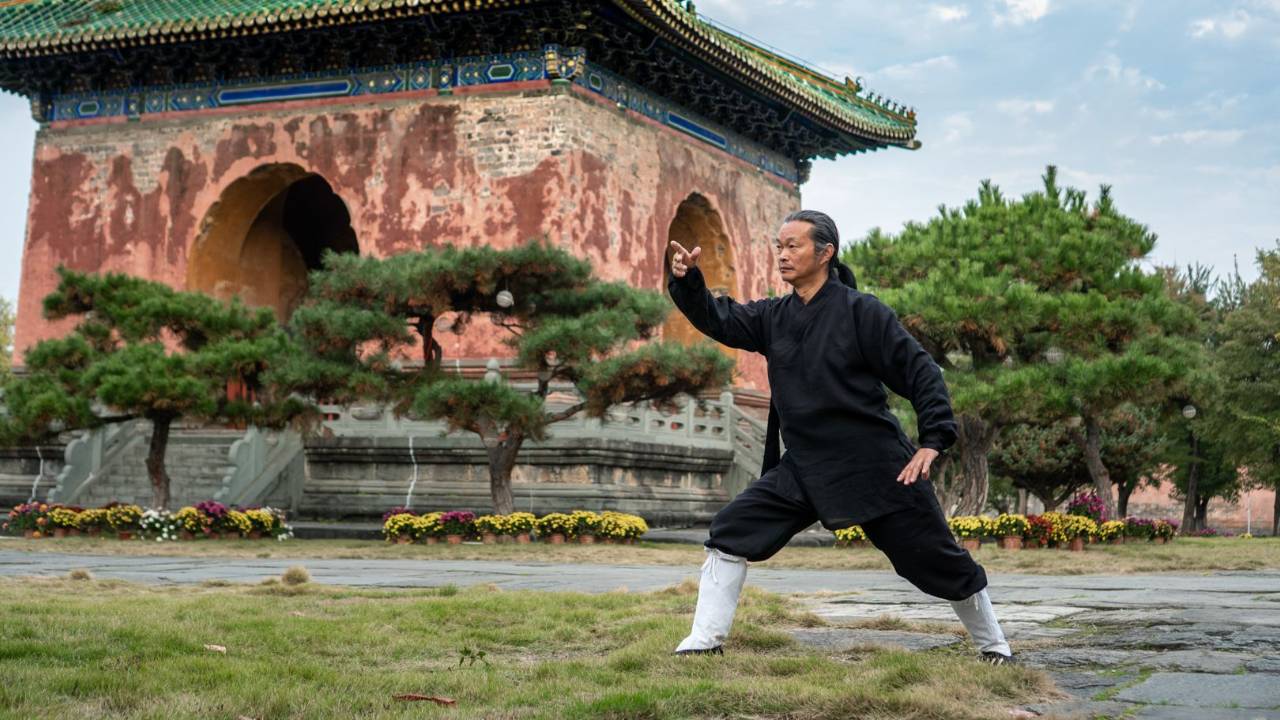
Master Gu himself demonstrates the 13 Forms in the video below, filmed at the woodland training ground of his academy in the Wudang Mountains.
Understanding the Thirteen Essential Elements
The wudang tai chi form 13 integrates multiple layers of practice into one cohesive system. Each layer supports the others, creating a holistic approach to cultivation that addresses physical health, energetic development, and spiritual refinement.
The Eight Energies (Ba Men)
These fundamental forces form the martial and energetic foundation of the practice:
- Peng (Ward Off): Expansive, buoyant energy that maintains space
- Lu (Roll Back): Yielding force that redirects incoming energy
- Ji (Press): Forward, gathering power that focuses intention
- An (Push): Grounded, releasing energy that clears obstacles
- Cai (Pull Down): Downward, uprooting force
- Lie (Split): Diagonal, separating energy
- Zhou (Elbow Strike): Close-range, penetrating power
- Kao (Shoulder Strike): Whole-body, integrated force
Each energy teaches specific lessons about how Qi moves through your body and how intention shapes physical reality.
The Five Directional Steps (Wu Bu)
The footwork patterns establish your relationship with space and ground energy:
- Jin Bu (Advance): Moving forward with rooted confidence
- Tui Bu (Retreat): Yielding while maintaining centre
- Zuo Gu (Look Left): Lateral awareness and stability
- You Pan (Gaze Right): Peripheral sensing and balance
- Zhong Ding (Central Equilibrium): The still point from which all movement originates
These directional elements aren't just about physical stepping. They represent how you navigate life's challenges while maintaining your centre.
The Structure and Flow of the Form
The wudang tai chi form 13 follows a specific sequence that builds progressively through its movements. While variations exist between different Wudang lineages, the core principles remain consistent across all authentic transmissions.
| Movement Phase | Primary Focus | Energetic Quality |
|---|---|---|
| Opening | Establishing centre and intention | Gathering Qi |
| Development | Exploring directional energies | Circulating Qi |
| Transition | Linking and transforming | Refining Qi |
| Integration | Synthesising principles | Storing Qi |
Beginning Movements
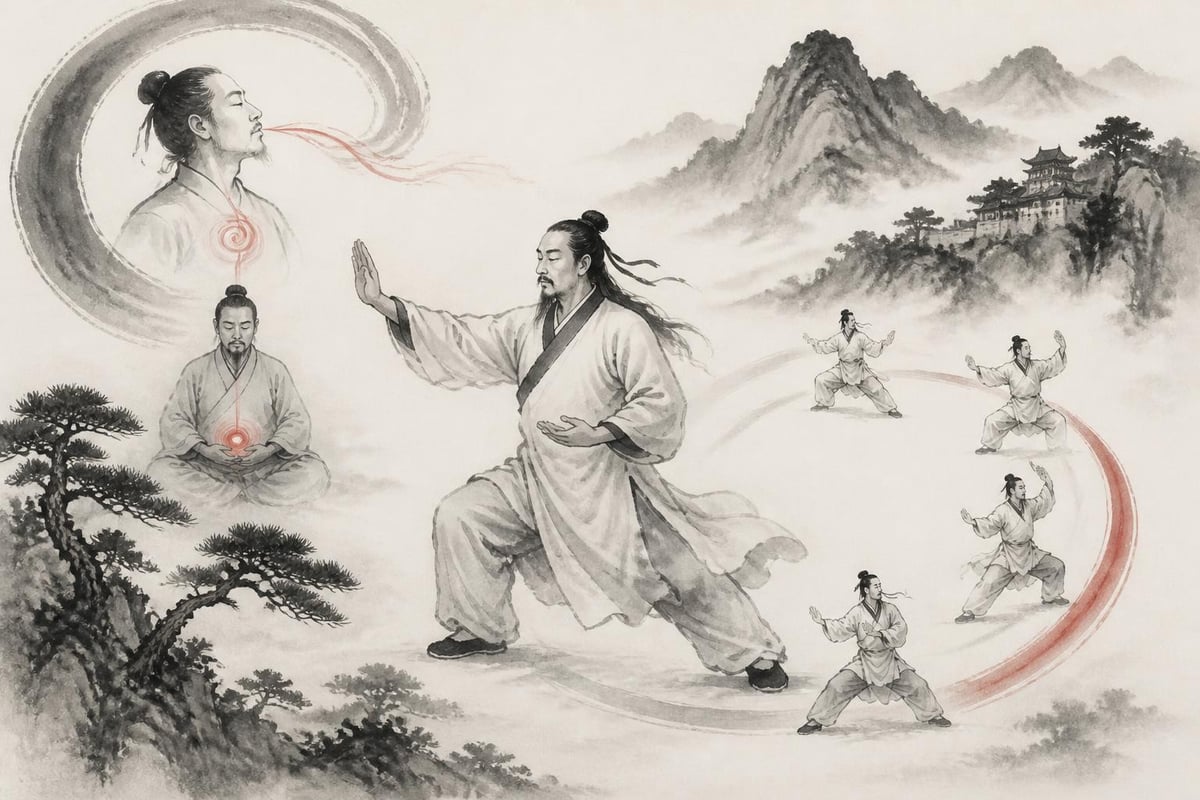
The form typically opens with Wu Ji posture, the state of primordial emptiness before movement begins. From this stillness, the first movements activate your Qi and establish the energetic foundation for what follows. These opening gestures connect you to heaven above and earth below, creating the alignment that allows energy to flow freely through your central channel.
As you transition into the active movements, each posture flows naturally into the next. There are no sharp breaks or disconnected segments. This continuity mirrors the Taoist understanding of reality as an unbroken flow of transformation.
Core Movement Patterns
The middle section of the wudang tai chi form 13 explores variations on the eight energies through different body orientations and stepping patterns. You might practise peng energy while advancing, then immediately shift to lu energy while turning and stepping to the side. This constant variation trains your ability to adapt while maintaining internal coherence.
Pay attention to these key principles during practice:
- Weight shifts happen smoothly, with clear distinction between full and empty
- Movements originate from your dantian (lower energy centre), not from isolated limbs
- Breath coordinates with movement, supporting rather than forcing the action
- Eyes follow your leading hand, maintaining focused yet relaxed awareness
- Spine remains upright and free, allowing Qi to flow without obstruction
Closing and Integration
The final movements of the form return you to stillness, but you're not the same as when you started. The practice has circulated your Qi, opened channels, and reset your nervous system. The closing sequence gathers this activated energy back to your dantian for storage, preventing depletion and building your reserves over time.
Training Principles for Authentic Practice
Learning the wudang tai chi form 13 requires patience and consistent practice. Unlike external martial arts that emphasise muscular strength and speed, this internal practice develops gradually through relaxed, mindful repetition.
Daily Practice Recommendations
Start with shorter sessions and gradually extend your practice time as your body adapts. Even fifteen minutes daily creates more benefit than occasional longer sessions. Your nervous system needs regular reinforcement to rewire habitual tension patterns and establish new, healthier movement pathways.
When you first begin, focus on learning the sequence correctly. Don't worry about perfection or trying to feel Qi flowing. Simply learn the movements with proper alignment and smooth transitions. The energetic aspects will emerge naturally as your body becomes familiar with the form.
For those new to our Tai Chi course, working with experienced guidance helps you avoid common mistakes that can limit your progress or even create imbalance. The wudang tai chi form 13 contains subtle details that transform simple movements into profound cultivation practices.
Common Challenges and Solutions
Most beginners encounter similar obstacles when learning this form:
| Challenge | Solution |
|---|---|
| Difficulty coordinating breath and movement | Practise breathing separately first, then gradually integrate |
| Tension in shoulders and neck | Focus on sung (relaxed sinking), letting arms hang from shoulder joints |
| Losing balance during weight shifts | Slow down, ensure 100% weight transfer before lifting the empty foot |
| Mind wandering during practice | Use counting or focus on specific body sensations to anchor attention |
| Inconsistent practice schedule | Link practice to existing daily routine (after waking, before dinner) |
Remember that challenges are not failures but opportunities to deepen understanding. Each difficulty you encounter points toward an area where growth is possible.
Internal Energy Cultivation Through the Form
What distinguishes the wudang tai chi form 13 from mere physical exercise is its sophisticated approach to Qi development. Every movement serves as a vehicle for directing, refining, and storing your life force energy.
The Role of Yi (Intention)
In Taoist practice, intention leads Qi, and Qi leads the body. This means your mind initiates movement energetically before physical action occurs. As you practise the form, maintain clear but gentle awareness of where you want energy to flow. This isn't forced visualisation or mental strain, but rather a soft knowing that guides the practice.
When performing a ward-off movement, for instance, your intention extends beyond your physical arm into the space around you. This outward-directed Yi creates an energetic field that manifests as peng energy. The physical arm simply follows what's already happening energetically.
Breathing and Qi Circulation
Natural breathing forms the foundation of energetic practice. The wudang tai chi form 13 doesn't require complex breathing techniques or forced breath retention. Instead, allow your breath to find its natural rhythm as you move, gradually deepening and slowing as your practice matures.
Generally, expansive movements (opening, lifting, extending) coordinate with inhalation, while condensing movements (closing, sinking, gathering) align with exhalation. This pattern emerges organically rather than being imposed artificially. Our Best Tai Chi Meditation Techniques article explores this breath-and-stillness relationship in more depth.
Therapeutic Benefits and Health Applications
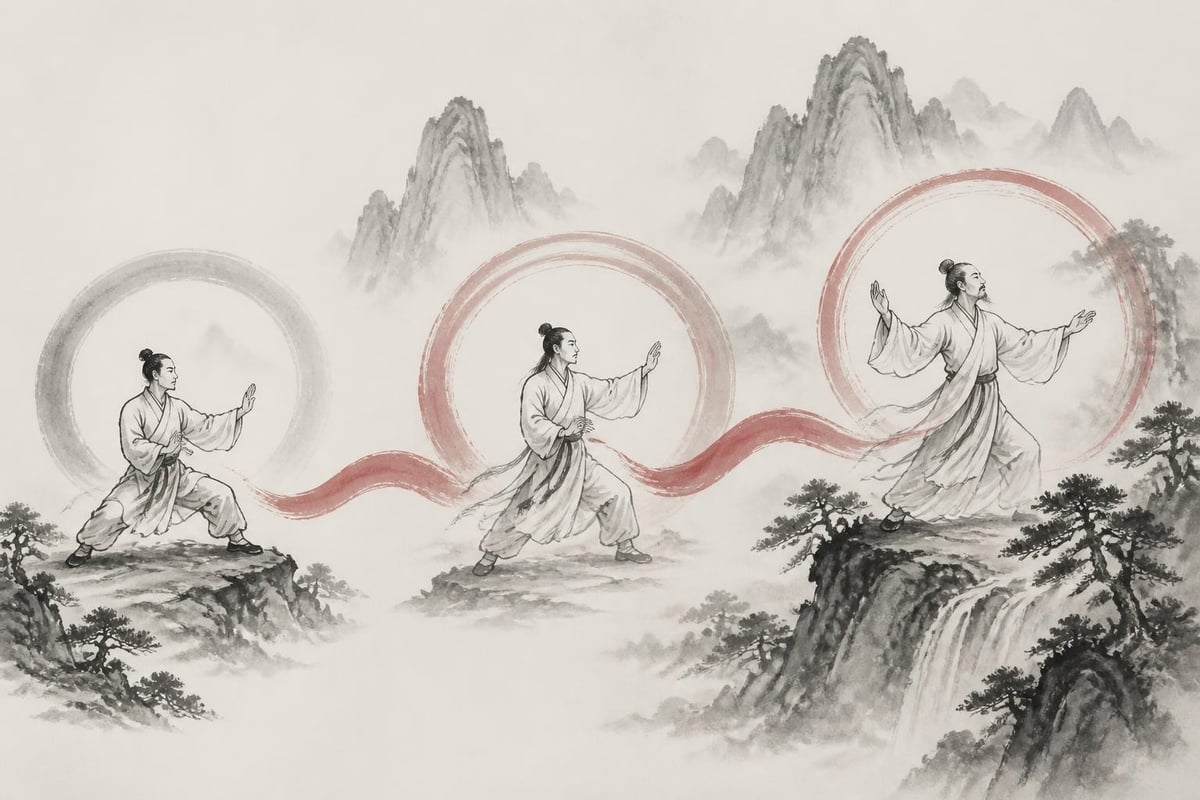
Regular practice of the wudang tai chi form 13 offers numerous health benefits that extend far beyond simple fitness. The gentle, flowing movements combined with internal focus create changes at multiple levels of your being.
Physical Health Improvements
- Joint health: Circular movements lubricate joints and maintain range of motion
- Balance and coordination: Weight shifting and single-leg stances strengthen proprioception
- Cardiovascular function: Moderate, sustained activity improves heart health without stress
- Muscular strength: Isometric holding in low stances builds endurance
- Posture correction: Alignment principles retrain habitual patterns
Mental and Emotional Benefits
The meditative quality of the wudang tai chi form 13 naturally calms your nervous system and reduces stress. As you practise, racing thoughts slow down, replaced by embodied awareness of the present moment. This shift from mental chatter to somatic presence provides a respite from daily anxieties.
Over time, you may notice improved emotional regulation. The practice teaches you to remain centred even as you move through challenging positions, a skill that transfers directly to life situations. When difficulties arise, you can access the same calm centredness you cultivate on your practice mat.
Progressing Beyond the Basics
Once you've learned the basic sequence of the wudang tai chi form 13, deeper layers of practice reveal themselves. This form contains sufficient depth to support decades of exploration and refinement.
Levels of Practice Mastery
- Form Memorisation: Learning the correct sequence and basic postures
- Principle Integration: Understanding how each movement embodies Tai Chi concepts
- Energetic Awareness: Feeling Qi circulation throughout the form
- Spontaneous Expression: Moving from inner impulse rather than memorised pattern
- Martial Application: Understanding the combat effectiveness of each technique
Each level builds upon the previous one, but you don't need to master one before exploring the next. Practice naturally spirals through these levels, with moments of insight occurring at any stage.
Complementary Practices
The wudang tai chi form 13 works synergistically with other Taoist cultivation methods. Our Qi Gong course develops your ability to sense and direct energy, which then enhances your Tai Chi practice. Similarly, our Taoist meditation course builds the mental clarity and focus that allow you to maintain presence throughout the form.
Many practitioners find value in exploring our Taoist Philosophy course alongside their physical practice. Understanding concepts like wu wei (effortless action) and yin-yang theory provides intellectual context that deepens your experiential understanding of the movements.
Learning from Authentic Sources
The transmission of the wudang tai chi form 13 carries specific energetic keys that can only be passed from teacher to student. While videos and books provide helpful reference material, they cannot replace direct instruction from someone who has received authentic training.
Taoist Wellness Online offers structured guidance in authentic Wudang forms with Master Gu, a 15th-generation San Feng Pai Wudang Taoist Master who brings over 25 years of expertise to his teaching. Through comprehensive lessons, live sessions, and community support, students receive the kind of personalised feedback that accelerates progress and ensures correct practice.
What to Look for in Instruction
Quality instruction emphasises internal principles over external form. Your teacher should be able to demonstrate the energetic aspects of the practice, not just perform the movements athletically. They should also be able to explain the why behind each movement, connecting postures to broader Taoist principles.
Additionally, authentic teaching respects the tradition while adapting to modern contexts. The wudang tai chi form 13 was created in a specific cultural and historical setting, but its principles apply universally to human beings seeking balance and vitality.
Integrating Practice Into Modern Life
One of the beautiful aspects of the wudang tai chi form 13 is its accessibility for contemporary practitioners. You don't need special equipment, elaborate space, or hours of free time. The form adapts to your circumstances while maintaining its transformative potential.
Creating a Sustainable Practice
Begin by identifying when and where you can practise consistently. Morning practice, before the day's activities begin, offers the benefit of setting a calm tone for hours ahead. Evening practice can help release accumulated tension and prepare for restful sleep. Some practitioners enjoy midday sessions as a reset between work tasks.
Your practice space should be:
- Relatively quiet and free from interruptions
- Large enough to move without hitting obstacles
- Well-ventilated with decent air quality
- Comfortable temperature-wise
- Pleasant and inviting to you personally
Even a small corner of a room can work perfectly if it meets these basic criteria.
Tracking Progress Without Attachment
While it's natural to want to improve, excessive goal-orientation can actually hinder progress in internal practices. The wudang tai chi form 13 teaches you through the practice itself, not through achieving predetermined milestones. Notice changes without grasping at them or feeling disappointed when progress seems slow.
Keep a simple practice journal if you find it helpful. Note how many times you practised each week and any insights or challenges that arose. Review this periodically to recognise patterns and growth that might not be obvious day-to-day.
Seasonal and Environmental Considerations
Traditional Taoist practice acknowledges the relationship between human beings and natural cycles. Your wudang tai chi form 13 practice can harmonise with seasonal energies and environmental conditions, deepening your connection to the larger rhythms that sustain all life.
During spring, emphasise the rising, expanding quality of movements, aligning with nature's outward growth. Summer practice can be more vigorous and expressive. Autumn brings a shift toward gathering and condensing energy, while winter invites slower, more internal practice with emphasis on storing Qi.
Practising outdoors when possible allows you to absorb environmental Qi and feel the elements directly. Early morning practice in a park or garden offers fresh air and the peaceful energy of dawn. Even practising near an open window brings some of these benefits.
The wudang tai chi form 13 offers a complete path of cultivation through thirteen essential movements that integrate body, energy, and spirit. Whether you're seeking physical health, mental clarity, or spiritual development, this foundational practice provides tools for transformation that have served generations of practitioners. If you're ready to explore authentic Wudang teachings in a supportive learning environment, Taoist Wellness Online provides comprehensive instruction from Master Gu, connecting you with ancient wisdom tailored for modern life.
If you'd like a gentle place to start, our free Taoist course covers Tai Chi, Qi Gong, Meditation, and Taoist Wisdom.