Daoism Definition: Ancient Wisdom for Modern Balance
Oct 16, 2026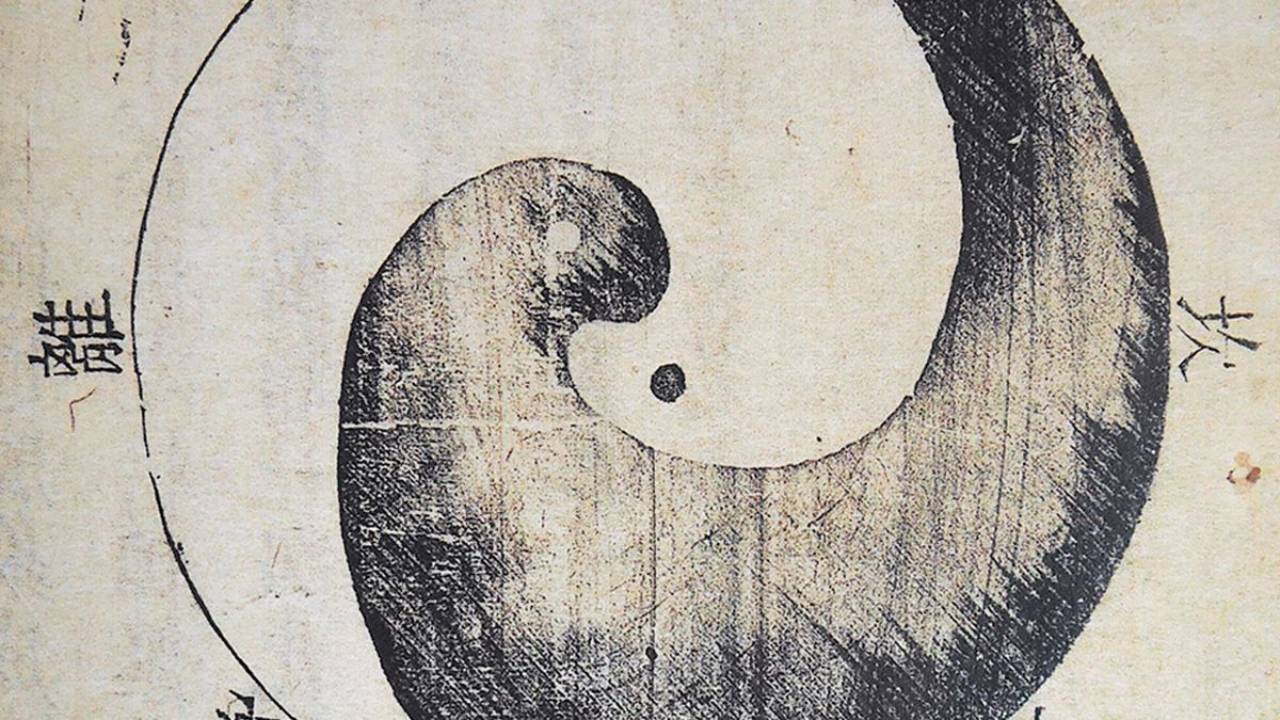
When you first encounter the daoism definition, you might expect a simple, straightforward explanation. Instead, you'll discover something more alive and nuanced - a philosophy that resists rigid categorisation precisely because it teaches us to flow with life rather than force it into boxes. Understanding what Daoism truly means opens doorways to ancient practices that remain remarkably relevant for anyone seeking balance, vitality, and peace in 2026.
What Is Daoism? The Essential Definition
The daoism definition encompasses both a philosophical tradition and a spiritual practice rooted in ancient China, dating back more than 2,500 years. At its heart, Daoism centres on the concept of the Dao (or Tao), often translated as "the Way" - the fundamental, nameless force that flows through all existence.
Core elements of the daoism definition include:
- Living in harmony with natural rhythms and cycles
- Cultivating inner stillness through meditation and mindful movement
- Practising Wu Wei, or effortless action
- Balancing yin and yang within yourself and your environment
- Nurturing vital energy (Qi) through gentle practices
Unlike purely intellectual philosophies, Daoism integrates mind, body, and spirit. This integration makes it particularly valuable for modern practitioners who recognise that wellbeing isn't just mental or physical - it's both, woven together.
Philosophical Daoism Versus Religious Daoism
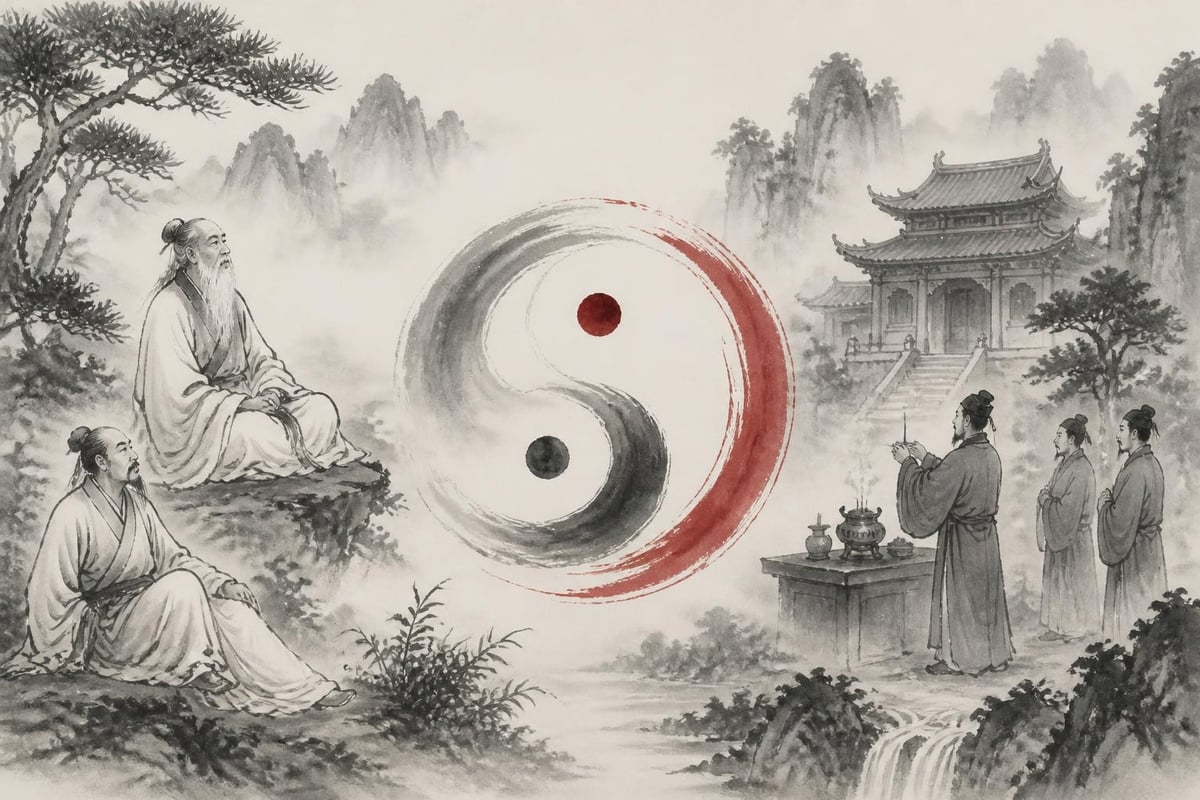
When exploring the daoism definition, you'll encounter two main branches that often interweave. Philosophical Daoism focuses on the teachings found in classical texts like the Tao Te Ching and the Zhuangzi, emphasising personal cultivation, natural living, and understanding the nature of reality.
Religious Daoism developed later, incorporating rituals, deities, temples, and organised practices. While these branches differ in expression, both share fundamental principles about aligning with the Dao and nurturing life energy.
For most Western students beginning their journey, the philosophical aspects provide the most accessible entry point. If that appeals, our Taoist philosophy course is a gentle way to explore these ideas.
The Dao: The Unnameable Centre
Central to any daoism definition is the Dao itself. Lao Tzu, the legendary author of the Tao Te Ching, opens his text with a paradox: the Dao that can be put into words is not the eternal Dao. This immediately tells us something crucial - the Dao goes beyond language and conceptual understanding.
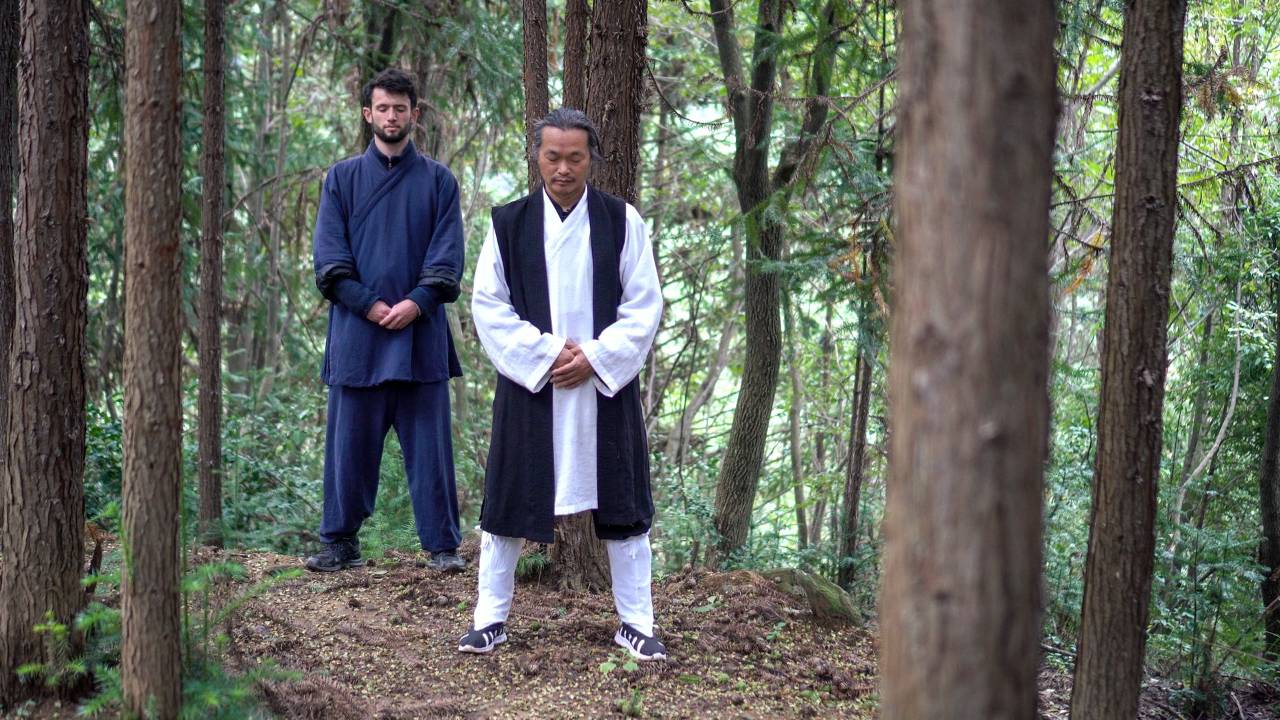
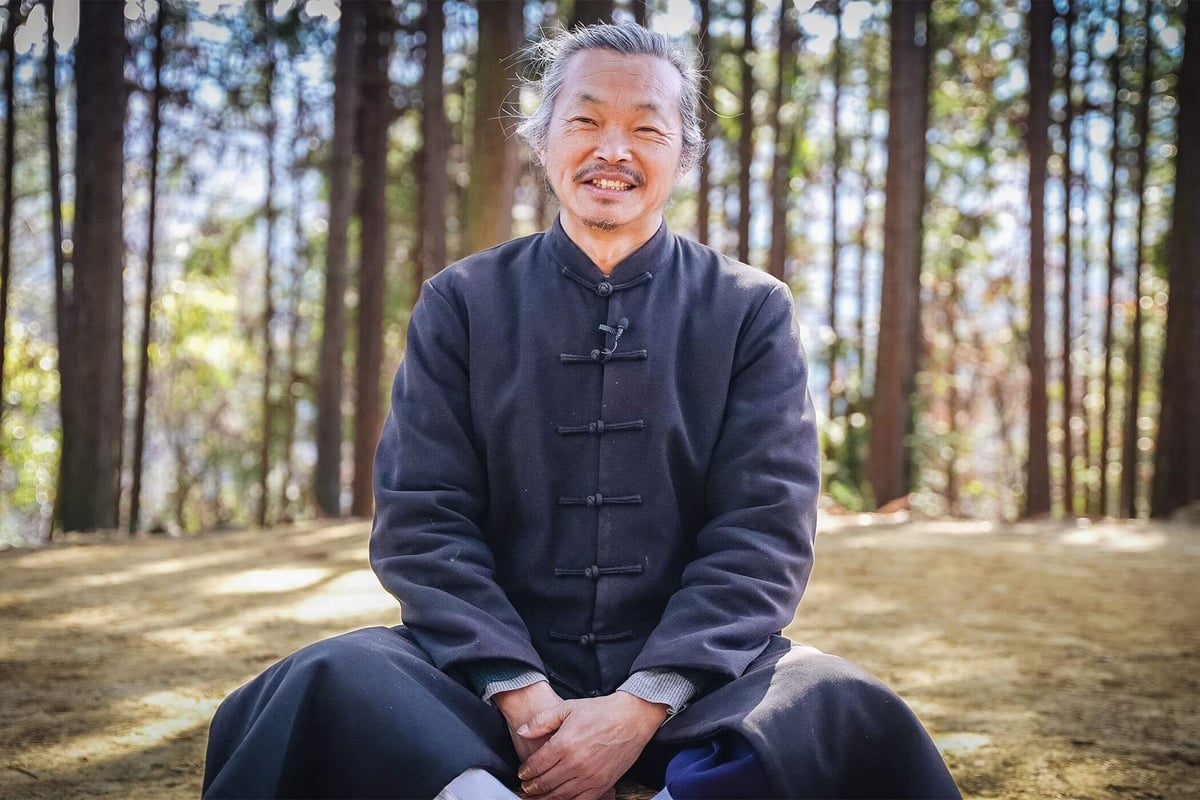
Master Gu explains the origins of Daoism and the meaning of the Dao in the short video below.
Think of the Dao as:
- The source from which all things emerge
- The pattern that organises natural processes
- The flow that guides change and transformation
- The stillness underlying all movement
You can't grasp the Dao intellectually, but you can come closer to it through experience, in practices like Wudang Tai Chi and Qi Gong. These movement practices teach your body what words cannot fully convey.
Key Principles Within the Daoism Definition
Wu Wei: Effortless Action
Wu Wei literally means "non-doing" or "non-forcing," but it doesn't suggest passivity. Instead, it describes action that flows naturally from present awareness, without strain or resistance. It applies to everything from decision-making to physical movement.
| Forcing (Not Wu Wei) | Wu Wei (Natural Action) |
|---|---|
| Pushing through fatigue | Resting when tired, acting when energised |
| Controlling outcomes rigidly | Responding flexibly to circumstances |
| Swimming against the current | Finding the natural flow |
| Mental struggle and tension | Calm clarity and appropriate response |
Yin and Yang Balance
The interplay of yin (receptive, cooling, internal) and yang (active, warming, external) appears throughout Daoist thought. Neither is superior - health and harmony emerge from their dynamic balance.
In practice, this means honouring both:
- Rest and activity
- Stillness and movement
- Inner reflection and outer engagement
Qi Gong and Tai Chi express this principle directly, alternating between drawing attention inward and expressing movement outward.
Ziran: Natural Spontaneity
Ziran translates as "self-so" or "naturalness" - the quality of being authentically yourself without artifice. This principle encourages you to discover and express your true nature rather than conforming to external expectations that don't serve you.
How Daoism Applies to Daily Life
The practical daoism definition extends far beyond temple walls or philosophical texts. These principles offer guidance for navigating the complexities of contemporary life with greater ease and resilience.
Managing Stress and Energy
Modern burnout often stems from fighting against our natural rhythms - working when we need rest, forcing solutions when patience would serve us better. Taoist wisdom for burnout invites us to recognise these patterns and respond with a gentler approach to our energy.
Practical applications:
- Notice when you're forcing and experiment with stepping back
- Plan important tasks around the times of day when you feel most energised
- Create space for stillness between activities
- Pay attention to your body's signals
Daoist practice can sit alongside, but should not replace, professional support. If you're struggling with burnout, stress, anxiety or low mood, please speak to your GP or a qualified professional as well.
Nurturing Vital Energy
Qi (pronounced "chee") represents your vital life force. The daoism definition includes gentle practices designed to nurture this energy. In traditional teaching, when your Qi is balanced, you may feel more vitality, mental clarity, and emotional steadiness, although experiences vary.
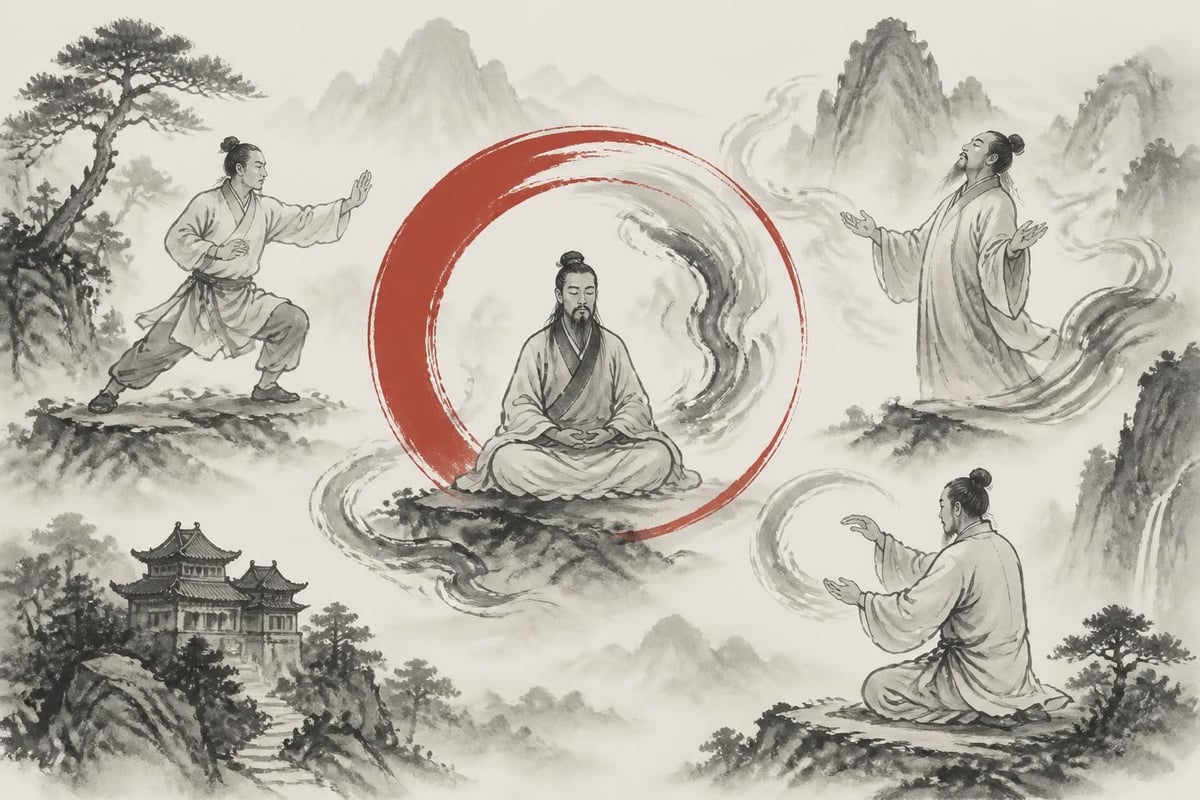
Ba Duan Jin Qi Gong is one accessible practice for beginners. These gentle exercises combine natural breathing, relaxed movement and calm attention to support a sense of ease and balance.
Eating and Living Naturally
Daoist dietary principles emphasise eating in harmony with the seasons, choosing whole foods, and maintaining balance rather than following rigid rules. The approach recognises that what nourishes one person may not suit another.
Daoism in 2026: Contemporary Relevance
The enduring daoism definition continues to attract modern seekers precisely because it addresses perennial human concerns: How do we find balance? How do we navigate change? How do we cultivate genuine wellbeing?
What Research Suggests
Contemporary research is increasingly interested in what Daoist practitioners have valued for centuries. Studies on Tai Chi suggest benefits for balance and general wellbeing, meditation research points to the value of stillness practices, and breath work is being studied for its effects on relaxation. Results vary from person to person, and these practices support, rather than replace, medical care.
This research doesn't replace the experiential wisdom at the core of Daoism, but it helps modern students appreciate why these practices endure.
A Path Through Modern Challenges
In an age of constant connectivity, information overload, and pressure to optimise every moment, the Daoist emphasis on natural rhythms and effortless action offers a counterbalance. You don't need to do more - you need to align with what genuinely serves your wellbeing.
If you'd like structured guidance for bringing these principles into your day, our free Taoist course offers an easy introduction to Wudang Tai Chi, Qi Gong and Taoist meditation with Master Gu, at your own pace. As with any new exercise, please check with your healthcare professional first if you have existing health concerns.
Learning from Authentic Teachers
Understanding the daoism definition intellectually differs significantly from living its principles through practice. Traditional Daoist arts like Wudang Tai Chi and Qi Gong have been passed from teacher to student over generations, preserving not just the forms but the philosophical understanding that animates them.
The Wudang Lineage
Wudang Mountain in China has been a centre for Daoist cultivation for many centuries. The practices developed there bring together martial arts, health cultivation, and spiritual development into a comprehensive system.
When you learn from an experienced teacher in an authentic lineage, you benefit from:
- Time-tested methods refined over generations
- A clear, structured path to follow
- Understanding of how practices connect with one another
- The wisdom and presence of someone who has lived the practice
Building Your Practice Foundation
Starting a Daoist practice doesn't require perfection or extensive background knowledge. Begin where you are, with practices that feel accessible and sustainable.
| Practice Type | Time Commitment | What You May Begin to Notice |
|---|---|---|
| Standing meditation | 5-10 minutes daily | A more grounded feeling, steadier focus |
| Basic Qi Gong | 15-20 minutes | A sense of ease and less tension |
| Tai Chi forms | 20-30 minutes | Improved balance awareness, a feeling of flow |
| Sitting meditation | 10-20 minutes | A calmer mind, deeper awareness |
Results vary from person to person. Your practice naturally evolves as you develop greater sensitivity and understanding, and what begins as gentle exercise can gradually reveal deeper dimensions of the tradition.
Common Misconceptions About Daoism
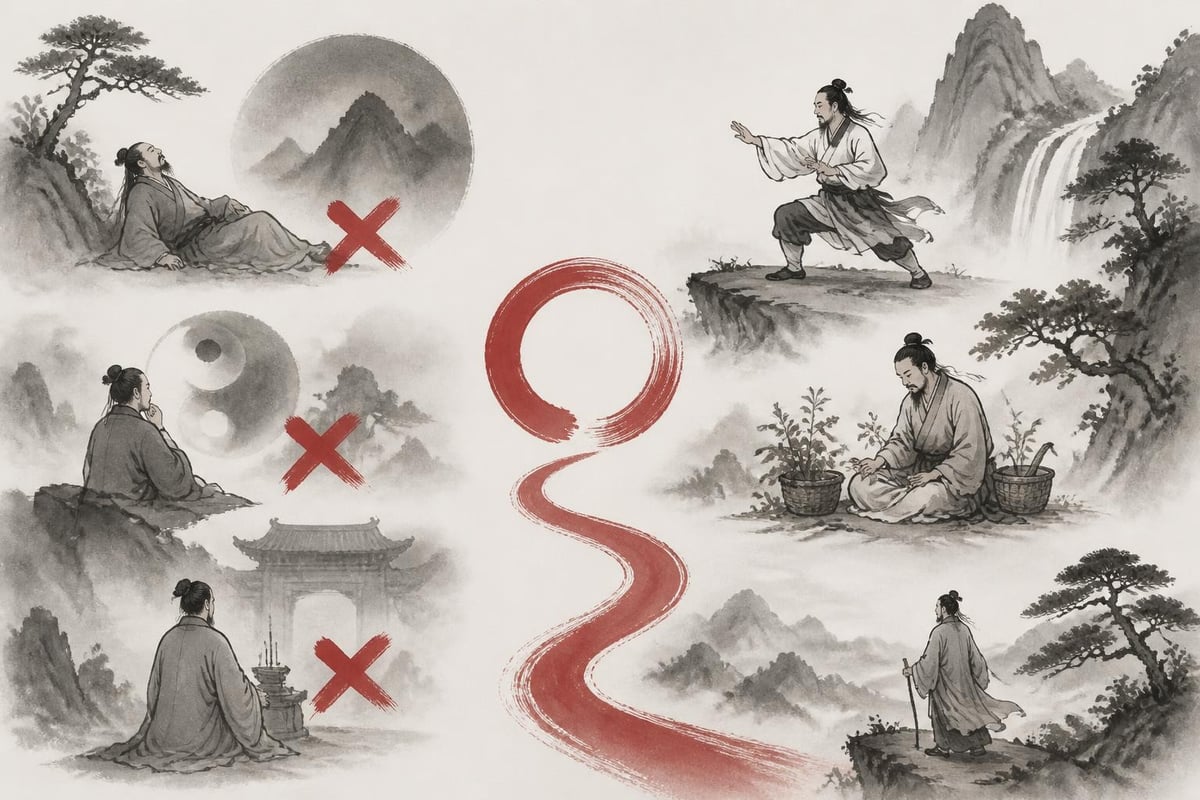
"Daoism Means Being Passive"
This misunderstanding confuses Wu Wei's effortlessness with inaction. Daoist practice actually cultivates capability and presence, it simply uses them skilfully rather than wastefully. A seasoned Tai Chi practitioner can move with remarkable ease and efficiency precisely because they've learned to relax and conserve effort.
"Daoism Is Just Philosophy"
While the daoism definition includes profound philosophical insights, reducing it to abstract concepts misses its embodied, practical dimension. Daoism is something you do and experience, not just something you think about.
"You Need to Be Religious"
Philosophical Daoism offers a complete path of cultivation without requiring religious belief or worship. You can bring its principles and practices into any worldview or existing spiritual framework.
The Living Tradition Today
The daoism definition continues to evolve as practitioners worldwide adapt ancient wisdom to contemporary life. While core principles remain constant, their application shifts to meet modern needs and circumstances.
Global Practice Communities
What once required travelling to remote mountain monasteries is now accessible through online platforms and global communities. Students from diverse backgrounds come together to explore these practices, sharing experiences and supporting each other's growth. Our community of practitioners offers connection and encouragement that can enrich your own practice.
Integrating Multiple Practices
Many modern students combine Daoist practices with other approaches, such as yoga, creative pursuits or athletic training. This integration honours Daoism's fundamental flexibility and practical focus on what genuinely supports wellbeing.
Preserving Authenticity While Adapting
The challenge and opportunity in 2026 is to keep the integrity of traditional teachings while making them genuinely accessible. This takes teachers who deeply understand the source material and can translate it for contemporary students without diluting its essence.
Your Personal Path Forward
Engaging with the daoism definition isn't about adopting someone else's beliefs or rigidly following prescribed rules. It's about discovering principles and practices that help you live with greater ease, vitality, and authentic presence.
Starting points to consider:
- Explore foundational texts like the Tao Te Ching in accessible translations - our guide to the 10 best books on Taoism is a good place to begin
- Begin a simple daily practice, even just five minutes of standing meditation
- Notice where you're forcing in your life and experiment with releasing
- Pay attention to your energy levels and natural rhythms
- Connect with teachers and communities for guidance and support
The path unfolds gradually, revealing new dimensions as your sensitivity and understanding deepen. What initially seems mysterious becomes lived experience, and what appears contradictory resolves into dynamic harmony.
Measuring Progress Differently
Daoist cultivation doesn't follow linear metrics or checkboxes. Progress may appear as:
- Greater ease in daily activities
- A calmer response to challenges
- A feeling of vitality and mental clarity
- Deeper connection to yourself and others
- Natural, appropriate action arising from present awareness
These qualities tend to develop through consistent practice, without forcing or strain.
Beyond Definition to Direct Experience
Ultimately, the daoism definition serves as a map, not the territory itself. Words point towards something that must be experienced directly through practice, observation, and integration. The ancient teachers knew this, which is why they emphasised cultivation over mere intellectual understanding.
Your body knows things your mind hasn't yet grasped. Your breath carries wisdom that concepts cannot capture. The stillness beneath your thoughts holds insights that emerge only when you create space to listen.
This experiential dimension is why Taoist meditation and movement practices remain so central to the tradition. They create conditions for meeting the principles that define Daoism not as abstract ideas but as living realities you embody moment by moment.
Understanding the daoism definition opens doorways to practices and principles that have guided countless seekers towards balance, vitality, and peace for thousands of years. These teachings remain remarkably relevant for navigating modern life with greater ease and authentic presence. At Taoist Wellness Online, you can explore authentic Wudang Tai Chi, Qi Gong, and Taoist meditation with Master Gu, a 15th-generation San Feng Pai Wudang Taoist Master with 25+ years of teaching experience, through accessible courses, a monthly live session and Q&A, and a supportive global community.