Zen Buddhism and Taoism: How Two Traditions Shaped Chan
Oct 13, 2026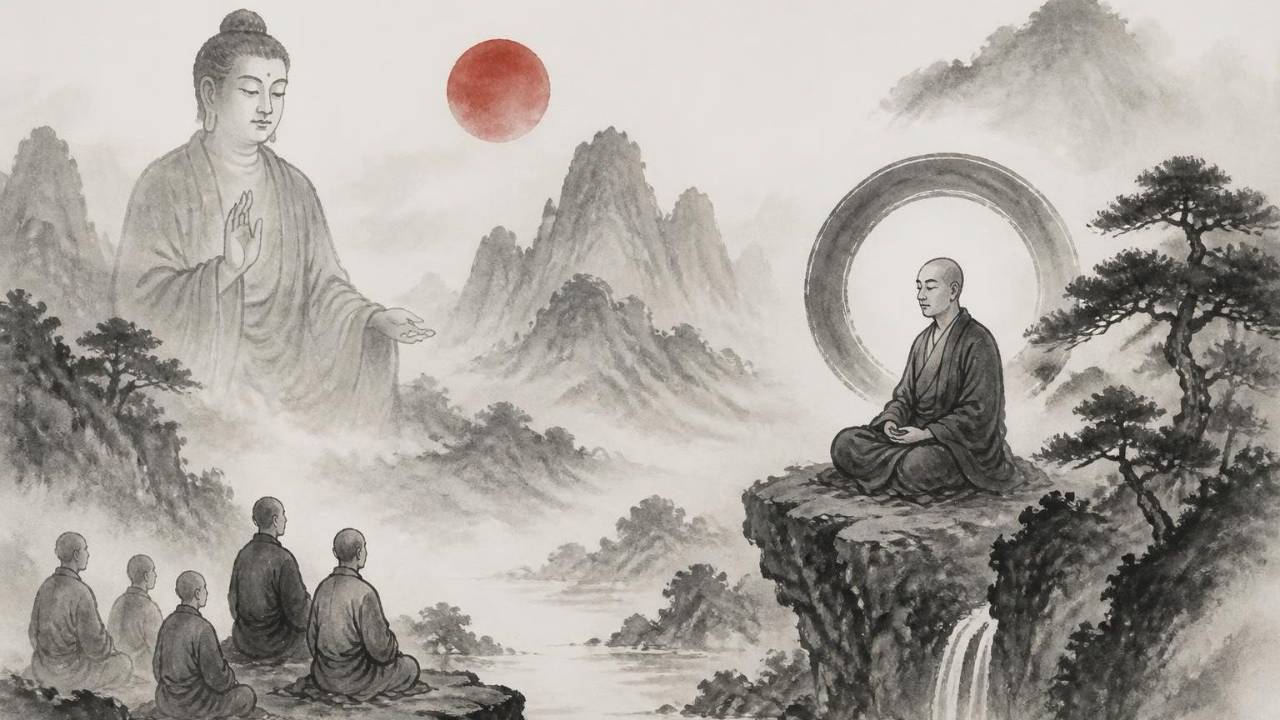
The relationship between zen buddhism and buddhism can seem mysterious at first glance. Zen presents itself as a direct path to awakening, often appearing to sidestep traditional Buddhist teachings. Yet it remains deeply rooted in the same soil that nourished all Buddhist schools. What makes Zen especially fascinating is where it grew: in China, where Buddhism met Taoism. Understanding that meeting helps clarify both traditions and reveals why these practices continue to resonate with seekers around the world in 2026, especially anyone interested in meditation, mindfulness, or Taoist practices that share similar contemplative approaches.
The Buddhist Foundation Beneath Zen Practice
Buddhism began with the historical Buddha, Siddhartha Gautama, who taught a path of liberation from suffering in the 6th century BCE. His core teachings emphasised the Four Noble Truths and the Eightfold Path, foundational ideas that every Buddhist school acknowledges.
Core Buddhist Teachings Zen Preserves
Despite its reputation for breaking with convention, Zen keeps Buddhism's essential framework:
- The Three Jewels: Buddha, Dharma, and Sangha remain central
- The Four Noble Truths: suffering exists, has a cause, can end, and there is a path
- The goal of awakening: liberation from the cycle of suffering
- Ethical living: kindness and honesty as the ground for practice
What changes is the method and emphasis. Where some Buddhist schools focus on gradual purification through study and merit-making, Zen emphasises direct realisation through meditation practice.
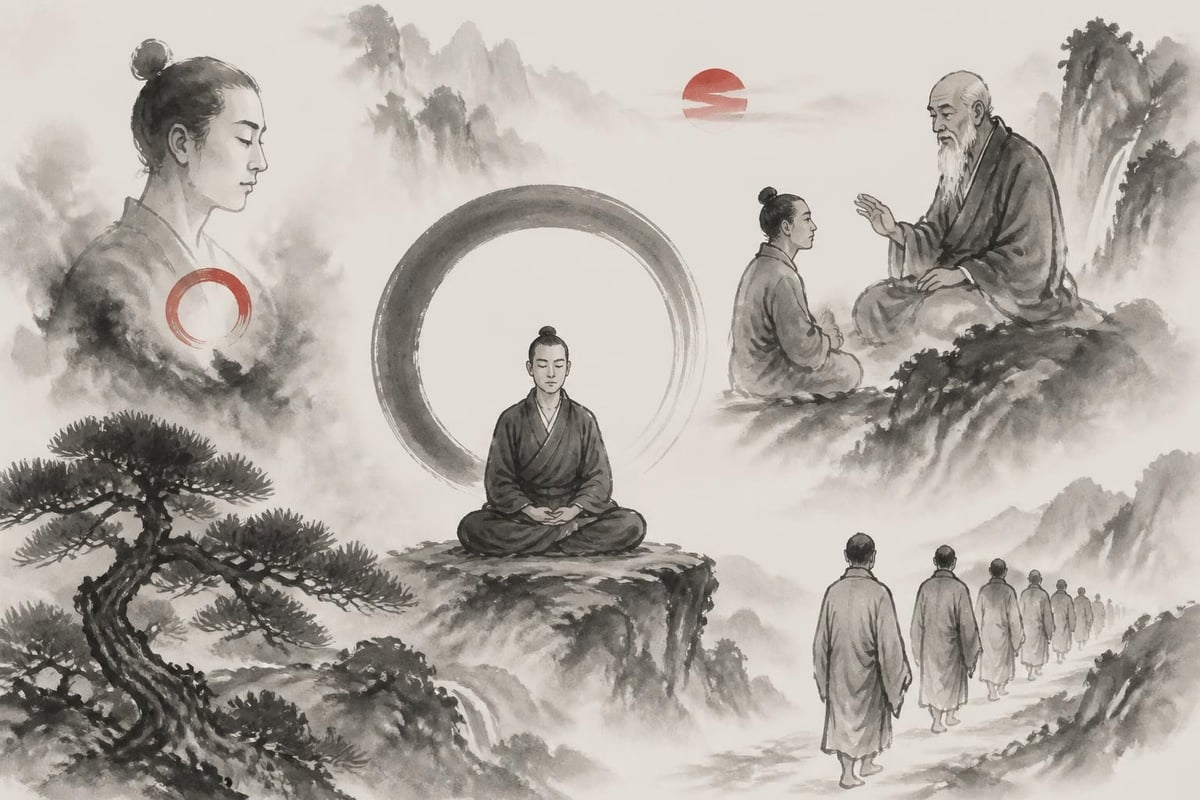
The question of zen buddhism and buddhism becomes clearer when we see Zen as both continuous with and distinct from its parent tradition. Like a child who carries family traits while developing a personality of its own, Zen preserves essential Buddhist roots while expressing them in a new voice - and that voice owes a great deal to Taoism.
Where Buddhism Met Taoism: The Birth of Chan
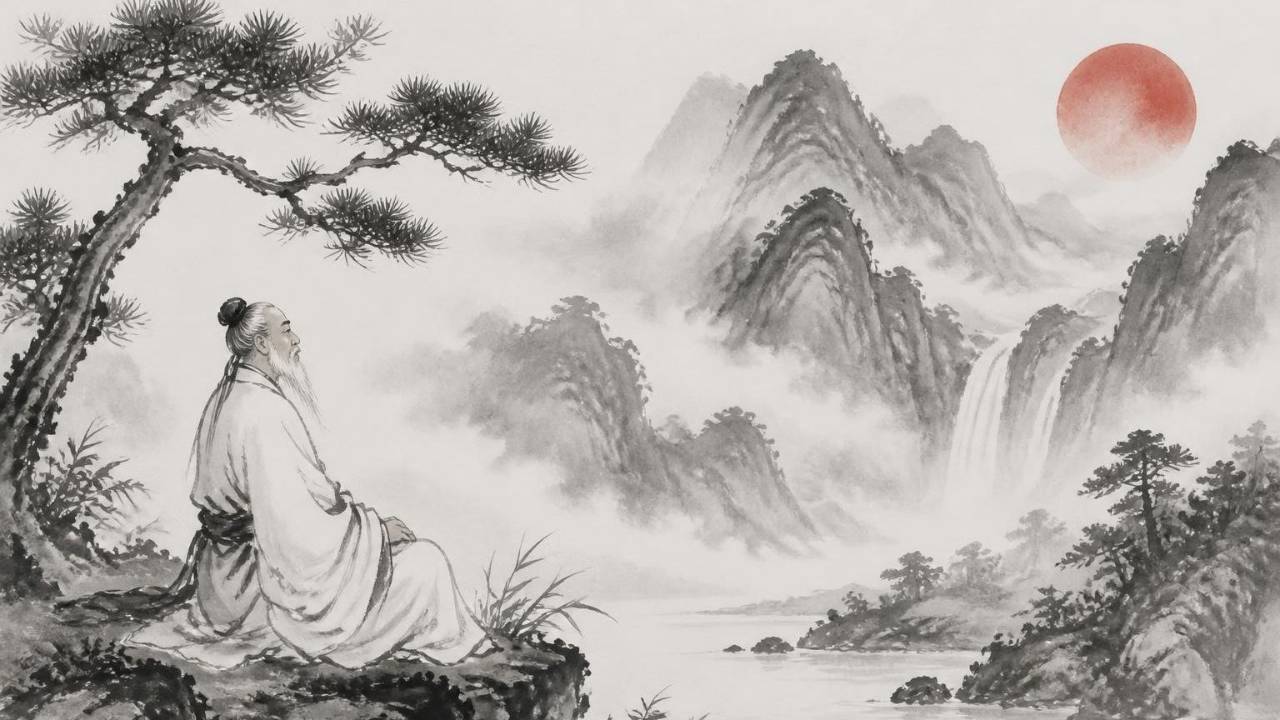
As Buddhism travelled from India along the Silk Road into China, it met a sophisticated native tradition with its own ideas about nature, stillness and the way of life. Many scholars note that early Chinese translators often reached for Taoist vocabulary to explain unfamiliar Buddhist ideas, and the two traditions gradually enriched one another. The result was Chan Buddhism, which later spread to Korea, Vietnam and Japan, where it became known as Zen.
If you'd like to understand the Chinese tradition Buddhism encountered, our in-depth guide to Taoism is a helpful starting point.
George Thompson shares an insight into how Chinese Chan (Zen) Buddhist monks live their lives in the short video below.
What Taoism Brought to Chan
The Taoist influence on Chan is often described as the reason Zen feels so different from the Indian Buddhism it grew from. Commonly cited gifts include:
- Naturalness: trusting that things unfold in their own way, without force
- Wu wei: effortless action, acting in harmony with the moment rather than against it
- Direct experience: a suspicion of too much theory, and a preference for lived understanding
- Simplicity: a plain, unadorned approach to daily life
- Humour and spontaneity: the playful spirit found in Taoist stories
You can hear this flavour in Chan sayings that find the Way in the ordinary, such as washing a bowl or drinking tea. It echoes the Taoist stories of Zhuangzi, where wisdom shows up in a butcher's knife or a leaping fish. If this strand interests you, our Taoist philosophy course explores these ideas in a gentle, practical way.
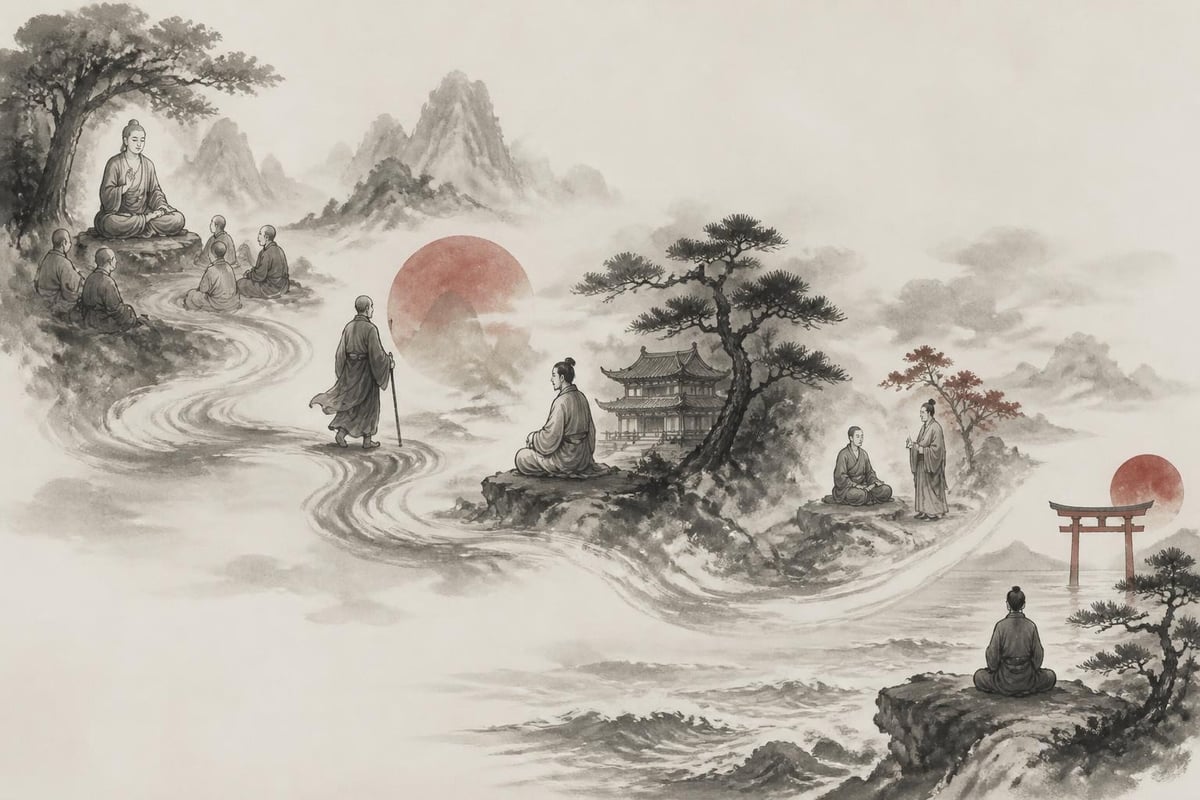
The continuing evolution of zen buddhism and buddhism shows how living traditions adapt without losing their essence. Like water taking the shape of its container, Buddhism has proved remarkably flexible across cultures.
What Sets Zen Apart Within Buddhism
Direct Transmission Outside Scripture
Zen famously describes itself as "a special transmission outside the scriptures." This doesn't mean Zen rejects Buddhist texts. Rather, it prioritises direct experience over intellectual understanding - a very Taoist instinct.
| Traditional Buddhist Approach | Zen Buddhist Approach |
|---|---|
| Gradual accumulation of merit | Sudden awakening possible |
| Extensive sutra study | Minimal conceptual framework |
| Many practices and rituals | Simplified, focused meditation |
| Buddhahood as a distant goal | Buddha-nature already present |
This comparison isn't about superiority. Different people need different approaches at different times in their journey.
The Practice of Zazen
Zazen, or seated meditation, forms the heart of Zen practice. In Soto Zen, practitioners engage in shikantaza, or "just sitting," without a particular object or goal. Rinzai Zen uses koans, paradoxical questions such as "What is the sound of one hand clapping?", as tools to move beyond ordinary conceptual thinking.
Both approaches remain thoroughly Buddhist while offering distinct pathways. The relationship between zen buddhism and buddhism shows clearly here: Zen takes the Buddha's emphasis on meditation and makes it the whole focus.
Zen and Taoist Meditation Side by Side
Zen and Taoist practice share a great deal, yet each has its own emphasis. Seeing them side by side can help you decide what resonates.
| Zen Buddhism | Taoist Practice |
|---|---|
| Focuses on ending suffering | Focuses on harmony and longevity |
| Emphasises awakening | Emphasises balance and natural flow |
| Monastic tradition is strong | Lay practice is common |
| Meditation is the primary practice | Includes movement, breath and energy work |
These aren't contradictions but different emphases. Many people find value in both, allowing each to inform the other. Where Zen often centres on sitting, Taoist meditation invites you to relax, connect with nature and let the mind settle without force. Our guide to Taoist meditation shows how this gentler style works in everyday life.
If you're curious about these ideas but not sure where to begin, our free Taoist course offers an easy introduction to Tai Chi, Qi Gong, meditation and Taoist wisdom with Master Gu, at your own pace.
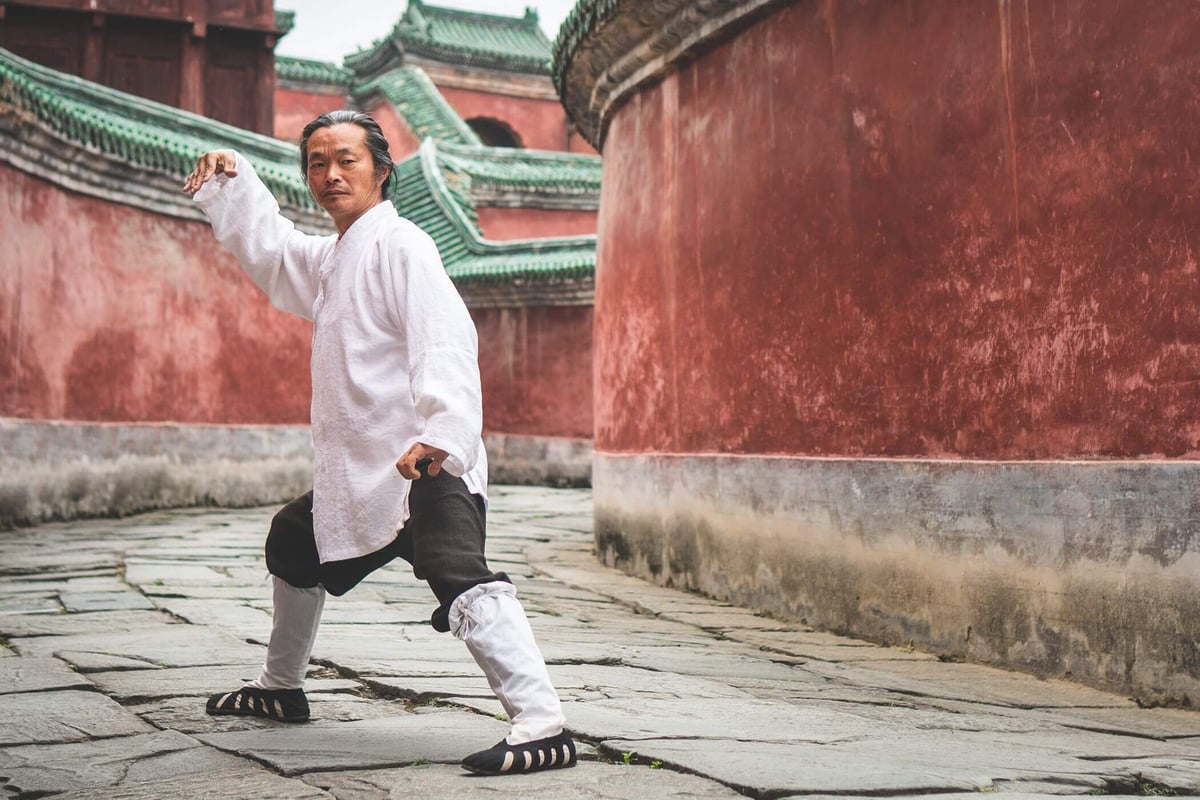
Moving Stillness: Tai Chi and Qi Gong
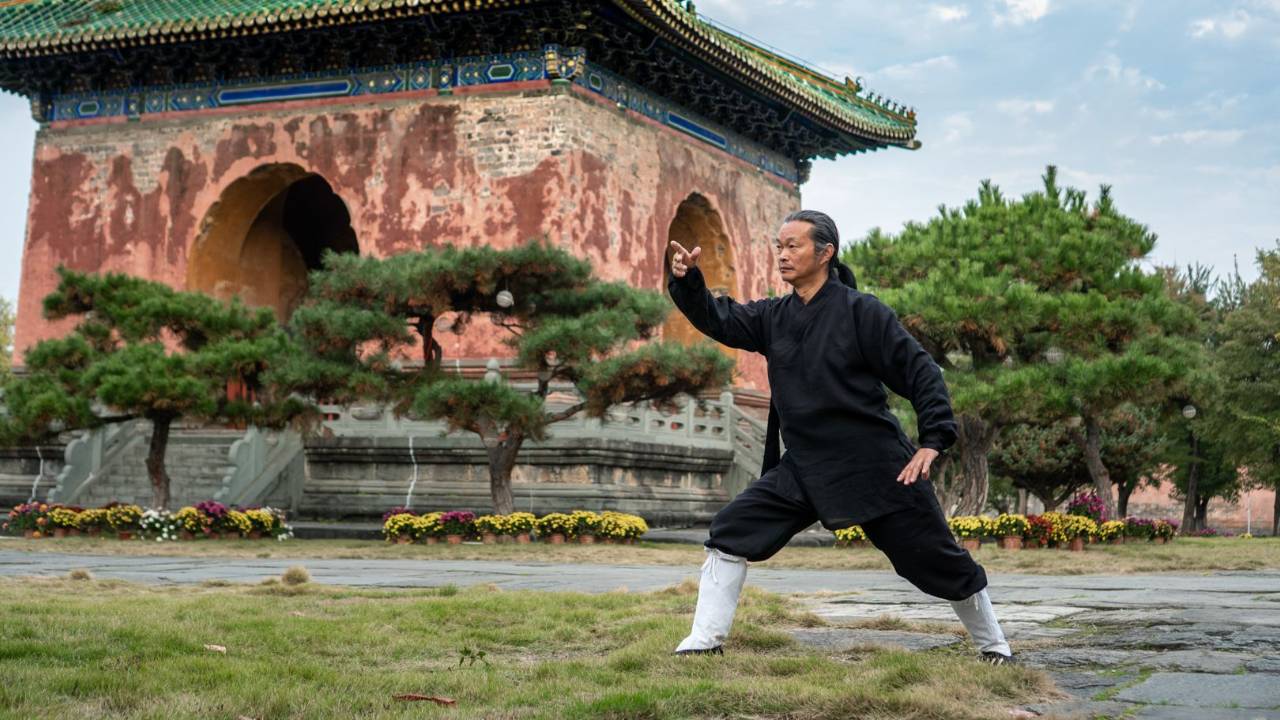
One difference worth noticing is that Taoist practice often brings stillness into movement. In the Wudang tradition, Tai Chi and Qi Gong cultivate the same present-moment awareness that Zen develops on the cushion, but through slow, flowing movement and relaxed breathing. For some people this feels more natural than sitting still, especially at the start.
If movement appeals, you might begin with our Tai Chi course, or explore gentler flowing sequences in our Qi Gong course. As with any new exercise, please check with your healthcare professional first if you have existing health concerns.
Daily Life as Practice
Both traditions carry practice beyond formal sessions. Zen speaks of "work practice," bringing meditative attention to tasks like cleaning or cooking. Taoism points to wu wei, moving through daily life without strain. In both, eating, walking and washing up can become moments of awareness, not because you add something special, but because you bring full attention to what you're already doing.
The conversation about zen buddhism and buddhism includes this practical side. All Buddhist schools encourage ethical conduct and mindfulness, but Zen, much like Taoism, especially emphasises finding the sacred in the ordinary.
Researchers have also begun studying meditation derived from Buddhist and other contemplative traditions. Studies suggest regular practice may be associated with benefits for attention, emotional balance and the body's response to stress, although the science is still developing and results vary.
Starting Simple
The beauty of both Zen and Taoist practice lies in simplicity. You don't need special equipment or years of preparation, just a place to sit, a willingness to be present, and patience with yourself.
- Find a quiet space where you can sit undisturbed
- Set a timer for just 5-10 minutes at first
- Sit comfortably with an upright, relaxed posture
- Breathe naturally without trying to control it
- Return your attention to the present when the mind wanders
- Practise daily, even when it feels boring or difficult
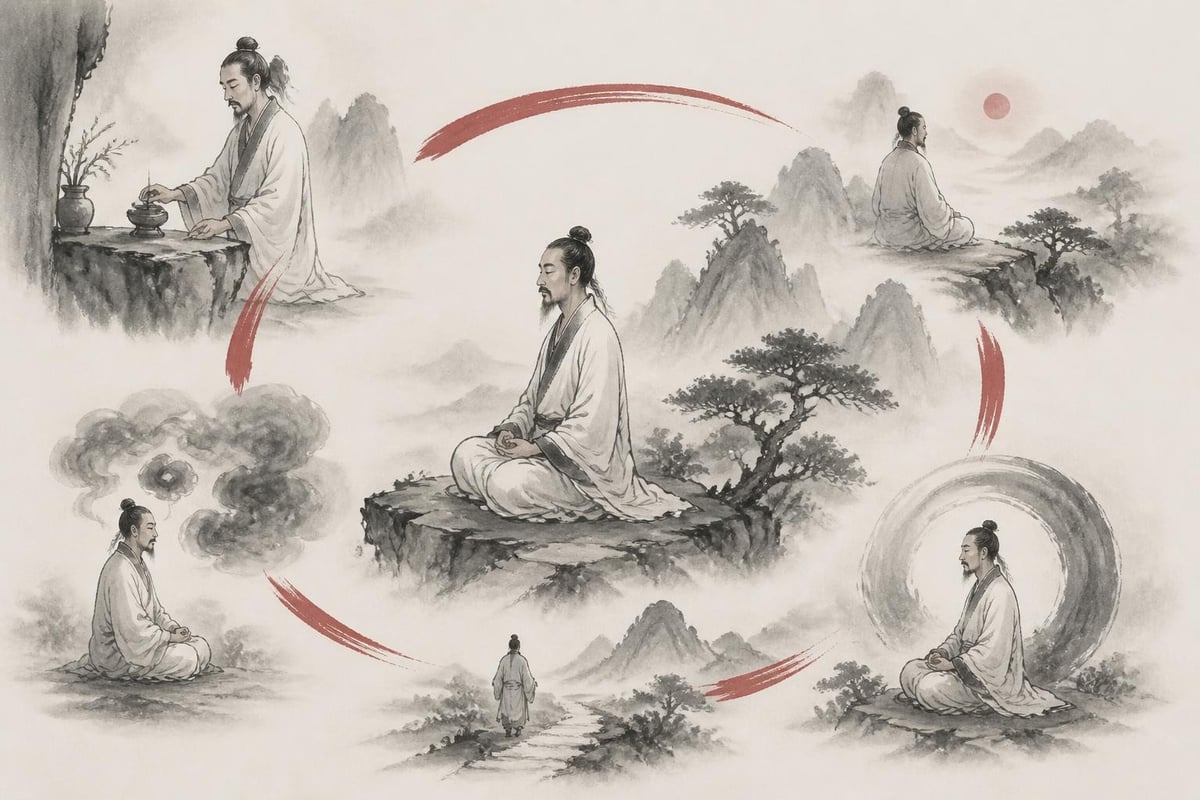
Working with Challenges
Every practitioner meets obstacles. The mind wanders, the body gets uncomfortable, and doubt appears. These aren't signs of failure - they are the practice itself. Learning to work gently with distraction and discomfort develops the very qualities meditation aims to nurture. Sharing the path with others helps too, which is why many people join our community of practitioners for encouragement and shared experience.
Meditation can sit alongside, but should not replace, professional support. If you're struggling with stress, anxiety or low mood, please also speak to your GP or a qualified professional.
Beyond the Cushion
The real test isn't how peacefully you sit. It's how you respond when someone cuts you off in traffic, when plans fall apart, or when life gets difficult. Can you keep some measure of calm? Can you respond with wisdom rather than pure reaction? These questions matter more than perfect posture or special experiences while sitting.
The Unbroken Thread: Continuity Through Change
Understanding the relationship between zen buddhism and buddhism reveals how living traditions keep continuity while adapting to new places. Zen preserves Buddhism's core recognition that suffering can ease and awakening is possible, while its Chinese, Taoist-influenced character gave it a distinctive voice.
Despite different methods, all Buddhist schools share a recognition that ordinary life involves dissatisfaction, a confidence that it can ease, and a path of practice, ethics and wisdom. Taoism offers its own path towards balance and ease. The best practice is the one you will actually do, the one that speaks to your heart. Exploring different traditions can help you find what fits, whether that's Zen, another Buddhist school, Taoist practice, or a blend.
The relationship between zen buddhism and buddhism shows how wisdom traditions keep their essence while adapting to new cultures, and how much Chan owes to its meeting with Taoism. If you're drawn to practices that cultivate presence, balance and inner peace, Taoist Wellness Online offers authentic training in Tai Chi, Qi Gong and Taoist meditation under the guidance of Master Gu, a 15th-generation San Feng Pai Wudang Taoist Master with 25+ years of teaching experience. You'll find courses, a global community and a monthly live session and Q&A to support your journey, at your own pace. To learn more about our teacher, visit our About page.