Does Tai Chi Really Work? Evidence & Benefits Explained
Oct 12, 2026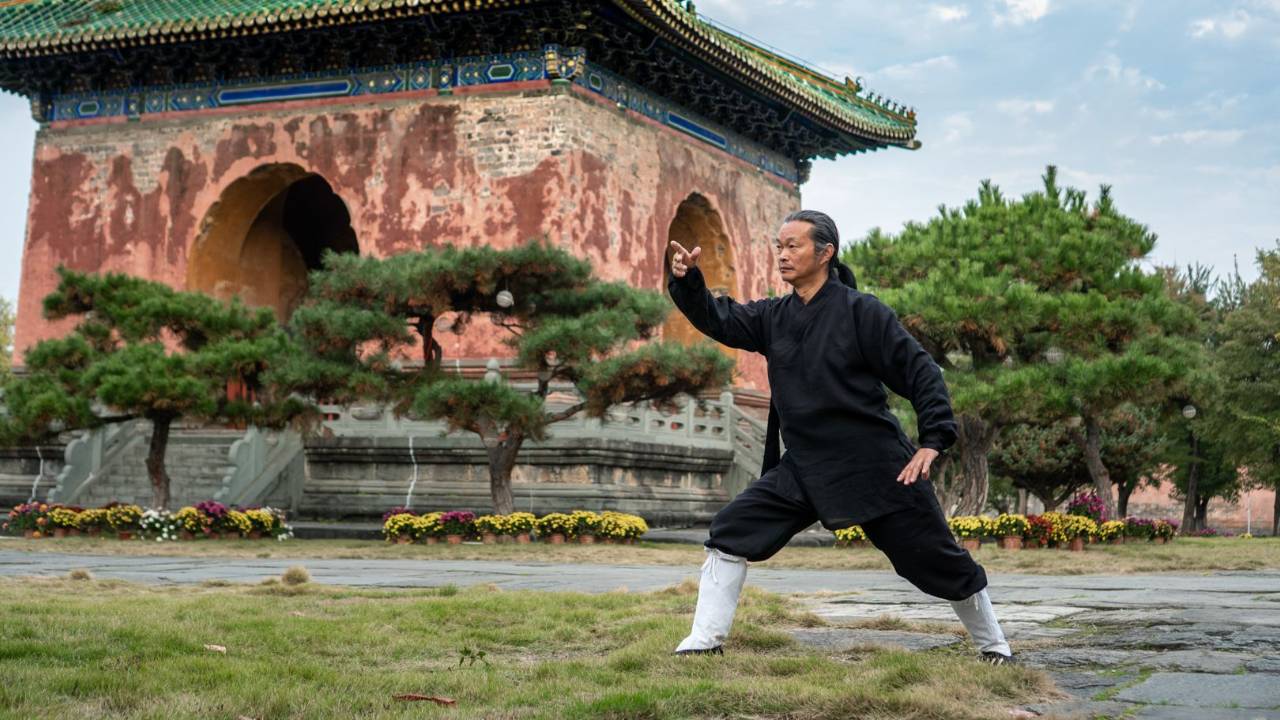
When people ask "does tai chi really work," they're usually searching for more than scientific proof. They want to know if those slow, flowing movements can genuinely shift how their body feels, calm the mental chatter, or restore a sense of energy they've lost somewhere along the way. The short answer is that research is encouraging, but the fuller picture is richer: tai chi works not by forcing change, but by creating conditions where your body and mind can realign naturally. Research suggests benefits for balance, comfort, sleep and emotional resilience, and generations of practitioners report the same.
The Science Behind Tai Chi's Effects
Research into tai chi has grown substantially over the past two decades. Scientists have looked at a wide range of health markers, from cardiovascular function to psychological wellbeing.
What Studies Actually Measure
When researchers investigate whether tai chi really works, they track specific, measurable outcomes:
- Physical function: gait speed, balance scores, flexibility, strength
- Clinical markers: blood pressure, inflammation levels, immune response
- Psychological measures: anxiety scores, low mood scales, stress hormones
- Quality of life: sleep quality, pain intensity, daily functioning
One broad overview brought together more than 200 systematic reviews of tai chi research. It pointed to benefits across a number of conditions, though the quality of the evidence varied.
How Movement Creates Change
Tai chi works on several levels at once. The gentle, controlled movements improve proprioception (your body's sense of position in space), strengthen stabilising muscles, and support coordination. Meanwhile, the meditative focus is associated with a shift from stress mode towards recovery mode in the nervous system.
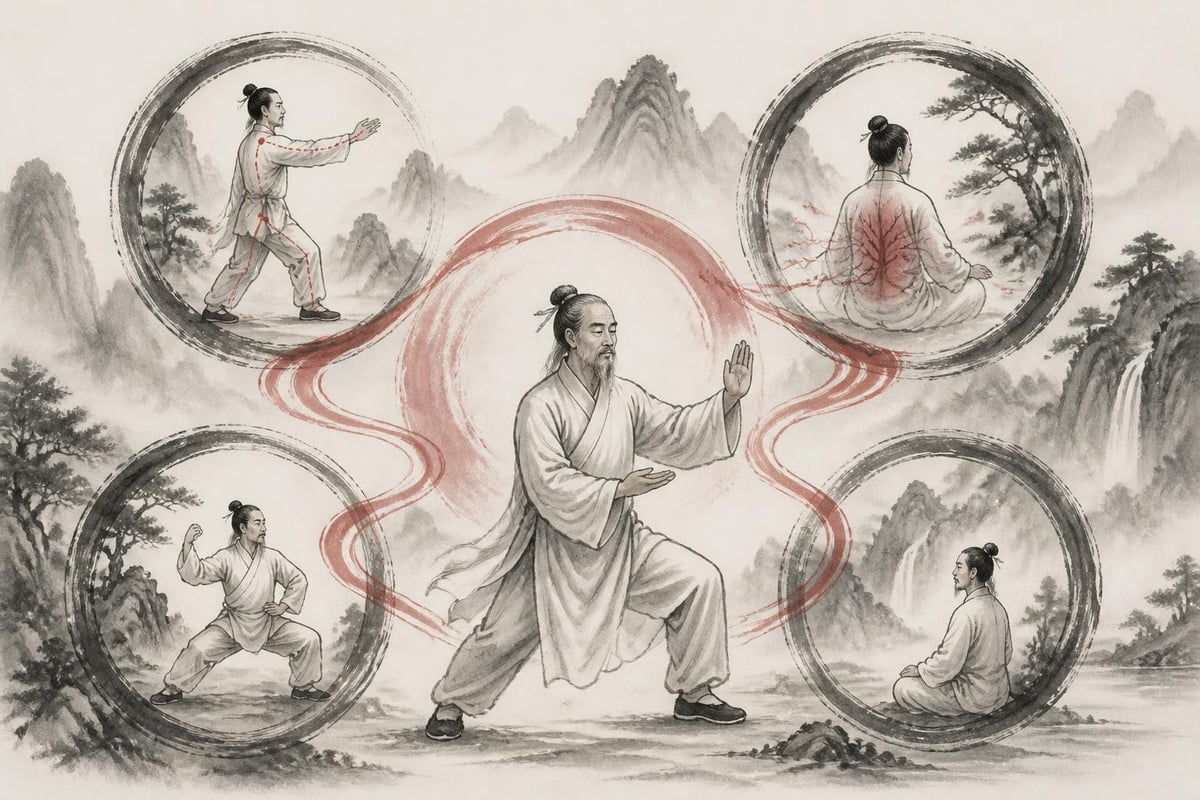
This dual action, combining physical conditioning with mental regulation, may explain why tai chi can offer something that exercise or meditation alone don't always provide.
Balance, Falls, and Functional Mobility
The question "does tai chi really work" finds one of its clearest answers in the research on balance. For older adults especially, good balance isn't just about coordination - it's about independence, confidence, and quality of life.
The Evidence on Falls Prevention
Several studies suggest that tai chi may help reduce the risk of falls in older adults living independently. One meta-analysis of healthy older adults reported improvements in both static and dynamic balance, with some benefits lasting for months after training ended. Tai chi is also often included among the balance-focused activities suggested for adults over 65.
If you'd like practical ideas for these areas, our guide to tai chi for arthritis and fall prevention is a good next read.
| Outcome Measure | What Some Studies Report | Typical Study Duration |
|---|---|---|
| Single-leg stance time | Improvements, often in the region of 30-50% | 12-24 weeks |
| Timed Up and Go test | Faster times, often 15-25% | 12-16 weeks |
| Berg Balance Scale | Gains of around 5-8 points | 16-24 weeks |
| Fall rate | Lower fall rates reported in some studies | 6-12 months |
These figures are general ranges from research and vary between studies and individuals, so treat them as a guide to what you may begin to notice rather than a promise.
Why Balance Training Matters
Balance tends to decline gradually with age, often unnoticed until a fall happens. Tai chi approaches this through weight-shifting exercises that challenge your equilibrium gently while building the small stabilising muscles around the ankles, knees, and hips.
The practice also trains your nervous system to respond more quickly when balance is threatened - a protective reflex that standard strength training doesn't always develop.
Cardiovascular and Metabolic Benefits
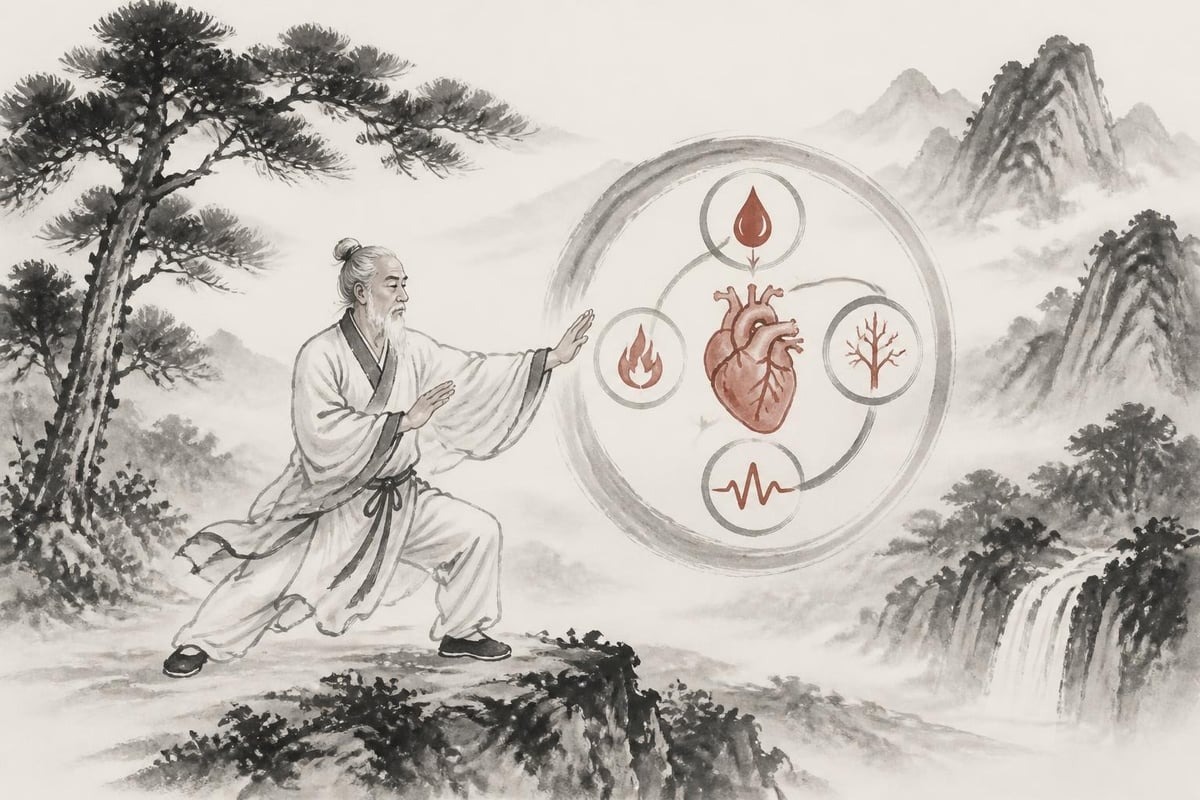
Beyond balance, does tai chi really work for heart health? The evidence here is encouraging, particularly for people who find conventional exercise uncomfortable or inaccessible.
Heart Health Outcomes
Research suggests tai chi may be associated with lower blood pressure, healthier lipid profiles, and better cardiovascular endurance. For people recovering from cardiac events, traditional Chinese exercises including tai chi have been included in some rehabilitation programmes under medical guidance.
The practice doesn't raise the heart rate as much as jogging, but studies suggest it may support vascular function and metabolic efficiency. Your body learns to do more with less effort, a principle central to Taoist philosophy that modern physiology is beginning to explore.
- Modest reductions in systolic blood pressure have been reported in some studies
- Possible improvements in endothelial function (the flexibility of your blood vessels)
- May support blood sugar management in people with type 2 diabetes, alongside medical care
- Gentle aerobic conditioning without joint stress
If you have a heart condition, diabetes or high blood pressure, please check with your healthcare professional before starting any new exercise.
Gentle Intensity, Real Results
One reason tai chi may suit cardiovascular health without demanding high intensity is its emphasis on deep breathing and relaxed movement. This combination encourages circulation while keeping the body calm, creating a restorative rather than depleting form of exercise.
Pain Management and Arthritis Relief
For people living with chronic pain, the question "does tai chi really work" often carries urgency. Pain colours every aspect of life, and finding gentle ways to cope matters deeply.
Arthritis and Joint Pain
Tai chi is often suggested as a gentle complementary activity for people with arthritis. Studies report reduced pain, better joint range of motion, and improved physical function in people with osteoarthritis and rheumatoid arthritis, although results differ from person to person.
The slow, controlled movements keep joints moving without jarring them, while gradually strengthening the surrounding muscles for better support. Unlike high-impact activities that can aggravate sore joints, tai chi offers movement without impact. If you live with arthritis, it's wise to check with your healthcare professional first.
Pain Beyond the Physical
Chronic pain has psychological dimensions that purely physical approaches can miss. Tai chi addresses this through its meditative side, helping practitioners develop a different relationship with discomfort. Rather than fighting pain or being overwhelmed by it, you learn to observe sensations with less reactivity.
This shift, subtle but powerful, may ease the suffering that surrounds pain even when physical sensations remain.
Mental Health and Stress Reduction
The mental wellbeing benefits of tai chi deserve equal attention to the physical ones. In 2026, as stress continues to weigh on so many of us, practices that help calm the nervous system without medication are increasingly valued.
Anxiety and Low Mood
Clinical trials suggest tai chi may help ease symptoms of anxiety and low mood. The practice appears to work through several routes: supporting the body's stress response, improving sleep quality, fostering social connection in group settings, and building a sense of mastery and self-confidence. For a closer look, see our article on tai chi for mental health.
| Wellbeing Outcome | What Research Suggests | Notes |
|---|---|---|
| Anxiety | Moderate to large effects in some studies | Findings vary between studies |
| Low mood | Moderate effects | Comparable to other gentle exercise |
| Stress resilience | Moderate effects | Benefits often reported after training ends |
| Sleep quality | Small to moderate effects | May help with falling asleep and sleep duration |
Tai chi can sit alongside, but should not replace, support from a professional. If you're struggling with anxiety, low mood or stress, please speak to your GP or a qualified professional as well.
The Mind-Body Connection
When you practise tai chi with attention and intention, you're training your nervous system to find calm amid activity. This capacity can carry into daily life, helping you respond to stressors with more flexibility and less automatic reactivity. For those exploring Taoist meditation alongside tai chi, the two practices complement each other beautifully, deepening your ability to settle into stillness.
The integration of breath, movement, and awareness creates what some researchers call "active meditation," engaging both body and mind in a way that seated meditation alone may not.
Who Benefits Most from Tai Chi
Does tai chi really work for everyone? Individual responses vary, but certain groups appear to benefit particularly.
Older Adults
The evidence is strongest for people over 60, especially around balance, fall prevention, and maintaining independence. It's never too late to begin; studies report meaningful improvements even in people starting in their 70s and 80s.
People with Chronic Conditions
Those managing ongoing health challenges, from arthritis to heart conditions to chronic pain, often find tai chi fits where other exercise doesn't. The adaptable intensity, low impact, and calming qualities suit many different needs. Always check with your healthcare professional first.
Anyone Seeking Balance
Beyond specific conditions, tai chi can help anyone feeling scattered, stressed, or disconnected from their body. If you're carrying tension without realising it, moving through life on autopilot, or sensing that something's missing in your wellness routine, tai chi offers a way back to your centre.
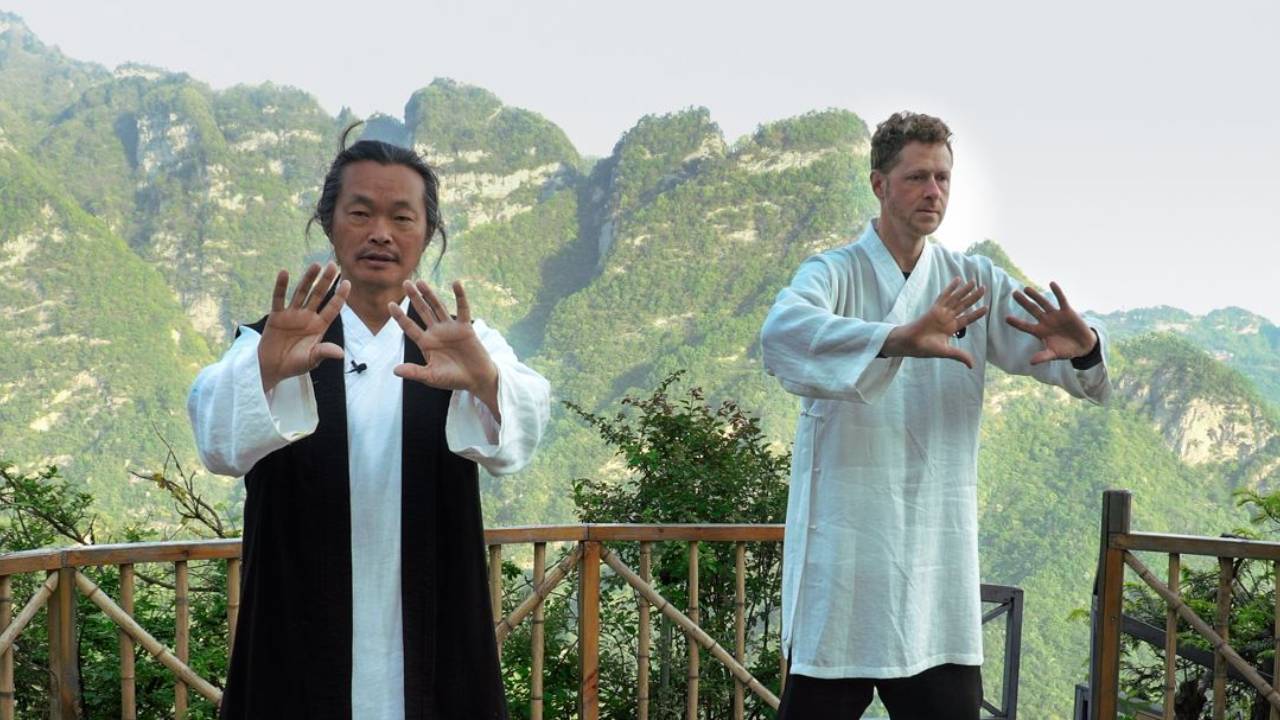
If you're new to these practices and want to see whether tai chi resonates with you, our free Taoist course is an easy way in. It offers an accessible introduction to simple Tai Chi, Qi Gong, meditation and Taoist wisdom with Master Gu, designed to help you release tension and build a calmer daily routine.
What the Research Doesn't Capture
For all the studies exploring whether tai chi really works, some aspects resist easy measurement. The experience of energy moving through your body, the quiet satisfaction of mastering a form, the subtle shift in how you carry yourself through the world - these don't fit neatly into clinical trials.
The Quality of Presence
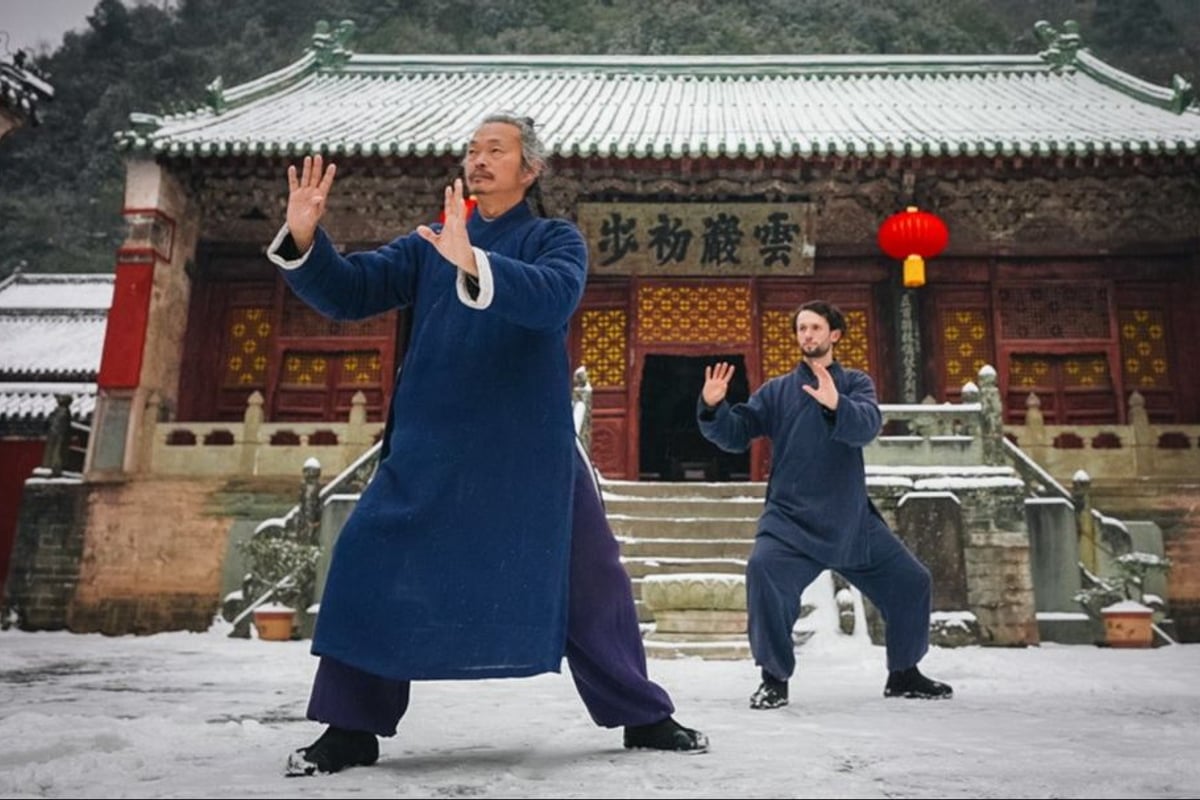
Scientific research can track physical changes and psychological scores, but it struggles to quantify presence. Tai chi, especially when learned in an authentic lineage like the Wudang tradition, teaches you to inhabit your body more fully, to sense subtle energies, and to move with awareness rather than habit.
Master Gu shares how Tai Chi ideas can help you balance mind, body and spirit in the short video below.
This quality of embodied awareness ripples through daily life in ways research instruments don't capture.
Community and Tradition
Learning tai chi connects you to centuries of accumulated wisdom and to a community of fellow practitioners. That sense of belonging and lineage carries its own quiet value, separate from any individual health benefit.
Limitations and Realistic Expectations
Being honest about what tai chi can and cannot do matters. The practice offers a great deal, but it's not magic, and understanding its limits helps you set realistic expectations.
What Tai Chi Won't Do
Tai chi is not a medical treatment. It won't cure illness, replace necessary medical care, or produce overnight transformations. It won't build explosive strength or high-level cardiovascular fitness in the way specialised athletic training will.
The benefits tend to build gradually through consistent practice. Expecting immediate, dramatic results can lead to disappointment.
Individual Variation
People respond differently depending on their starting point, health, practice consistency, and the quality of their instruction. Some notice shifts within weeks; others need months of regular practice before benefits become clear.
Quality of Instruction Matters
Does tai chi really work if you're learning from poor instruction or a patchwork of random online videos? The experience can change. Teaching that emphasises good alignment, relaxation, and internal principles tends to give a more rewarding practice than simply copying external shapes.
Learning from an experienced teacher rooted in a genuine lineage can make a meaningful difference to how safe, enjoyable and sustainable your practice feels.
Making Tai Chi Work for You
The research gives encouraging answers to "does tai chi really work," but turning that into your own life takes intention and consistency.
Start Where You Are
Begin with realistic commitments:
- Five to ten minutes daily beats an hour once a week
- Choose a simple form or basic movements rather than complex sequences
- Focus on quality of attention over quantity of movements
- Give yourself at least three months of regular practice before judging the results - experiences vary
Find Authentic Guidance
Learning from random videos has its limits. Even well-made content can't always convey the subtle internal aspects that make tai chi so rewarding, which is why a clear, structured path helps. Our Tai Chi course with Master Gu is a good place to begin.
Learning from a teacher trained in a traditional lineage means you're practising methods refined over generations, with their essential principles intact.
Integrate Practice Into Life
Tai chi works best when it becomes part of your daily rhythm rather than another item on your to-do list. Morning practice before the day's demands begin, a midday pause to reset, or evening movements to release accumulated tension - find the timing that fits your life.
Sharing the journey helps too. Why not join our community of practitioners for encouragement and shared wisdom as your practice develops?
Combine with Complementary Practices
Tai chi sits within a broader system of Taoist wellness practices. Pairing it with Qi Gong, meditation, or the study of Taoist philosophy can enrich your experience, offering an approach that looks after body, energy, mind and spirit together.
The Bigger Picture of Wellness
Asking "does tai chi really work" assumes health is about fixing problems. While tai chi can certainly support specific concerns, its deeper offering is cultivating wellness as an ongoing practice rather than a destination.
Prevention Over Treatment
Regular tai chi practice supports flexibility, balance, and stress resilience before problems develop. This preventive outlook, central to traditional Chinese thinking about health, shifts your relationship with wellbeing from reactive to proactive.
Integration of Self
Modern life fragments us. We spend hours in our heads, disconnected from bodily sensation, treating the body as a vehicle that carries the brain around. Tai chi brings body, breath, mind, and energy back together.
This integration, perhaps more than any specific benefit, explains why longtime practitioners continue for decades. It simply makes life feel more coherent, more alive, more whole.
The research suggests that tai chi may support balance, heart health, comfort, wellbeing and everyday function, with benefits that build through steady practice. If you're ready to experience these ancient practices for yourself, Taoist Wellness Online offers authentic Wudang Tai Chi, Qi Gong and Taoist meditation under the guidance of Master Gu, a 15th-generation San Feng Pai Wudang Taoist Master with 25+ years of teaching experience. Join a global community of practitioners exploring these practices at your own pace, with comprehensive courses and a monthly live session and Q&A, to support your journey towards balance, vitality and inner peace.