Taoist Diet: Ancient Wisdom for Modern Wellness
Jul 10, 2026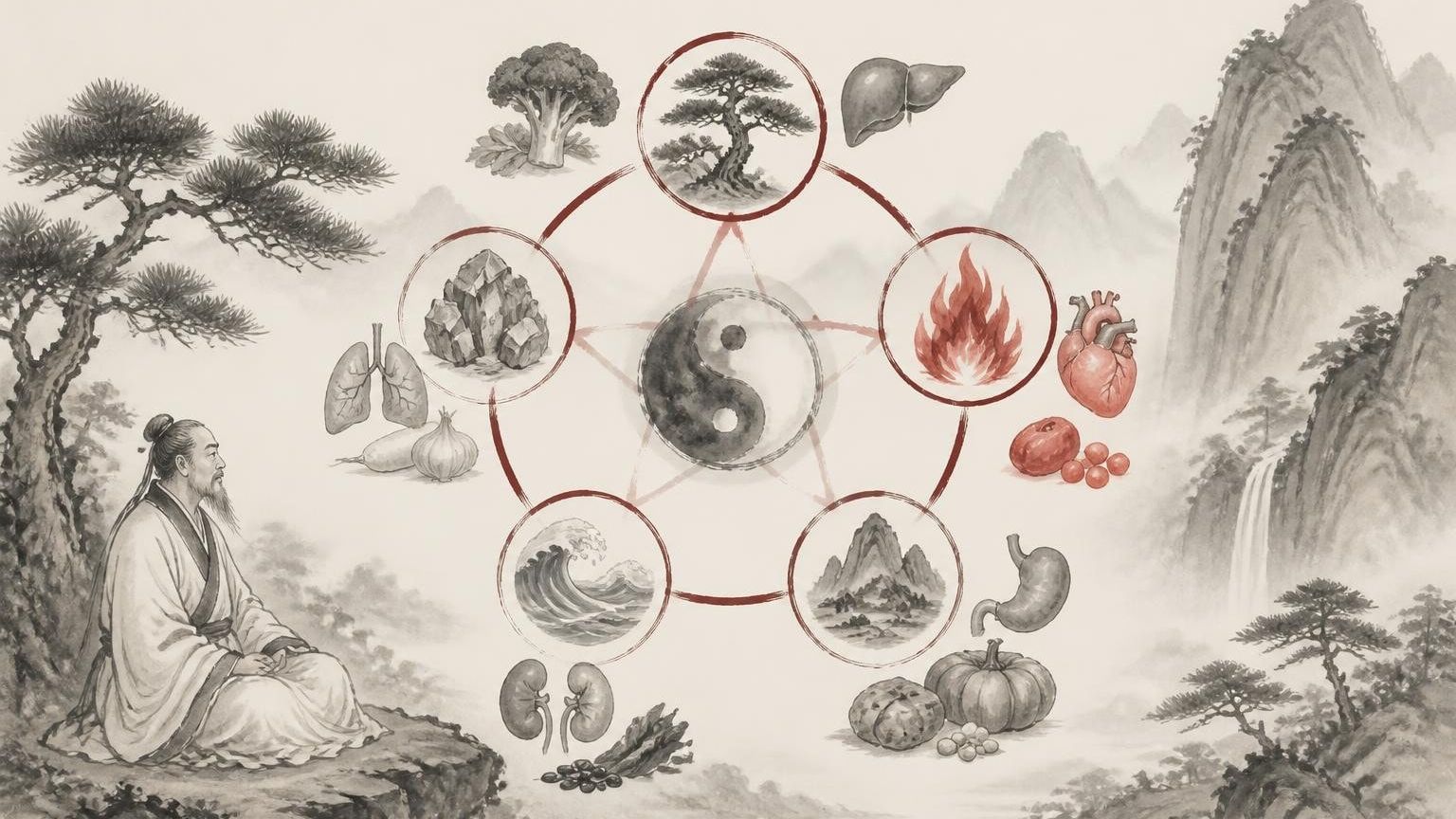
The way we eat shapes more than our physical body. It influences our energy, our clarity, and our connection to the natural rhythms around us. The Taoist diet isn't about rigid rules or restriction. It's a gentle, time-tested approach to nourishment that honours the wisdom of balance, the power of seasonal cycles, and the vital energy within all living things. Rooted in thousands of years of observation and practice, this approach to eating invites you to move beyond counting calories and instead cultivate harmony between your inner world and the natural environment.
Understanding the Foundation of the Taoist Diet
At its heart, the Taoist diet philosophy centres on cultivating and preserving qi, the vital life force that flows through all things. Every food you choose carries its own energetic quality, temperature, and effect on your body's internal landscape. Rather than categorising foods as simply good or bad, Taoist nutrition recognises that what serves you depends on your current state, the season, and your unique constitution.
This ancient system emerged from careful observation of nature's patterns and the human body's responses. Taoist practitioners noticed how certain foods generated heat while others cooled, how some built blood while others moved stagnant energy. They understood that digestion itself requires tremendous qi, and that eating the wrong foods at the wrong times could deplete rather than nourish.
The Role of Qi in Nourishment
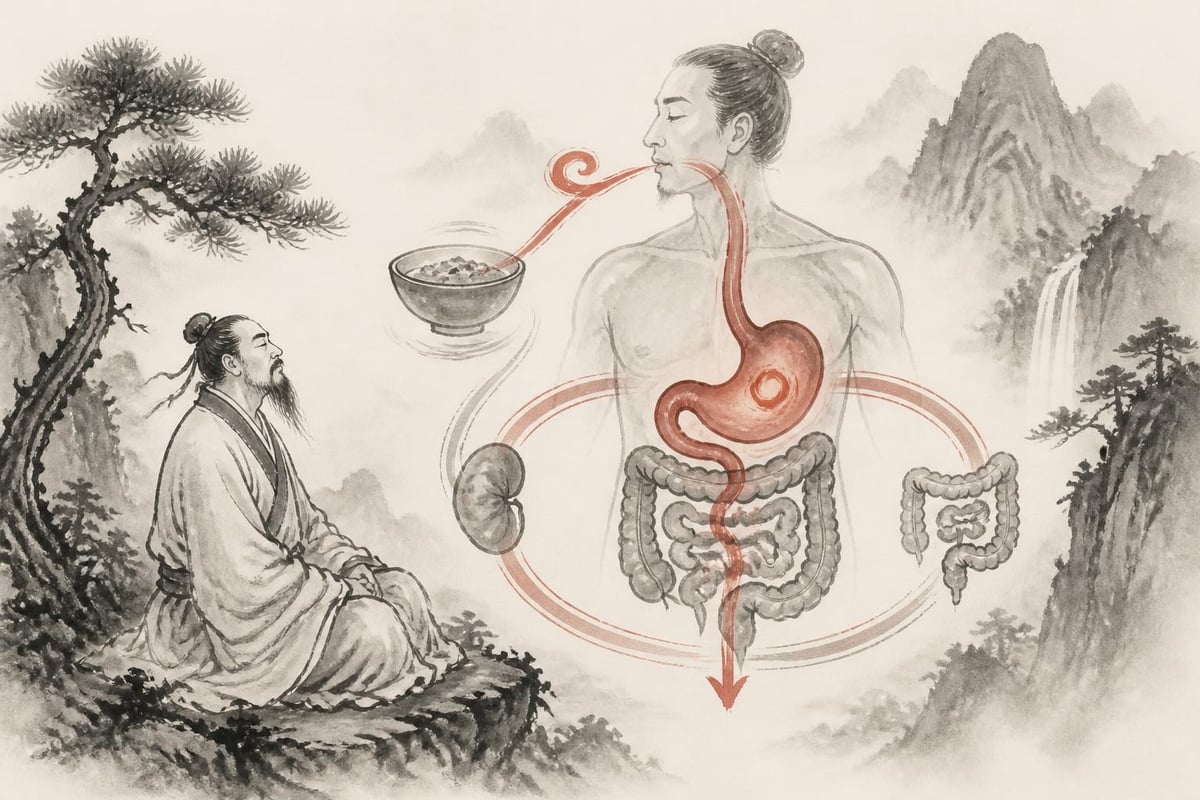
Your digestive system transforms food into usable qi that powers every function in your body. When you eat foods aligned with your needs and the season, this transformation happens efficiently, leaving you energised and clear. When you consume foods that conflict with your current state, your body must work harder, depleting precious reserves.
Key principles for preserving digestive qi:
- Eat warm, cooked foods that require less energy to break down
- Choose fresh, whole ingredients over processed options
- Avoid overeating, which burdens the digestive system
- Pay attention to food combinations and their energetic effects
- Honour your body's natural hunger and fullness signals
The Five Elements and Food Energetics
The Five Element system forms the backbone of Taoist nutritional wisdom. Each element (wood, fire, earth, metal, water) corresponds to specific organs, seasons, flavours, and energetic qualities. This framework helps you understand which foods support particular body systems and when to emphasise them.
| Element | Season | Organs | Flavour | Food Examples |
|---|---|---|---|---|
| Wood | Spring | Liver, Gallbladder | Sour | Leafy greens, sprouts, lemon |
| Fire | Summer | Heart, Small Intestine | Bitter | Dark leafy greens, bitter melon |
| Earth | Late Summer | Spleen, Stomach | Sweet | Root vegetables, squash, millet |
| Metal | Autumn | Lung, Large Intestine | Pungent | Onions, garlic, radish, ginger |
| Water | Winter | Kidney, Bladder | Salty | Seaweed, miso, black beans, bone broth |
Understanding these connections allows you to eat in harmony with seasonal changes. In spring, when wood energy rises, you naturally crave fresh greens that support liver detoxification. During winter's water season, warming soups and mineral-rich foods nourish kidney essence and build reserves for the year ahead.
Balancing Temperature and Flavour
Beyond the Five Elements, the Taoist diet considers the thermal nature of foods. Some ingredients warm your internal fire, while others cool excess heat. Neither quality is inherently superior - the goal is balance appropriate to your condition.
Warming foods like ginger, cinnamon, lamb, and walnuts benefit those with cold constitutions or during winter months. They stimulate circulation, boost metabolism, and dispel internal chill. Cooling foods such as cucumber, watermelon, mint, and tofu serve those with excess heat or during summer's intensity, calming inflammation and clearing accumulated warmth.
Seasonal Eating as Natural Rhythm
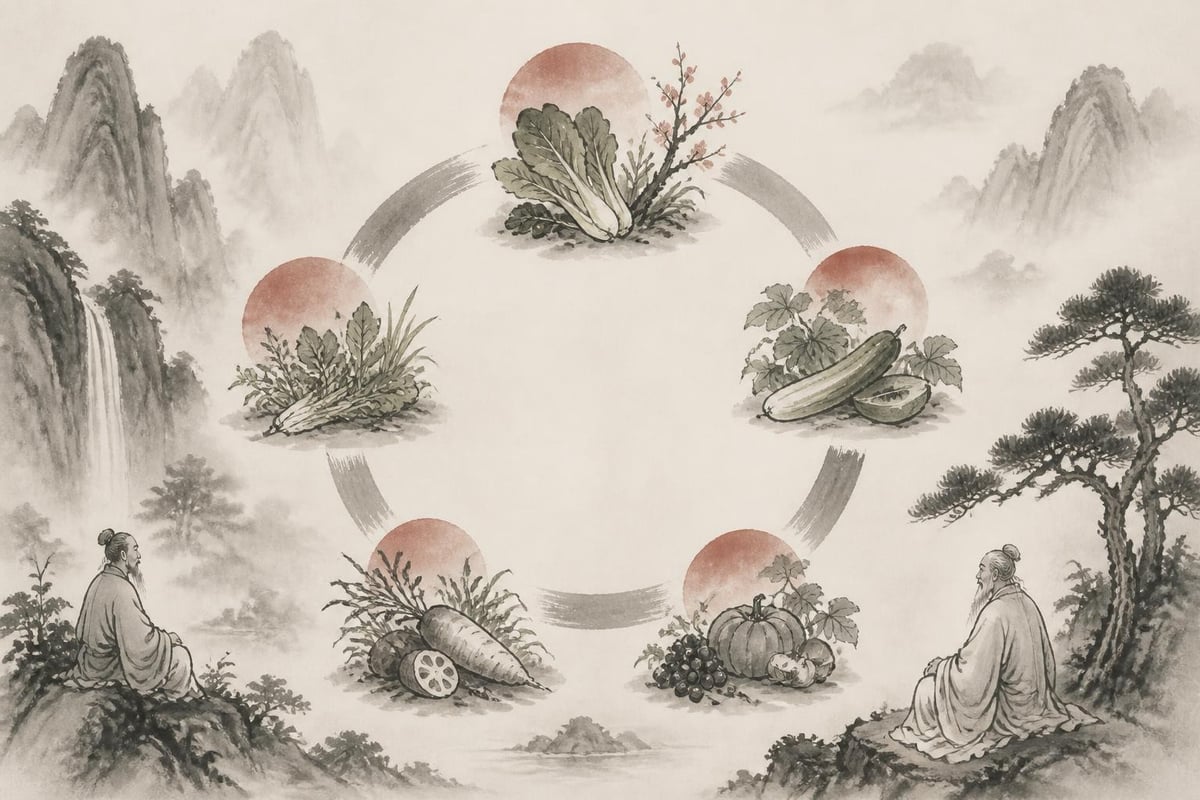
Nature provides exactly what your body needs when it needs it. Spring's tender shoots support gentle cleansing after winter's storage. Summer's abundant fruits hydrate and cool during peak heat. Autumn's root vegetables ground and prepare you for colder months. Winter's hearty foods build the deep reserves that sustain you through dormancy.
This seasonal approach to eating connects you to the earth's cycles and reduces the burden on your digestive system. Local, in-season produce carries stronger qi because it hasn't travelled thousands of miles or been stored for months. It ripens naturally under the sun and soil of your environment, making it particularly suited to support you.
Benefits of seasonal eating:
- Stronger qi and nutrient density in fresh, local foods
- Natural alignment with your body's changing needs
- Reduced exposure to artificial preservation methods
- Connection to your local environment and community
- Lower environmental impact from transportation
When you begin paying attention to what grows naturally around you throughout the year, eating becomes less about following external rules and more about listening to the wisdom already present in your surroundings. Our post on Harmony and Nature explores this kind of present-moment awareness across all Taoist practices, including how you nourish yourself day to day.
Simplicity and Moderation in Practice
The Taoist diet favours simplicity over complexity. Elaborate meals with dozens of ingredients create confusion in your digestive system, making it harder to extract qi efficiently. Simple preparations with a few complementary ingredients allow your body to focus its energy on transformation rather than sorting through competing signals.
Moderation extends beyond portion size. It includes eating at regular times, not too late in the evening when digestive fire naturally diminishes. It means chewing thoroughly to begin the digestive process properly. It involves stopping before you feel completely full, leaving space for your stomach to perform its churning function.
The Practice of Mindful Consumption
Eating while distracted, rushed, or emotionally disturbed scatters your qi and impairs digestion. Ancient Taoist teachings remind us that bringing full presence to any activity, including meals, enhances its benefits and prevents waste of vital energy.
When you eat with awareness, you notice your food's colours, textures, aromas, and flavours. This sensory engagement signals your body to prepare appropriate digestive secretions. You recognise when you've had enough before overeating. You taste the life force present in fresh, whole foods versus the empty energy of processed items.
Foods to Emphasise and Foods to Limit
While the Taoist diet adapts to individual needs, certain general guidelines help most people maintain better balance. These aren't absolute prohibitions but gentle recommendations based on how different foods affect qi circulation and organ health.
Foods that support qi cultivation:
- Fresh vegetables, especially dark leafy greens and root vegetables
- Whole grains like rice, millet, and oats
- Legumes including mung beans, lentils, and black beans
- Small amounts of seasonal fruits
- Fermented foods like miso and naturally pickled vegetables
- Soups and broths, particularly bone broths for deep nourishment
- Nuts and seeds in moderation
- Small portions of sustainably sourced fish or poultry (for those not vegetarian)
Foods that often deplete or stagnate qi:
- Highly processed foods with chemical additives
- Excessive sugar and artificial sweeteners
- Cold, raw foods in large quantities (especially for those with weak digestion)
- Fried and greasy preparations
- Alcohol beyond minimal amounts
- Excessive caffeine
- Red meat in large or frequent portions
- Foods preserved with artificial methods
Many Taoist practitioners throughout history have chosen vegetarian approaches, viewing plant-based eating as aligned with compassion and non-harm. Others include small amounts of animal products, particularly for those recovering from illness or with weakened constitutions. The key is finding what genuinely serves your vitality rather than following dogma.
Fasting and Cleansing Practices
Periodic fasting has long been part of Taoist health cultivation. Not the extreme deprivation that shocks your system, but gentle practices that give your digestive organs rest and allow your body to clear accumulated waste. Traditional Taoist understanding recognises fasting as a way to conserve qi normally spent on digestion and redirect it toward healing and spiritual cultivation.
Different fasting approaches serve different purposes. Some practitioners eat only congee (rice porridge) for several days to gently cleanse while maintaining energy. Others choose specific days each month to consume only vegetable broths and herbal teas. The timing often aligns with lunar cycles, recognising the moon's influence on bodily fluids and detoxification.
| Fasting Type | Duration | Purpose | Best For |
|---|---|---|---|
| Congee Fast | 3-7 days | Gentle cleansing, digestive rest | Most people, beginners |
| Vegetable Broth | 1-3 days | Light detox, system reset | Seasonal transitions |
| Reduced Eating | Ongoing | Daily digestive rest | Evening practice (early dinner) |
| Intermittent | 12-16 hours | Digestive recovery | Daily metabolic balance |
Before beginning any fasting practice, consider your current health, energy levels, and daily demands. Those with weak qi, pregnancy, or chronic illness should approach fasting cautiously or skip it entirely, focusing instead on nourishing, easily digestible foods.
Integrating Taoist Dietary Wisdom Today
You don't need to overhaul your entire life overnight. The Taoist diet works best when you integrate its principles gradually, observing what shifts in your energy, digestion, and overall sense of wellbeing. Start with one or two changes that resonate most strongly with your current needs.
Perhaps you begin by eating more seasonally, visiting a farmers market and choosing what's growing locally right now. Maybe you experiment with warming your breakfast, replacing cold cereal with warm congee or oatmeal. You might simply slow down during meals, chewing more thoroughly and putting your phone aside.
Creating Your Personal Practice
Your constitution, lifestyle, and health history make you unique. While general principles provide guidance, the most important teacher is your own body's feedback. Notice which foods leave you energised and which create sluggishness. Pay attention to how different eating times affect your sleep and morning energy. Our post on Tai Chi for Stress Relief explores how movement and daily habits work together to regulate the nervous system - which in turn directly affects digestion and food choices.
Steps to develop your Taoist diet practice:
- Assess your current energetic state (cold/hot, excess/deficient)
- Identify the current season and its elemental association
- Choose 3-5 foods that support your element and condition
- Prepare simple meals emphasising those ingredients
- Eat at regular times in a calm environment
- Observe changes in energy, digestion, and mental clarity
- Adjust based on your body's responses
Many students find that deepening their understanding through Qi Gong and Taoist wellness practices naturally enhances their relationship with food. As you become more attuned to qi movement in your body through movement practices, you develop greater sensitivity to how different foods affect your energy flow.
The Connection Between Diet and Cultivation
The Taoist diet serves a larger purpose beyond physical health. Proper nutrition creates the foundation for meditation, Tai Chi, and internal alchemy practices. When your body receives appropriate nourishment and your digestion functions smoothly, more qi becomes available for cultivation and spiritual development.
This perspective shifts eating from mere fuel consumption to an act of conscious participation in your own vitality. Each meal becomes an opportunity to align with natural principles, honour the life force in your food, and support your capacity for presence and awareness.
Communities such as ours at Taoist Wellness Online often share experiences about how dietary changes have supported their energy work, offering practical wisdom beyond what any book can convey. Real-world application and mutual support help you navigate the challenges of changing long-held eating habits.
Practical Tips for Daily Application
Theory becomes valuable only through consistent practice. Here are concrete ways to bring Taoist nutritional wisdom into your everyday life, starting today:
Morning practices:
- Begin your day with warm water or ginger tea to awaken digestive fire
- Eat a warm breakfast like congee, oatmeal, or eggs
- Avoid cold smoothies and raw foods first thing, especially in cooler months
Throughout the day:
- Make lunch your largest meal when digestive fire peaks
- Keep healthy snacks like roasted nuts or steamed vegetables available
- Stay hydrated with room temperature or warm beverages
Evening practices:
- Eat dinner at least three hours before sleep
- Choose lighter, easier-to-digest foods for your evening meal
- Sip warm herbal tea to aid digestion and prepare for rest
Food preparation:
- Cook with awareness, infusing your food with calm energy
- Use gentle cooking methods like steaming, boiling, and light sautéing
- Season with fresh herbs and mild spices that support digestion
These practices work hand in hand with Tai Chi and meditation to create a comprehensive approach to wellness. Your body becomes a harmonious system where nutrition, movement, and mental cultivation support each other in every season of life.
The Taoist diet offers a path back to natural balance, where eating becomes an expression of wisdom rather than a source of stress or confusion. By honouring seasonal rhythms, choosing foods that support your unique constitution, and bringing mindful presence to your meals, you cultivate the vitality that underlies all aspects of wellbeing. If you're ready to explore these principles alongside authentic Taoist movement and philosophy, our free 4-week course is the gentlest place to begin. And when you're ready to go deeper, Taoist Wellness Online provides comprehensive teachings from Master Gu, a 15th-generation Wudang master, alongside a supportive community to guide your journey toward greater balance and energy.