Tai Chi Walking Benefits: Transform Your Daily Steps
Aug 23, 2026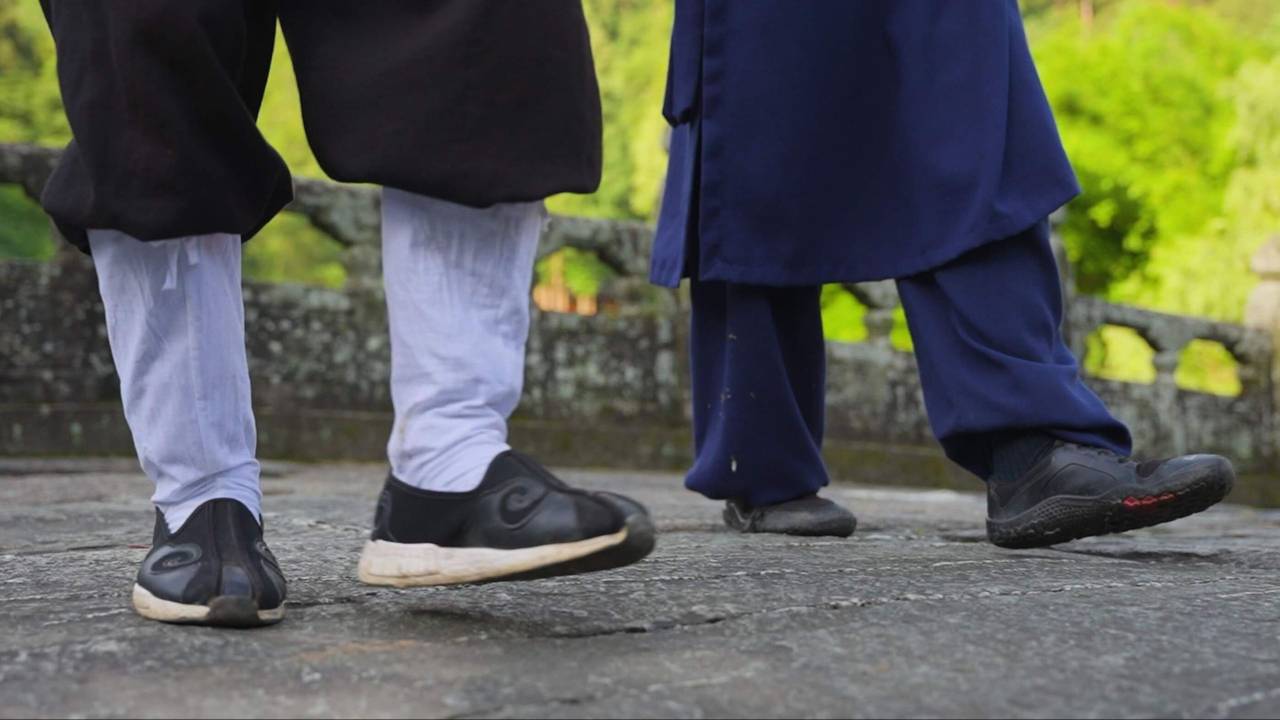
Walking is something most of us do every day without much thought. But what if each step could become a meditation, a healing practice, and a way to cultivate your vital energy? Tai chi walking blends the ancient principles of this gentle martial art with the simple act of moving forward, creating a practice that's accessible to anyone, anywhere. The tai chi walking benefits extend far beyond physical fitness, reaching into mental clarity, emotional balance, and the deep wisdom your body already holds.
Understanding Tai Chi Walking as a Practice
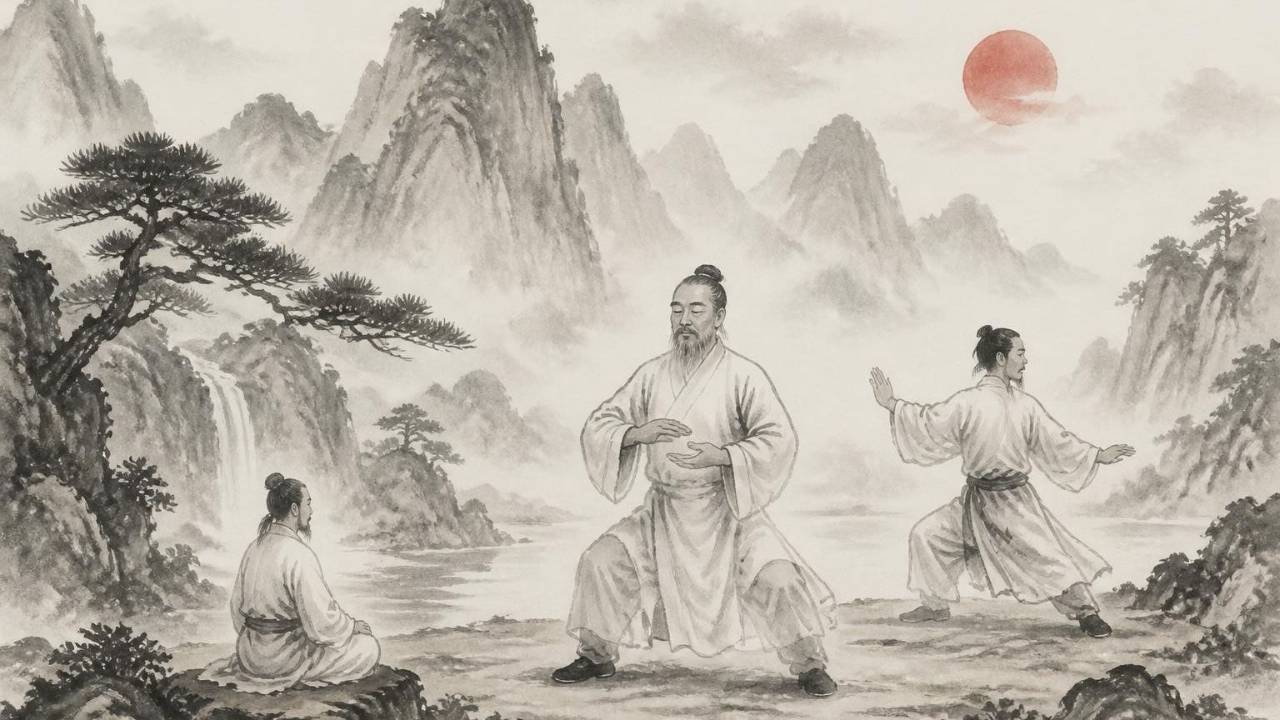
Tai chi walking isn't just slow walking. It's a deliberate practice that weaves together breath, intention, and mindful movement. Each step becomes an opportunity to root yourself, to feel the earth beneath you, and to let energy flow through your body with purpose.
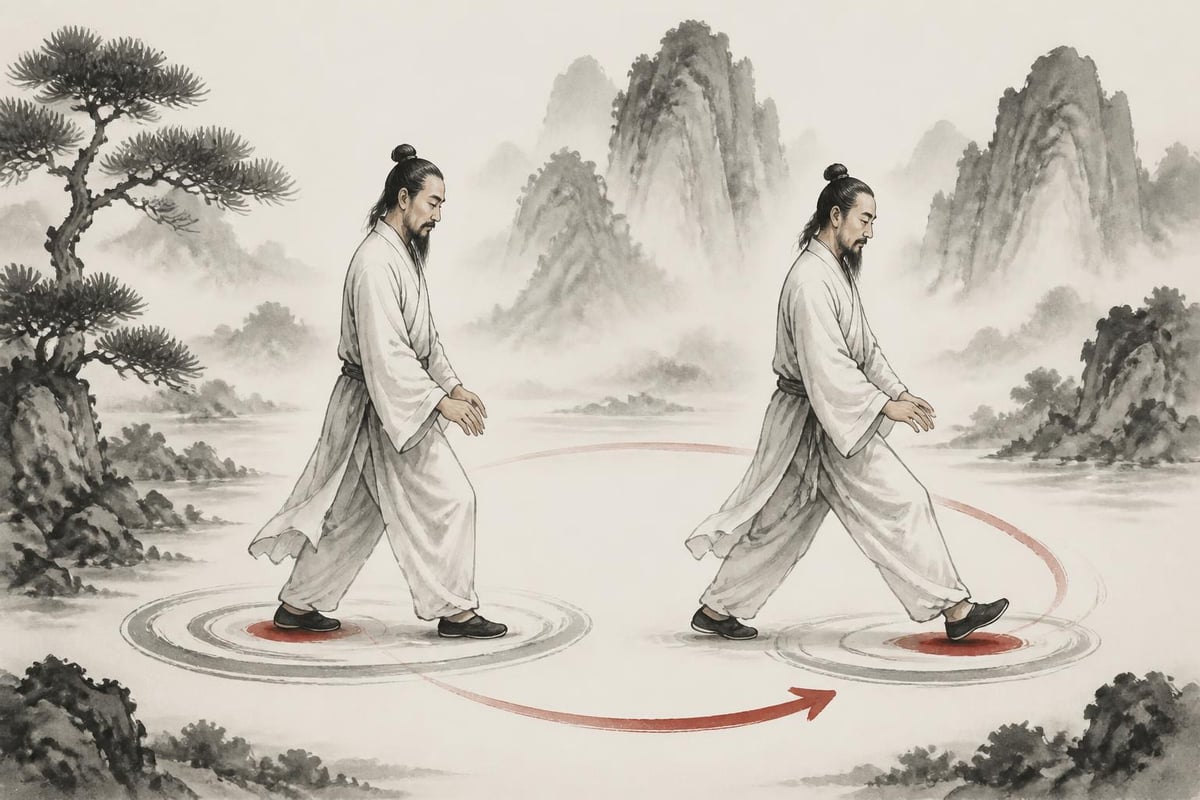
The practice draws from the same principles that guide traditional tai chi forms. Weight shifting, conscious breathing, and present-moment awareness form the foundation. When you walk with tai chi principles, you're not rushing to arrive somewhere. You're fully inhabiting each moment of the journey.
George shares a lovely, quiet ASMR walk in nature below, no talking, just movement, breath, and presence. It's a beautiful way to feel this practice rather than just read about it.
The Core Principles That Make It Work
Traditional tai chi teaches us to move from our centre, to stay rooted while remaining fluid, and to coordinate breath with motion. These same principles transform ordinary walking into something profound.
- Mindful weight transfer from one foot to the other, never rushing the transition
- Aligned posture that keeps your spine long and your joints soft
- Coordinated breathing that matches the rhythm of your steps
- Grounded connection with the earth beneath you
- Relaxed awareness of your body in space
When you bring these elements together, walking becomes a moving meditation. The benefits that emerge aren't separate from the practice itself, they're woven into every step you take.
Physical Benefits That Show Up in Daily Life
The benefits of tai chi walking include measurable improvements in balance, coordination, and overall physical function. These aren't abstract concepts. They're real changes that affect how you move through your day.
Balance and Stability Improvements
Balance is something we often take for granted until we lose it. Tai chi walking strengthens the small stabilising muscles in your ankles, knees, and hips that keep you upright and steady.
People who practise tai chi walking experience improved balance and reduced fall risk. This matters especially as we age, but the benefits apply at any stage of life. Better balance means more confidence in your movements, whether you're hiking on uneven terrain or simply navigating a crowded pavement. Our article on Tai Chi Walking: A Gentle Path to Better Balance explores this specific benefit in more depth.
The practice teaches your body to find stability from your centre rather than relying on tension or locked joints. This creates a dynamic equilibrium that adapts to changing surfaces and unexpected shifts.
Joint Health and Mobility
Unlike high-impact exercise, tai chi walking nourishes your joints rather than stressing them. The slow, controlled movements with proper alignment allow synovial fluid to circulate, keeping cartilage healthy and reducing inflammation.
| Joint Area | How Tai Chi Walking Helps | Long-Term Benefits |
|---|---|---|
| Ankles | Strengthens stabilisers, improves flexibility | Better balance, reduced injury risk |
| Knees | Promotes proper alignment, reduces compression | Less pain, improved function |
| Hips | Increases range of motion, releases tension | Greater mobility, fluid movement |
| Spine | Encourages natural curves, decompresses vertebrae | Better posture, reduced back pain |
The gentle nature of the practice means you can do it daily without overtraining or exhaustion. Your body has time to adapt, strengthen, and heal between sessions.
Mental and Emotional Transformation
The tai chi walking benefits extend beyond the physical body into the realm of mind and emotion. This happens naturally when you bring full awareness to movement.
Stress Reduction Through Moving Meditation
When you walk with tai chi principles, your nervous system shifts. The combination of rhythmic movement, deep breathing, and focused attention activates your parasympathetic nervous system, your body's natural relaxation response.
This isn't forced relaxation. It's the kind of calm that emerges when you're fully present with what is. Many practitioners discover that tai chi walking reduces stress and enhances mood more effectively than walking alone.
Your mind settles when given something constructive to focus on. Instead of churning through worries or to-do lists, you're feeling the weight shift from heel to toe, noticing your breath, sensing the air on your skin. This simple redirection creates space for clarity.
Enhanced Body Awareness and Mindfulness
Most of us spend our days disconnected from our bodies, living primarily in our thoughts. Tai chi walking rebuilds that essential connection between mind and body.
You begin to notice subtle sensations, the texture of the ground, the distribution of weight across your foot, the movement of breath through your torso. This heightened awareness spills over into the rest of your life. You might notice tension building before it becomes pain, or recognise when you're holding your breath during stressful moments.
The practice cultivates what Taoists call embodied presence. You're not observing your body from the outside. You're inhabiting it fully, experiencing life through sensation rather than just thought.
Energy Cultivation and Flow
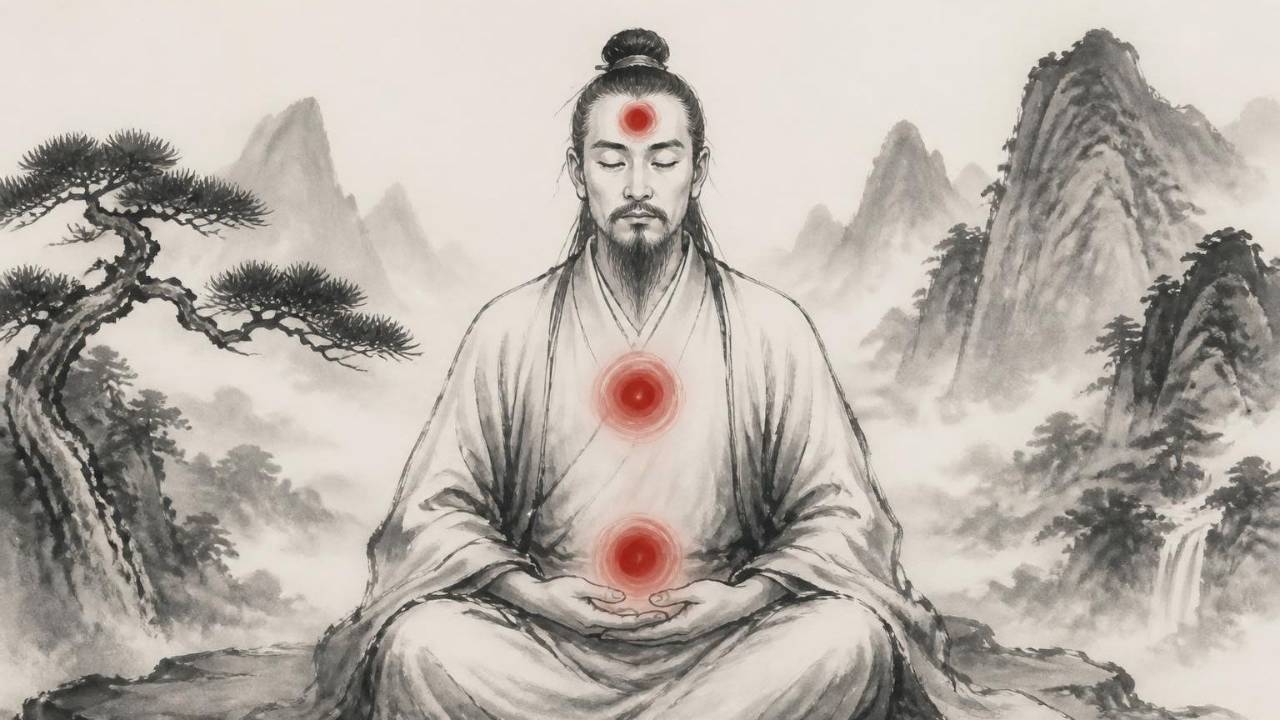
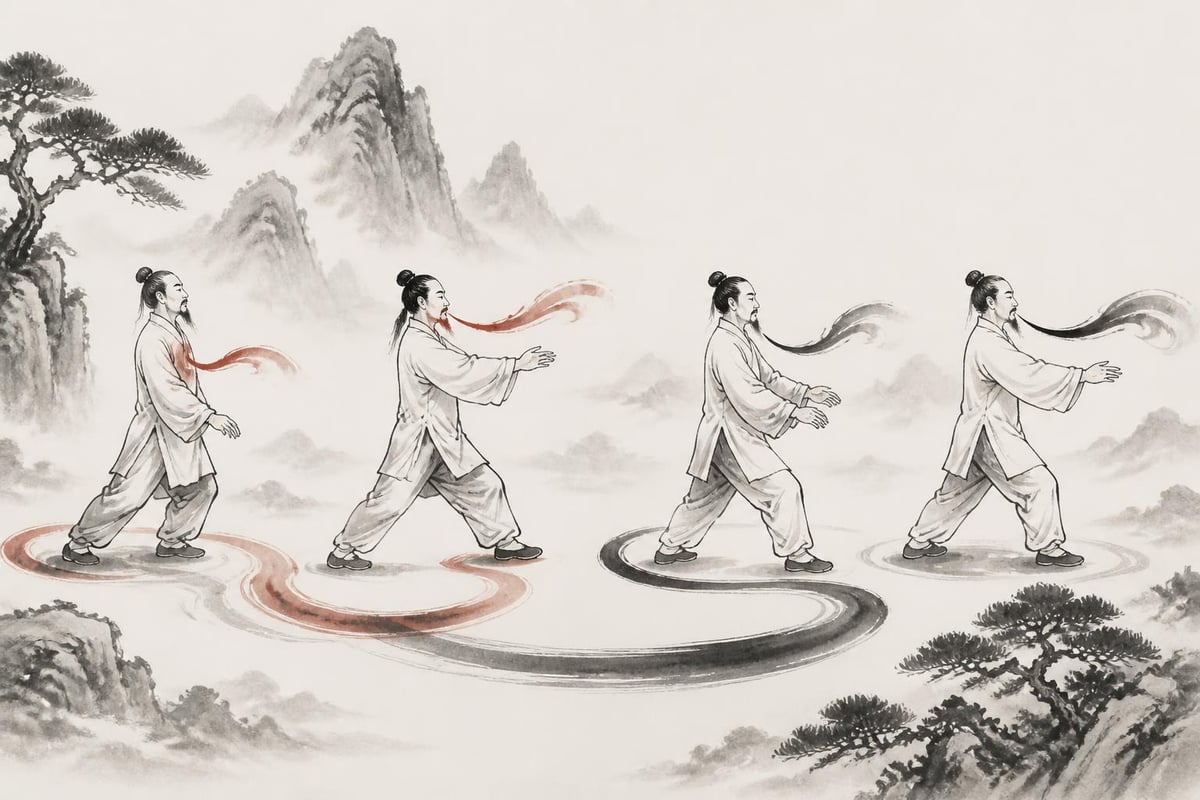
In Taoist philosophy, vital energy or qi flows through pathways in your body called meridians. When this flow is blocked or stagnant, you experience fatigue, pain, or illness. When it moves freely, you feel alive, energised, and resilient.
Understanding Qi in Motion
Tai chi walking is designed to encourage qi circulation. The coordinated movement, breath work, and mental focus work together to clear blockages and strengthen your energy reserves.
This isn't mystical thinking, it's practical experience. When you walk with awareness and proper alignment, blood flow improves, oxygen delivery increases, and your cells function more efficiently. Whether you call this energy, vitality, or simply feeling good, the result is the same.
Building Your Energy Reserves
Unlike aerobic exercise that depletes energy to build it back stronger, tai chi walking cultivates energy while you practise. You finish feeling more awake and centred than when you started.
- Morning walks can gather fresh qi to start your day with vitality
- Evening walks can process and release stagnant energy from daily stress
- Consistent practice builds your overall energy capacity over time
Many students in our Tai Chi course report increased stamina and resilience after incorporating walking practice into their daily routine. The energy you cultivate doesn't just help during practice, it supports everything you do.
Practical Applications for Modern Life
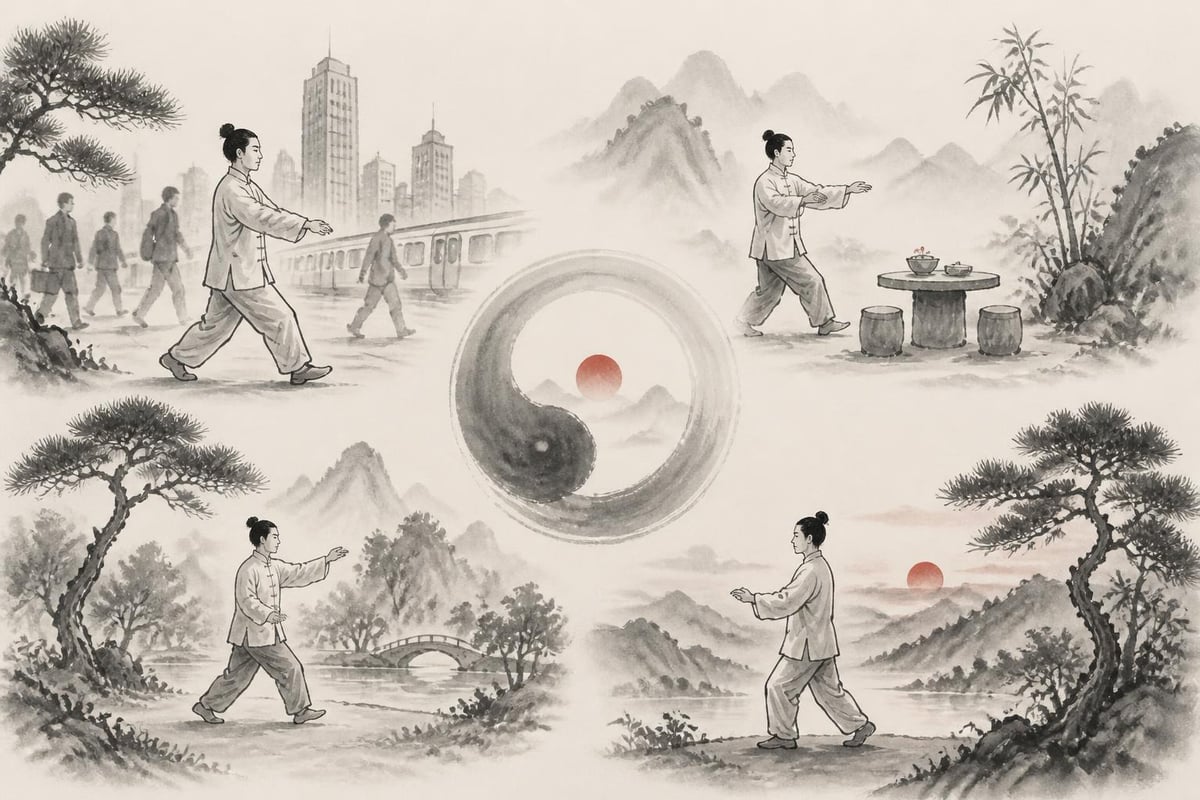
The beauty of tai chi walking is its accessibility. You don't need special equipment, a gym membership, or even much space. Your daily walks become the practice.
Integrating Practice into Your Day
Start where you already walk. Whether it's from your car to your office, around your neighbourhood, or through a park, these moments can become practice time.
Begin with just five minutes of intentional walking. Notice your posture, soften your knees, coordinate your breath with your steps. As this becomes natural, extend the duration or add more elements from traditional tai chi walking.
Some practitioners find it helpful to have a specific route they use for practice, creating a ritual space even within their everyday environment. Others prefer to bring awareness to whatever walking they're already doing throughout the day.
Adapting the Practice to Your Needs
Tai chi walking scales beautifully to different fitness levels and physical limitations. If you're recovering from injury, you can walk shorter distances with even more attention to alignment and ease. If you're already active, you can explore deeper stances and more complex breath patterns. As always, check with a healthcare professional first if you have an injury or existing health condition.
The practice can be adapted for:
- Indoor spaces when weather doesn't cooperate
- Varied terrain to challenge balance and awareness
- Different paces from very slow meditation to moderate movement
- Specific goals like improving flexibility or building leg strength
There's no single right way to practise. Many approaches are valid when practised with proper principles and awareness.
Comparing Tai Chi Walking to Other Movement Practices
Understanding how tai chi walking differs from other forms of exercise helps clarify its unique benefits and when it might be the right choice for you.
| Practice Type | Primary Focus | Energy Effect | Best For |
|---|---|---|---|
| Tai Chi Walking | Mind-body integration, qi flow | Cultivates and circulates | Daily grounding, stress relief, balance |
| Regular Walking | Cardiovascular fitness | Expends and rebuilds | General health, weight management |
| Running/Jogging | Aerobic capacity, endurance | Depletes then strengthens | Athletic training, intensity lovers |
| Yoga | Flexibility, strength, alignment | Balances and opens | Deep stretching, spiritual practice |
| Qi Gong Standing | Still meditation, energy gathering | Deeply nourishes | Healing, deep energy work |
Each practice offers something valuable. Tai chi walking occupies a unique space, moving meditation that's gentle enough for daily practice yet profound enough to create lasting change. Many practitioners combine it with other modalities, using tai chi walking as their foundation. Our piece on What Is Tai Chi Walking for Weight Loss? looks specifically at how it compares for those with weight management goals.
Building a Sustainable Practice
The tai chi walking benefits accumulate with consistent practice over time. This isn't about perfection or achievement. It's about showing up regularly and allowing the practice to unfold naturally.
Starting Your Practice Journey
If you're new to tai chi principles, begin simply. Walk at a slower pace than usual. Feel your feet making contact with the ground. Notice your breath without trying to change it. These small shifts lay the foundation for everything that follows.
Many students benefit from structured guidance when starting. Our Tai Chi curriculum includes walking practices alongside traditional forms, giving you a complete framework for development.
Common Challenges and How to Navigate Them
Impatience often arises when benefits don't appear immediately. Remember that tai chi works on multiple levels, some visible right away, others emerging over weeks or months. Trust the process.
Self-consciousness about walking slowly in public spaces affects many beginners. Start in private areas like your home or quiet parks. As your confidence grows, you'll care less about others' perceptions and more about your internal experience.
Inconsistency challenges everyone. Rather than aiming for perfect daily practice, commit to what's realistic. Three times per week creates momentum. Once or twice maintains connection. Even a single mindful walk each week offers benefits.
Our supportive community provides encouragement and shared experiences that help you stay engaged with your practice through inevitable ups and downs.
Deepening Your Understanding Through Study
While tai chi walking is accessible without formal training, deeper study enriches your practice significantly. Understanding the principles behind the movements transforms them from simple exercises into a genuine cultivation practice.
The Role of Traditional Wisdom
Master Gu teaches that tai chi walking isn't separate from the broader Taoist tradition. It embodies principles found in classical texts like the Tao Te Ching, yielding yet strong, soft yet resilient, simple yet profound.
When you understand these philosophical foundations, your practice gains dimension. You're not just improving balance or reducing stress. You're participating in a wisdom tradition that's served humanity for thousands of years. Our Taoist Philosophy course explores these connections in depth, showing how ancient teachings apply to modern challenges.
Combining Walking with Other Practices
Tai chi walking complements other cultivation practices beautifully. Many students discover that their walking practice deepens their standing meditation, and vice versa. Our Qi Gong course offers practices that work synergistically with walking.
The combination creates a comprehensive approach to wellness:
- Walking for integration and movement
- Standing practice for energy cultivation
- Seated meditation for stillness and clarity
- Tai chi forms for complete body conditioning
Each practice supports the others, creating a balanced approach to physical, mental, and energetic health. You don't need to do everything at once. Start with walking and let your practice expand organically as you're ready.
Measuring Progress Without Obsession
Western culture often emphasises measurable outcomes and linear progress. Tai chi walking invites a different relationship with development, one that values qualitative experience alongside quantitative markers.
Signs Your Practice Is Working
You might notice you're sleeping better or feeling more patient with daily frustrations. Your posture might improve without conscious effort. Walks that once felt like obligations now feel like refuges from overwhelm.
These subtle shifts matter as much as measurable improvements in balance tests or step counts. Pay attention to how you feel, not just physically, but emotionally and mentally. Are you more present? Less reactive? More grounded?
Some practitioners keep a simple journal noting observations after walks. Others prefer to simply practise without tracking. Choose what serves your learning style without turning practice into another form of achievement-seeking.
Avoiding Common Pitfalls
Forcing progress creates tension that contradicts tai chi principles. If you find yourself straining to achieve perfect form or pushing through discomfort, pause and soften. The practice should feel sustainable, even nourishing.
Comparing yourself to others or to idealised standards diminishes your direct experience. Your body, your breath, your awareness in this moment, these are your teachers. Trust what you discover through practice more than external benchmarks.
Tai chi walking can enhance various aspects of wellbeing including balance, awareness, and stress reduction, but these emerge at their own pace. Your only job is to practise with sincerity and patience.
Long-Term Benefits and Aging Gracefully
Perhaps the most compelling tai chi walking benefits appear over years and decades rather than days or weeks. This practice supports healthy ageing in ways that high-impact exercise cannot.
Supporting Longevity and Vitality
Regular practice helps maintain the qualities we most want to preserve as we age, mobility, independence, mental clarity, and emotional resilience. The gentle nature means you can continue practising well into your later years, unlike activities that wear on joints or require youthful fitness levels.
Studies show that tai chi practitioners experience fewer falls, better cognitive function, and greater overall quality of life as they age. These aren't guarantees, but they represent meaningful possibilities for those who commit to consistent practice.
Creating a Lifelong Relationship with Movement
Tai chi walking isn't something you master and move beyond. It's a practice that deepens with time, revealing new layers of understanding as you evolve. What begins as simple balance training might become profound meditation. What starts as stress relief might open into energy cultivation.
This lifelong dimension makes the practice sustainable. You're not working toward a finish line or a perfect state. You're developing a relationship with movement, breath, and awareness that can support you through all of life's changes.
Our reading list includes resources for deepening your understanding of how Taoist practices support health across the lifespan, connecting ancient wisdom with contemporary research.
The tai chi walking benefits touch every aspect of your life, from physical balance to mental clarity to the quality of energy you bring to each day. This ancient practice meets modern life exactly where you are, transforming ordinary steps into opportunities for presence, healing, and cultivation. Whether you're seeking stress relief, better balance, or a deeper connection with your body's wisdom, Taoist Wellness Online offers comprehensive guidance rooted in authentic tradition and adapted for contemporary practitioners ready to explore what's possible when movement becomes meditation.
If you'd like to experience this practice for yourself, our free Tai Chi Walking course is a gentle place to start.