Simple Tai Chi Moves to Start Your Practice Today
Jul 16, 2026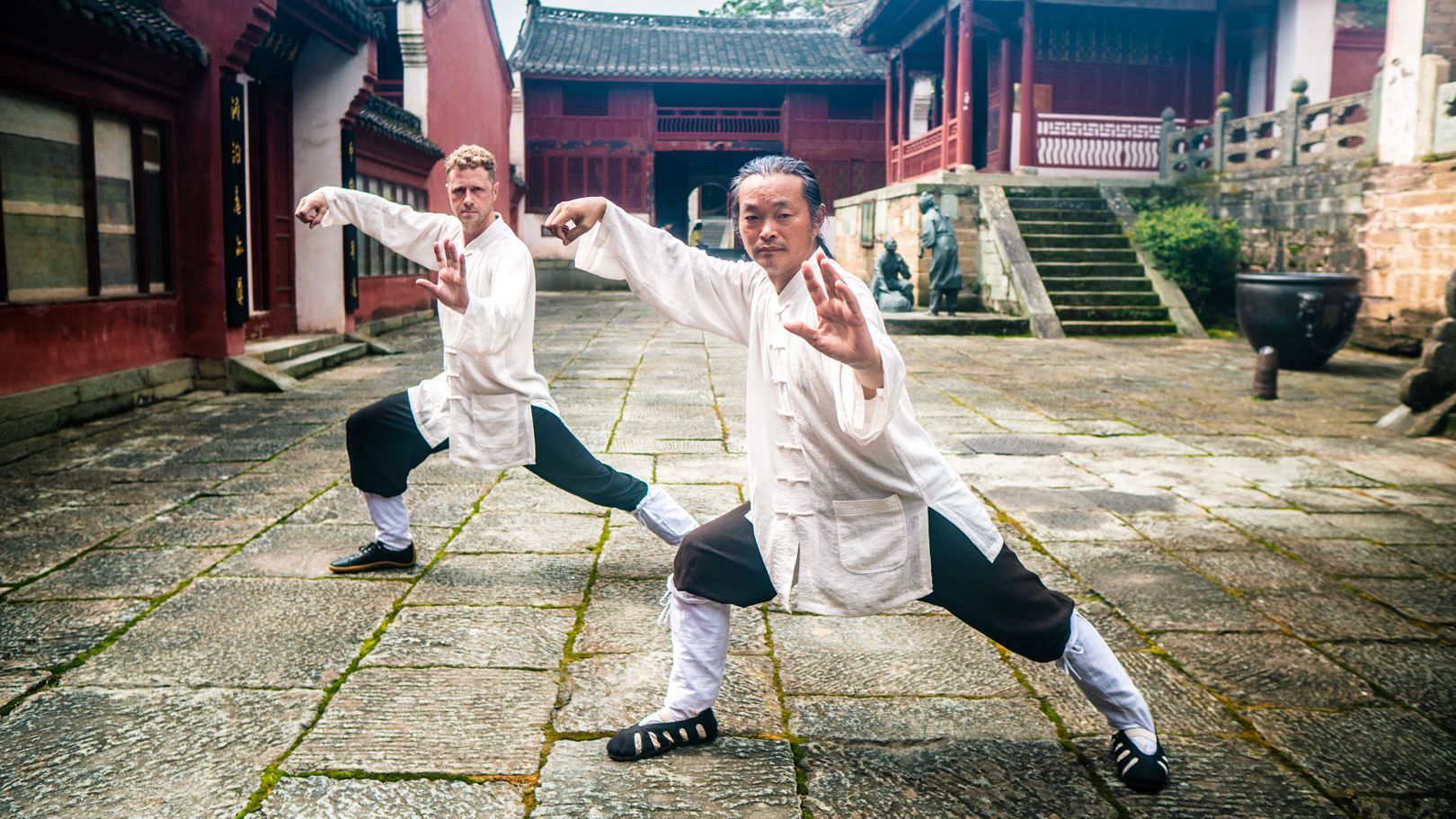
Starting a Tai Chi practice doesn't require years of training or perfect flexibility. The beauty of this ancient art lies in its accessibility. Simple tai chi moves offer everyone, regardless of age or fitness level, a pathway to better balance, reduced stress, and increased vitality. These foundational movements form the building blocks of more complex forms, but even practised alone, they deliver remarkable benefits. Think of them as gentle keys that unlock your body's natural capacity for healing and energy cultivation.
Understanding the Foundation of Simple Tai Chi Moves
Before diving into specific movements, it's helpful to understand what makes Tai Chi different from other forms of exercise. These practices emerged from Taoist principles of balance, flow, and working with natural energy rather than forcing it.
Every simple tai chi move follows core principles that make the practice effective. Weight shifting, breath coordination, and mindful awareness transform what might look like slow-motion movement into a powerful internal practice. When you move with intention, even the simplest gesture becomes a meditation in motion.
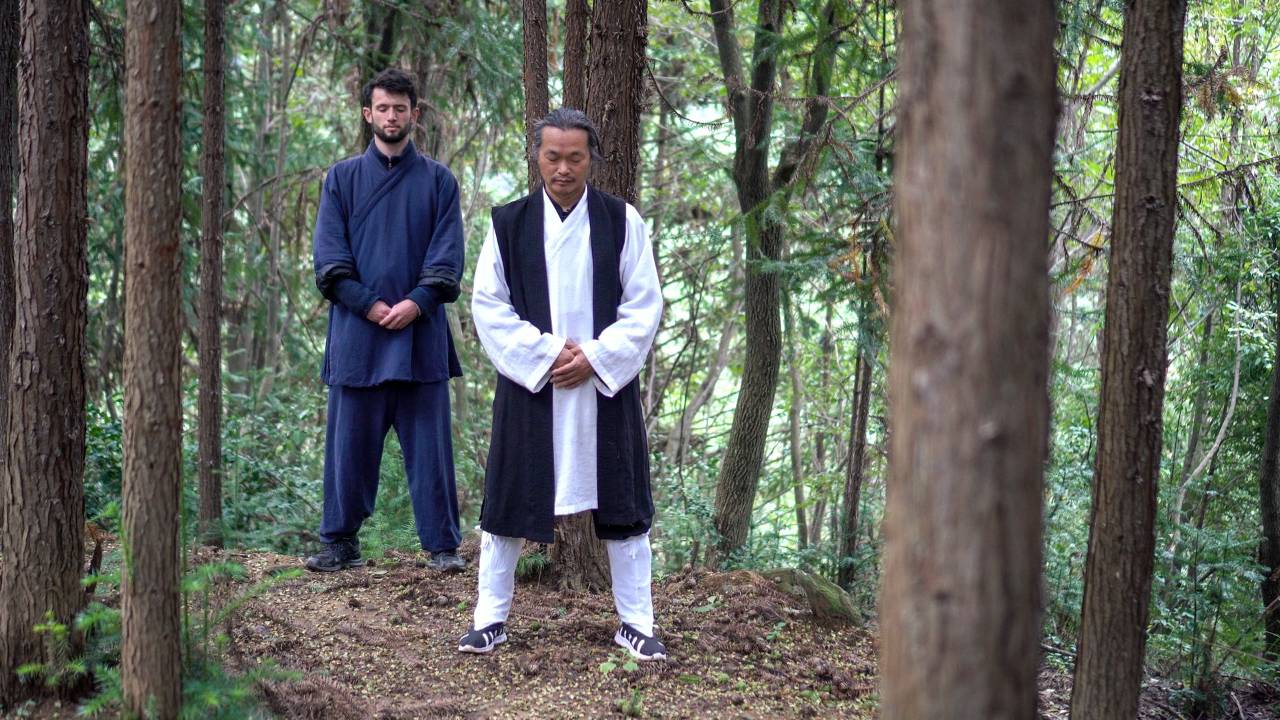
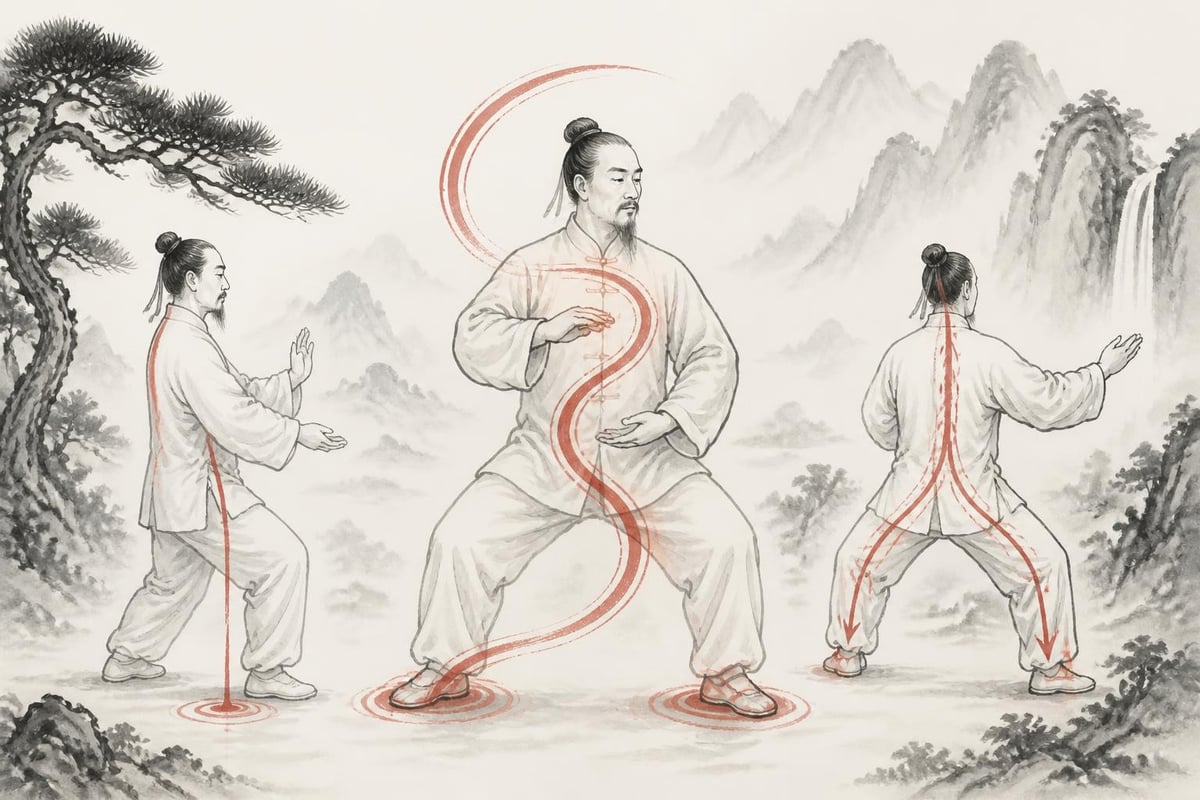
The stance is where everything begins. Your feet should be hip-width apart, knees slightly bent, and weight evenly distributed. This isn't just about physical positioning. You're creating a stable foundation that allows energy to flow freely through your body. Think of yourself as a tree: rooted below, flexible above.
Starting with Proper Breathing
Breathing might seem automatic, but in Tai Chi, it becomes a conscious practice. Natural abdominal breathing, where your belly expands on the inhale and contracts on the exhale, coordinates with every movement. This isn't forced or exaggerated. You're simply allowing your breath to deepen naturally.
Many beginners discover they've been breathing shallowly for years. As you begin practising simple movements, you'll notice your breath becoming smoother and more relaxed. This shift alone can reduce stress and improve mental clarity.
Essential Simple Tai Chi Moves for Beginners
Let's explore specific movements you can start practising today. Each builds upon the last, creating a natural progression.
Commencement (Opening Form)
This simple tai chi move sets the tone for your entire practice. Stand in your foundational stance, arms relaxed at your sides. As you inhale, slowly raise your arms forward to shoulder height, palms facing down. Keep your shoulders relaxed and elbows slightly bent.
On the exhale, gently lower your arms back to your sides. The movement should feel like lifting and lowering your hands through water. There's resistance, but it's gentle and flowing.
Key points to remember:
- Keep movements slow and continuous
- Coordinate breath with motion
- Maintain soft knees throughout
- Let shoulders drop away from ears
Parting the Wild Horse's Mane
This movement teaches you to shift weight smoothly while coordinating arm movements. Start with your weight on your right foot, left foot forward with just the toe touching. Your right hand is at chest level, palm down, while your left hand is near your hip, palm up.
As you shift weight to your left foot, your left hand rises and pushes forward at chest height while your right hand descends to hip level. The movement resembles gently parting curtains or, as the name suggests, brushing a horse's mane to the side. This is one of those simple tai chi moves that appears in many forms and teaches fundamental weight transfer principles.
Cloud Hands
Cloud Hands develops coordination and lateral movement. Stand with feet wider than hip-width, knees bent. Your hands move in circles in front of your torso, one rising as the other descends, while you shift weight from side to side.
The movement should feel continuous and flowing, like clouds drifting across the sky. Your eyes follow your top hand, and your waist turns gently with each shift. This simple tai chi move improves balance and teaches you to move from your centre.
| Movement | Primary Benefit | Difficulty Level | Focus Area |
|---|---|---|---|
| Commencement | Centring and breath | Beginner | Arm coordination |
| Parting Wild Horse's Mane | Weight shifting | Beginner | Lower body stability |
| Cloud Hands | Lateral balance | Beginner-Intermediate | Waist rotation |
| Grasp Bird's Tail | Complete coordination | Intermediate | Full body integration |
Building Your Daily Practice
Consistency matters more than duration when you're starting out. Even a short daily practice can create meaningful change in how you feel and move.
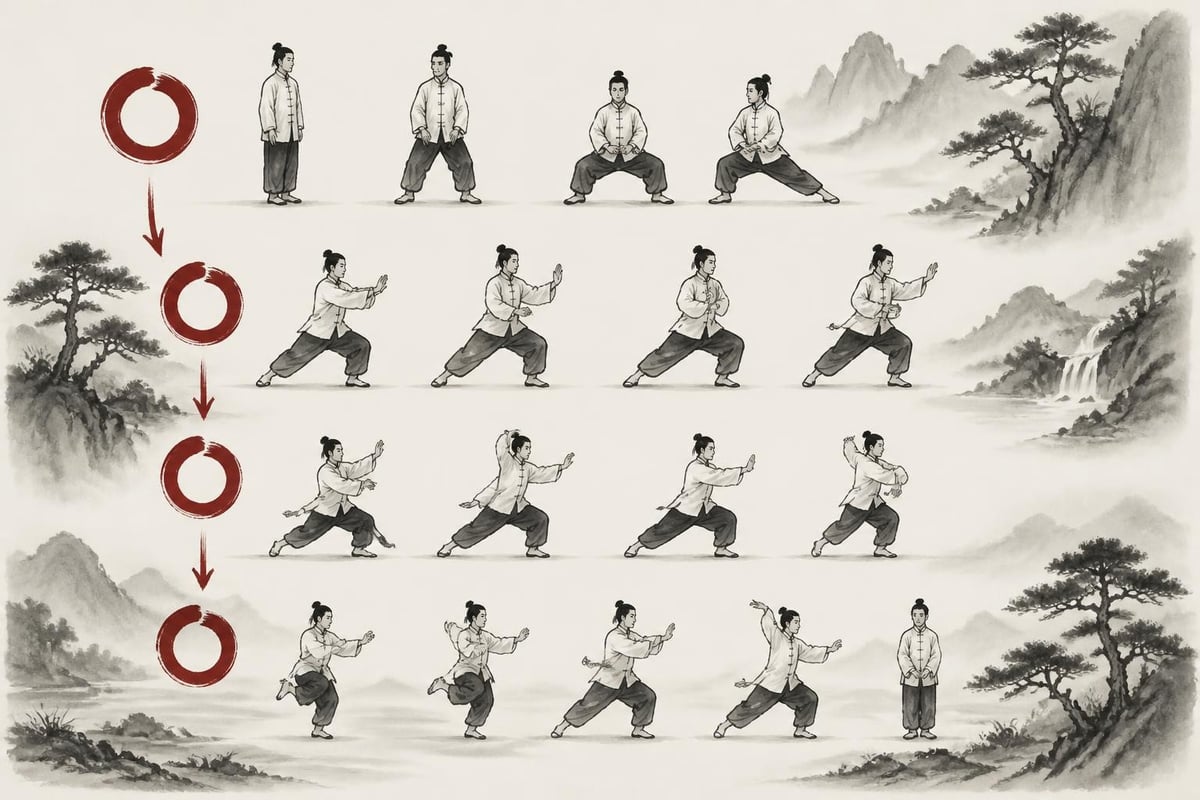
Begin with just three to five minutes. Practise your stance, add breathing, then introduce one movement at a time. As each becomes comfortable, add the next. This gradual approach prevents overwhelm and allows your body to absorb the principles naturally.
Creating a Sustainable Routine
Morning practice energises your day. Evening practice helps release accumulated tension. Choose a time that works for your life, not someone else's ideal schedule. The best practice time is the one you'll actually use.
Your starter routine might look like this:
- Two minutes of stance work and breathing
- Five minutes practising commencement and weight shifts
- Three minutes with cloud hands or another chosen movement
- One minute standing quietly, noticing how you feel
You don't need special equipment or clothing to begin. Loose, comfortable clothing that doesn't restrict movement works perfectly. The most important element is your attention and intention.
The Role of Mindfulness in Simple Movements
What separates Tai Chi from mere exercise is the quality of awareness you bring to each moment. These aren't just physical movements you're performing. You're cultivating a relationship with your own energy, learning to sense and guide it.
When practising simple tai chi moves, notice where your attention wanders. Does your mind drift to your to-do list? Do you judge your performance? Simply notice without criticism and gently return your focus to the sensation of movement and breath.
Developing Internal Awareness
As you practise, you might begin sensing warmth in your palms or a tingling sensation in your fingertips. This is qi, your vital energy, becoming more perceptible. Don't force these sensations or worry if you don't feel them immediately. They emerge naturally with consistent practice.
The principles underlying these movements connect deeply with Taoist philosophy, which emphasises working with natural patterns rather than against them. You're not trying to achieve perfect form. You're learning to move in harmony with your body's wisdom.
Expanding Your Movement Vocabulary
Once you've established comfort with foundational movements, you can explore variations and additions. The beauty of Tai Chi is that even simple tai chi moves contain layers of depth you can explore for years.
Brush Knee and Push
This movement combines several elements: weight shifting, arm coordination, and rotational awareness. From your foundational stance with left foot forward, your right hand circles up and forward at shoulder height while your left hand brushes past your left knee. As you shift weight forward, your right hand pushes forward at chest height.
The motion should feel unified, like a wave moving through your body from back foot to front hand. Each part of the movement flows into the next without stops or jerks.
Single Whip
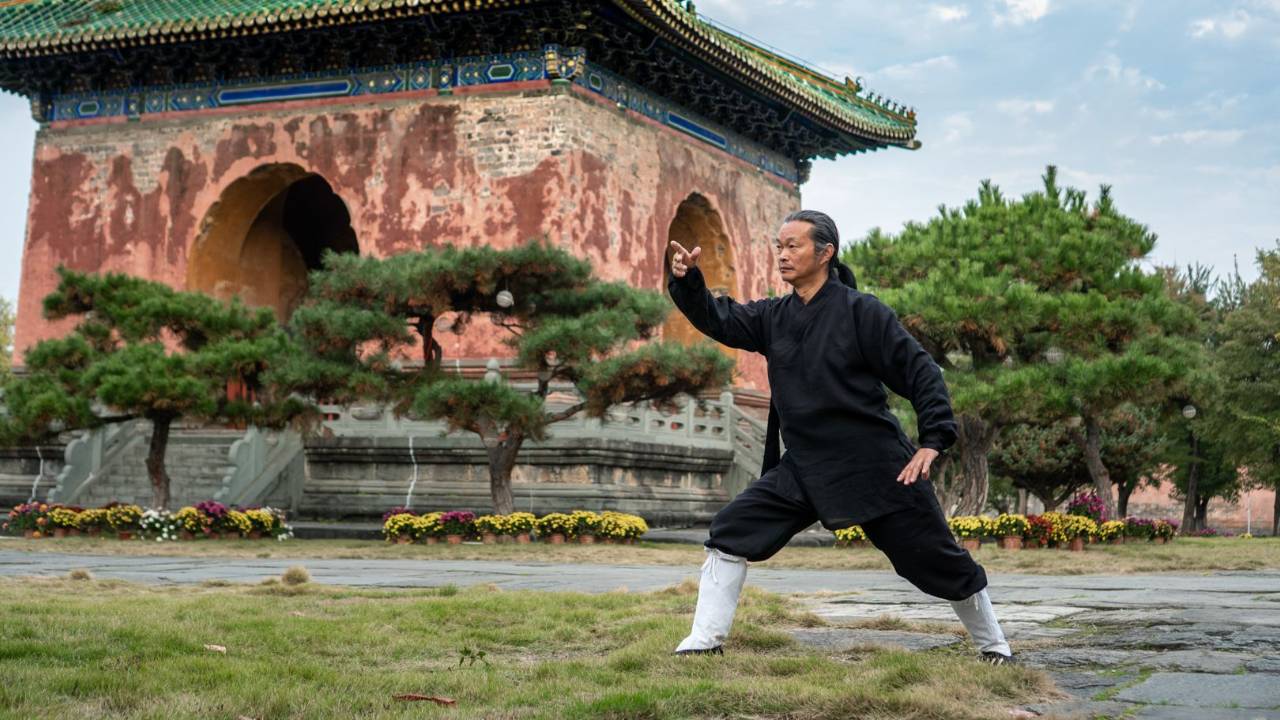
Single Whip appears in most Tai Chi forms and teaches you to coordinate opposing movements. As one hand forms a "bird's beak" (fingers and thumb touching, wrist bent), the other hand sweeps in an arc. Your body turns, and weight shifts completely to one side.
This is one of those simple tai chi moves that actually contains significant complexity. Don't rush to master it. Let understanding unfold gradually through repeated practice.
Common elements across all movements:
- Continuous flow without stopping
- Coordination of breath and motion
- Weight clearly on one foot or smoothly transferring
- Soft joints, never locked
- Attention focused inward
Integrating Tai Chi Walking
Beyond stationary movements, Tai Chi walking brings these principles into daily life. This practice involves walking with the same mindful awareness, deliberate weight shifts, and breath coordination you use in formal practice.
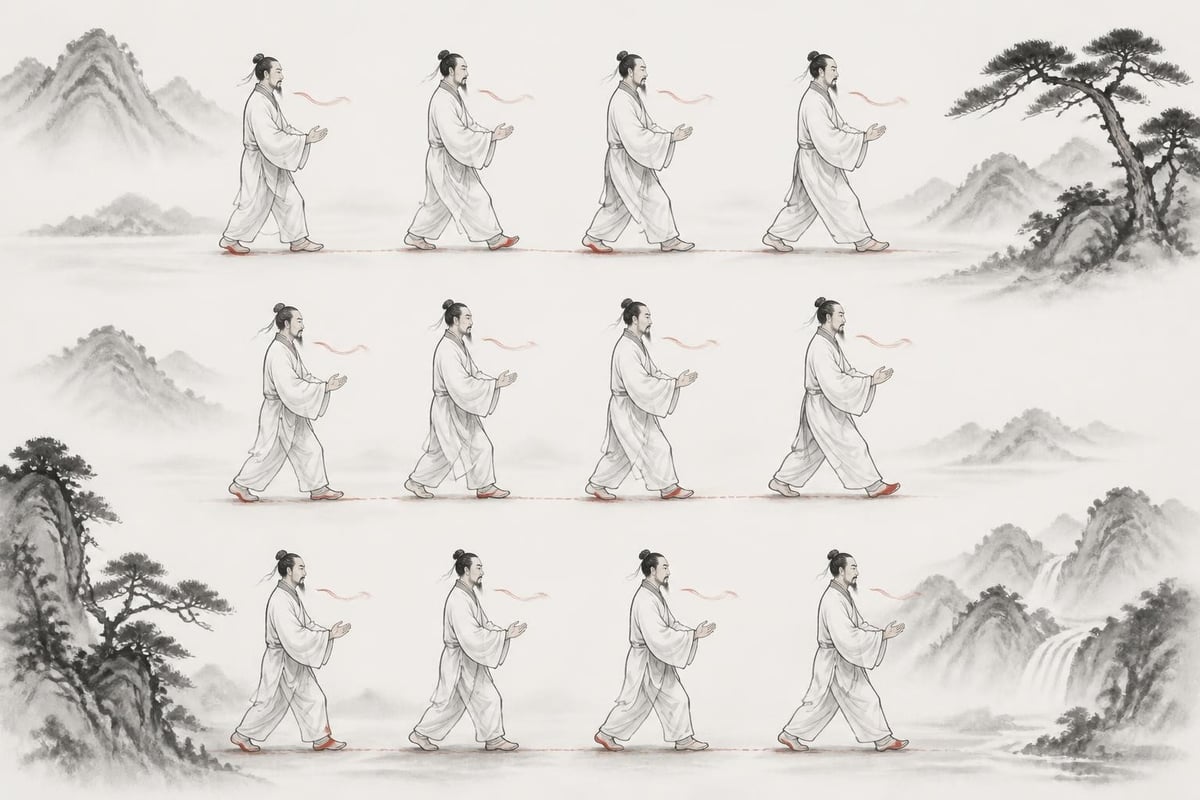
Each step becomes intentional. You place your heel down first, then slowly roll through your foot to the toe before shifting weight completely. Your arms can swing naturally or move in gentle Tai Chi patterns. This transforms a simple walk into a moving meditation.
You can practise Tai Chi walking anywhere: in your home, around your neighbourhood, or in a park. It's particularly valuable for people who struggle with balance, as the slow, deliberate pace helps improve stability while building confidence in movement. Our post on Tai Chi walking explores this practice in more depth.
Learning from Authentic Teaching
While exploring simple tai chi moves on your own builds foundation, learning from experienced teachers accelerates your progress and ensures you're practising safely and effectively. The nuances of alignment, energy flow, and subtle adjustments are best transmitted through direct instruction.
Master Gu's teaching at Taoist Wellness Online draws from authentic Wudang traditions, offering students the benefit of lineage-based knowledge. This isn't just about copying movements. You're receiving transmission of principles that have been refined over centuries.
If you'd like to experience this for yourself, why not start with our free 4-week Taoist Wellness course — it's the easiest way to get a feel for Master Gu's teaching style before committing to anything further.
The Importance of Community
Practising alone has merit, but joining others adds another dimension to your journey. Communities such as ours at Taoist Wellness Online offer support during challenges, shared breakthroughs, and the energy of collective practice.
| Learning Method | Advantages | Best For |
|---|---|---|
| Video tutorials | Learn at own pace, unlimited review | Initial exploration, reference |
| Live online classes | Real-time feedback, community energy | Regular practice, refinement |
| Written materials | Deep understanding of principles | Intellectual foundation |
| In-person instruction | Immediate corrections, energy transmission | Advanced refinement |
Common Challenges and How to Navigate Them
Every beginner encounters obstacles. Recognising them as normal parts of the learning process helps you move through them with patience.
Physical discomfort in knees or legs often indicates you're bending too deeply too soon. Tai Chi should never cause pain. Adjust your stance to a comfortable depth and gradually increase as strength builds. If knee discomfort is a concern, our post on Tai Chi for knee pain offers practical guidance on adapting your practice safely.
Mental restlessness is perhaps the most common challenge. Your mind wants to rush, judge, or wander. This is precisely why we practise. Each time you notice distraction and return to the present moment, you're strengthening your mindfulness muscle.
Frustration with progress emerges when you compare yourself to others or expect rapid advancement. Tai Chi rewards consistency, not intensity. Five minutes of mindful practice serves you better than thirty minutes of distracted repetition.
Adapting Movements to Your Body
Not every body moves the same way, and that's not only okay - it's expected. If you have limited flexibility or mobility challenges, modify movements to work within your current range. The internal principles matter more than external appearance.
You might practise seated if standing is difficult. You might reduce the range of arm movements if shoulders are tight. These adaptations don't diminish your practice. They honour your body's current truth while creating space for gradual change.
Connecting Simple Movements to Energy Cultivation
Tai Chi belongs to a broader family of practices focused on cultivating and balancing qi. The simple tai chi moves you're learning aren't separate from Qi Gong practices. They're different expressions of the same fundamental principles.
As you become comfortable with basic movements, you might find it worth exploring the Qi Gong course — it goes deeper into specific energy cultivation techniques that complement everything you're building here, and many students find the two practices strengthen each other beautifully.
The standing meditation often practised alongside movement work amplifies these benefits. Simply standing in proper alignment for several minutes allows your body to make subtle adjustments and your energy to settle and consolidate.
Measuring Progress in Your Practice
Progress in Tai Chi looks different than in many other activities. You're not counting repetitions or tracking speed. Instead, you're noticing subtler shifts.
Do you feel more grounded during daily activities? Has your sleep quality improved? Do you recover more quickly from stress? These are the real markers of progress.
Signs your practice is deepening:
- Movements feel more natural and less mechanical
- You notice your breath without trying to control it
- Balance improves during both practice and daily life
- Mental chatter quiets more easily
- You feel energised rather than depleted after practice
Some practitioners keep a simple journal, noting how they felt before and after practice. Over weeks and months, patterns emerge that reveal the cumulative benefits of consistent practice.
Beyond the Basics: Where Simple Moves Lead
The simple tai chi moves you're learning now form the foundation of complete Tai Chi forms - choreographed sequences of movements that flow together. Forms can range from short sequences of a dozen or so movements to long forms containing over a hundred.
But you don't need to learn a complete form to benefit from Tai Chi. Many practitioners work with just a handful of movements their entire lives, going deeper into the principles each one contains rather than constantly adding new movements.
If you do want a structured path forward, the Tai Chi course at Taoist Wellness Online builds skills in a logical sequence - foundational stances, individual movements, and then complete Wudang forms - ensuring you understand each layer before advancing to the next.
Some students become fascinated with the martial applications of Tai Chi. Each simple tai chi move contains defensive and offensive possibilities, though these are practised slowly and cooperatively rather than combatively. Understanding these applications can deepen your appreciation for the movements' structure and flow.
Simple tai chi moves offer a gentle, accessible entry point into a profound practice that can transform how you inhabit your body and navigate your life. The movements themselves are just the beginning. Through consistent practice, you'll discover reserves of calm, strength, and vitality you may not have known you possessed. Take your first steps with our free 4-week Taoist Wellness course - no commitment needed, just you and Master Gu. When you're ready to go further, Taoist Wellness Online provides authentic instruction, live sessions, and a global community to support your journey at every stage.