Tai Chi How To: A Complete Beginner's Guide for 2026
Jul 14, 2026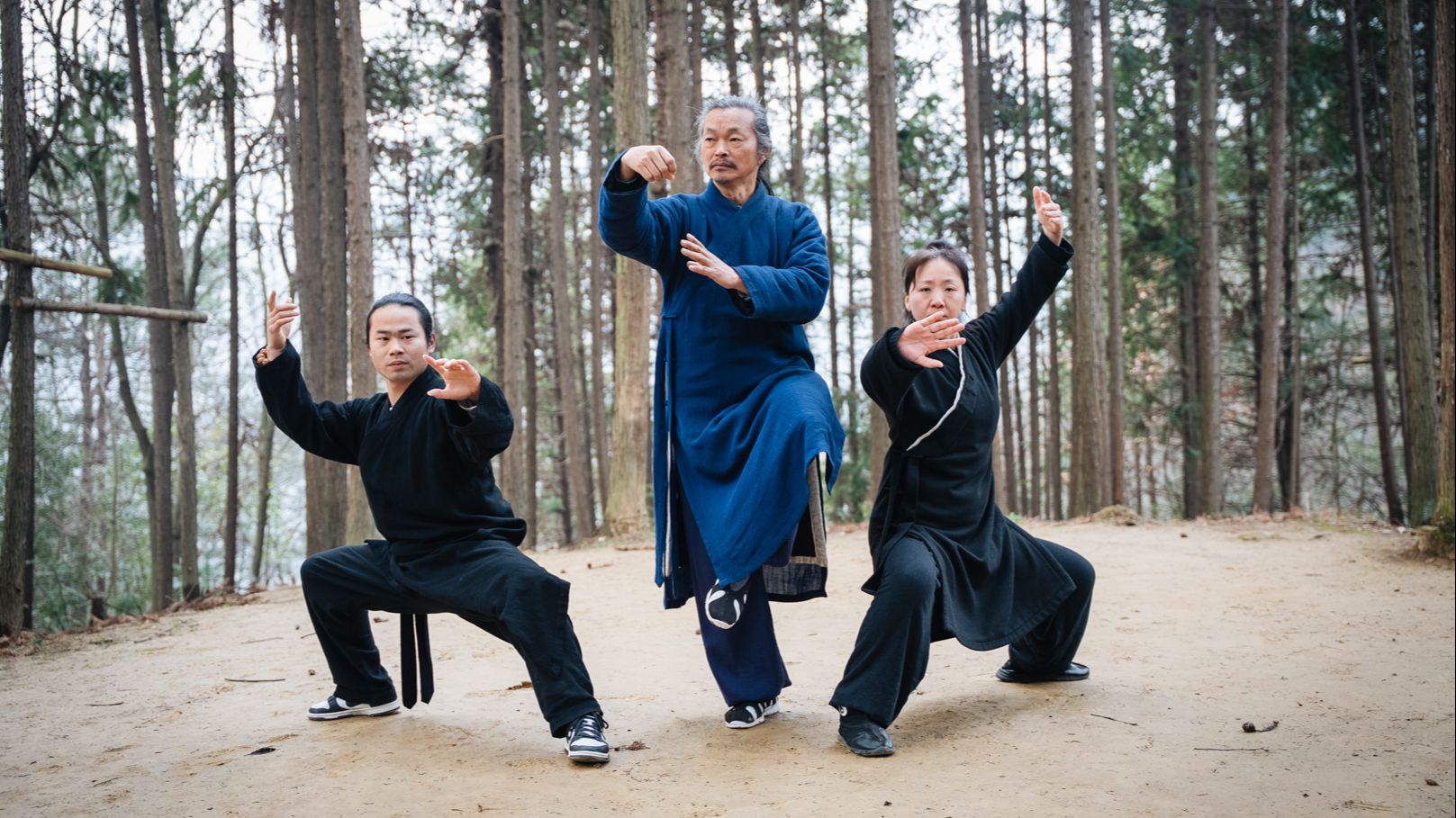
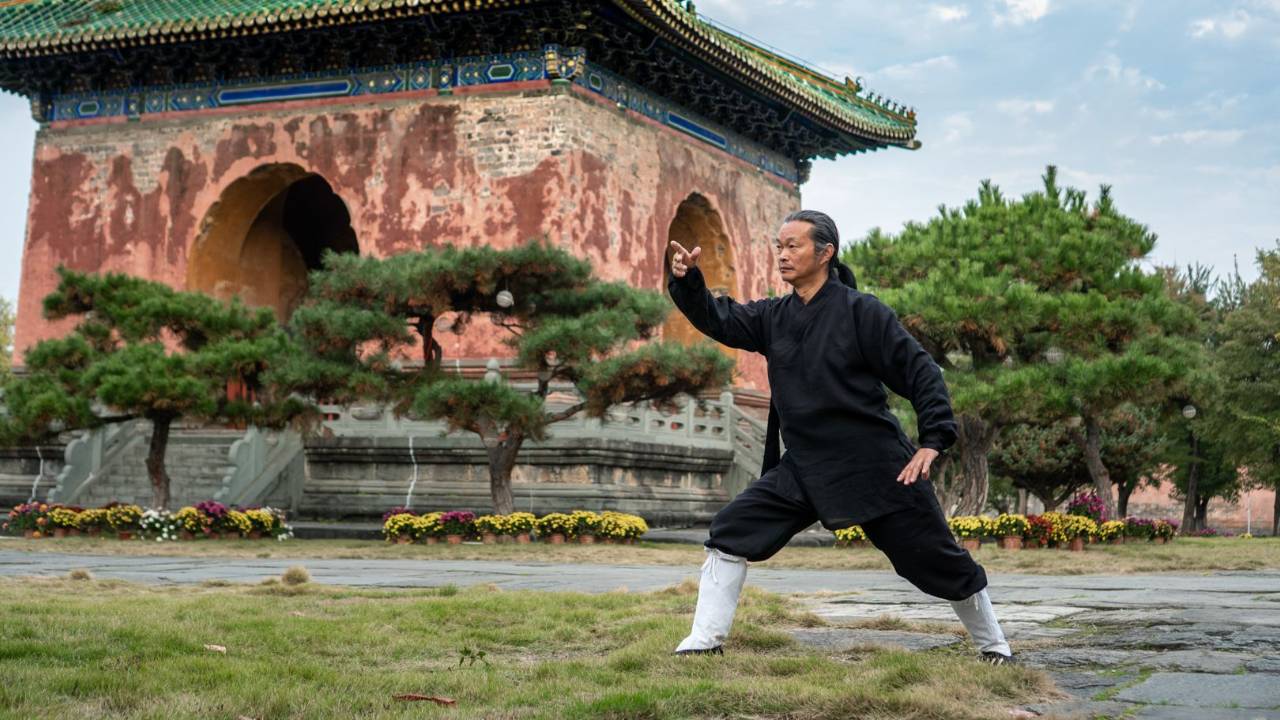
Learning tai chi how to practice properly begins with understanding that this ancient art isn't about perfection but about patient exploration and gentle consistency. Whether you're drawn to Tai Chi for stress relief, better balance, or deeper connection to your body, the path starts with simple foundational principles that anyone can master. This guide walks you through everything you need to begin your practice with confidence, from establishing proper posture to flowing through your first movements with grace and awareness.
Understanding Tai Chi Fundamentals
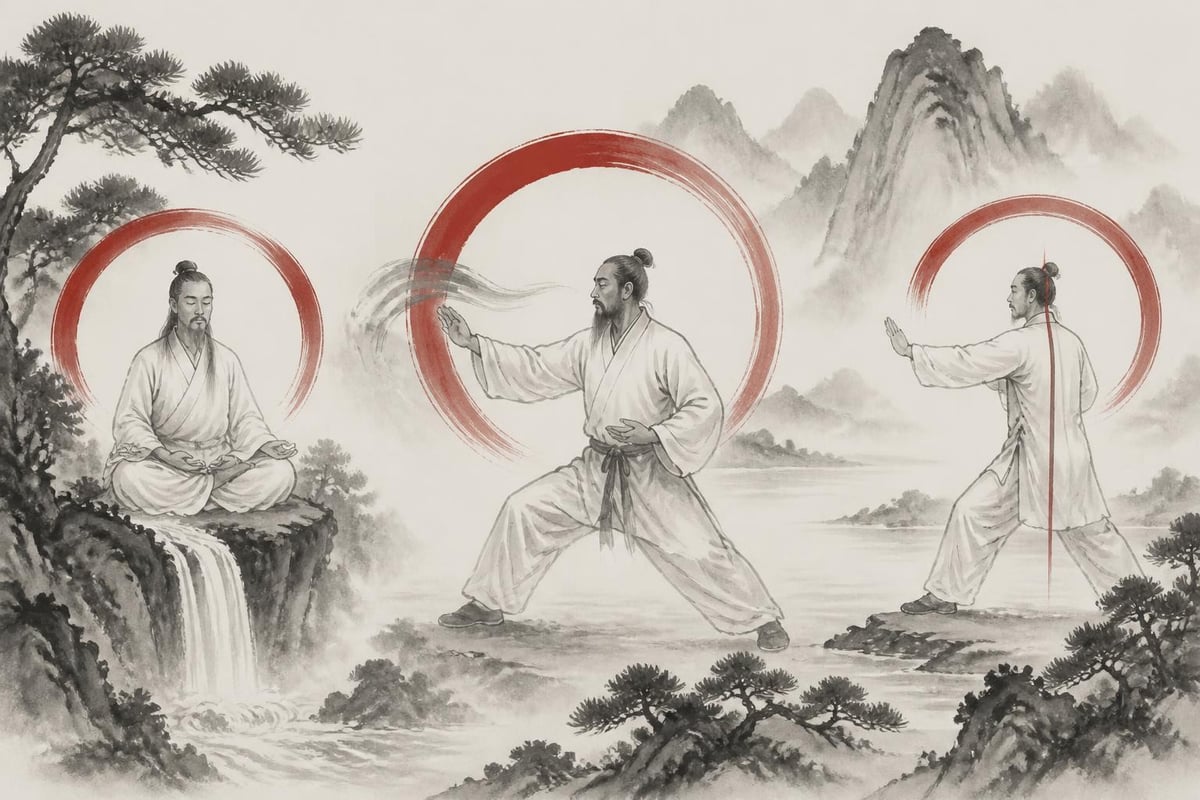
Tai Chi is often called "meditation in motion," and for good reason. Unlike high-impact exercises that push your limits, Tai Chi invites you to move slowly and deliberately, coordinating breath with movement while maintaining relaxed awareness. The practice originated in ancient China as both a martial art and a health cultivation system rooted in Taoist philosophy.
The Three Pillars of Practice
Before diving into specific movements, understanding what makes Tai Chi effective helps you practise with intention rather than just going through motions.
Mind-Body Connection: Every movement in Tai Chi requires your full attention. You're not just moving your arms or legs but coordinating your entire being into each gesture. This focused awareness is what transforms simple movements into profound practice.
Breath Coordination: Your breath guides your movement and vice versa. Generally, you inhale during opening or rising movements and exhale during closing or sinking movements. This natural rhythm creates a meditative flow that calms your nervous system.
Structural Alignment: Proper posture in Tai Chi isn't about being rigid or forcing your body into uncomfortable positions. Instead, it's about finding natural alignment that allows energy to flow freely while protecting your joints.
Setting Up Your Practice Space
Creating the right environment supports your learning and makes it easier to establish a consistent routine. Fortunately, Tai Chi doesn't require much space or special equipment.
Space and Equipment Needs
You need enough room to extend your arms fully in all directions and take several steps forward, backward, and sideways. A 10-foot by 10-foot area works well for most forms. Practise on a flat surface where you feel stable and won't slip.
What to Wear: Choose loose, comfortable clothing that doesn't restrict movement. Natural fabrics that breathe work best. Traditional Tai Chi footwear is flat and flexible, with many practitioners preferring to practise barefoot indoors to improve balance and ground connection.
| Practice Element | Recommendation | Why It Matters |
|---|---|---|
| Floor Space | 10x10 feet minimum | Allows full range of movement without obstacles |
| Flooring | Non-slip, level surface | Prevents falls and supports proper weight shifting |
| Clothing | Loose, breathable fabrics | Enables unrestricted movement and comfort |
| Footwear | Flat, flexible shoes or bare feet | Improves balance and ground connection |
| Lighting | Natural or soft lighting | Reduces eye strain and creates calm atmosphere |
Mastering the Basic Stance
Understanding how to position your body correctly begins with the fundamental stance that underlies all movements. This foundational position might seem simple, but it contains layers of refinement that deepen over time.
The Wuji Stance
Start by standing with feet shoulder-width apart, toes pointing forward or slightly outward. Let your arms hang naturally by your sides. This is Wuji, the position of infinite potential.
Key Alignment Points:
- Soften your knees slightly (never locked)
- Tuck your tailbone gently to align your pelvis
- Lengthen your spine as if a string gently pulls the crown of your head upward
- Relax your shoulders down and back
- Tuck your chin slightly to lengthen the back of your neck
- Rest your tongue on the roof of your mouth
From this position, you begin to cultivate what Taoists call "rooting." Imagine energy sinking down through your legs into the earth while your upper body remains light and buoyant. This combination of grounded lower body and relaxed upper body creates the distinctive Tai Chi quality.
Weight Distribution and Shifting
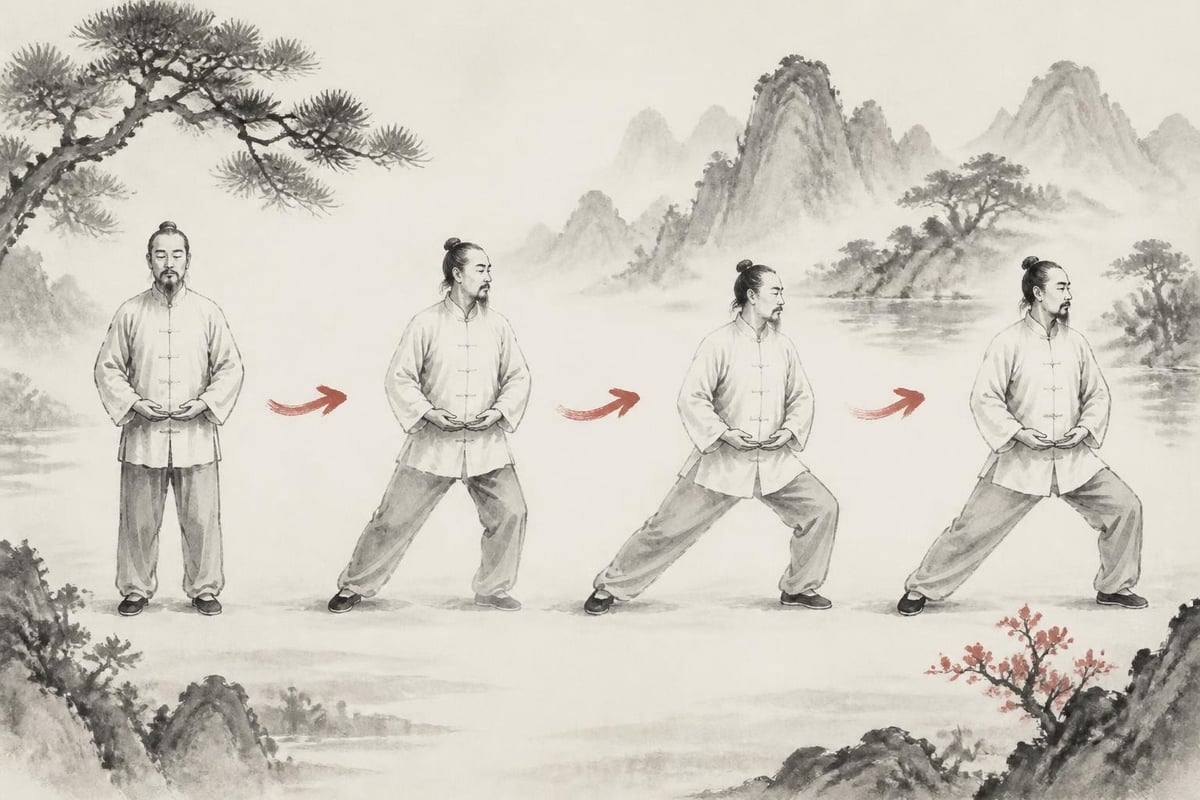
Learning to shift your weight smoothly between legs is essential for practising Tai Chi properly. Most Tai Chi movements involve transferring weight from one leg to the other in a controlled, continuous manner.
- Start in Wuji stance with weight evenly distributed
- Slowly shift weight to your right leg (70-100% depending on the movement)
- Feel your left leg lighten while maintaining stability through your right
- Practice shifting back to centre, then to the left leg
- Repeat the process focusing on smooth, continuous transition
Notice that when one leg carries most of your weight, you can move the other leg freely. This fundamental principle allows you to step, turn, and flow through sequences without losing balance.
Learning Your First Movements
Tai Chi movements each have specific names that often reference nature or martial applications. Starting with basic movements builds the vocabulary you'll use in longer forms.
Commencing Form
This opening movement sets the tone for your entire practice and appears at the beginning of most Tai Chi forms.
Step-by-Step Instructions:
- Begin in Wuji stance, breathing naturally
- Slowly raise both arms forward to shoulder height, palms facing down
- Keep arms soft and rounded, elbows slightly bent
- Draw arms back toward your body as you bend your knees slightly
- Lower arms to your sides as you return to Wuji
The entire sequence should take 20-30 seconds, moving with continuous, flowing motion. Coordinate your breathing by inhaling as you raise your arms and exhaling as you lower them.
Brush Knee and Push
This movement teaches you to coordinate upper and lower body while shifting weight and stepping.
- From Wuji, shift weight to right leg and turn your waist slightly left
- Raise your left hand to ear level, palm facing forward
- Step forward with left foot while brushing your right hand down past your knee
- Shift weight into left leg as you push your left hand forward at chest height
- Your right hand rests by your hip, palm down
Practise this movement slowly, taking 15-20 seconds for each repetition. Focus on coordinating the weight shift with the hand movements so everything arrives at the same time.
Single Whip
A signature Tai Chi posture that appears in virtually every style, Single Whip develops opening and stretching through the upper body.
| Movement Phase | Action | Breathing | Common Mistakes |
|---|---|---|---|
| Preparation | Gather energy to right side | Inhale | Raising shoulders |
| Transition | Form "beak hand" with right | Hold | Twisting at waist too much |
| Step | Place left foot 90 degrees left | Begin exhale | Stepping too wide |
| Completion | Open left arm while settling | Complete exhale | Leaning or losing root |
The "beak hand" is formed by bringing all five fingertips together, pointing downward. This unique hand position stretches the wrist and forearm in a beneficial way.
Breathing Techniques for Tai Chi
Natural breathing provides the foundation, but as you advance, understanding how to coordinate breath with movement enhances your practice significantly.
Natural Abdominal Breathing
This breathing pattern engages your diaphragm and creates a gentle massage for your internal organs. It's the foundation of all Tai Chi breathing.
- Inhale: Your abdomen gently expands outward
- Exhale: Your abdomen naturally draws inward
- Keep breathing soft and silent
- Never force or strain your breath
Practise this breathing while standing in Wuji for 5-10 minutes. Place one hand on your abdomen to feel the gentle expansion and contraction. This simple practice builds the foundation for more advanced breathing techniques explored throughout our Qi Gong course.
Coordinating Breath with Movement
General guidelines help you coordinate breathing naturally:
Inhale During:
- Opening movements
- Rising movements
- Gathering or collecting energy
- Defensive or yielding actions
Exhale During:
- Closing movements
- Sinking movements
- Releasing or expressing energy
- Offensive or extending actions
However, these are guidelines, not rigid rules. As you progress, your body naturally finds its own rhythm. Trust that innate wisdom rather than forcing a pattern that feels unnatural.
Common Beginner Challenges and Solutions
Understanding how to overcome typical obstacles helps you progress steadily without frustration or discouragement.
Balance and Stability Issues
Feeling wobbly or unsteady when shifting weight is completely normal for beginners. Your body is learning new movement patterns and recruiting muscles you may not use regularly.
Solutions:
- Practise next to a wall or chair for light support initially
- Keep your centre of gravity lower by maintaining bent knees
- Focus on one aspect at a time rather than trying to perfect everything simultaneously
- Accept that balance improves gradually over weeks and months
Research consistently shows that Tai Chi significantly improves balance, especially benefiting older adults and those at risk of falls. Give yourself permission to progress at your own pace.
Remembering Sequences
Feeling overwhelmed by trying to remember movements, breathing, posture, and transitions all at once is universal among beginners.
Practical Strategies:
- Learn one movement thoroughly before adding another
- Practise the same sequence daily rather than constantly learning new material
- Break complex movements into smaller chunks
- Use mental imagery or the poetic names to help remember transitions
- Record yourself or use video resources to review between practice sessions
Our free 4-week Taoist Wellness course offers structured lessons that build progressively, making it easier to absorb new material without feeling overwhelmed.
Physical Discomfort
Some mild muscle fatigue in your legs, particularly thighs, is normal as you develop strength. However, joint pain or sharp discomfort indicates you need to adjust your practice.
| Discomfort Type | Likely Cause | Adjustment Needed |
|---|---|---|
| Thigh burning | Building strength | Normal; take breaks as needed |
| Knee pain | Stance too wide or low | Narrow stance, raise posture |
| Lower back ache | Arching back | Tuck tailbone, engage core gently |
| Shoulder tension | Holding arms too high | Lower arms, relax shoulders |
| Neck strain | Looking down or jutting chin | Level gaze, align head over spine |
Developing a Consistent Practice Routine
Establishing regular practice habits matters more than any single perfect session. Consistency transforms Tai Chi from an activity into a sustainable wellness practice.
Frequency and Duration
For Beginners:
- Practise 15-20 minutes daily rather than longer sessions 2-3 times weekly
- Focus on quality of movement over quantity of repetitions
- Allow at least one rest day per week for integration
Progressive Timeline:
- Weeks 1-4: Master basic stance and 3-5 fundamental movements
- Weeks 5-8: Link movements into short sequences
- Weeks 9-12: Practise complete short forms (8-10 movements)
- Months 4-6: Develop refinement and internal awareness
Best Times to Practice
Traditional Chinese medicine suggests practising Tai Chi in early morning when Yang energy rises. However, the best time is whenever you'll actually practise consistently.
Morning Practice Benefits:
- Sets positive tone for your day
- Body and mind are fresh and receptive
- Establishes routine before daily demands intrude
Evening Practice Benefits:
- Releases accumulated stress and tension
- Transitions you from work mode to personal time
- Prepares body and mind for restful sleep
Many dedicated practitioners enjoy both morning and evening sessions, each serving different purposes in their daily rhythm.
Learning from Authentic Sources
While self-study provides a foundation, learning from experienced teachers deepens your understanding and helps you avoid developing habits that limit your progress.
Benefits of Structured Learning
Working with authentic masters who've trained in traditional lineages offers distinct advantages over piecing together information from random videos or books.
What Authentic Teachers Provide:
- Corrections to subtle alignment issues you can't see yourself
- Understanding of internal energy cultivation beyond external form
- Progressive curriculum that builds systematically
- Cultural and philosophical context that enriches practice
- Community support and shared learning experiences
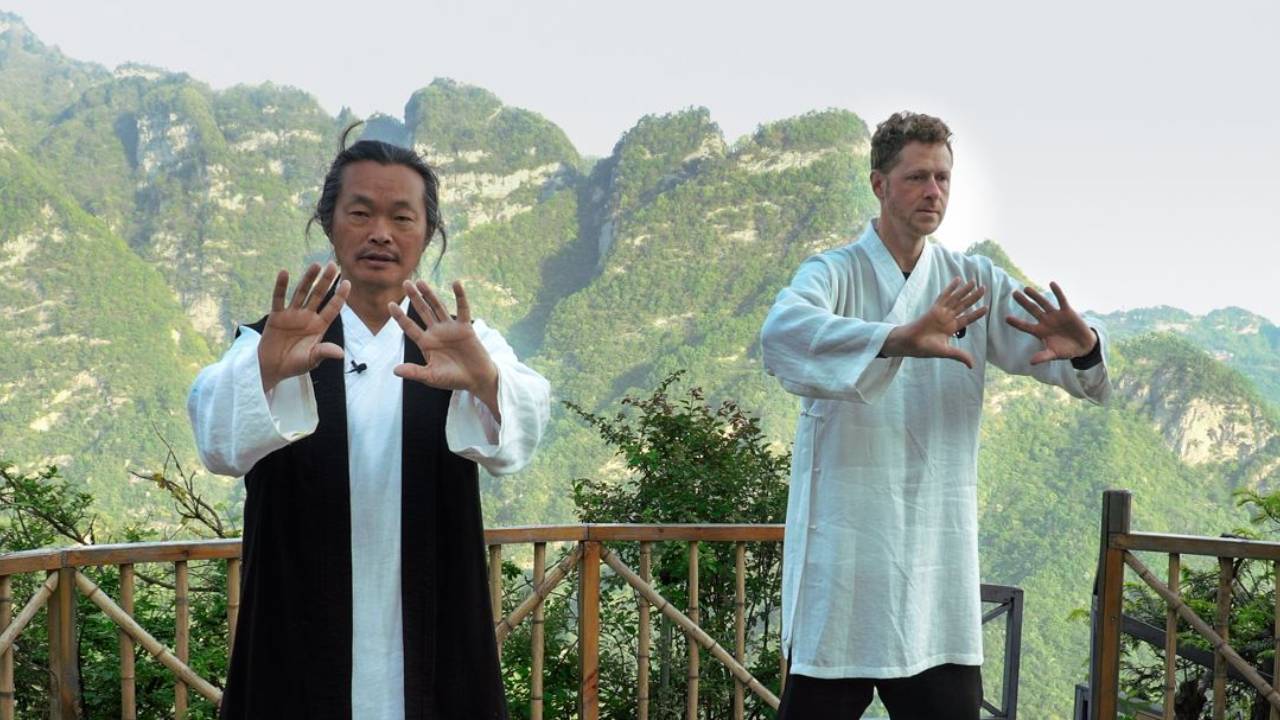
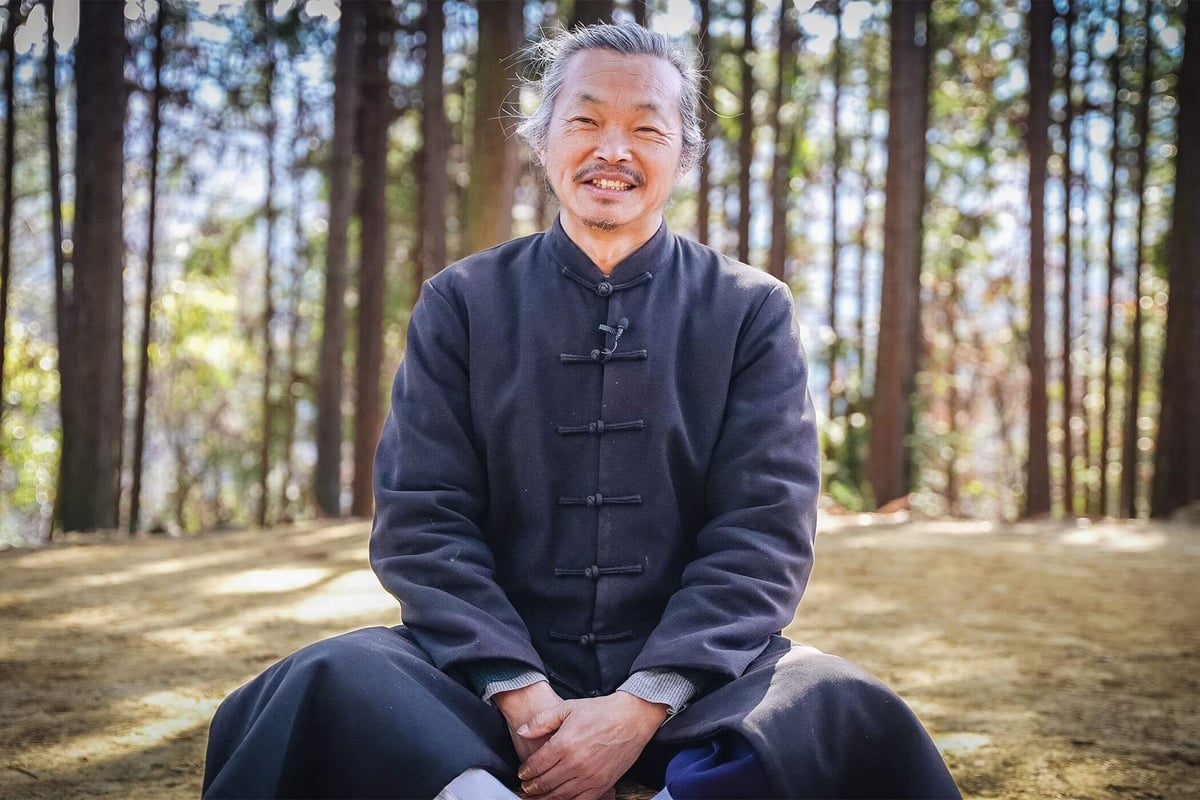
The Taoist Wellness Online Academy membership connects you with Master Gu, a 15th-generation Wudang master, providing authentic instruction in Tai Chi alongside Qi Gong and Taoist meditation. With over 100 hours of structured lessons, live monthly sessions, and a supportive global community, you can develop your practice with confidence under expert guidance.
Supplementing with Community
Joining others on the same path provides motivation, accountability, and shared discovery. Communities such as ours at Taoist Wellness Online allow you to connect with practitioners worldwide, ask questions, and share your journey.
Exploring Different Tai Chi Styles
As you learn Tai Chi fundamentals, you'll discover various styles, each with distinctive characteristics while sharing core principles.
Major Tai Chi Styles
Yang Style:
- Most popular and widely taught worldwide
- Large, flowing movements with expansive postures
- Accessible for beginners and therapeutic applications
- Emphasises relaxation and smooth transitions
Chen Style:
- Original family style from Chen Village
- Combines slow movements with explosive releases (fa jin)
- Lower stances and more martial applications
- More athletic and challenging for beginners
Wu Style:
- Smaller, more compact movements
- Slight forward lean in many postures
- Excellent for developing internal energy
- Particularly good for those with limited space
Sun Style:
- Higher stances with distinctive stepping pattern
- Incorporates elements of Xingyi and Bagua
- Ideal for older practitioners or those with knee issues
- Emphasises continuous, flowing agility
| Style | Stance Height | Movement Size | Best For | Learning Curve |
|---|---|---|---|---|
| Yang | Medium | Large | General wellness, beginners | Gentle |
| Chen | Low | Varied | Fitness, martial interest | Steep |
| Wu | Medium-high | Small | Limited space, refinement | Moderate |
| Sun | High | Medium | Joint issues, mobility | Gentle-moderate |
Integrating Tai Chi into Daily Life
The true measure of Tai Chi practice extends beyond formal sessions into how the principles enhance your daily activities and overall well-being.
Mindful Movement Throughout Your Day
Apply Tai Chi awareness to everyday actions:
- Walking: Feel weight shifting smoothly from leg to leg
- Sitting down/Standing up: Move with continuous flow rather than collapsing or lurching
- Reaching for objects: Coordinate breath with movement, maintaining centred balance
- Waiting in lines: Practise Wuji stance, rooting and relaxing simultaneously
These small integrations multiply your practice time and help the principles become second nature rather than something you only do during formal sessions.
Stress Reduction and Emotional Balance
Tai Chi's calming effects extend well beyond physical fitness. The meditative quality of practice activates your parasympathetic nervous system, counteracting chronic stress responses.
Regular practice helps you:
- Respond to challenges with greater calm and clarity
- Release physical tension before it accumulates into chronic patterns
- Sleep more deeply and wake more refreshed
- Maintain emotional equilibrium during difficult situations
Many students report that Tai Chi becomes their go-to tool for managing anxiety, processing emotions, and finding centre when life feels chaotic. Our post on Tai Chi for mental health explores this dimension in more depth.
Deepening Your Understanding
As your physical practice develops, exploring the philosophical and energetic dimensions of Tai Chi adds depth and meaning that sustains long-term commitment.
The Role of Qi (Life Energy)
Tai Chi is fundamentally a Qi cultivation practice. Qi refers to the vital life force that flows through all living things. While you can't see Qi, you can learn to feel and direct it through your practice.
Signs of Qi sensation:
- Warmth in your palms or fingertips
- Tingling or gentle electrical feeling in your hands
- Sense of fullness or expansion in your lower abdomen
- Feeling of connection between your hands even when apart
These sensations develop naturally over time. Don't force or imagine them, but remain open to subtle feelings that emerge during practice.
Complementary Practices
Tai Chi forms part of a comprehensive system of Taoist wellness practices that support each other beautifully.
- Qi Gong: Often simpler than Tai Chi, excellent for developing energy sensitivity
- Meditation: Cultivates the mental stillness and awareness that deepens Tai Chi practice
- Taoist Philosophy: Provides context and meaning that enriches your understanding
For practical tips on getting the most from your early practice, our post on Tai Chi tips for beginners covers the common pitfalls and how to navigate them.
Measuring Your Progress
Knowing how to evaluate your development helps you appreciate subtle improvements that might otherwise go unnoticed.
Physical Indicators
Track these tangible changes over your first six months:
- Balance: Can you stand on one leg longer? Do you feel more stable in daily activities?
- Flexibility: Have your range of motion and ease of movement improved?
- Strength: Do your legs feel stronger during practice and climbing stairs?
- Coordination: Are transitions becoming smoother and more natural?
- Breath capacity: Can you breathe more slowly and deeply without strain?
Internal Indicators
Less obvious but equally important signs of progress:
- Increased body awareness and ability to feel subtle misalignments
- Greater mental calm and ability to focus during practice
- More consistent energy levels throughout your day
- Better sleep quality and easier stress management
- Deeper sense of connection to your body and inner experience
Progress in Tai Chi isn't linear. You'll experience plateaus, breakthrough moments, and periods where everything feels awkward again. This natural rhythm is part of the journey.
Creating Long-term Sustainability
The question isn't just how to start, but how to maintain practice through changing life circumstances and evolving interests.
Adapting Practice to Life Seasons
Your practice will and should evolve as your life changes:
- During busy periods: Maintain connection with even 10 minutes daily
- When injured or ill: Modify movements or focus on breathing and visualisation
- As you age: Adjust stance height and movement complexity to honour your body
- When travelling: Practise abbreviated forms or single movements
Flexibility in your approach prevents all-or-nothing thinking that leads to abandoning practice during challenging times.
Finding Your Personal Motivation
Different aspects of Tai Chi resonate with different people at different times:
- Some practise primarily for physical health and fitness
- Others seek stress relief and emotional balance
- Many appreciate the meditative and spiritual dimensions
- Some enjoy the martial arts aspects and self-defence applications
All motivations are valid. Your primary interest may shift over time, and that's perfectly natural. The beauty of Tai Chi is that it offers multiple entry points and layers of depth for lifelong exploration.
Learning Tai Chi properly transforms this ancient art from a set of movements into a lifelong path of wellness, self-discovery, and balance. By starting with proper fundamentals, maintaining consistent practice, and approaching your journey with patience and curiosity, you create a sustainable practice that serves you for decades. Our free 4-week course is the perfect starting point - take your first steps with Master Gu at no cost. When you're ready to go further, Taoist Wellness Online offers authentic guidance, a supportive global community, and everything you need to develop your practice with confidence.