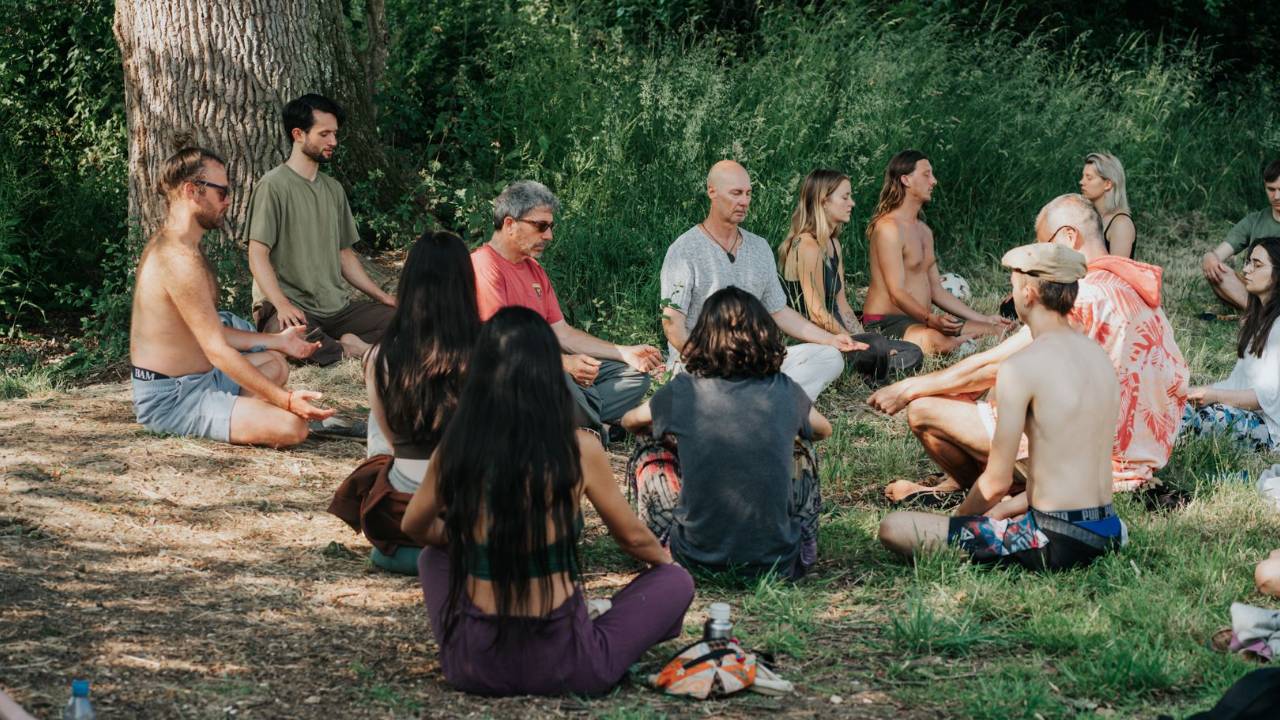
Qi Gong Training Guide: Master Your Practice in 2026
Jun 30, 2026
Unlock the ancient secrets of energy cultivation and elevate your well-being with qi gong training in 2026. This guide empowers you to master your practice, no matter your experience. You will discover step-by-step techniques, essential routines, and advanced practices that blend timeless wisdom with modern insights. Whether you seek stress relief, vitality, or inner peace, you will find clear milestones and practical steps for your journey. Let this be your roadmap to lasting transformation and ongoing mastery.
Understanding Qi Gong: Origins, Philosophy, and Modern Relevance
Qi Gong training is rooted in a profound tradition of cultivating energy for health, vitality, and peace of mind. Whether you are new or experienced, understanding its origins and philosophy can deepen your appreciation for this ancient practice.
What Is Qi Gong?
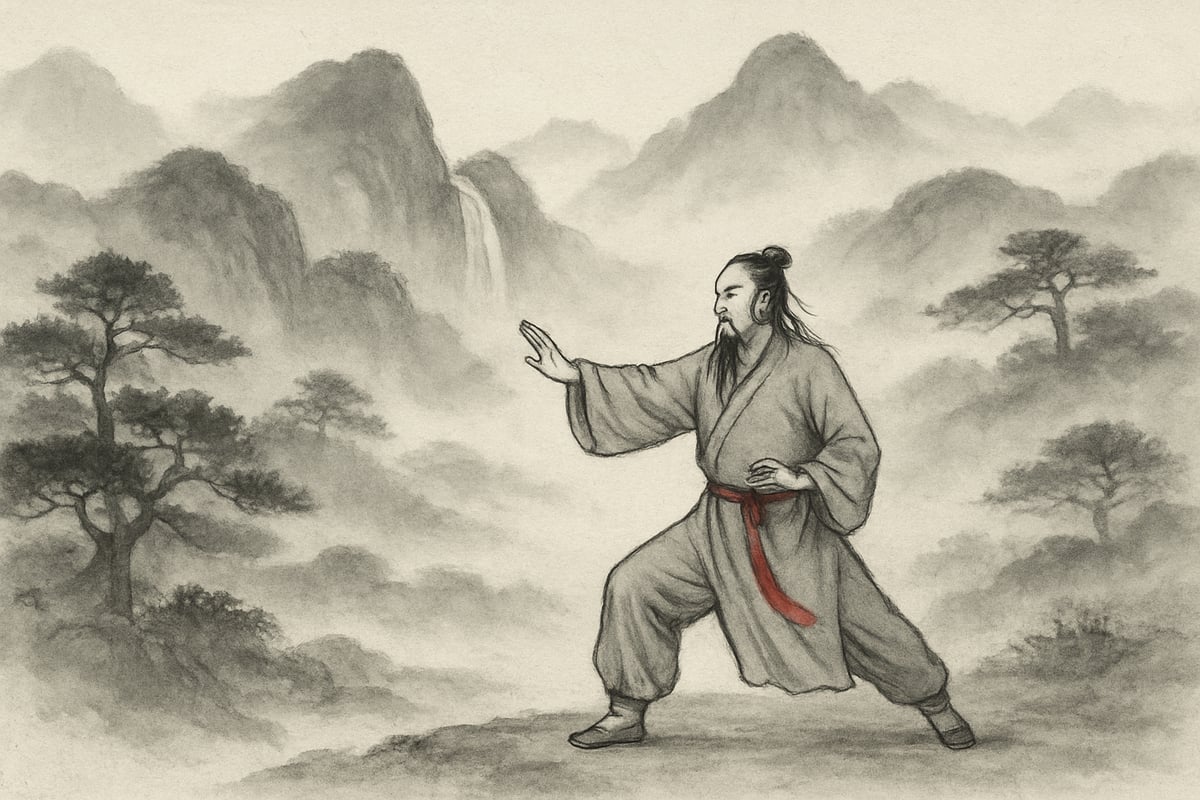
At its core, qi gong training combines "Qi" (life energy) and "Gong" (cultivation or skill). The practice weaves gentle movement, mindful breath, and focused intention to harmonise body and mind. Through regular qi gong training, practitioners learn to sense, guide, and balance their internal energy.
Historical Roots and Evolution
Qi gong training dates back thousands of years to ancient China. It grew through Taoist, Buddhist, and Confucian traditions, each adding unique insights. Taoists explored nature's rhythms, Buddhists emphasised meditative awareness, and Confucians focused on moral cultivation. Over centuries, these streams blended into a holistic system for health and spiritual growth.
Foundational Philosophy
Three key ideas shape qi gong training:
| Principle | Meaning |
|---|---|
| Yin-Yang | Balance of opposites - rest and activity, soft and strong |
| Five Elements | Interplay of Wood, Fire, Earth, Metal, Water |
| Meridian System | Energy channels connecting organs and emotions |
These principles guide every movement and breath, supporting harmony within and with the world.
Qi Gong, Tai Chi, and Yoga: How They Compare
Qi gong training, Tai Chi, and Yoga all nurture body and mind, but each has its own flavour.
- Qi Gong: Simple, meditative movements and breath for energy cultivation.
- Tai Chi: Flowing, martial-inspired sequences for balance and coordination.
- Yoga: Postures and breathwork for flexibility, strength, and inner calm.
While all three promote well-being, qi gong training is especially accessible and adaptable, making it a gentle entry point for many. For a closer look at how Qi Gong and Tai Chi relate to each other, our Qi Gong vs Yoga blog explores the key differences in depth.
Modern Research and Benefits
Today, science is catching up with tradition. Studies show qi gong training can reduce stress, boost immunity, and help manage chronic conditions. A 2024 study found that regular Qi Gong practice produces significant reductions in stress, anxiety, and depression, especially among young adults, as documented in this PubMed study on Qi Gong's impact on mental health. Researchers also note benefits for heart health and improved sleep.
A Global Renaissance and the Relevance of Qi Gong Training in 2026
Qi gong training is thriving worldwide. More people are integrating it into daily routines, from hospital wellness programs to online communities. In 2026, digital resources and virtual classes make learning accessible for everyone. Community support and flexible formats help practitioners stay motivated and connected, no matter where they live.
By honouring its ancient roots while embracing modern life, qi gong training offers a timeless path to energy, resilience, and inner peace.
Essential Qi Gong Techniques and Forms for Beginners
Beginning your qi gong training journey means learning the essential building blocks that form the heart of this ancient practice. By focusing on core movements, mindful breathwork, and a supportive routine, you'll create a foundation that empowers growth and transformation. Let's explore the key techniques and forms every beginner should know.
Core Movements and Postures
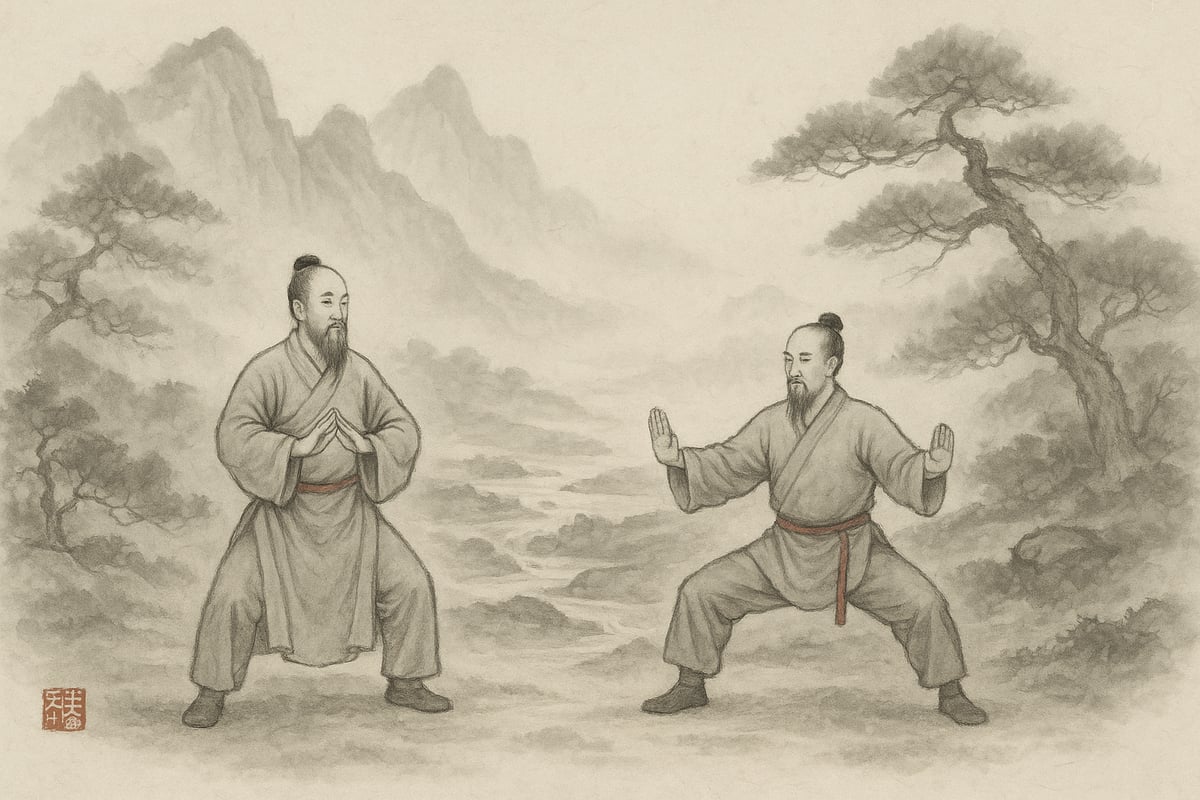
The foundation of qi gong training lies in its basic stances and gentle movements. Beginners start with the Wuji stance, standing tall with feet shoulder-width apart, knees soft, and arms relaxed at the sides. This neutral position fosters grounding and prepares the body for energy flow.
Next, the Horse Stance builds strength and stability. Lower your hips as if sitting on an invisible stool, keeping your back straight and weight balanced. Standing Meditation, with arms rounded in front of the chest, encourages deep focus and relaxation.
Proper posture is crucial in qi gong training. Align your spine, relax your shoulders, and keep your chin slightly tucked. This alignment supports smooth Qi movement and reduces the risk of strain.
Begin practising basic movements such as Opening and Closing, where arms gently sweep up and down, Cloud Hands with flowing side-to-side motions, and Silk Reeling, spiraling the arms to stimulate the joints. Integrate slow, natural breathing and stay mindful of your body's sensations.
A popular starting form is Ba Duan Jin (Eight Brocades). Here's a simple guide to get you started:
- Stand in Wuji stance.
- Inhale, raise both arms overhead.
- Exhale, gently lower arms to the sides, visualising energy circulating.
- Repeat each movement eight times, coordinating breath and motion.
For more step-by-step guidance on getting started, our Ba Duan Jin Qi Gong in-depth guide covers this foundational form in detail.
Breathwork and Energy Cultivation
Breath is the bridge between body and mind in qi gong training. Abdominal breathing is fundamental - inhale softly, expanding your belly, then exhale slowly, letting tension melt away. This method calms the nervous system and enhances Qi flow.
As you grow comfortable, practise reverse breathing: gently draw your abdomen in as you inhale and expand as you exhale. This advanced technique increases internal energy and focus.
Coordinating breath with movement is central to qi gong training. Inhale as you lift or open, exhale as you lower or close. Try gentle breath retention for a few seconds after inhalation to deepen relaxation.
Visualisation amplifies the effects of breathwork. Imagine guiding warm, golden Qi along your spine or through energy channels (meridians) as you breathe. The Microcosmic Orbit meditation is a classic exercise: sit comfortably, breathe deeply, and visualise energy rising up your spine on the inhale, circling down the front of your body on the exhale.
Research shows that mindful breathwork in qi gong training can lower cortisol levels and improve heart rate variability, both indicators of reduced stress and increased vitality.
Setting Up Your Practice Space and Routine
A dedicated space makes qi gong training both inviting and effective. Choose a quiet, clutter-free area with good airflow. Natural light, calming music, and a simple mat can enhance your experience.
Consider practising in the morning to awaken energy, or in the evening to unwind. The key is consistency. Create a daily or weekly schedule that fits your lifestyle. Even 10-20 minutes a day can yield meaningful progress.
Wear comfortable clothing that allows free movement. Some practitioners enjoy playing soft instrumental music to set a tranquil mood. Keep a journal to track your qi gong training journey - note how you feel after each session, and celebrate milestones along the way.
Here's a sample 7-day beginner routine:
- Day 1: Wuji stance, Opening/Closing, 10 minutes
- Day 2: Horse Stance, Cloud Hands, 12 minutes
- Day 3: Ba Duan Jin, 15 minutes
- Day 4: Standing Meditation, Silk Reeling, 10 minutes
- Day 5: Microcosmic Orbit breathwork, 12 minutes
- Day 6: Combine your favourite exercises, 15 minutes
- Day 7: Rest, reflect in your journal
By nurturing your space, routine, and intention, your qi gong training will naturally become a source of energy, balance, and renewal.
Step-by-Step: Building a Sustainable Qi Gong Practice in 2026
Embarking on a sustainable qi gong training journey in 2026 can transform your health and well-being. Whether you're seeking stress relief, energy, or a deeper sense of connection, this step-by-step approach will help you lay a strong foundation and avoid common pitfalls.
Establishing Goals and Motivation
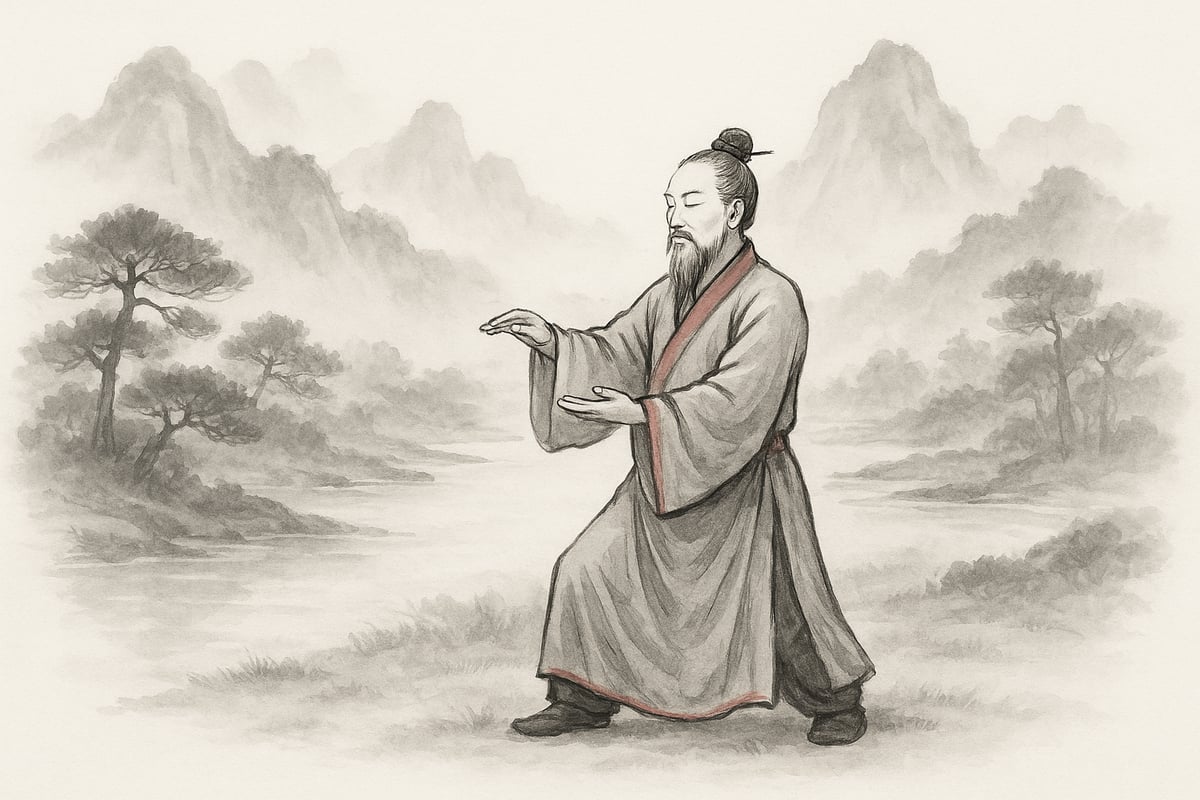
The first step in qi gong training is clarifying your reasons for starting. What do you hope to achieve? Improved energy, less anxiety, stronger immunity, or deeper spiritual growth? Define your personal objectives before you begin.
Set SMART goals for your qi gong training:
- Specific: "I want to practise for 20 minutes every morning."
- Measurable: "I will track my mood and energy weekly."
- Achievable: "I'll start with beginner forms and progress gradually."
- Relevant: "This supports my long-term health and balance."
- Time-bound: "I'll reassess my progress after 30 days."
Motivation can waver, especially in the early stages of qi gong training. Barriers like scepticism or busy schedules are common, but small wins build momentum. The holistic impact of regular practice - on body, emotions, and spirit - can itself become a powerful motivator as you define your "why."
Learning from Qualified Instructors and Digital Platforms
Guidance is essential for safe, effective qi gong training. A qualified instructor can correct posture, answer questions, and tailor feedback to your needs. In-person classes offer accountability, but digital resources have made quality instruction more accessible than ever.
How do you choose the right learning path? Evaluate options by considering:
- Instructor credentials and teaching style
- Programme structure and clarity of instruction
- Community support, such as forums or group classes
- Flexibility to fit your schedule
| Feature | In-Person Classes | Digital Platforms |
|---|---|---|
| Feedback | Immediate | Varies |
| Flexibility | Limited | High |
| Community | Local | Global |
| Cost | Higher | Often lower |
Online qi gong training communities can foster connection and provide encouragement. Many platforms even offer live sessions, so you can ask questions in real time. The Qi Gong course within the Taoist Wellness Online Academy offers authentic, structured instruction from Master Gu, with a warm global community included as part of your membership.
Tracking Progress and Staying Consistent
Tracking your journey is vital for sustainable qi gong training. Progress isn't just about mastering new forms - it's about noticing subtle shifts in energy, mood, and body awareness. Set clear milestones, such as:
- Completing a full set of the Eight Brocades
- Practising breathwork daily for two weeks
- Achieving a calm, focused state during meditation
Use a journal, app, or spreadsheet to record your experiences. Note how you feel physically and emotionally after each session. This record will help you spot patterns, celebrate wins, and adjust your qi gong training routine as needed.
Consistency is the secret ingredient. Consider joining a 100-day qi gong challenge or finding an accountability partner. Even on busy days, a brief standing meditation or mindful breath can keep the momentum alive. Remember, progress in qi gong training is a journey, not a race.
Troubleshooting Common Challenges
Every practitioner encounters obstacles in qi gong training. Plateaus happen - sometimes progress stalls, or motivation dips. If you feel stuck, try varying your routine, learning a new form, or practising with a group.
Physical discomfort is another common issue. Always listen to your body, modify movements as needed, and consult an instructor if pain persists. Injuries are rare in qi gong training, but proper alignment and gradual progression are key.
For those with tight schedules, remember that even a few mindful minutes count. Adapt your qi gong training by breaking sessions into smaller blocks or practising during natural breaks in your day.
Finally, seek feedback from instructors or peers. Questions and community support can reignite enthusiasm and help you refine your technique. With patience and adaptability, you'll continue to grow and enjoy lasting benefits from your qi gong training.
Deepening Your Qi Gong: Intermediate and Advanced Practices
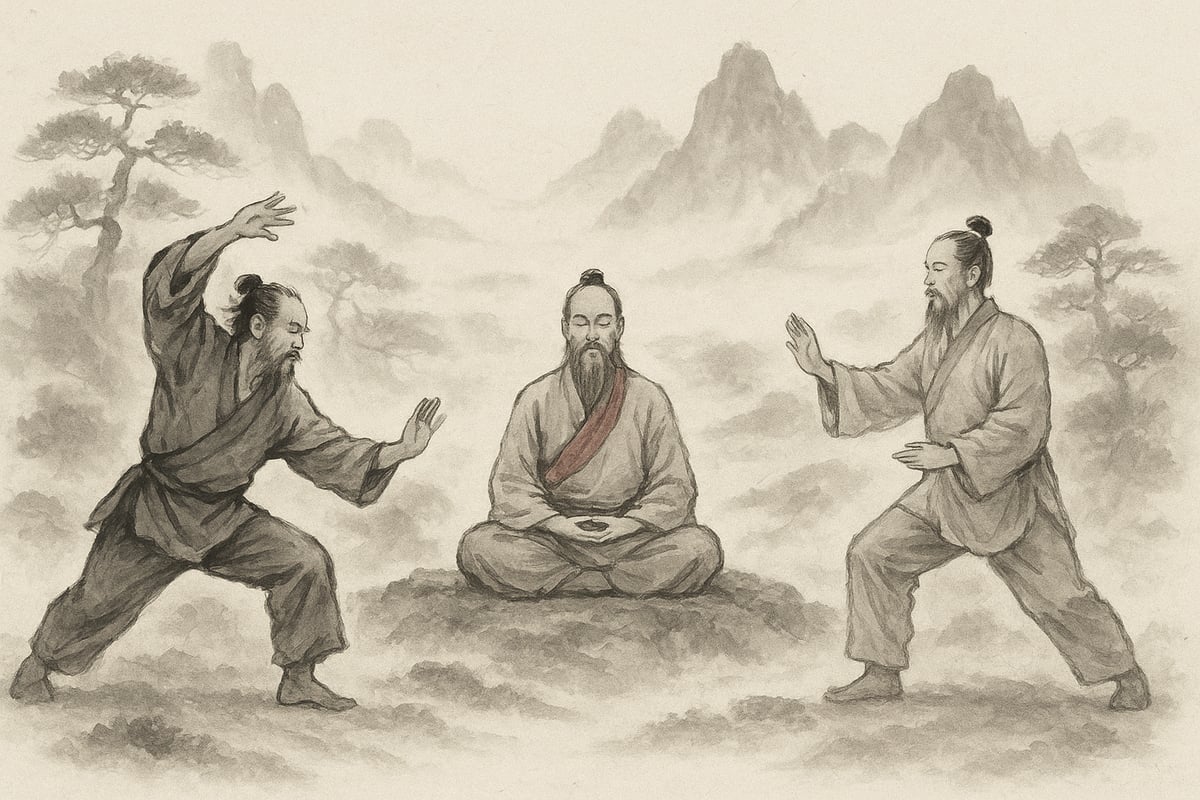
Ready to go beyond the basics? As your qi gong training evolves, intermediate and advanced practices unlock new layers of vitality, focus, and spiritual insight. This stage is about refining technique, deepening internal awareness, and weaving qi gong training into the fabric of your daily life.
Exploring Advanced Forms and Techniques
At this stage of qi gong training, you will encounter classic intermediate and advanced forms that challenge your body and mind in new ways. Popular routines include the Five Animal Frolics, Yi Jin Jing (Muscle-Tendon Changing Classic), and Iron Shirt Qi Gong. Each form builds on fundamental principles, introducing more complex sequences, dynamic postures, and nuanced breathwork.
To deepen your qi gong training, focus on layering movement, breath, and visualisation. For example, the Five Animal Frolics draw inspiration from the tiger, deer, bear, monkey, and crane. Each animal has unique movements designed to cultivate strength, flexibility, and internal energy flow.
Step-by-step: Five Animal Frolics
- Begin with a gentle warm-up and centring breath.
- Move into the Tiger, emphasising power and rootedness.
- Flow into the Deer, focusing on grace and spinal mobility.
- Practise the Bear, grounding your energy and massaging the organs.
- Embrace the playful Monkey, awakening agility and curiosity.
- Finish with the Crane, promoting balance and lightness.
As you advance, explore specialised forms such as 18 Buddha Hands Qi Gong, which offers a structured approach to energy cultivation and mind-body integration. Be patient and attentive - progress in qi gong training comes from mindful repetition and gradual refinement.
Internal Alchemy and Spiritual Development
Intermediate qi gong training invites you into the realm of internal alchemy - where movement meets meditation, and energy transforms into spirit. Nei Gong (internal work) focuses on cultivating and refining your vital energy, while Wai Gong (external work) emphasises physical strength and structure.
A central practice here is sitting or standing meditation with visualisation. Imagine guiding qi through your meridians, gently dissolving tension, and nurturing your Jing (essence) and Shen (spirit). Use breath retention and sound integration to amplify your awareness and concentration.
Guided Nei Gong meditation:
- Settle into a comfortable posture, spine upright and relaxed.
- Inhale deeply, drawing energy from the earth to your lower abdomen.
- On each exhale, visualise qi rising up the spine, nourishing the heart and mind.
- Maintain a soft focus, letting thoughts drift by like clouds.
- End your session with gratitude and gentle movement.
This phase of qi gong training is deeply personal, often leading to greater emotional resilience, clarity, and a sense of inner peace. Remember, internal alchemy is a lifelong journey - honour your own rhythm and celebrate small breakthroughs.
Integrating Qi Gong with Other Wellness Modalities
To maximise the benefits of qi gong training, blend it with complementary practices like Tai Chi, and mindfulness meditation. These traditions share a foundation of mindful movement, breath awareness, and holistic health, yet each offers unique tools for growth.
Consider supporting your qi gong training with:
- Tai Chi for fluid motion and martial applications
- Mindful nutrition to fuel your energy system
- Consistent sleep and recovery routines
Sample weekly routine:
| Day | Morning | Evening |
|---|---|---|
| Monday | Qi Gong + Meditation | Tai Chi |
| Tuesday | Gentle movement | Qi Gong |
| Wednesday | Qi Gong | Mindfulness Practice |
| Thursday | Tai Chi | Qi Gong |
| Friday | Stretching and breath | Meditation |
| Saturday | Qi Gong (Advanced Form) | Tai Chi |
| Sunday | Rest/Reflection | Gentle Qi Gong |
As you explore, notice how each modality enriches your qi gong training and supports your journey toward balance and vitality. Stay curious, open, and adaptable - your practice will grow with you.
Measuring Results: Physical, Mental, and Emotional Benefits of Qi Gong
Unlocking the benefits of qi gong training means tuning in to your body, mind, and energy on a deeper level. How do you know your practice is working? The results can be measured in tangible ways, from the flexibility in your joints to the calm in your thoughts.
Physical Benefits
Qi gong training often results in noticeable physical changes within weeks. You might find your balance improving, your posture straightening, and your movements becoming more fluid. Many practitioners report increased flexibility and a greater range of motion in their joints.
Other physical benefits include:
- Enhanced cardiovascular health and circulation
- Improved muscle tone and gentle strength
- Better coordination and body awareness
A systematic review found that qi gong training can help reduce chronic pain, lower blood pressure, and boost immune function, with measurable improvements in physical health markers documented across multiple studies. With consistent practice, you may notice your body feeling lighter and your energy levels rising throughout the day.
Mental and Emotional Shifts
The mental and emotional benefits of qi gong training are just as profound as the physical ones. Regular practice fosters a calm, focused mind and helps to reduce anxiety and overwhelm. Many people find that their sleep improves and their ability to handle stress becomes stronger.
Common mental and emotional shifts include:
- Enhanced concentration and mental clarity
- Increased resilience to daily stressors
- Greater sense of emotional balance and well-being
Qi gong training creates a space for mindfulness, allowing you to observe your thoughts and emotions without judgment. Over time, you may experience a deepening sense of inner peace and a more optimistic outlook, even when life gets busy. These changes are often reflected in mood tracking and personal reflections.
Scientific Evidence and Self-Assessment
The benefits of qi gong training are supported by a growing body of scientific literature. Studies have shown improvements in heart rate variability, reductions in cortisol (the stress hormone), and positive effects on chronic conditions like hypertension and immune system function. A broad evidence base of clinical studies on Qi Gong published reveal its therapeutic potential across a variety of health concerns.
How can you measure your own progress? Many practitioners use simple self-assessment tools:
- Body scans to notice areas of tension or relaxation
- Mood tracking journals to spot patterns and improvements
- Checking flexibility, balance, and energy on a regular basis
Personal stories often speak volumes. One practitioner shared that after three months of qi gong training, their chronic back pain lessened, and their overall mood was brighter. By checking in with yourself, you can celebrate the milestones and subtle shifts that mark your journey toward greater vitality and harmony.
Resources and Communities for Qi Gong Mastery in 2026
Finding the right resources and community support can make your qi gong training journey more rewarding and sustainable. Whether you are just beginning or seeking to deepen your practice, the world of qi gong training in 2026 offers a rich landscape of teachers, digital tools, reading materials, and global communities.
Finding Reputable Teachers and Schools
Selecting the right teacher or school is crucial for safe and effective qi gong training. Look for instructors with recognised credentials, a clear lineage, and a teaching style that resonates with your learning preferences. Ongoing mentorship and feedback help you refine technique and stay motivated.
Checklist for Evaluating Qi Gong Teachers/Schools:
| Criteria | What to Look For |
|---|---|
| Credentials | Certifications, professional training |
| Lineage | Connection to established traditions |
| Teaching Style | Clarity, patience, adaptability |
| Class Structure | Small groups, personal feedback |
| Community Engagement | Opportunities for group practice |
Ask for trial classes or observe a session before committing. Many reputable qi gong training centres also offer hybrid models, blending in-person and online instruction for greater accessibility. Taoist Wellness Online offers a 7-day free trial of the full Academy membership, so you can explore the teaching style and community before committing.
Leveraging Technology: Apps, Online Courses, and Virtual Groups
Technology has transformed how we access qi gong training. Top-rated apps and online platforms provide guided routines, progress tracking, and direct feedback from experienced teachers. Virtual groups and forums foster global connections, making it easy to find accountability partners or join live practice sessions from home.
Digital tools make it simple to schedule practice, monitor milestones, and stay inspired, even on busy days. Always verify the credentials and lineage of instructors when choosing a platform, to ensure you're receiving authentic qi gong training.
Books, Videos, and Further Reading
A wealth of books and videos can deepen your understanding of qi gong training. For beginners, classics like "The Root of Chinese Qigong" and instructional series on the Eight Brocades offer foundational knowledge. More advanced practitioners might explore texts on Nei Gong or the Five Animal Frolics.
For a deeper understanding of how qi gong fits within the broader world of Taoist practice, the Is it Taoism or Daoism? Chi Kung or Qi Gong? post from Master Gu helps clarify the terminology you'll encounter on your journey.
Joining Qi Gong Communities and Events
Community support is a key ingredient in lasting qi gong training success. Local classes, workshops, and retreats offer accountability, inspiration, and real-time feedback. Annual qi gong festivals and online summits connect practitioners from around the world, fostering a sense of shared purpose.
To find your tribe, check social media groups, wellness centres, and event directories. The Taoist Wellness community brings together thousands of students from over 70 countries, all walking the same path - a warm, supportive space to share your journey, ask questions, and grow together.
As you set out to master Qi Gong in 2026, real transformation comes from consistent, guided practice in a supportive community. Whether you're just getting started or looking to deepen your energy work, our free 4-week Taoist Wellness course is the ideal first step - discover what Qi Gong can do for your mind and body, one breath at a time.