Wu Wei Meaning: The Art of Effortless Action Explained
Sep 13, 2026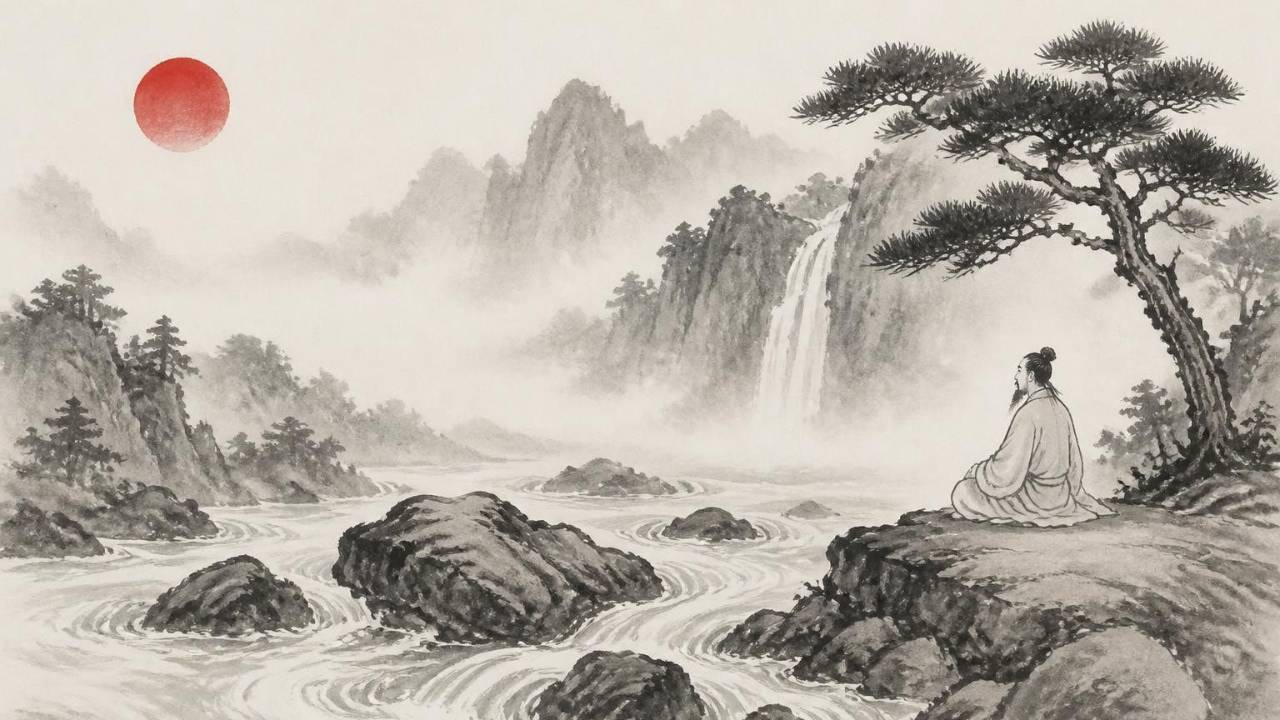
In our achievement-obsessed culture, the idea of accomplishing more by trying less can feel almost radical. Yet this is precisely what wu wei, one of Taoism's most profound teachings, invites us to discover. The wu wei meaning extends far beyond simple relaxation or passivity. It represents a sophisticated approach to living that ancient Taoist masters developed through careful observation of nature, human behaviour, and the flow of energy through all things. Understanding wu wei can transform how you approach everything from your career to your relationships, offering a path to greater ease, effectiveness, and inner peace.
Defining Wu Wei: More Than "Non-Action"
The literal translation of wu wei from Chinese gives us "non-action" or "without action," but this rendering often misleads Western readers. The wu wei meaning isn't about doing nothing or avoiding effort altogether.
Instead, wu wei describes action that flows naturally from alignment with the Tao, the fundamental way of the universe. It's the quality of effortless effectiveness you see when a skilled craftsperson works, when water finds its path around obstacles, or when an experienced martial artist moves with perfect timing.
George explores this exact question in the video below, whether wu wei is really achievable for the rest of us, well worth watching alongside this piece.
The Original Taoist Context
Lao Tzu introduced wu wei in the Tao Te Ching, using it to describe how a wise ruler governs, how nature accomplishes its purposes, and how individuals can live in harmony with universal principles. He wrote that "the Tao does nothing, yet nothing is left undone," pointing to a paradox that lies at the heart of this concept.
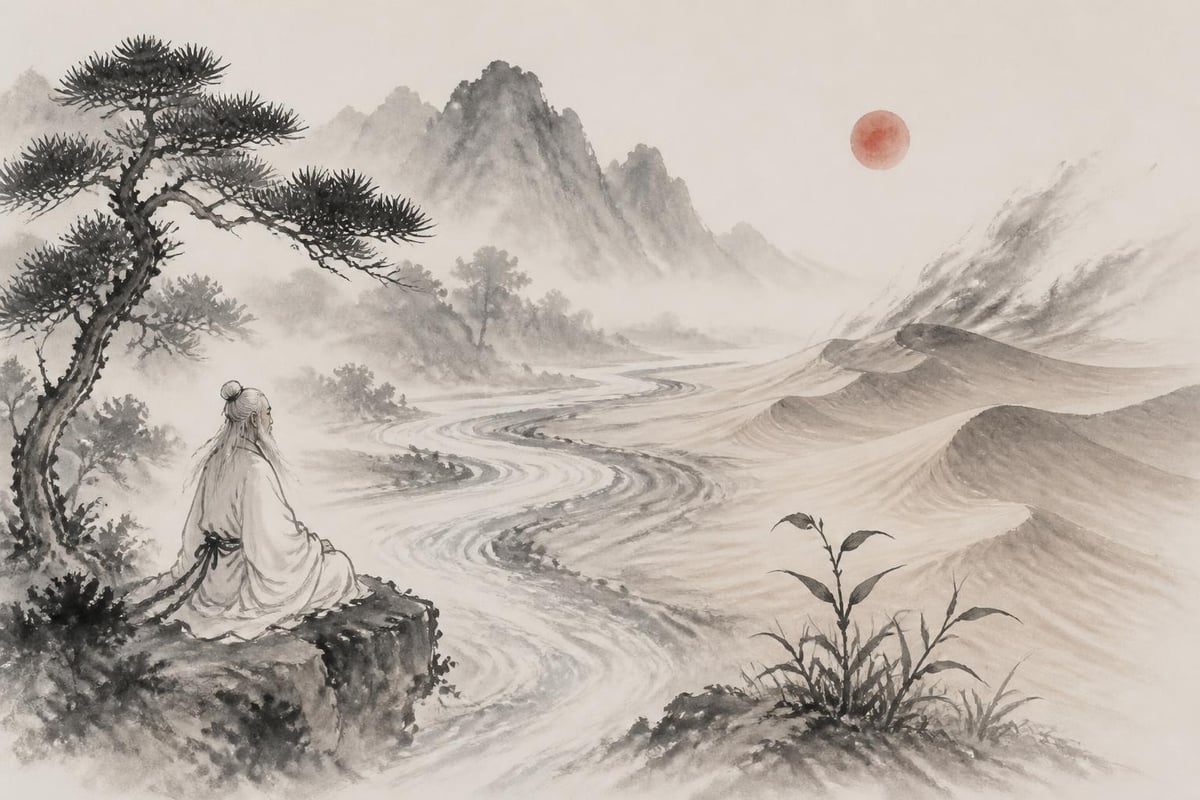
This ancient wisdom emerged from careful observation of natural phenomena. Water doesn't force its way through obstacles; it flows around them, yet given enough time, it can carve through solid rock. Trees don't struggle against the wind; they bend and sway, conserving energy while remaining rooted.
The Practical Wu Wei Meaning in Daily Life
Understanding wu wei theoretically differs significantly from applying it practically. This principle asks us to distinguish between two fundamentally different approaches to accomplishing goals.
| Forced Action | Wu Wei Action |
|---|---|
| Fighting against circumstances | Working with existing conditions |
| Exhausting mental and physical energy | Conserving energy through efficiency |
| Rigid attachment to specific outcomes | Flexible response to what emerges |
| Reactive, anxious decision-making | Calm, intuitive responsiveness |
Recognising Wu Wei in Action
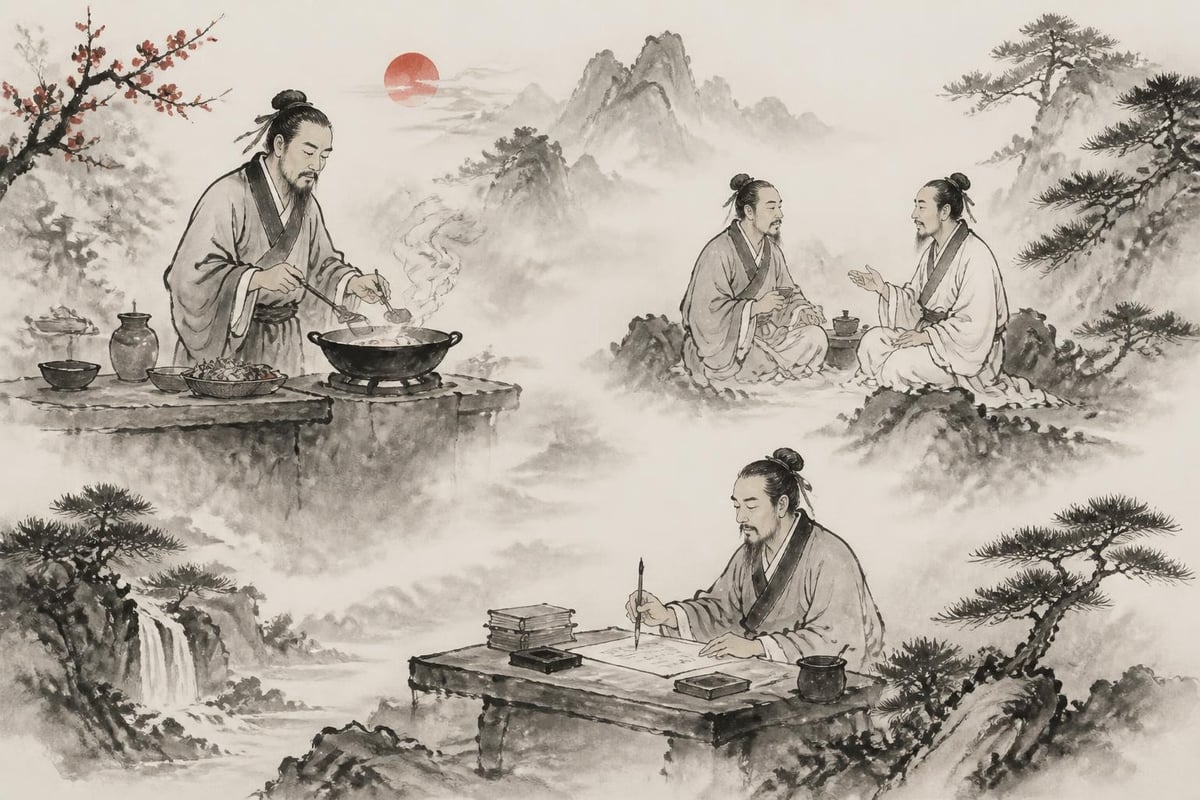
You've likely experienced moments of wu wei without naming them as such. Athletes describe being "in the zone" when their performance becomes effortless despite intense physical demands. Musicians speak of pieces "playing themselves" during their best performances. Writers describe flow states where words seem to emerge naturally rather than being forced onto the page.
These experiences share common characteristics:
- Reduced self-consciousness and mental chatter
- Actions that feel spontaneous yet skilful
- A sense of unity between intention and execution
- Time perception often shifts or seems to disappear
- Results that exceed what forced effort typically produces
Wu Wei and Taoist Philosophy
To fully grasp the wu wei meaning, we need to understand its place within broader Taoist thought. This concept doesn't exist in isolation but connects deeply to other fundamental principles. Our article on Understanding the Principles of Taoism: A Beginner's Guide offers a helpful overview of how wu wei fits alongside these other core teachings.
Connection to Yin and Yang
Wu wei embodies the yin quality within action, the receptive, yielding aspect that complements more active yang approaches. Rather than eliminating action, wu wei balances doing with being, effort with ease.
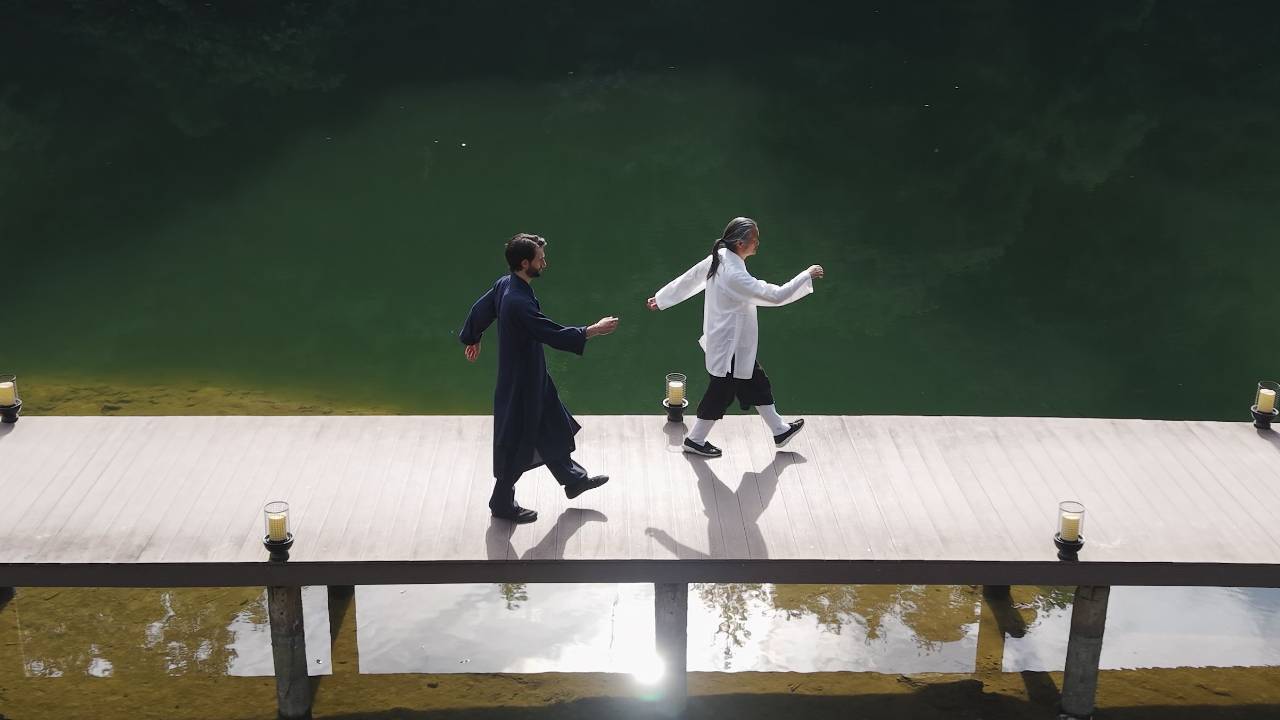
This balance appears throughout Wudang Tai Chi practice, where movements combine active engagement with relaxed awareness. You're not passive during Tai Chi forms, yet you're also not forcing or straining against your body's natural capabilities.
The Relationship to Ziran (Naturalness)
Ziran, often translated as "self-so" or "naturalness," works closely with wu wei. Together, these concepts encourage authentic expression rather than forced performance. When you act from ziran, your behaviour emerges from your true nature rather than external pressure or artificial constructs.
Cultivating Wu Wei Through Practice
While wu wei might sound purely philosophical, Taoist traditions developed practical methods for cultivating this quality of effortless effectiveness. Physical practices like Tai Chi and Qi Gong serve as direct training grounds for embodying wu wei.
Tai Chi as Wu Wei in Motion
Our Tai Chi course teaches wu wei through direct physical experience. Students learn to move with intention while releasing unnecessary tension. Every posture and transition offers opportunities to discover where you're forcing versus flowing.
Key elements of this training include:
- Relaxed alertness: Maintaining awareness without anxious tension
- Rooted flexibility: Being grounded while remaining adaptable
- Breath coordination: Allowing breath to guide rather than force movement
- Weight distribution: Finding balance without rigid stability
- Mental presence: Staying focused without excessive concentration
As you practise consistently, your body begins understanding wu wei experientially, knowledge that transfers beyond formal practice into daily movement and decision-making.
Meditation and Wu Wei
Sitting meditation offers another pathway to understanding the wu wei meaning through direct experience. Rather than forcing your mind into stillness, you learn to allow thoughts to arise and pass without grasping or resistance.
This meditative approach mirrors wu wei perfectly. You're not eliminating thought through willpower, which typically creates more mental turbulence. Instead, you develop a relaxed, spacious awareness that naturally settles when given room to do so.
Our Taoist Meditation course guides students through techniques specifically designed to cultivate this quality of effortless presence.
Wu Wei in Modern Contexts
Understanding the wu wei meaning becomes particularly valuable when applied to contemporary challenges. Our fast-paced, achievement-oriented culture often runs counter to wu wei principles, making this ancient wisdom especially relevant today.
Career and Professional Life
Applying wu wei at work doesn't mean abandoning ambition or effort. Instead, it means:
- Choosing projects that align with your natural strengths and interests
- Trusting preparation and letting performance flow naturally
- Responding to challenges with flexibility rather than rigid resistance
- Recognising when to push forward and when to step back
- Building systems that support effortless productivity
Many successful professionals describe their best work emerging from states resembling wu wei, periods where solutions appear intuitively rather than through forced problem-solving.
Relationships and Communication
Wu wei transforms how we approach interpersonal connections. Rather than forcing conversations toward predetermined outcomes or manipulating situations to achieve desired results, wu wei suggests a more responsive approach.
This might look like:
- Listening without immediately formulating responses
- Allowing natural pauses in conversation rather than filling silence anxiously
- Responding to what's actually happening rather than what you expected
- Releasing attachment to being right or winning arguments
- Trusting relationships to develop organically rather than forcing intimacy
Health and Wellness
The wu wei meaning extends naturally into how we approach physical and mental health. Rather than forcing your body through punishing exercise regimens or restrictive diets, wu wei suggests working with your body's natural rhythms and needs.
This doesn't mean abandoning healthy habits but rather finding sustainable approaches that align with your genuine constitution and circumstances. Someone practising wu wei might choose gentle movement like Tai Chi over high-intensity training that creates constant strain.
Common Misunderstandings About Wu Wei
Several misconceptions frequently arise when people first encounter this concept. Clarifying these helps develop a more accurate wu wei meaning.
Wu Wei Doesn't Mean Passivity
Perhaps the most common misunderstanding equates wu wei with doing nothing or avoiding responsibility. In reality, wu wei often requires more skill and awareness than forceful action, not less.
A skilled sailor practising wu wei doesn't simply drift wherever the wind takes them. They read wind patterns, adjust sails with precision, and work skilfully with natural forces to reach their destination efficiently.
Wu Wei Isn't Suppression
Some interpret wu wei as suppressing desires or emotions to achieve calm detachment. This misses the point entirely. Authentic wu wei involves full engagement with life while releasing unnecessary struggle against what naturally arises.
Wu Wei Requires Discernment, Not Formula
You cannot mechanically apply wu wei as a rigid technique. This quality emerges through developed wisdom about when to act, how to act, and when patience serves better than action. This discernment develops through practice and experience rather than intellectual understanding alone.
The Connection Between Wu Wei and Nature
Taoist philosophy consistently draws lessons from natural phenomena, and wu wei exemplifies this pattern beautifully. Understanding how nature demonstrates this principle can deepen your own practice. Our article on The Role of Nature in Taoism: Find Harmony & Balance explores this connection between natural observation and Taoist wisdom in greater depth.
Learning from Natural Systems
Consider how ecosystems maintain balance without central control or forced coordination. Each element responds to conditions, adapting and adjusting through countless interactions that somehow produce remarkable stability and resilience.
Seasons change not through effort but through natural progression. Rivers find their paths not through planning but through responsive interaction with terrain. These patterns offer ongoing inspiration for understanding how wu wei operates.
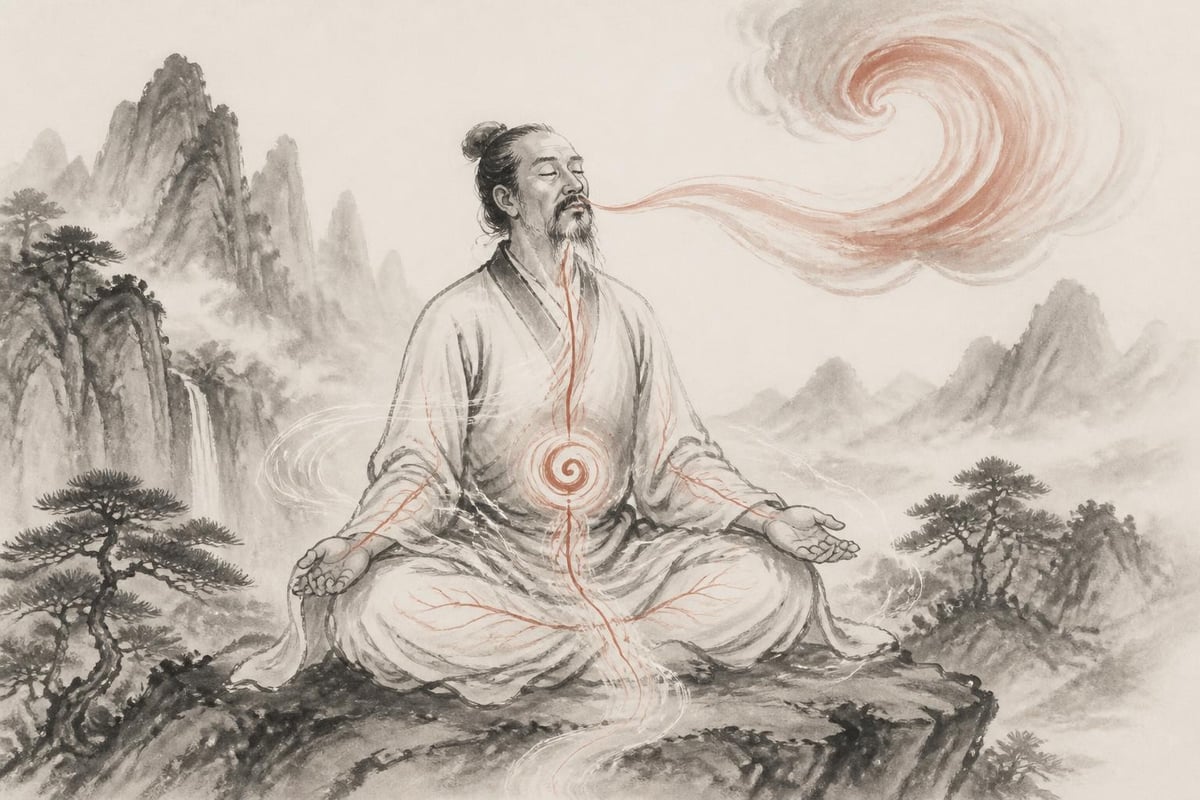
Building Your Wu Wei Practice
Developing genuine wu wei capacity requires patient practice rather than quick mastery. Consider these approaches for beginning your exploration.
Start With Body Awareness
Notice throughout your day where you're holding unnecessary tension. Simple activities like typing, walking, or even sitting often carry excess effort we don't consciously recognise.
Try this practice:
- Pause several times daily to scan your body
- Notice areas of tension not required for your current activity
- Consciously release that unnecessary holding
- Observe how tasks feel different with reduced tension
- Gradually extend this awareness into more challenging situations
Practice Strategic Pausing
Wu wei often requires resisting immediate reactive impulses. Before responding to challenging emails, difficult conversations, or unexpected obstacles, practise brief pauses that create space for more skilful response.
This pause doesn't need to be lengthy. Even a few conscious breaths can shift you from reactive forcing toward responsive flowing.
Embrace Structured Practice
Paradoxically, cultivating wu wei often benefits from structured practices like our Qi Gong course. These practices provide containers within which you can explore effortless action safely and progressively.
Regular practice creates the conditions for wu wei to emerge naturally. You're not forcing yourself into effortless states, but rather creating supportive circumstances where this quality can develop organically over time.
Wu Wei and Personal Transformation
As you deepen your understanding and embodiment of wu wei, subtle shifts often occur in how you experience daily life. Many practitioners report reduced anxiety, improved decision-making, and greater overall satisfaction.
Signs of Developing Wu Wei
You might notice:
- Decreased mental exhaustion from constant effort and control
- Improved ability to adapt when plans change unexpectedly
- Enhanced creativity and problem-solving capacity
- Greater ease in physical movement and coordination
- Reduced conflict in relationships as you release forcing behaviours
- Increased trust in your own judgement and timing
These changes typically develop gradually rather than through sudden transformation, reflecting wu wei's own principle of natural, unforced growth.
Integrating Wu Wei With Structure
Understanding the wu wei meaning doesn't require abandoning all structure, planning, or discipline. Rather, it invites you to hold these elements more lightly, remaining responsive to changing circumstances rather than rigidly attached to predetermined approaches.
Many successful practitioners combine structured practice, like consistent Tai Chi training or meditation schedules, with the flexibility to adapt these practices based on daily energy, circumstances, and intuitive guidance.
Wu Wei Within Comprehensive Taoist Practice
While wu wei represents a profound teaching, it works best when integrated with broader Taoist understanding and practice. Our Taoist Philosophy course explores how wu wei connects with other essential concepts, creating a comprehensive framework for living.
Master Gu's teachings, rooted in authentic Wudang lineage, demonstrate how wu wei manifests not just as philosophical concept but as lived experience through movement, breath, and daily awareness. This embodied understanding differs significantly from purely intellectual comprehension.
Students in our community often share experiences of gradually recognising wu wei principles operating in their lives, sometimes years after initial exposure to the concept. This organic unfolding itself demonstrates wu wei in action, understanding that develops naturally rather than through forced intellectual grasping.
Living the Wu Wei Meaning Daily
Perhaps the deepest teaching about wu wei is that it cannot be fully captured through explanation alone. Like many profound truths, it must be experienced directly through consistent practice and attentive living.
Consider approaching each day with curiosity about where you're forcing versus flowing. Notice when effort feels sustainable and generative versus when it feels depleting and strained. This ongoing inquiry itself embodies wu wei's essential quality: gentle attention rather than rigid analysis.
As you continue exploring this ancient wisdom, remember that wu wei isn't a destination to achieve but a quality of presence to cultivate continuously. Each moment offers fresh opportunity to discover greater ease, effectiveness, and alignment with your authentic nature.
If you'd like a gentle place to begin exploring these principles through embodied practice, our free Taoist course introduces Tai Chi, Qi Gong, Meditation, and Taoist Wisdom in ways that make ancient wisdom accessible for modern life.
Understanding the wu wei meaning offers a transformative lens for approaching every aspect of life, from professional endeavours to personal relationships to physical practice. This ancient Taoist principle reminds us that true effectiveness often emerges not through forceful struggle but through skilful alignment with natural rhythms and authentic action. Taoist Wellness Online offers comprehensive instruction in Tai Chi, Qi Gong, and Taoist philosophy, helping students embody wu wei through direct experience under the guidance of Master Gu, a 15th-generation San Feng Pai Wudang Taoist Master with over 25 years of teaching experience.