What Is Tai Chi Walking for Weight Loss?
Jun 19, 2026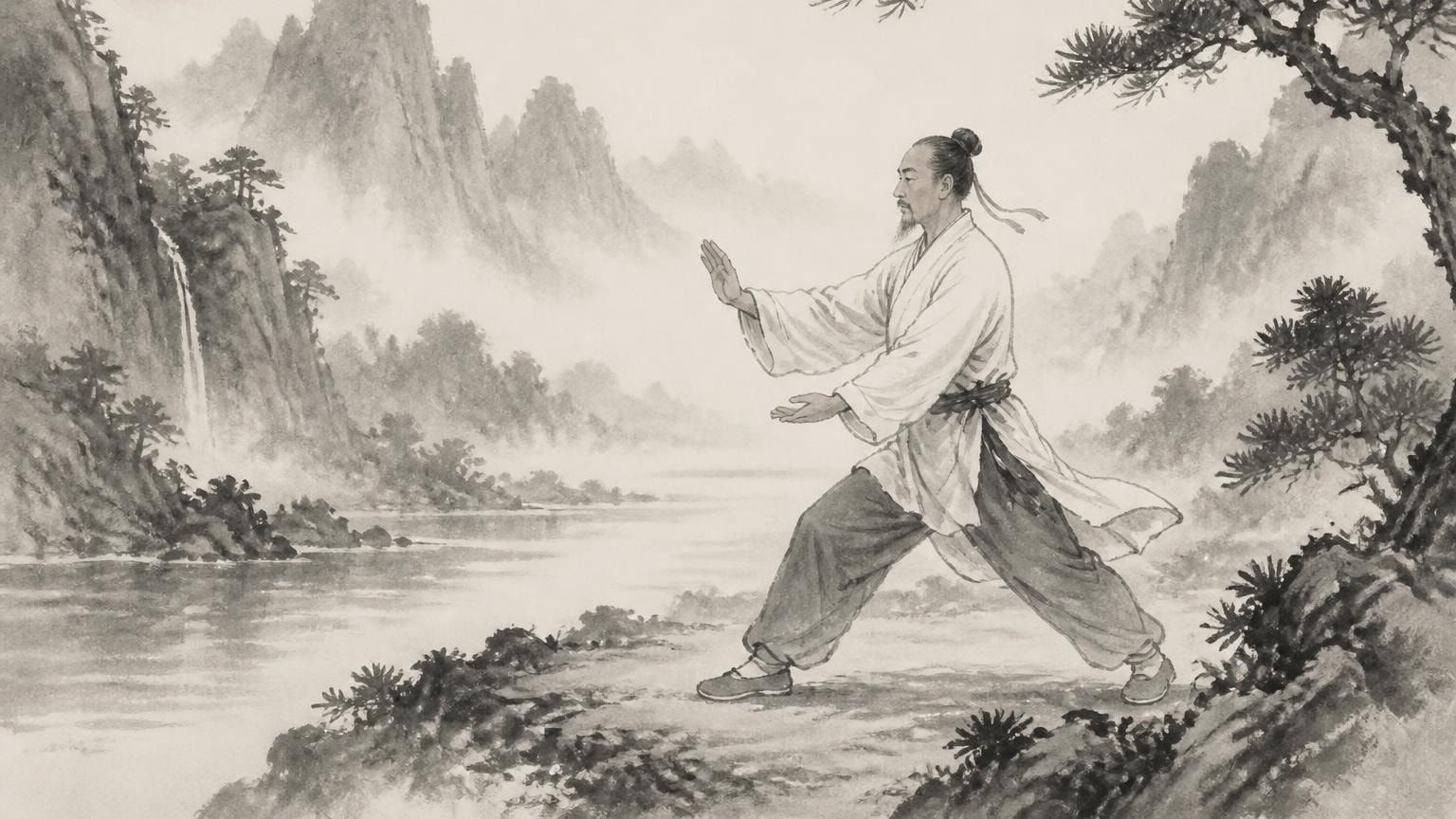
If you've been searching for a weight loss approach that feels less like punishment and more like recalibration, tai chi walking might be the practice you've been looking for. This gentle yet purposeful movement combines the ancient wisdom of tai chi with the simple act of walking, creating a sustainable path toward better health. What is tai chi walking for weight loss exactly? It's a mindful walking practice rooted in Taoist principles that emphasizes slow, deliberate steps, deep breathing, and full body awareness to support metabolism, reduce stress, and cultivate the kind of inner balance that naturally guides your body toward its healthiest weight.
Understanding the Foundation of Tai Chi Walking
Tai chi walking draws directly from classical tai chi forms, where every movement originates from your center and flows with intention. Rather than rushing through steps to burn maximum calories, this practice asks you to slow down and reconnect with how your body actually moves through space.
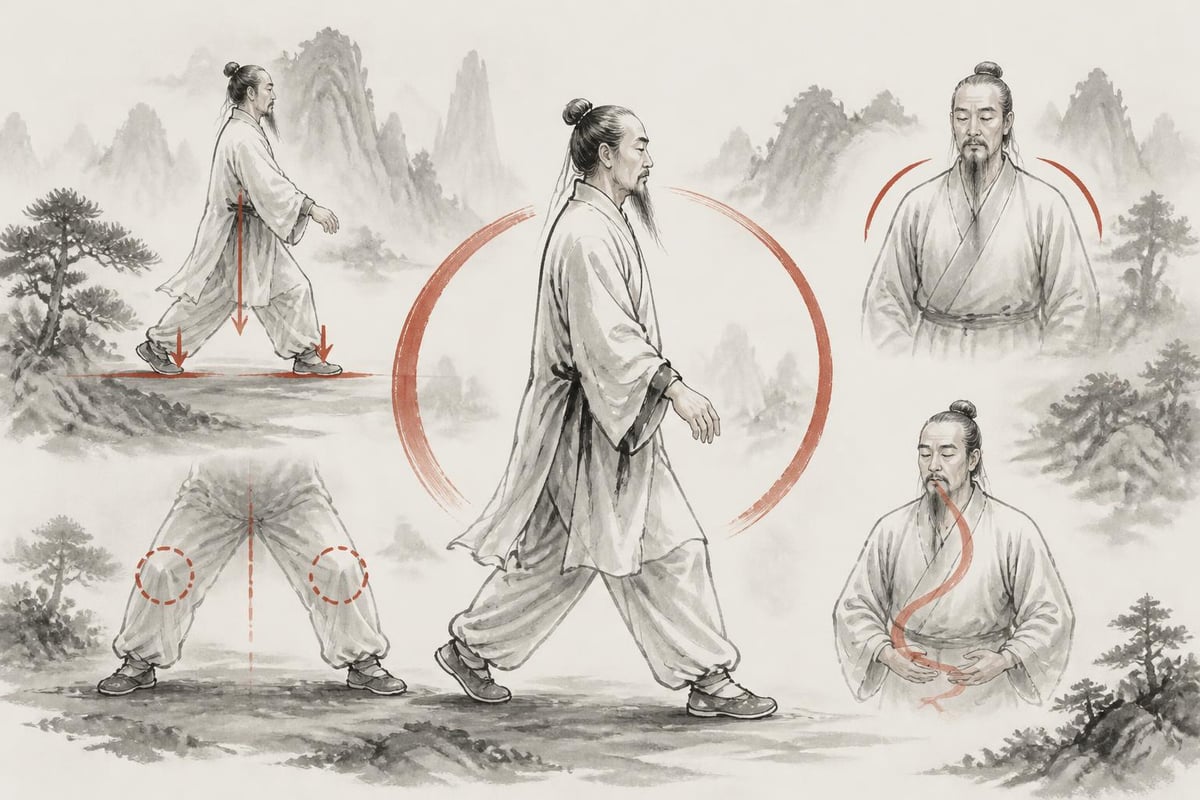
The foundation rests on several core principles:
- Rooted stance: Your weight shifts completely from one foot to the other, creating stability and strength
- Soft knees: Joints stay slightly bent, protecting your body while engaging deeper muscles
- Relaxed shoulders: Tension drains downward, allowing energy to flow freely
- Natural breath: Your breathing synchronizes with your steps, calming your nervous system
- Present awareness: Your mind stays with your body, not wandering to worries or to-do lists
When you understand tai chi walking for weight loss from this foundational perspective, you realise it's not about forcing your body to change. It's about building a steadier relationship with movement, breath, and awareness, so healthy habits become easier to sustain over time.
How Movement Quality Affects Weight Loss
Traditional fitness often measures success in numbers: steps taken, calories burned, miles covered. Tai chi walking invites a different metric: how present you are in each movement. This shift matters more than you might think.
When you move with full awareness, your body engages muscles you typically ignore during autopilot walking. Your core stabilizes with each weight shift. Your legs work through their complete range of motion. Your posture naturally improves, which alone can shift how efficiently your body processes energy.
Quality movement also activates your parasympathetic nervous system, the part responsible for rest and digest functions. This matters tremendously for weight loss because chronic stress keeps your body in fat storage mode. By calming your system with each mindful step, you help restore the metabolic balance that supports healthy weight.
The Science Behind Tai Chi Walking and Weight Management
Let's address the practical question directly: what is tai chi walking for weight loss in terms of measurable results? While it may not burn calories at the same rate as high-intensity interval training, it offers something potentially more valuable for long-term success.
| Aspect | Tai Chi Walking | Traditional Walking | High-Intensity Exercise |
|---|---|---|---|
| Calorie burn per hour | 200-300 | 250-350 | 500-800 |
| Stress reduction | High | Moderate | Low (can increase cortisol) |
| Sustainability | Very High | High | Moderate to Low |
| Joint impact | Minimal | Low | Moderate to High |
| Mindfulness benefit | Very High | Variable | Low |
The numbers tell only part of the story. Studies on tai chi walking for weight loss show particular benefits for people over 50, where the gentle nature protects joints while still providing meaningful metabolic stimulus.
The Cortisol Connection
One of the most overlooked aspects of weight management is the role of chronic stress. When cortisol levels stay elevated, your body clings to weight, especially around your midsection. Traditional intense exercise can actually raise cortisol if you're already stressed.
Tai chi walking works differently. The slow pace, combined with focused breathing, can help your nervous system settle. Rather than pushing harder when your body already feels stressed, the practice encourages a calmer internal state, which may support more consistent choices around movement, rest, and eating.
The practice doesn't just help you burn calories during the movement itself. It recalibrates your entire stress response system, which influences how your body stores and releases energy throughout the day.
Practical Steps to Begin Your Practice
Starting a tai chi walking practice doesn't require special equipment or a gym membership. You need comfortable shoes, a quiet space, and willingness to move more slowly than you're probably used to.
Basic Tai Chi Walking Technique
Step 1: Find your stance Stand with feet hip-width apart, knees soft, spine naturally aligned. Let your arms hang relaxed at your sides. Take three deep breaths, feeling your weight settle evenly through both feet.
Step 2: Shift your weight Slowly transfer all your weight to your left foot. Don't rush. Feel how your right foot becomes light enough to lift without effort.
Step 3: Step with intention Lift your right foot just an inch off the ground. Place your heel down first, then roll through your foot as your weight shifts forward. Your back foot stays connected until the very last moment.
Step 4: Complete the transfer Allow your weight to settle completely into your right foot before lifting the left. Each step takes 3-5 seconds, maybe longer.
Step 5: Coordinate your breath Inhale as you lift and step. Exhale as your weight settles. Let the rhythm emerge naturally rather than forcing a pattern.
If you're exploring what is tai chi walking for weight loss through practice, consider starting with just 10 minutes daily. Consistency matters far more than duration. Our tai chi courses at Taoist Wellness Online provide structured guidance for developing proper form from the beginning.
Adding Tai Chi Elements to Your Walking
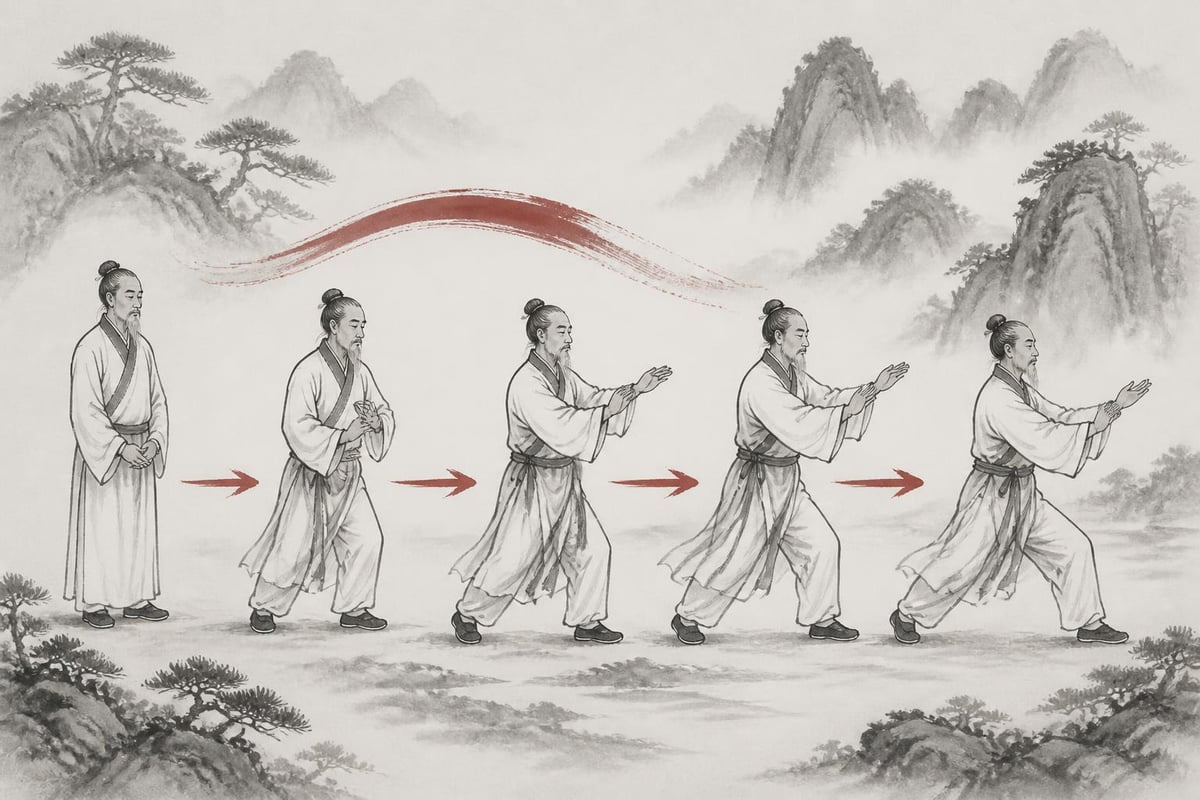
Once you've established the basic walking pattern, you can layer in traditional tai chi movements. These additions deepen the practice and increase the full-body engagement that supports weight loss.
- Wave hands like clouds: As you step, your hands float up to shoulder height, then drift down, creating gentle arm movements that engage your upper body
- Part the wild horse's mane: One arm extends forward while the other pulls back with each step, creating a rotating motion through your torso
- Brush knee twist step: Your hand sweeps across your body as you step, adding a gentle twist that works your obliques
These movements transform your walk into a moving meditation that engages muscles from your fingertips to your toes. The increased muscle activation naturally elevates calorie burn while maintaining the calm, sustainable quality that makes this practice accessible for the long term.
Integrating Tai Chi Walking Into Your Life
The question of what is tai chi walking for weight loss becomes most relevant when you actually weave it into your daily routine. Unlike exercise that requires you to carve out special time and energy, this practice can blend seamlessly into existing activities.
Morning Practice
Starting your day with 15-20 minutes of tai chi walking sets a calm, centered tone that influences your choices throughout the day. You might find yourself naturally reaching for healthier foods or handling stress with more grace, both of which support weight management in subtle but powerful ways.
Morning practice also kickstarts your metabolism after the overnight fast. While the calorie burn during the walk itself is moderate, you're signaling to your body that it's time to activate energy systems.
Walking Meditation Breaks
Replace some of your sitting time with brief tai chi walking sessions. Even five minutes of mindful movement can interrupt the metabolic slowdown that comes from prolonged sitting. These short breaks accumulate throughout the day, adding up to significant movement without overwhelming your schedule.
Evening Wind-Down
Research suggests tai chi can help with sleep quality, which directly impacts weight management. Poor sleep disrupts hunger hormones and makes weight loss significantly harder. An evening tai chi walk helps transition your nervous system from the day's activation into restful mode.
Combining Tai Chi Walking With Other Practices
Tai chi walking works beautifully as a standalone practice, but it also complements other elements of Taoist wellness that support healthy weight and vital energy.
| Practice | Primary Benefit | How It Supports Weight Loss |
|---|---|---|
| Qi Gong | Energy cultivation | Improves metabolism and reduces stress eating |
| Taoist Meditation | Mental clarity | Addresses emotional eating patterns |
| Tai Chi Forms | Full-body strength | Builds lean muscle that burns calories at rest |
| Taoist Philosophy | Life balance | Creates sustainable lifestyle changes |
Qi Gong pairs beautifully with tai chi walking because both practices combine gentle movement, breath, and awareness. While walking moves your body through space, Qi Gong helps you tune into the movement of energy within the body, creating a rounded approach to vitality and wellbeing.
Developing a Comprehensive Routine
A balanced weekly practice might include:
- Daily tai chi walking (15-30 minutes)
- Qi Gong practice (3-4 times weekly, 20 minutes)
- Longer tai chi form practice (2-3 times weekly, 30-45 minutes)
- Meditation (daily, 10-15 minutes)
This combination addresses weight loss from multiple angles: physical movement, stress reduction, energy cultivation, and mental clarity. None of these practices demand the intense effort that leads to burnout. Instead, they build on each other, creating sustainable momentum toward your health goals.
Common Questions About Tai Chi Walking for Weight Loss
When people first learn what is tai chi walking for weight loss, several practical questions naturally arise. Let's address the most common concerns directly.
How many calories does tai chi walking actually burn?
Most estimates range from 200-300 calories per hour, depending on your weight, pace, and how much you incorporate upper body movements. This is comparable to gentle yoga or leisurely cycling. However, the metabolic benefits extend beyond the immediate calorie burn through improved stress response and better sleep.
Is it enough exercise for weight loss on its own?
For some people, especially those starting from a sedentary baseline, tai chi walking provides sufficient movement to support gradual weight loss when combined with mindful eating. Others might use it as their primary practice while adding occasional strength training or more vigorous activity. Many weight loss companies suggest it works best as part of a comprehensive wellness approach rather than a magic bullet.
How long before you see results?
Most practitioners notice improved energy and reduced stress within 2-3 weeks. Physical changes like improved posture and balance often appear within 4-6 weeks. Weight loss timelines vary significantly based on starting point, consistency, and dietary habits, but gentle, sustainable progress typically begins showing within 2-3 months of regular practice.
Can beginners start with tai chi walking?
Absolutely. Tai chi walking might be one of the most accessible entry points into Taoist movement practices. You're already familiar with walking, so you're just learning to do it with more awareness and intention. Our co-founder here at Taoist Wellness Online George Thompson provides an excellent starting point for complete beginners in his YouTube video below:
And if you liked that, why not try our free Feel Better in 7 Days Tai Chi Walking course - designed specifically for beginners!
Deepening Your Practice Over Time
Understanding what is tai chi walking for weight loss is just the beginning. As your practice matures, you'll discover layers of depth that continue opening for years.
Refining Your Form
In the first months, you focus on basic mechanics: weight shifts, breath coordination, relaxed posture. As these become natural, you can refine subtler aspects.
Your awareness might shift to:
- The quality of emptiness in your supporting leg before you step
- The precise moment when your weight settles into the new foot
- The micro-adjustments in your spine that maintain alignment
- The relationship between your breath and your energy flow
These refinements don't just improve the aesthetic quality of your movement. They increase the practice's effectiveness for weight management by engaging deeper stabilizing muscles and creating more efficient energy flow through your body.
Learning From Community
Practicing alone offers valuable personal insight, but learning alongside others accelerates your progress.
Hearing how others work with what is tai chi walking for weight loss in their own lives can inspire new approaches you hadn't considered. Someone might share how they adapted the practice for a particular physical limitation. Another might describe how they integrated it into their work commute. These real-world applications make the practice richer and more sustainable.
Studying With Experienced Teachers
While you can learn basic tai chi walking from articles and videos, working with an experienced teacher reveals nuances that written descriptions can't fully capture. Master Gu's expertise, developed through decades of study and practice in the Wudang Mountains, offers the kind of transmission that only comes from deep lineage knowledge.
The subtle corrections a skilled teacher provides, the energetic quality they embody, the context they offer from Taoist philosophy, all of these elements transform your practice from exercise into genuine cultivation.
Moving Beyond Weight Loss
Here's something interesting that happens to many people who start tai chi walking specifically for weight loss: the weight loss becomes less important than everything else they gain.
You might notice you sleep better. You handle difficult conversations with more calm. You feel more connected to your body in daily activities. The chronic tension in your shoulders finally releases. You discover a quiet joy in simple movement.
These shifts matter tremendously for sustainable weight management because they address the deeper patterns that influence weight. When stress decreases, stress eating naturally reduces. When you sleep better, your hunger hormones balance. When you feel more connected to your body, you make choices that honor its needs rather than override them.
Taoist philosophy offers a helpful way to understand these deeper principles, especially when it comes to stress, balance, and learning how to work with the body rather than against it.
The Wu Wei Approach to Weight Loss
Taoist philosophy speaks of wu wei, often translated as effortless action or non-forcing. It's the idea that the most powerful changes happen when you align with natural rhythms rather than fighting against them.
Tai chi walking embodies wu wei perfectly. You're not forcing your body to burn maximum calories or punishing yourself for past choices. You're simply moving with awareness, allowing your natural vitality to emerge. Weight loss, when it happens through this approach, feels like a natural unfolding rather than a battle won.
This doesn't mean you're passive or unmotivated. It means you trust the process enough to show up consistently without needing to control every outcome. That trust, paradoxically, often produces better results than the white-knuckle determination that characterizes many weight loss attempts.
Creating Your Personal Practice Path
Now that you understand what is tai chi walking for weight loss from multiple angles, the question becomes: how will you make it yours?
Every practitioner's path looks slightly different. Some people practice solo in quiet parks at dawn. Others join online sessions with global communities. Some integrate it into existing fitness routines. Others replace more intense exercise entirely, at least for a season.
Your path will emerge from honest assessment of your current situation:
- Energy levels: If you're depleted, start with shorter, gentler sessions
- Physical limitations: Adapt the practice to honor your body's needs
- Schedule constraints: Find windows that realistically fit your life
- Learning style: Decide whether you prefer structured courses, community practice, or independent exploration
- Goals beyond weight: Consider what else you're seeking, improved balance, stress relief, or spiritual connection
The beauty of tai chi walking is its flexibility. You can practice anywhere, anytime, with no equipment. This accessibility removes common barriers that derail other exercise programs.
Measuring Progress Beyond the Scale
When your primary goal is weight loss, stepping on the scale becomes the obvious progress marker. But tai chi walking teaches you to recognize success through multiple lenses.
Energy quality: Do you feel more vital throughout the day?
Sleep depth: Are you waking more refreshed?
Stress response: Do you recover more quickly from challenging situations?
Physical ease: Are daily movements becoming more comfortable?
Mental clarity: Is your thinking sharper and more focused?
These markers often shift before the scale does, and they predict long-term success better than weight loss alone. Someone who loses 20 pounds through unsustainable methods but remains stressed and depleted will likely regain that weight. Someone who loses five pounds while cultivating genuine vitality and balance has built a foundation for lasting change.
The reviews and testimonials from Taoist Wellness Online students often mention these broader transformations. Weight loss happens, certainly, but it's accompanied by improvements in energy, mood, relationships, and overall life satisfaction.
Tai chi walking offers a gentle yet profound path toward healthy weight by addressing the whole person: body, breath, energy, and mind. Rather than forcing change through intensity alone, this practice invites you to move with awareness, reduce stress, and cultivate the vital energy that naturally guides your body toward balance. If you're ready to explore authentic Taoist movement practices under the guidance of Master Gu, a Wudang-trained teacher with over 25 years of expertise, Taoist Wellness Online offers both annual and monthly memberships that provide you with comprehensive courses, live sessions, and a supportive global community to support your journey toward lasting vitality and well-being. Try today and get 7 days free!