Qi Gong for Stress: Ancient Wisdom for Modern Balance
Aug 22, 2026
Stress has become so woven into modern life that many of us accept it as normal. Yet deep inside, we know something is off. Our shoulders carry tension we didn't invite. Our minds race with thoughts we didn't choose. When you practise qi gong for stress, you're not just managing symptoms. You're returning to a natural state of balance that your body remembers, even if your mind has forgotten.
Understanding Why Qi Gong Works for Stress
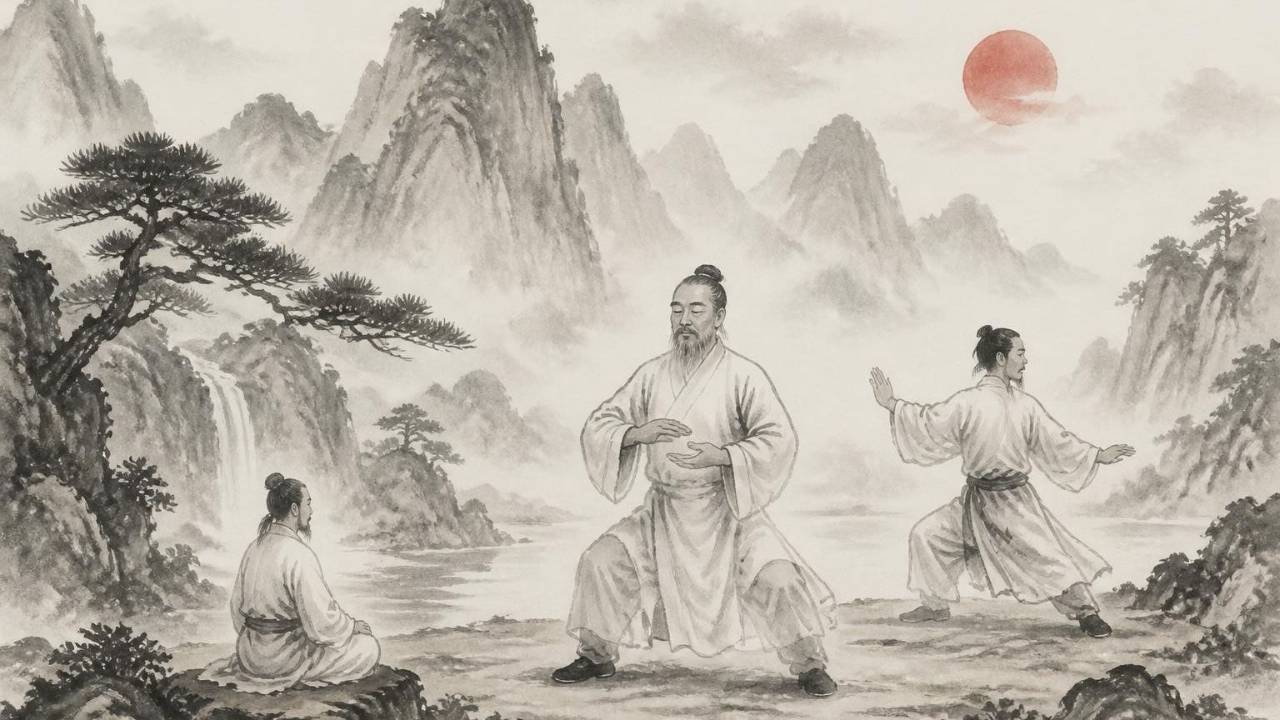
Qi gong operates on a simple truth: your body and mind are not separate. When stress takes hold, it doesn't just live in your thoughts. It settles in your shoulders, your chest, your breath. Wudang qi gong addresses this whole-body experience through gentle movement, intentional breathing, and focused awareness.
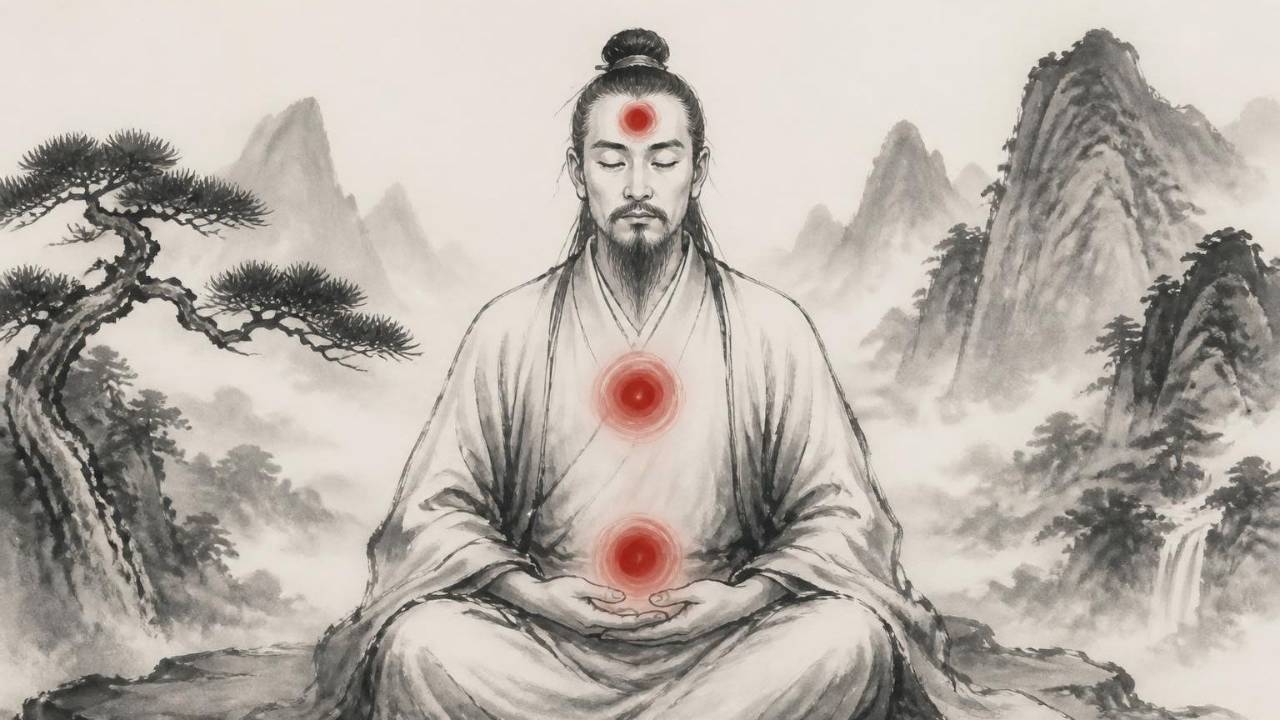
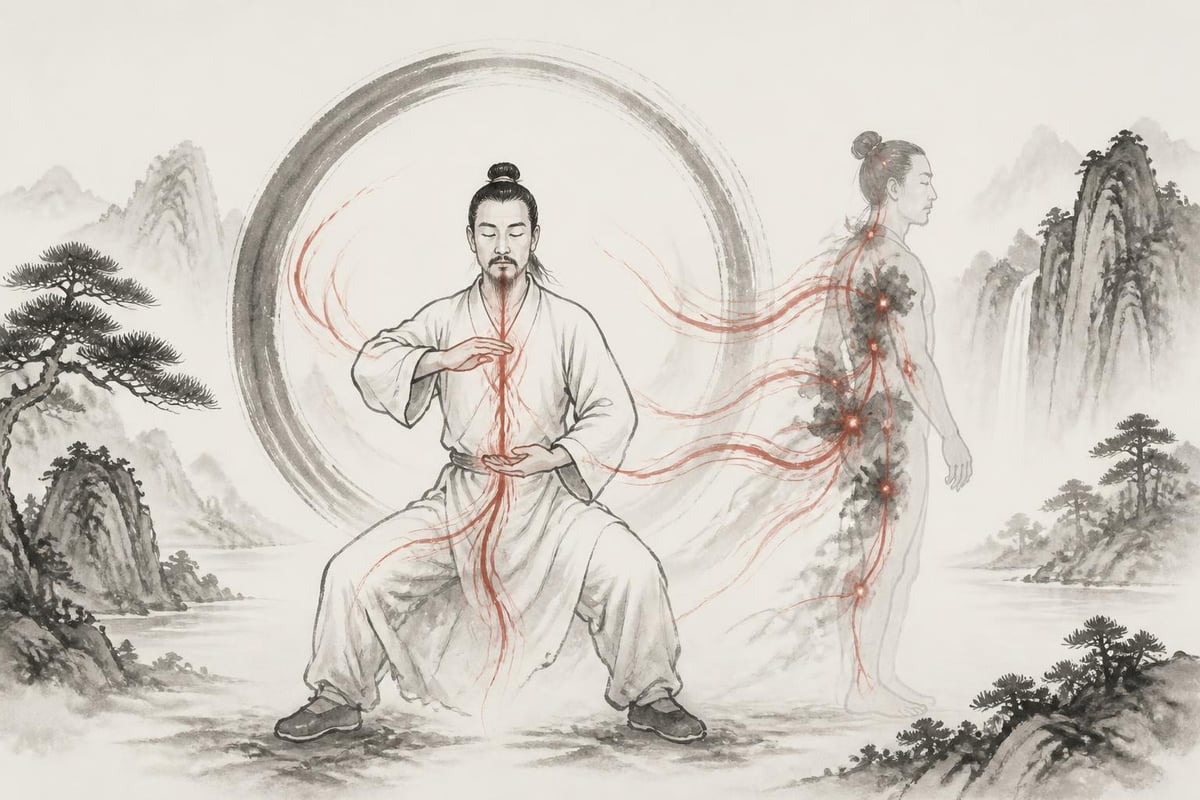
The practice works with qi, the vital energy that flows through your body along specific pathways called meridians. Stress blocks this flow, creating stagnation that manifests as physical tension, mental fog, or emotional overwhelm. When you move through qi gong forms, you're literally clearing these blockages, allowing energy to circulate freely again. Our in-depth guide to Qi Gong explores this foundational philosophy in more depth if you're curious about the roots of the practice.
The Three Pillars of Practice
Wudang qi gong for stress integrates three elements that work together:
- Movement that is slow, flowing, and natural, releasing physical tension without force
- Breath that is deep, steady, and connected to each gesture
- Awareness that brings your mind fully into the present moment
When these three elements combine, something shifts. Your nervous system begins to recognise safety. Your body releases what it's been holding. Your mind finds space between the thoughts.
How Stress Lives in Your Body
Before you can work with stress effectively, it helps to understand where it settles. Stress is not just a feeling. It's a physiological response that changes how your body functions.
Your shoulders rise and tighten. Your jaw clenches. Your breath becomes shallow and quick. These are all signs that your body has shifted into a protective state, preparing to fight or flee from a threat that often exists only in your mind.
George shares a simple 4-7-8 breathing practice in the video below, a wonderfully quick way to release tension in the moment.
Common Physical Patterns
| Stress Location | How It Appears | Qi Gong Response |
|---|---|---|
| Shoulders & Neck | Tension, tightness, pain | Gentle rotation and opening movements |
| Chest & Diaphragm | Shallow breathing, restriction | Deep belly breathing with arm flows |
| Lower Back | Aching, stiffness | Kidney energy exercises, waist rotations |
| Digestive System | Discomfort, irregular function | Spleen and stomach meridian work |
The beauty of qi gong for stress is that it meets you exactly where you are. You don't need to be flexible, strong, or experienced. You simply need to show up and move with awareness.
Core Practices for Daily Stress Relief
Building a qi gong practice doesn't require hours of your day. Even a few minutes can shift your state significantly. The key is consistency rather than intensity.
Standing Like a Tree (Zhan Zhuang)
This foundational practice looks deceptively simple. You stand with your feet shoulder-width apart, knees slightly bent, arms held as if embracing a tree. You breathe naturally and allow your body to settle.
What happens next is remarkable. Your mind begins to quiet. Your body starts to tremble slightly as it releases held tension. You become aware of the constant effort you've been making just to hold yourself together. As you relax that effort, stress begins to dissolve.
Practice details:
- Start with 3-5 minutes daily
- Focus on relaxing your shoulders downward
- Breathe into your lower belly
- Notice without judging any discomfort that arises
Flowing Water Practice
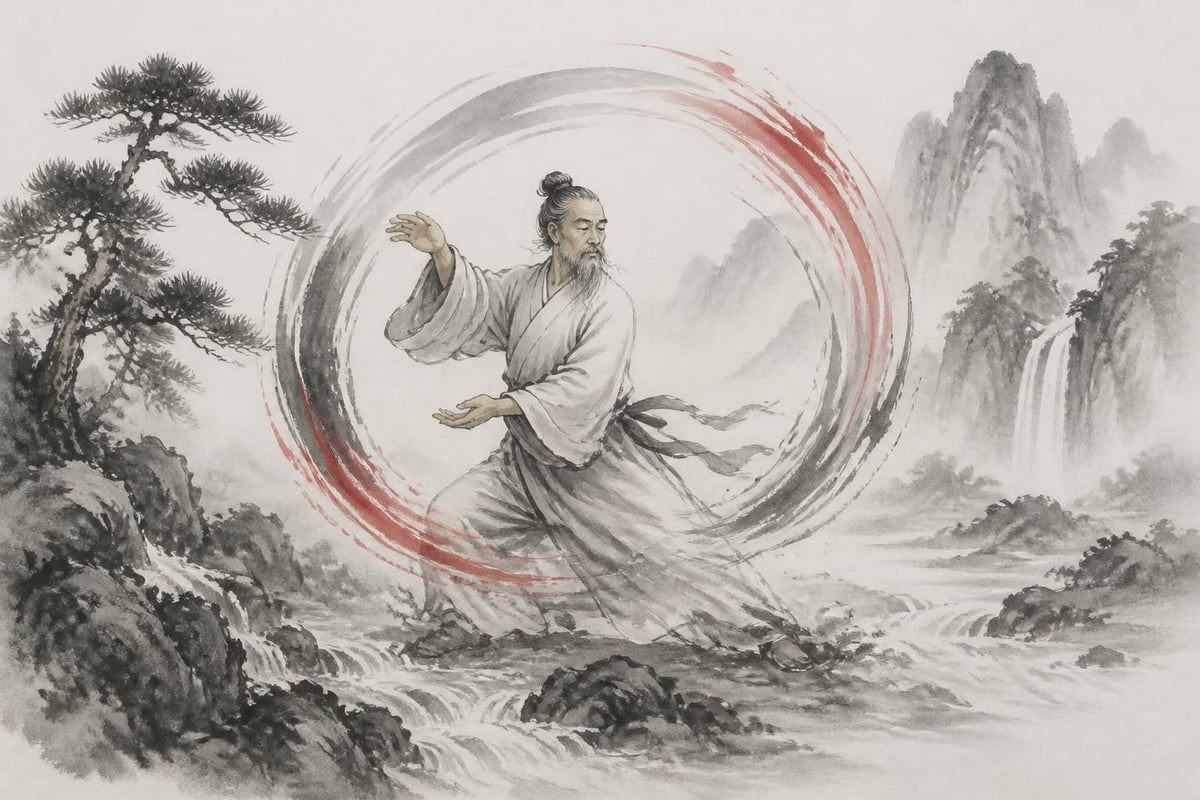
Water never forces its way. It finds the path of least resistance and flows naturally. This principle guides one of the most effective qi gong sequences for stress.
The movements mimic water's gentle flow, with soft arm circles, waist rotations, and weight shifting from foot to foot. As you practise, imagine stress flowing out of your body like water running downstream.
- Begin in a comfortable stance, feet parallel
- Raise your arms slowly, palms facing up, breathing in
- Turn palms down and lower arms, breathing out
- Add gentle waist rotation, allowing arms to follow naturally
- Continue for 5-10 minutes, maintaining soft, continuous movement
Breathing into the Lower Dan Tian
The lower dan tian is an energy centre located about three finger-widths below your navel. When you breathe into this area, you're activating your body's natural calming response.
Place one hand on your lower belly. Breathe in slowly through your nose, feeling your belly expand. Pause gently. Breathe out through your mouth, feeling your belly soften. This simple practice signals to your nervous system that you're safe.
The Science Supporting Qi Gong for Stress
Ancient wisdom meets modern research in compelling ways. Studies consistently show that regular qi gong practice reduces perceived stress levels and improves emotional regulation.
Your body's stress response involves the sympathetic nervous system, which prepares you for action. Qi gong activates the parasympathetic nervous system, which supports rest and restoration. This shift is measurable in heart rate variability, cortisol levels, and brain wave patterns.
What Research Shows
The practice offers benefits beyond subjective feelings of calm:
- Reduced cortisol and stress hormones
- Improved sleep quality and duration
- Enhanced immune system function
- Better emotional balance and resilience
- Decreased anxiety and low mood symptoms
These changes don't require years of practice. Many people notice differences within weeks of consistent practice.
Building Your Personal Practice
Starting qi gong for stress doesn't mean adding another obligation to an already full schedule. It means finding small moments throughout your day to reconnect with your body and breath.
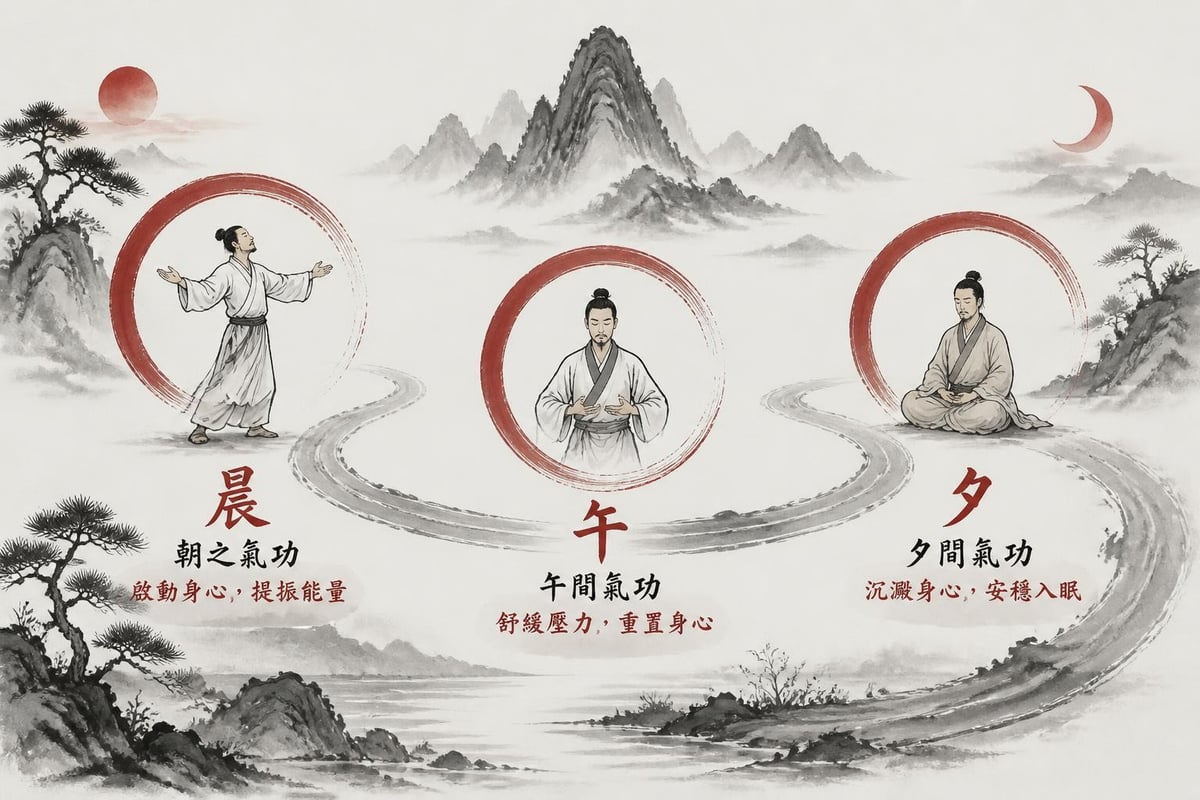
Morning Energy Setting
Before you check your phone or start your to-do list, spend five minutes in gentle movement. This sets an energetic foundation for your entire day. You're teaching your body that you don't need to start from stress.
Simple morning sequence:
- Gentle neck rotations in both directions
- Shoulder rolls, releasing tension
- Arm swings, front to back
- Waist rotations, hands on hips
- Knee circles, warming the joints
Midday Reset
When stress builds during your day, you don't need to push through it. A three-minute qi gong break can shift everything. Step away from your desk, stand, and breathe deeply while gently shaking out your arms and legs.
This might seem too simple to work, but that's the point. Stress thrives on complexity and effort. Relief comes through returning to what's natural.
Evening Release Practice
The qi gong approach to stress recognises that we often carry the day's tensions into our evening and sleep. A specific evening practice helps release what you've accumulated.
Focus on downward, grounding movements. Allow your breath to slow naturally. Visualise stress sinking into the earth below you, where it can be transformed and recycled.
Working with Specific Stress Triggers
Different types of stress call for different qi gong approaches. The Wudang tradition offers specific practices for various situations.
| Stress Type | Qi Gong Focus | Key Practice |
|---|---|---|
| Mental overwhelm | Calming the mind | Standing meditation, breath focus |
| Emotional intensity | Opening the heart | Chest-opening flows, compassion breathing |
| Physical tension | Releasing the body | Joint rotations, gentle stretching |
| Energy depletion | Gathering qi | Drawing energy movements, rest poses |
For those seeking structured guidance in these practices, Taoist Wellness Online provides access to comprehensive instruction in authentic Wudang qi gong forms specifically designed for stress relief and energy cultivation.
When Anxiety Strikes
Anxiety is a particular form of stress that feels urgent and overwhelming. Qi gong meets anxiety with grounding and presence. Rather than fighting anxious thoughts, you redirect your attention to physical sensation and breath.
The Kidney Breathing Exercise is especially helpful:
- Stand or sit comfortably
- Place hands on your lower back, over kidneys
- Breathe deeply, imagining warmth flowing into this area
- Hold briefly, then release with a soft sigh
- Repeat 9-18 times
Managing Chronic Stress
When stress has been present for months or years, your body adapts to it as normal. Breaking this pattern requires gentle persistence. You're not trying to force relaxation. You're gradually reminding your system what balance feels like.
Daily practice becomes essential here. Even three minutes each morning creates cumulative effects. Your nervous system begins to recalibrate. What once felt normal starts to feel uncomfortable. What once felt impossible starts to feel accessible.
Integrating Qi Gong with Daily Life
The most powerful qi gong for stress isn't something you do separately from life. It becomes woven into how you move through your day.
Mindful transitions: When you move from one activity to another, pause for three breaths. This prevents stress from accumulating as you rush through your schedule.
Walking practice: Transform any walk into qi gong by coordinating breath with steps. Breathe in for three steps, out for three steps. This simple rhythm calms your mind while you move.
Conscious posture: Notice how you hold your body while working, driving, or sitting. Qi gong teaches natural alignment that reduces strain. Soften your shoulders. Release your jaw. Breathe into your belly.
The Role of Community
Learning and practising with others who understand this path creates supportive energy. Our community offers connection with practitioners worldwide who are working with similar challenges.
Shared practice amplifies individual effort. When you know others are also choosing presence over reaction, calm over chaos, you feel less alone in the journey.
What to Expect as You Practice
Qi gong for stress offers both immediate and cumulative benefits. Understanding what to expect helps you stay with the practice through different phases.
First Week
You might feel somewhat awkward as you learn new movements. That's completely natural. You're asking your body to move in ways it's not used to. You may notice moments of unexpected calm, brief windows where stress lifts.
First Month
Movement becomes more natural. You start to crave practice when stress builds. Your body begins recognising the difference between tension and relaxation. Sleep may improve. You might find yourself responding to triggers with slightly more space.
Three Months and Beyond
The practice becomes part of who you are. You notice stress earlier, before it takes deep root. Your baseline state shifts toward calm. Recovery from stressful events happens more quickly. These changes feel less like effort and more like remembering.
Common Questions About Practice
How long should I practise? Start with whatever feels sustainable. Five minutes of genuine practice beats thirty minutes of forcing yourself. Gradually increase as your body calls for more.
What if I can't quiet my mind? The goal isn't stopping thoughts. It's changing your relationship with them. Let thoughts be like clouds passing through sky. You notice them without grabbing onto them.
Can I practise if I have physical limitations? Absolutely. Qi gong adapts to every body. Many movements can be done seated or modified. The internal work of breath and awareness doesn't require specific physical ability. As always, check with a healthcare professional first if you have an existing condition or injury.
When will I feel results? Some people notice shifts immediately. Others need consistent practice for several weeks. Trust your own timeline. Your body knows what it needs.
The Deeper Journey
As you continue with qi gong for stress, something unexpected often happens. You realise stress was never the real problem. It was a signal, pointing toward imbalance in how you were living.
The practice becomes less about managing stress and more about cultivating harmony. You start making different choices. You set boundaries more clearly. You notice what drains you and what nourishes you.
This is the deeper gift of the Wudang tradition. It doesn't just address symptoms. It invites you into a whole way of being that naturally reduces stress because you're living more aligned with your true nature. Our article on Six Healing Sounds Qi Gong: In-depth Introduction explores a complementary sound-based practice for restoring this same emotional and energetic balance.
Guidance from Authentic Teaching
Learning from someone who has walked this path makes a significant difference. Our Master Gu, a 15th-generation San Feng Pai Wudang Taoist Master, brings over 25 years of expertise to his teaching. His guidance helps students understand not just the external movements, but the internal principles that make qi gong for stress truly transformative.
Authentic lineage matters because these practices have been refined over centuries. Each generation adds understanding while preserving what works. When you learn from this lineage, you're connecting with wisdom that has helped countless people find balance amid life's challenges.
Our Qi Gong course offerings include specific sequences designed for stress relief, taught with attention to proper form and internal focus. This combination of correct technique and genuine understanding creates the conditions for real transformation.
Moving Forward with Practice
You now have a foundation for understanding how qi gong for stress can support your wellbeing. The next step is simply to begin. Not tomorrow or next week, but with your very next breath.
Stand up. Roll your shoulders back and down. Take three deep breaths into your belly. Notice how you feel. That's qi gong. That's the practice. Everything else builds from these simple moments of returning to your body, your breath, your natural state of balance.
Qi gong for stress offers a time-tested path from tension to tranquility, from overwhelm to balance. The practices work because they align with how your body and energy naturally function, gently clearing what blocks your wellbeing. Whether you're just beginning or deepening your practice, Taoist Wellness Online provides authentic instruction, supportive community, and comprehensive resources to guide your journey with wisdom passed down through generations of Wudang masters.
If you'd like a gentle place to start, our free Taoist course covers Tai Chi, Qi Gong, Meditation, and Taoist Wisdom.