How to Eat Like a Taoist: Ancient Wisdom for Modern Health
Sep 09, 2026
Eating is not just about fuel. It's about connection, harmony, and the subtle energies that flow through every meal. When you learn how to eat like a Taoist, you're embracing a way of nourishing yourself that honours nature's rhythms, respects your body's wisdom, and cultivates the vital energy that keeps you vibrant and centred. This isn't a diet in the modern sense. There are no strict rules or calorie counts. Instead, Taoist dietary principles offer a framework for eating that supports your physical health, mental clarity, and spiritual wellbeing. Drawing from thousands of years of observation and practice, these teachings show us how food can become medicine, how meals can become meditation, and how every choice we make at the table can either support or diminish our life force.
The Foundation: Understanding Qi and Food
At the heart of learning how to eat like a Taoist is the concept of Qi, the vital energy that flows through all living things. Food is one of the primary ways we replenish and refine our Qi. Every meal is an opportunity to strengthen your energy reserves, support your organs, and maintain the delicate balance between yin and yang within your body.
Taoism recognises that food carries energetic properties beyond its nutritional content. Some foods are warming, others cooling. Some build blood, others move energy. The key is understanding what your body needs in any given moment and choosing accordingly. Our article on Taoist Diet Food: Taoist Principles For Proper Diet & Nutrition explores these foundations in more depth.
The Five Elements and Your Plate
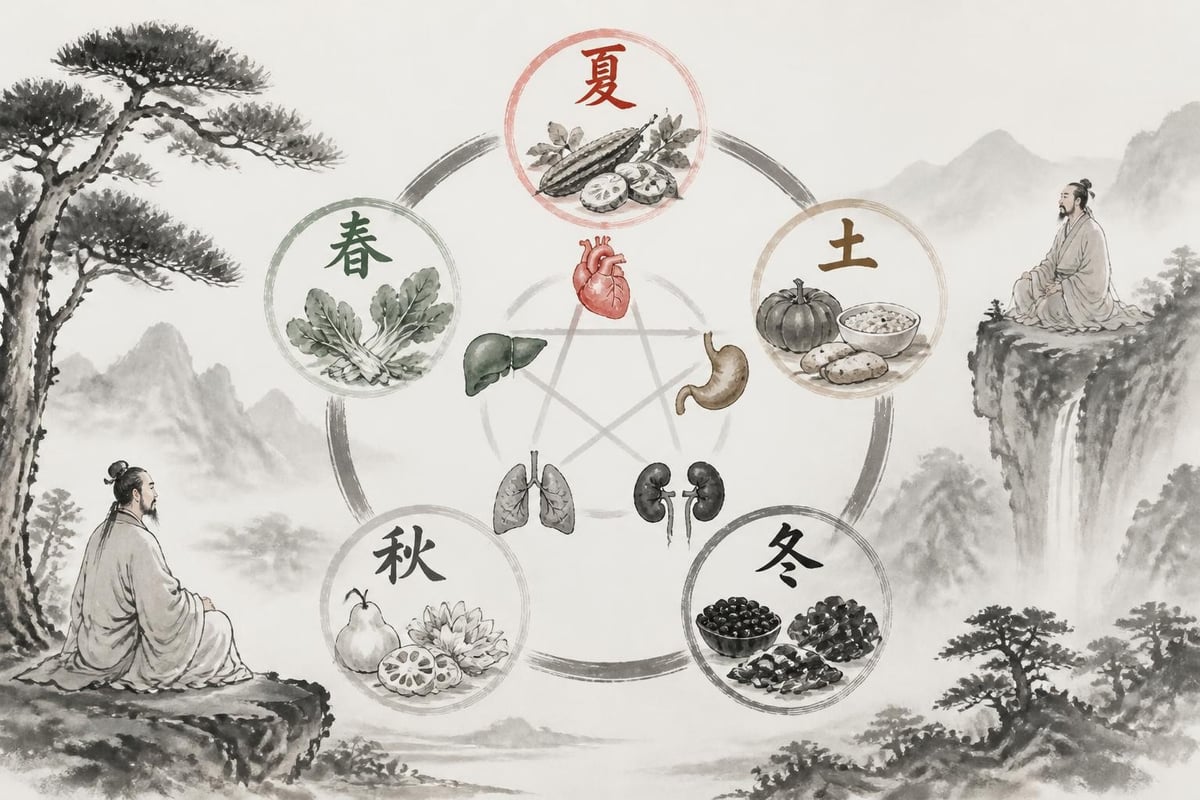
Traditional Taoist philosophy organises the world through the Five Elements: Wood, Fire, Earth, Metal, and Water. Each element corresponds to specific organs, seasons, flavours, and food categories.
| Element | Season | Organ System | Flavour | Food Examples |
|---|---|---|---|---|
| Wood | Spring | Liver/Gallbladder | Sour | Leafy greens, sprouts, citrus |
| Fire | Summer | Heart/Small Intestine | Bitter | Bitter melon, dandelion, dark chocolate |
| Earth | Late Summer | Spleen/Stomach | Sweet | Root vegetables, millet, dates |
| Metal | Autumn | Lung/Large Intestine | Pungent | Ginger, radish, white foods |
| Water | Winter | Kidney/Bladder | Salty | Seaweed, miso, black beans |
This framework helps you align your eating with natural cycles. In spring, emphasise fresh greens that support liver detoxification. In winter, turn to warming, mineral-rich foods that nourish kidney energy.
Eating With the Seasons
One of the most practical ways to understand how to eat like a Taoist is to follow the seasons. Nature provides exactly what we need when we need it. Summer's cooling fruits help us manage heat. Winter's hearty roots build reserves for cold months.
Spring: Rising Energy
- Fresh sprouts and young greens
- Lighter cooking methods (steaming, quick stir-frying)
- Sour flavours to support liver function
- Foods that move upward and outward
Spring is the season of renewal. Your diet should reflect this awakening energy. Focus on foods that help release what accumulated during winter and support the liver's natural detoxification processes.
Summer: Expansive Vitality
During summer, Taoist eating emphasises cooling foods that prevent overheating while maintaining vitality. Watermelon, cucumber, and leafy vegetables help regulate body temperature. Lighter meals eaten at regular times support digestive fire without overwhelming it.
The heart is the organ associated with summer. Bitter flavours in moderation, like those found in certain greens, help clear excess heat and calm the spirit.
Autumn: Gathering Inward
- White and pale-coloured foods (daikon, pears, lotus root)
- Foods that moisten the lungs
- Slightly pungent flavours
- Begin incorporating warming cooking methods
Autumn asks us to start consolidating energy. The lungs need support as air becomes drier. Foods that moisten and protect the respiratory system become essential.
Winter: Deep Nourishment
Winter is the time for building and storing energy. Dark, mineral-rich foods like black beans, seaweeds, and bone broths nourish kidney energy, the foundation of vitality in Taoist medicine. Longer cooking times and warming spices help generate internal heat.
| Season | Cooking Method | Temperature | Primary Goal |
|---|---|---|---|
| Spring | Light steaming, quick sauté | Moderate | Detoxify, awaken |
| Summer | Raw, blanched, minimal heat | Cool to neutral | Cool, hydrate |
| Autumn | Roasting, longer steaming | Warm | Moisten, protect |
| Winter | Slow cooking, stewing | Hot | Warm, build reserves |
The Art of Yin and Yang on Your Plate
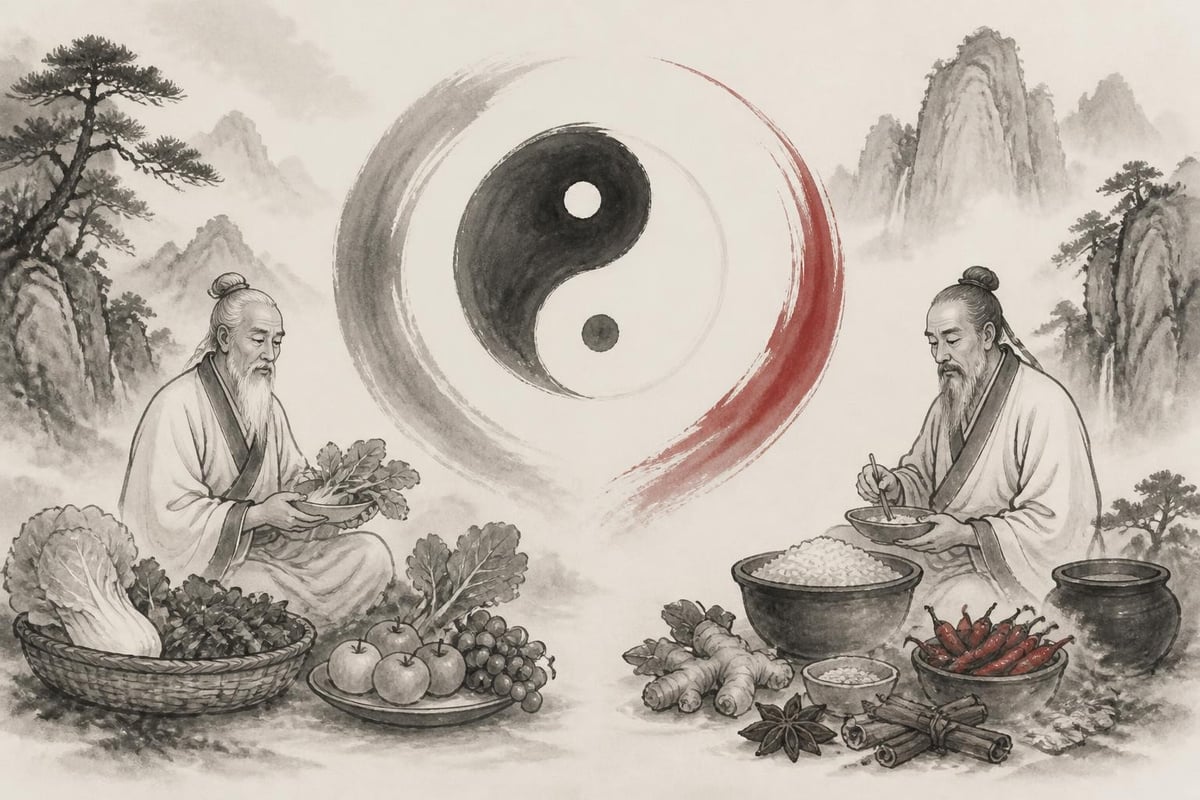
Balance is central to Taoist practice, and nowhere is this more evident than in how to eat like a Taoist. Every food carries yin or yang qualities, and maintaining equilibrium between these forces supports health and vitality.
Yang foods are warming, energising, and move energy upward and outward. They include:
- Ginger and garlic
- Lamb and game meats
- Cinnamon and other warming spices
- Foods cooked with high heat
Yin foods are cooling, calming, and move energy downward and inward. Examples include:
- Cucumbers and melons
- Tofu and mung beans
- Most raw fruits
- Steamed or raw vegetables
Neither yin nor yang is better. The goal is appropriate balance for your constitution, season, and current condition. Someone who runs hot might need more cooling foods. Someone with weak digestion might need more warming, cooked foods.
Foods to Embrace and Foods to Limit
Traditional Taoist dietary guidance includes specific recommendations about which foods support spiritual and physical cultivation. While individual needs vary, certain patterns emerge from classical teachings and the experiences of practitioners throughout centuries.
Nourishing Foundations
- Whole grains: Rice, millet, and other unprocessed grains provide steady energy
- Vegetables: Especially seasonal, local varieties
- Legumes: Beans and lentils for protein and grounding energy
- Fungi: Mushrooms for immune support and spiritual clarity
- Fermented foods: Naturally fermented vegetables and miso for digestive health
- Nuts and seeds: In moderation, for healthy fats and minerals
Foods Approached With Caution
Classical Taoist texts often mention avoiding the "five pungent vegetables" during intensive spiritual practice. These include garlic, onions, leeks, chives, and shallots. While these foods have health benefits, they're considered too stimulating for deep meditative work.
Heavy, greasy, and overly processed foods are generally minimised. They create sluggishness and cloud mental clarity. Excessive amounts of meat, especially red meat, can generate excess heat and agitation.
Mindful Eating as Spiritual Practice
Learning how to eat like a Taoist extends beyond what you eat to how you eat. The manner in which you consume food matters as much as the food itself.
Eating With Presence
Each meal is an opportunity to practise mindfulness. Before eating, take a moment to appreciate the food before you. Notice colours, aromas, and the energy you're about to receive. Eat slowly, chewing thoroughly. This aids digestion and allows you to truly taste and experience your food.
Portion and Timing
Traditional Taoist wisdom suggests eating until you're about 70-80% full. This practice, common throughout East Asian traditions, prevents overtaxing the digestive system and maintains lightness in body and mind. When you overeat, you divert energy to digestion that could otherwise support vitality and awareness.
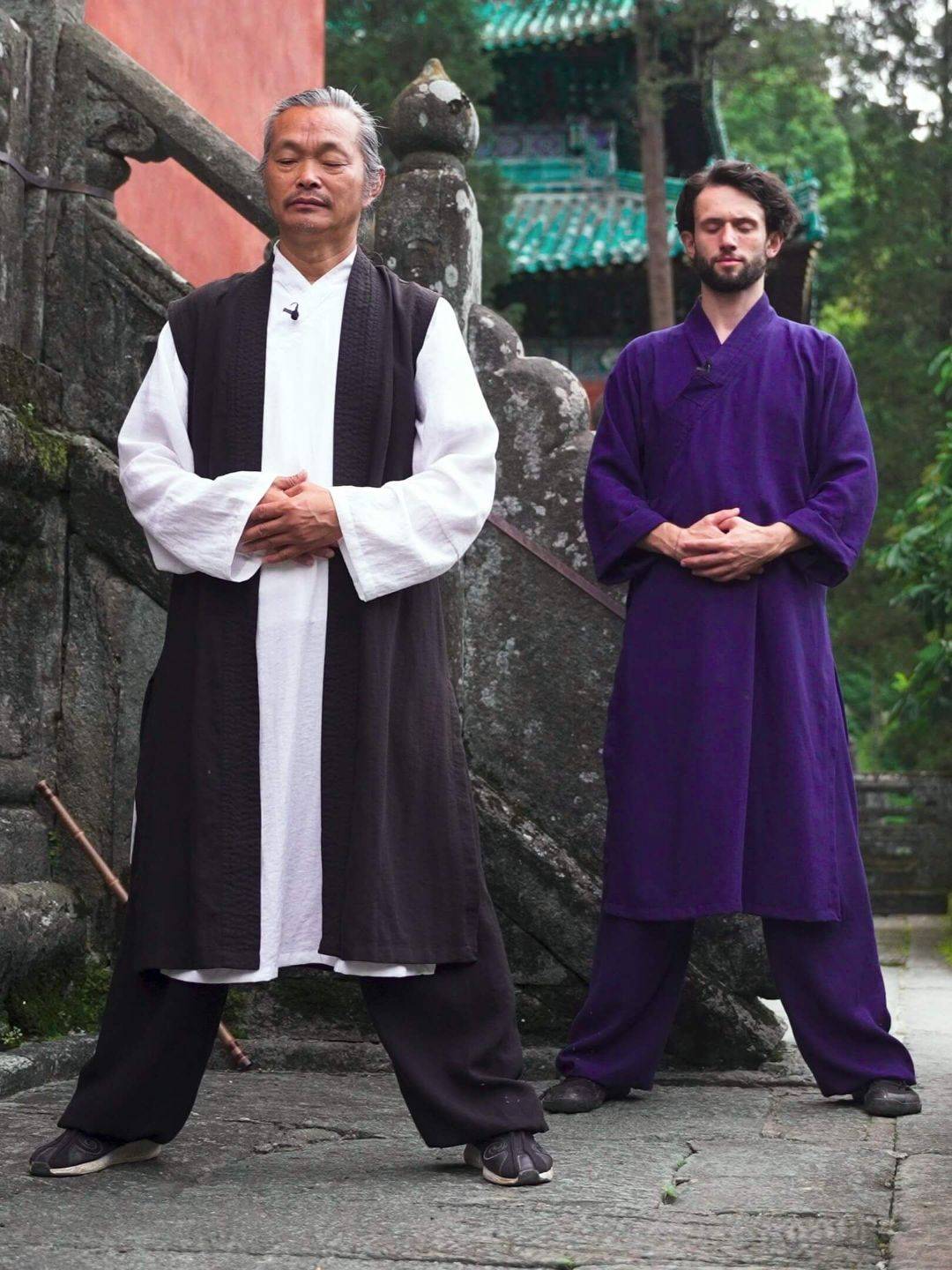
Master Gu and George discuss this principle directly in the video below, on maintaining a balanced diet at around 80% full.
Key eating practices:
- Eat your largest meal when digestive fire is strongest (midday)
- Avoid eating late at night
- Don't eat when emotionally upset
- Create calm, pleasant environments for meals
- Express gratitude before and after eating
For those deepening their practice through our Taoist Philosophy course, mindful eating becomes another avenue for cultivating presence and harmony with natural law.
Fasting and Purification Practices
Periodic fasting or dietary simplification has long been part of Taoist cultivation. These practices aren't about deprivation but about giving your system rest and clearing accumulated stagnation. Some practitioners observe vegetarian periods before intensive meditation or seasonal transitions.
A simple purification practice might involve:
- Choose a period of 3-7 days during a seasonal transition
- Eat only simple, cooked vegetables and rice or millet
- Avoid heavy proteins, oils, and stimulating foods
- Drink warming teas and broths
- Maintain gentle movement practices like Qi Gong
- Return gradually to your regular eating pattern
These practices help reset your relationship with food and increase sensitivity to what truly nourishes you. Many students who study our Qi Gong course find that periodic dietary simplification deepens their energetic awareness. If you'd like to try this yourself, do bear in mind that fasting isn't suitable for everyone, so it's worth checking with a healthcare professional first, particularly if you have any existing health conditions.
Hydration and Tea Culture
Water is the most yin of all elements, essential for life and flow. Proper hydration supports every bodily function and helps Qi move smoothly through your system.
Taoists typically prefer warm or room-temperature beverages over iced drinks, which can dampen digestive fire. Herbal teas play an important role, chosen for their energetic properties and seasonal appropriateness.
Common Taoist herbal teas:
- Chrysanthemum tea for cooling in summer
- Ginger tea for warming in winter
- Goji berry tea for nourishing kidney energy
- Lotus seed tea for calming the heart
- Green tea in moderation for clarity
Connecting Food and Movement
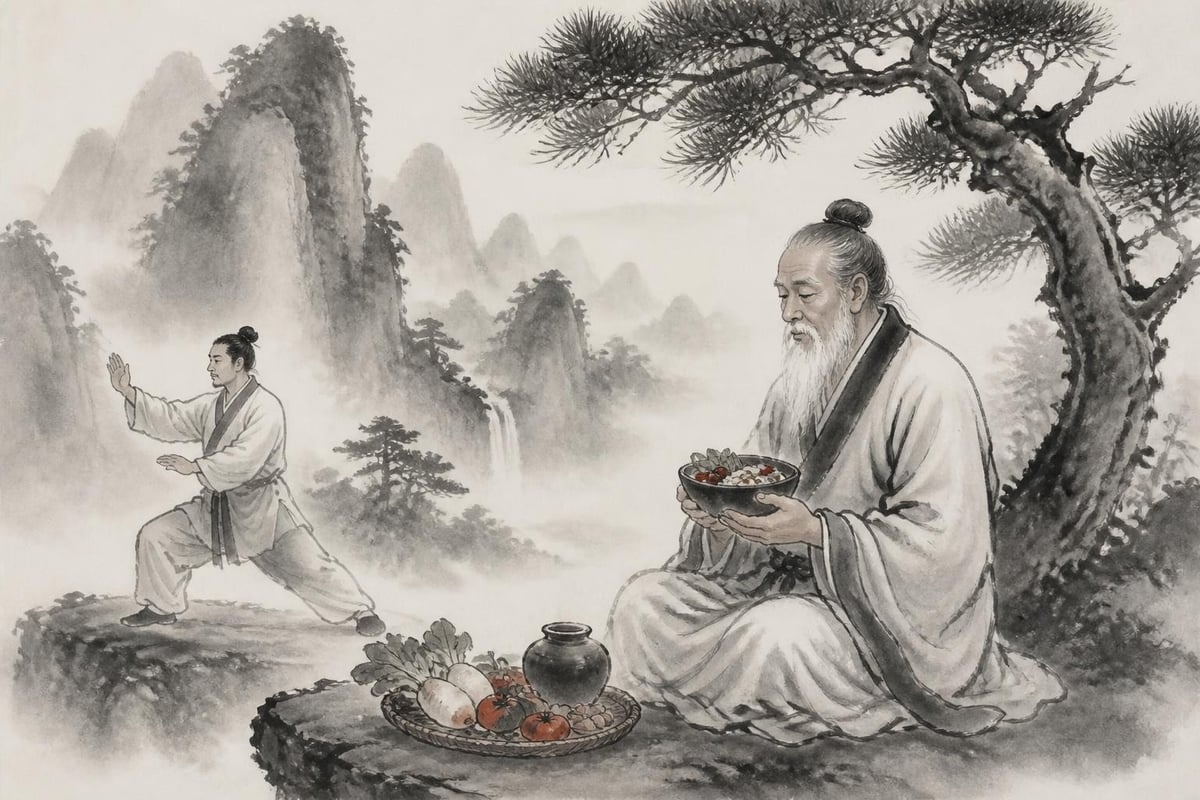
How to eat like a Taoist naturally complements practices like Tai Chi and Qi Gong. These movement arts circulate the Qi you obtain from food, preventing stagnation and building vitality. The relationship is reciprocal. Good nutrition supports your practice, and consistent practice improves how your body processes and uses nutrients. Our article on Taoist Yoga: Incorporating Movement and Breathwork into Your Practice explores this connection between physical practice and internal energy in more detail.
Those who practise our Wudang Tai Chi course often notice they become more attuned to their body's signals about food. You begin to sense what energises you versus what creates heaviness or agitation.
Practical Steps to Begin
Understanding how to eat like a Taoist doesn't require a complete dietary overhaul overnight. Start with small, sustainable changes that align with these principles.
Week One: Awareness
- Notice what you're currently eating and when
- Pay attention to how different foods make you feel
- Begin eating one meal per day with full presence
Week Two: Seasonal Alignment
- Visit a farmer's market or focus on seasonal produce
- Choose vegetables and fruits that are naturally abundant now
- Research which foods correspond to the current season
Week Three: Temperature and Preparation
- Experiment with cooking methods appropriate to the season
- Notice the difference between raw and cooked foods in your body
- Begin incorporating warming or cooling foods as needed
Week Four: Integration
- Establish regular meal times
- Practise eating until 70-80% full
- Create a simple daily or weekly pattern that feels sustainable
Living the Principles Beyond the Plate
The deeper teaching within learning how to eat like a Taoist is recognising that these principles extend to all of life. The same balance, awareness, and harmony you cultivate at meals can inform how you work, rest, and relate to others.
Food becomes a teacher, showing you about moderation, timing, and respect for natural cycles. As you attune to these rhythms through eating, you may find yourself naturally drawn to other Taoist practices that support whole-person wellness. Many practitioners discover that the path inward often begins with simple, grounded practices like mindful eating.
Our community of students and teachers shares insights and experiences about integrating these practices into modern life, offering support as you explore what authentic Taoist living means for you.
Remember that perfection isn't the goal. Taoist eating is about finding your own path to balance, guided by ancient wisdom but adapted to your unique needs, location, and circumstances. Some days you'll align perfectly with the principles. Other days you won't, and that's part of being human. The practice is in the returning, the gentle course corrections, and the growing awareness of what truly serves your vitality and peace.
Learning how to eat like a Taoist offers a grounded, practical path to greater vitality, clarity, and harmony with the natural world. These principles, refined over thousands of years, support not just physical health but the cultivation of energy and awareness that makes life richer and more purposeful. If you're ready to deepen your understanding of Taoist practices and integrate them into daily life, Taoist Wellness Online provides authentic teachings from Master Gu, a 15th-generation San Feng Pai Wudang Taoist Master, along with a supportive community and comprehensive resources to guide your journey toward balance and wellbeing.
If you'd like a gentle place to start, our free Taoist course covers Tai Chi, Qi Gong, Meditation, and Taoist Wisdom.